
Jack Whitten ‘The Numinous’ Exhibition Audio Guide
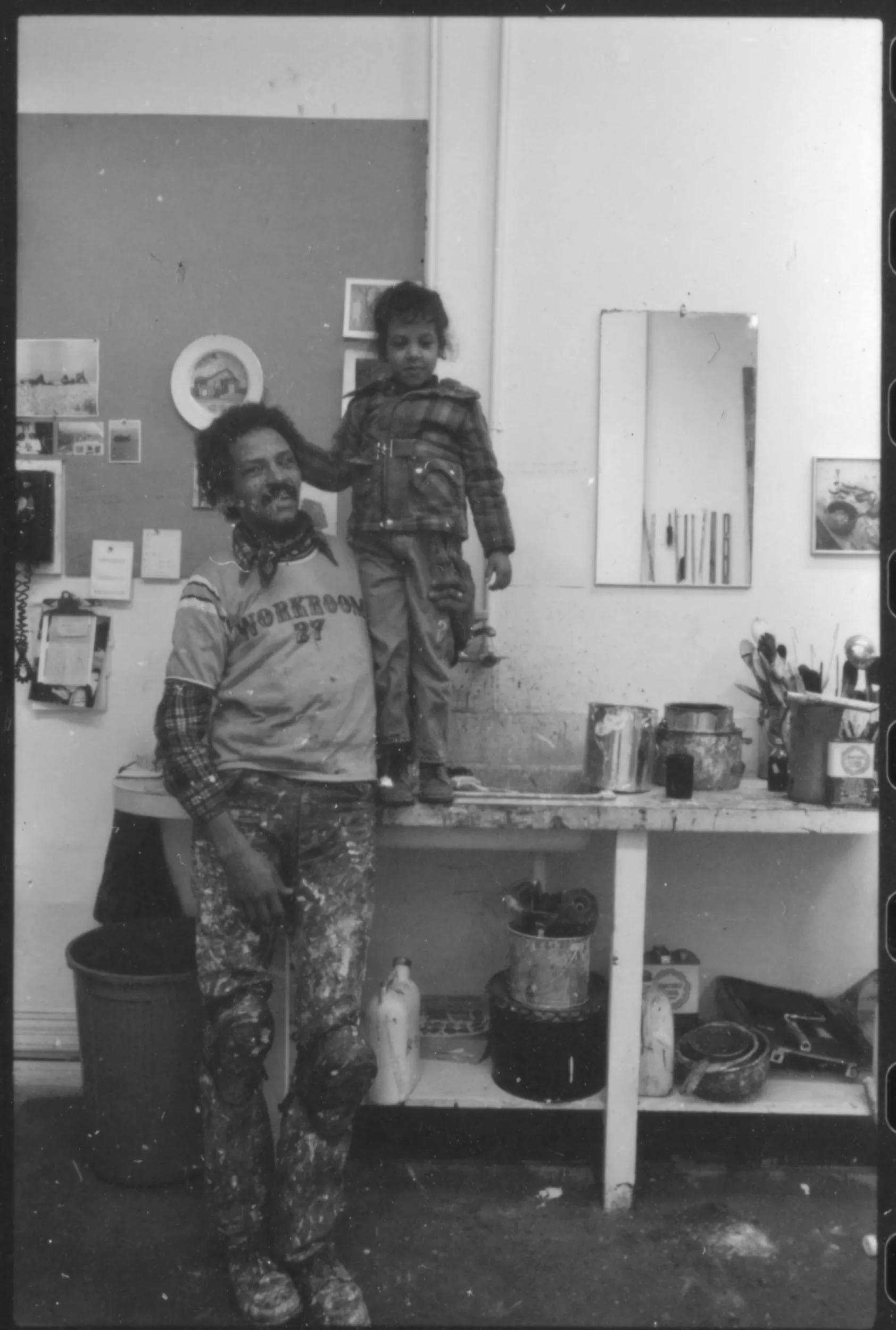
Jack Whitten with his daughter Mirsini in his studio at 40 Crosby Street, New York, c. 1977. Photo: Paul G. Viani
Jack Whitten ‘The Numinous’ Exhibition Audio Guide
On the occasion of the Downtown Los Angeles exhibition ‘Jack Whitten. The Numinous,’ Mary Whitten and Mirsini Amidon recall a decade of recovery and renewed artistic energy. Their memories of the 1980s and beyond offer insight into the artist’s restless process.
After the Fire
Following a fire in 1980 and the difficult years of rebuilding, Whitten's return to the studio marked a moment of renewed urgency. The works that emerged from this period hold a powerful sense of resilience and creative awakening.
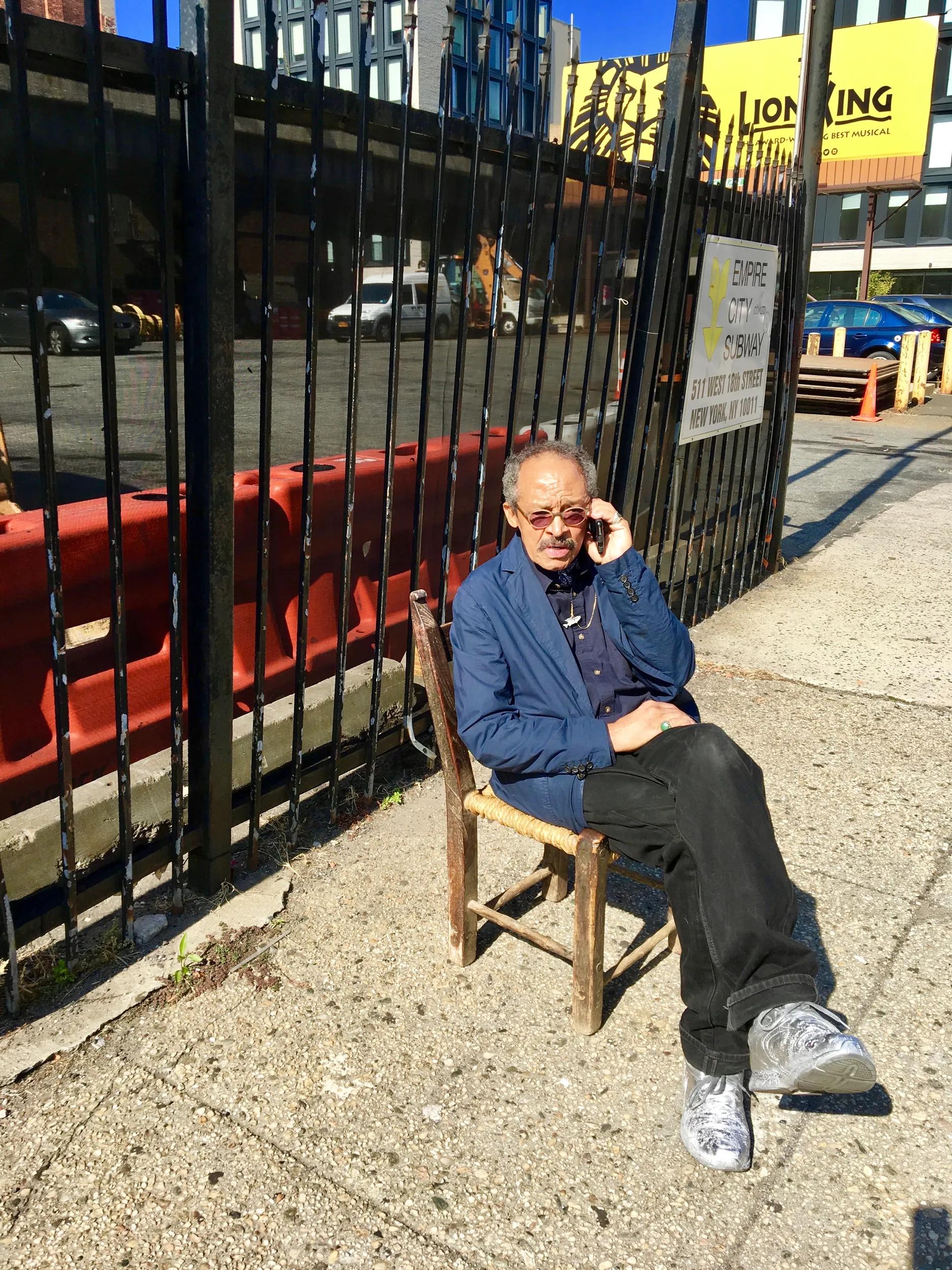
Jack Whitten in Chelsea, New York, c. 2010s
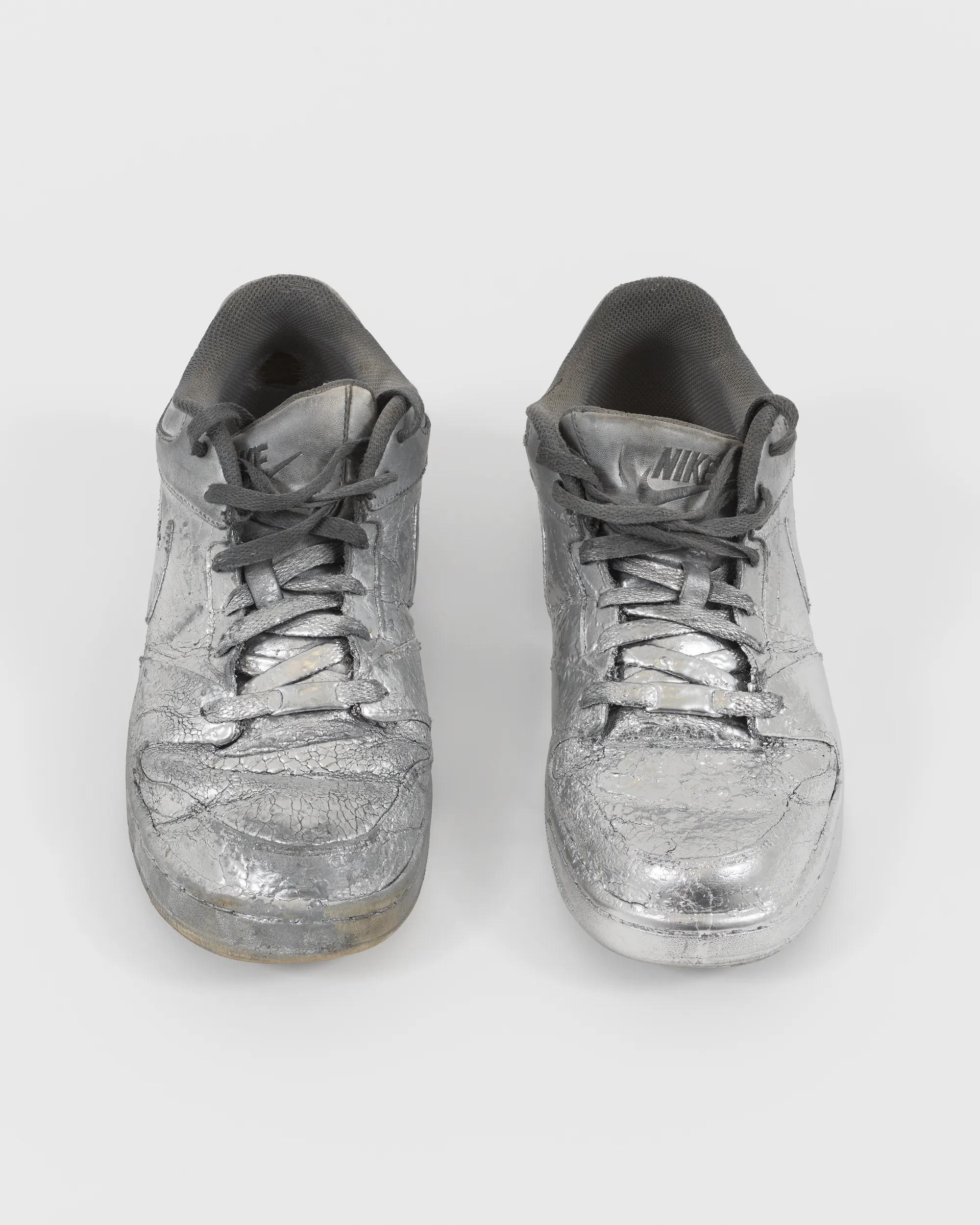
Jack Whitten’s silver-painted Nike sneakers. Photo: Sarah Muehlbauer
Painted Sneakers
Painted sneakers and hats extend Whitten's practice beyond the studio and into the rituals of daily life. Playful, stylish and deeply personal, these wearable works reflect his interest in the transformation of ordinary objects.
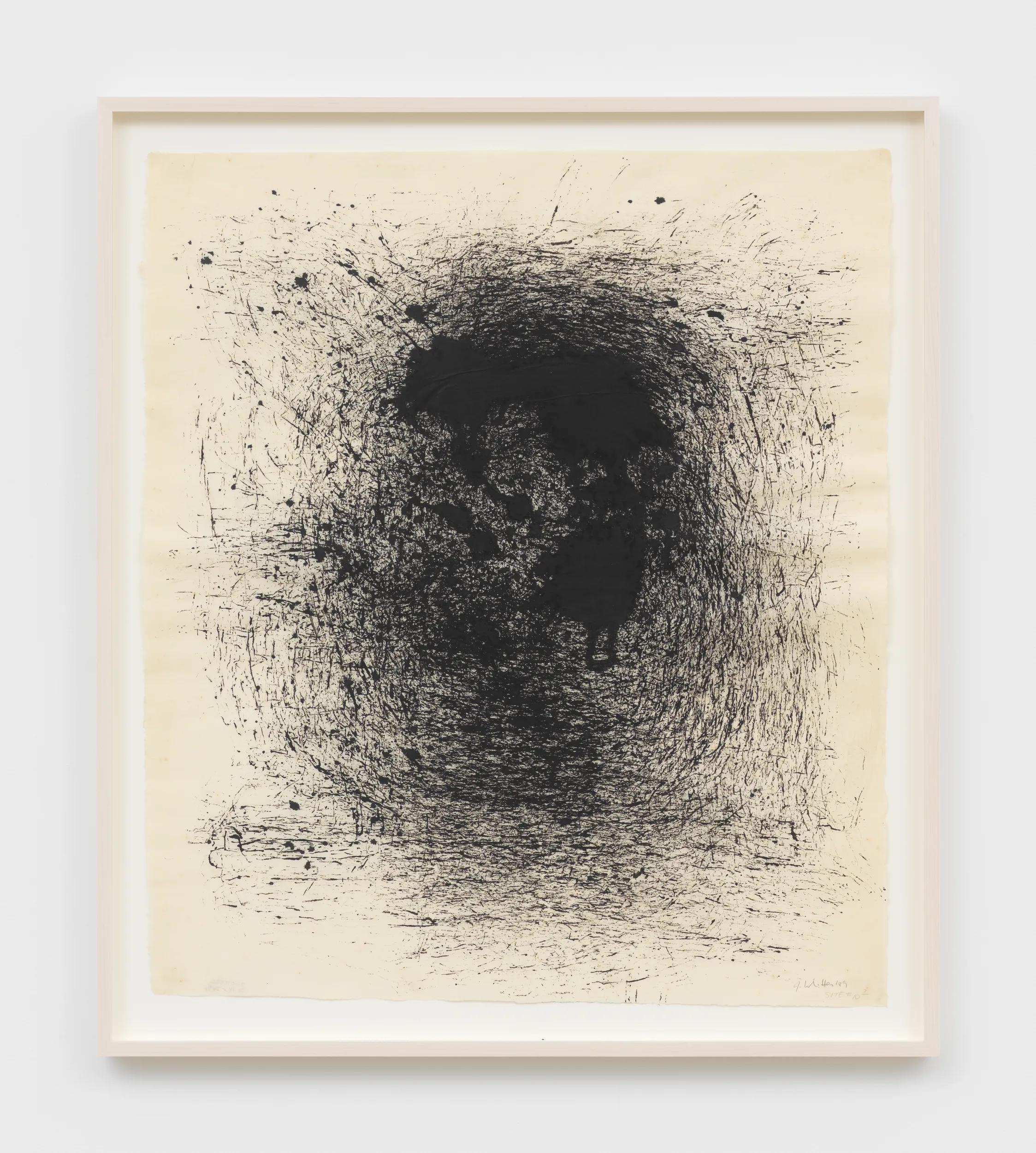
Jack Whitten, Site #10³, 1989 © 2026 Jack Whitten Estate / Artists Rights Society (ARS), New York. Photo: Object Studies
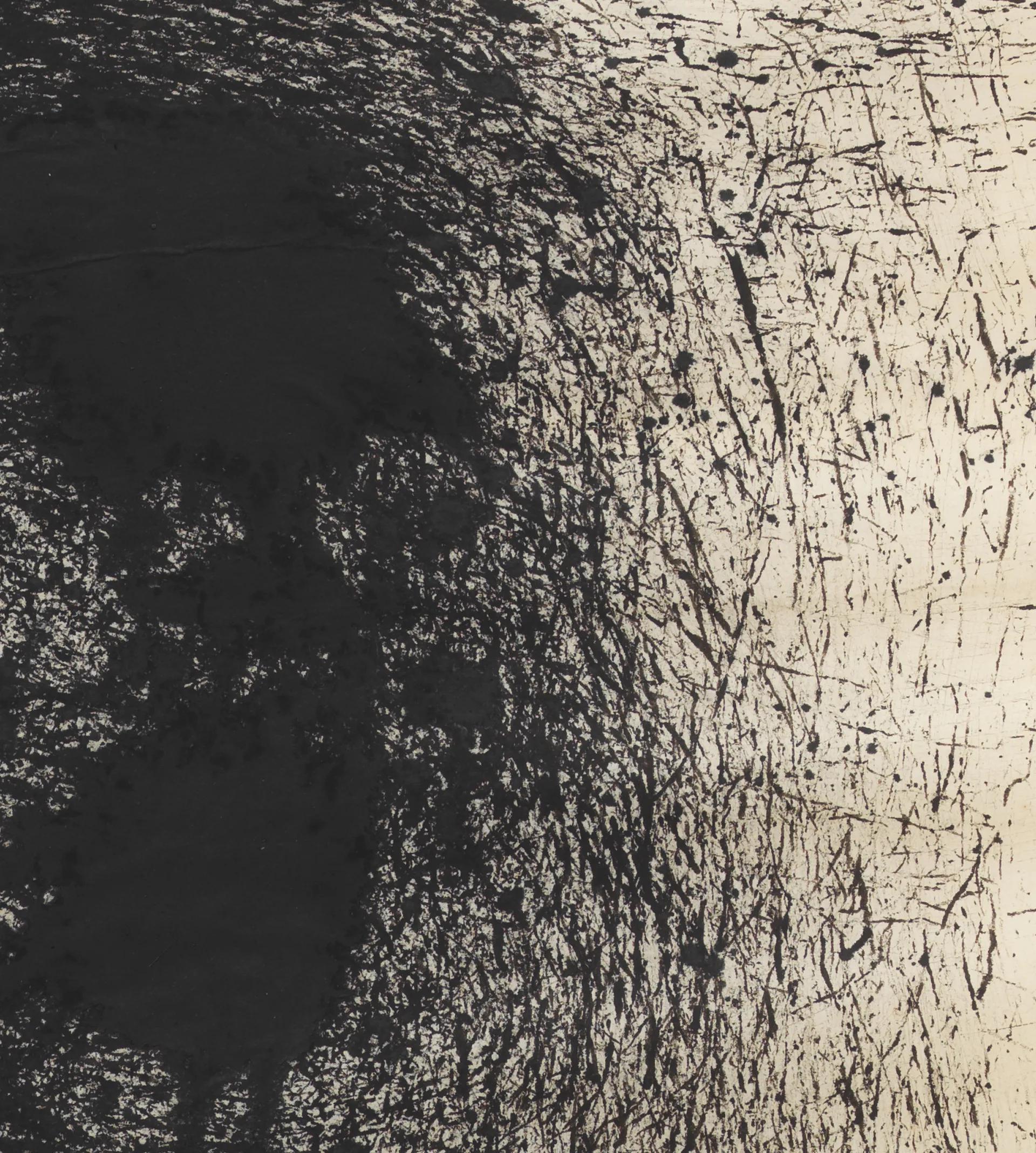
Jack Whitten, Site #10³ (detail), 1989 © 2026 Jack Whitten Estate / Artists Rights Society (ARS), New York. Photo: Object Studies
Working on Paper
For Whitten, paper was never a passive surface but a living material—responsive and full of possibility. Drawing allowed him to experiment, testing forms and ideas on paper before carrying them into painting and sculpture.
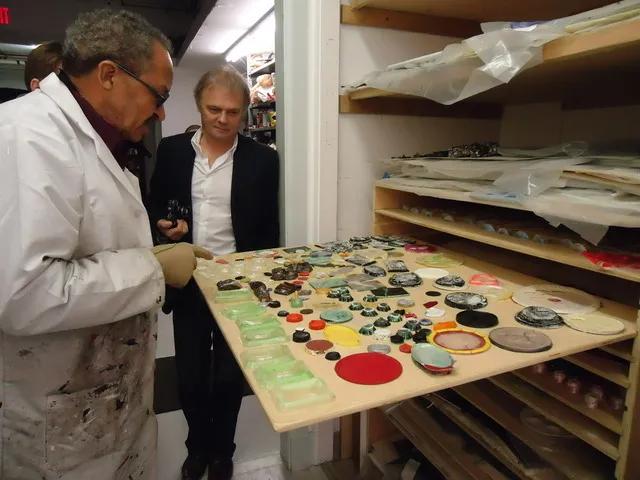
Acrylic Molds and Ready Nows
Whitten found artistic potential in the overlooked shapes of everyday life: bottle bottoms, tins, plastic containers, discarded fragments. Through collecting various forms and casting them in acrylic paint, these objects became part of a larger studio language in which the boundary between found material, tool and artwork remained deliberately porous.
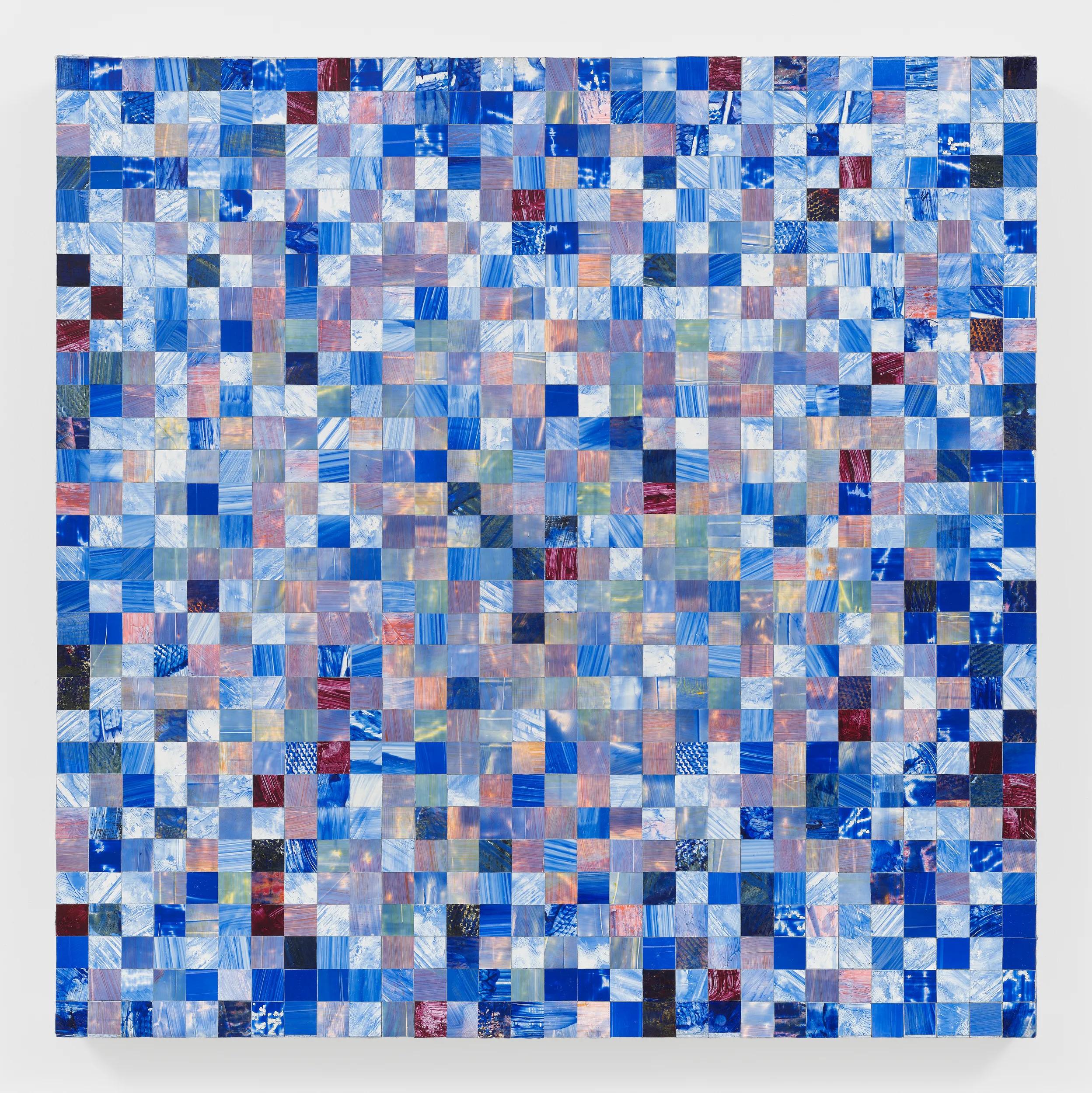
Jack Whitten, Confirmation, 1990 © 2026 Jack Whitten Estate / Artists Rights Society (ARS), New York. Photo: Sarah Muehlbauer
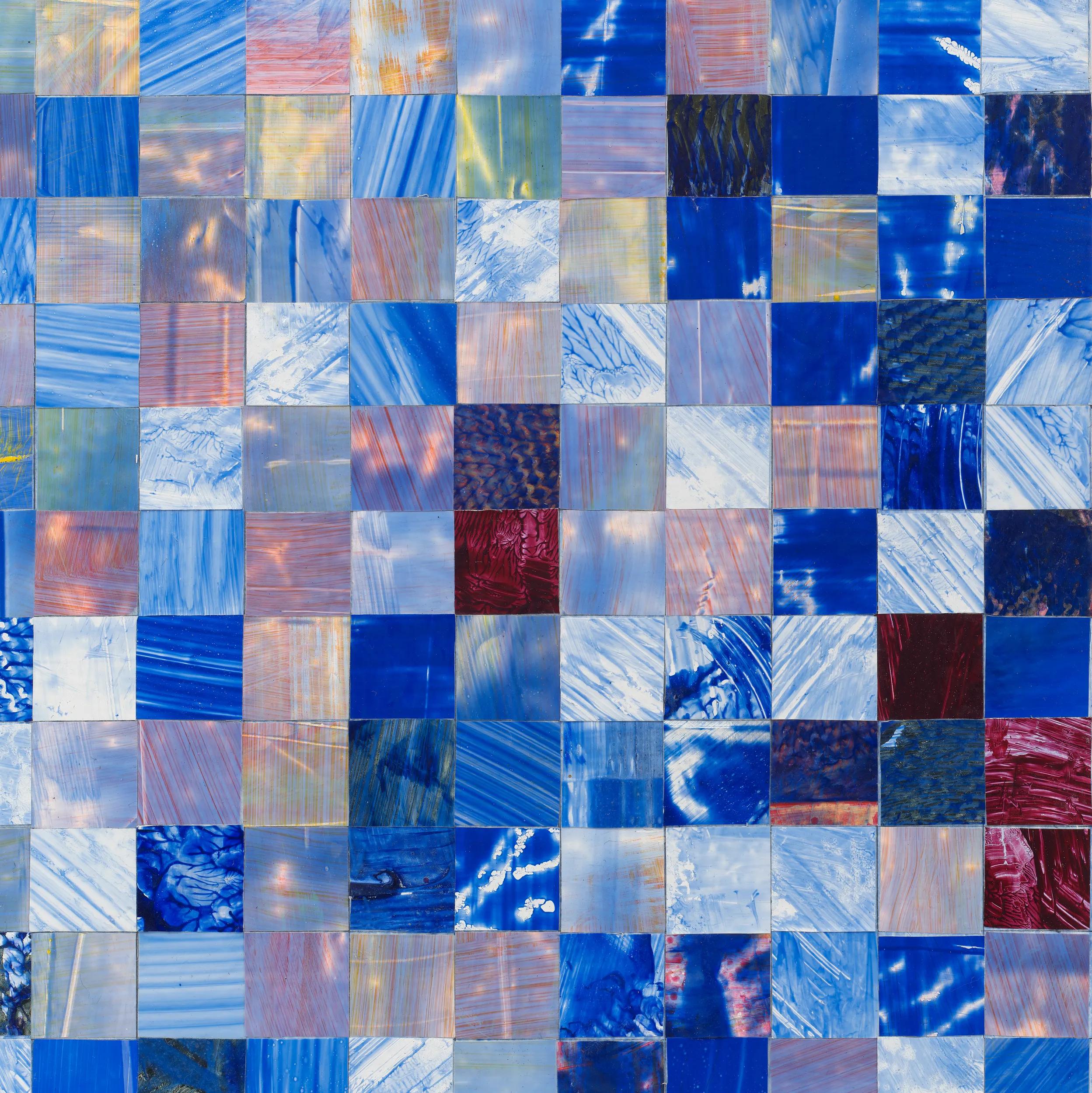
Jack Whitten, Confirmation (detail), 1990 © 2026 Jack Whitten Estate / Artists Rights Society (ARS), New York. Photo: Sarah Muehlbauer
Tesserae
Whitten transformed acrylic paint into a sculptural material that could be cut and arranged into complex compositions recalling the tesserae in Byzantine surfaces. Rooted in processes of accumulation, repair and reuse, these works connect painting to mosaic, quilting and the handmade structures of family memory.
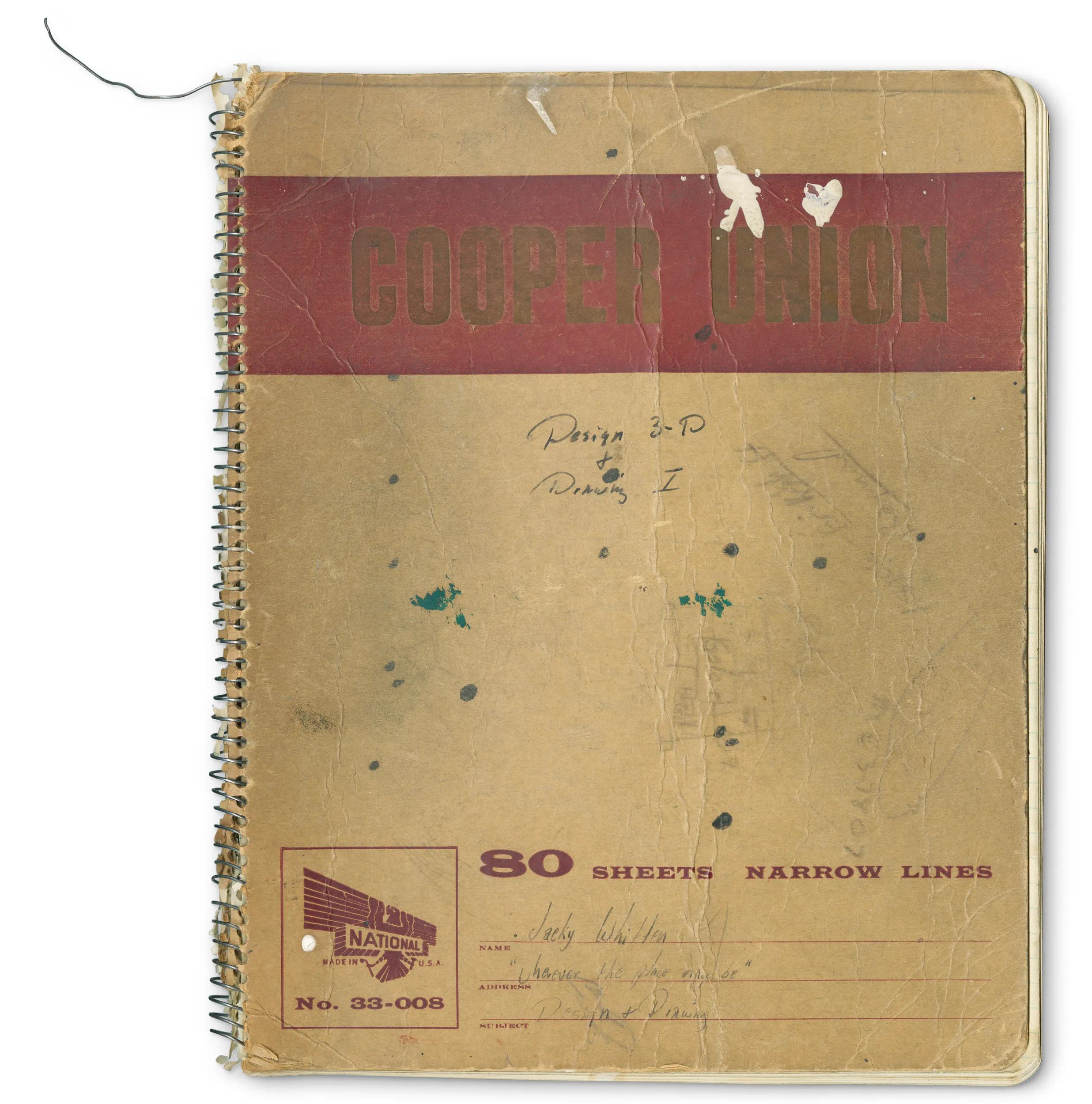
Studio Logs
The artist's writings, lists and manifestos reveal a practice shaped by constant revision and self-interrogation. Rather than fixed declarations, they record an artist thinking in motion.
The 2018 publication 'Notes from the Woodshed' is the first book devoted to the writings of Whitten and takes its title from the heading that Whitten scrawled across many of his texts—a term borrowed from the world of jazz that means ‘to practice in private.’ Whitten often turned to writing as a way to understand his practice and his milieu.
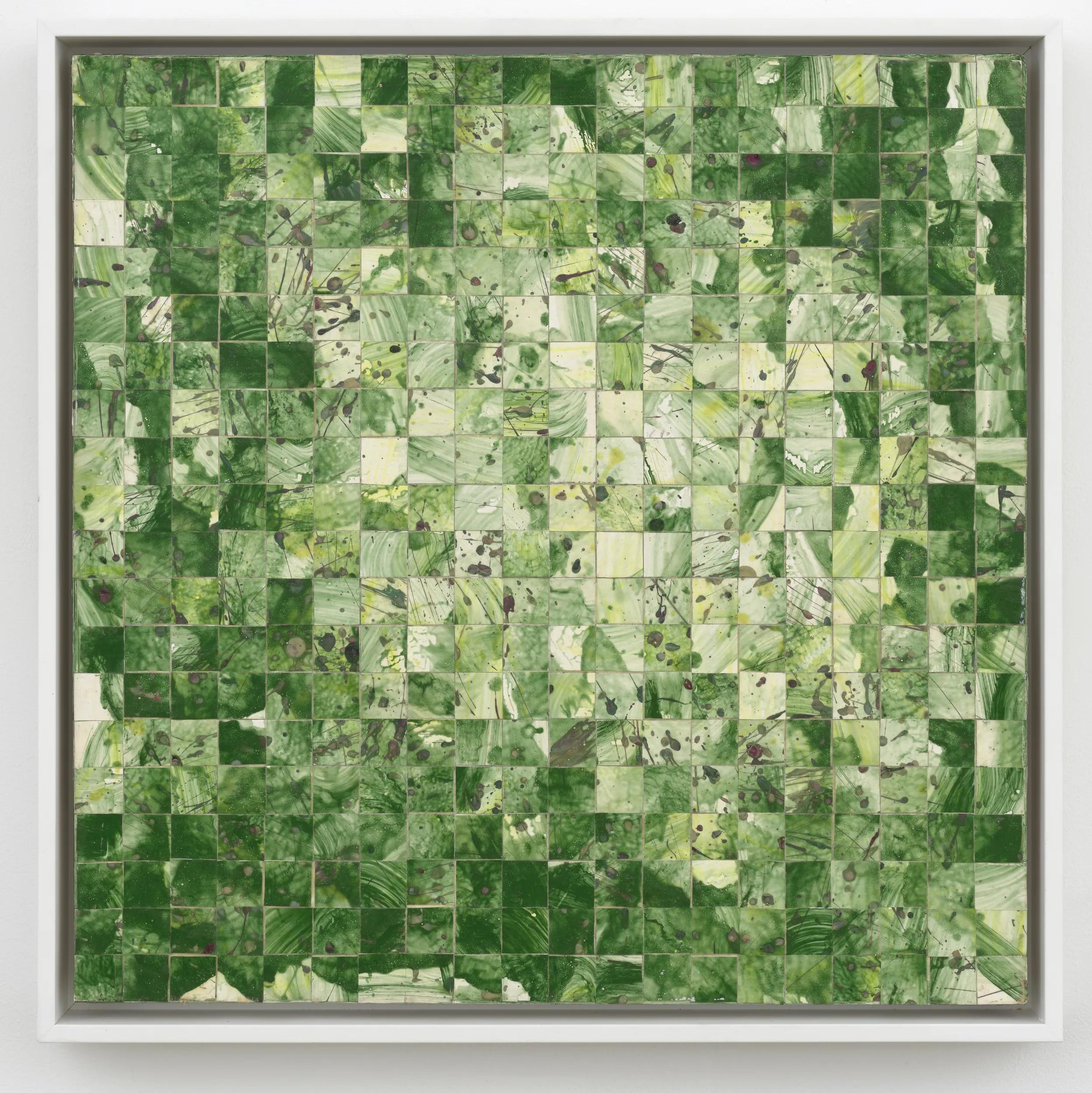
Jack Whitten, Made in dedication to the tenor saxophone player Dexter Gordon: Dexter! (For D.G.), 1990 © 2026 Jack Whitten Estate / Artists Rights Society (ARS), New York. Photo: Elisabeth Bernstein
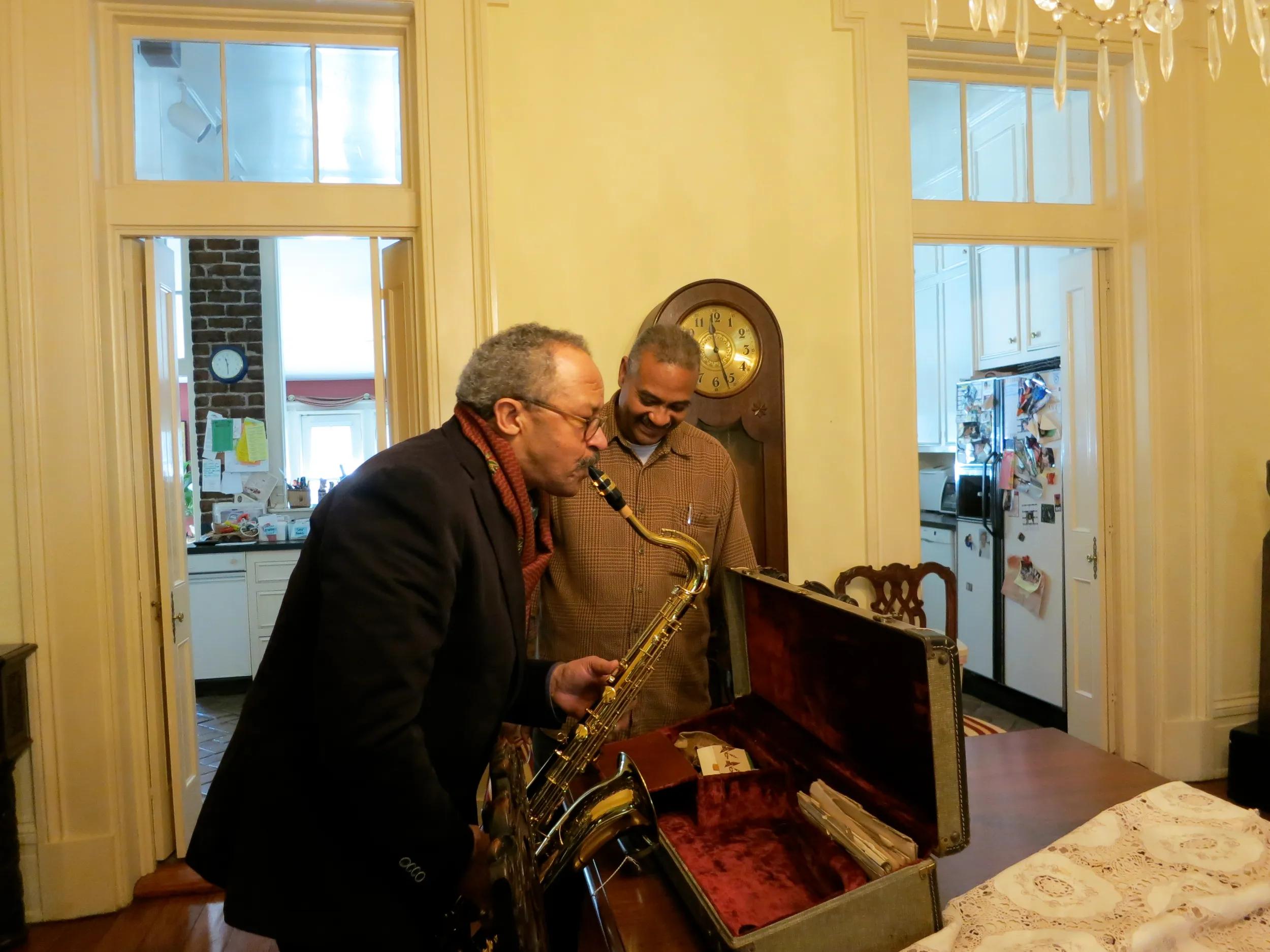
Jack and Jazz
Jazz offered Whitten a model for freedom within structure: improvisation grounded by rhythm, history and discipline. In the studio, he approached painting with a similar spirit, pushing toward new forms while remaining anchored to the artists and traditions that came before him.
Explore Whitten’s interest in jazz through an Ursula essay by Mary Whitten about the centrality of jazz to his conception of painting, and the artist’s original manuscript for his contribution to ‘Blues for Smoke,’ the 2012 catalog accompanying an exhibition at the Museum of Contemporary Art, Los Angeles, that explored art, music, literature and film through blues and blues aesthetics.
About the Exhibition
Following the late artist’s critically acclaimed 2025 retrospective at The Museum of Modern Art in New York, our Downtown Los Angeles gallery presents an exhibition of Jack Whitten’s paintings and works on paper from the 1980s, a decade of decisive experimentation and evolution in his pioneering six‑decade career.
After a studio fire in 1980 forced an extended pause, Whitten resumed artmaking with heightened urgency, his relentless technical ambition now inseparable from a fierce commitment to painting as spiritual transmission. This exhibition charts the breakthroughs of this pivotal period in the artist’s journey via the Soulspace paintings and circular acrylic reliefs that reference celestial navigation; the pixel-like grids on canvas that anticipate his tesserae works; and the Site paintings cast from such urban textures as manhole covers and tire treads, shown alongside frottage works on paper.
Together these reveal an artist whose utterly original transfiguration of abstraction—his integration of daring material invention with expressions of Black identity and animist spirituality—remains central to the history of postwar American art.


