
Exhibition Learning Notes: ‘Directionless’
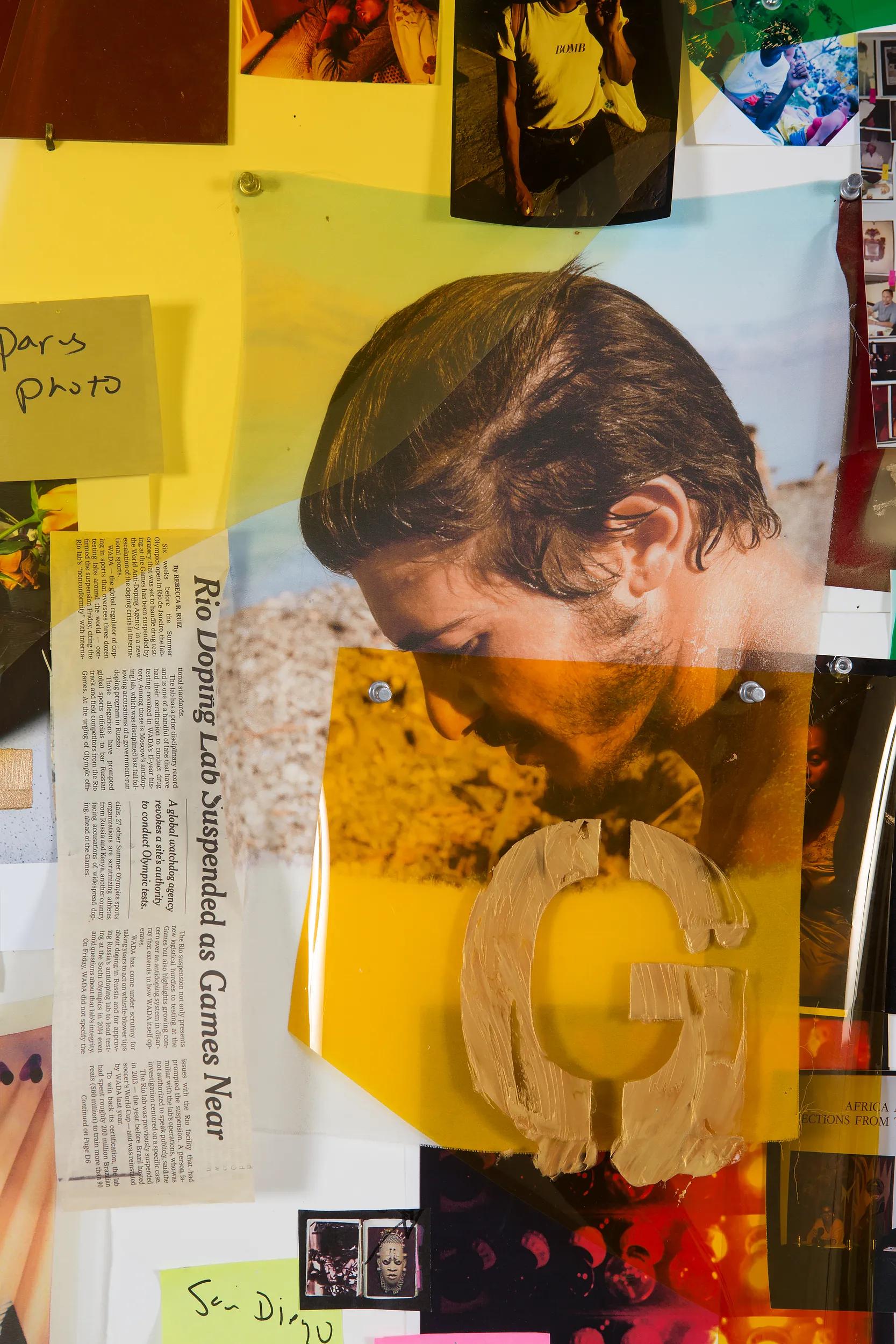
Lyle Ashton Harris, Obsessão II, 2017 © Lyle Ashton Harris. Courtesy of the artist and Salon 94
Exhibition Learning Notes: ‘Directionless’
21 June
This resource has been produced to accompany the exhibition ‘Directionless’ at Hauser & Wirth Menorca from 21 June – 25 October 2025.
Click here to download a PDF of this resource.
About the exhibition
‘Directionless’ is a group exhibition bringing together 28 contemporary artists whose practices explore ideas of disorientation, uncertainty, and the absence of a fixed direction as defining conditions of our present moment. Rather than proposing a linear narrative or a single point of view, the exhibition embraces multiplicity, openness, and fragmentation.
The exhibition is organized into five constellations, each representing a distinct mode of navigating uncertainty through material, perceptual, historical, or geopolitical means. These clusters help orient the viewer while preserving the exhibition’s openness and polyphonic structure and identify each of the constellations.
Across painting, sculpture, photography, installation, film, and spatial practices, the works examine how meaning, identity, and knowledge are constructed in contexts where established structures: social, political, historical, or personal, appear unstable or insufficient. Visitors are invited to move through the exhibition without a prescribed path, allowing personal associations, pauses, and detours to shape their experience.
Rashid Johnson, as a curator of this group show, invited Charles Gaines, Firelei Báez, and Cristina Iglesias to contribute to the selection of artists, expanding the curatorial framework beyond a single voice and reinforcing a polyphonic structure that reflects the exhibition’s core ideas.
Who are the artists in ‘Directionless’?
The exhibition features works by artists whose practices span different generations, geographies, and media, including:
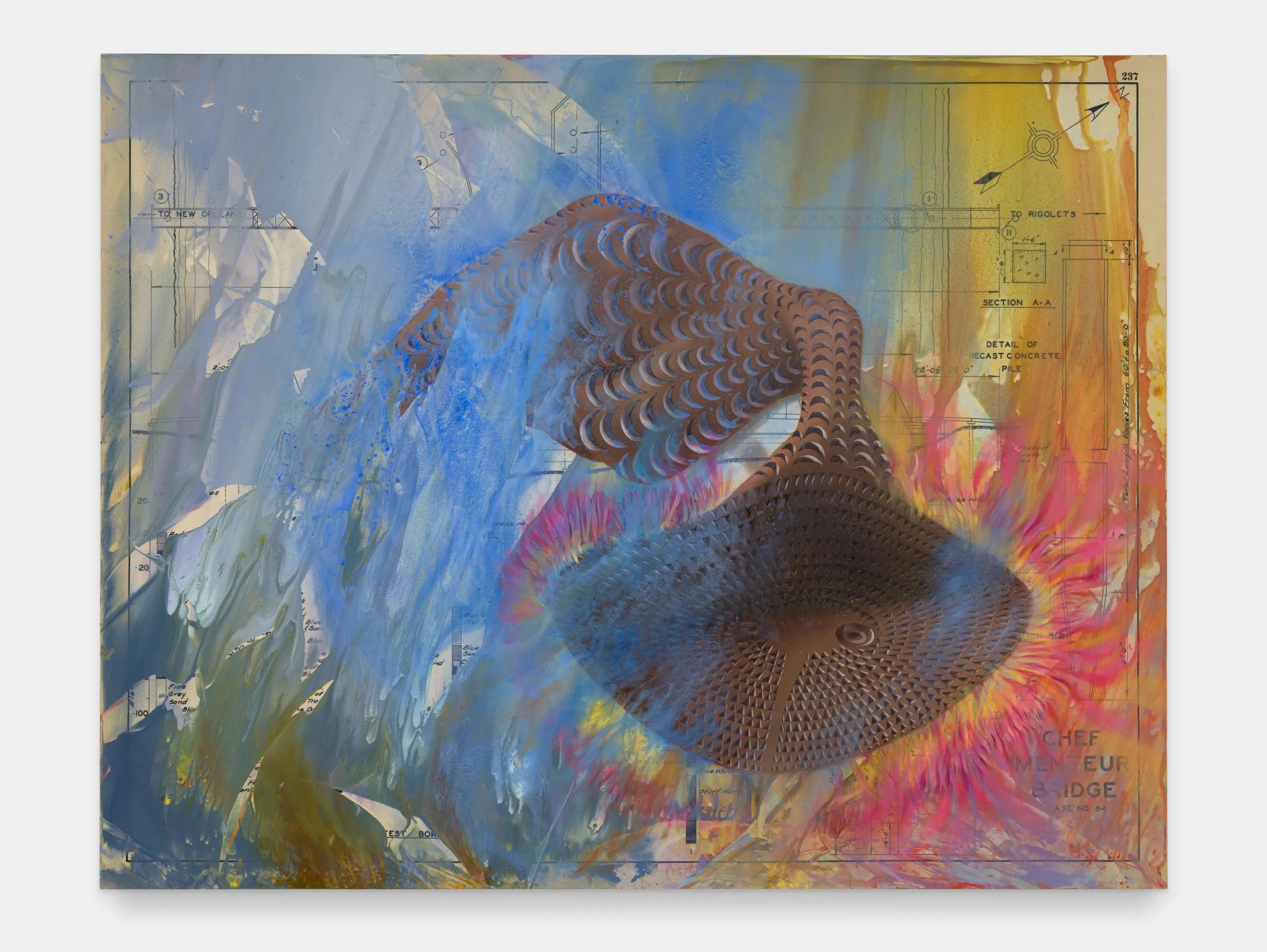
Rashid Johnson, Charles Gaines, Firelei Báez, Cristina Iglesias, Mona Hatoum, Ali Cherri, Teresita Fernández, Rayyane Tabet, George Baselitz, Rineke Dijkstra, Mirdidingkingathi Juwarnda Sally Gabori, Alteronce Gumby, Meg Webster, Julie Mehretu, Leslie Hewitt, Todd Gray, Claire Chambless, Hanna Hur, Michael Joo, Wangechi Mutu, Hugh Hayden, Hannah Levy, Joiri Minaya, Lorna Simpson, Lyle Ashton Harris, Sigalit Landau, Yto Barrada, and Latifa Echakhch.
While their approaches differ widely, these artists share an interest in questioning dominant narratives and exploring how history, identity, materiality, and power are experienced, remembered, and represented.
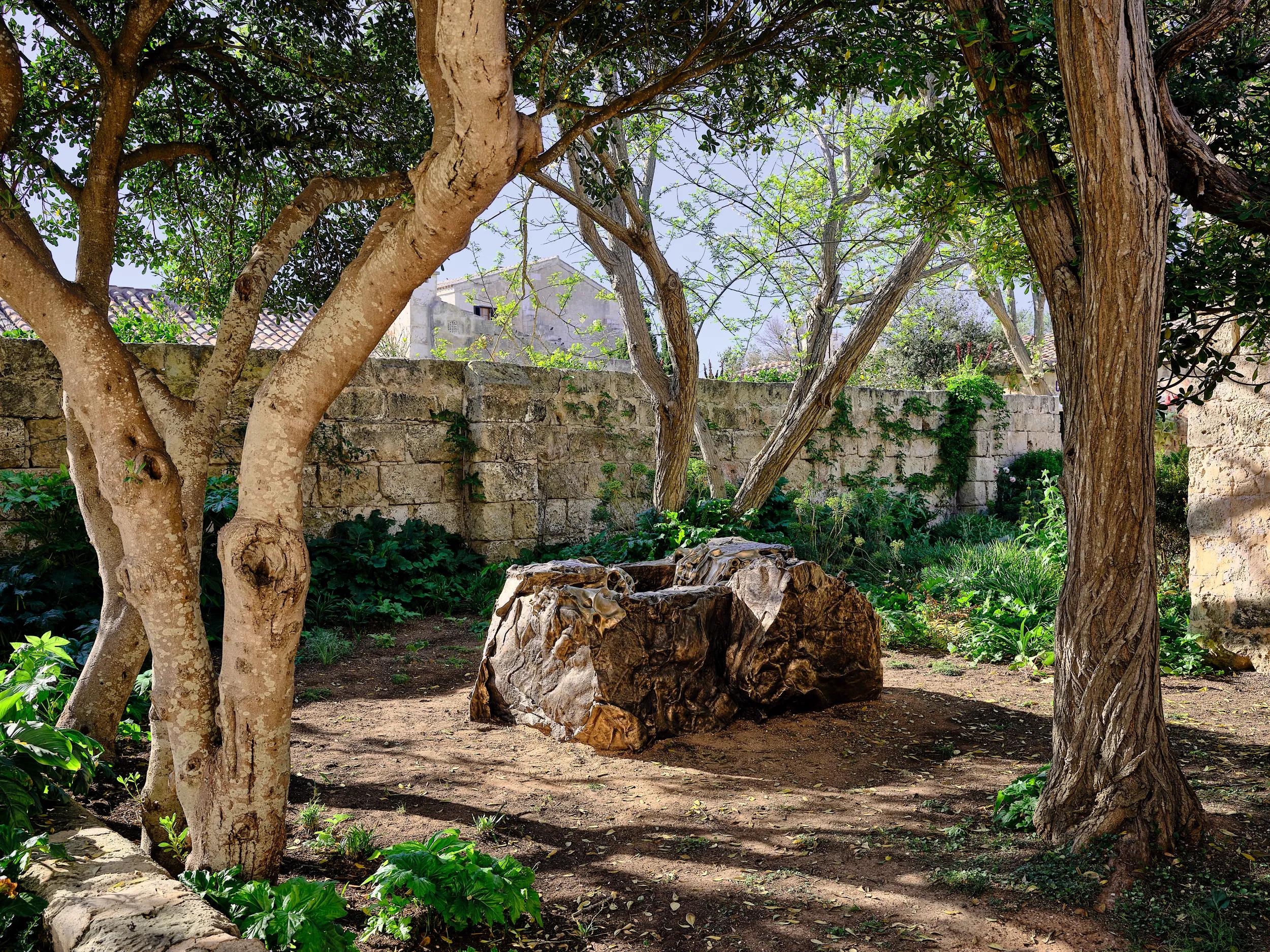
Rashid Johnson (b. 1977) combines painting, sculpture, installation, and film to explore questions related to identity, cultural history, contemporary anxiety, and the construction of the self. His work often incorporates everyday materials and diverse cultural references to create immersive spaces that invite both individual introspection and collective reflection.
Charles Gaines (b. 1944) uses systems, rules, and conceptual structures—such as mathematical formulas, graphs, or musical scores—to question perception, language, and cultural hierarchies. His work examines how meaning is constructed and how seemingly neutral systems can carry political and social implications.
Firelei Báez (b. 1981) explores history and identity through painting, drawing, and installation, reimagining colonial and diasporic narratives. Her work combines figures, patterns, and historical references to question how official histories and representations of power are constructed.
Cristina Iglesias (b. 1956) creates sculptures and architectural installations that transform space and the visitor’s path. Her works often establish a dialogue between architecture, nature, and silence, inviting a bodily and contemplative experience of space.
Mona Hatoum (b. 1952) uses installation, sculpture, and video to address themes of displacement, surveillance, and vulnerability. Her work transforms domestic objects into forms that generate physical and emotional tension.
Ali Cherri (b. 1976) investigates the relationship between history, violence, and cultural heritage through video, drawing, and sculpture. His work reflects on the fragility of objects and historical narratives.
Teresita Fernández (b. 1968) creates immersive installations that transform space and the viewer’s perception. Her work explores landscape as a cultural construction, addressing issues of history, power, and invisibility.
Rayyane Tabet (b. 1983) engages with history and memory through sculpture and installation, often linked to archaeology and archives. His work connects personal stories with broader historical narratives.
George Baselitz (1938 – 2026) is known for his inverted figurative paintings, which challenge traditional conventions of representation. His work addresses themes such as memory, twentieth-century German history, and the constant tension between abstraction and figuration.
Rineke Dijkstra (b. 1959) works primarily with photography and video, focusing on direct and intimate portraits. Her images capture moments of physical and emotional transition—such as adolescence, childbirth, or training—with close attention to the body and human presence.
Mirdidingkingathi Juwarnda Sally Gabori (1924–2015) developed a vibrant abstract language deeply connected to her ancestral territory. Her paintings translate memories, places, and lived experiences into compositions of color and form with great expressive intensity.
Alteronce Gumby (b. 1985) creates paintings and sculptures that explore color, materiality, and spirituality. His work often incorporates non-traditional materials and cosmic references to reflect on identity, energy, and sensory experience.
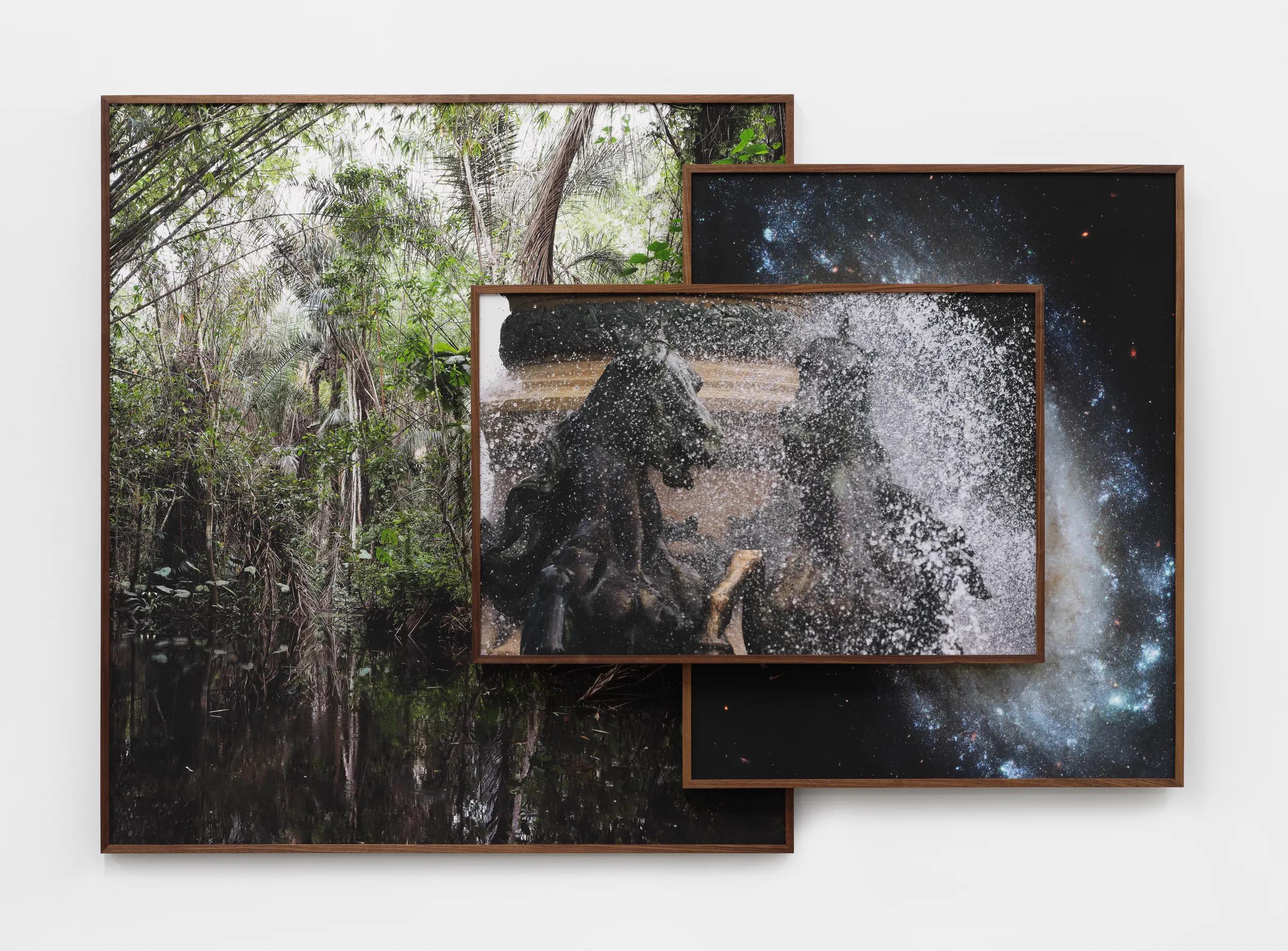
Meg Webster (b. 1944) works with sculpture and installation using organic materials such as soil, plants, or water. Her practice examines the relationship between nature, architecture, and human perception, often subtly altering the exhibition space.
Julie Mehretu (b. 1970) is known for large-scale paintings that combine abstraction, cartography, architecture, and gesture. Her works layer marks and lines to evoke movement, history, and global complexity.
Leslie Hewitt (b. 1977) explores memory, time, and history through photography, sculpture, and installation. Her work reflects on how objects, images, and spaces can activate personal and collective memories.
Todd Gray (b. 1954) examines colonial history and power structures through photography, collage, and installation. His works recontextualize historical and contemporary images to question representation and visual authority.
Claire Chambless (b. 1991) creates sculptures that engage with the body, architecture, and furniture. Her hybrid forms suggest human presence while destabilizing the boundary between functional object and sculpture.
Hanna Hur (b. 1989) is an expressive painter who explores emotions, relationships, and psychological states. Her paintings combine intense gestures and fragmented compositions that convey vulnerability and tension.
Michael Joo (b. 1966) works with sculpture, installation, and video to address identity, cultural translation, and science. His work connects the human body with natural, technological, and global systems.
Wangechi Mutu (b. 1972) uses collage, sculpture, and video to explore the body, gender, and postcolonial identity. Her works combine human, organic, and mythological elements to create powerful hybrid figures.
Hugh Hayden (b. 1983) transforms everyday objects—such as furniture or school materials—into sculptures that reflect on race, education, history, and power. His work often introduces tension between familiarity and unease.
Hannah Levy (b. 1991) creates sculptures using industrial materials such as steel, glass, or silicone that evoke bodily forms. Her work explores fragility, control, and desire, relating the body to structures of support and restraint.
Joiri Minaya (b. 1990) investigates representations of the racialized and female body through photography, performance, and installation. Her practice questions visual stereotypes and exoticized imaginaries associated with identity and territory.
Lorna Simpson (b. 1960) works with photography, video, and collage to explore identity, memory, and African American history. Her works often combine image and text to create open and ambiguous readings.
Lyle Ashton Harris (b. 1965) explores identity, race, gender, and sexuality through photography, performance, and installation. His work examines visibility, representation, and the construction of the self within cultural and social power structures.
Sigalit Landau (b. 1969) works through the body, landscape, and material transformation through sculpture and video. Her work often uses natural processes, such as crystallization, to speak about time and change.
Yto Barrada (b. 1971) uses photography, film, and installation to examine migration, borders, and modernity. Her work combines documentation, fiction, and social research.
Latifa Echakhch (b. 1974) is known for creating installations that examine identity, memory, and material culture through ephemeral gestures and fragile materials. Her work often addresses presence, absence, and transformation.
What are the main themes in ‘Directionless’?
Disorientation and Uncertainty
The exhibition understands disorientation not as something negative, but as a productive and active state. When familiar references, clear narratives, or stable points of view are missing, viewers are encouraged to slow down, question their assumptions, and remain open to new interpretations. Uncertainty becomes a space for exploration, allowing learning to emerge through curiosity, doubt, and experimentation rather than fixed answers.
Multiplicity of Voices
Rather than presenting a single curatorial narrative or unified message, ‘Directionless’ brings together a wide range of artistic perspectives, backgrounds, and practices. This plurality reflects the complexity of contemporary experience and invites visitors to actively build their own connections between works. Meaning is not imposed but generated through dialogue, comparison, and personal association.
Identity
Many works in the exhibition explore identity as something shaped by history, culture, memory, and power structures. Personal and collective identities are shown as dynamic and often fragmented, influenced by colonial legacies, migration, representation, and inherited narratives. The artists question how identities are constructed, who defines them, and how they can be reimagined or resisted.
Materiality
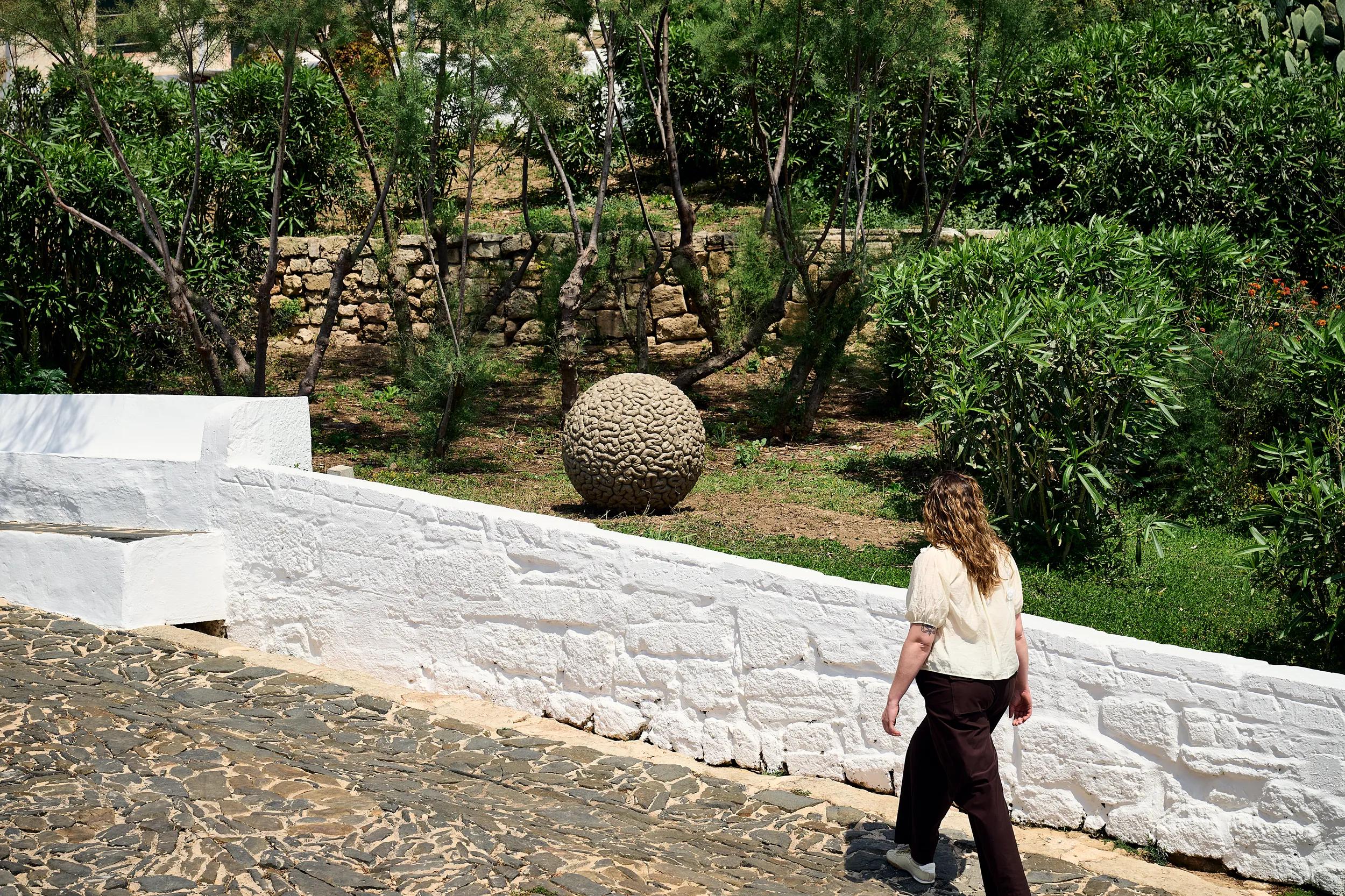
Material choices play a central role in how the works communicate meaning. Through diverse materials such as, organic, industrial, fragile, or everyday, the exhibition emphasizes the physical presence of artworks and the viewer’s bodily relationship to them. Space, scale, texture, and movement activate sensory experiences, highlighting how perception is shaped by material conditions and spatial arrangements.
Glossary
Corporeality
Body as a site of perception, memory, and knowledge.
Curation
The selection, organization, and presentation of artworks or objects to create meaning, context, and dialogue between them.
Diasporic
Related to the movement, displacement, and cultural experiences of people living away from their ancestral homeland.
Everyday life
Ordinary objects and experiences recontextualized within art.
Identity
Personal and collective constructions shaped by culture, history, and experience.
Installation
A type of art that transforms a space and often surrounds or immerses the viewer, rather than being just an object on display.
Materiality
Physical qualities of materials and how they affect meaning and perception.
Nature vs. artificiality
The relationship between organic and constructed environments.
New narratives
Alternative ways of telling histories and imagining futures.
Post colonial
Concerned with the cultural, political, and social effects of colonialism and the ways histories of power, resistance, and identity continue to shape the present.
Spatial Practices
Artistic practices that explore space as an active component of the artwork, shaping perception, movement, and the viewer’s experience.
Tension and Dynamism
Forces of movement, imbalance, and instability within artworks.
Questions for Discussion
Can disorientation become a way of looking, thinking, or learning differently? What happens when there is no single route or fixed interpretation?
How does your experience of the exhibition change when you move through it without a clear direction? Can wandering, pausing, or becoming more aware of your own presence within the space create new connections between artworks?
Organic, industrial, soft, and rigid materials coexist throughout the exhibition. What sensations or associations do these materials create? How do materials influence the way we understand an artwork?
The exhibition brings together artists with very different visual languages and practices. What kinds of relationships, contrasts, or tensions emerge between the works? Is it necessary to fully understand an artwork in order to connect with it?
Several works explore identity, memory, and history through fragmented or open-ended perspectives. How is meaning constructed when there is no complete or fixed narrative?
Practical activities
Inspired by the themes of ‘Directionless’, move through the exhibition without following a fixed route. Choose three artworks, details, or moments that attract your attention intuitively. Using drawing, photography, or short written notes, capture textures, colours, materials, or gestures that stand out to you. Then create a small visual map, collage, or text connecting your selections. Reflect on how meaning can emerge through intuition, observation, and personal association rather than through a single defined path.
Artists such as George Baselitz, Rineke Dijkstra, and Alteronce Gumby explore the body, perception, and transformation through portraiture, gesture, and colour. Using a mirror or a photograph, create a self-portrait from an unusual perspective — upside down, fragmented, blurred, cropped, or using unexpected colours. Experiment with how changing orientation, scale, or composition can alter the way identity and emotion are represented.
Firelei Báez and Ali Cherri explore how history, memory, and cultural narratives are shaped and reimagined over time. Choose a real historical or cultural monument and reflect on what it represents today. Does its meaning still feel relevant, complete, or contested? What would you change, remove, question, or add to create a new perspective or narrative? Then, create a visual or physical intervention using drawing, collage, painting, writing, or simple sculptural materials. Reimagine the monument in the present and consider how public symbols shape collective memory.
Claire Chambless transforms familiar materials into sculptural objects that feel both ordinary and precious. Inspired by her approach, collect a local object from Menorca — a stone, shell, driftwood fragment, or everyday item — and transform it with a subtle golden intervention using paint, foil, or reflective materials. Consider how changing an object’s surface or context can shift the way we value ordinary materials.


