
Corner Piece
Louise Bourgeois
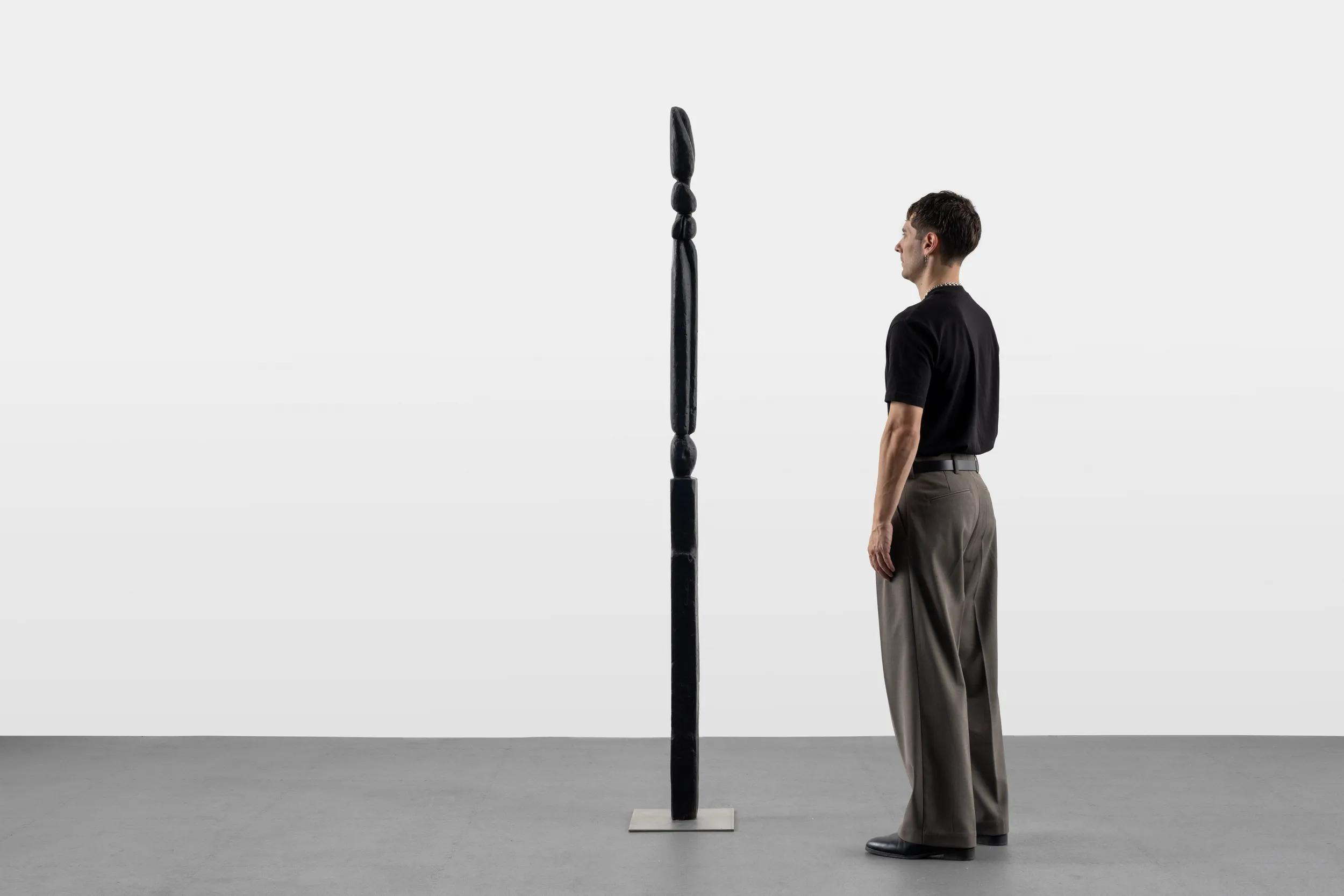
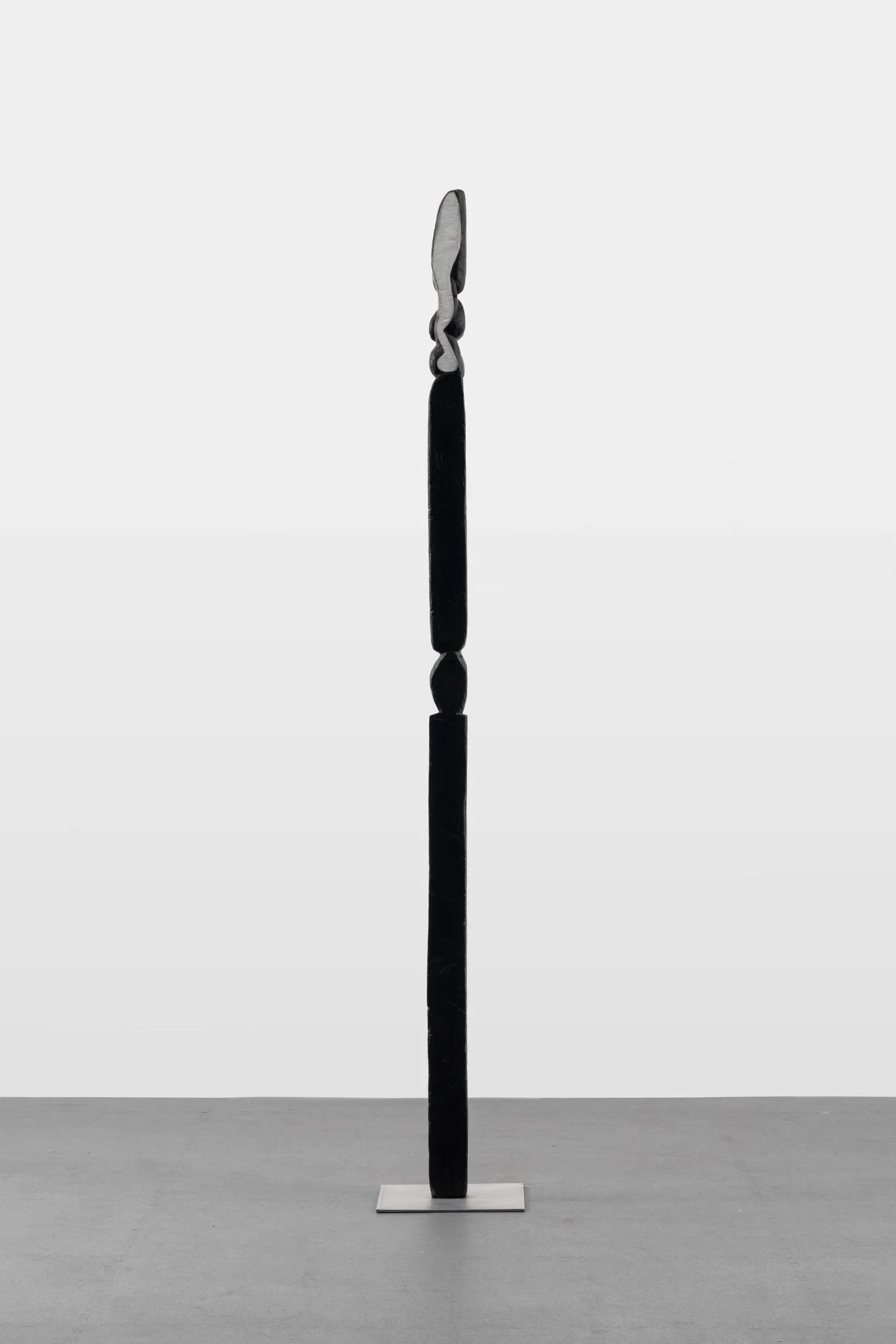
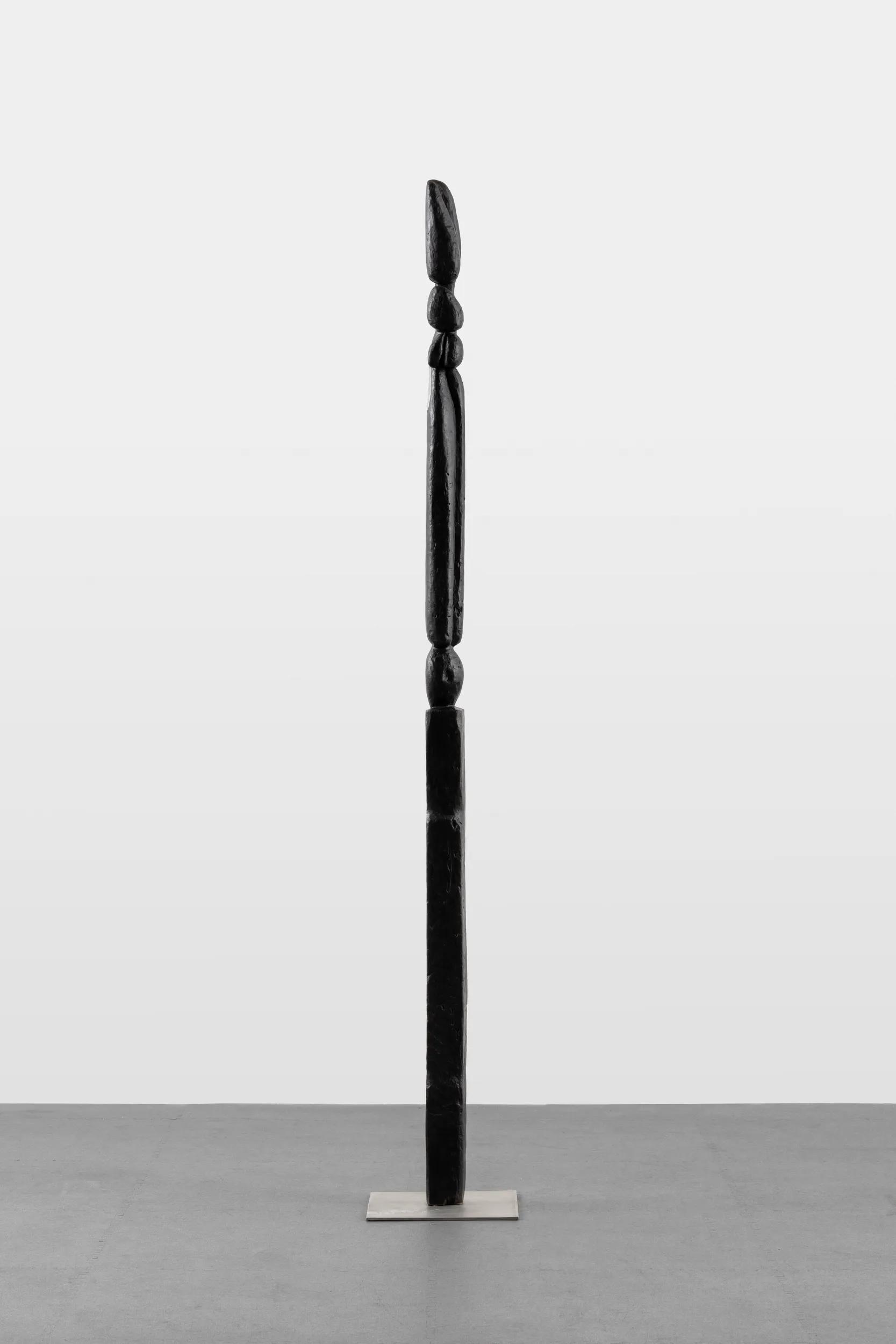
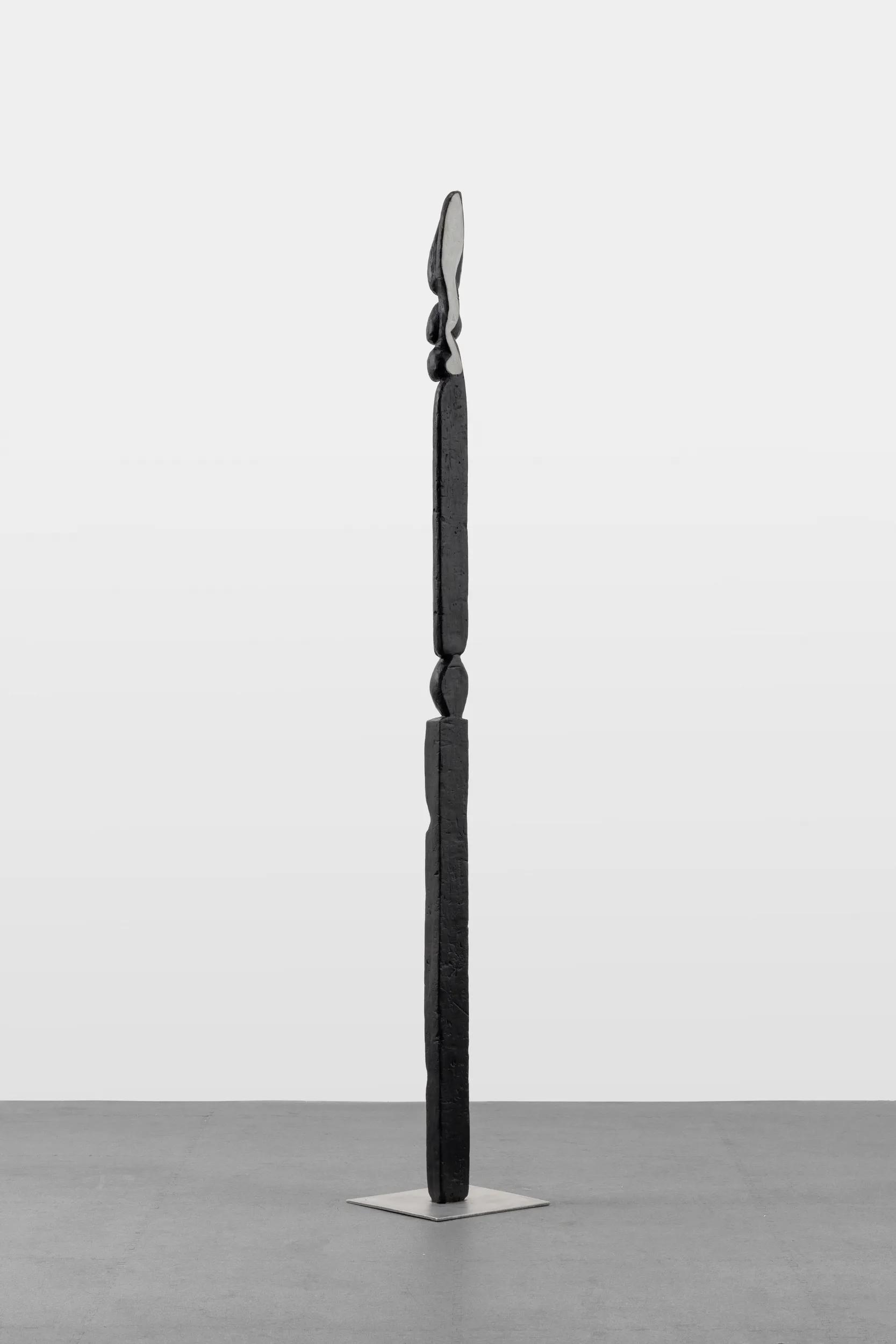
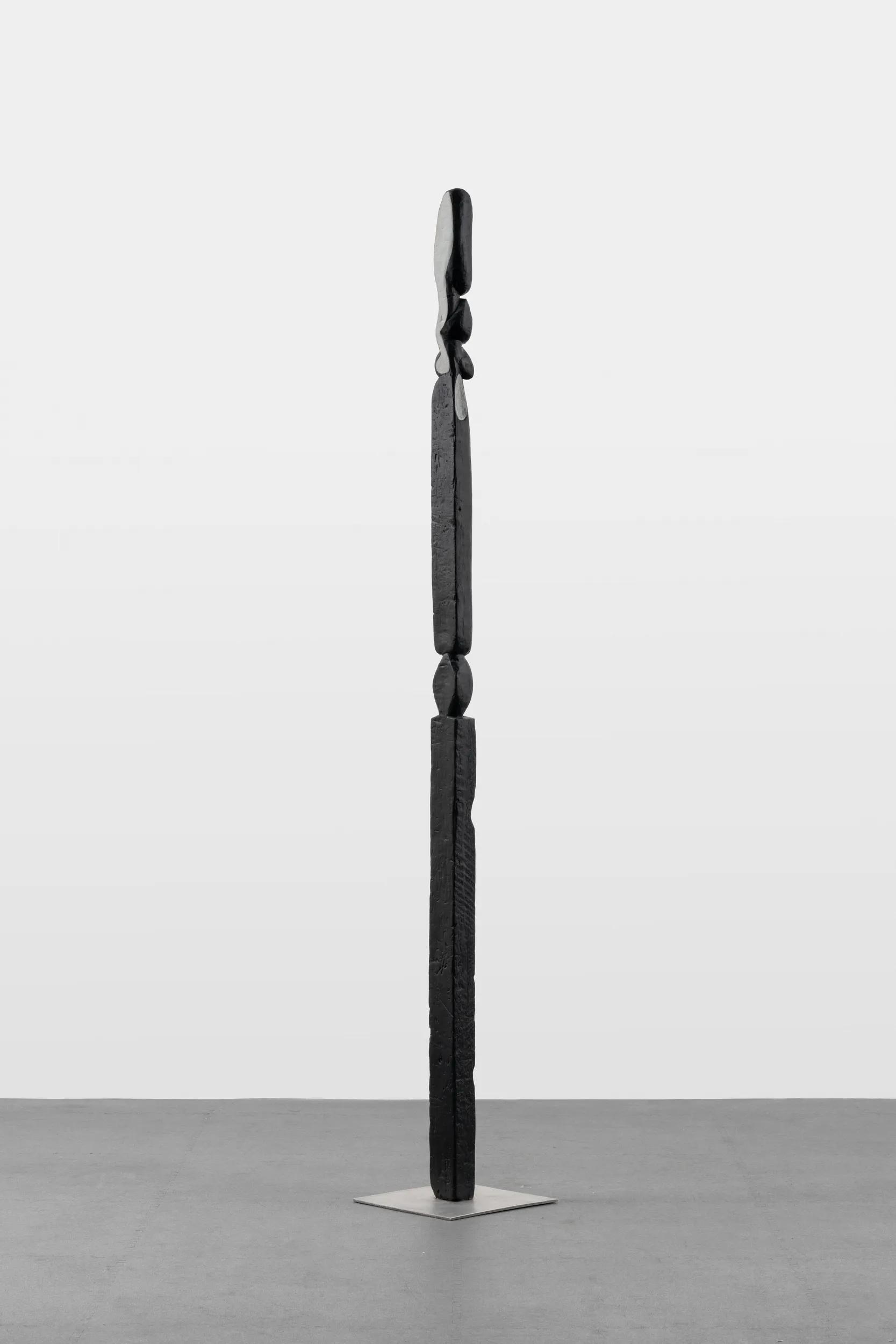
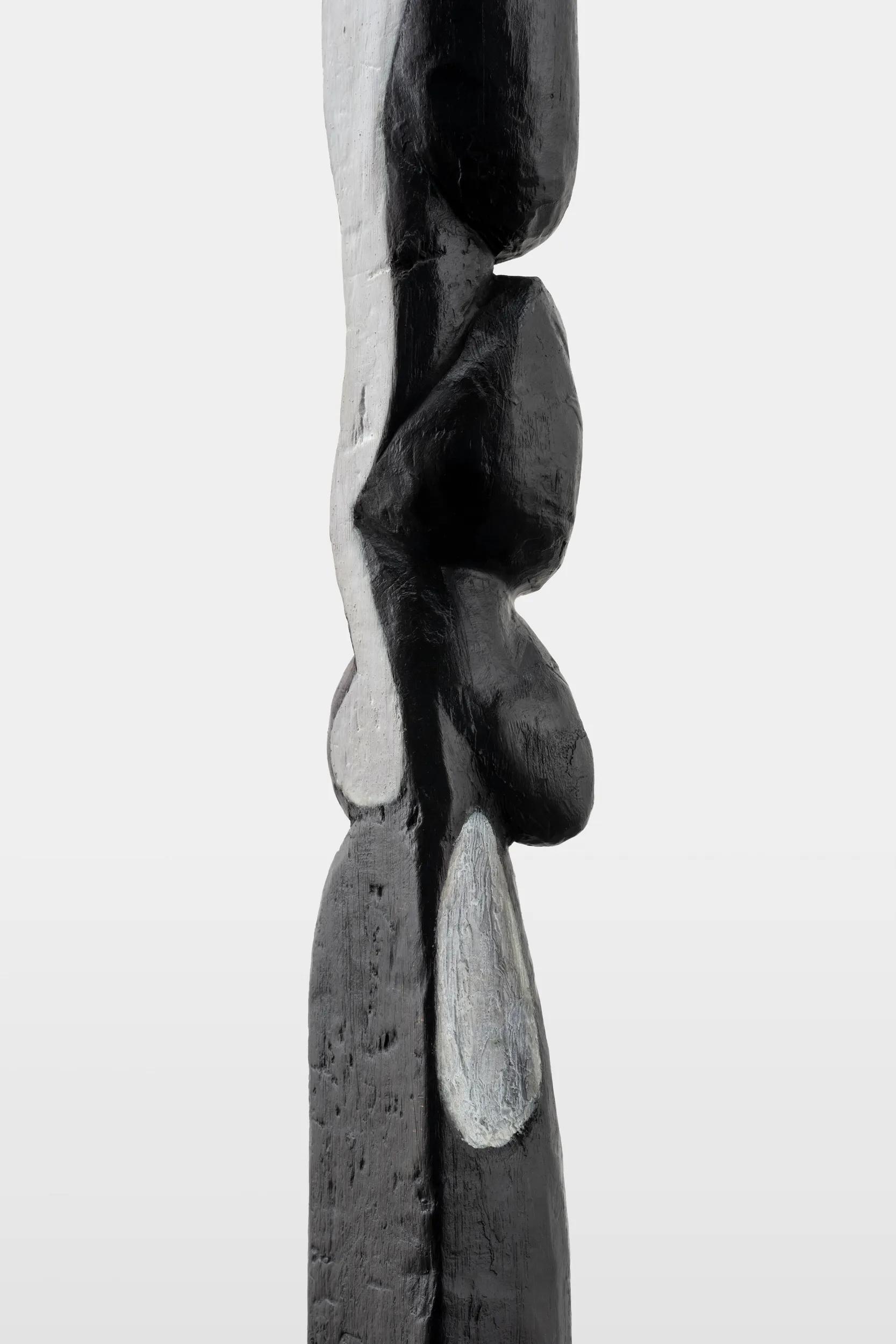
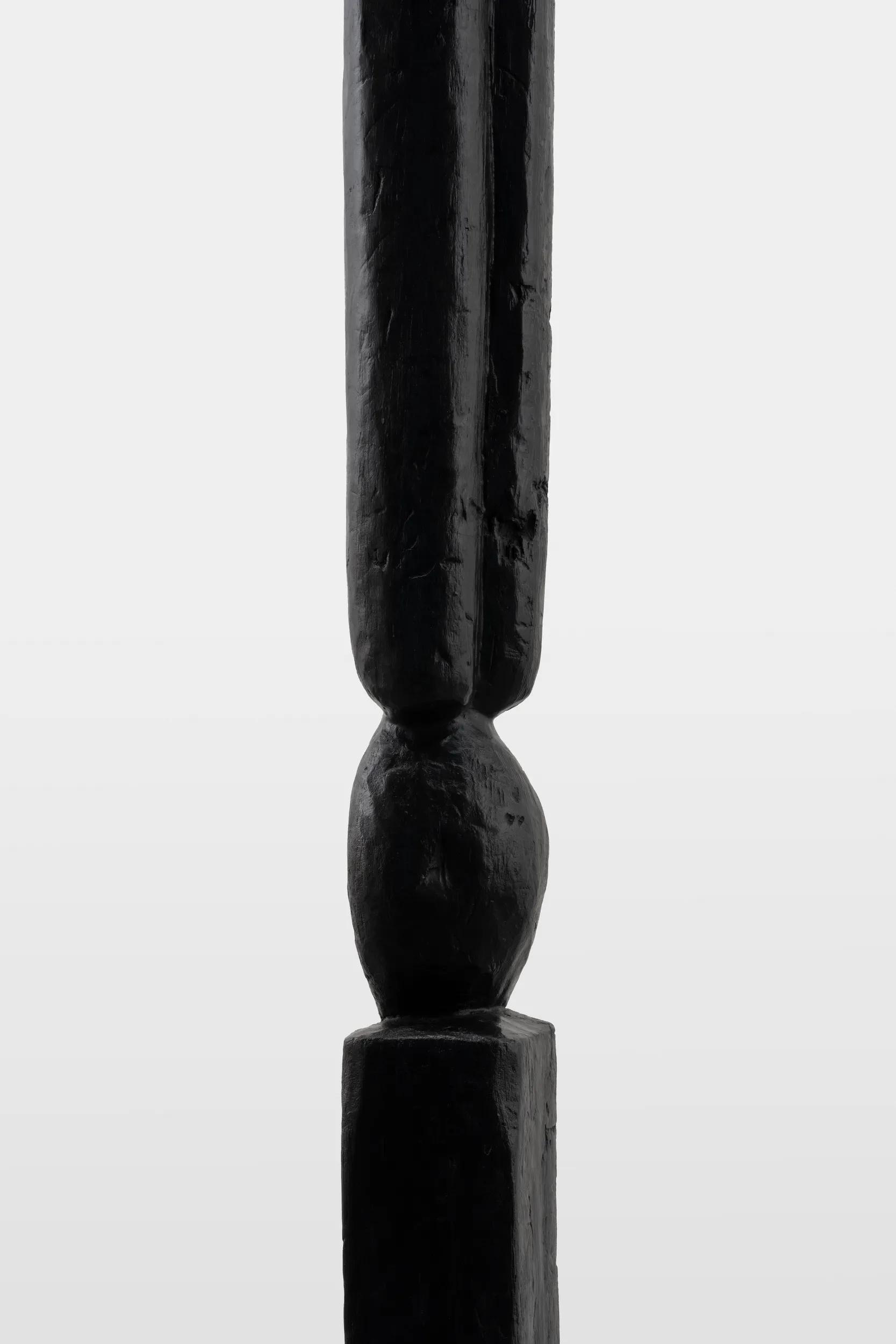
‘Corner Piece’ (1947 – 1949, cast 1991) by Louise Bourgeois is an extraordinary work from the artist’s landmark Personage series. Composed of over 80 works created between 1946 and 1954, the Personages mark Bourgeois’s debut as a sculptor. Though she had previously worked as a painter, she felt she “could express much deeper things in three dimensions.” [1] Considered en masse, the Personages constitute a response to psychological isolation and mourning. These works were made in the wake of Bourgeois’s immigration to the United States from France in 1938 and served as stand-ins for the family and friends she left behind. Each is bestowed with a personality by dint of its shape and articulation, and they often have a sense of vulnerability. As Bourgeois said, “‘Corner Piece’ is protected by two perpendicular walls. It needs the protection because it is fragile. It doesn't dare to come forth and state itself." [2]
‘Corner Piece’ was originally constructed from wood. It was shown in Bourgeois’s first exhibition of sculpture in 1949, where the Personages were installed in loose groupings drilled directly into the floor. This allowed the viewer to walk among the works as if at a party and serves as an early example of environmental installation.
1 / 8
Louise Bourgeois
Corner Piece
- 1947 – 1949
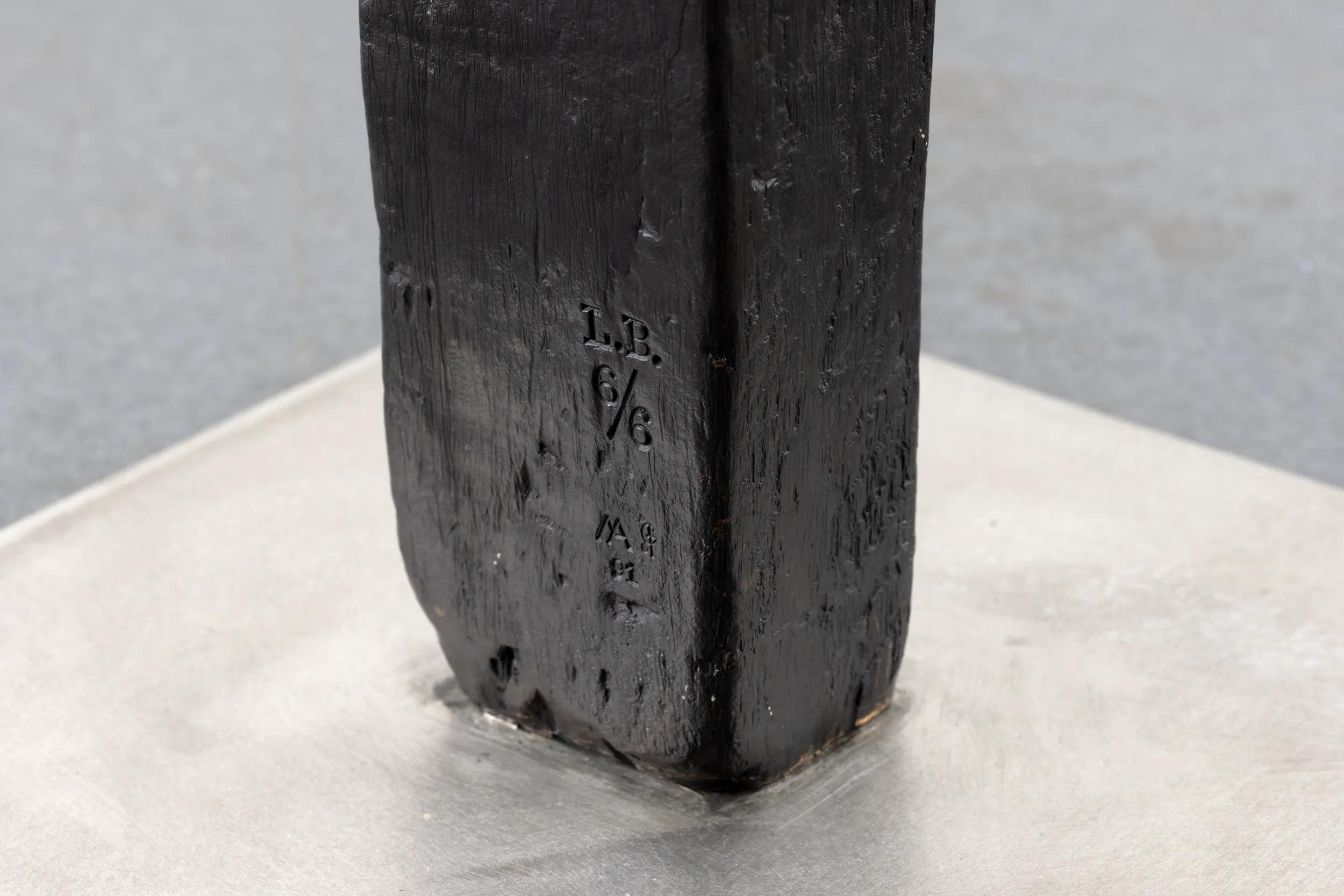
- Bronze, paint and stainless steel
- 213.4 x 30.5 x 30.5 cm / 84 x 12 x 12 in
Louise Bourgeois’s ‘Corner Piece’ will be presented by the gallery at Art Basel Paris 2026.
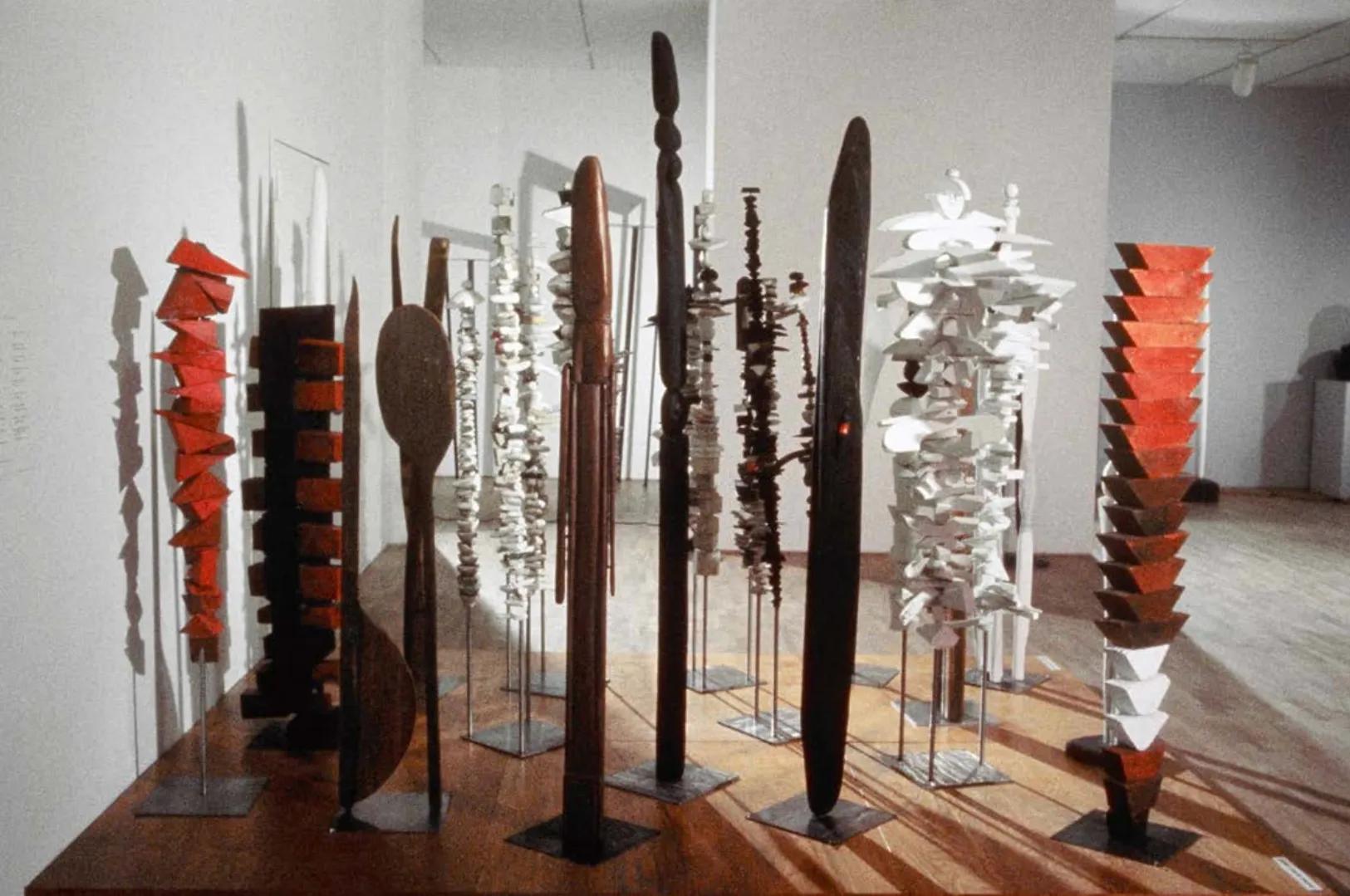
Installation view ‘Corner Piece,’ featured in ‘Louise Bourgeois. Retrospective,’ Museum of Modern Art, New York NY, 1982 – 1983 © 2026 The Easton Foundation / Artists Rights Society (ARS), New York and ADAGP, Paris
About the Artist
Born in France in 1911, and working in America from 1938 until her death in 2010, Louise Bourgeois is recognized as one of the most important and influential artists of our time. For over seven decades, Bourgeois’s creative process was fueled by an introspective reality, often rooted in cathartic re-visitations of early childhood trauma and frank examinations of female sexuality. Articulated by recurrent motifs (including body parts, houses and spiders), personal symbolism and psychological release, the conceptual and stylistic complexity of Bourgeois’s oeuvre—employing a variety of genres, media and materials—plays upon the powers of association, memory, fantasy, and fear.
[1] Bourgeois quoted in “Two Conversations with Deborah Wye” in Bernadac, Marie-Laure and Hans Ulrich Obrist, eds. Louise Bourgeois. Destruction of the Father/Reconstruction of the Father: Writings and Interviews 1923–1997. (London: Violette Editions, 1998) 124.
[2] Bourgeois, undated quotation, Courtesy Louise Bourgeois Archive.
Artwork: Louise Bourgeois, Corner Piece, 1947 – 1949 © 2026 The Easton Foundation / Artists Rights Society (ARS), New York and ADAGP, Paris. Photo: Nicolas Brasseur
Video: Curator Philip Larratt-Smith discusses Louise Bourgeois’s landmark Personage series
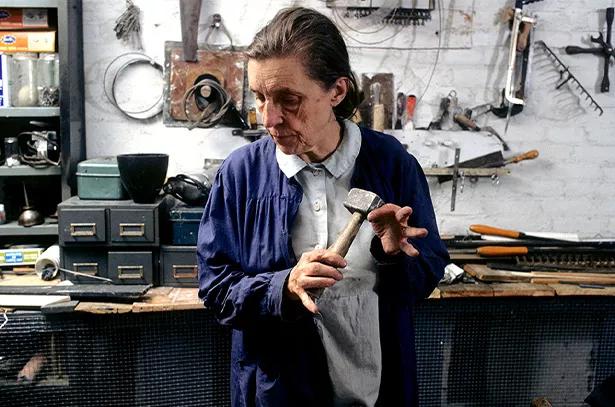
Portrait: Louise Bourgeois in her studio, 1974 © 2026 The Easton Foundation / Artists Rights Society (ARS), New York and ADAGP, Paris. Photo: Mark Setteducati