
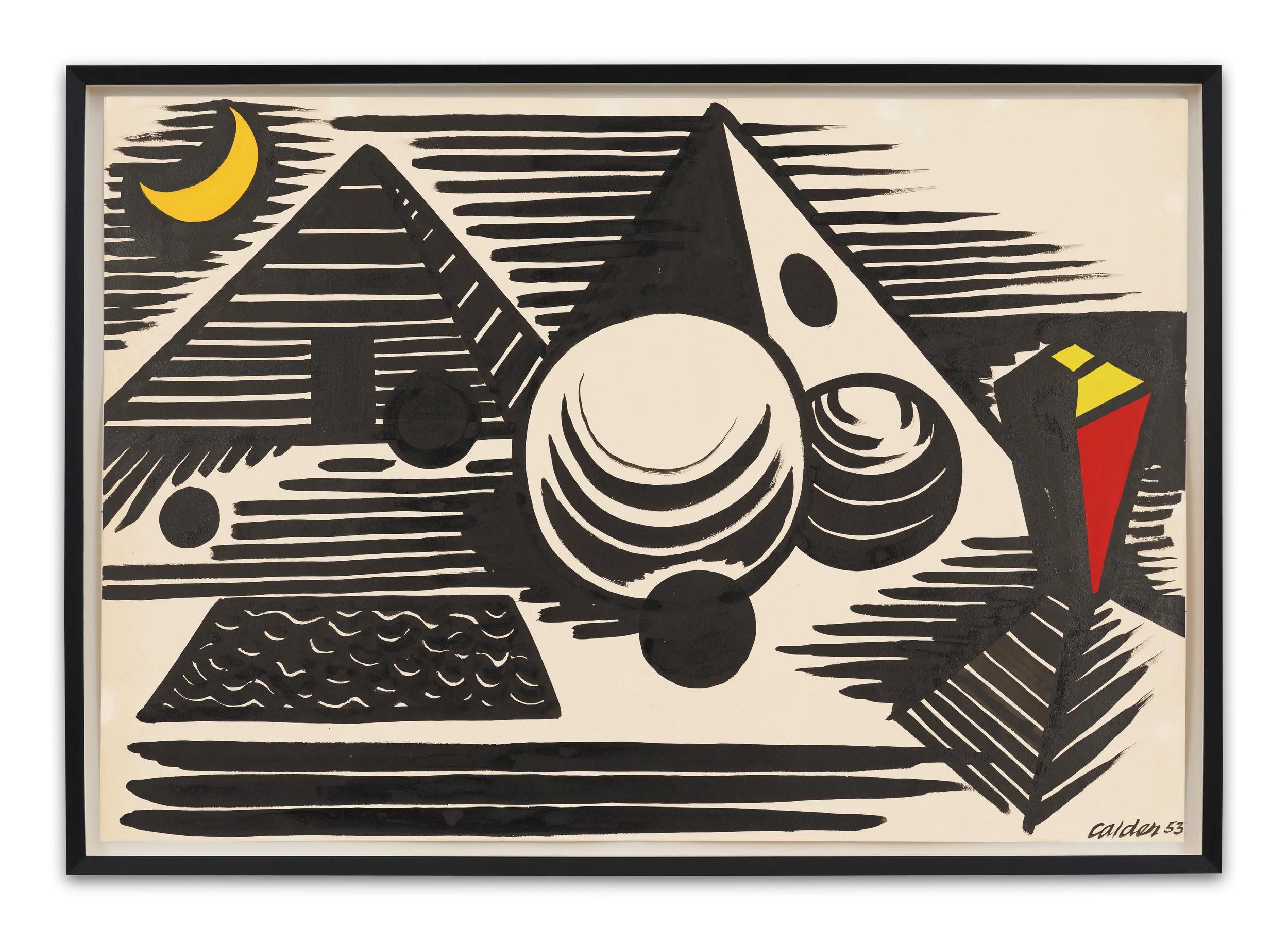
In 1953, Calder returned to live in France for the first time in 20 years, settling in the countryside outside Aix-en-Provence and then in the small town of Saché in the Loire Valley. The artist’s productivity flourished in the expansive Provençal landscape and the modest, solitary spaces of a 17th-century stone house called François Premier in Saché. In Paris the following year, Galerie des Cahiers d’Art exhibited Calder’s ink and gouache paintings from Aix and Galerie Maeght presented ‘Aix. Saché. Roxbury. 1953–54’—a pair of shows that together marked Calder’s triumphant return to France.
Over 70 years later, inspired by a curious fortuity, the beautiful galleries of Hauser & Wirth Paris—located within an hôtel particulier on a street that also bears the name François Premier—‘Calder: François Premier’ will be the first major project dedicated to this expansive postwar period in the life and career of one of the greatest artists of the 20th Century.
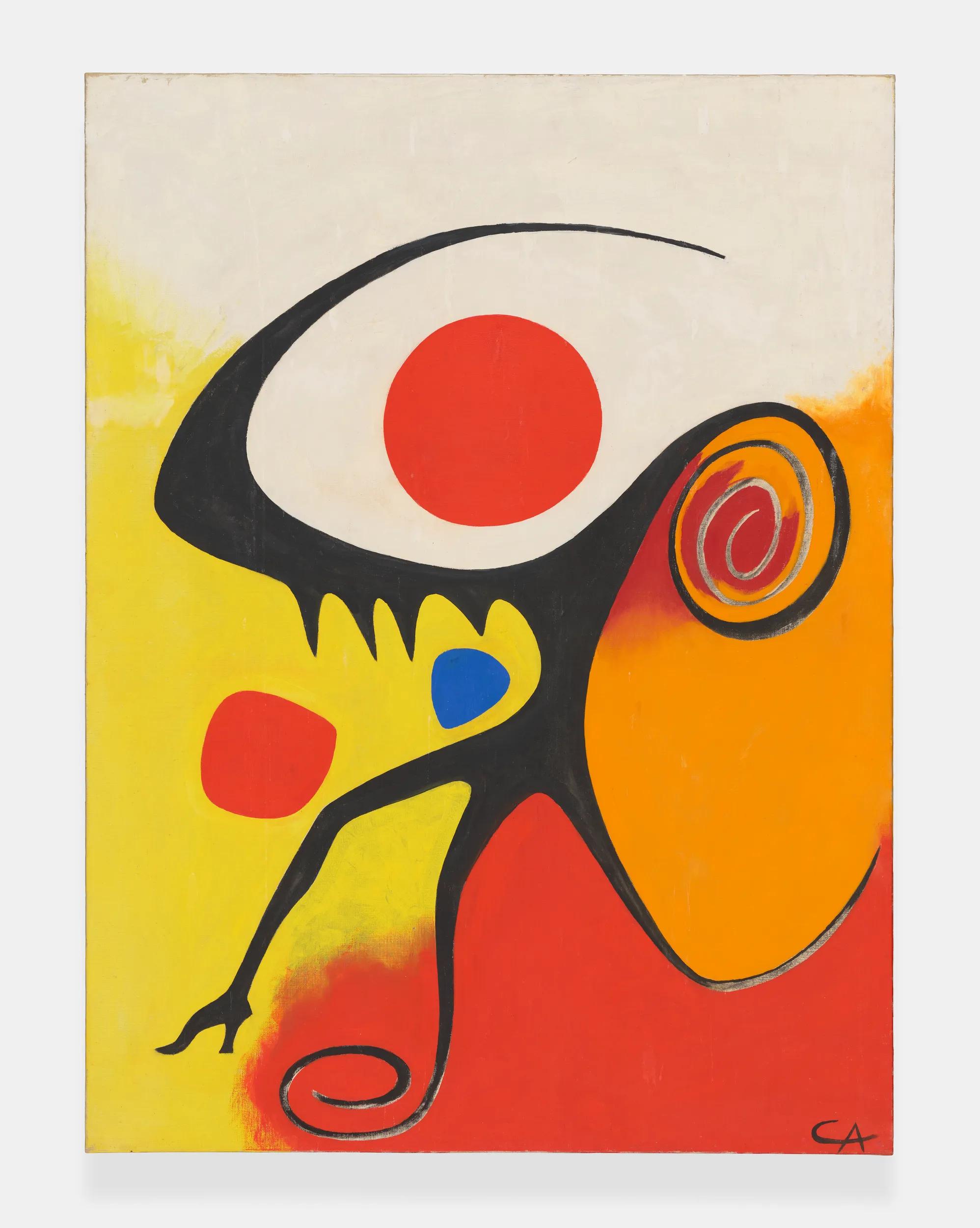
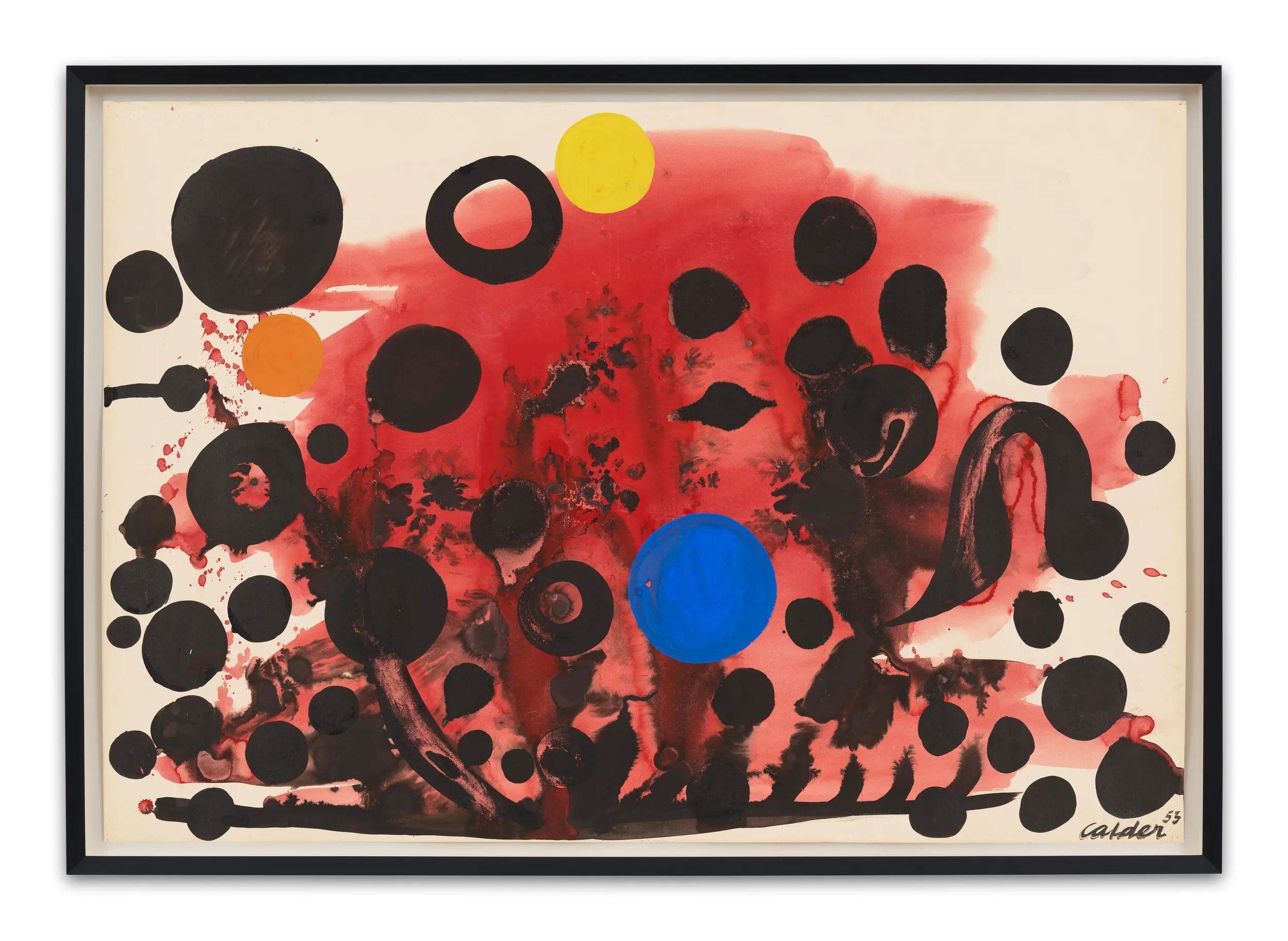
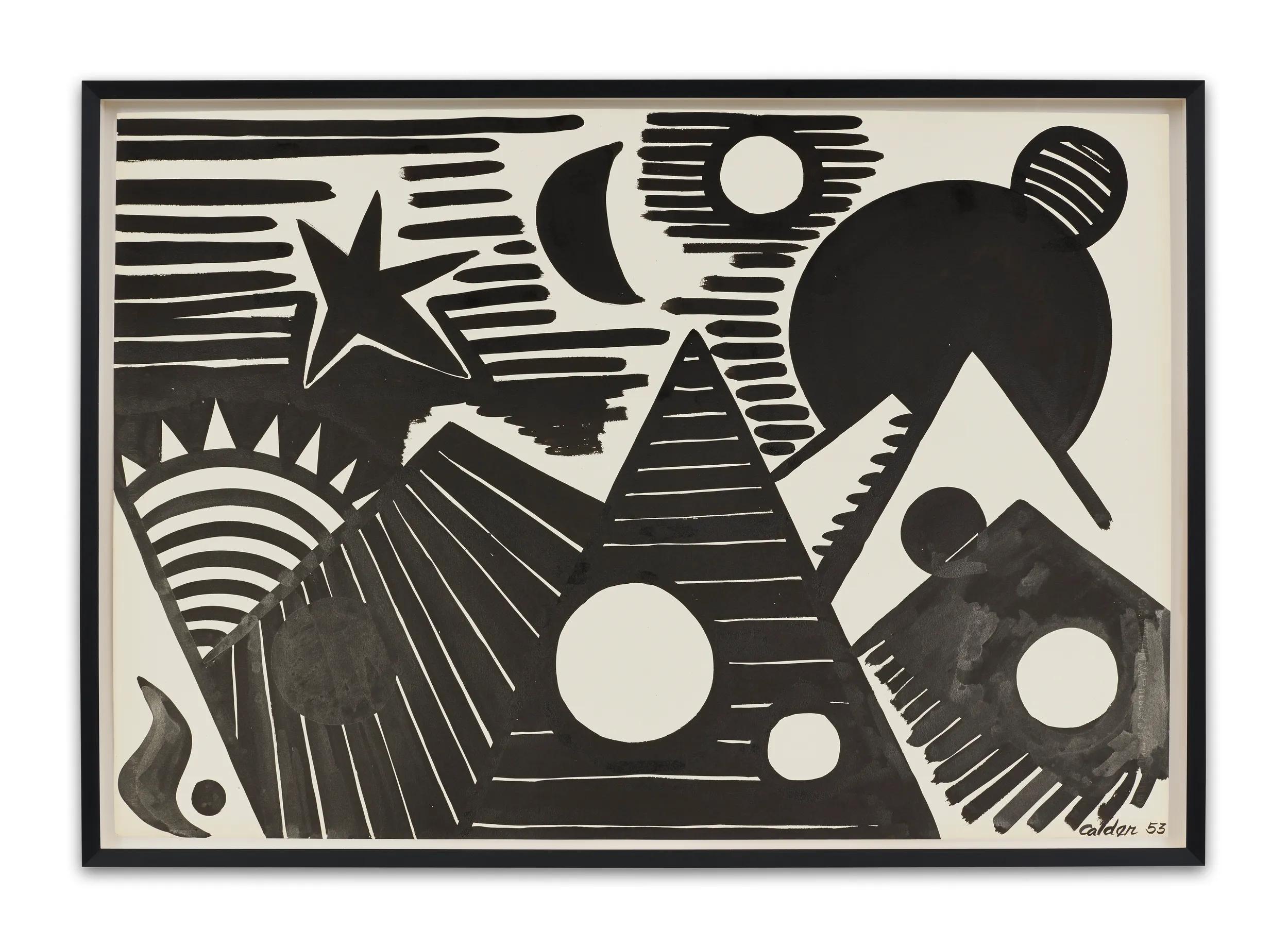
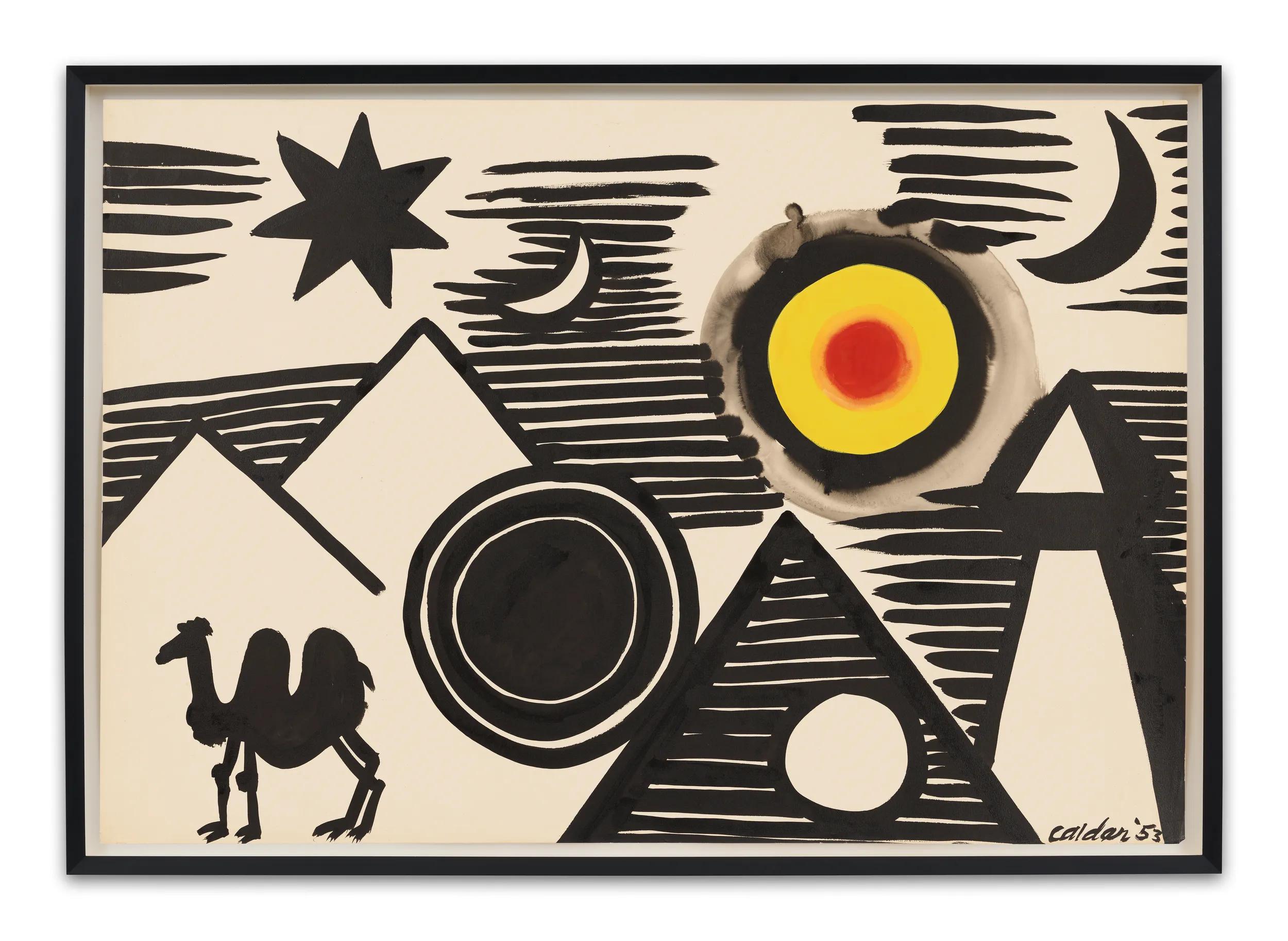
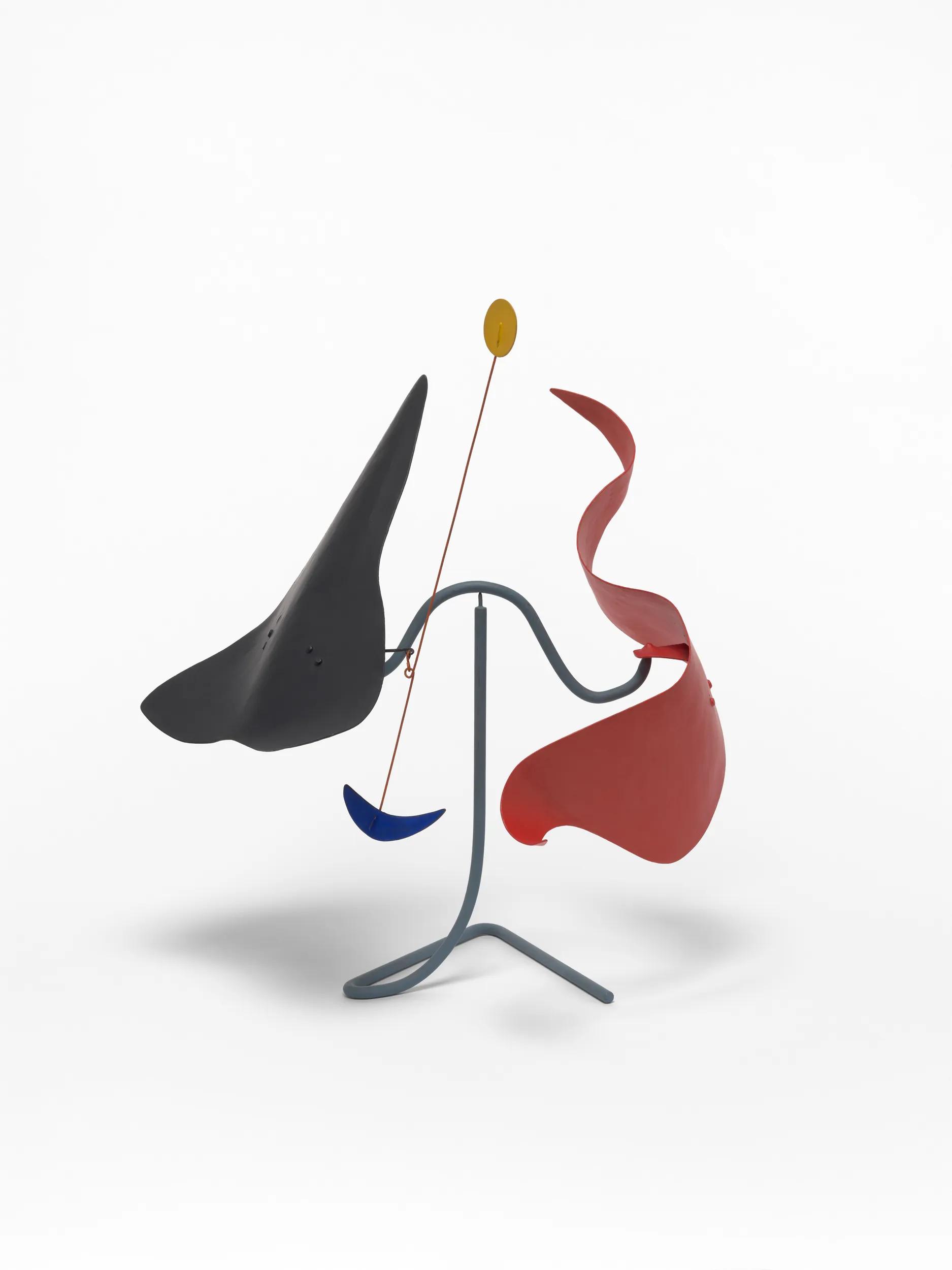
‘Calder: François Premier’ will introduce new generations of viewers to two extraordinary, multi-dimensional works: ‘Les Granettes’ (1953), a large-scale standing mobile exhibited for the first time in 72 years, and ‘The Putney Mobile’ (1954), making its public European debut here seven decades after its creation. These sculptural masterpieces will be complemented by an important body of ink and gouache paintings and other works executed by Calder between these seminal years of 1953 and 1954.
ARTWORKS
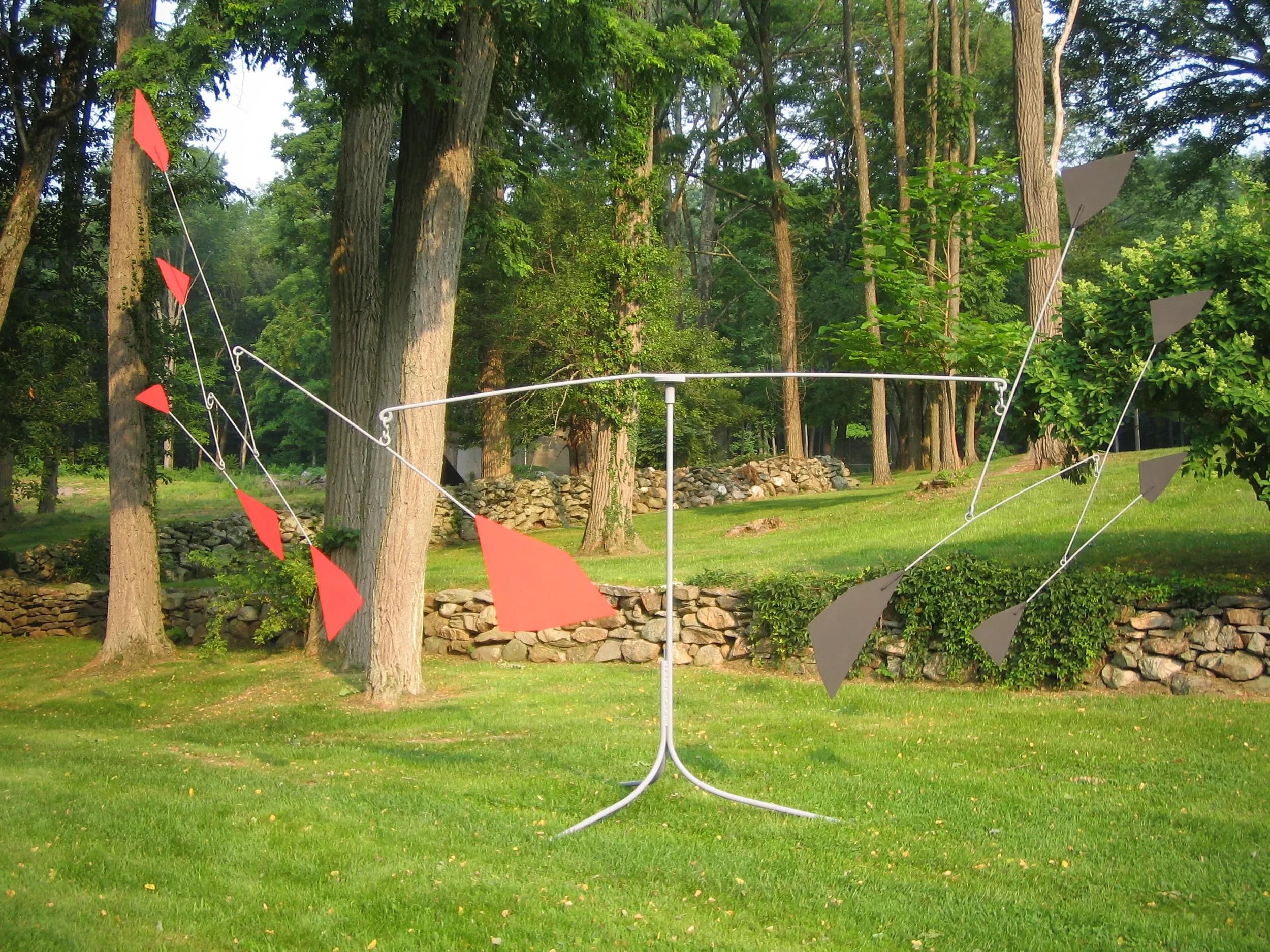
Les Granettes
1953
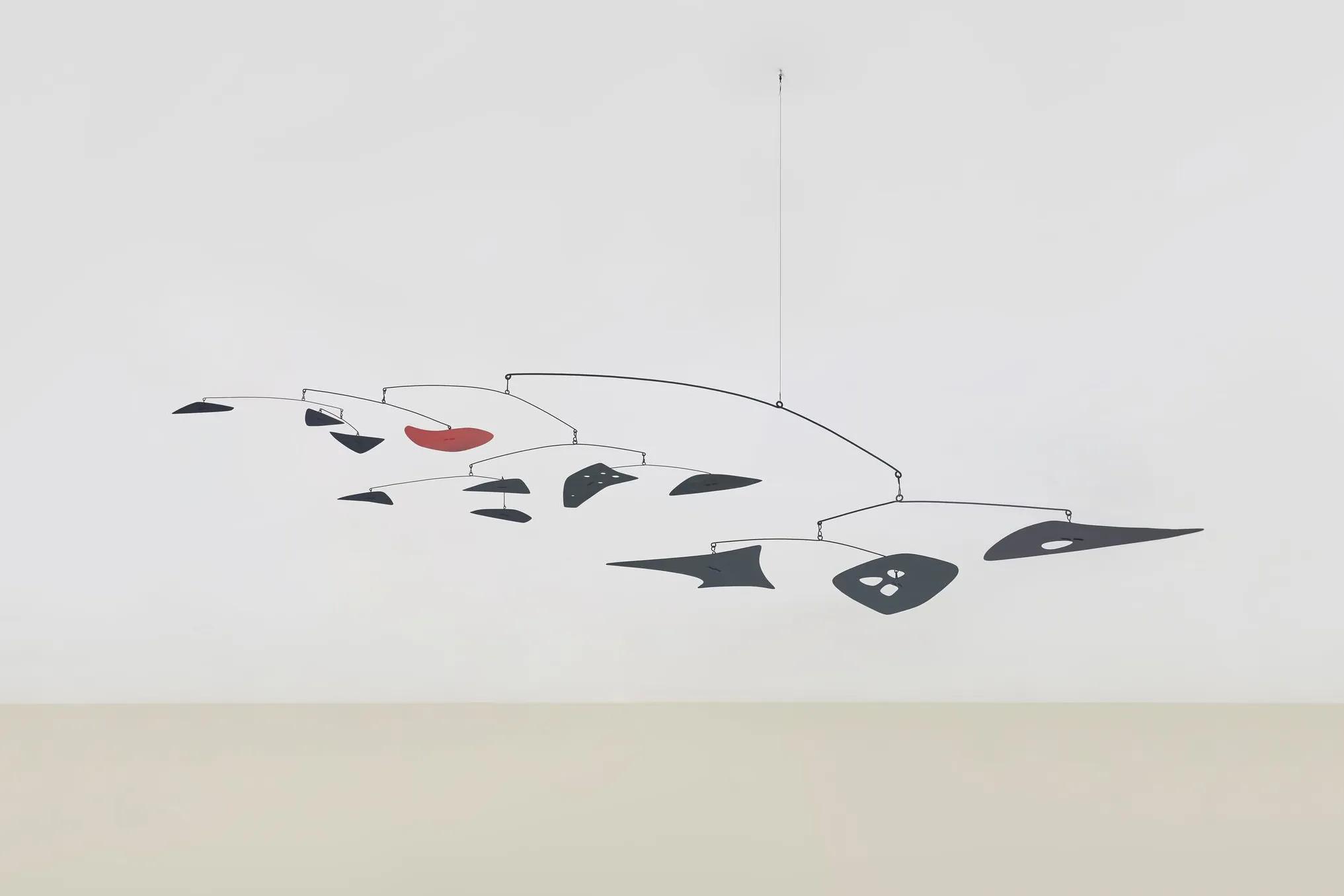
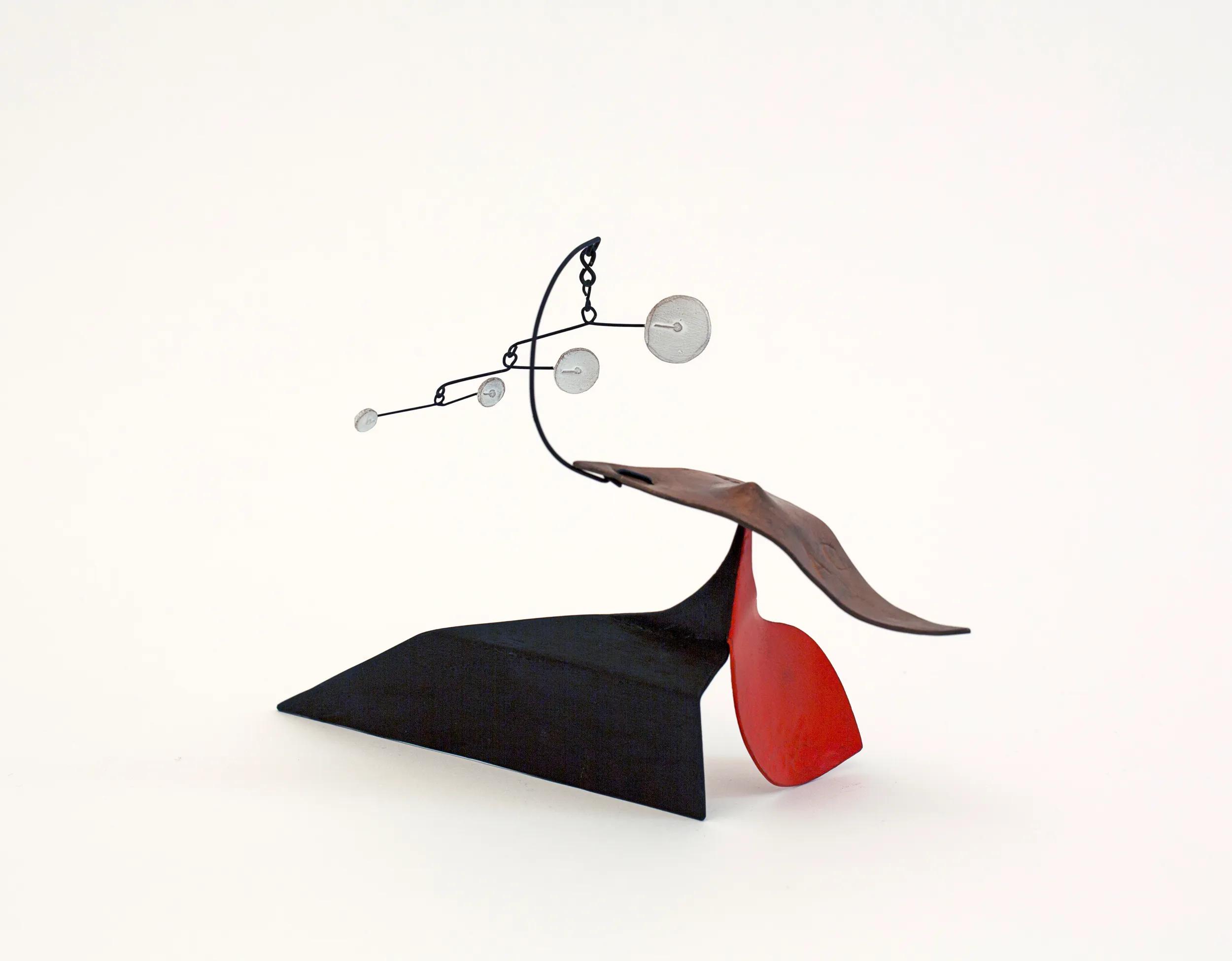
Untitled
1955
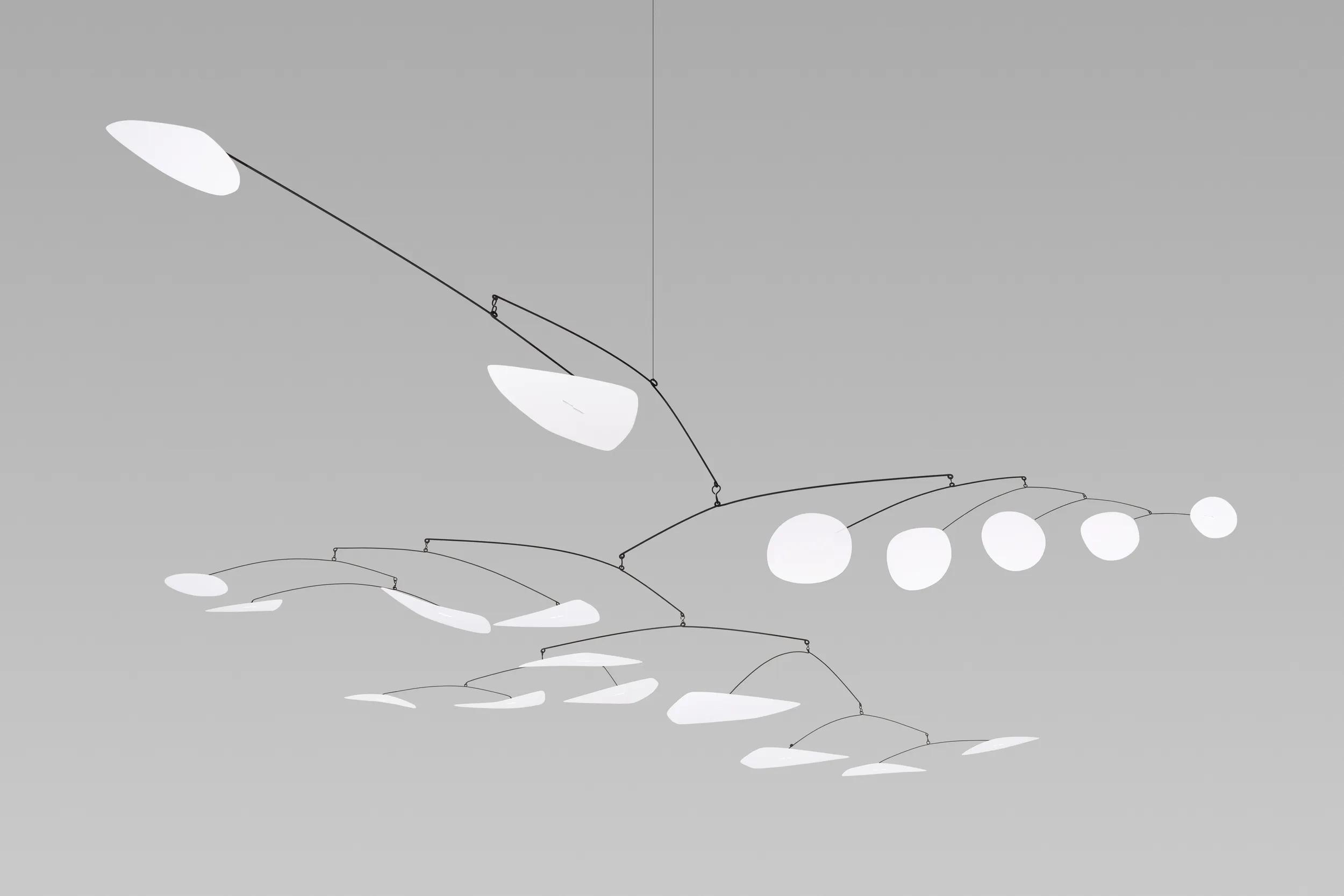
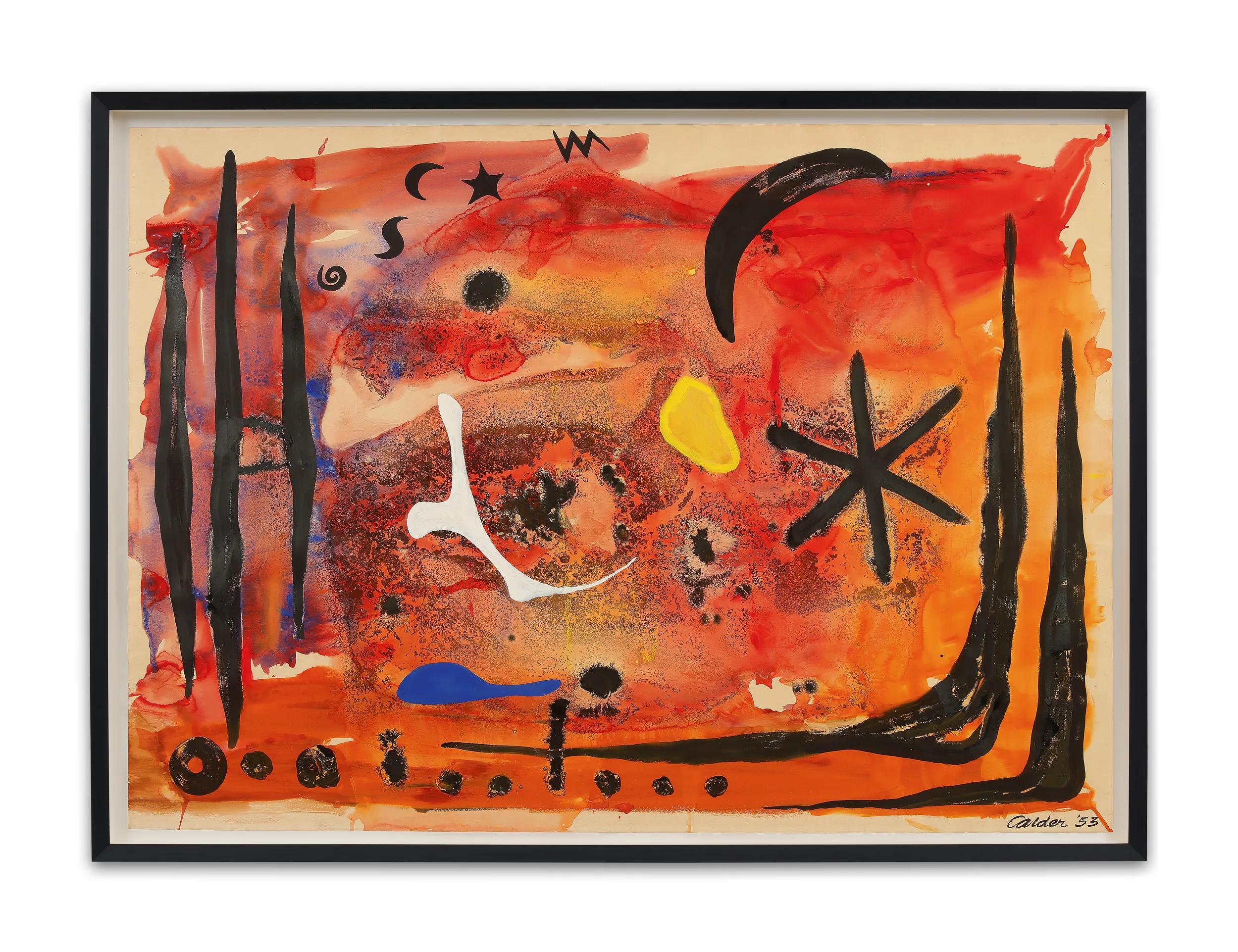
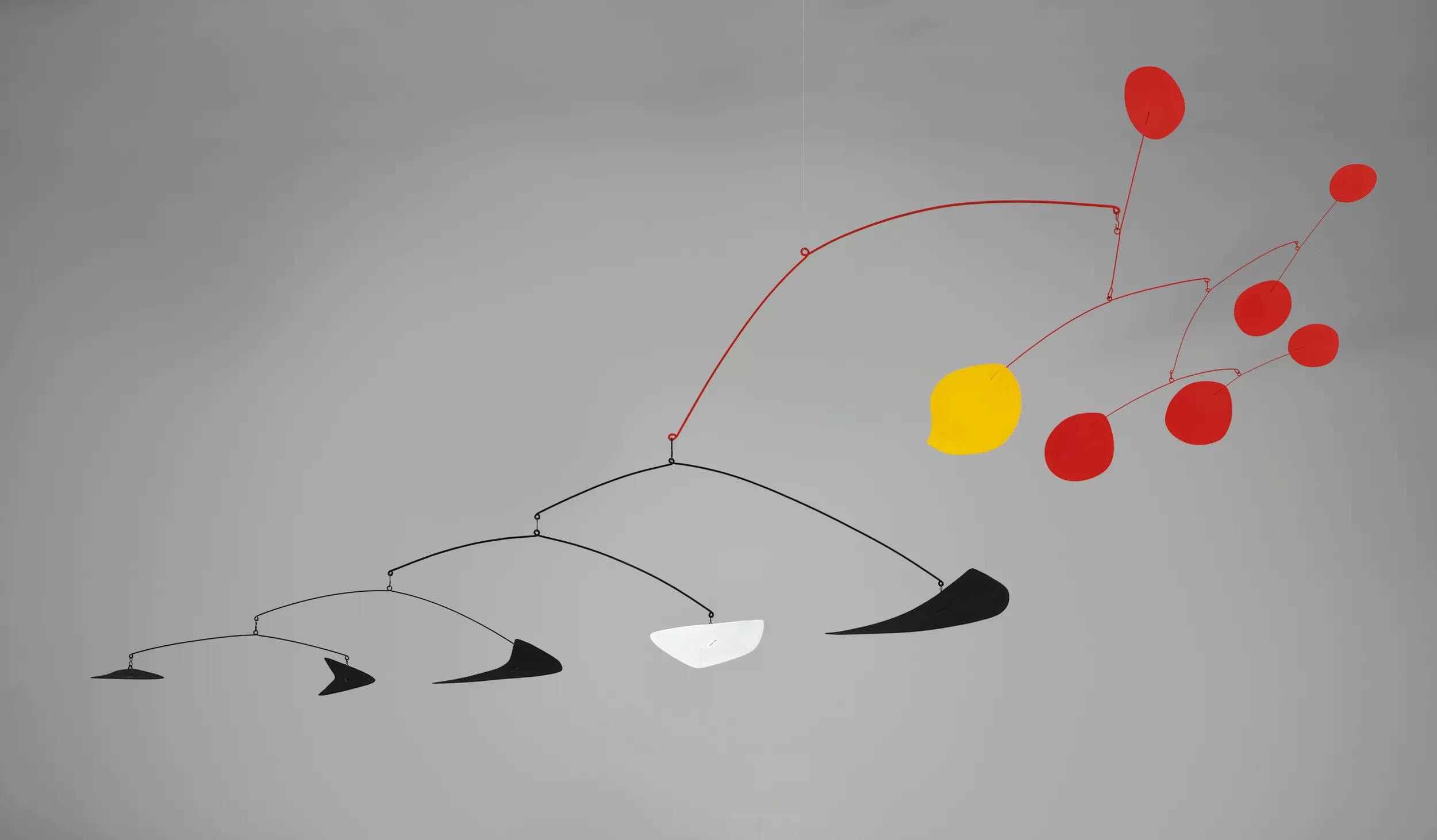
Guava
1955
Installation Views
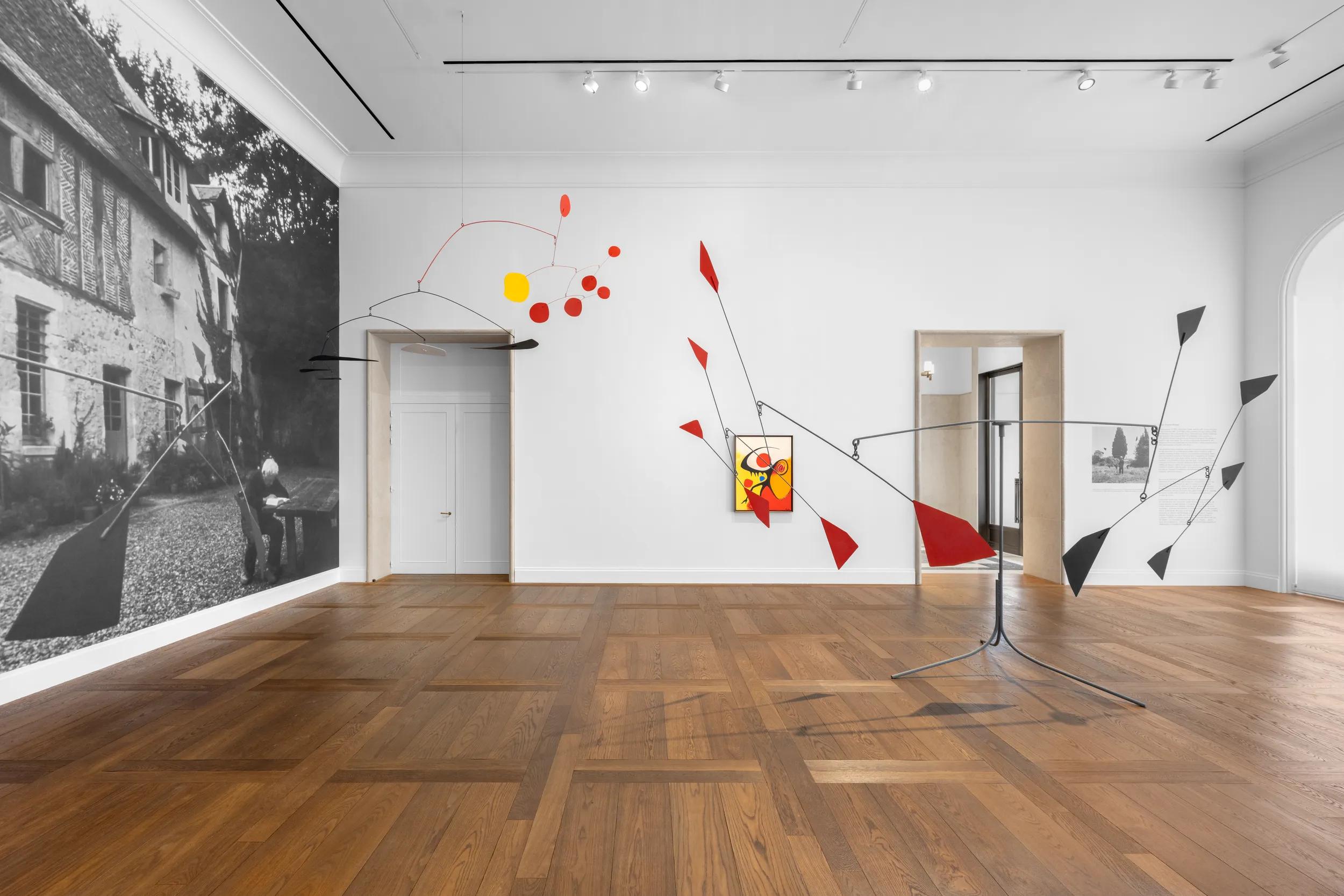
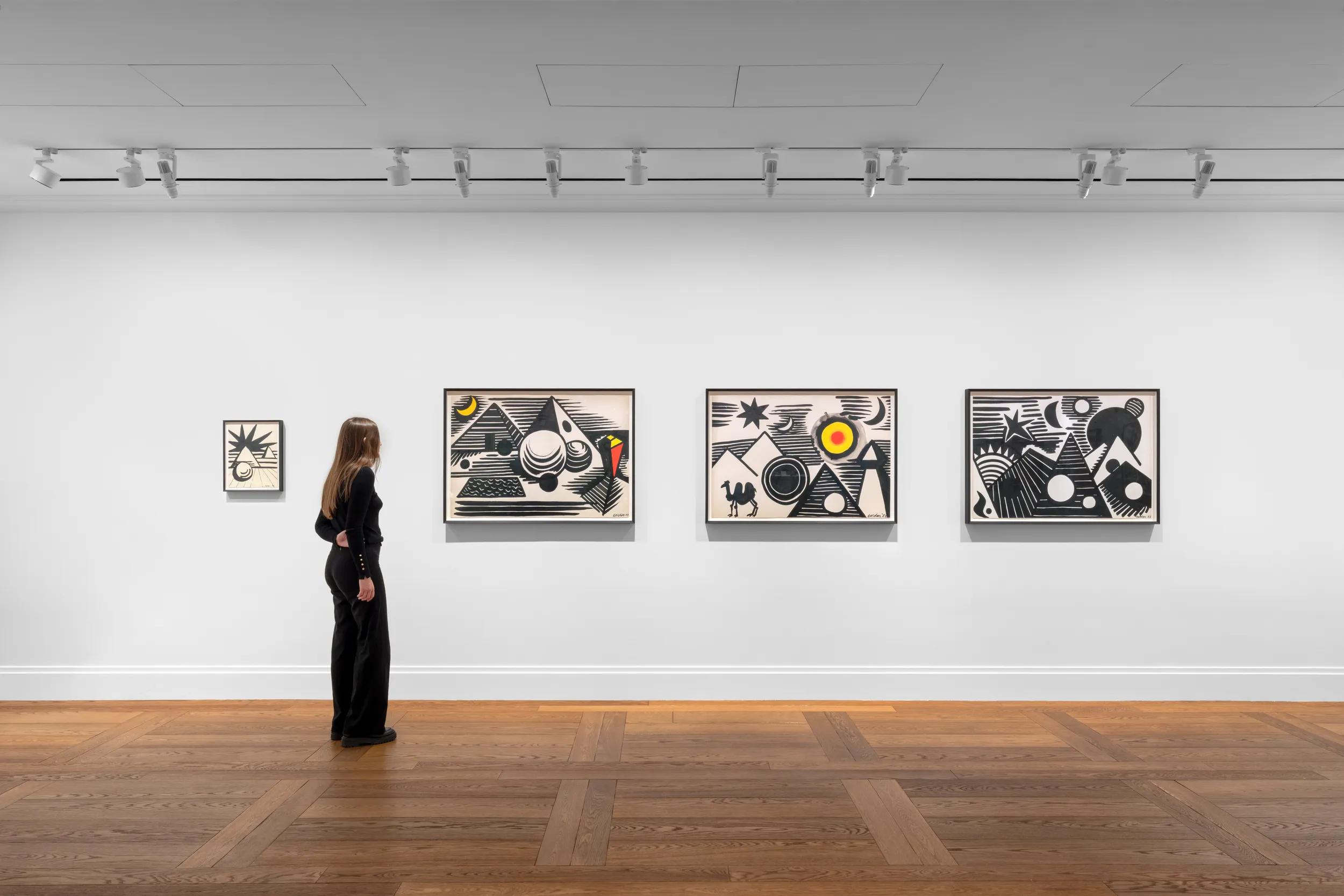
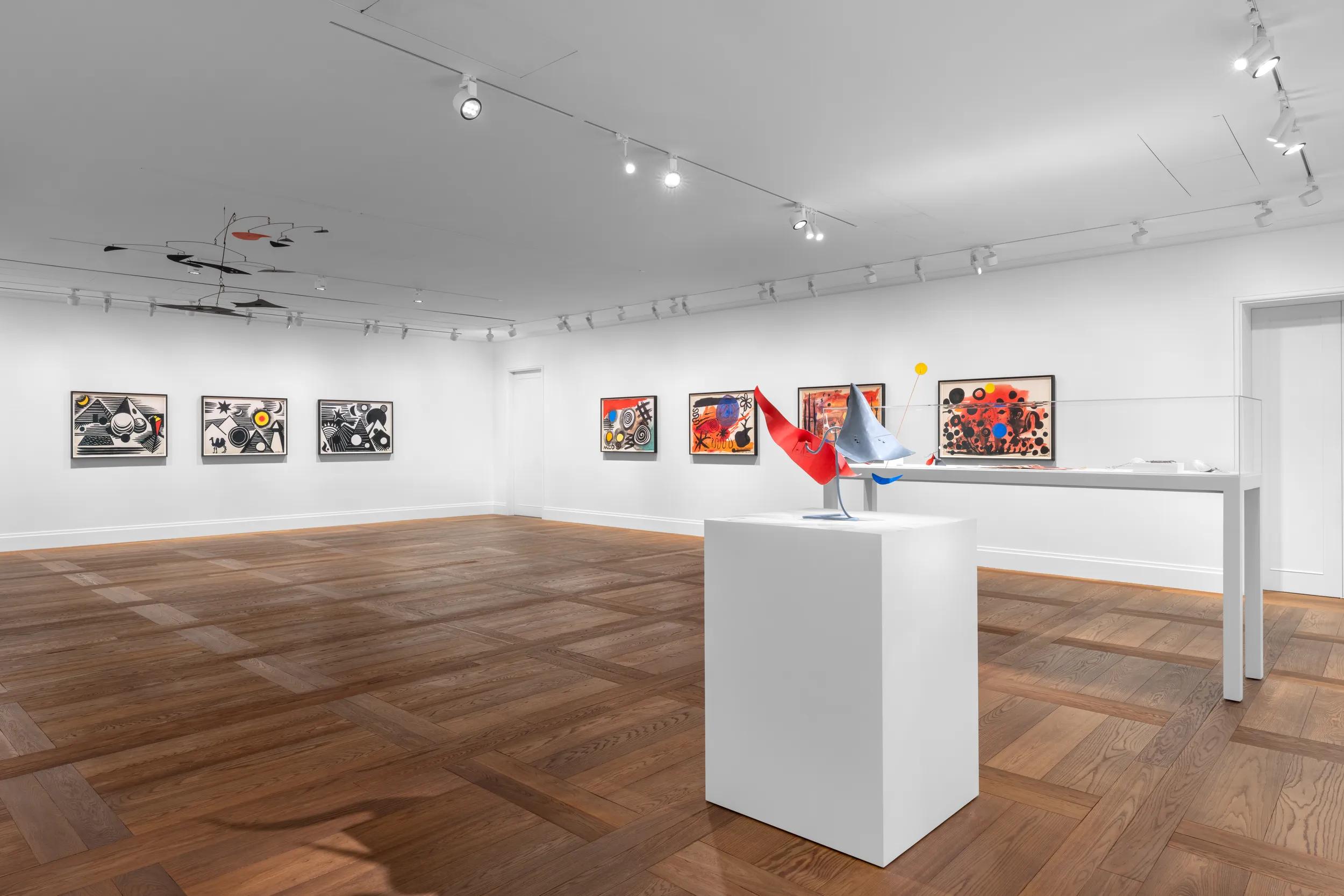
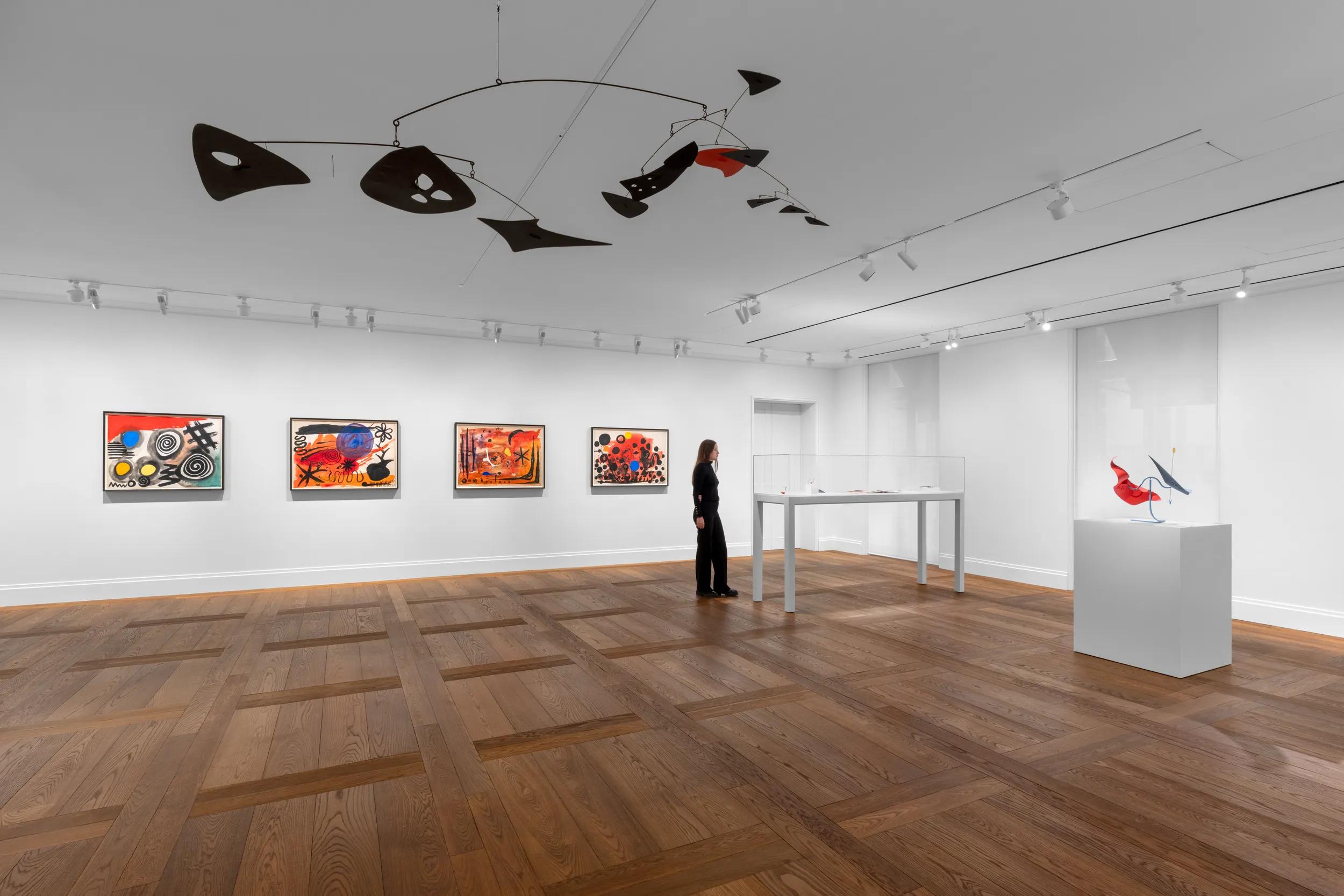
1 / 3
Installation views, ‘Calder: François Premier,’ Hauser & Wirth Paris, 2026 © 2026 Calder Foundation, New York / ADAGP, Paris. Photos: Nicolas Brasseur. Video: Armand Morin
Alexander S. C. Rower and Rosalie Varda reflect on this transformative chapter in Calder’s life and work in France
Related Content
About the Artist
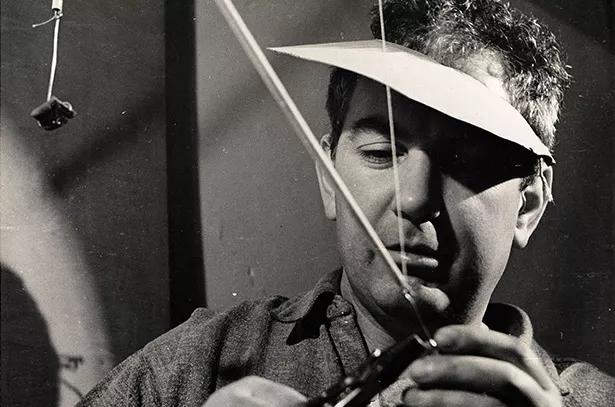
Alexander Calder
Alexander Calder was born in 1898, the second child of artist parents—his father was a sculptor and his mother a painter. In his mid-twenties, Calder moved to New York City, where he studied at the Art Students League and worked at the ‘National Police Gazette,’ illustrating sporting events and the Ringling Bros. and Barnum & Bailey Circus. Shortly after his move to Paris in 1926, Calder created his ‘Cirque Calder’ (1926–31), a complex and unique body of art. It wasn’t long before his performances of the ‘Cirque’ captured the attention of the Parisian avant-garde.
In 1931, a significant turning point in Calder’s artistic career occurred when he created his first kinetic nonobjective sculpture and gave form to an entirely new type of art. Some of the earliest of these objects moved by motors and were dubbed ‘mobiles’ by Marcel Duchamp—in French, mobile refers to both ‘motion’ and ‘motive.’ Calder soon abandoned the mechanical aspects of these works and developed suspended mobiles that would undulate on their own with the air's currents. In response to Duchamp, Jean Arp named Calder's stationary objects ‘stabiles’ as a means of differentiating them.
Calder returned to live in the United States with his wife, Louisa, in 1933, purchasing a dilapidated farmhouse in the rural town of Roxbury, Connecticut. It was there that he made his first sculptures for the outdoors, installing large-scale standing mobiles among the rolling hills of his property. In 1943, James Johnson Sweeney and Duchamp organized a major retrospective exhibition at the Museum of Modern Art, New York, which catapulted Calder to the forefront of the New York art world and cemented his status as one of the premier American contemporary artists.
In 1953, Calder and Louisa moved back to France, ultimately settling in the small town of Saché in the Indre-et-Loire. Calder shifted his focus to large-scale commissioned works, which would dominate his practice in the last decades of his life. These included such works as ‘Spirale’ (1958) for the UNESCO headquarters in Paris and ‘Flamingo’ (1973) for Chicago’s Federal Center Plaza. Calder died at the age of seventy-eight in 1976, a few weeks after his major retrospective, ‘Calder’s Universe,’ opened at the Whitney Museum of American Art, New York.
Current Exhibitions




1 / 12