
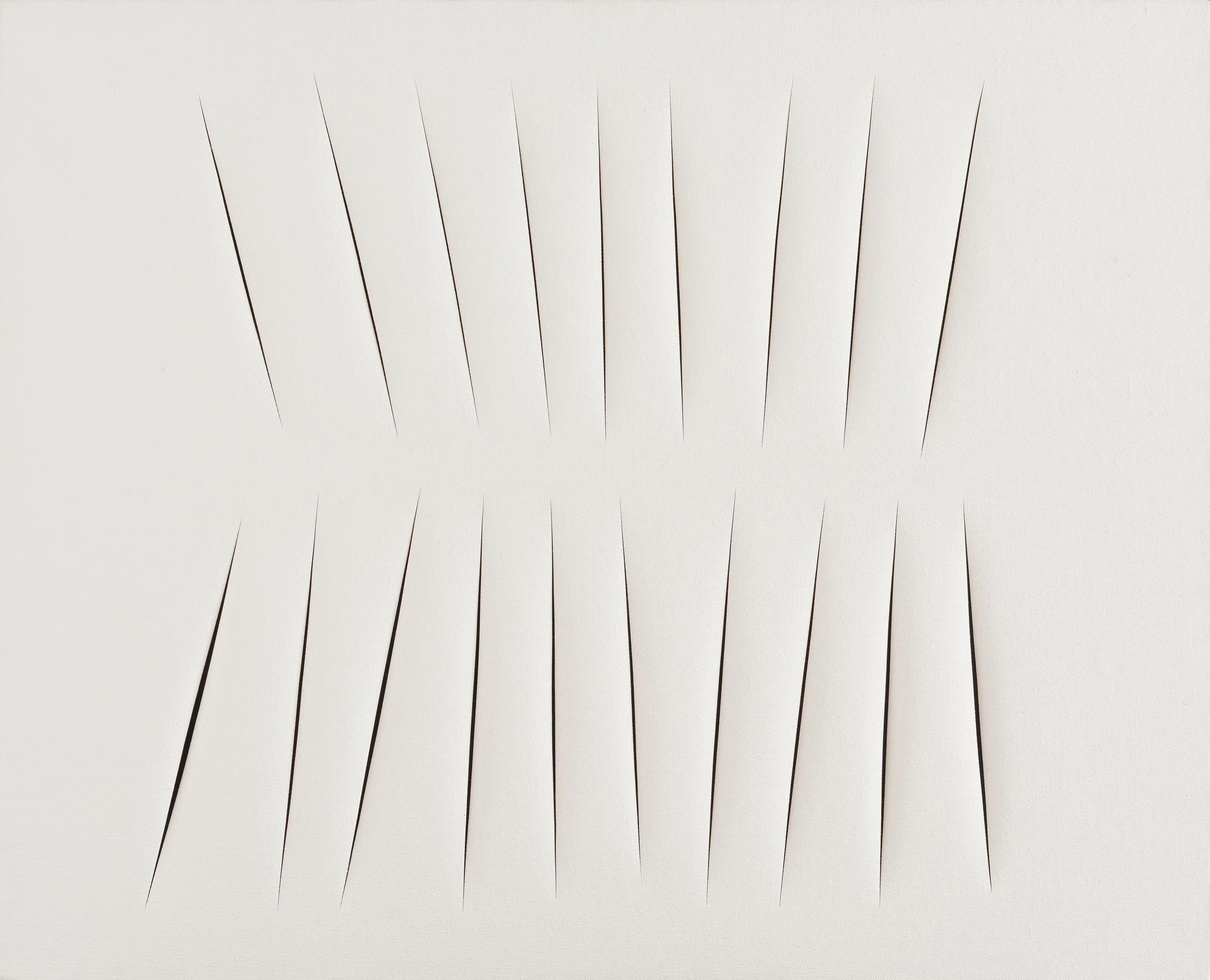
Lucio Fontana
Spatialism. Pioneering the Contemporary
17 September – 19 December 2026
Hong Kong
‘I pierce this canvas that was the basis of all art and I have created an infinite dimension. The idea is right there, it is a new dimension corresponding to the cosmos.’
— Lucio Fontana
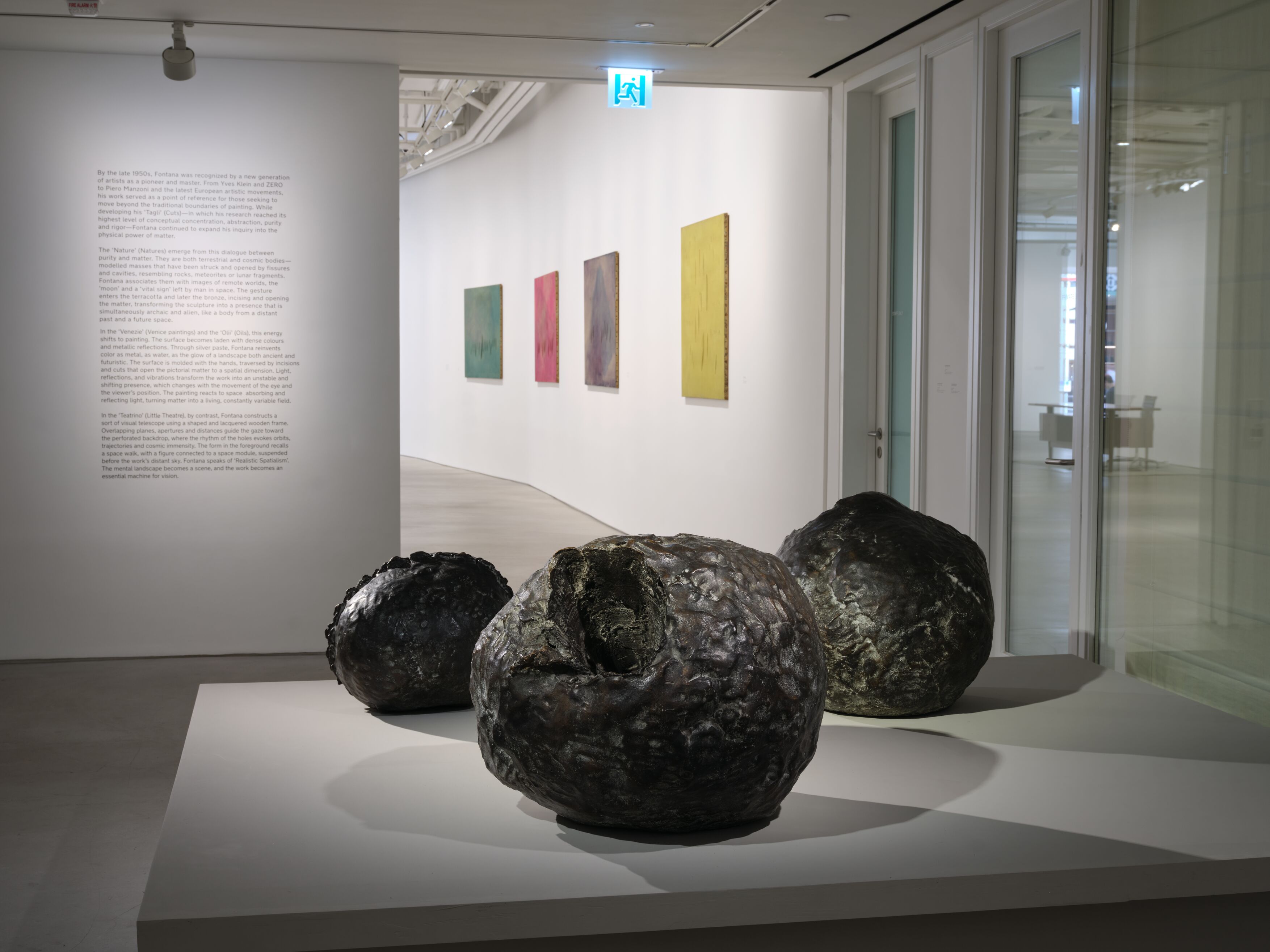
Beginning 17 September 2026, Hauser & Wirth Hong Kong presents a major exhibition by Argentine-Italian artist Lucio Fontana (1899 – 1968). Titled ‘Lucio Fontana: Spatialism. Pioneering the Contemporary’ and featuring seminal works from 1949 onward, the exhibition focuses on Fontana’s revolutionary Buchi (Holes) and Tagli (Cuts), tracing the evolution of the Spatialism movement he founded and his radical exploration of the canvas as a site of infinite possibility. Breaking the boundaries between painting and sculpture, Fontana transformed the canvas into a dynamic area of light, gesture and movement. His punctured and slashed surfaces, central to Spatialism, fundamentally redefined the relationship between artwork and space. Through an innovative aesthetic, his visionary practice paved the way for postwar contemporary art and continues to inspire artists around the world.
Curated by Luca Massimo Barbero, in collaboration with the Fondazione Lucio Fontana, the Hong Kong exhibition marks the last highlight of a trilogy, following presentations in Los Angeles (2020) and New York (2022 – 2023). A major new publication on Fontana is forthcoming from Hauser & Wirth Publishers on the occasion of the exhibition. This volume marks the first widely available introduction to the artist’s practice in Simplified Chinese, offering Chinese audiences a comprehensive account of his groundbreaking career spanning from the 1920s to late 1960s, alongside specifically translated writings by the artist.
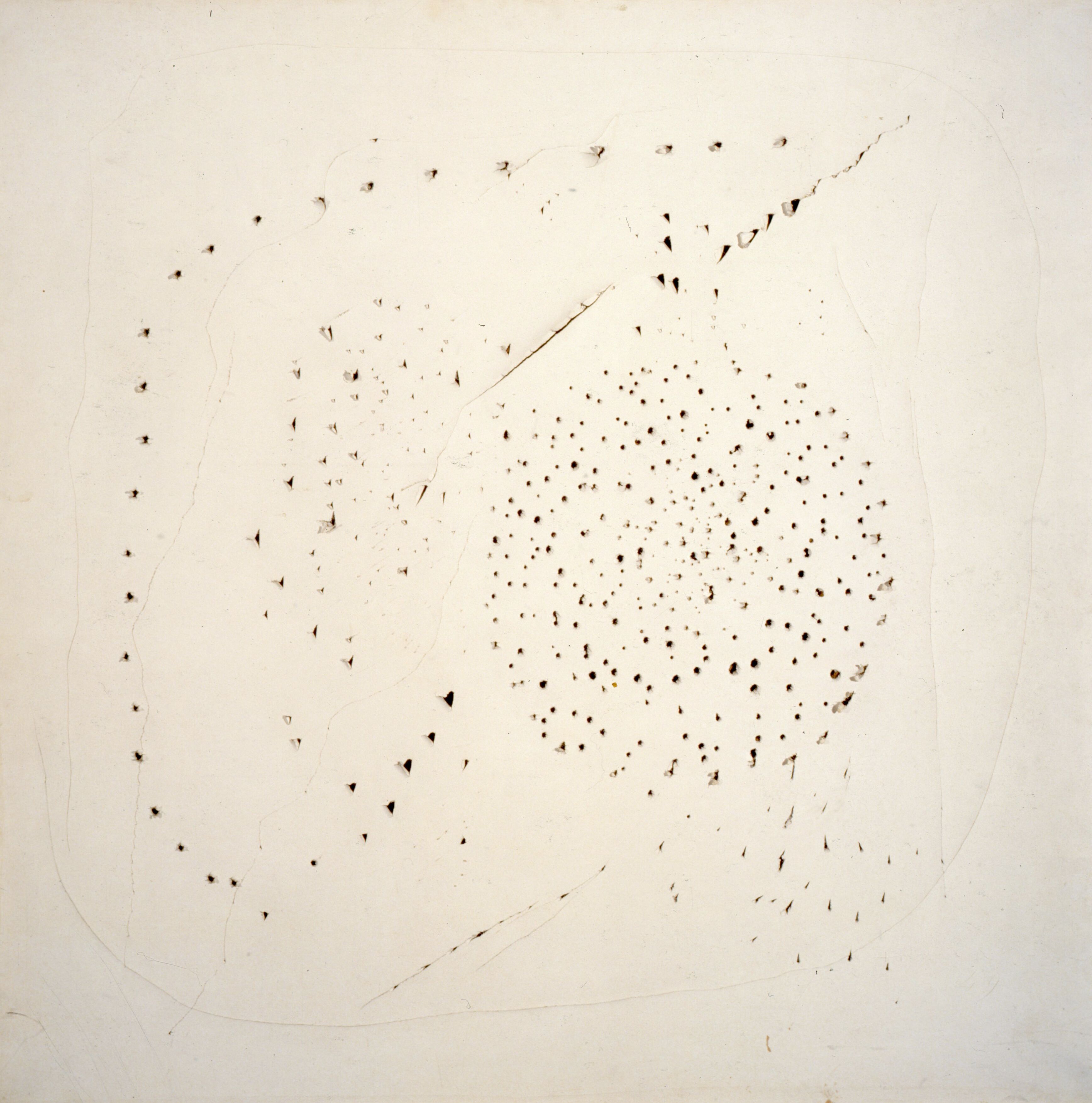
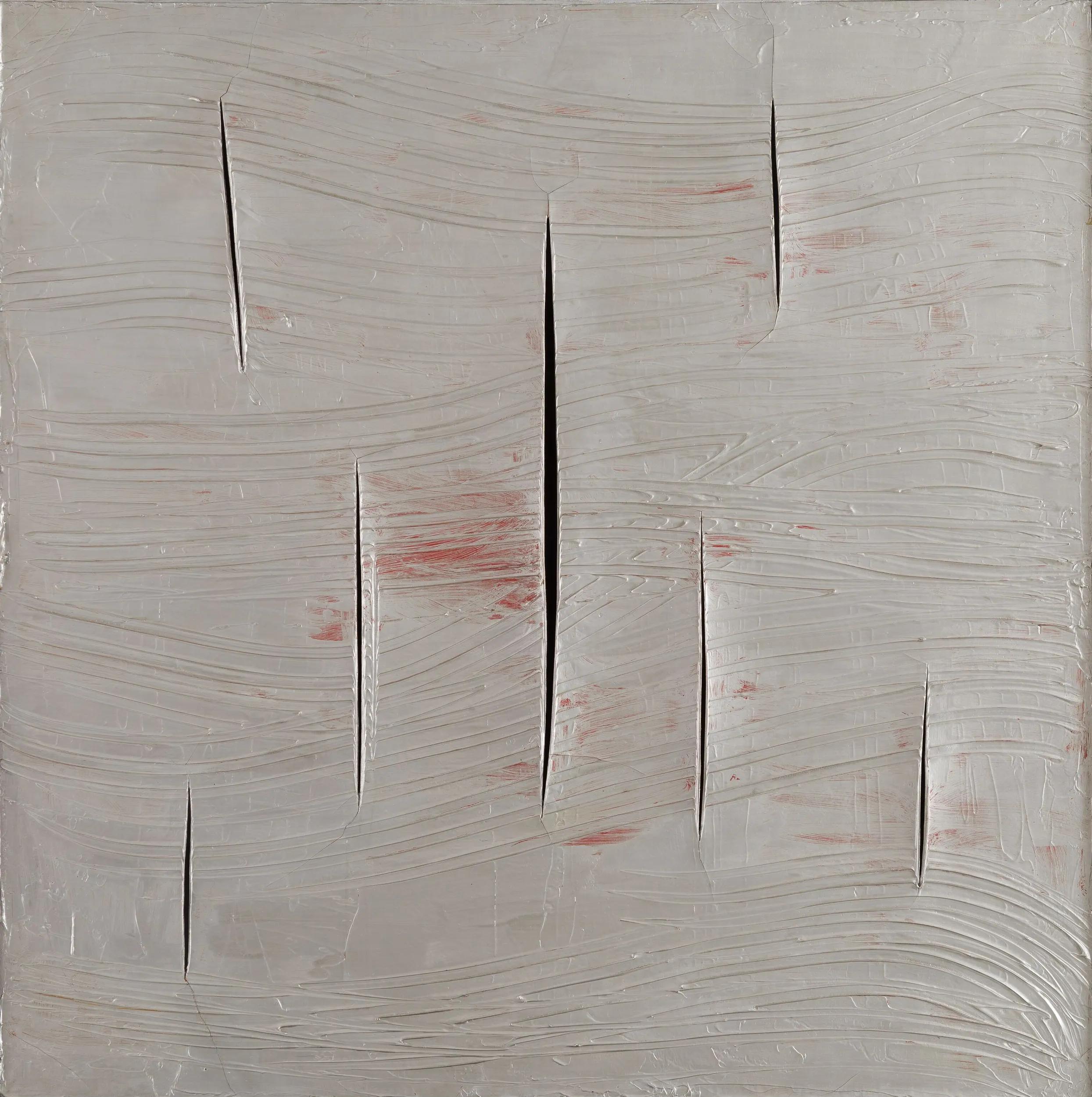
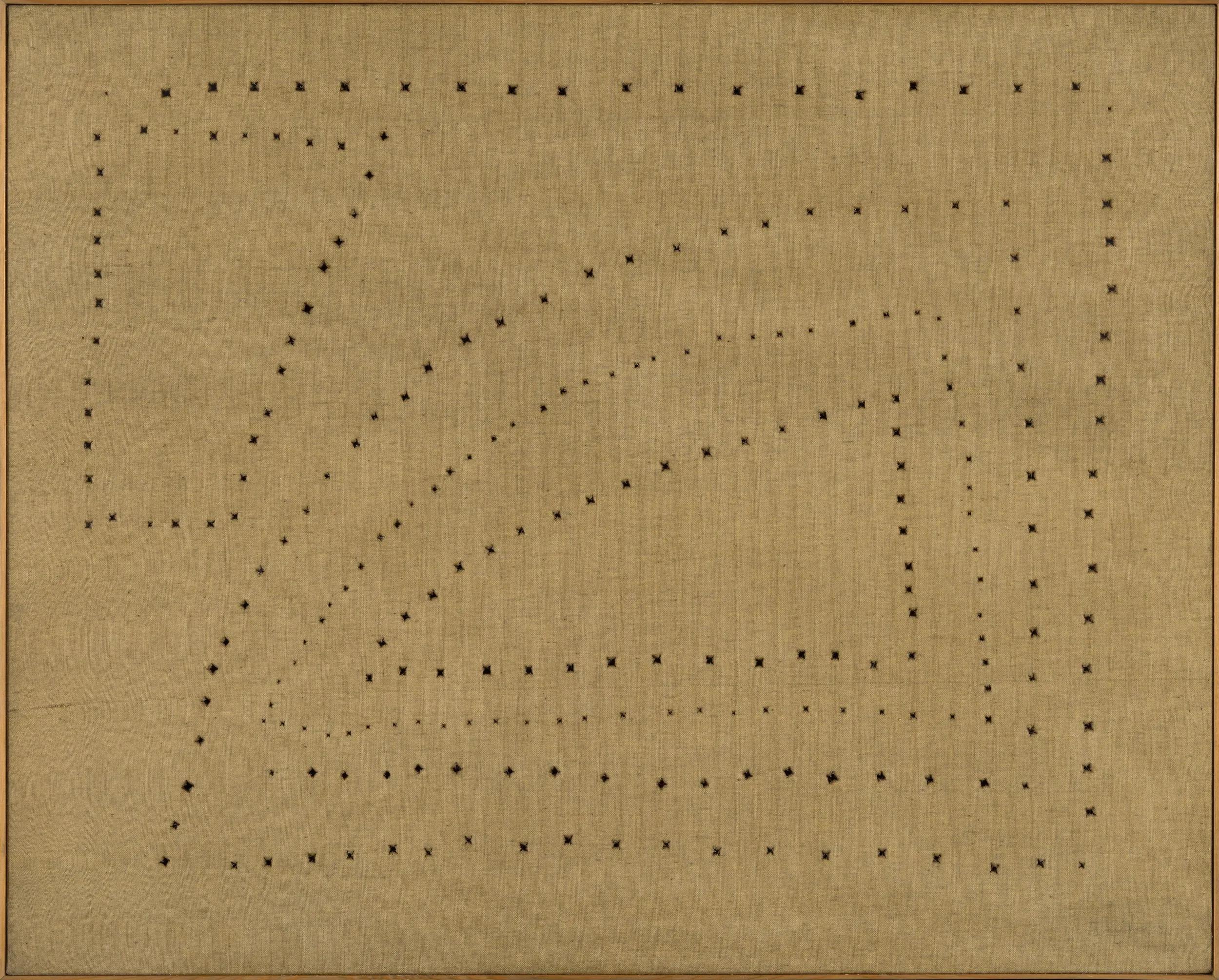
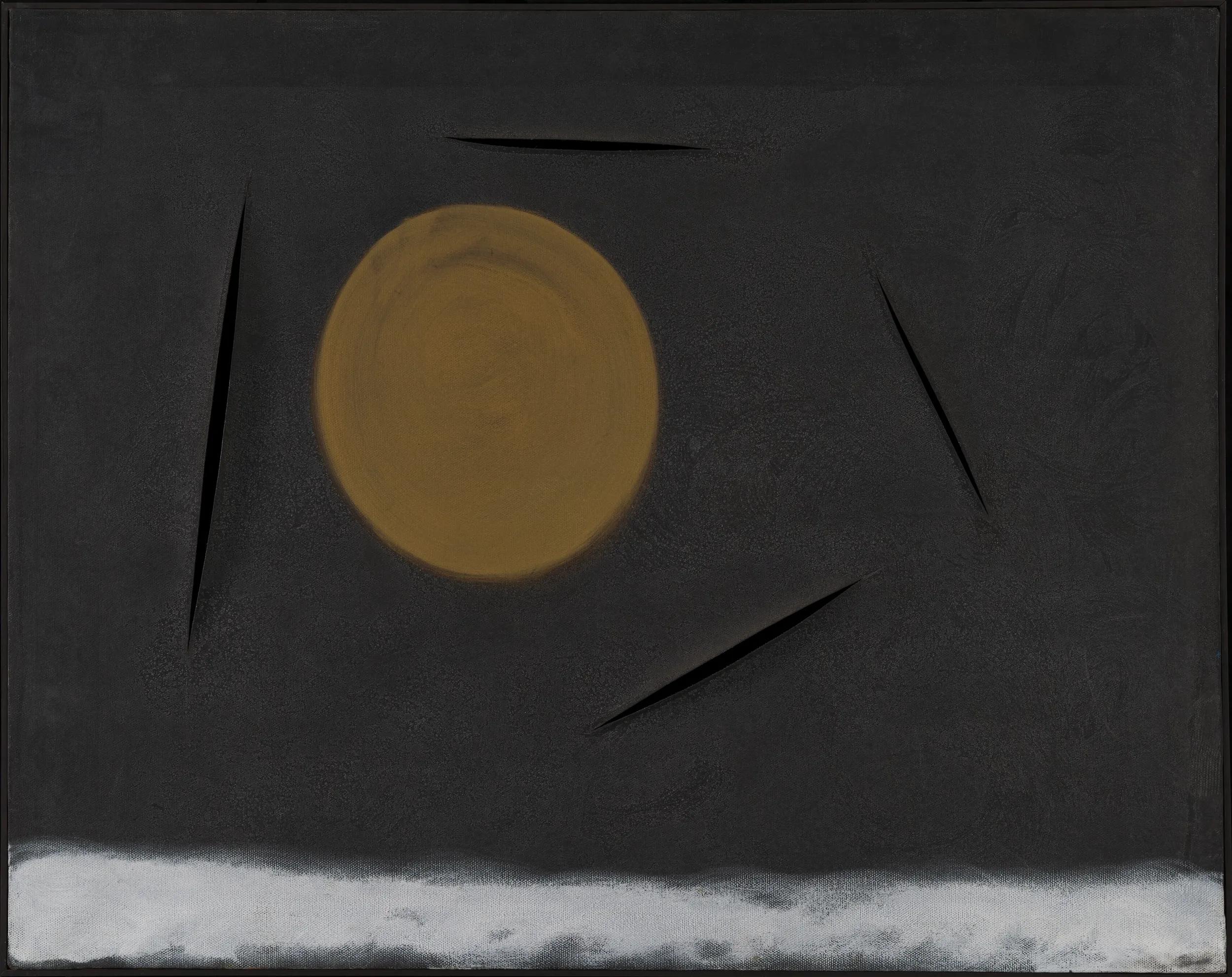
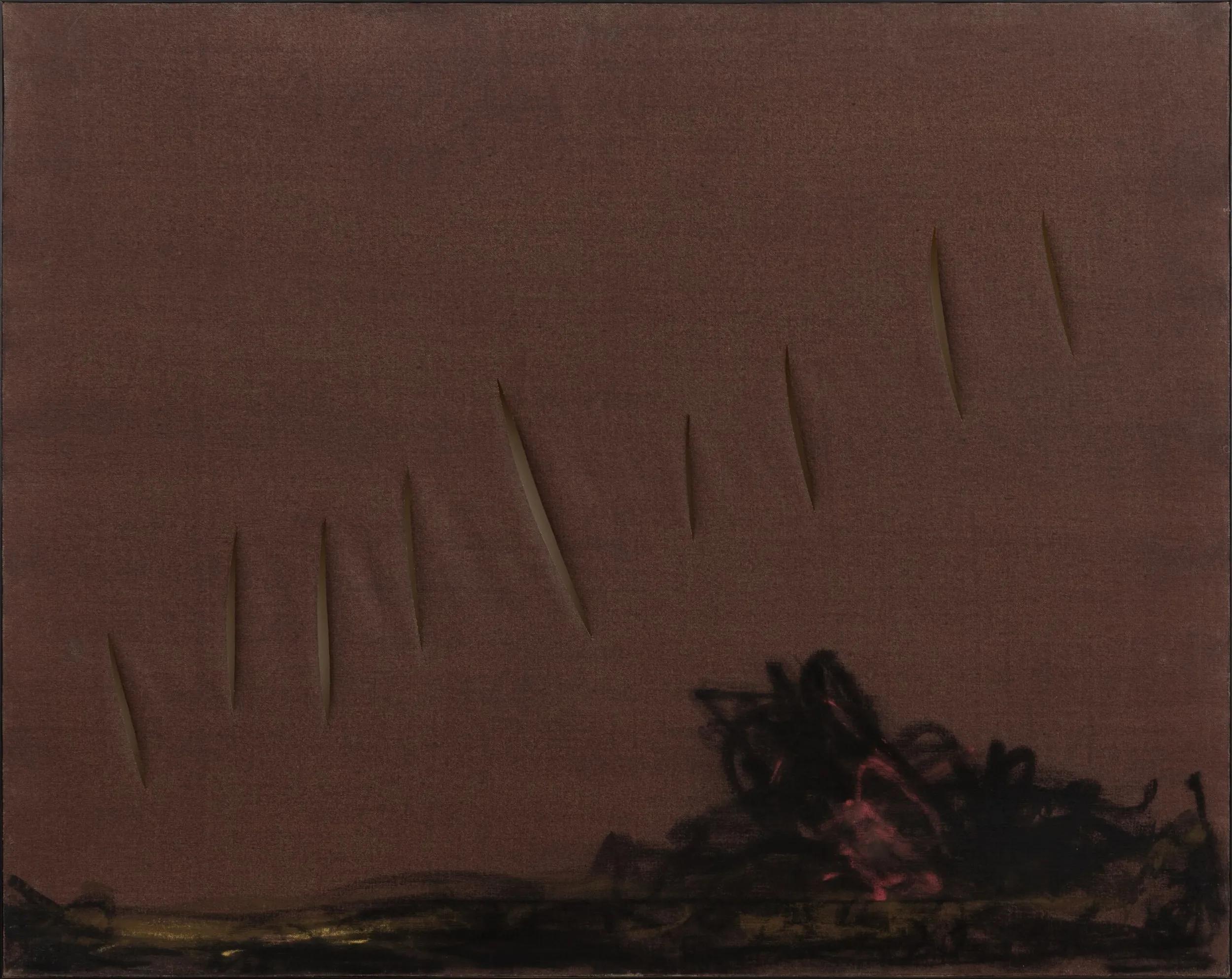
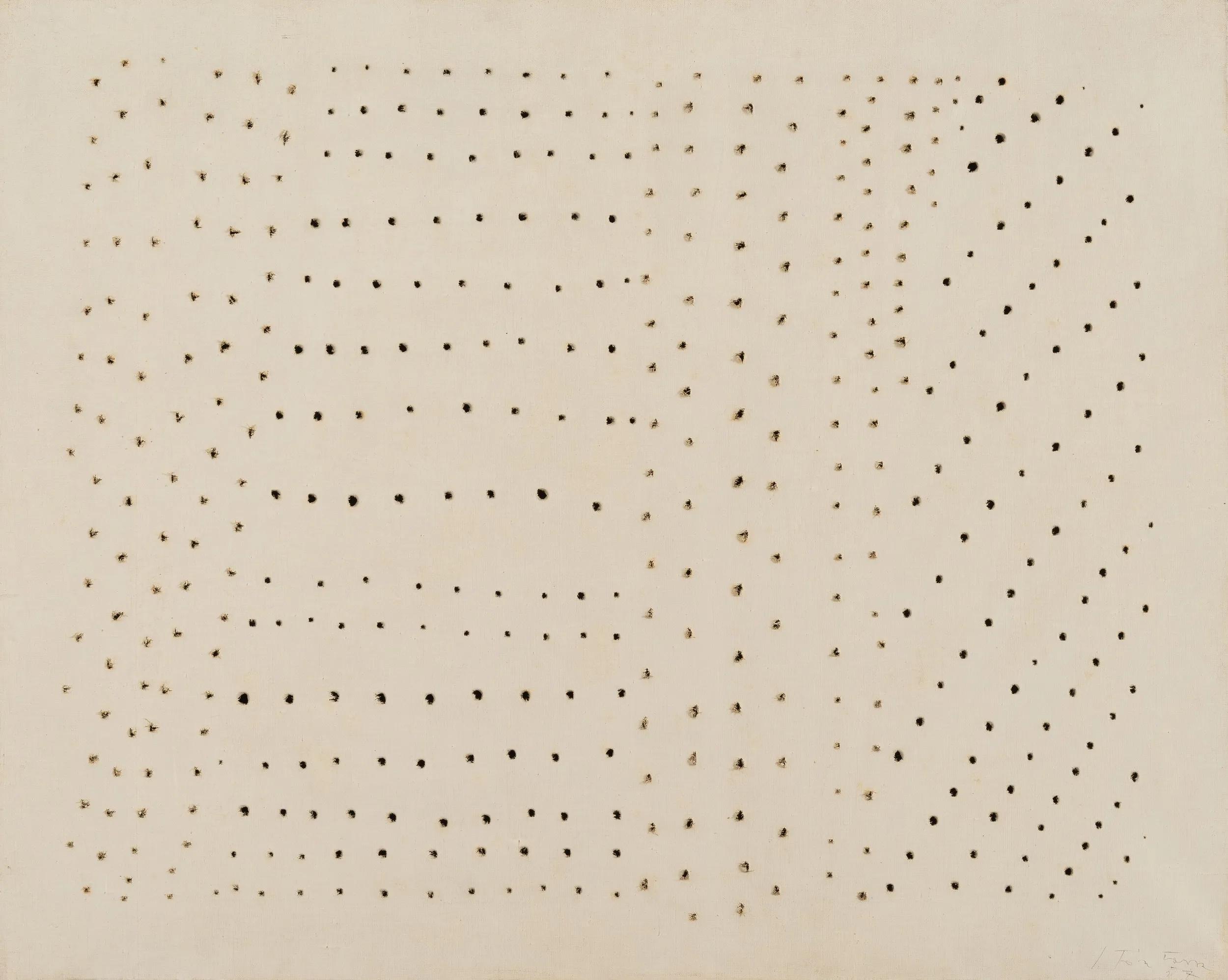
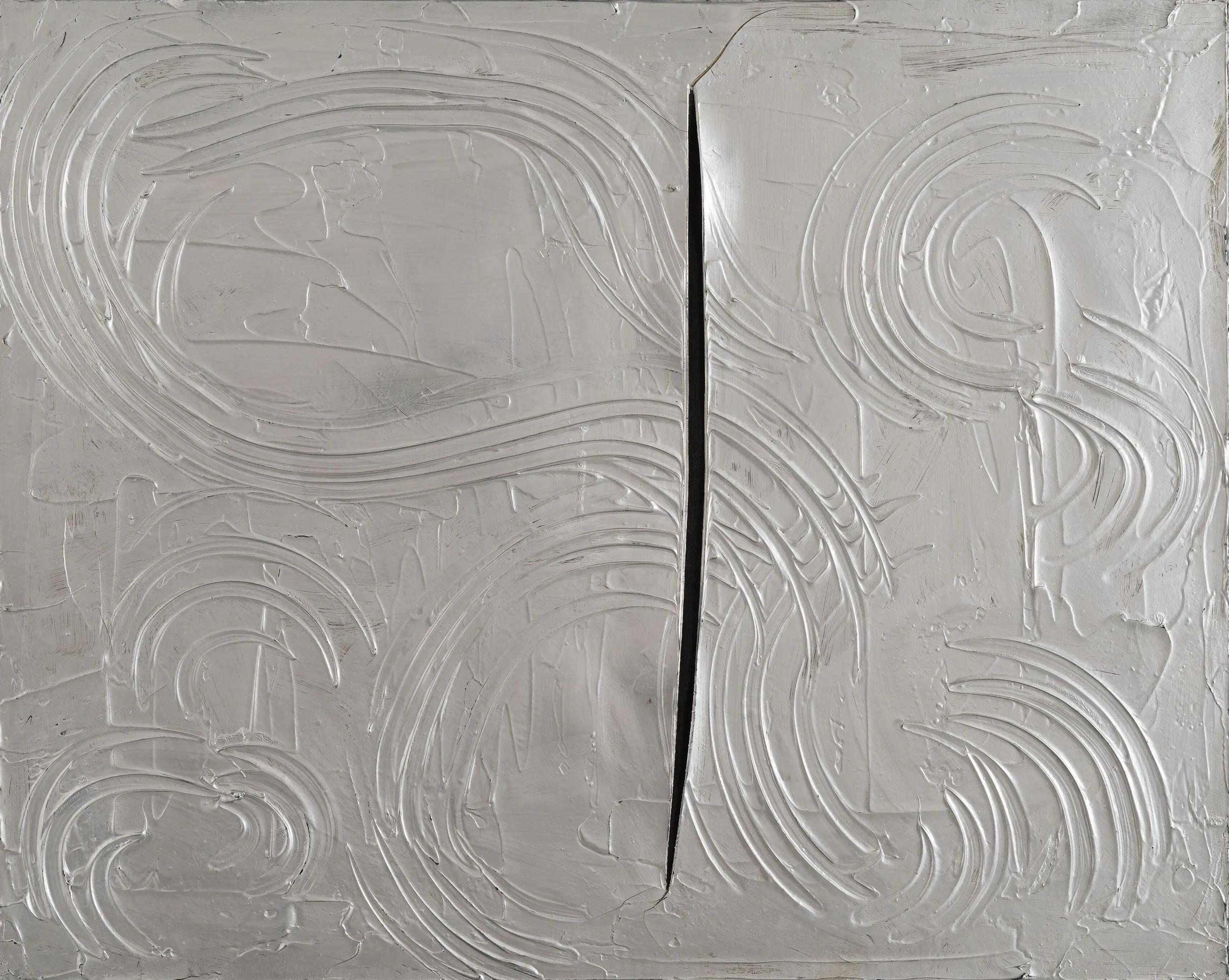
Installation Views
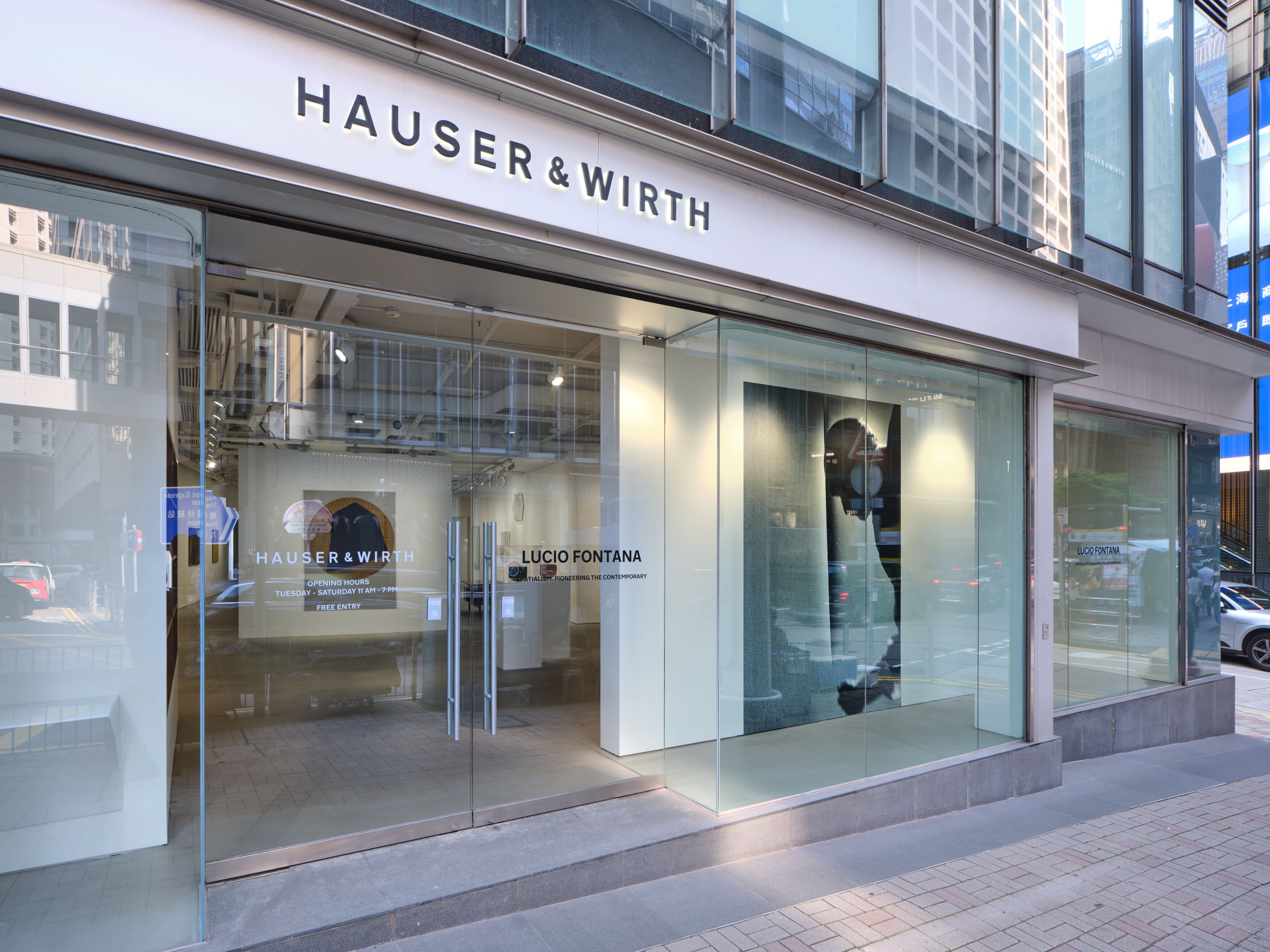
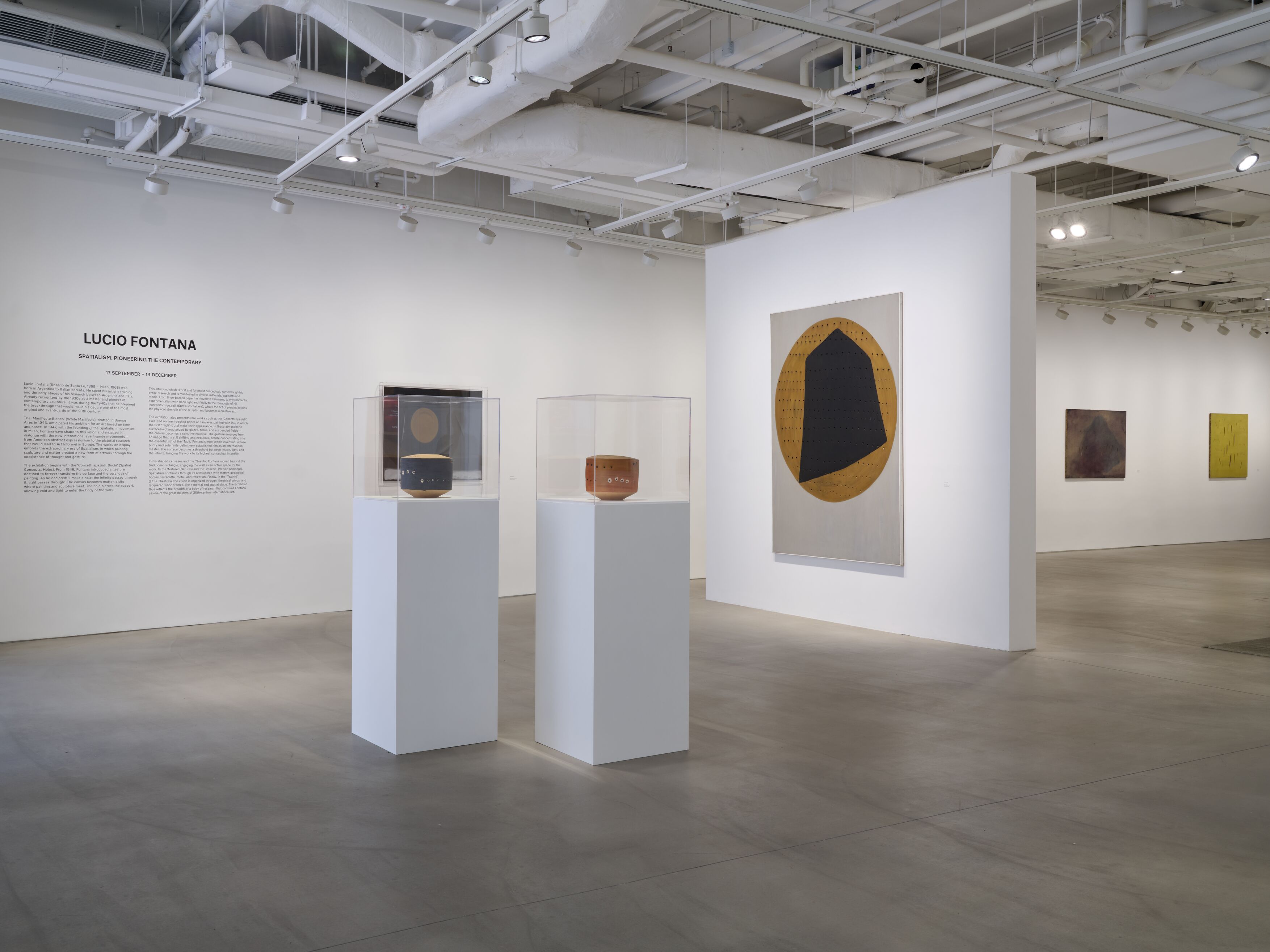
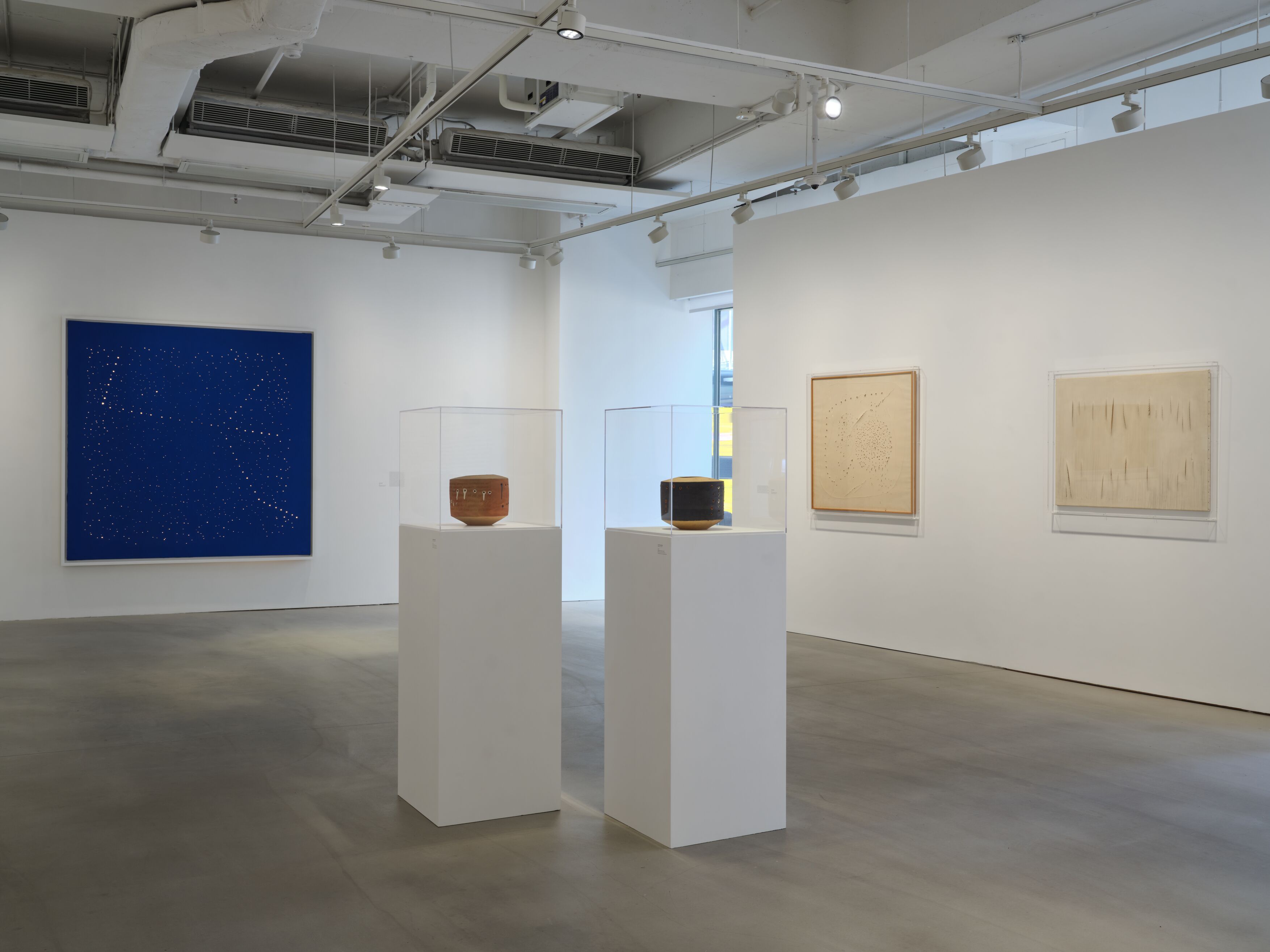
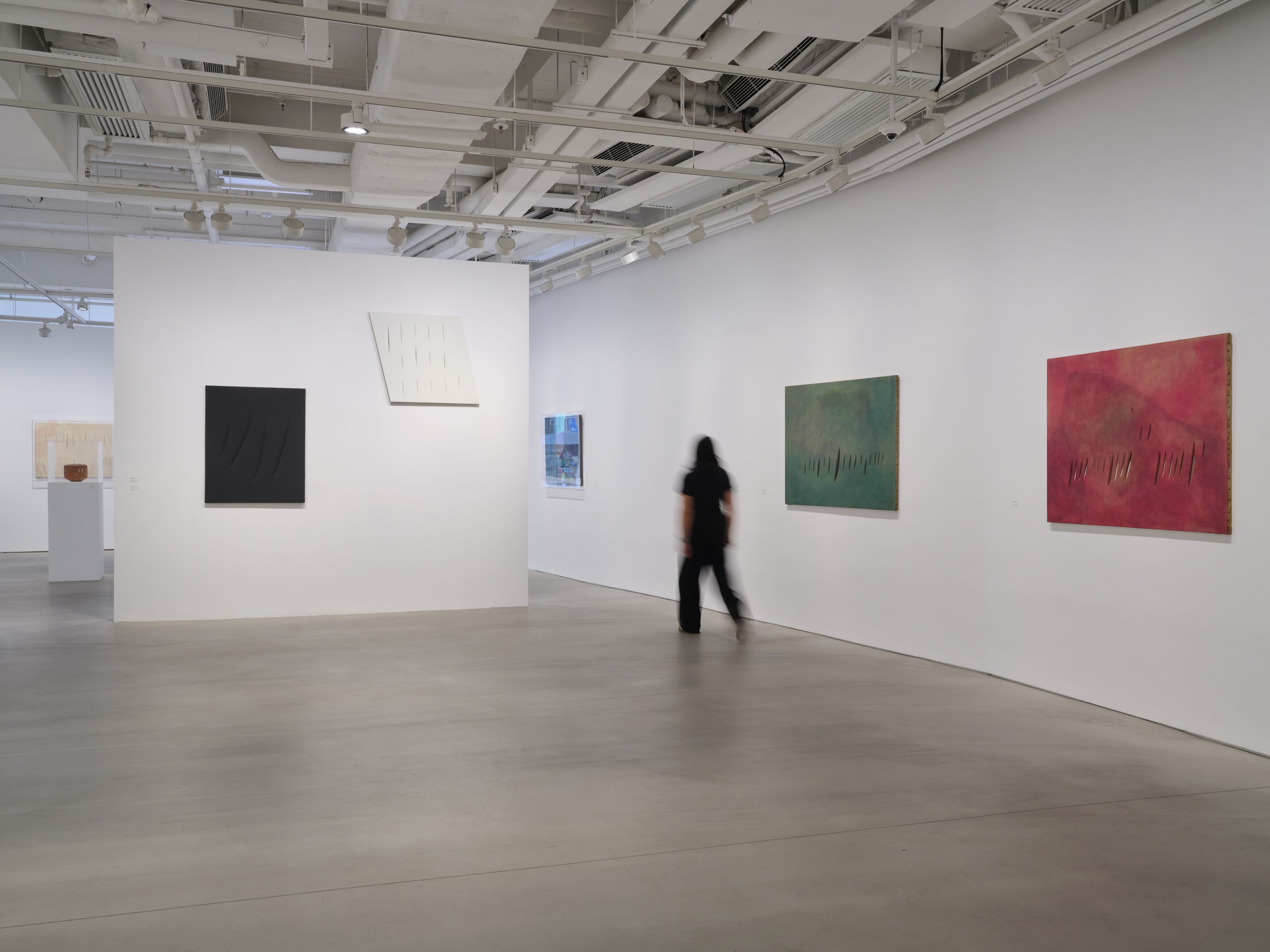
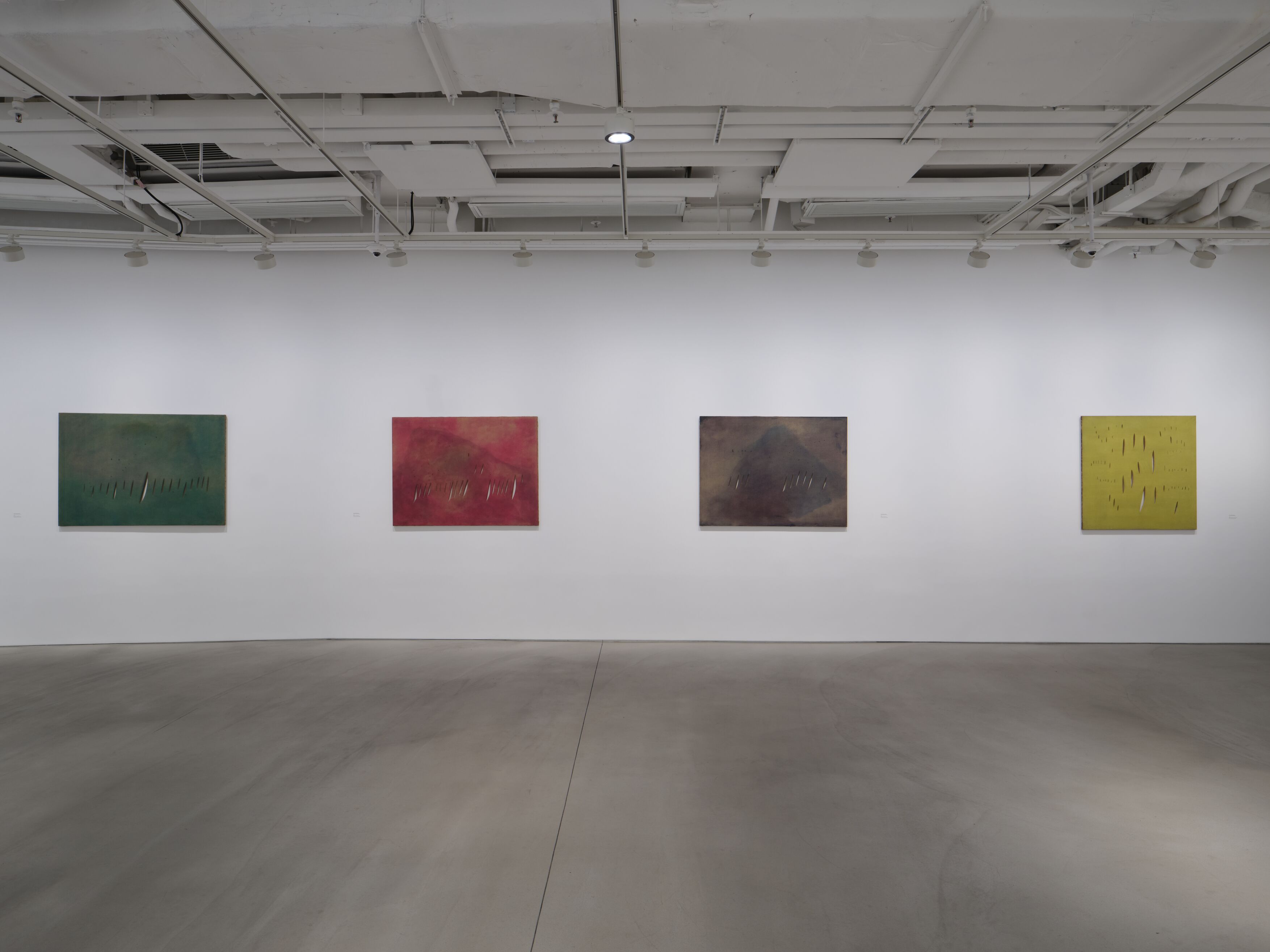
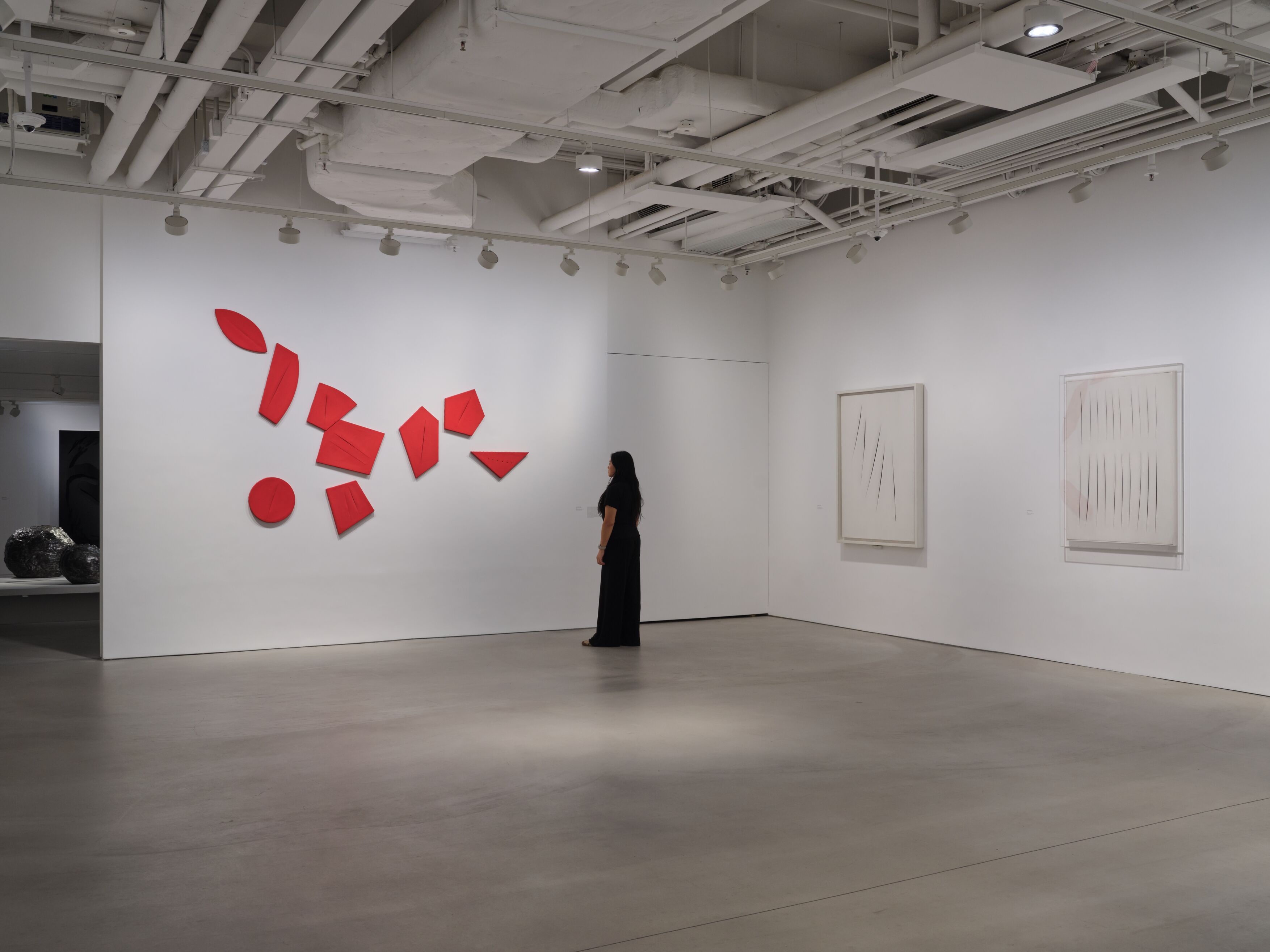
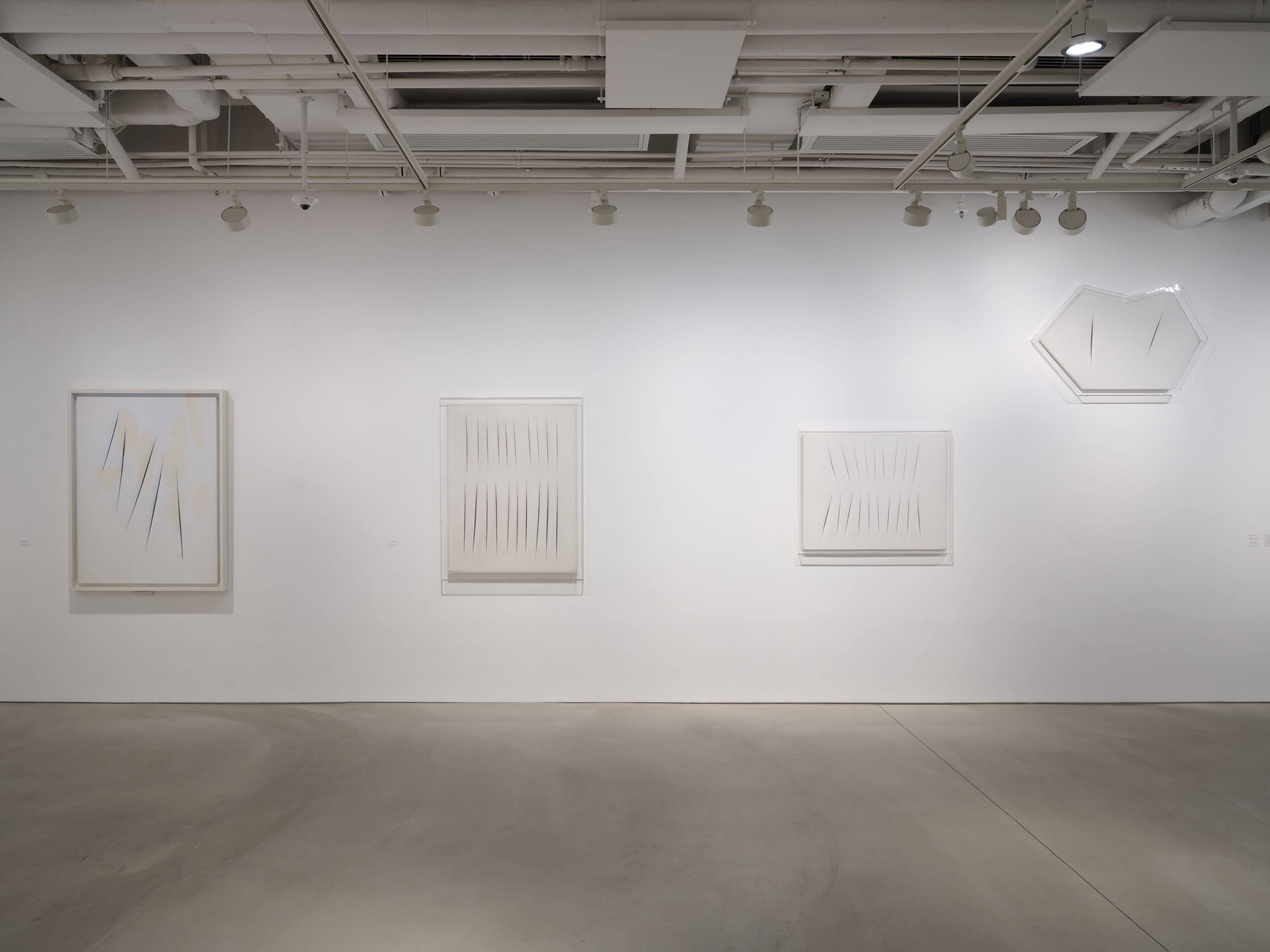
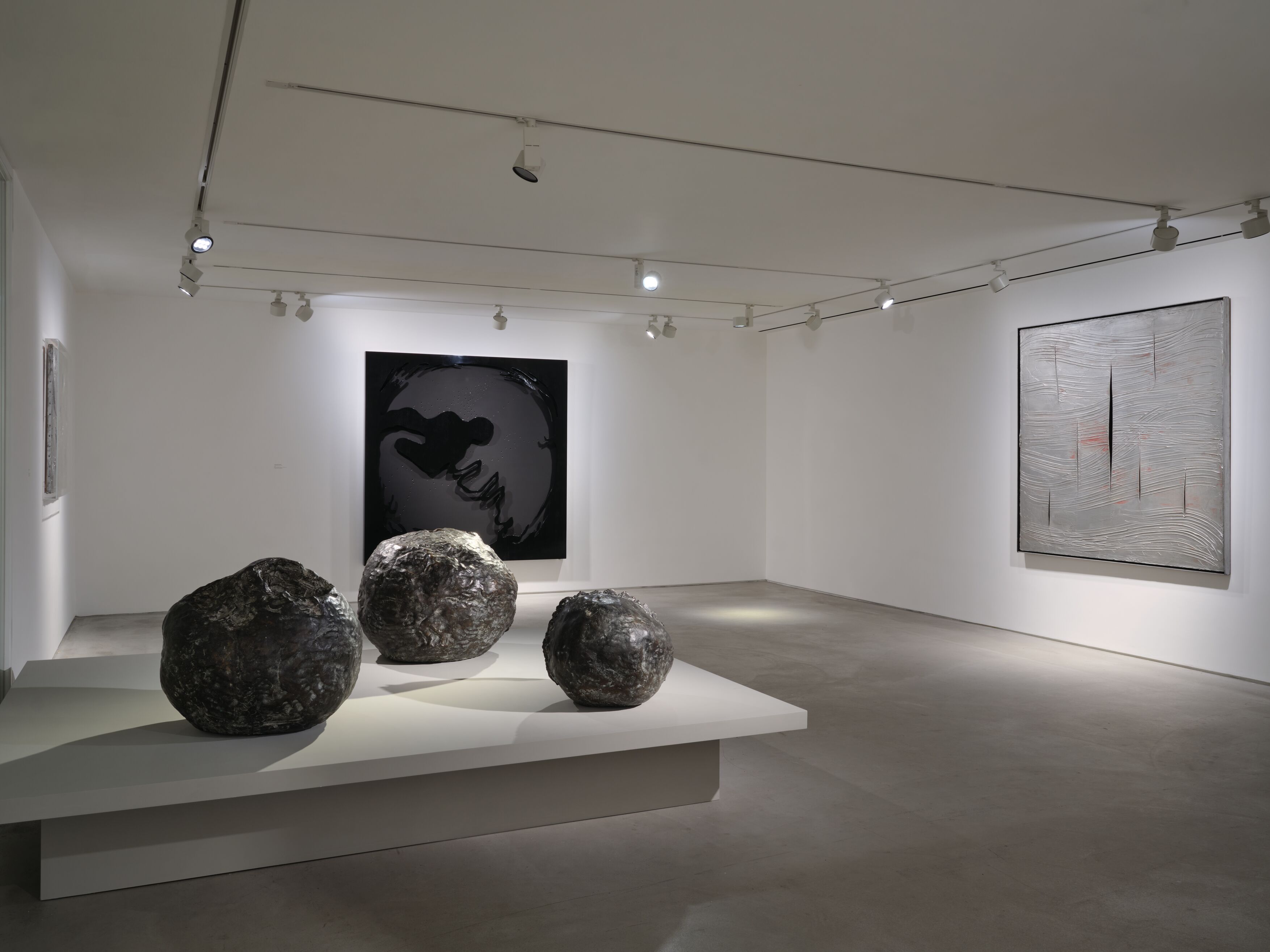
1 / 8
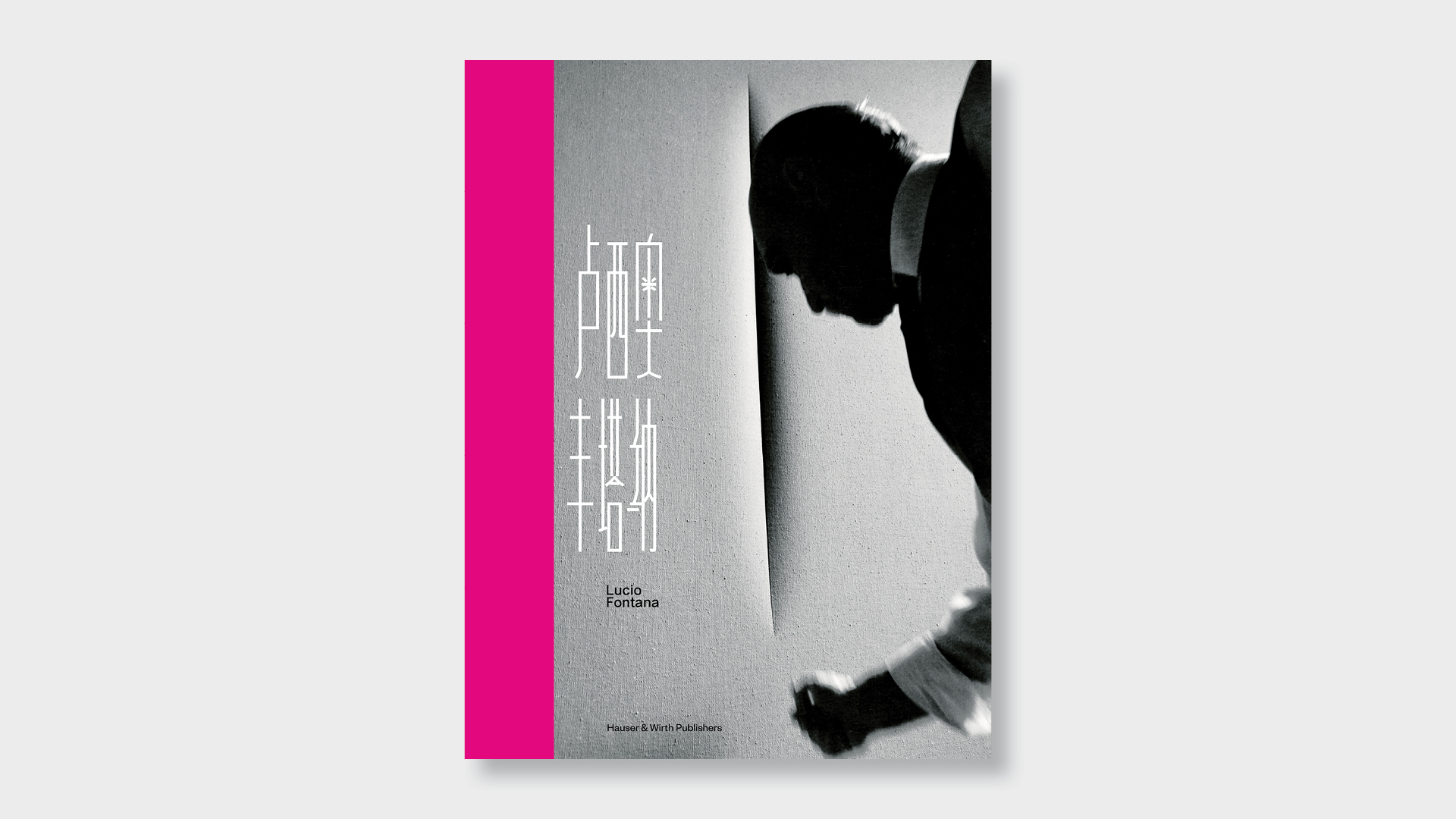
卢西奥·丰塔纳
‘Lucio Fontana’ is the first widely available introduction to Lucio Fontana’s practice in Simplified Chinese, offering Chinese audiences a long-overdue opportunity to discover the full scope of the artist’s groundbreaking work. Published on the occasion of an exhibition of Fontana’s work at Hauser & Wirth in Hong Kong, this new monograph marks the gallery’s third collaboration with Fondazione Lucio Fontana and curator Luca Massimo Barbero following the exhibitions and accompanying publications ‘Lucio Fontana: Walking the Space; Spatial Environments, 1948-1968’ (2021) and ‘Lucio Fontana: Sculpture’ (2022).
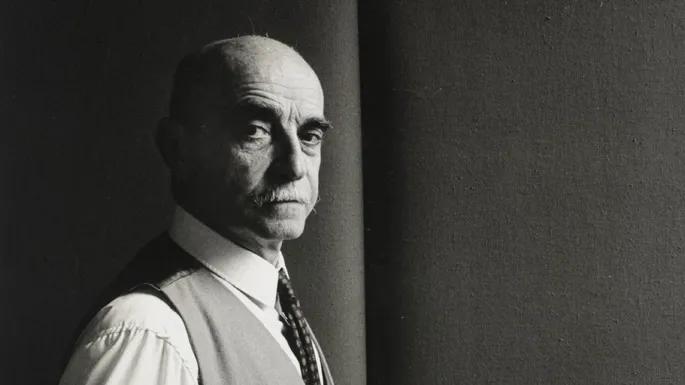
Lucio Fontana, Milan, 1964 © Fondazione Lucio Fontana, Milano. Photo: Ugo Mulas
About the Artist
The pioneering artist Lucio Fontana (1899-1968) was born in Argentina to parents of Italian descent. After studying in Italy, he returned to Argentina in the 1920s where he pursued a career as a sculptor. In 1946, he published his Manifiesto Blanco, which called for the integration of art, science, and technology, and laid the foundations for the emergence of the Spatialist movement the following year. Best known for his Concetti Spaziali and Tagli series of slashed canvases, Fontana redefined postwar art by dismantling traditional boundaries between painting and sculpture, violating the integrity of the canvas to open up the new and infinite dimension of the void.
Related Content
Current Exhibitions


1 / 10