

Profiles
"History for Tomorrow"
On Paul Olivennes and the reinvention of the art periodical in Paris
By Charlotte Jansen
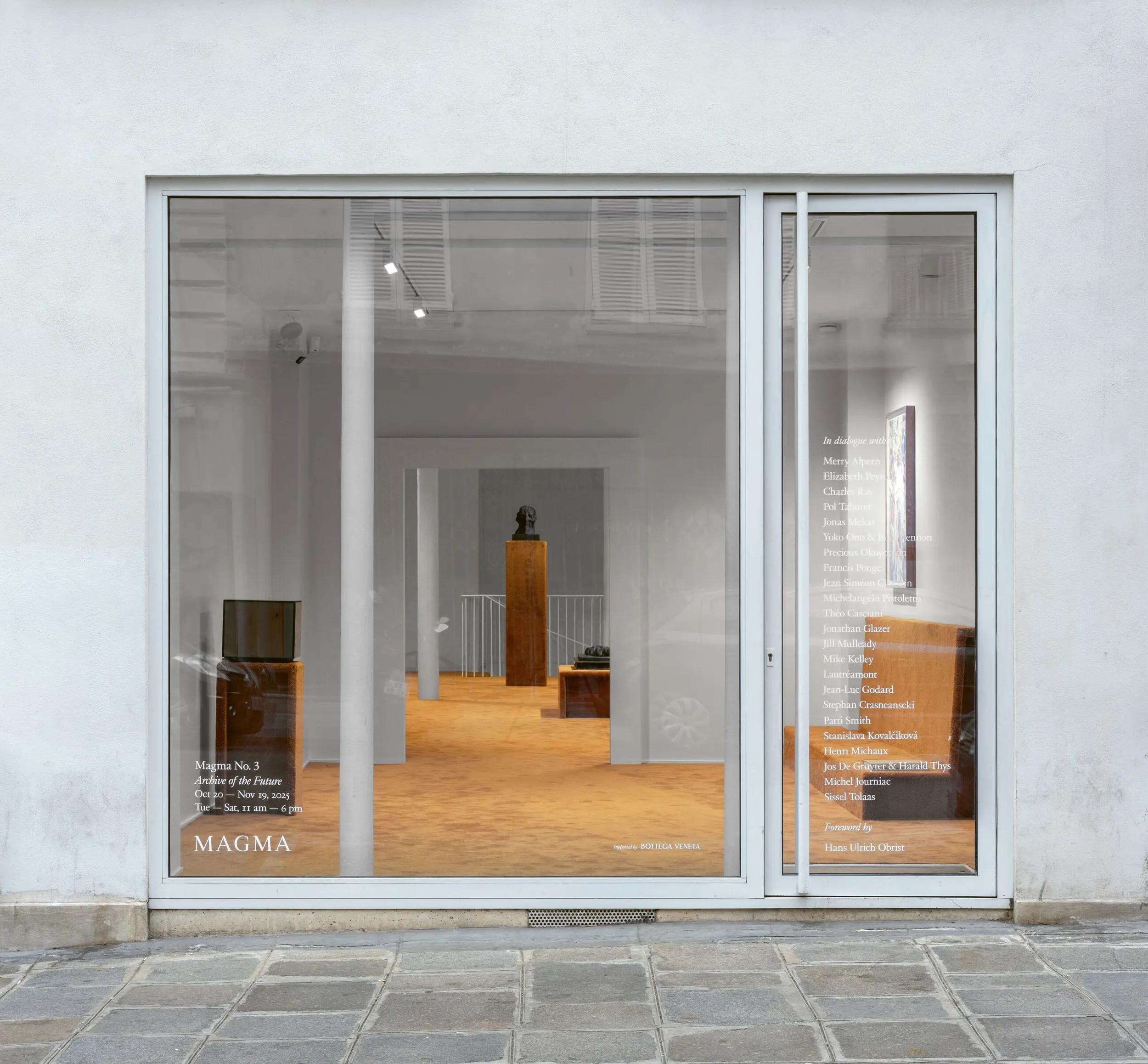
Installation views, “Magma No. 3: Archive of the Future,” Paris, 2025. Photos: © Nicolas Brasseur. Courtesy MAGMA
“I always had the feeling I was going to die young, so I work with a sense of urgency,” says Paul Olivennes, taking a sharp draw from his cigarette. Olivennes is the twenty-nine-year-old founder of Magma, a multidisciplinary art platform that, in just three years of existence in Paris, seems to be involved in a little of everything—it publishes sumptuous printed matter, makes films, produces events and curates exhibitions. It’s late November and we’re outside the project’s latest endeavor, a group show titled “Archive of the Future,” on rue de Turenne in the Marais. Magma’s offices sit on the top floor of the building, and there’s a semi-secret exhibition space in the basement. Today is the final day of the exhibition, after a four-week run timed to coincide with the release of Magma’s publication of the same name, with contributions from twenty-five prominent artists, composers, writers and filmmakers of different generations. The exhibition brought the publication vividly to life, and after it closes, the volume, which is the third issue of Magma’s hardcover annual journal, will serve to archive its ideas for posterity. “I think books are the most sacred objects,” Olivennes tells me, chucking his cigarette to the curb and adding, as a kind of Parisian non sequitur: “I love smoking.”
Inside the gallery, a thick, tawny-colored carpet wraps both the floor and the custom-made low benches that line its edges. The space, designed to mimic a Roman forum, is the result of a collaboration with the Parisian creative studio Matière Noire. Olivennes says that he wanted to make the gallery comfortable enough to encourage prolonged viewing. The coziness is also part of a more conceptual desire to create a feeling of domestic intimacy, as though the viewer is “stepping into the interior world of the artists themselves,” he says. We sit talking as acquaintances and friends come over to say hello to Olivennes, who jumps up to greet each warmly.
On entering the exhibition, you’re first enveloped in the soft sounds of a voice—that of the Los Angeles artist Charles Ray, from perambulatory poetic recordings that he made on his phone during pre-dawn walks in the Santa Monica Mountains. The work, Five Prose Poems (2022), plays on a rare Mario Bellini Cubo 15 television set. Olivennes and his team conceived of the presentation, and this is the first time the work has been displayed this way. (The full transcript of Ray’s recordings is included in the Archive of the Future publication.) On the opposite wall hang new paintings by Elizabeth Peyton, whom Olivennes met for the first time when she unexpectedly showed up at the launch party for Magma's first issue at Paris’s Brasserie Lipp in 2023.
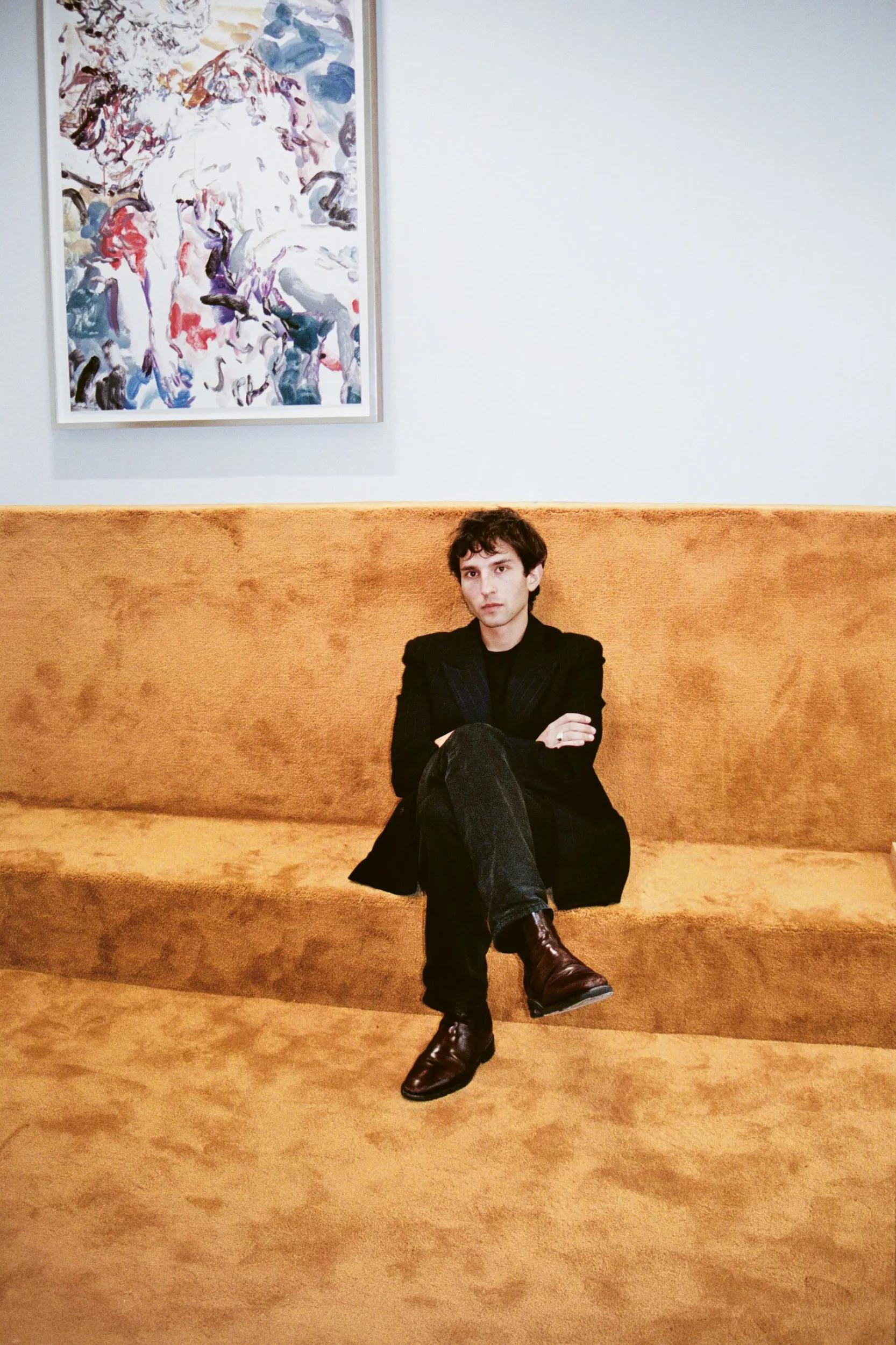
Paul Olivennes. Photo © Adrien Garcia
“I nearly fainted,” he recalls. They soon became close friends, and Olivennes is now a frequent sitter for Peyton. It’s easy to see why: His modish, angular, slightly scruffy good looks seem tailor-made for her portraiture. In The Archive of the Future, he writes giddily about their walks together to old churches and trees around the city. By email, Peyton told me: “When I first heard of Magma, I wanted to know what is this publication, and who is its maker?” She added: “Magma creates something that didn’t exist otherwise. Even though it is a physical publication, it has no boundaries of time and space, bringing together ideas, all manner of art, poetry, smells, that together make a new being. They make you look at things differently, from a new perspective.”
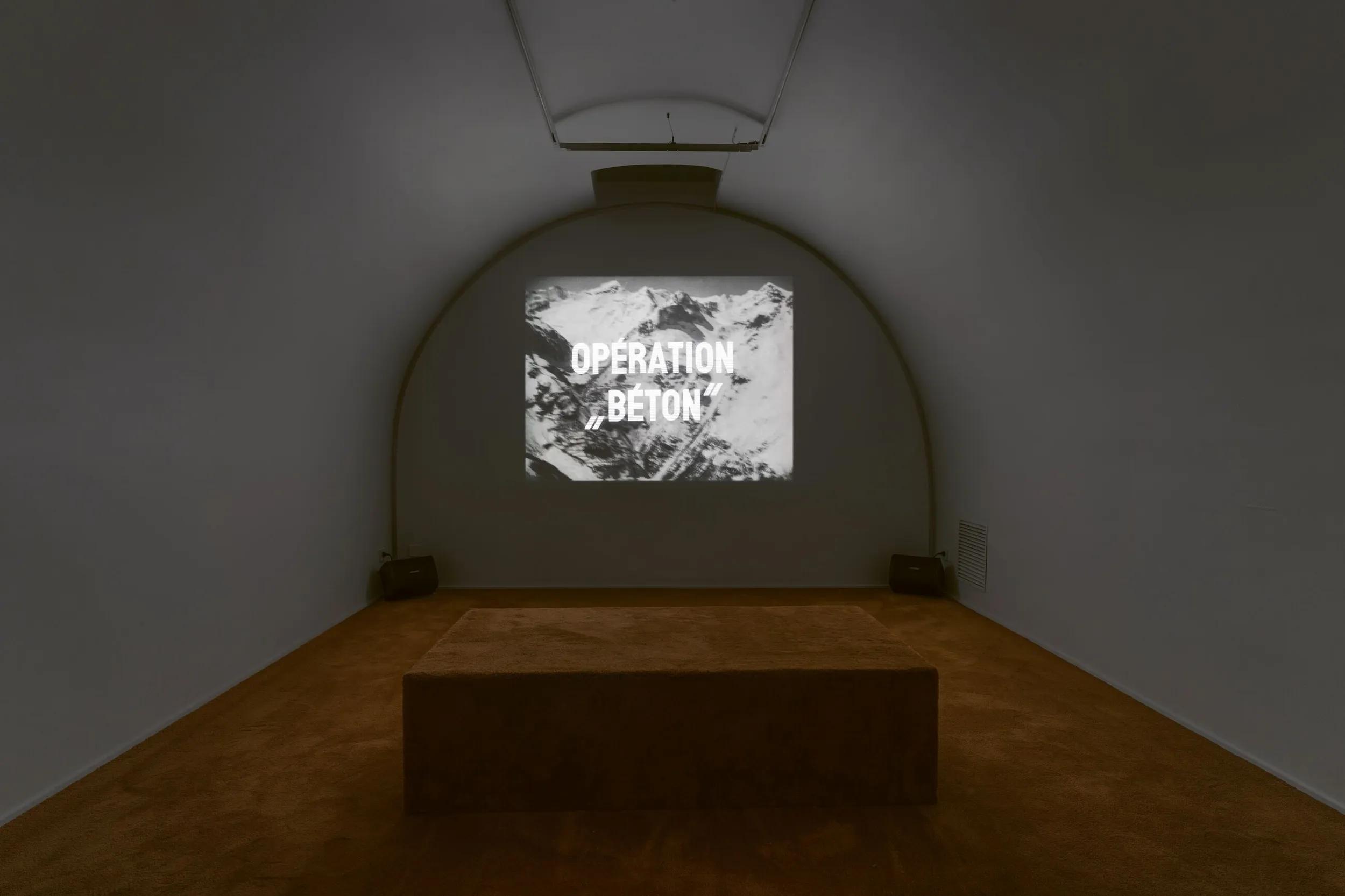
The kinds of kinships and exchanges that Olivennes fosters percolate throughout the exhibition. A series of unpublished Polaroids by Jonas Mekas, taken during a 1971 Fluxus dinner party and annotated by Yoko Ono and John Lennon, are displayed jutting from the wall. Downstairs, a mirror work by Michelangelo Pistoletto is shown near a Jonathan Glazer short film, Strasbourg 1518, that features choreography from Pina Bausch’s Tanztheater Wuppertal and music by Mica Levi, reinterpreting a historical “dancing plague,” an unexplained mass dancing mania that lasted weeks. “Archive of the Future” itself evinces a dance-like quality—a whimsical, wistful meandering, musing on the mysterious, shifting ways in which artists work. The show seems both achingly contemporary and somehow ancient.
While exhibition and publication are deeply intertwined within the Magma project, the journal remains the foundation of everything Olivennes does. He sees it as the “rebirth of the revue d’art,” the revival of a form that he feels has all but disappeared but that served as a crucible for so many artistic, intellectual and political movements throughout the 20th century. Olivennes began collecting French and foreign art journals at a young age. He attributes his passion to his late maternal grandfather, a Russian immigrant who came to Paris in the 1930s and became a bookseller, collaborating with many of the greatest artists of his day thanks to a close friendship with Diego Giacometti, brother of sculptor Alberto Giacometti. “His home was full of amazing books and art, so I grew up with this mythology,” Olivennes says of his grandfather. He began collecting art journals because they were more accessible and affordable than valuable first-edition books. “My obsession grew and eventually I knew I wanted to create a journal that could be a free space for artists to create, not linked to promotion.” Magma does not publish “interviews, critical or academic texts or portfolios,” he stresses, but gives carte blanche to artists to make something. The current issue includes charcoal drawings by Pol Taburet, poems and drawings by Precious Okoyomon, writing by Patti Smith and fiction by Glazer and Theo Casciani. The journal’s format is not fixed: The last edition was a newspaper made with the Centre Pompidou as part of its Surrealism centenary program; the next will be a series of documentary films released on DVD.
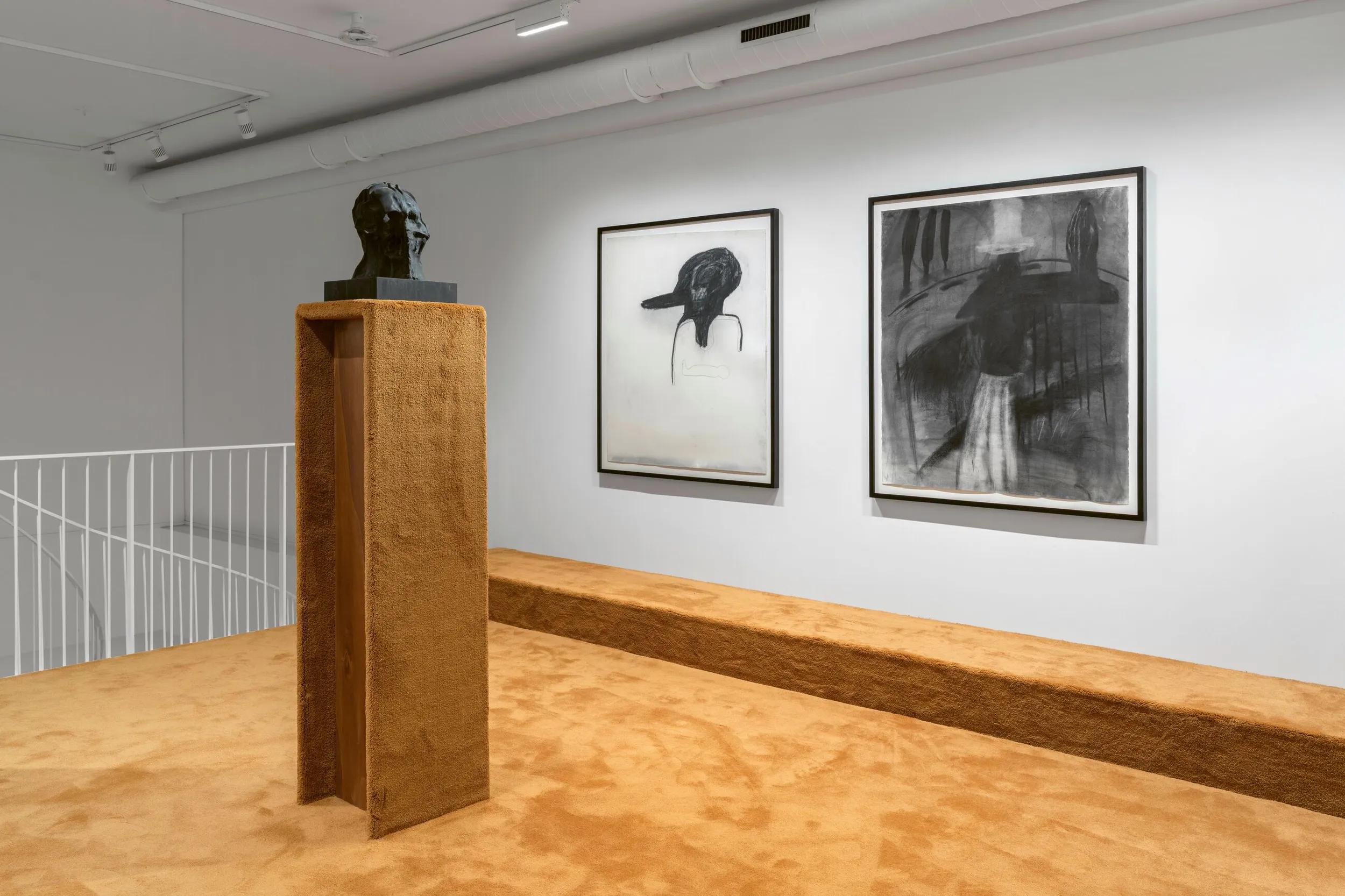
Hans Ulrich Obrist, who writes the forward for each edition, said that he sees Magma not as a magazine about art but as a magazine by artists. “Each contribution is an original work: a drawing, a poem, a letter folded into an envelope, a photograph, a record.” He adds that “in an age when so much information is consumed online, Magma reminds us of the physical encounter with a page, with inserts by artists. It is ‘history for tomorrow.’ That’s what makes it so special: It brings worlds together and creates correspondences between artists, turning the magazine format into a space of dialogue, imagination and invention.”
Olivennes says that each issue begins with a long period of research. “We don’t have any intellectual pretension. The personal connections we have with an artist’s work are very important. I have a lot of respect for art historians, but we’re doing a different thing here.” The journal sends out hundreds of email invitations to artists, hoping that some will respond. When Glazer finally wrote back after six months of entreaties and agreed to contribute to the third issue, “the whole office jumped in the air,” says Olivennes.
Among many other things, Magma is one of the standard-bearers of Paris’s recent renaissance as a global cultural center. Olivennes, who was born in Paris and “will die here,” says that over the past decade, a palpable shift has been afoot in the French capital.
“I sound like the mayor now.” He laughs. “But I think something interesting is happening in Paris, in a way that reconnects with the city’s artistic history. From the late 19th through the 20th centuries, Paris attracted artists and intellectuals from all over the world, as if the city were a sanctuary or a refuge. Van Gogh, Modigliani, Picasso, Giacometti, and later Zao Wou-Ki, James Baldwin and Joan Mitchell all made the city their base at some point. The list could go on and on. For the first time in a long while, it feels as though Paris has reconnected with that story. Artists are moving here from everywhere, collectors are paying closer attention to the Paris scene, new institutions and independent spaces are opening constantly, and there are many international initiatives that are, at the same time, very rooted in this city. There is a genuine sense of effervescence. The challenge now is to make sure that this isn’t only driven by the international calendar of fairs and events, but that these initiatives become something more permanent.”
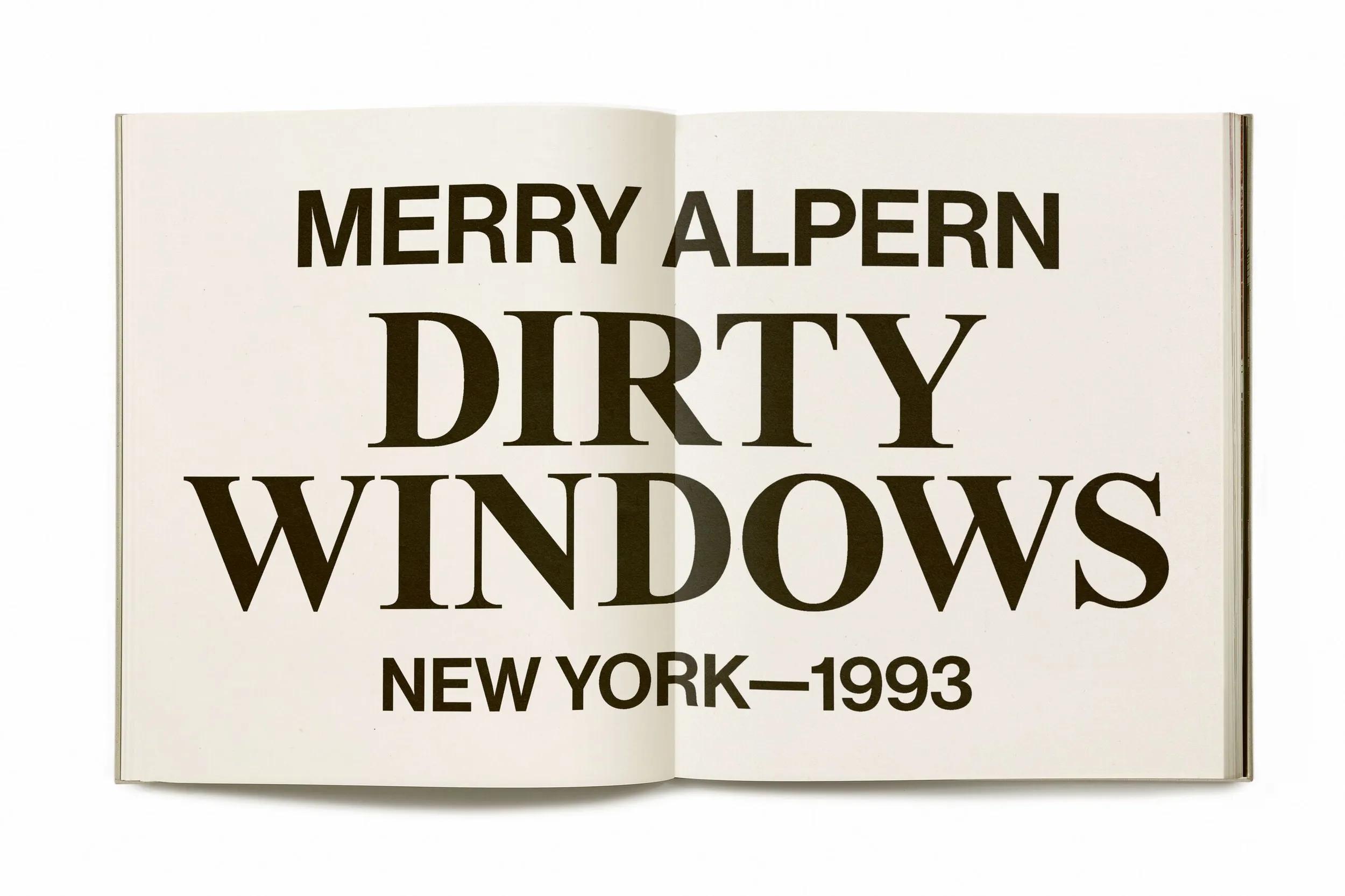
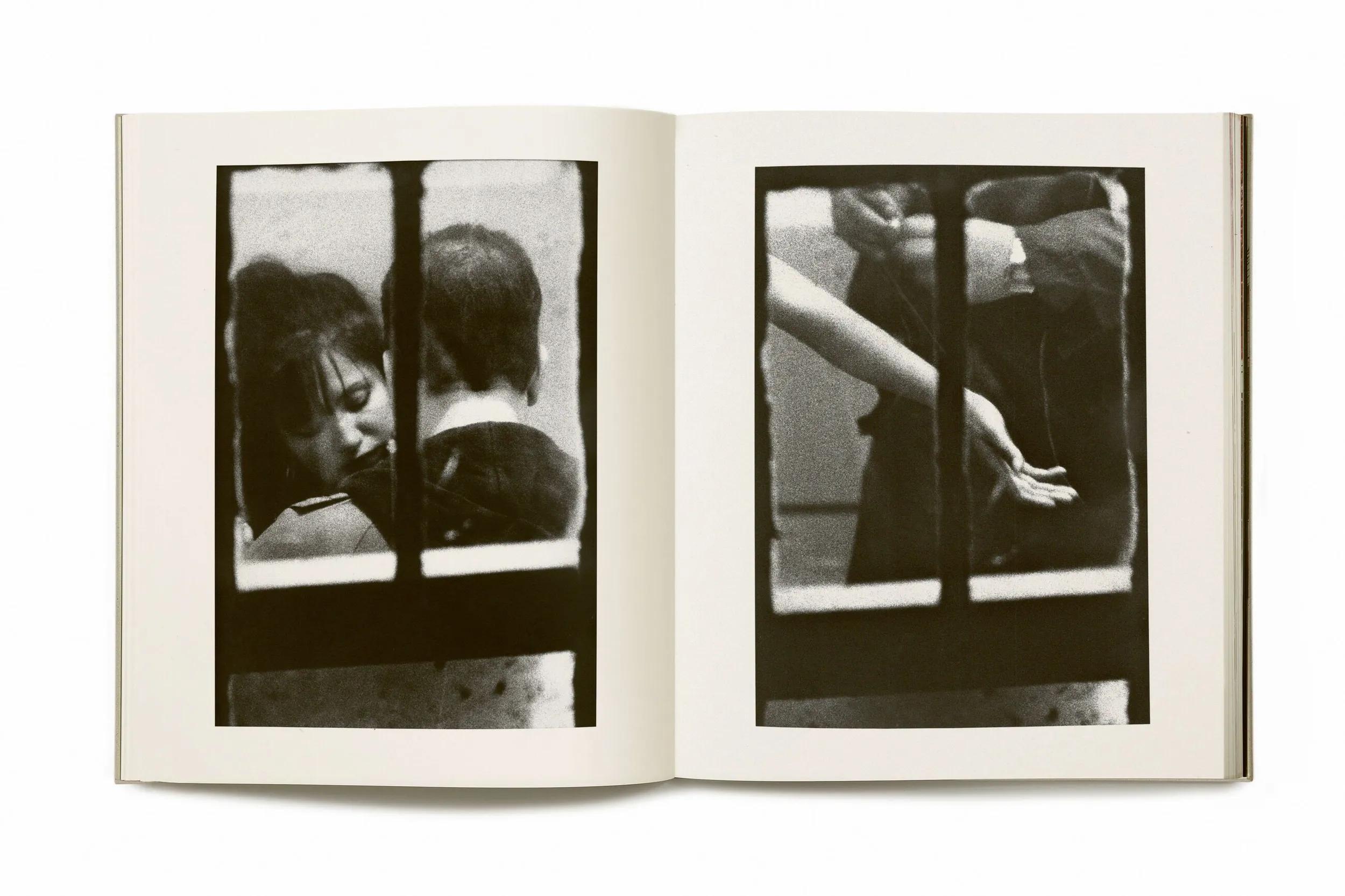
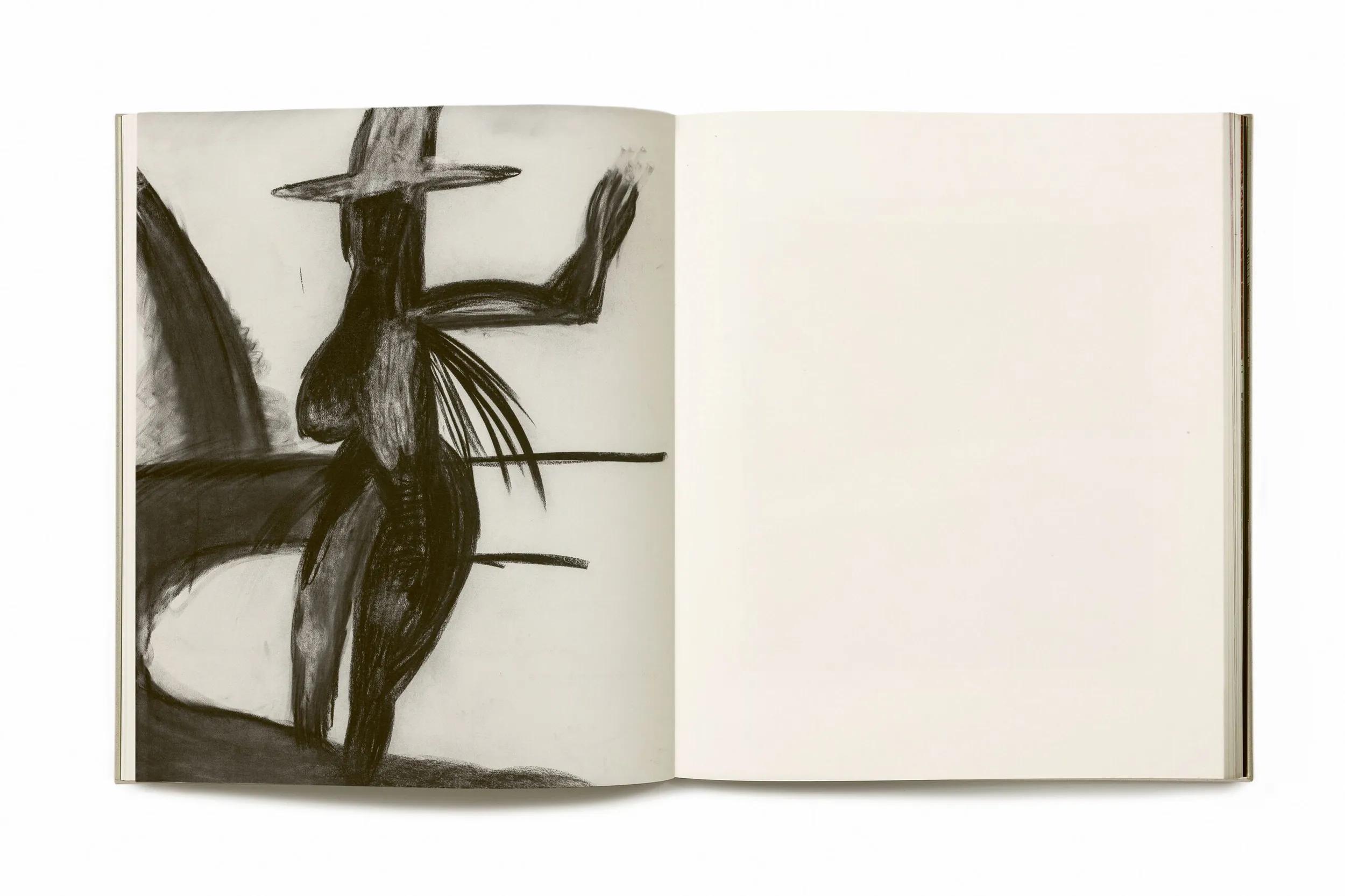
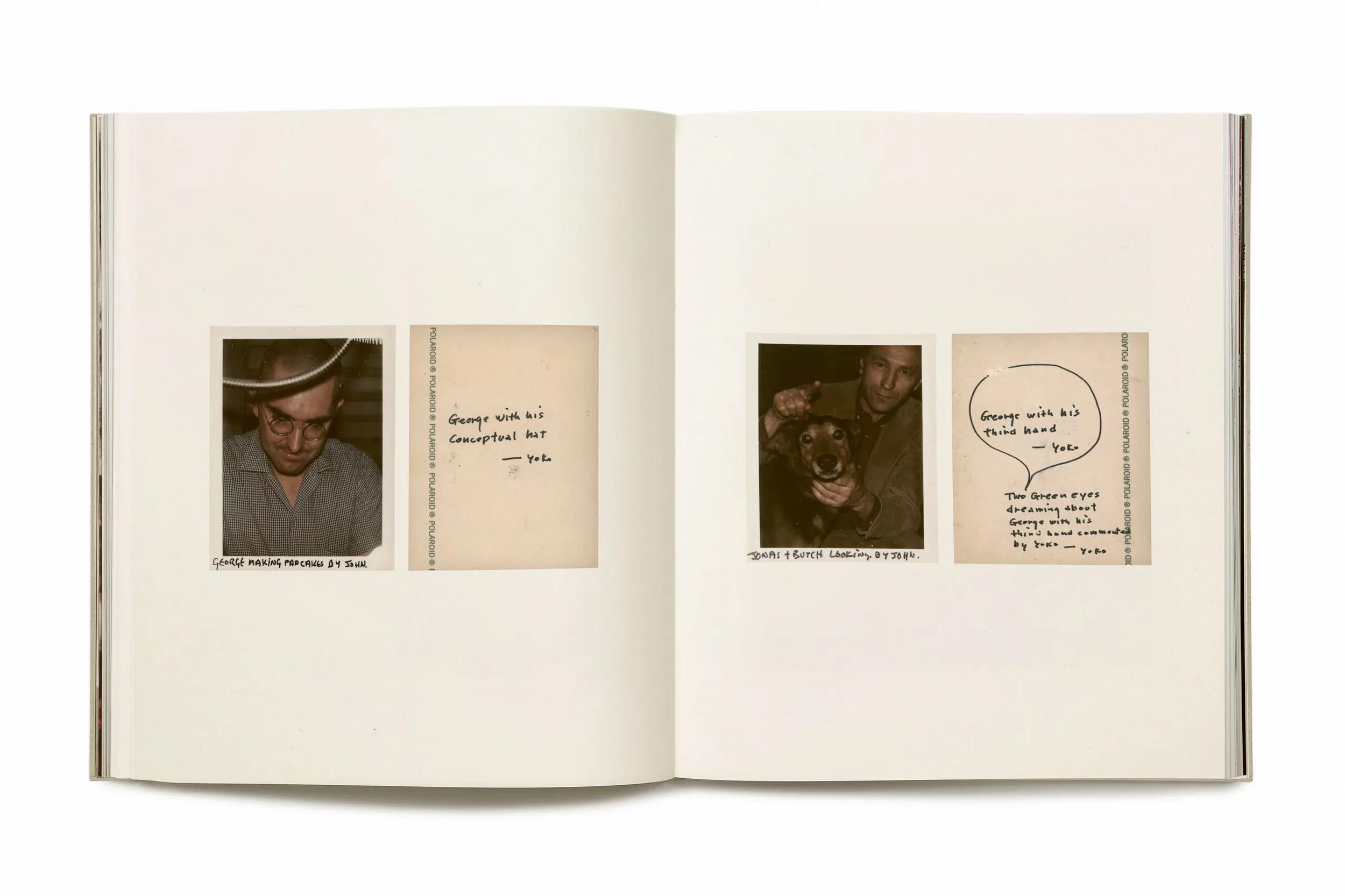
Magma No. 3, Archive of the Future, 2025, published by Magma. © DOCUMENTS. Courtesy MAGMA
Last fall, Magma co-curated an exhibition of Merry Alpern’s infamous Dirty Windows series from the 1990s, drugs-and-sex photographs of an illegal Wall Street gentleman’s club taken clandestinely from a window across an airshaft from the club. A selection of the pictures is reprinted in the Archive of the Future and was also shown in a derelict pub in King’s Cross, London, that is owned by the painter Peter Doig and his wife, the curator Parinaz Mogadassi. Mogadassi, the director of Tramps gallery, curated the project with Olivennes, and he cites Tramps—which also has a space in the Second Arrondissement—as one of several galleries leading the Parisian revival . Reinvigorated public programming at the likes of the Louvre, the Centre Pompidou and Bourse de Commerce is also, he says, contributing to the resurgence.
Olivennes doesn’t live far from the Magma office in the Marais, an ideal arrangement for a self-proclaimed workaholic. He can also often be found in bookshops in the Third Arrondissement, like Librairie des Archives and Yvon Lambert, or Librairie Sylvain Goudemare in the Fifth. He doesn’t seem to be a typical twenty-nine-year-old, I suggest. “Oui, I am une vieille âme,” he laughs, an old soul, quoting the opening lines of a favorite Baudelaire poem, “Spleen”: “J’ai plus de souvenirs que si j’avais mille ans.” [“I have more memories than if I’d lived a thousand years.”] But he swears that he also does many of the things people normally do in their twenties. “I have a girlfriend! I go to bars! I love to party!—I love life!” It’s this combination of poetic seriousness and joie de vivre that seems to seduce many of Magma’s fans, an infectious spirit and an unjaundiced energy. Peyton told me as much. “Ideas from any time,” she says, “are only as alive as the attention we give them. At Magma, they’re burning with their view of the past, present and future … Unfiltered, unmediated.”
–
Charlotte Jansen is a British Sri Lankan author, journalist and critic. She writes about art and photography for The Guardian, The New York Times and British Vogue. She is the author of Girl on Girl: Art and Photography in the Age of the Female Gaze (2017) and Photography Now (2021). (See p. 44)