

Books
Book Stack
New and forthcoming books
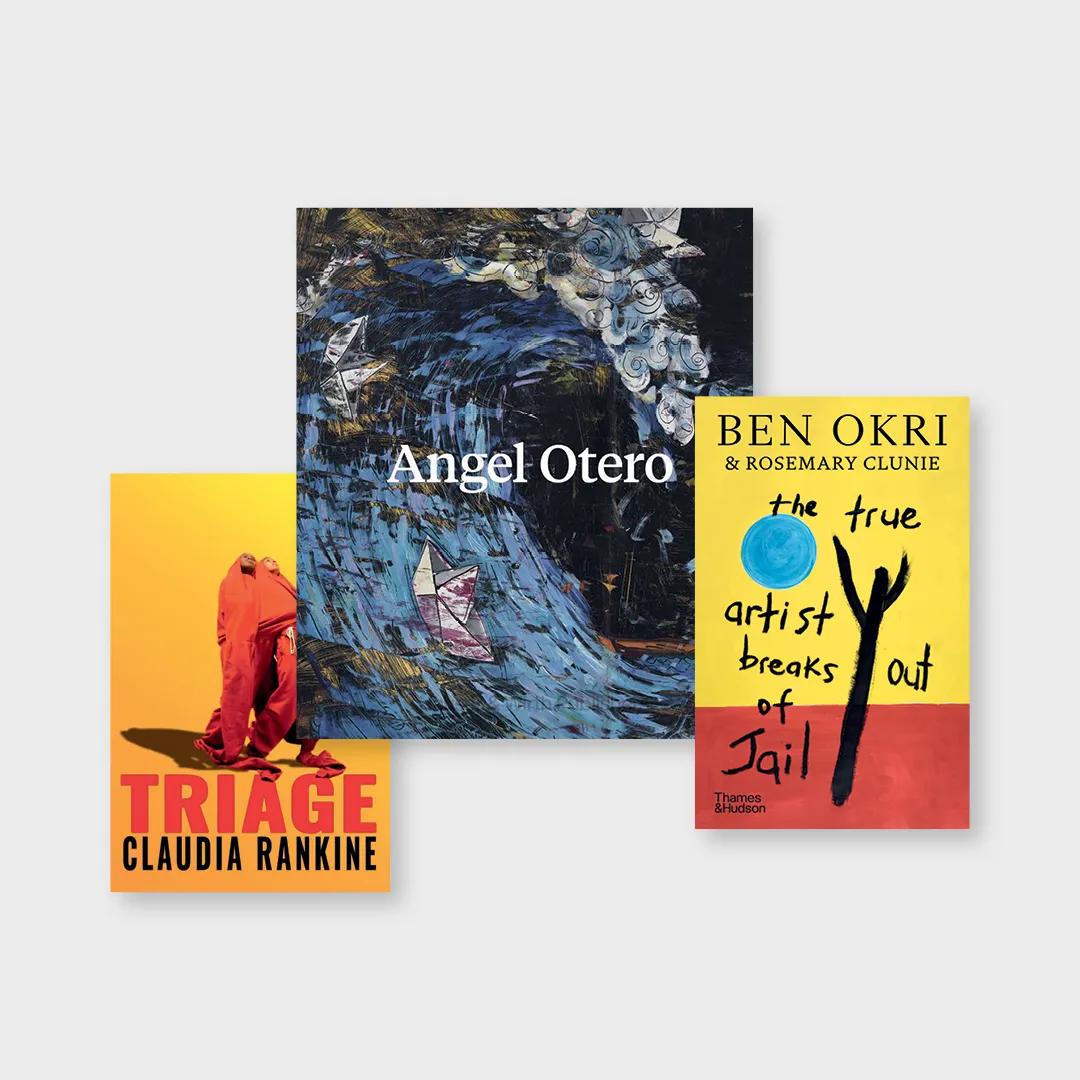
From our latest print issue, Ursula's editors and friends pick their favorite new books and highlight three new titles from Hauser & Wirth Publishers featuring the work of Hans Arp, Louise Bourgeois and Angel Otero. Among the new books reviewed are The Bone China Years, a new poetry collection by Barry Schwabsky; The True Artist Breaks Out of Jail, a collaboration between writer Ben Okri and painter Rosemary Clunie; and Triage, a new genre-defying long-form story by Claudia Rankine.
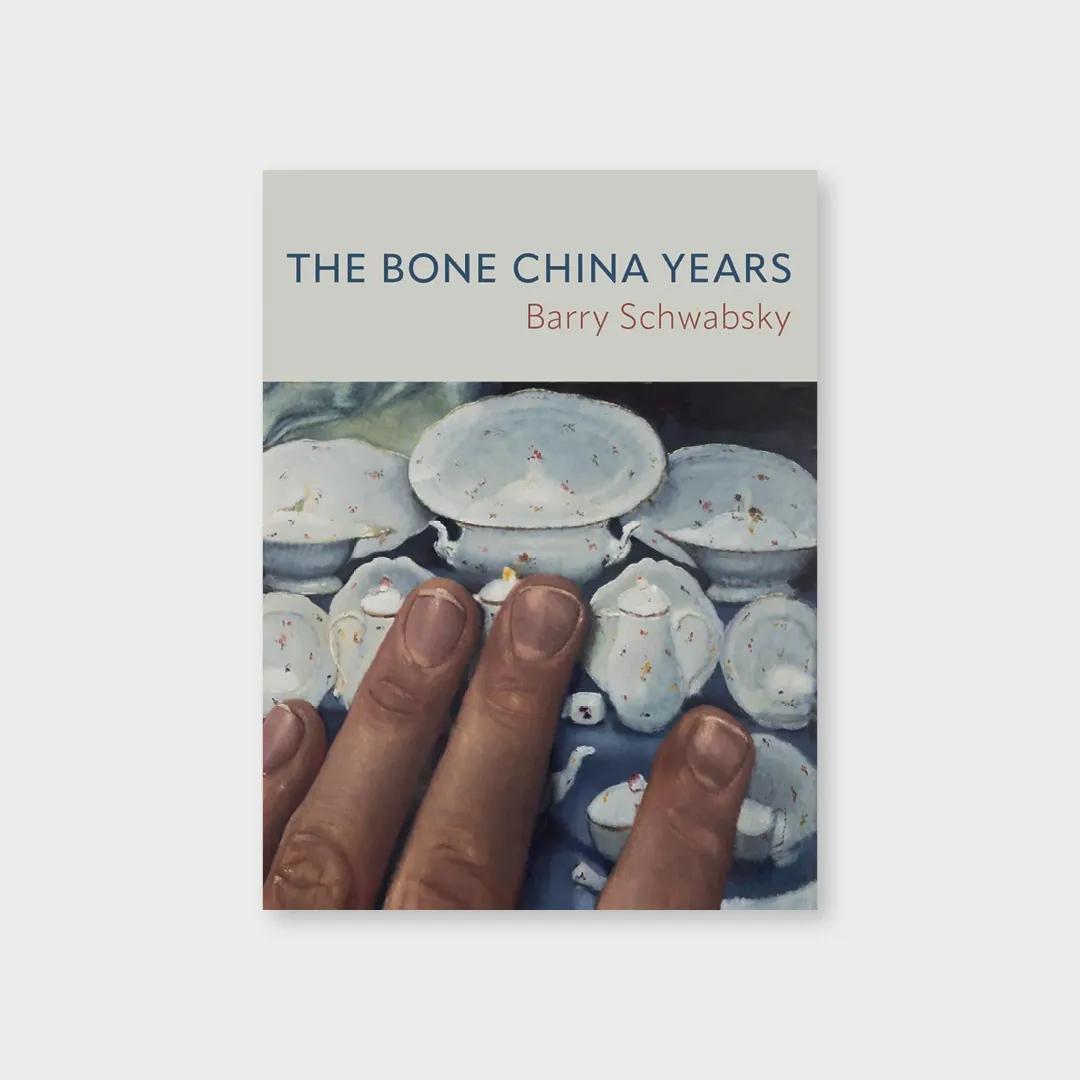
The Bone China Years by Barry Schwabsky (Black Square Editions)
In an interview, the poet and art critic Barry Schwabsky was once asked if he could remember when he started writing poetry. He replied: “I don’t think it’s a question of starting. I think it’s a question of not-stopping.” In other words, from the time we acquire speech, our minds all come with built-in poetic wiring, a sense of the profundity and physical musicality of language. It’s just that over time most of us lose access or interest. We’re so lucky that Schwabsky, one of his generation’s most incisive art voices, never has. His work stands within the rich tradition of poets-as-art-critics or vice versa, a lineage that includes Charles Baudelaire, John Ashbery, Linda Nochlin and Peter Schjeldahl. His newest collection is full of the conversational, deeply lived-in, wry, at times surreal work that he has become known for, poems that occasionally meld his disciplines. In “Alone in the House,” he writes: “The paintings crowd in on you / like bunches of delphinium / dismantled and redistributed / as the remains of a disaster / yet to occur, pale and inaugural.”
—Randy Kennedy
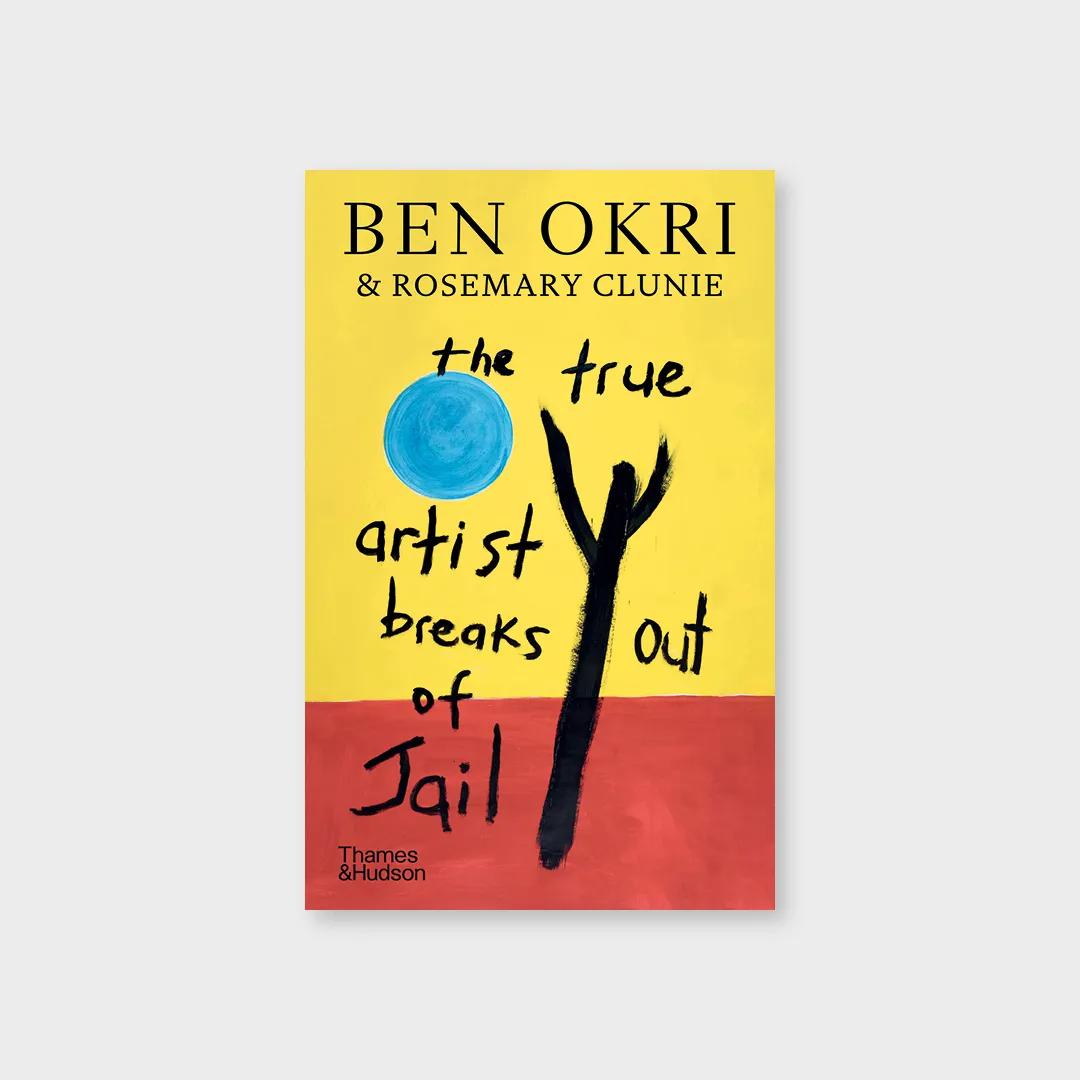
The True Artist Breaks Out of Jail by Ben Okri and Rosemary Clunie (Thames & Hudson)
Ben Okri and Rosemary Clunie first worked together on The Magic Lamp, a 2017 book in which Okri wrote twenty-five short stories in response to Clunie’s paintings. In 2018, they began making paintings together, combining color and symbols with text that often reads like a fragment of an argument.
Their new book brings together those collaborative paintings with three distinct but connected forms of writing. The nine-part essay “They Remind Us That We Come From Myth” runs throughout, interspersed with commentaries on selected paintings alongside short stories, poems and provocations. The authors suggest that the essay can be read straight through or entered wherever curiosity leads.
Okri, one of Britain’s most celebrated novelists, returns to what frees an artist and what does not. “The prisons that are hardest to escape from are the ones we don’t know we are in,” he writes. But this is not a simple celebration of freedom. The authors test the uneasy possibility that the very constraints an artist seeks to escape may also be the elements that make the work possible. The contradiction is never fully resolved: Its energy comes from staying inside it.
—Alexandra Vargo
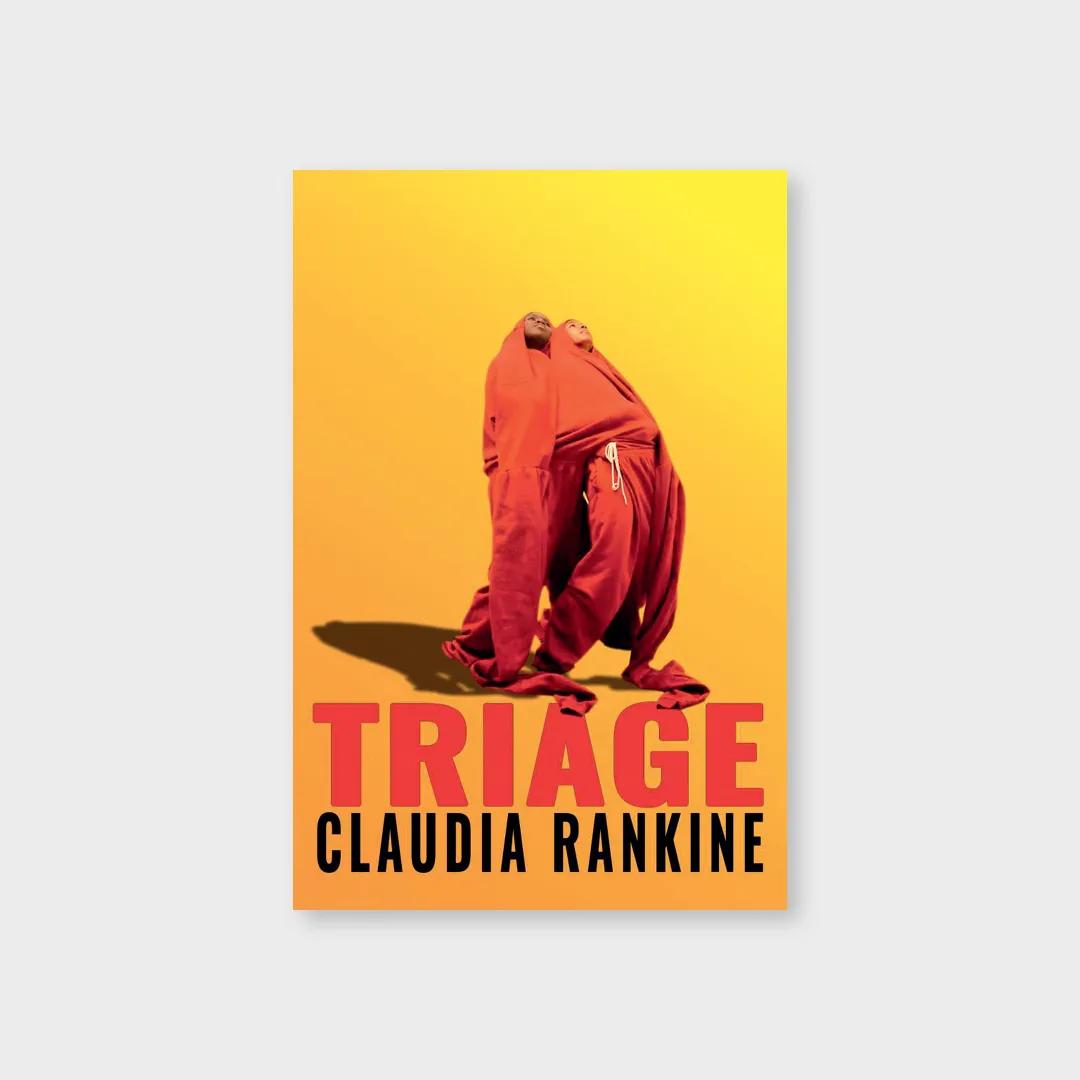
TRIAGE by Claudia Rankine (Graywolf Press)
“What if the threat of collapse came and went depending on the whims of others, like atmospheric shifts, what if being unsettled would be lifelong, like a limp or pain, arthritic?” These questions are posed by the unnamed narrator of TRIAGE, Claudia Rankine’s new book, a lyrical, genre-defying blend of poetry, narrative, art criticism and political meditation.
The story traces a friendship between the narrator and a character known only as “the theorist.” They meet at a lecture on Hegel as undergraduates, at an unnamed college where student protest and political debate are prevalent. In response to their shared sense of being overwhelmed by the world, the two devise a private game whose only rule is that whenever they see each other they must fall immediately to the ground.
As they move into adulthood and settle into lives as public figures, their friendship becomes a site of political and philosophical divergence. The narrator reads the theorist’s books and attends the theorist’s lectures but struggles, at times, to reconcile her friend’s more confrontational reaction to crisis. The narrator, by contrast, gradually articulates an ethics that allows for slowness, art and grief in the face of political devastation.
—Susannah Faber
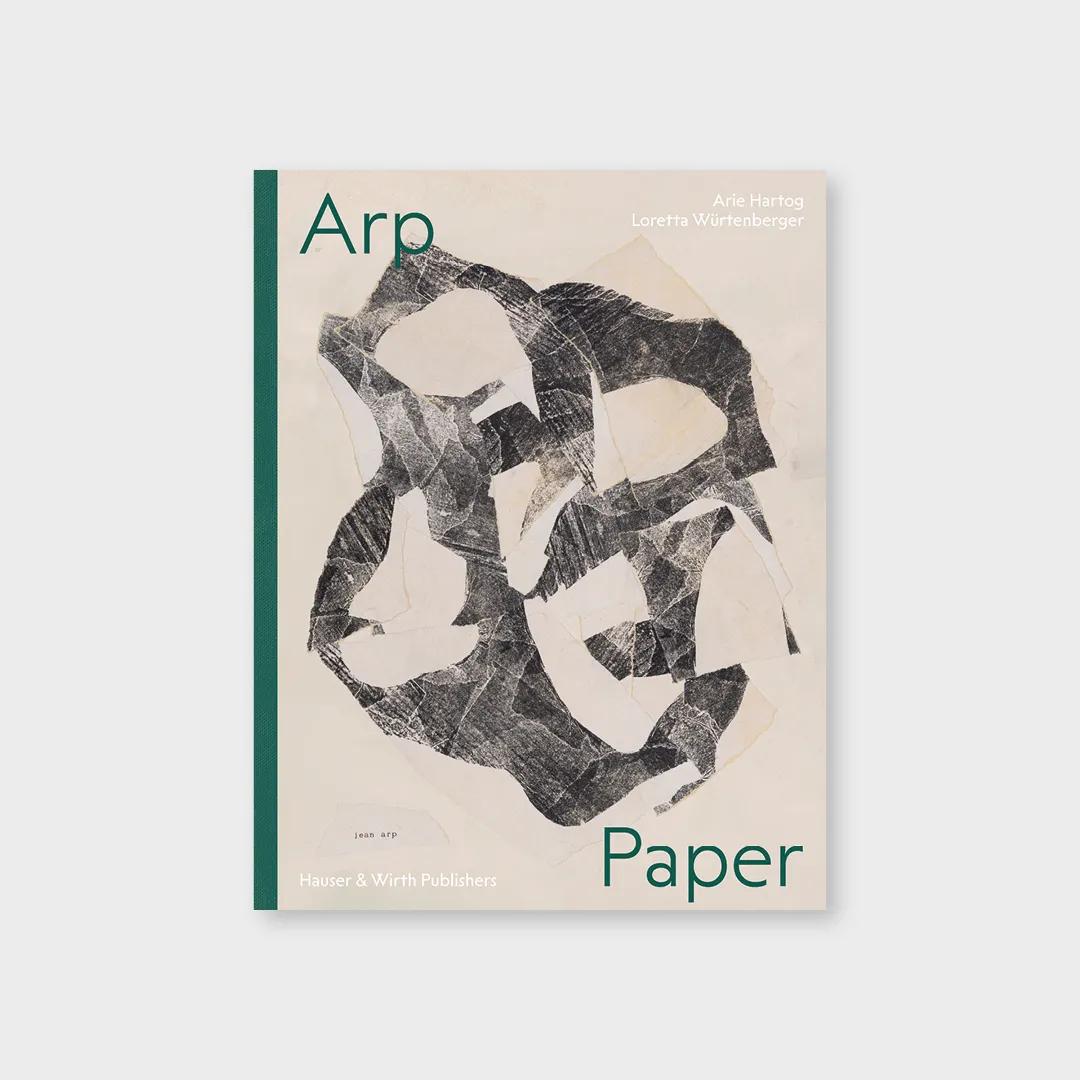
Arp: Paper by Edited by Arie Hartog and Loretta Würtenberger
Nearly every page of a new catalogue of works on paper by Hans Arp is a revelation: Rotate a drawing ninety degrees, combine it with another form and voilà, a new artwork is possible. In their preface, Arie Hartog and Loretta Würtenberger note that Arp, a founding member of the Dada movement in Zurich in 1916 and later associated with Surrealism, is best known as a sculptor and poet. Here, they draw attention to his works on paper, which they consider a formal and conceptual laboratory for new work, including reliefs and sculptures. The catalogue includes some 200 illustrations that came directly from his studio and have previously been little exhibited or researched. “Arp is not the kind of artist who searches tirelessly, continually craving external input; instead, he consistently taps into his own repertoire of forms, interpreting them anew again and again,” Arp scholar Anna Schrader writes in a chapter on the role of drawing in his creative process. Other sections focus on Arp’s desire to engage with metaphysical questions and search for innovative modes of expression capable of evoking new worlds.
—Ann Levin
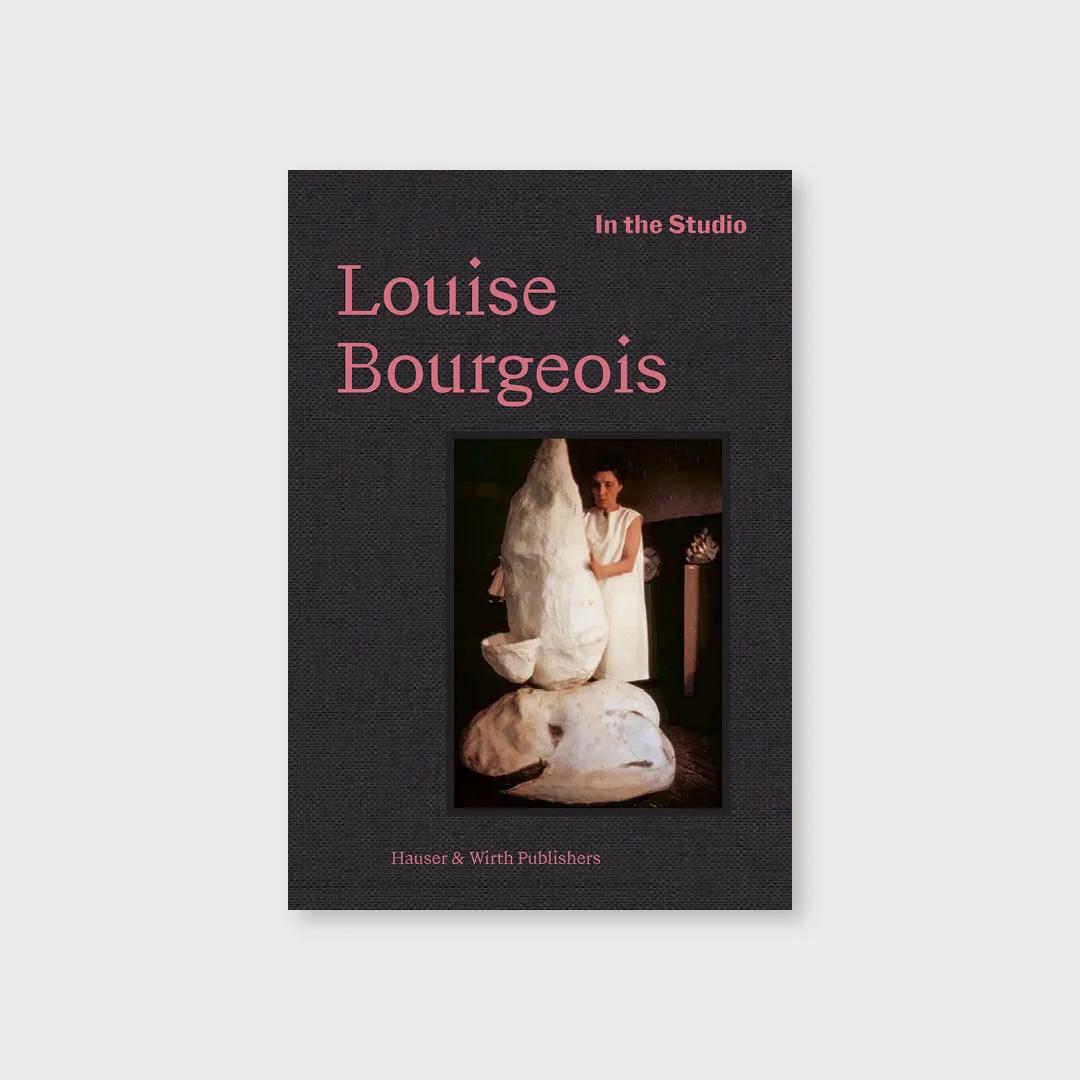
In the Studio: Louise Bourgeois Text by Justin Paton
Louise Bourgeois once warned that “an artist’s words are always to be taken cautiously.” What if they’re too good to resist? The latest addition to the In the Studio series—short guides to great artists—is peppered with its subject’s bon mots. “Art is not about art,” Bourgeois said. “Art is about life, and that sums it up.” Writer and curator Justin Paton aptly reflects this sentiment here in an account of her ever-enmeshed work and biography.
We go back to childhood: Bourgeois’s parents owned a tapestry restoration business in France, where she was enlisted as a dessinateur, sketching forms for reweaving on fabric. A fascination with processes of repair and an affinity for drawing took hold. Decades later, Bourgeois—now living in New York—entered psychoanalysis following her father’s death. The unconscious evolved into a chief material in her art-making.
Evocative descriptions are accompanied generously in the pages by images, enabling direct engagement with Bourgeois’s works. “As well as contemplating the memories and feelings that these objects evidently hold for the artist, our task as viewers is to reckon with the associations they may release in us,” writes Paton. “Forgotten scents, remembered fears—take the journey, if you’re ready.”
—Gabrielle Schwarz
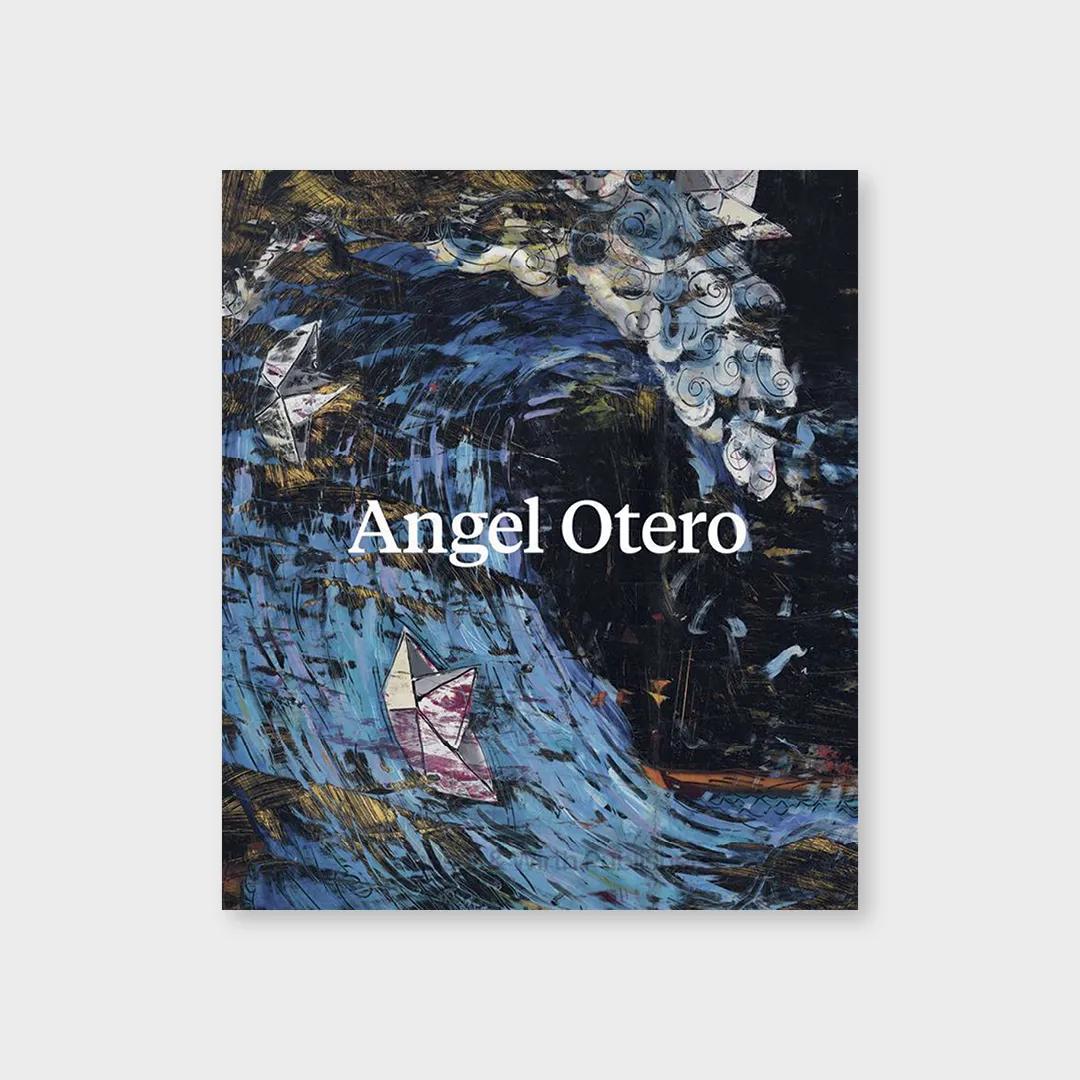
Angel Otero Text by Tobias Ostrander and John Tain
Angel Otero paints backward. He builds an oil painting in reverse on plexiglass, peels off the resulting “skin” and collages it onto canvas—in other words, making a picture becomes a ritual of burying one image and excavating another. It’s a good metaphor for memory, which is, in essence, his primary medium.
This new publication focuses on the past four years of Otero’s work and catches him mid-turn: from the interiors of his grandmother’s home in Puerto Rico to the sea and the currents of Caribbean migration. It digs the other way, too, back through his Picasso and Poussin reworkings, past Chicago, where he earned his master’s degree, and home again.
Both essays do archaeological work. John Tain looks past the usual Abstract Expressionist lineages to the Puerto Rican painter Arnaldo Roche Rabell (1955–2018). The two don’t share a necessary likeness of style but one of approach: paint applied by other means. They both also traveled the same path from the island to Chicago. Tobias Ostrander reads the scraped skin as literal burial: images entombed under layers, some of them lost for good. The artist surfaces, in his own words, in a conversation with Julie Rodrigues Widholm that probes beautiful accidents, fatherhood and the drift of memory.
—Harriet Lloyd-Smith