
Dates
4 June – 11 July 2026
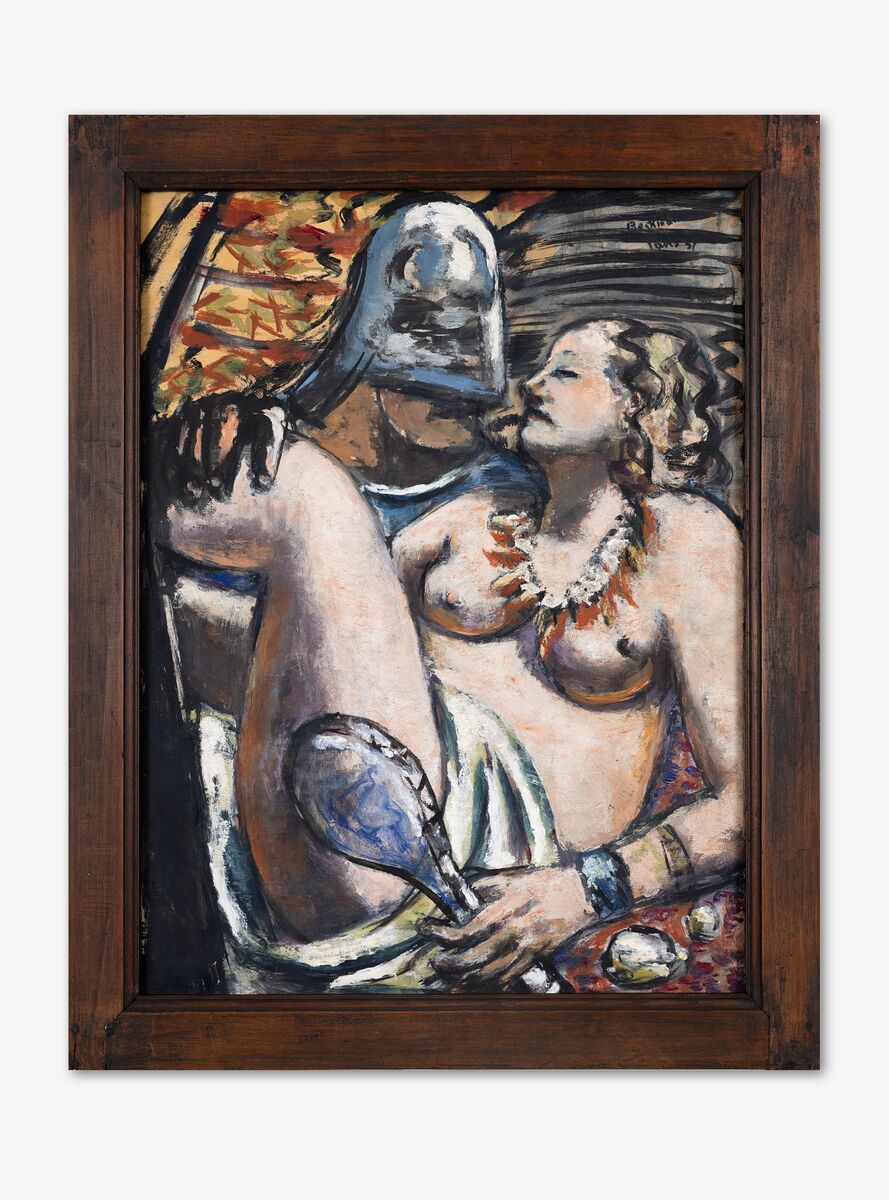
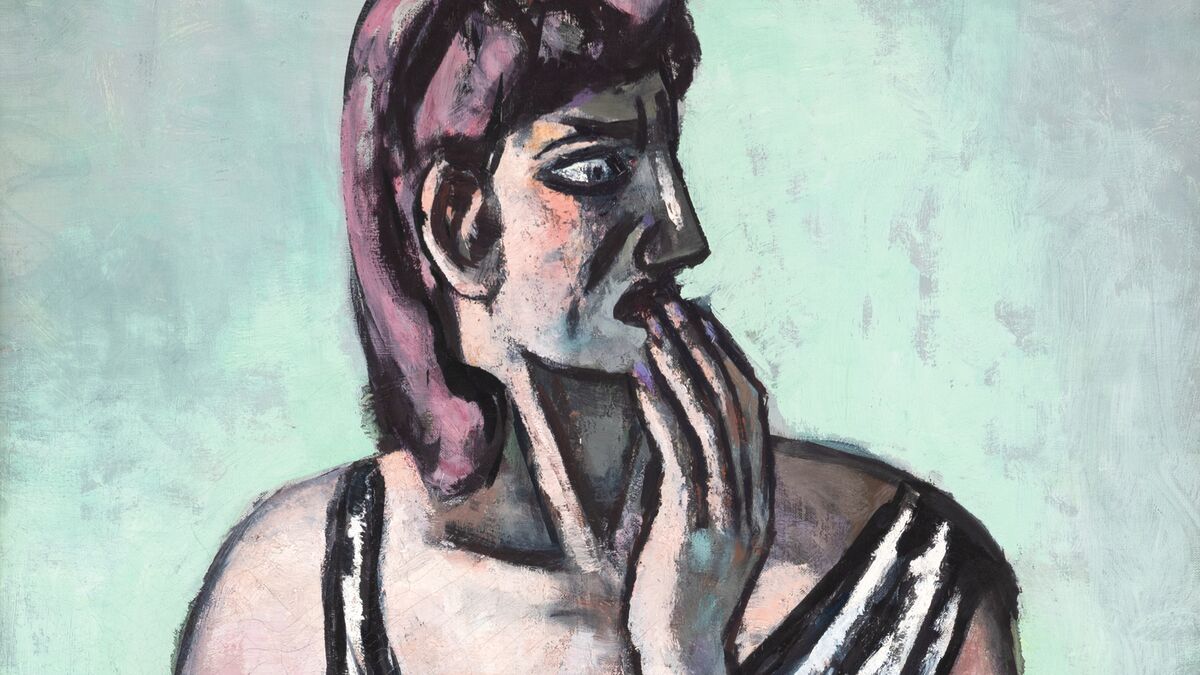
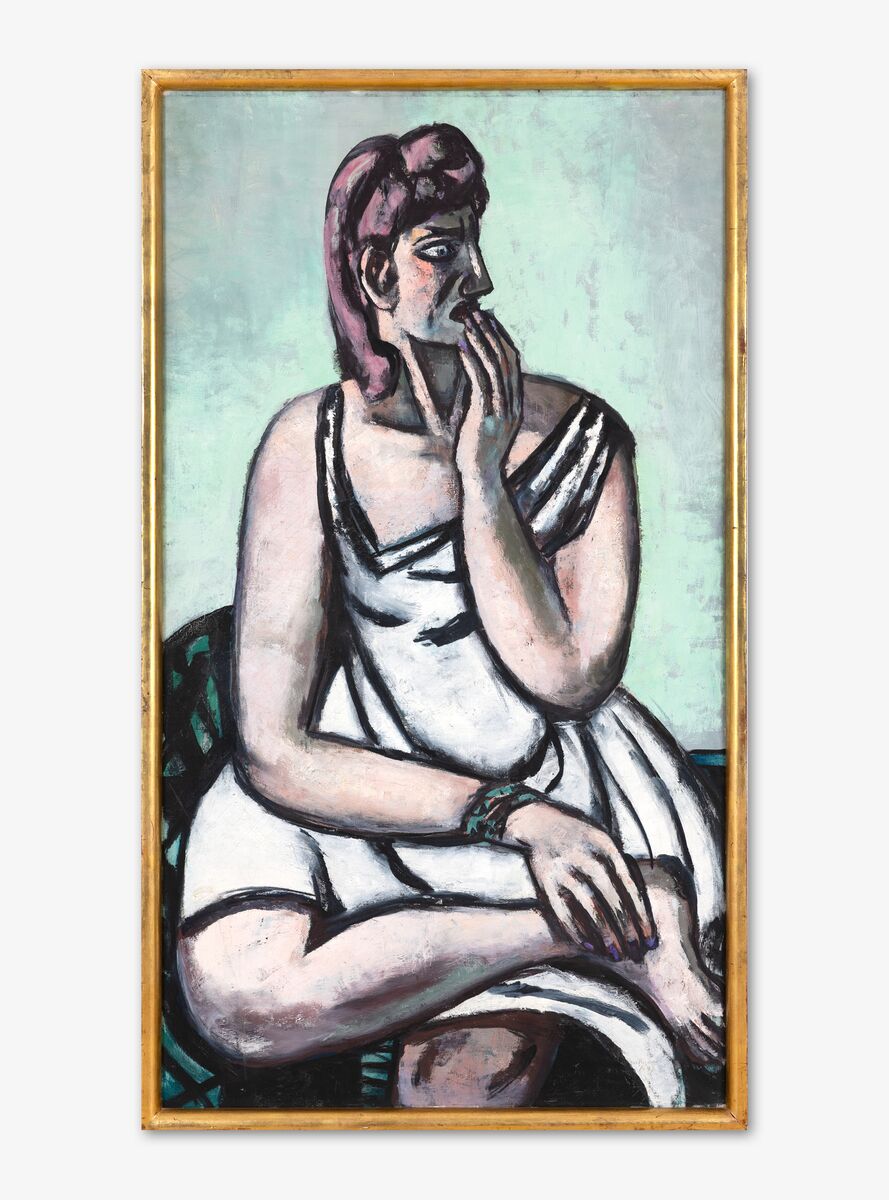
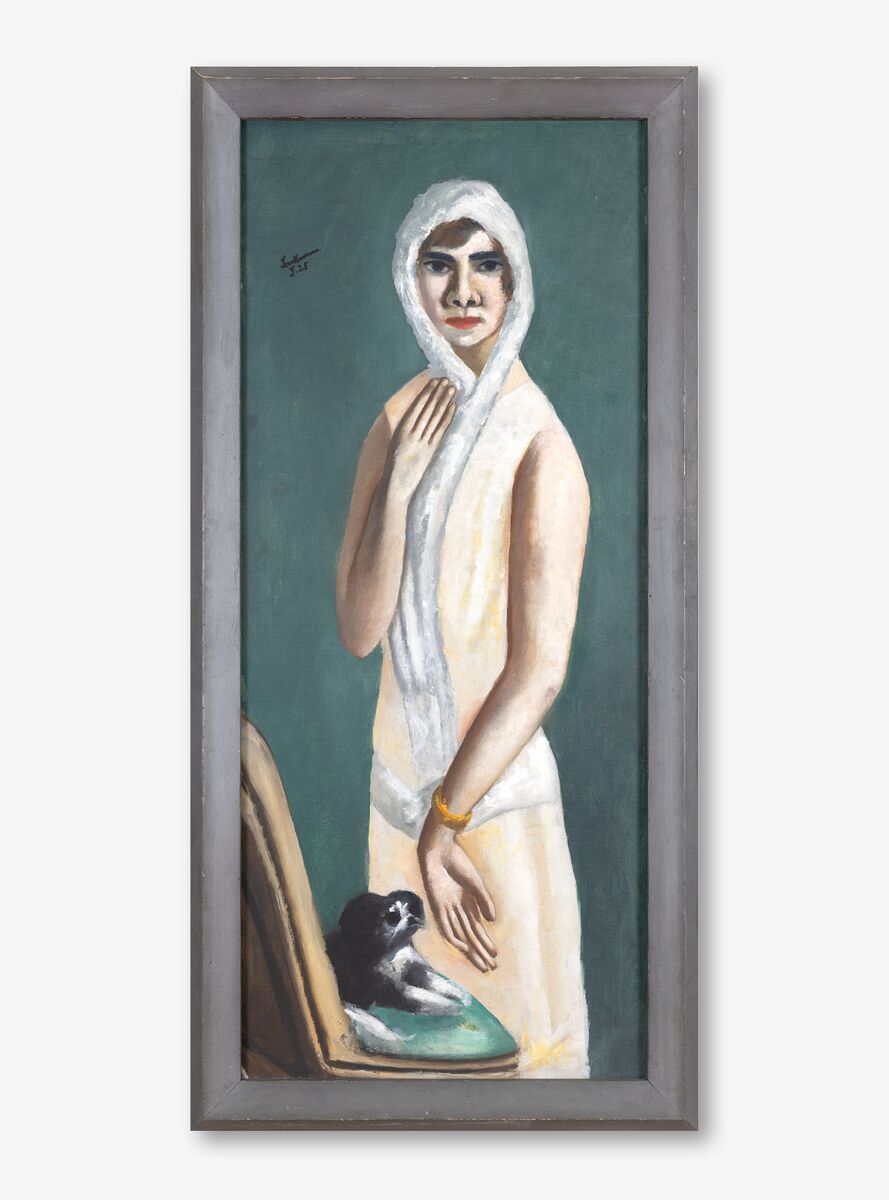
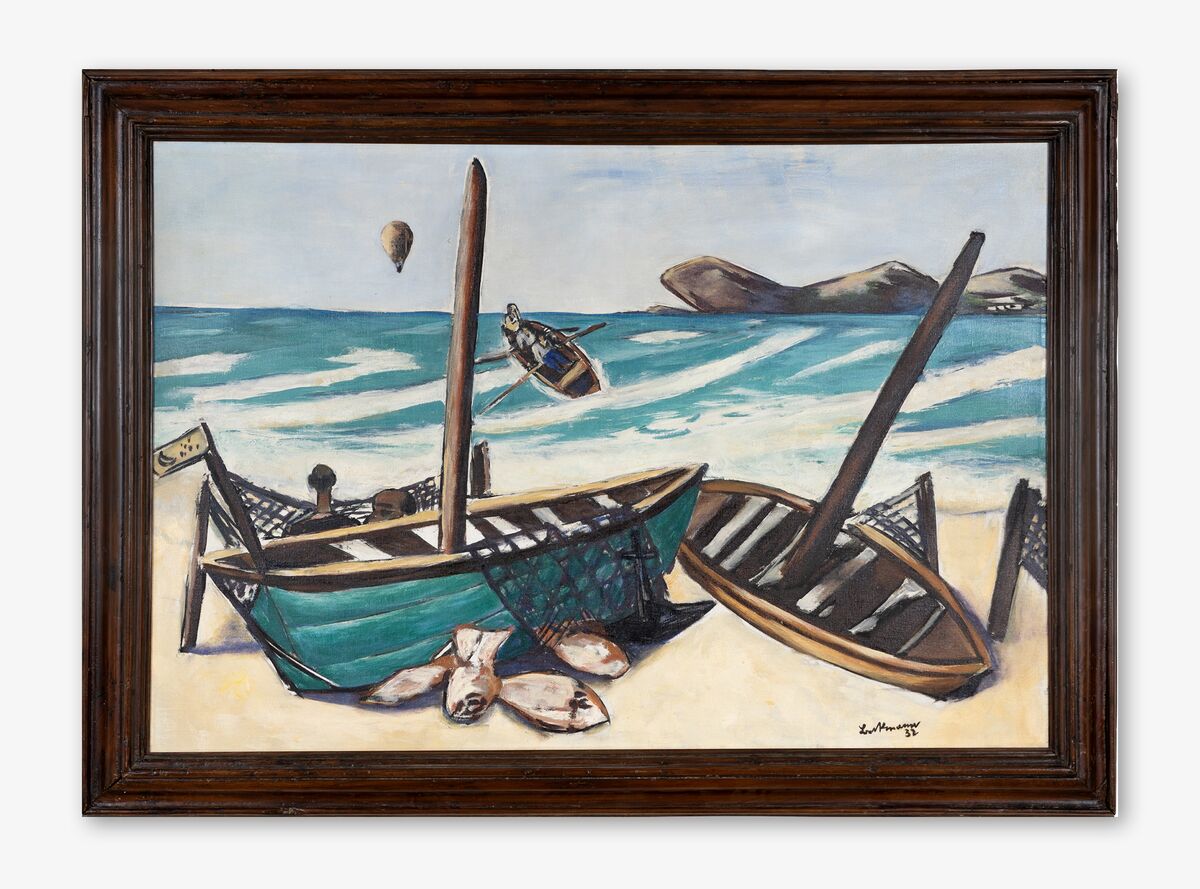
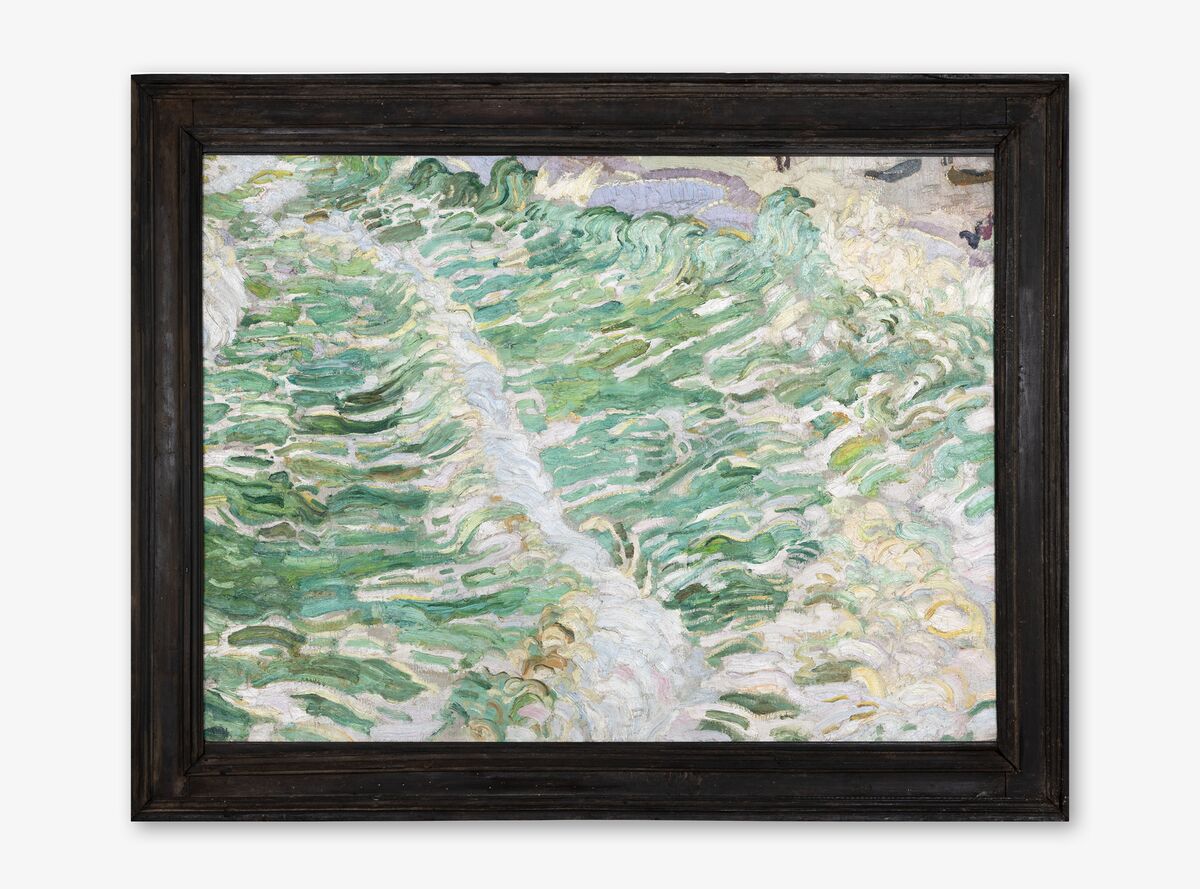
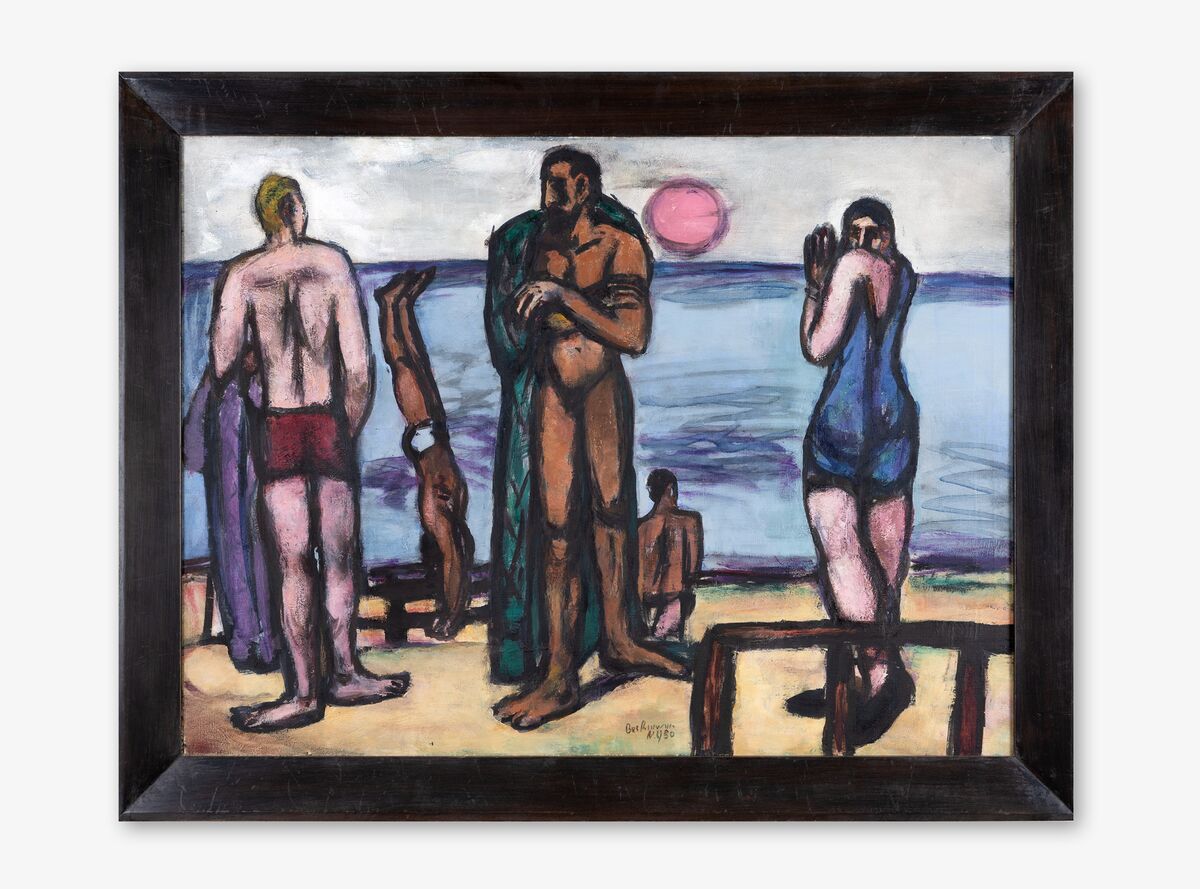
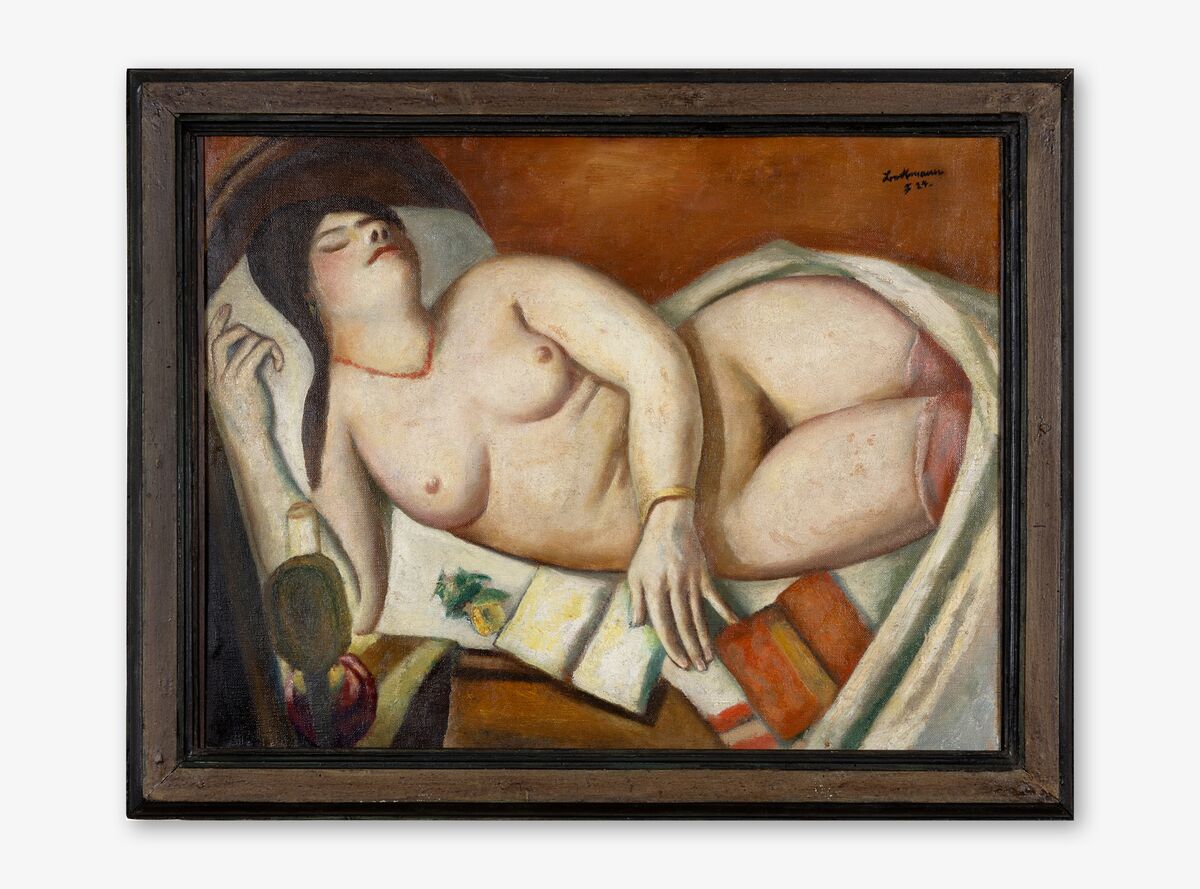
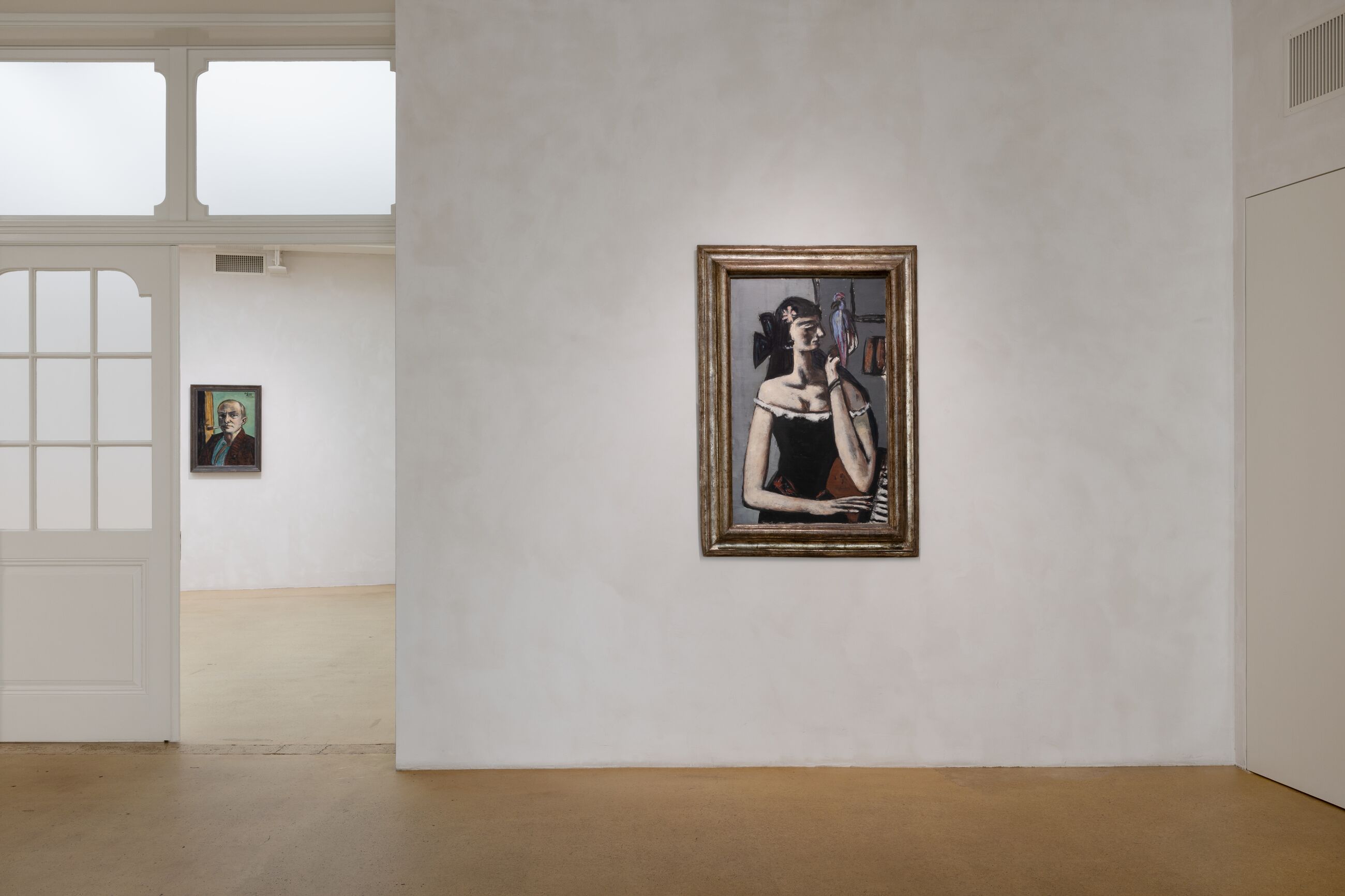
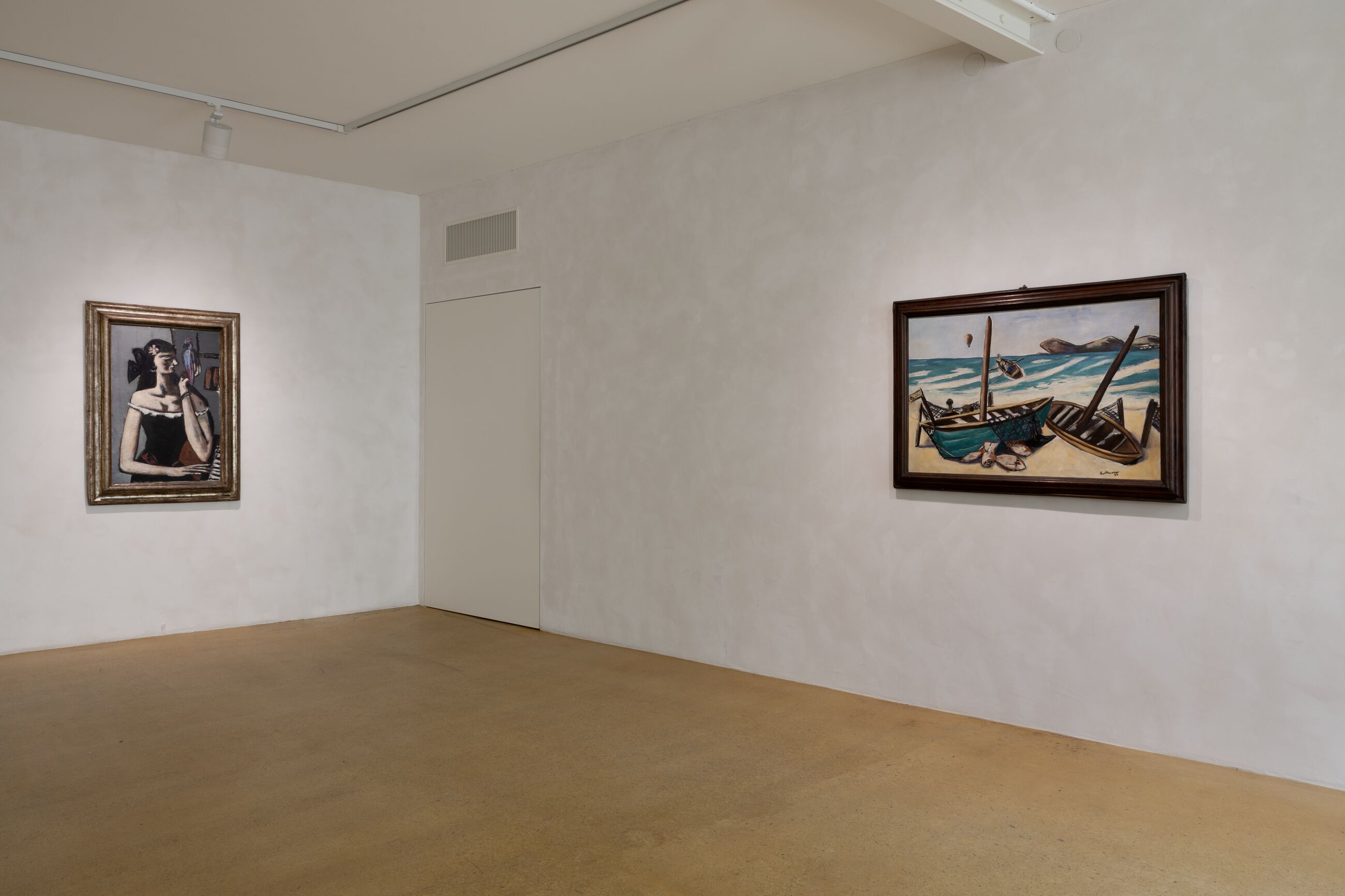
Ahead of Art Basel 2026, a dedicated exhibition on German artist Max Beckmann opens at our Basel gallery this June. Widely regarded as one of the most important painters of the 20th Century, Beckmann created a singular position in the history of art through a figurative language of extraordinary psychological depth, resisting categorization within expressionism and new objectivity.
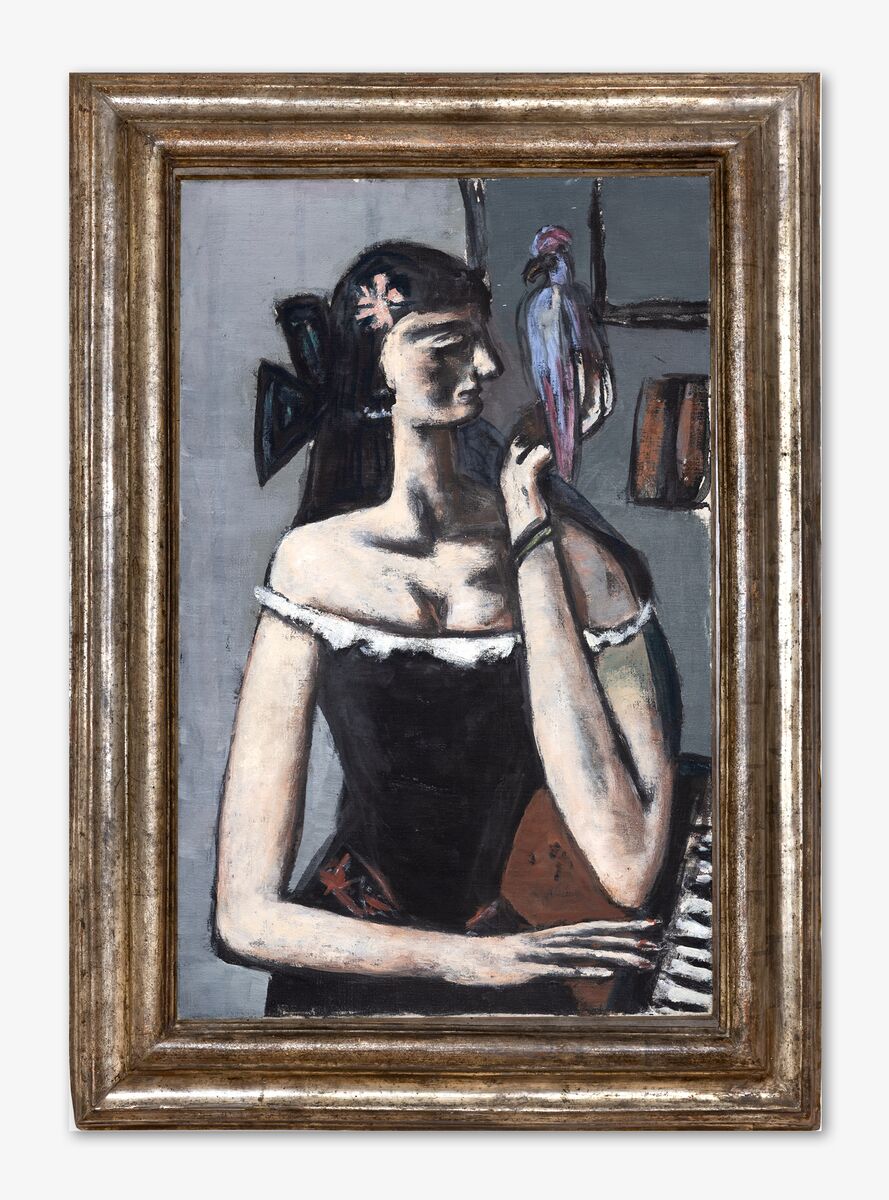
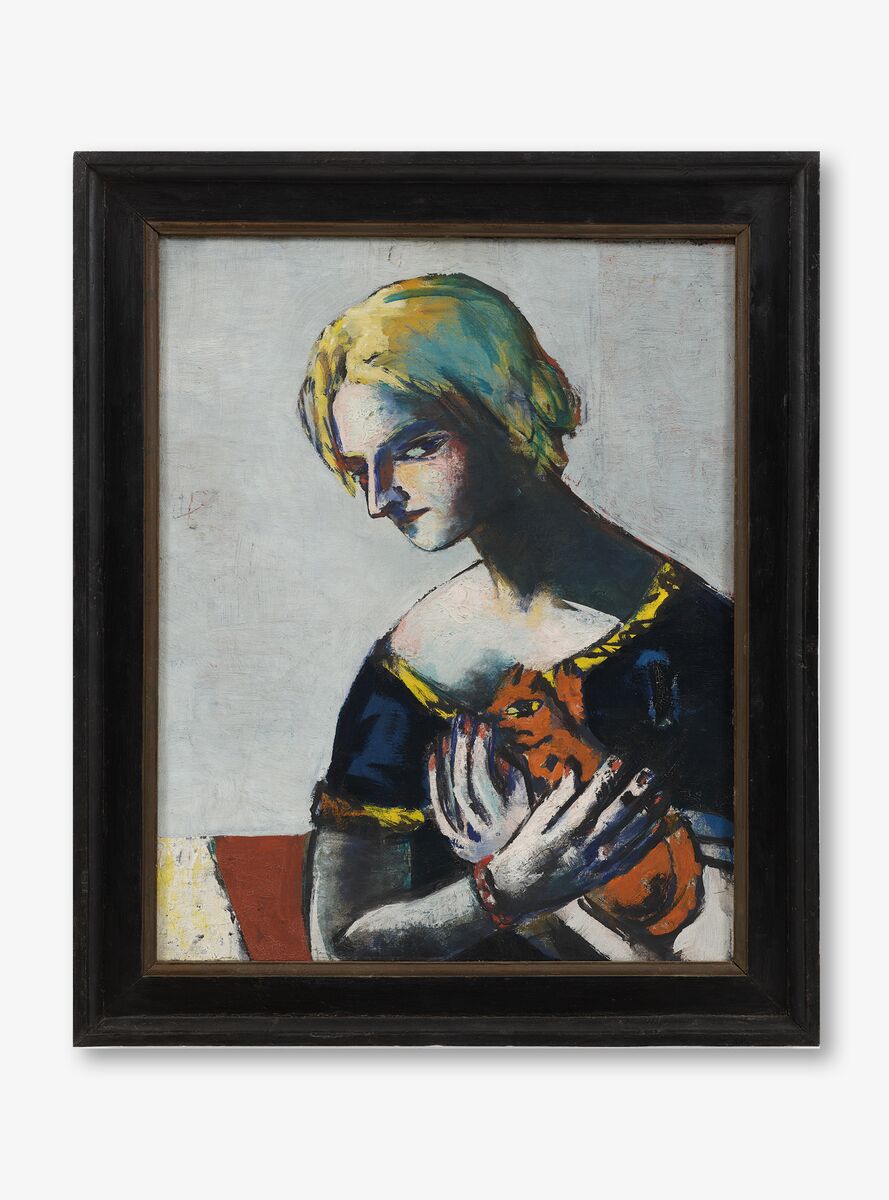
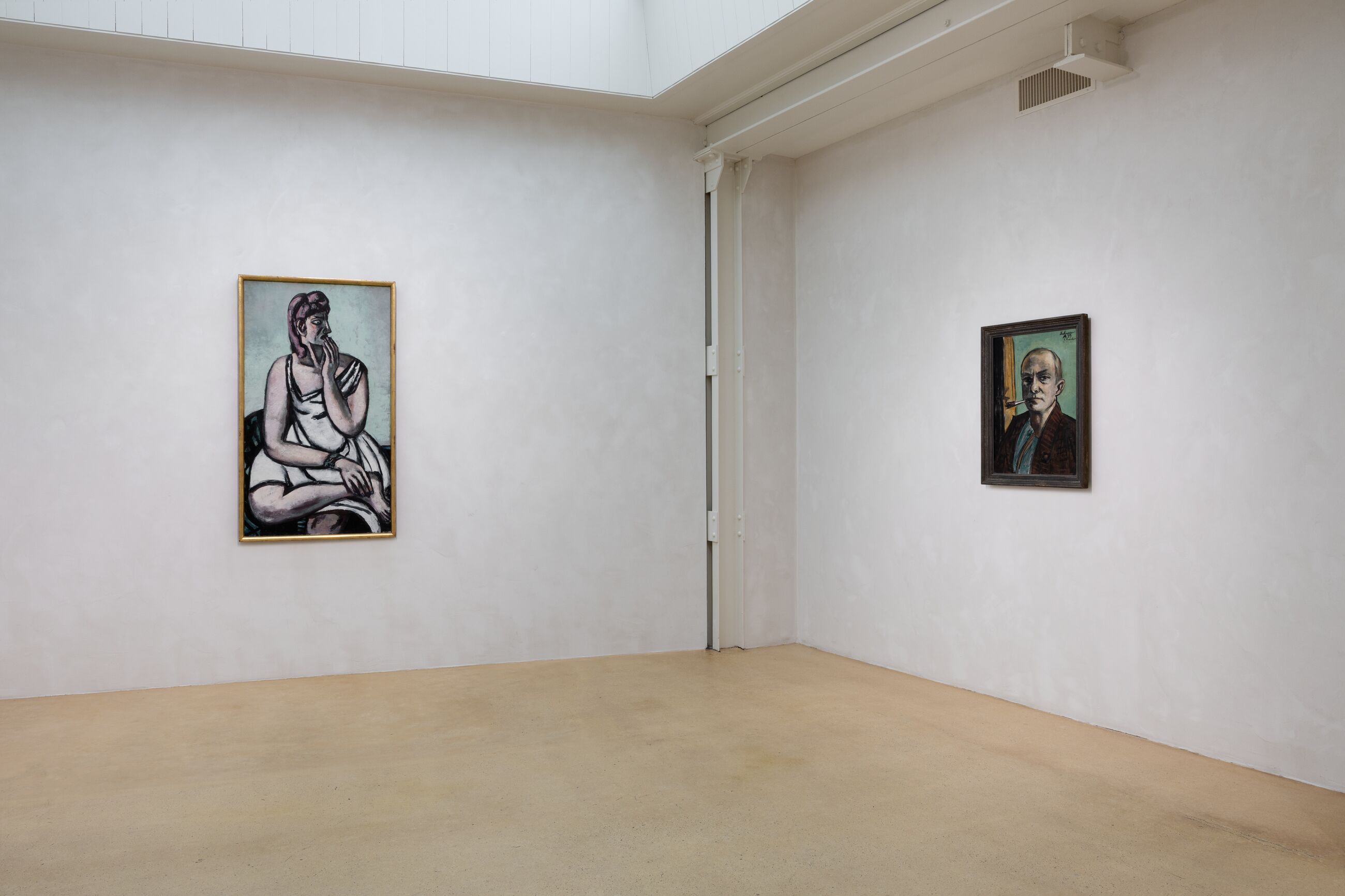
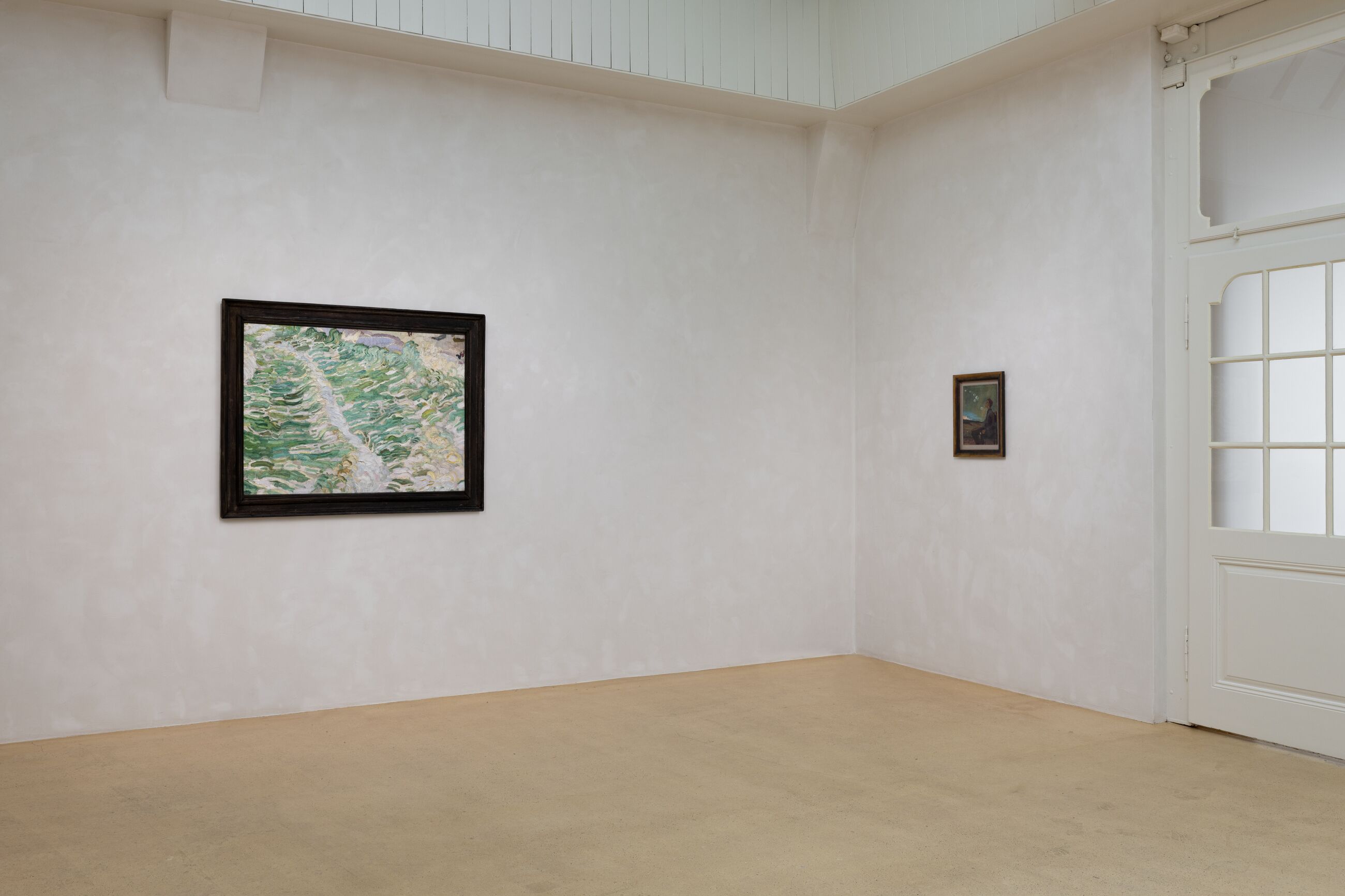
Shaped by a life lived between two World Wars, Beckmann is best known for work that bears witness to the moral fractures of the inter-war period, who resisted categorization within expressionism and new objectivity. Bringing together self-portraits, landscapes and portraits spanning the entirety of his career, some of which have been rarely exhibited before, the exhibition unveils a more intimate dimension of Beckmann’s practice, albeit one that remains underlined with the anxiety and psychological intensity of the early 20th Century.
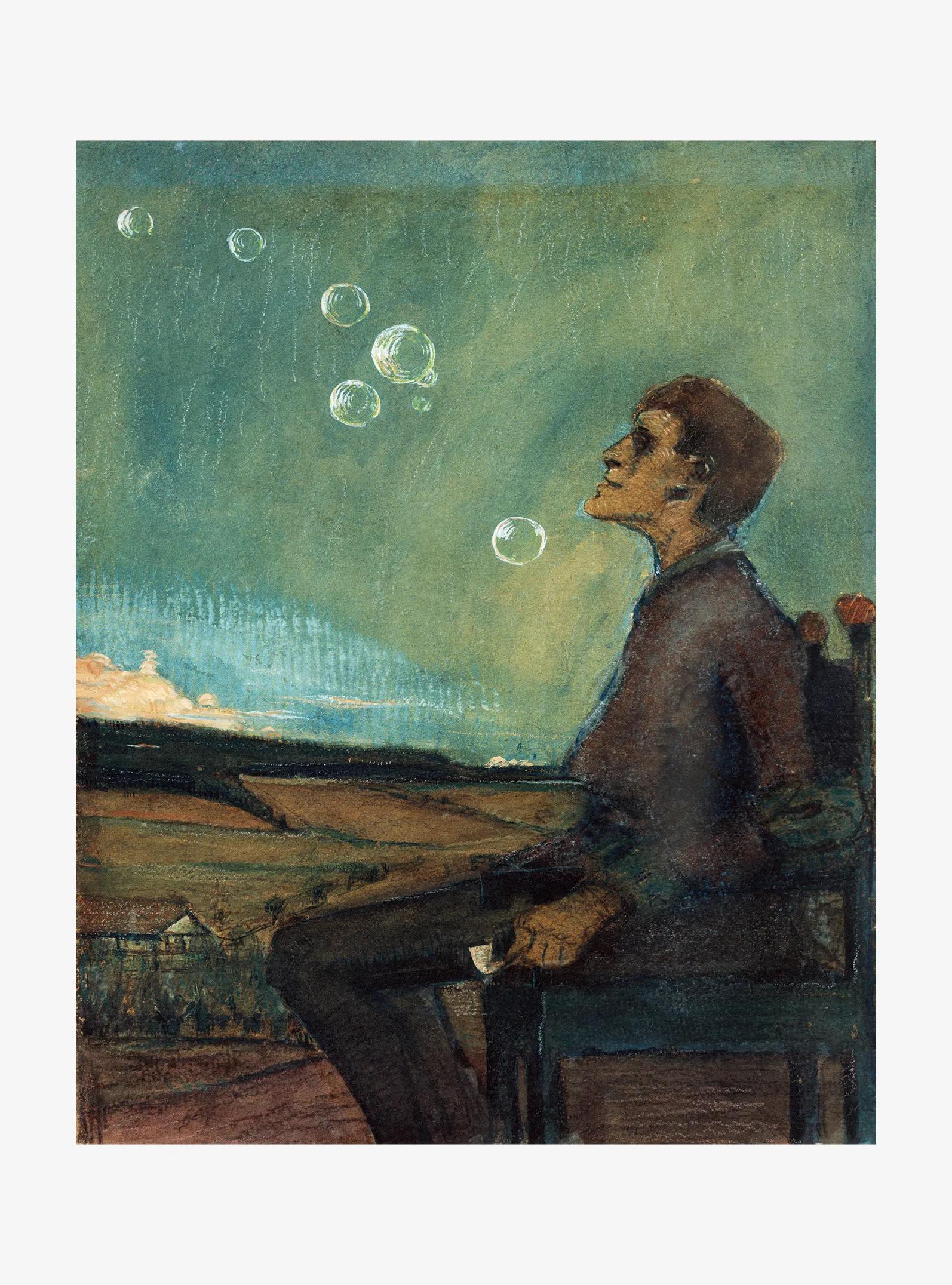
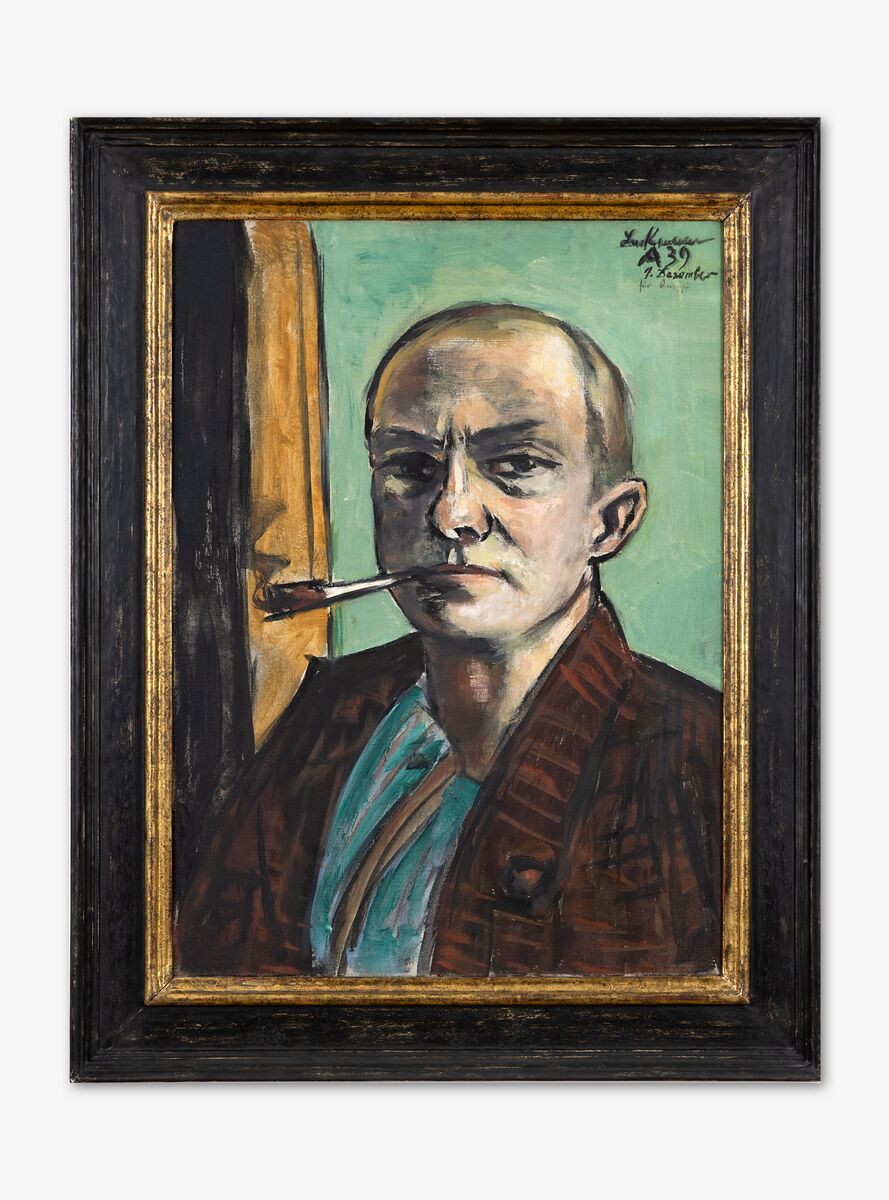
The earliest works in the exhibition were created when Beckmann was still a student and testify to the remarkable independence of his style, even as a teenager. One of his first self-portraits, ‘Selbstbildnis mit Seifenblasen (Self-Portrait with Soap Bubbles)’ (ca. 1900), depicts the artist gazing pensively into the distance as soap bubbles float across the sky. Beckmann would go on to create more than 80 self-portraits over the course of his career, including ‘Selbstbildnis auf Grün mit grünem Hemd (Self-Portrait on Green with Green Shirt)’ (1938). Created almost four decades later, the contrast between these two paintings reflects the transformative impact of World War I on his practice.
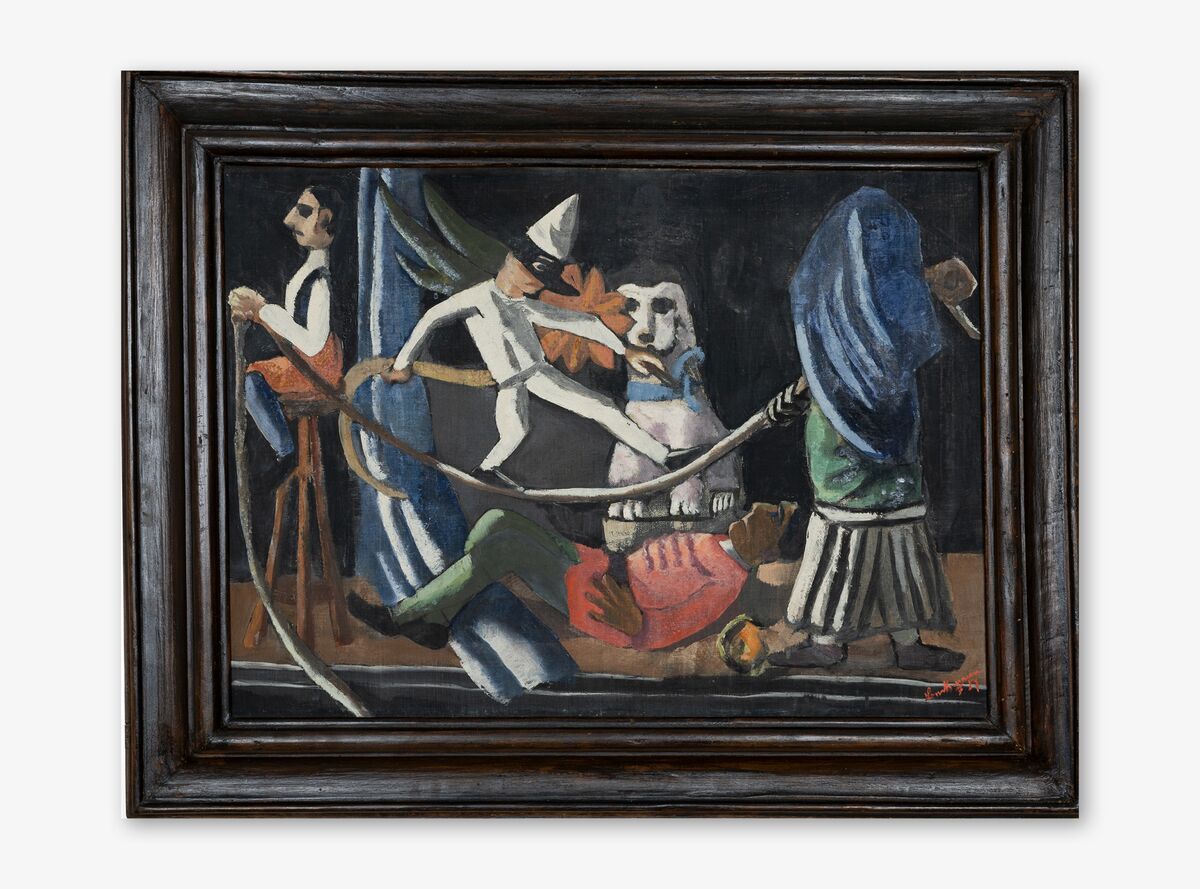
Max Beckmann: Theater of Dislocation
This new film from Ursula brings together artists Dana Schutz, Henry Taylor and Zeng Fanzhi to reflect on Beckmann's enduring impact. Through their perspectives, the film explores the theatricality, humanity and unsettling immediacy that continue to make Beckmann's work feel profoundly contemporary.
The Question of Instability: William Kentridge on Max Beckmann
On the occasion of the opening of the exhibition, watch a new Ursula short film by William Kentridge in which he anatomizes Max Beckmann’s magisterial and mysterious 1938 painting Death (Tod). Beckmann's meditation on mortality interests Kentridge, he says, in part because it is ‘a reversal picture. One is not certain what it top and what is bottom, what is heaven and what is hell.’
Installation Views
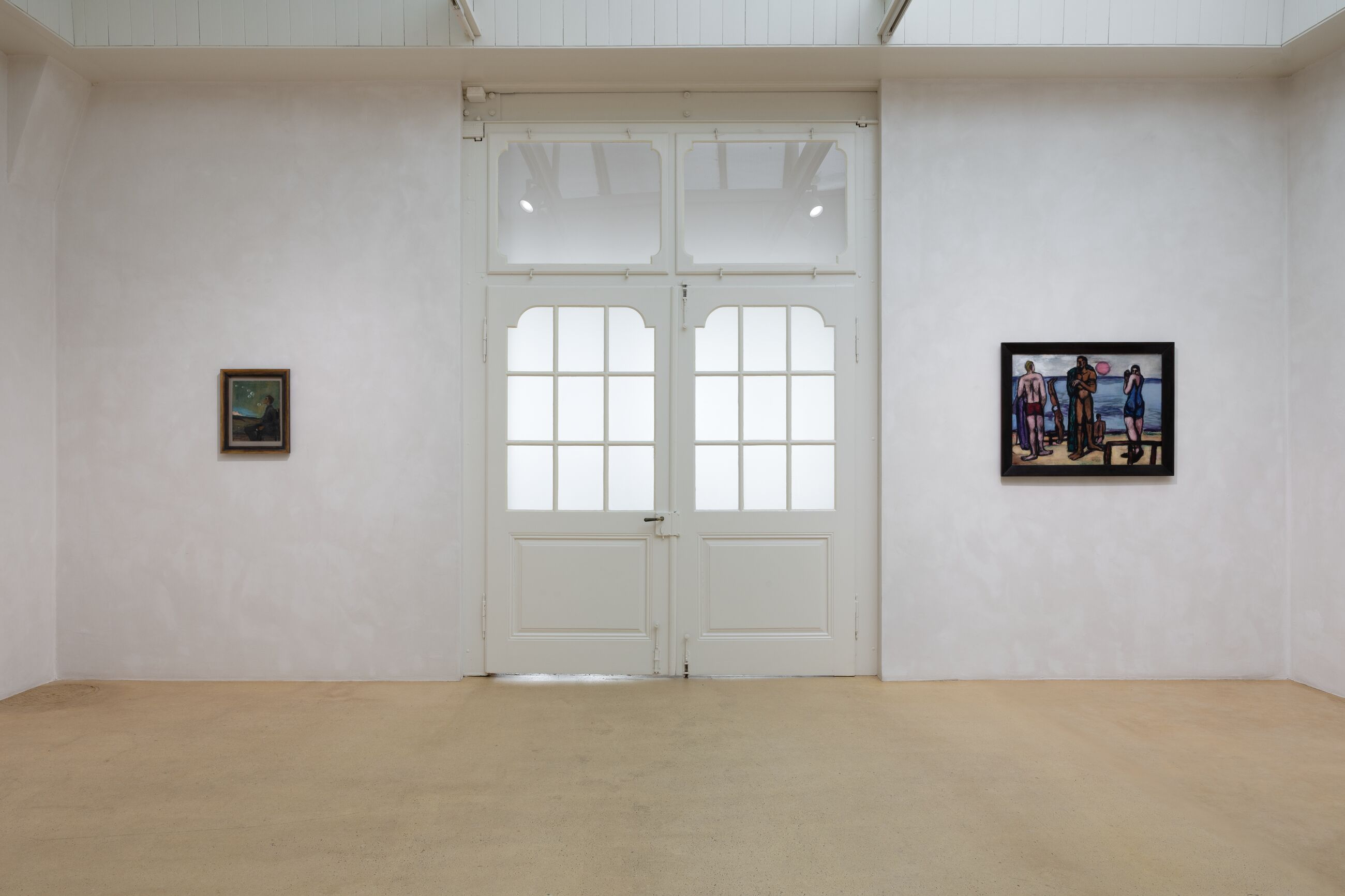
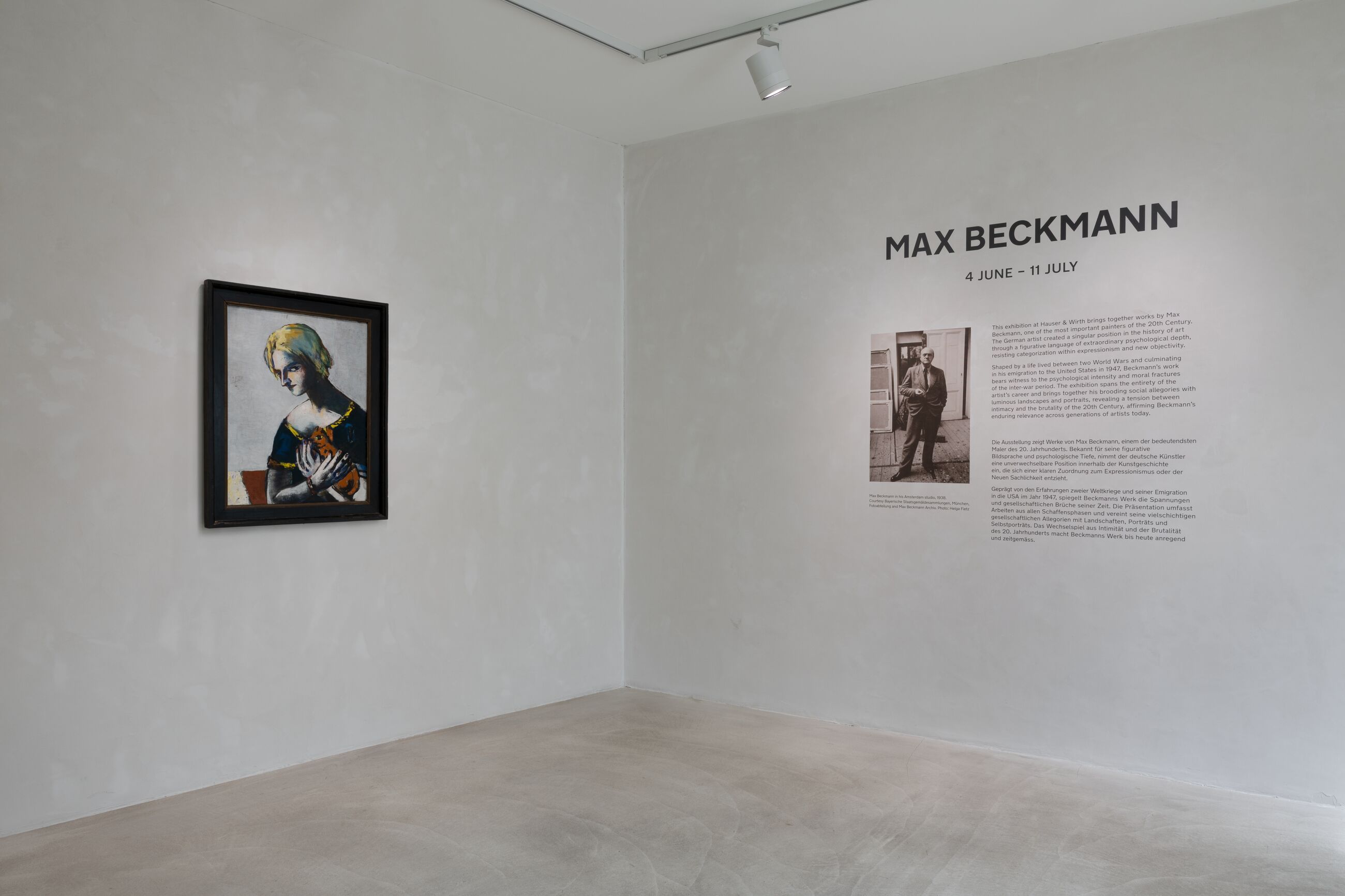
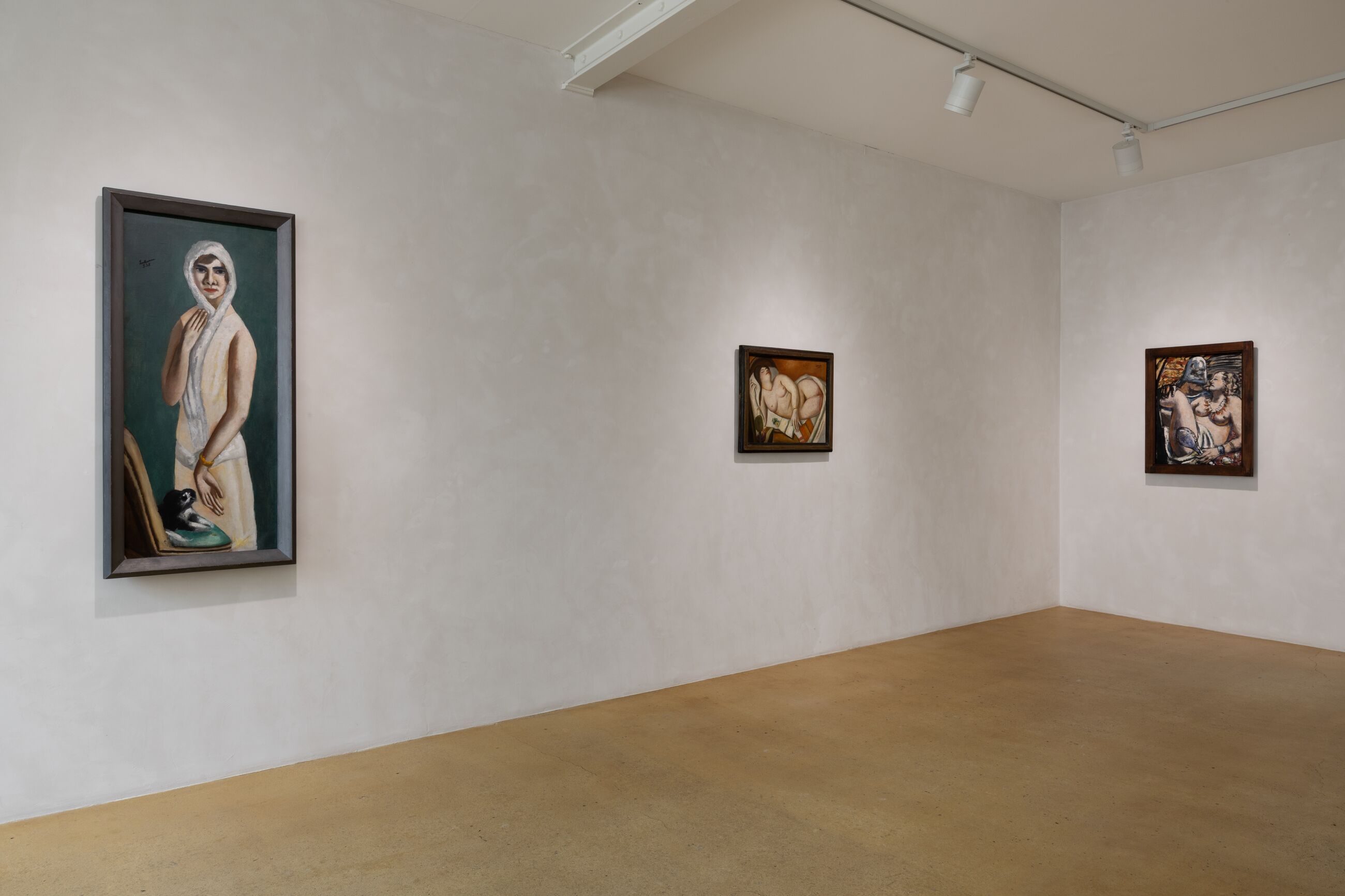
1 / 6
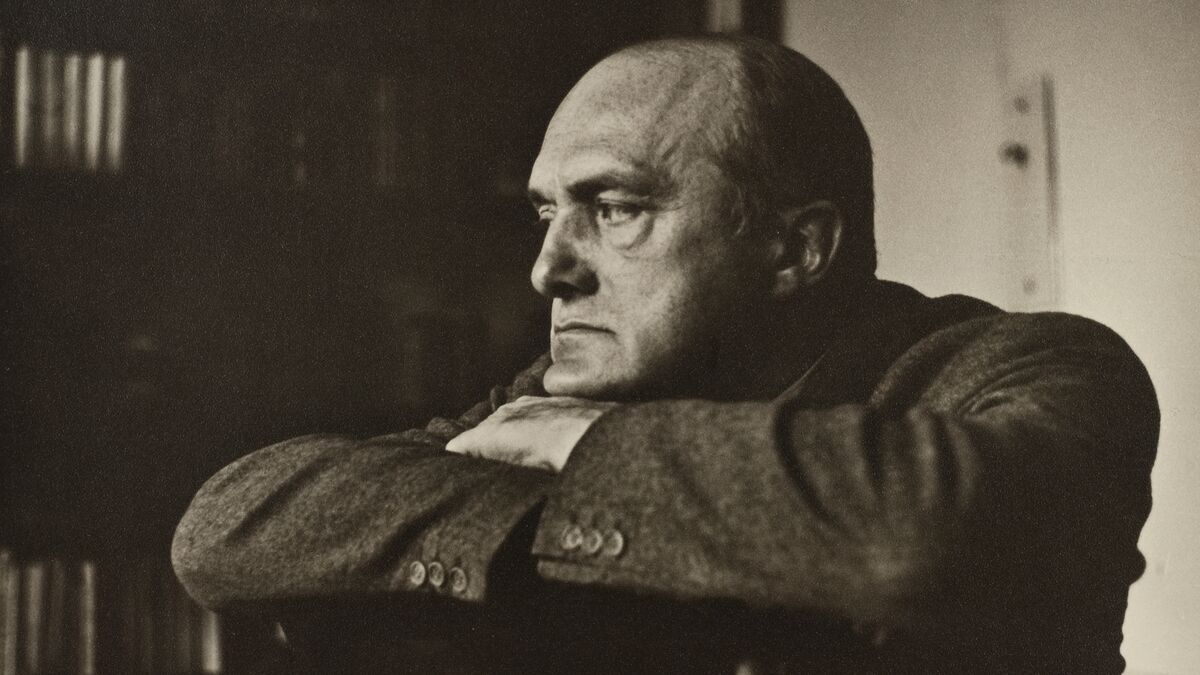
Max Beckmann in his Amsterdam studio, 1938
About the Artist
Max Beckmann (1884–1950) was a leading German painter and a fiercely individual modern artist whose work bridged tradition and upheaval. Born in Leipzig, he trained in a conservative academic style but soon rejected its limits, developing a bold visual language of compressed space, strong outlines, and symbolic intensity. The trauma of World War I deeply shaped his vision, leading him to depict tense, often crowded scenes that explore human vulnerability and resilience. Though sometimes linked to New Objectivity, he remained independent, drawing on myth, religion, and personal experience. Forced into exile by the Nazi regime, Beckmann continued to paint powerful works reflecting identity and displacement, creating art that challenges viewers to search for meaning within complexity.
Related Content
Current Exhibitions




1 / 11