

Portfolio
Playing with Dead Things
Alissa Bennett on Carol Rama
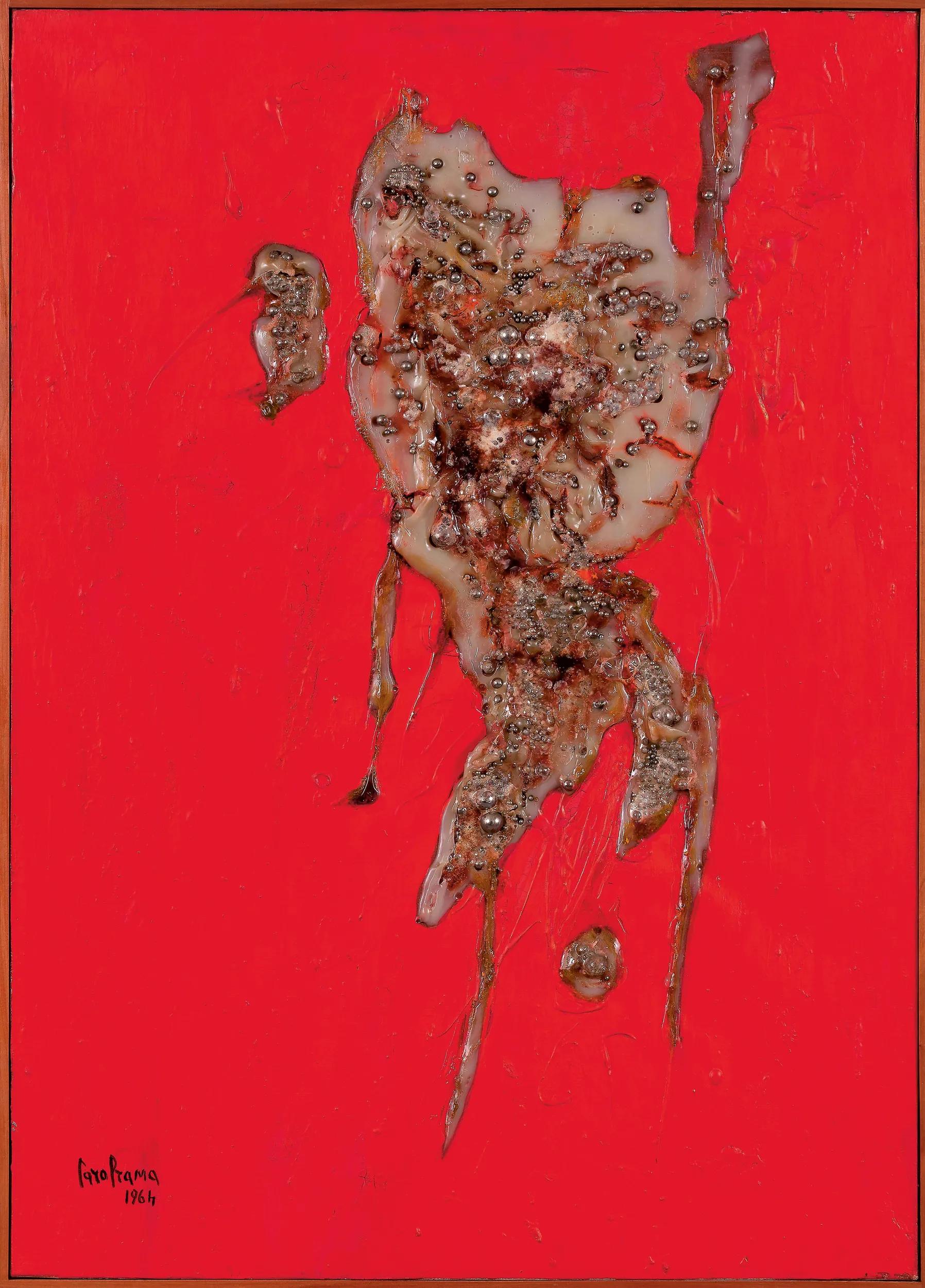
Carol Rama, Bricolage R 4, 1964. Private collection
I’ve read several pieces of writing that attempt to recount the details of Carol Rama’s biography, but I’ve noticed that each version is slightly different, as though there is no consensus about where the mythology constructed around her persona breaks away from truth that describes her life. Long underrecognized by both the institutional and commercial arms of the art world, Rama—whose genre-defying career spanned an astonishing seven decades—seems to present an unusual conundrum for an industry increasingly interested in the post-mortem recuperation of underrepresented artists. Her oeuvre, only recently given a measure of well-deserved approbation, is rarely discussed without reference to her personal history. It seems that we cannot manage to decode her work unless we can tether it with a cord—ropey and umbilical—to the nebulous traumas and acts of defiance that we like to believe defined both her person and her art.
There are, of course, a host of literal cords wending their way through Rama’s pieces. There are the snarls of medical hosing, often interpreted as a psychic souvenir of her mother’s long-term institutionalization in a psychiatric hospital. There are the bulging loops of inner tubes that perhaps recall her suicided father’s failed factory (did he produce car parts, or was it bicycles?). There are dangling restraints and abandoned prosthetic body parts; fat black leeches that depend from necks and snaking lengths of rubber that penetrate bodies or the picture plane itself. It is tempting to fixate on the transgressive eroticism put forth by Rama’s repeated invocation of these forms, but her penchant for violating taboo is nearly always multivalent. Conjuring desire from abjection, she intentionally confuses the distance between flesh and blood, between sex and death, between what is external to the body and what has managed to breach its confines. Presenting us with a world stripped bare of secure boundaries, Rama reminds us that there are places where drive and disgust reach out toward one another and moments when they somehow actually manage to touch.
Skidding against the barricades that quarantine pleasure from threat and order from collapse, Rama slyly probes the tender spots where the insufficiency of language tries to hide itself. Maybe we look to the complications of her past because her story seems to explain why she maintained such a passionate devotion to the aesthetics of abjection. Maybe we fixate on her biography because it offers a momentary sense of relief that it isn’t we who have lost our footing, reduced to a mound of dirt glittering with the sheen of artificial eyeballs and a pair of false teeth.
I was struck to find that most accounts of Rama’s life suggest the pull of a pathological undertow, as though the border that separated her madness from her eccentricity was perforated by the same trauma that forged her genius. But if I bristled at the implication, Rama seems to have wanted us to believe it. “There is no freedom,” she said, “without derangement.” Her final body of work, which she gleefully described as her most autobiographical, was made in response to the 1990s European outbreak of bovine spongiform encephalopathy, the fatal cattle disease colloquially known as Mad Cow. Transmitted to humans through the ingestion of infected meat, the disease is believed to have been created by cannibalistic farming practices in which animals are fed meal made of their own species. Fascinated both by the disease’s epidemiology and by its extreme neurological effects, Rama produced a group of paintings that join lengths of rubber tubing with semi-abstract renderings of cow udders, the formal elegance of their surfaces belying the chaos roiling just beneath. I wonder if it was a coincidence that Rama finally found a measure of notoriety while making this series, if the sudden celebration of her work indicated that she had changed. I think maybe we had. “Mad Cow, c’est moi,” she reportedly once said, aligning herself in perpetuity with the panic that blooms when we are confronted with evidence of our greatest vulnerabilities; we must eventually acknowledge that we are, after all, only human.
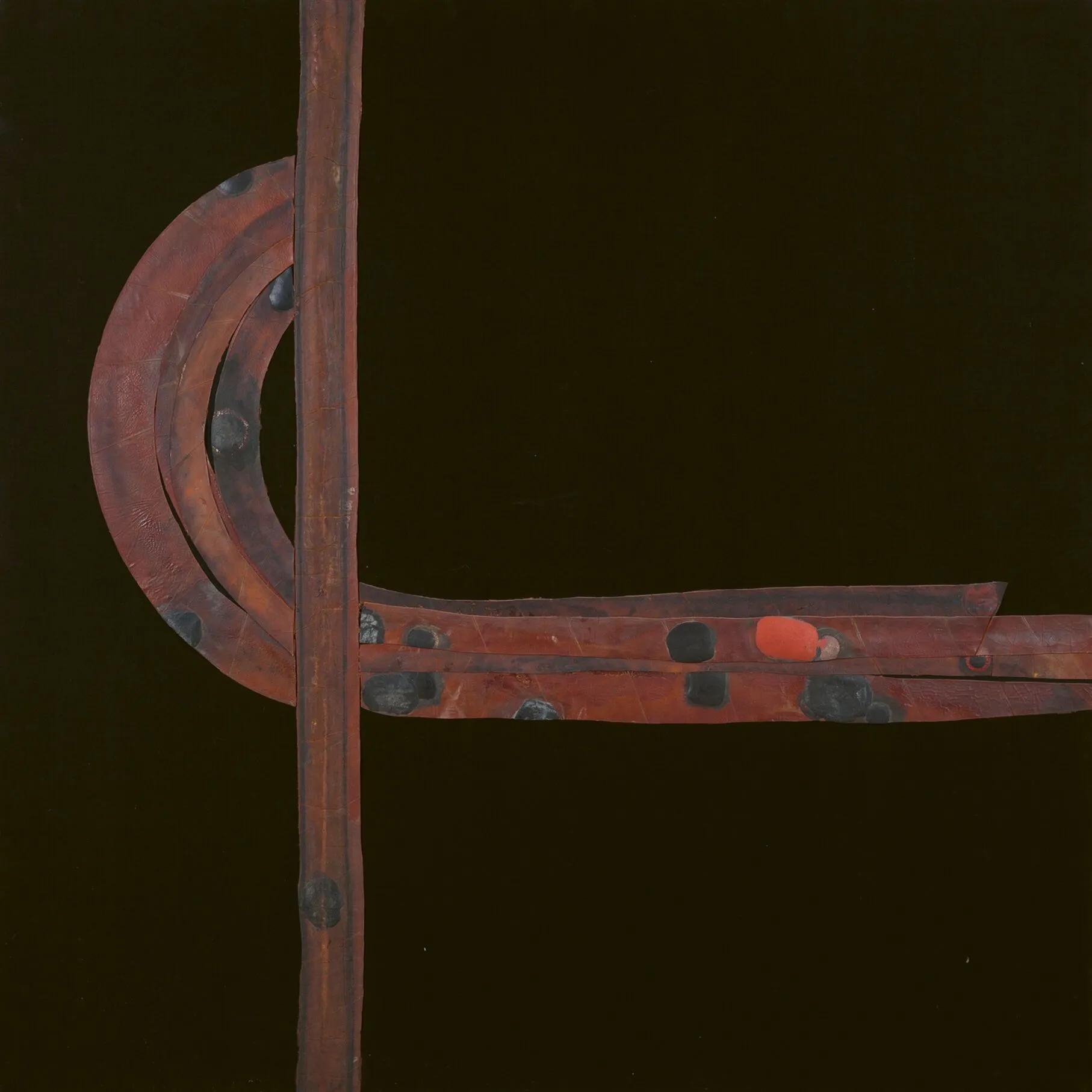
Carol Rama, La guerra è astratta (War Is Abstract), 1970. Private collection
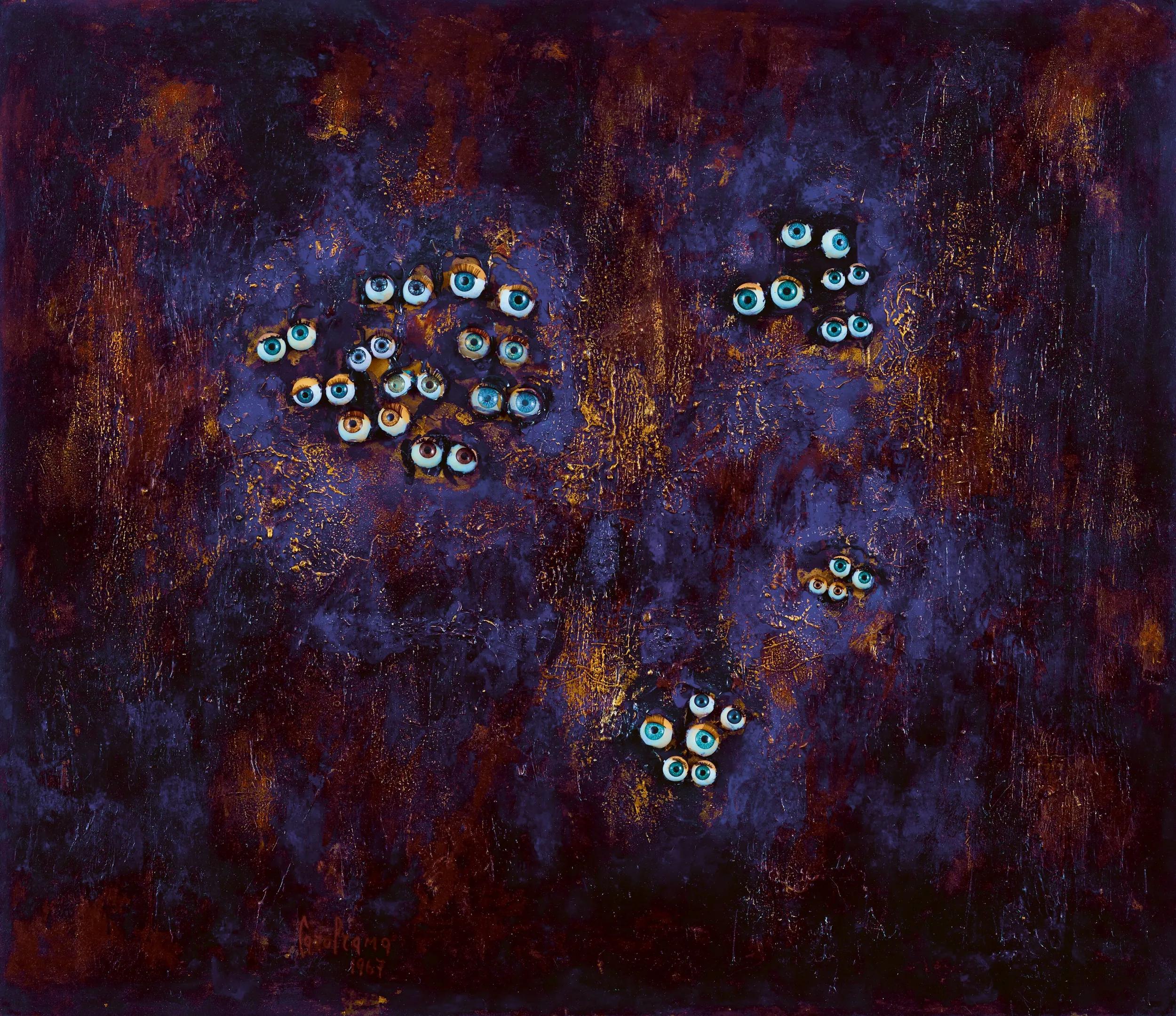
Carol Rama, Vedo… Vedo… (I See... I See...), 1967. Collection Musée d’Art Moderne de Paris, inv. AMVP-2015-40
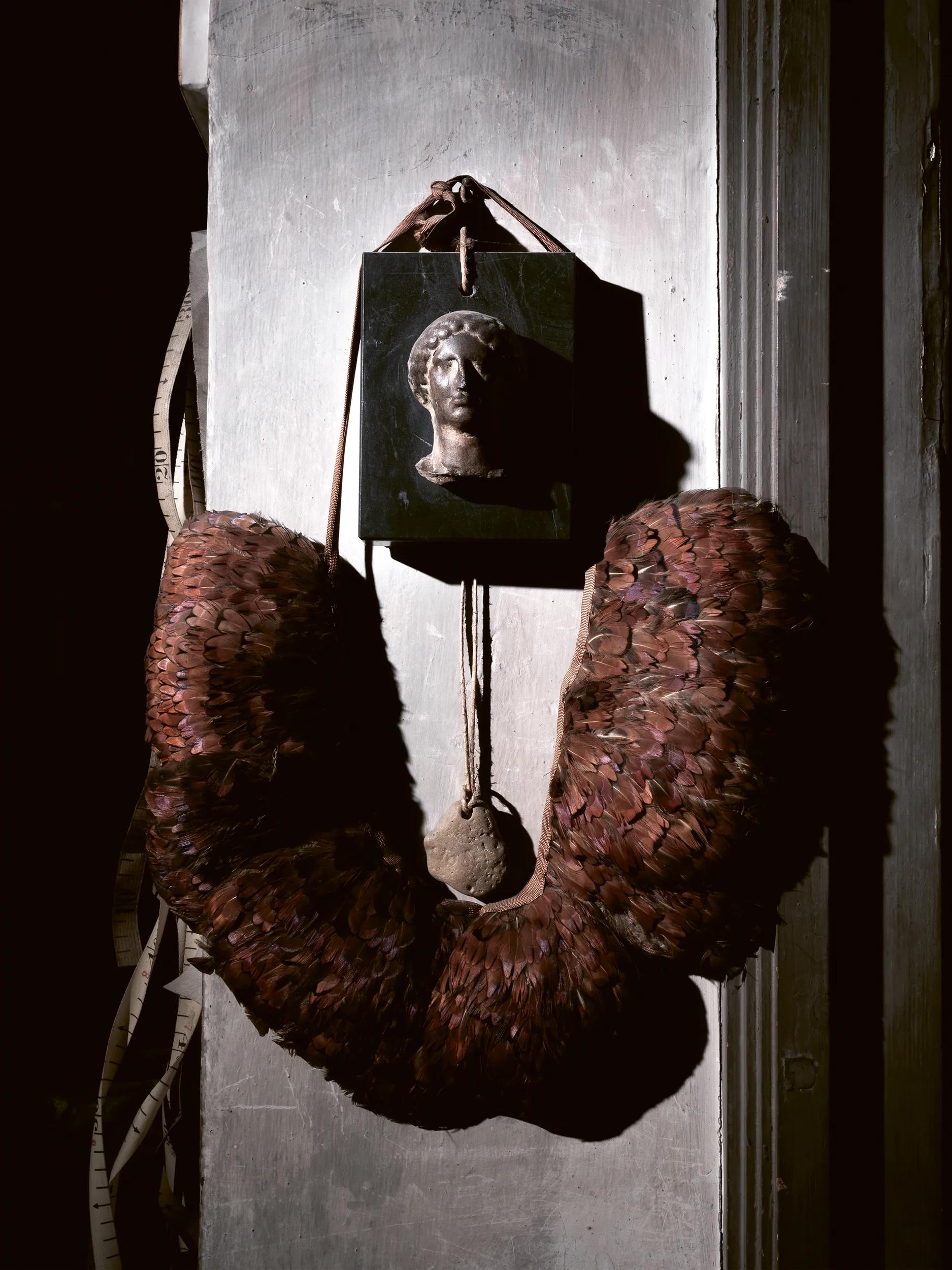
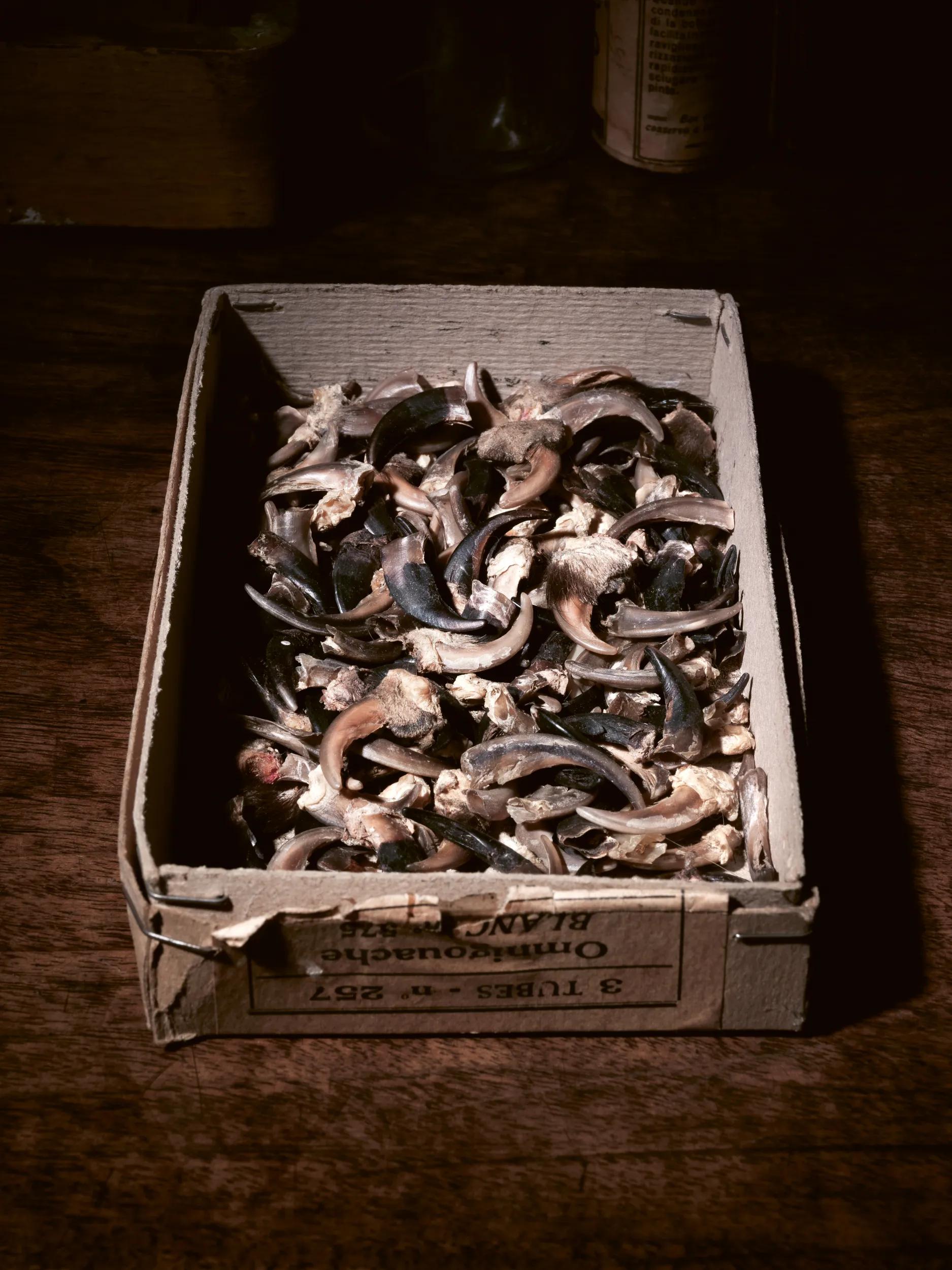
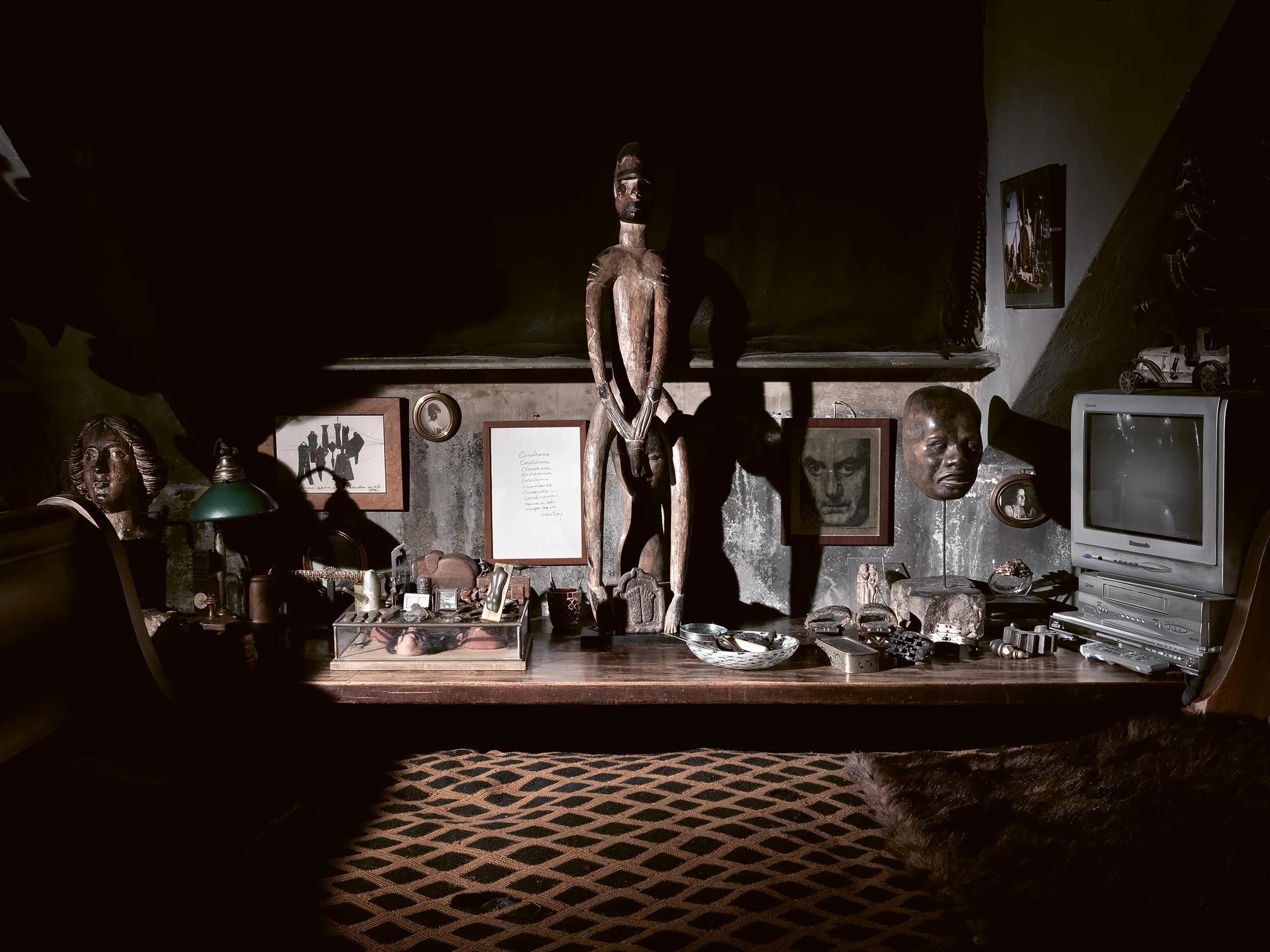
Photography by Bepi Ghiotti of Carol Rama’s studio-home in Turin, 2012–14 © Archivio Bepi Ghiotti
Rama reminds us that there are places where drive and disgust reach out toward one another and moments when they somehow actually manage to touch.
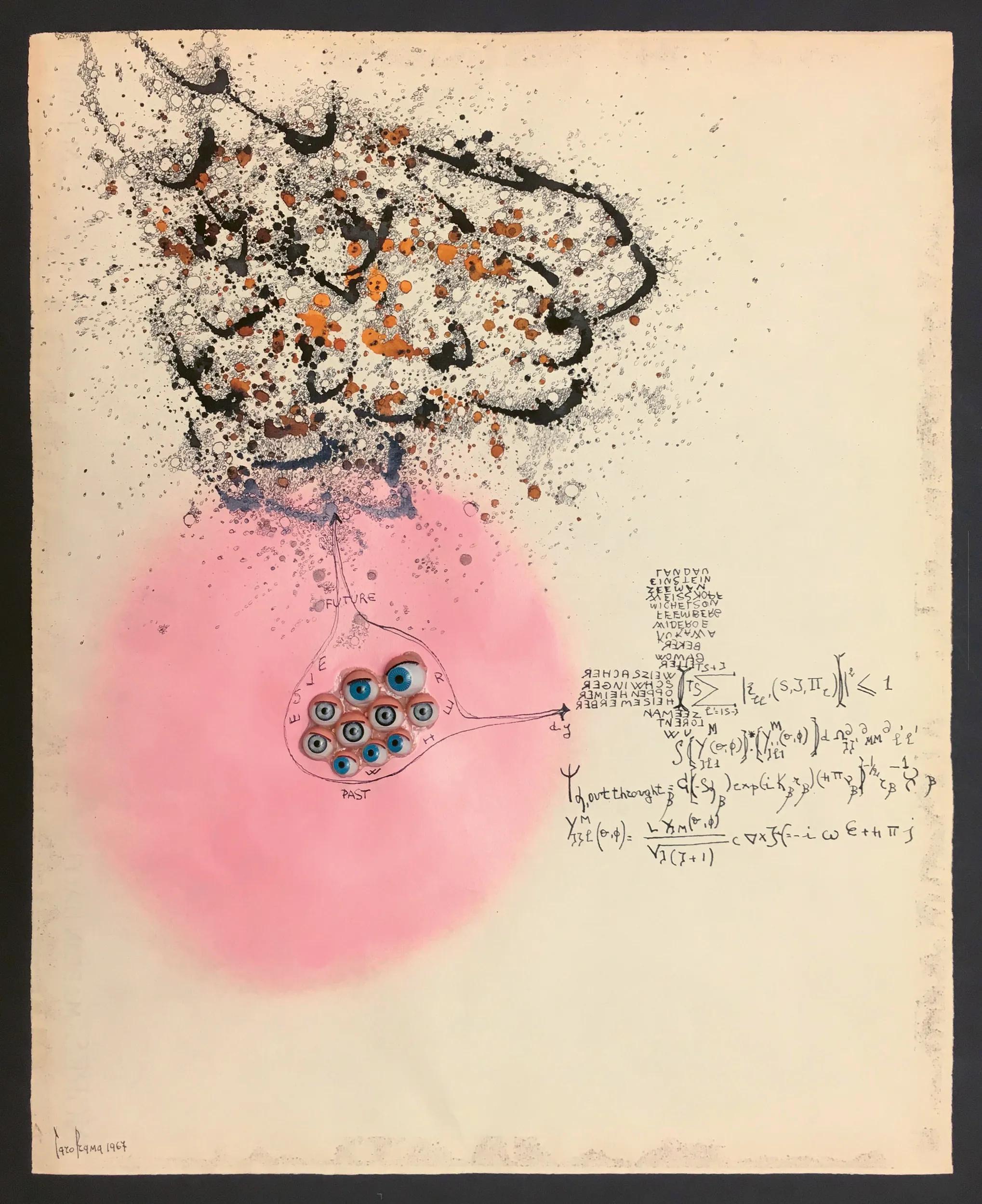
Carol Rama, Untitled, 1967. Private collection
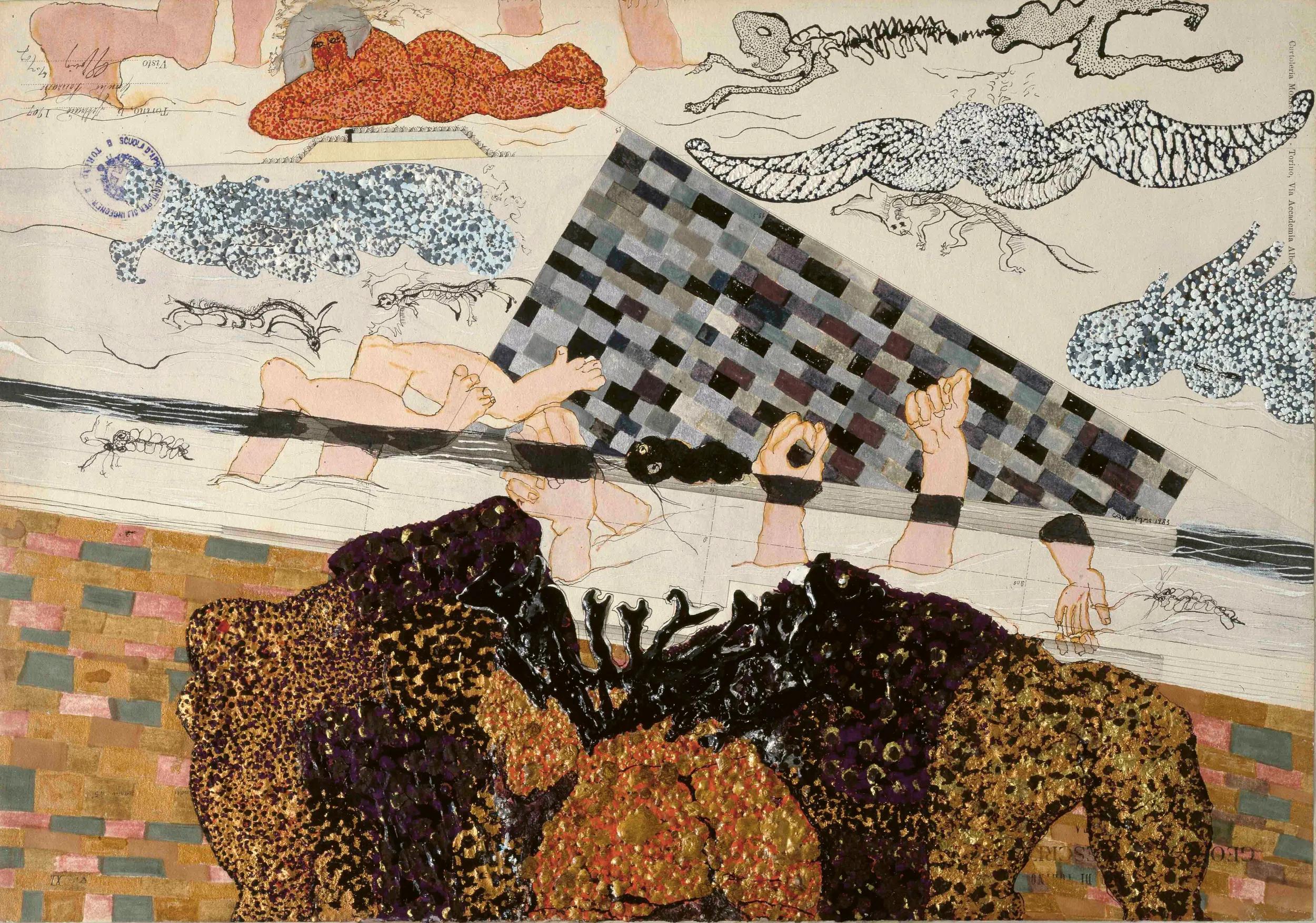
Carol Rama, Seduzioni (Seductions), 1983. Private collection
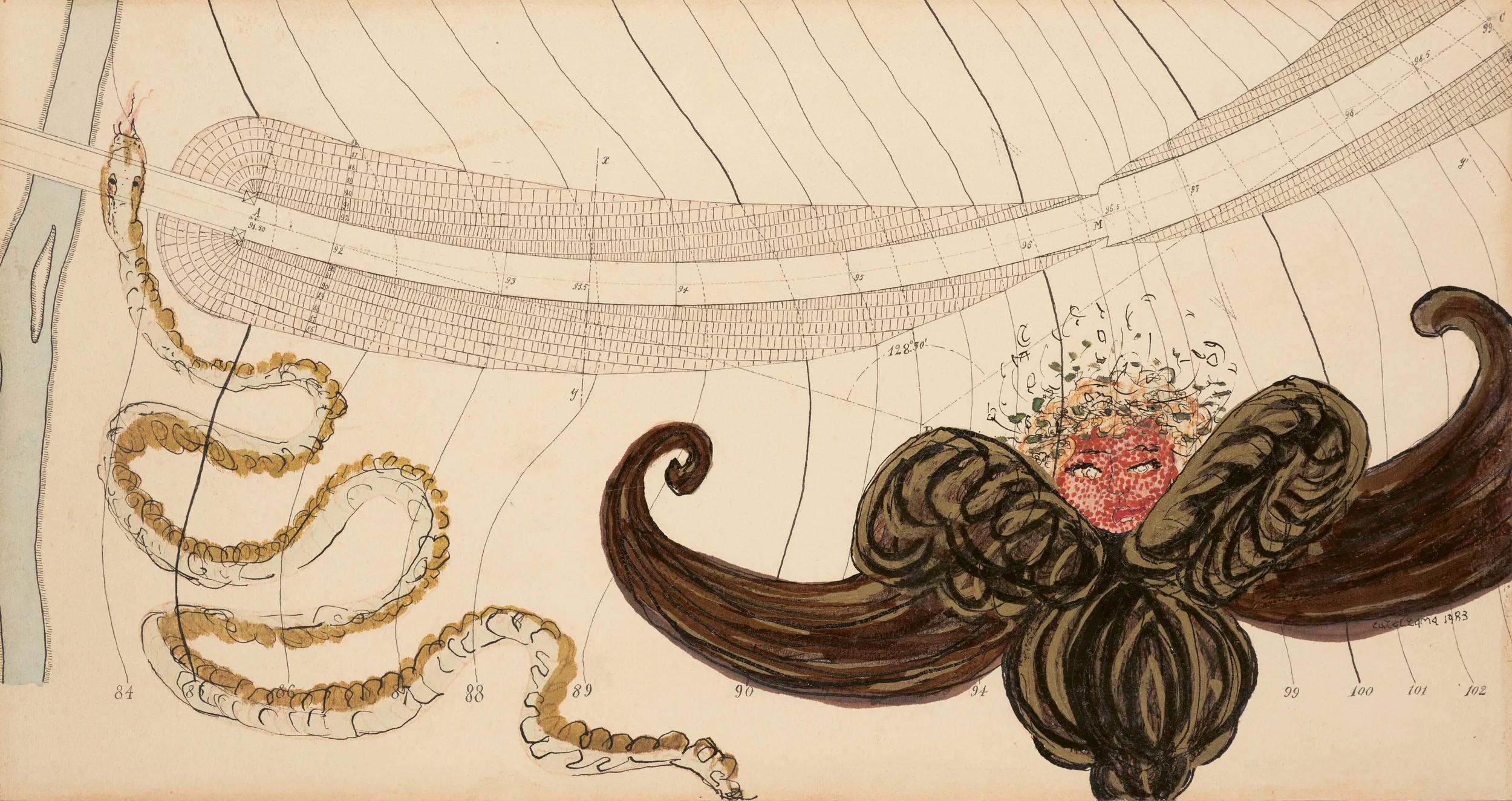
Carol Rama, Untitled, 1983. Private collection
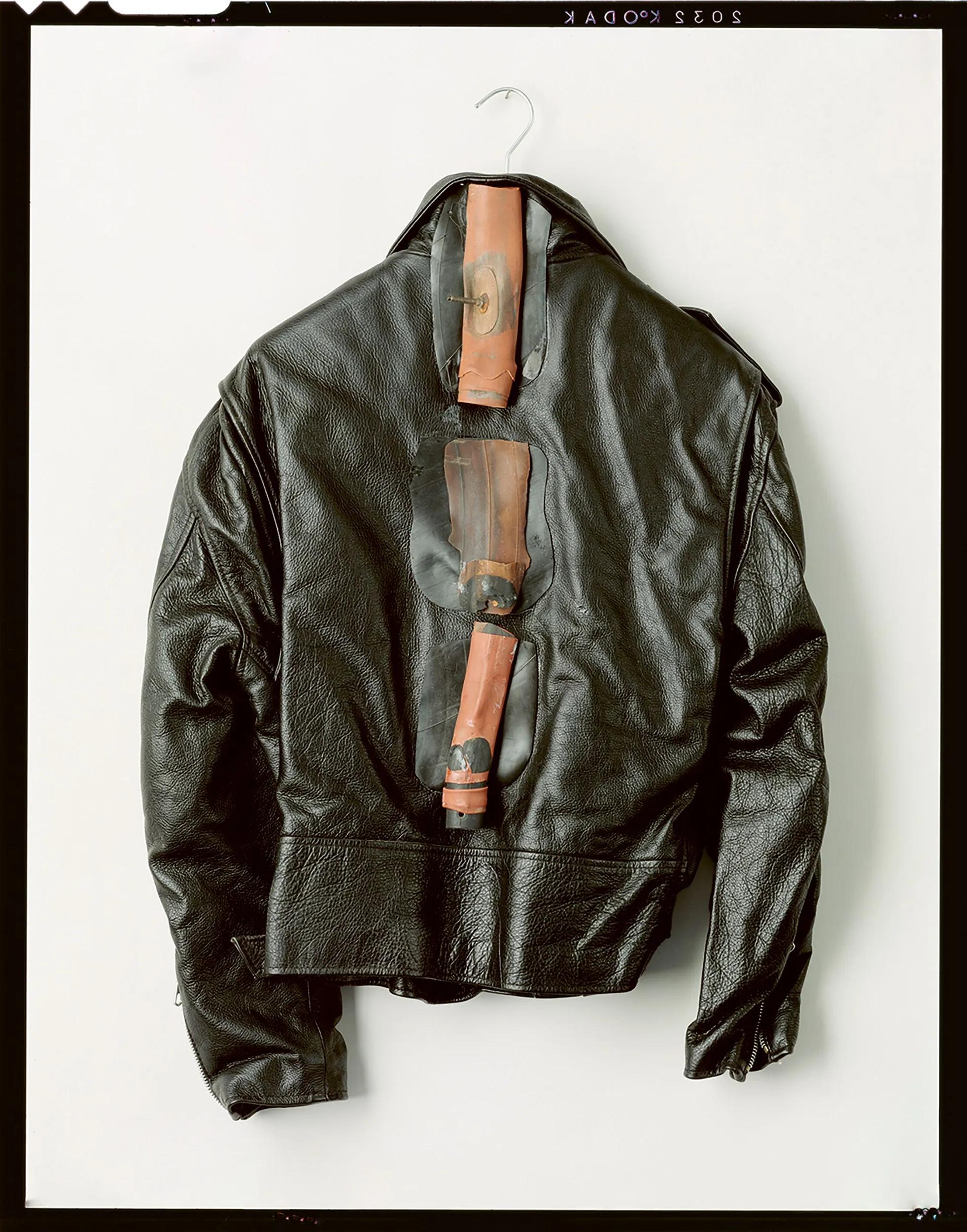
Carol Rama, Il chiodo di Corrado (Corrado’s Leather Jacket), ca. 1993. Private collection
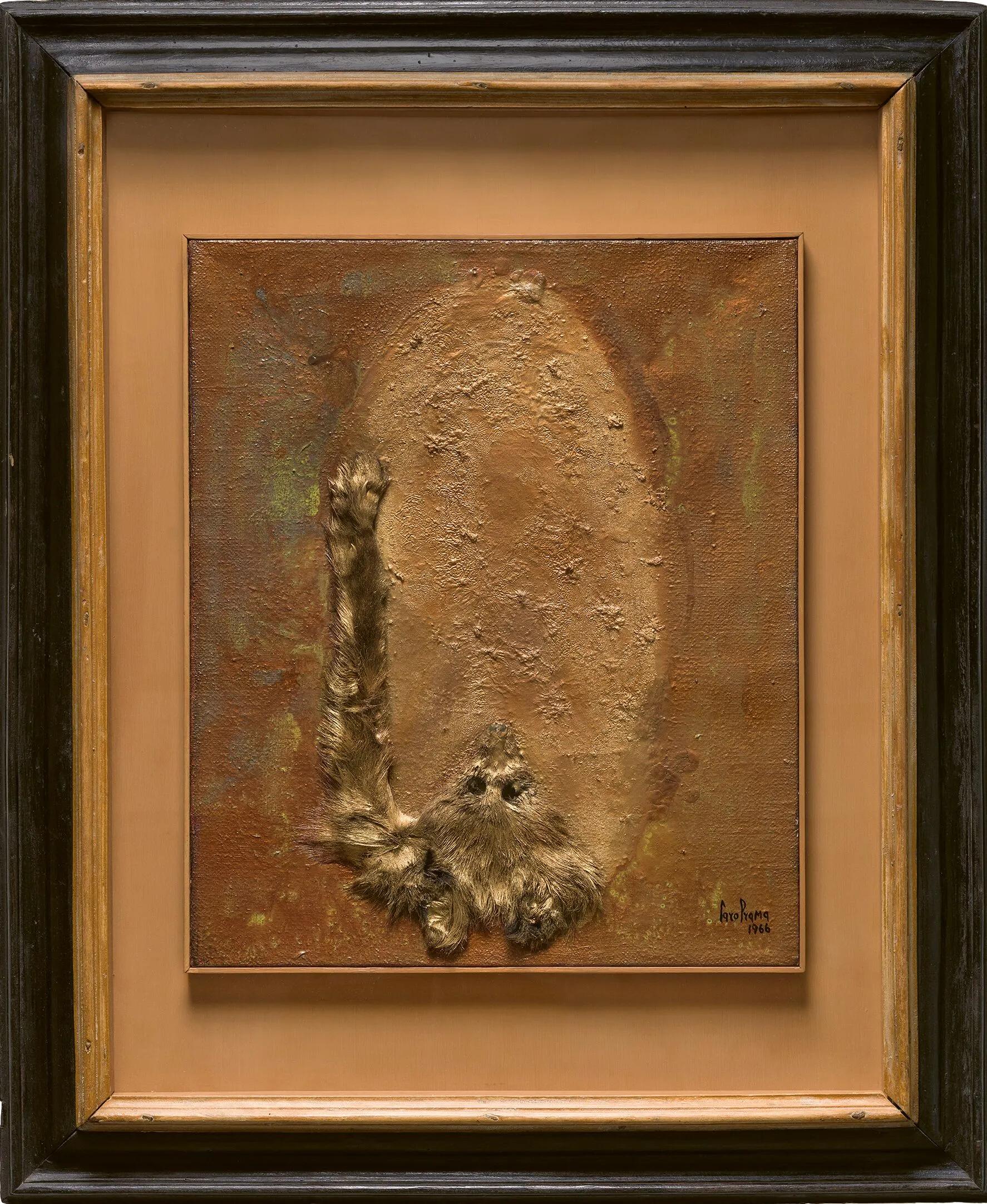
Carol Rama, Untitled, 1966. Private collection
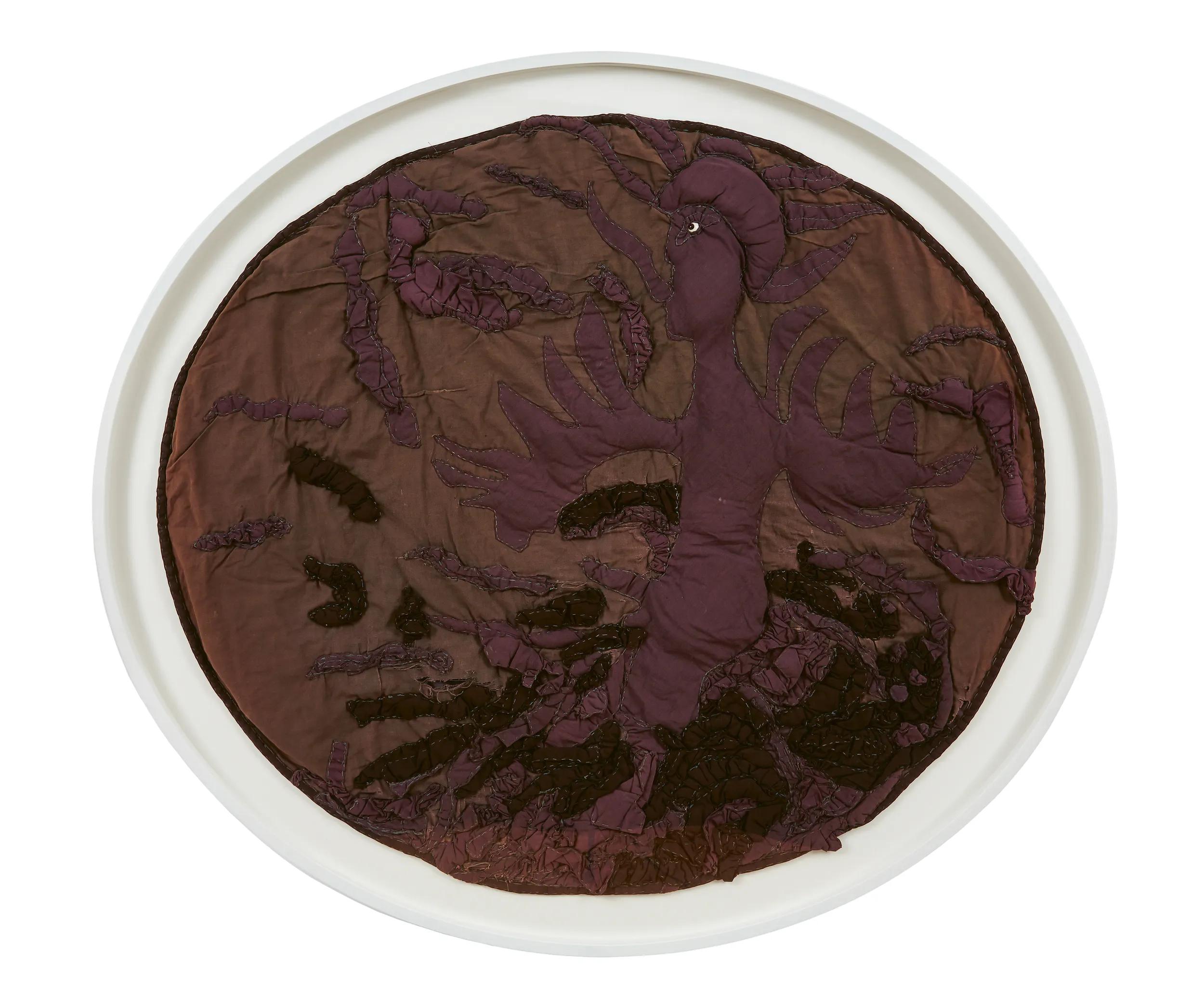
Carol Rama, Untitled, ca. 1983–84. Private collection

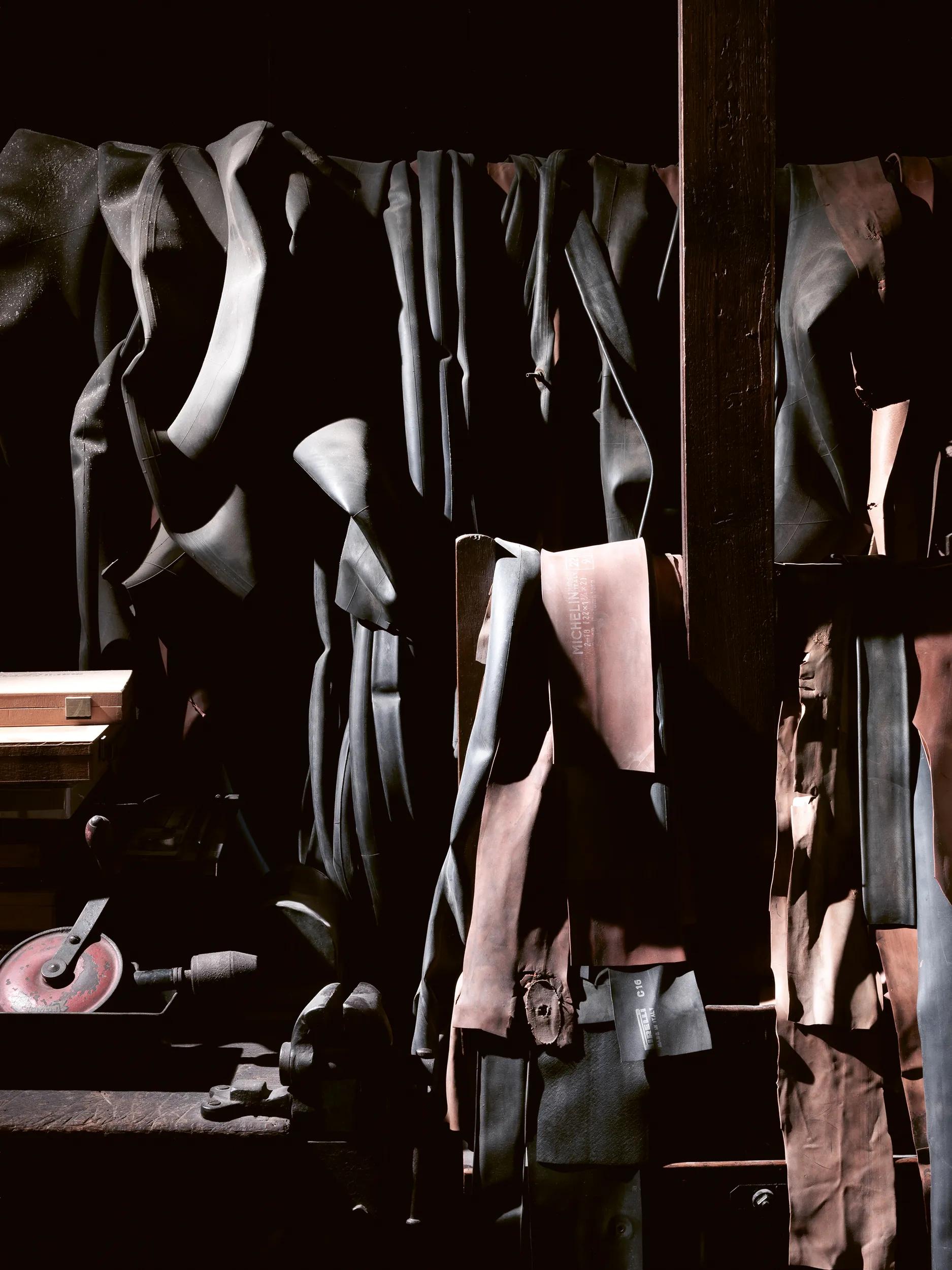
Photography by Bepi Ghiotti of Carol Rama’s studio-home in Turin, 2012–14 © Archivio Bepi Ghiotti
–
“Carol Rama: I See You You See Me” remains on view at Hauser & Wirth New York 22nd Street through July 31.
Artwork © Archivio Carol Rama, Turin
–
Alissa Bennett’s writing has appeared in publications including Texte zur Kunst, The Paris Review and The New York Times. She recently completed a screenplay about the life of the American writer Edith Wharton. Bennett teaches in the graduate programs at the Yale School of Art and Sarah Lawrence College and is a director at Gladstone.