
Dates
11 June – 5 September 2026
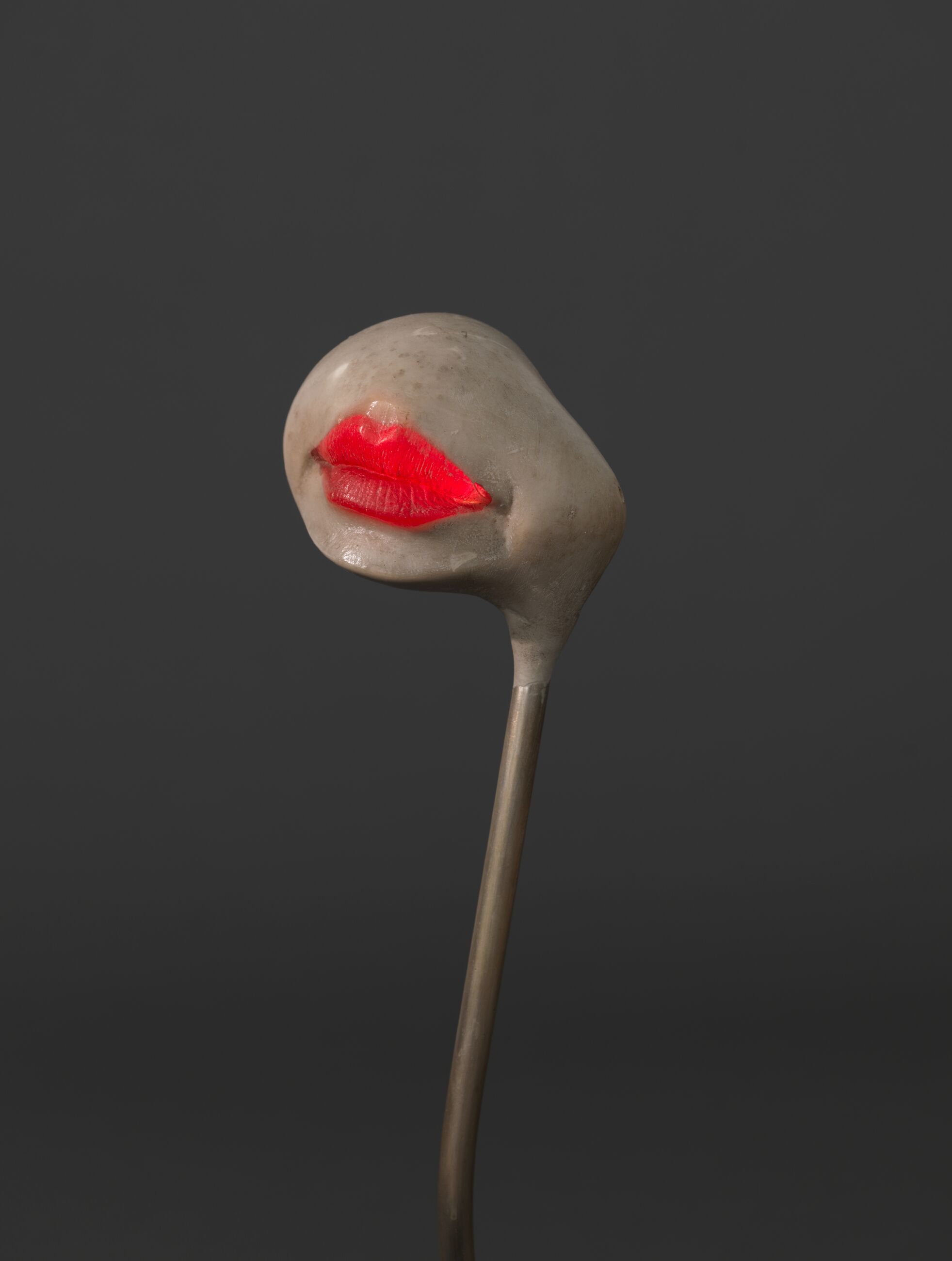
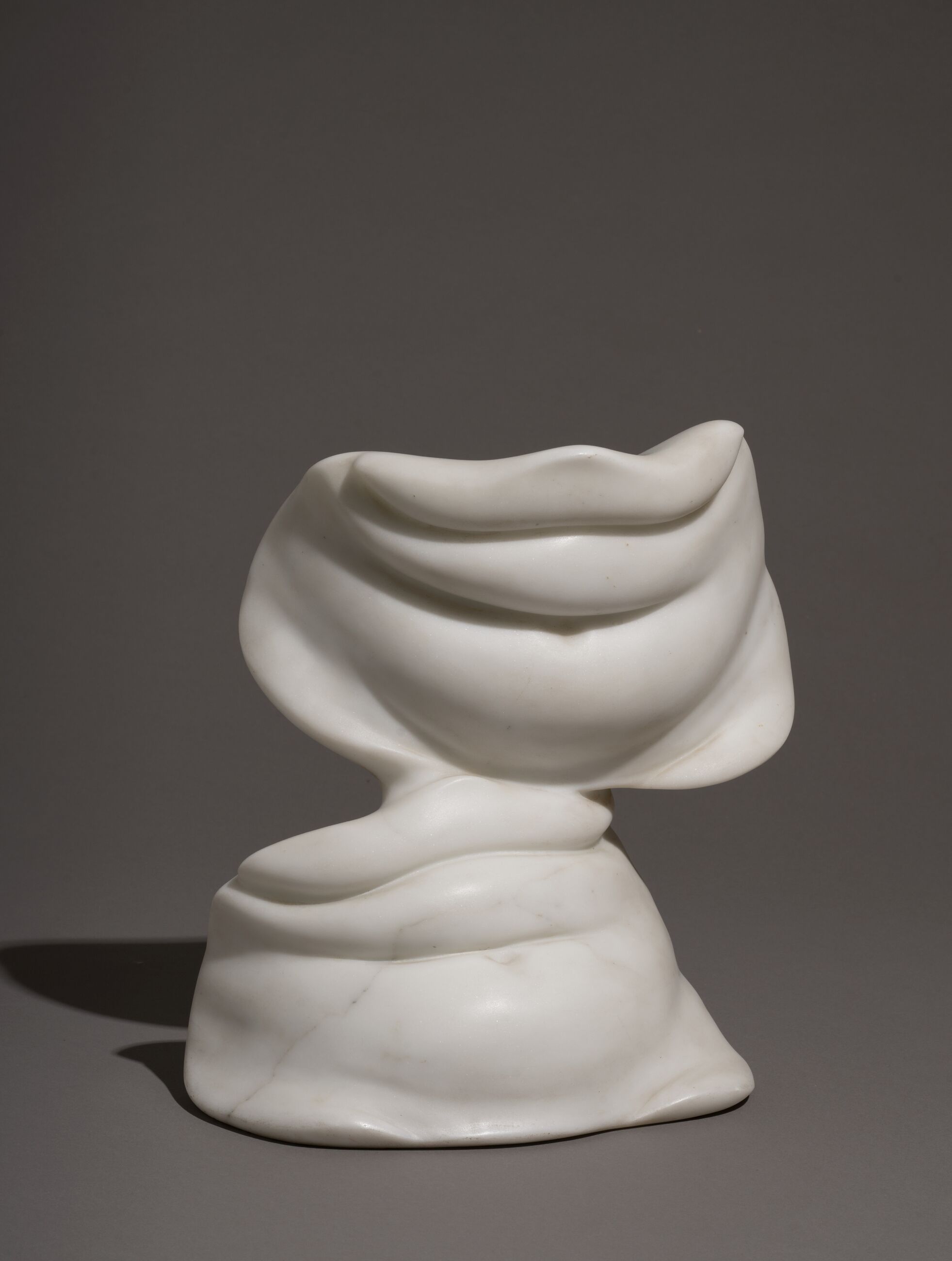
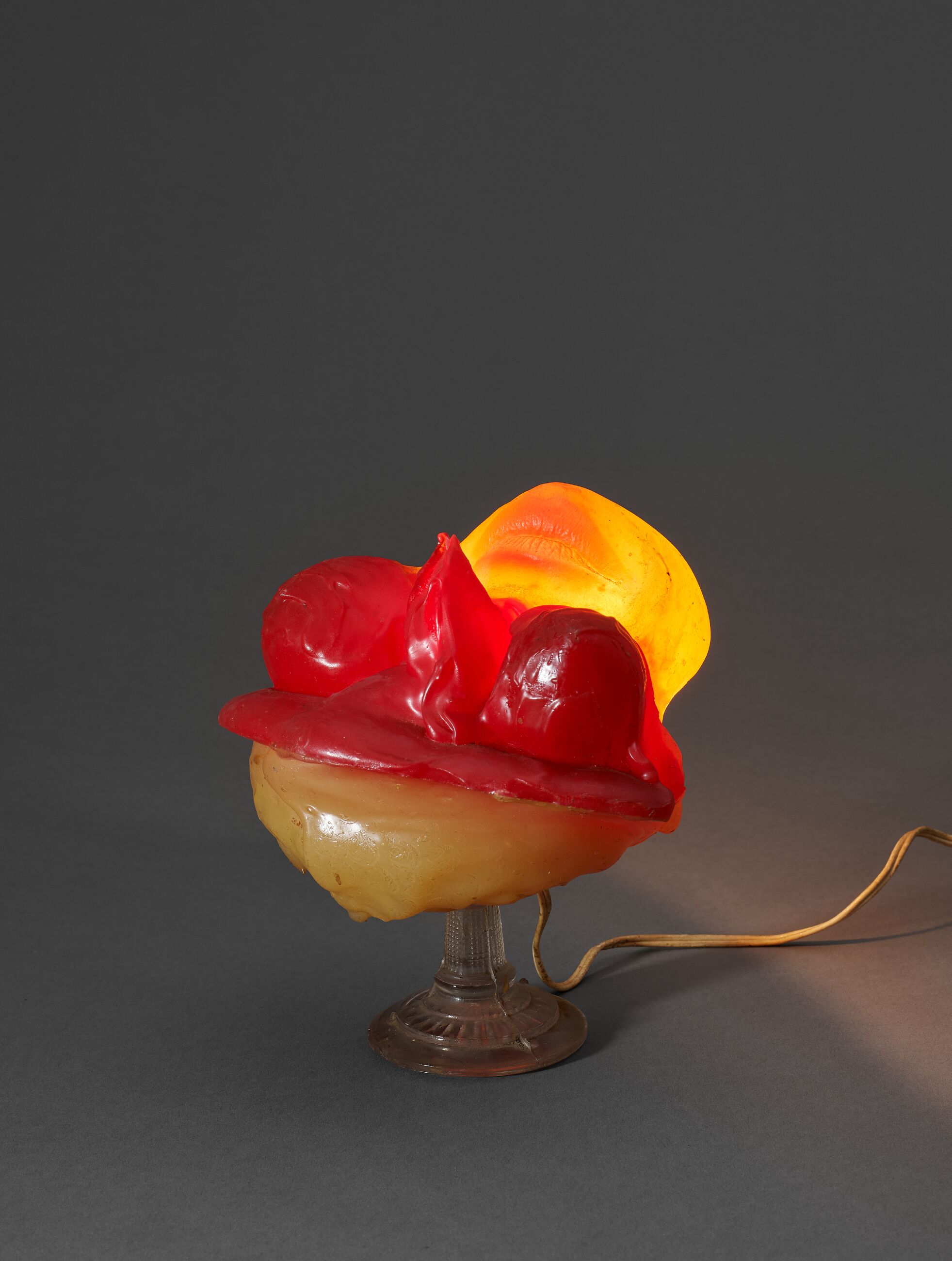
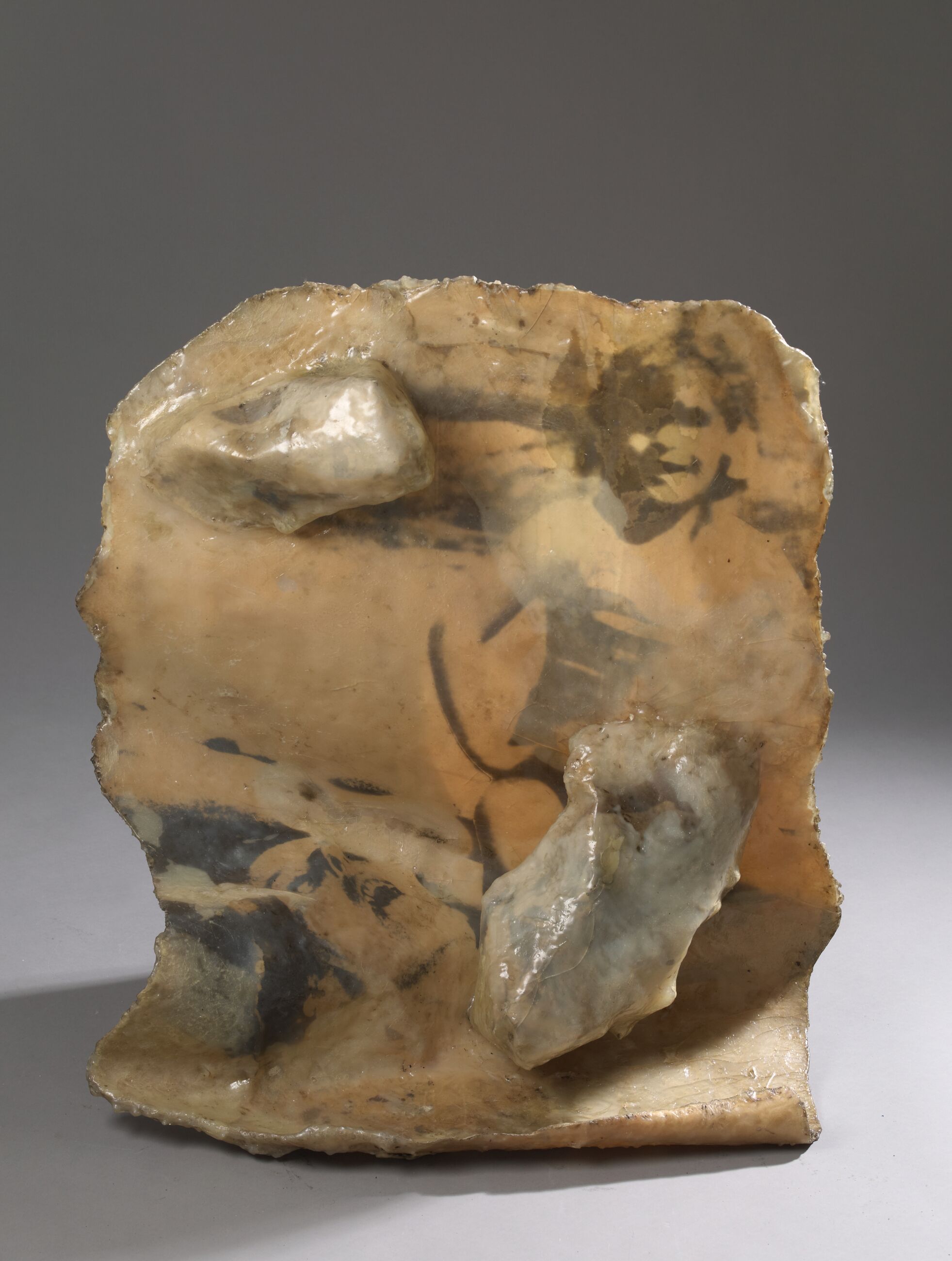
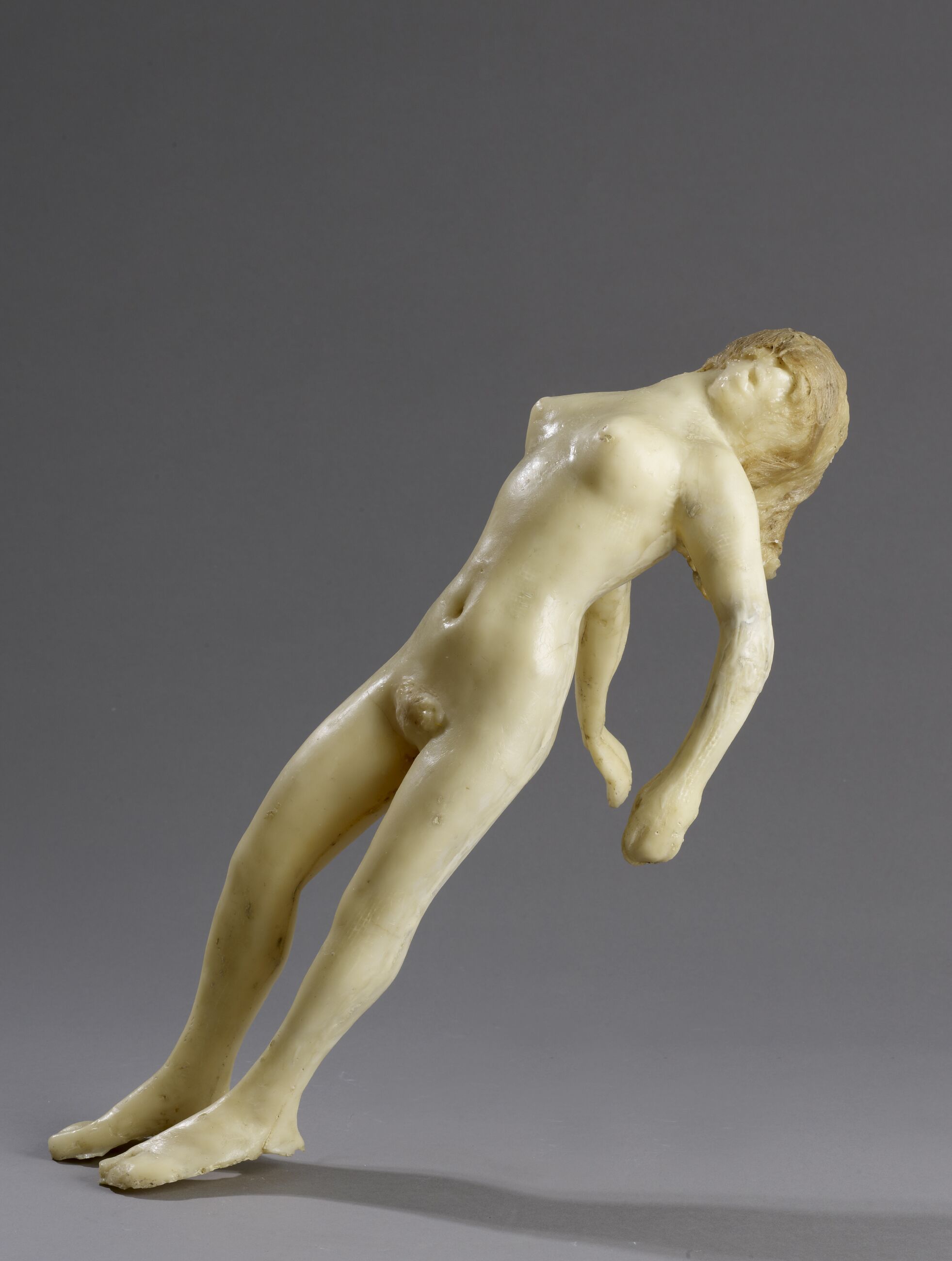
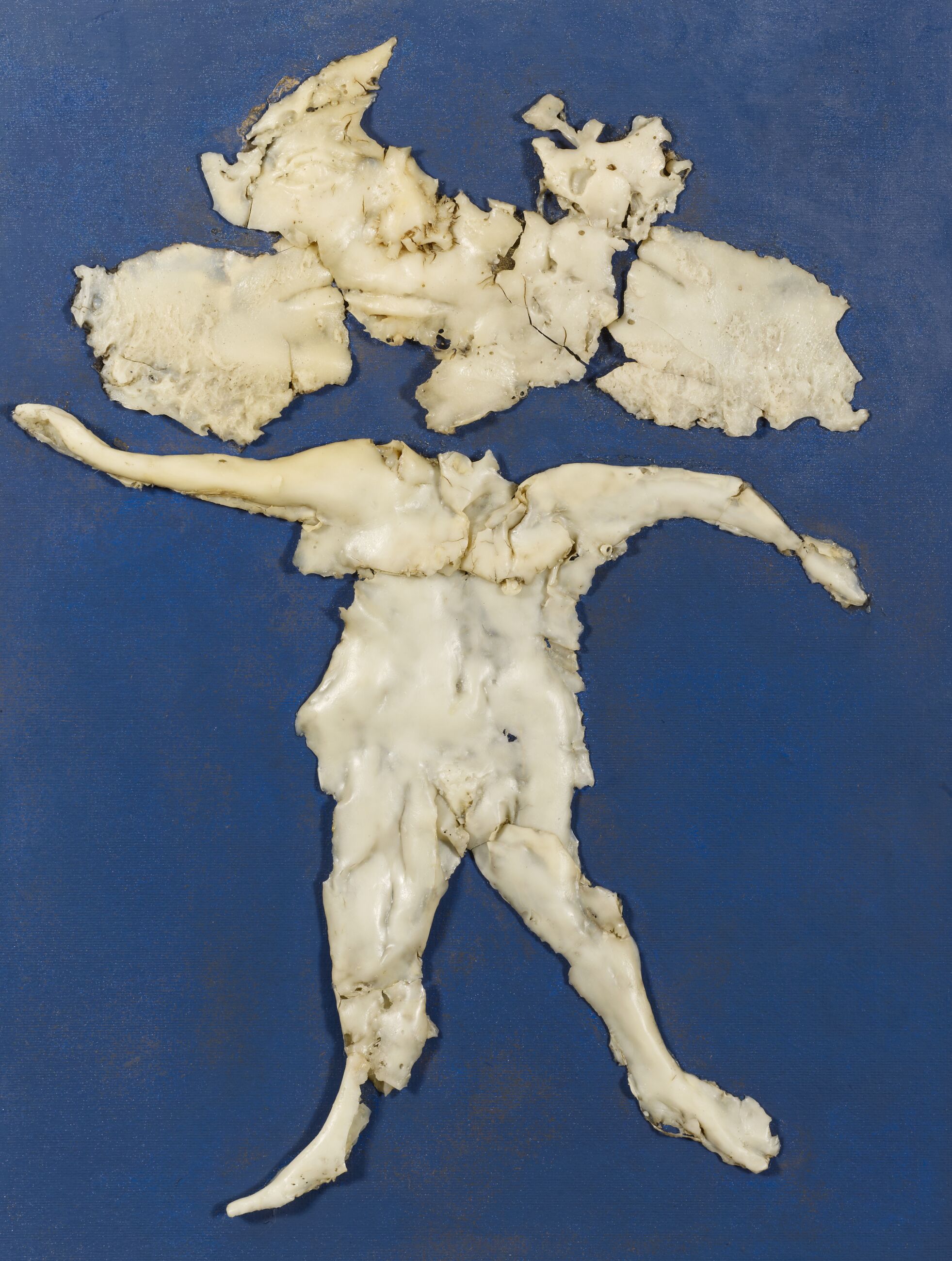
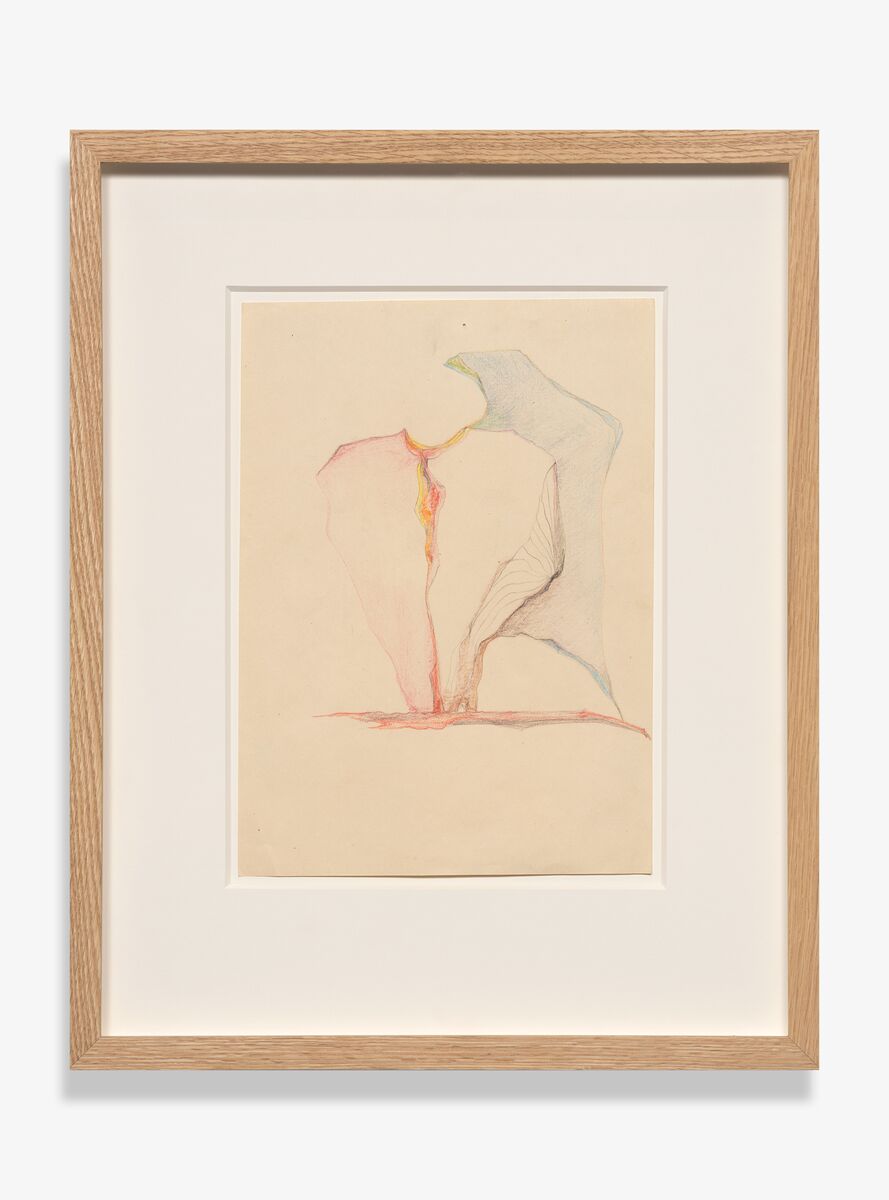
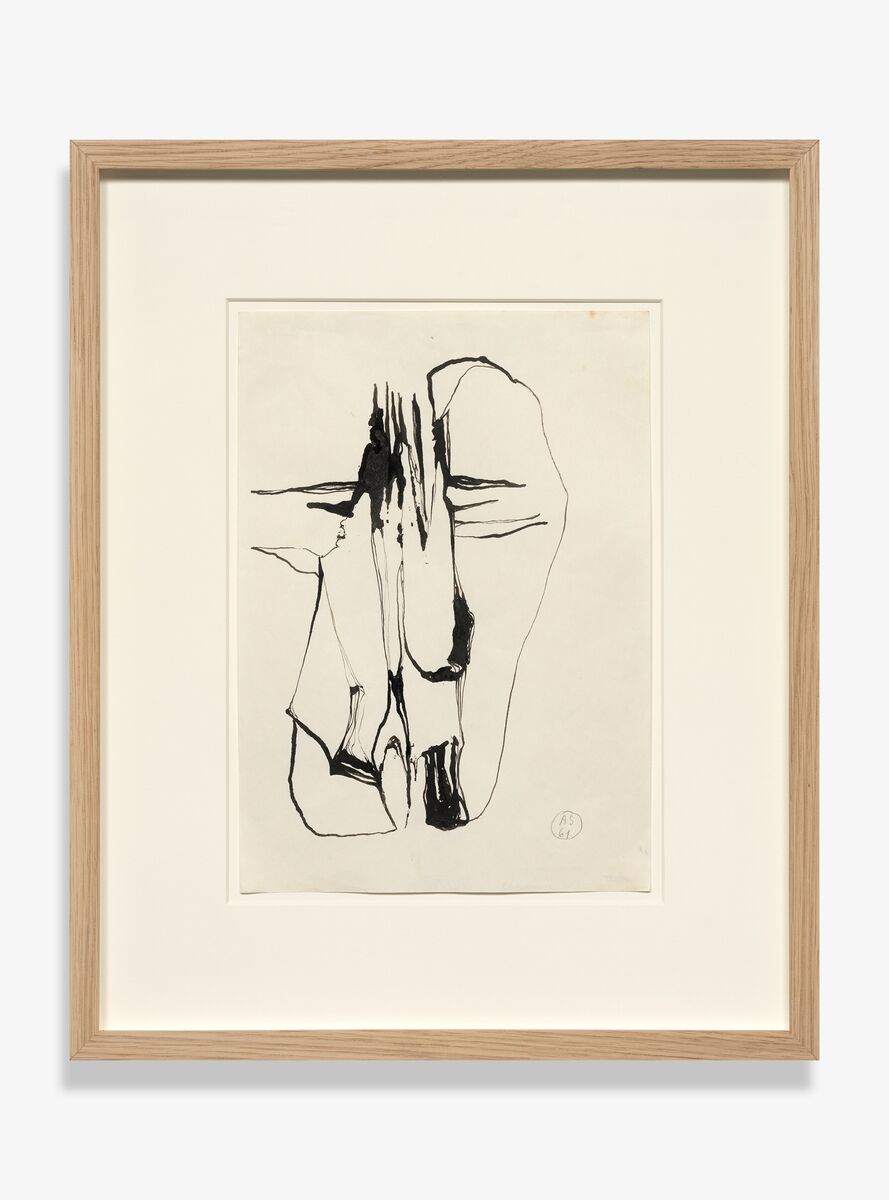
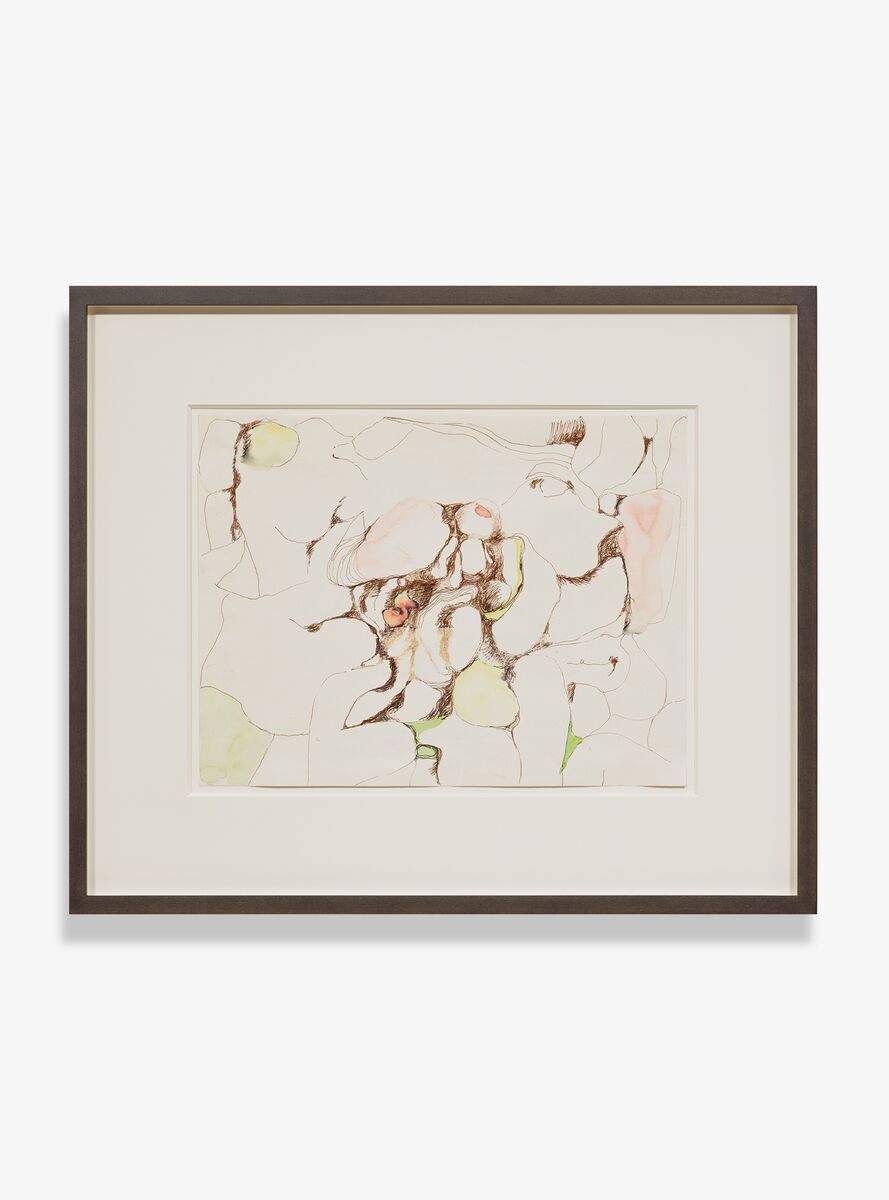
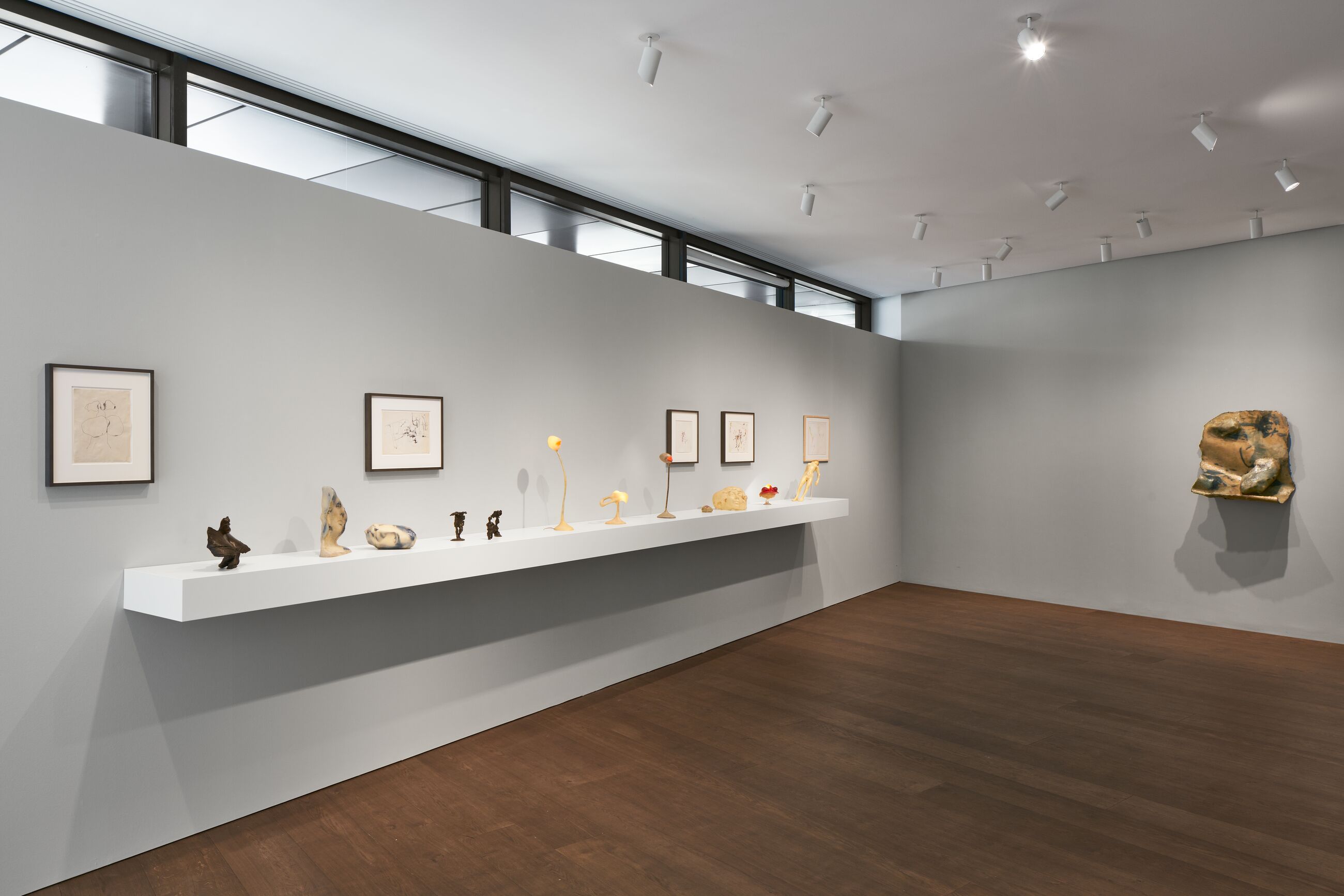
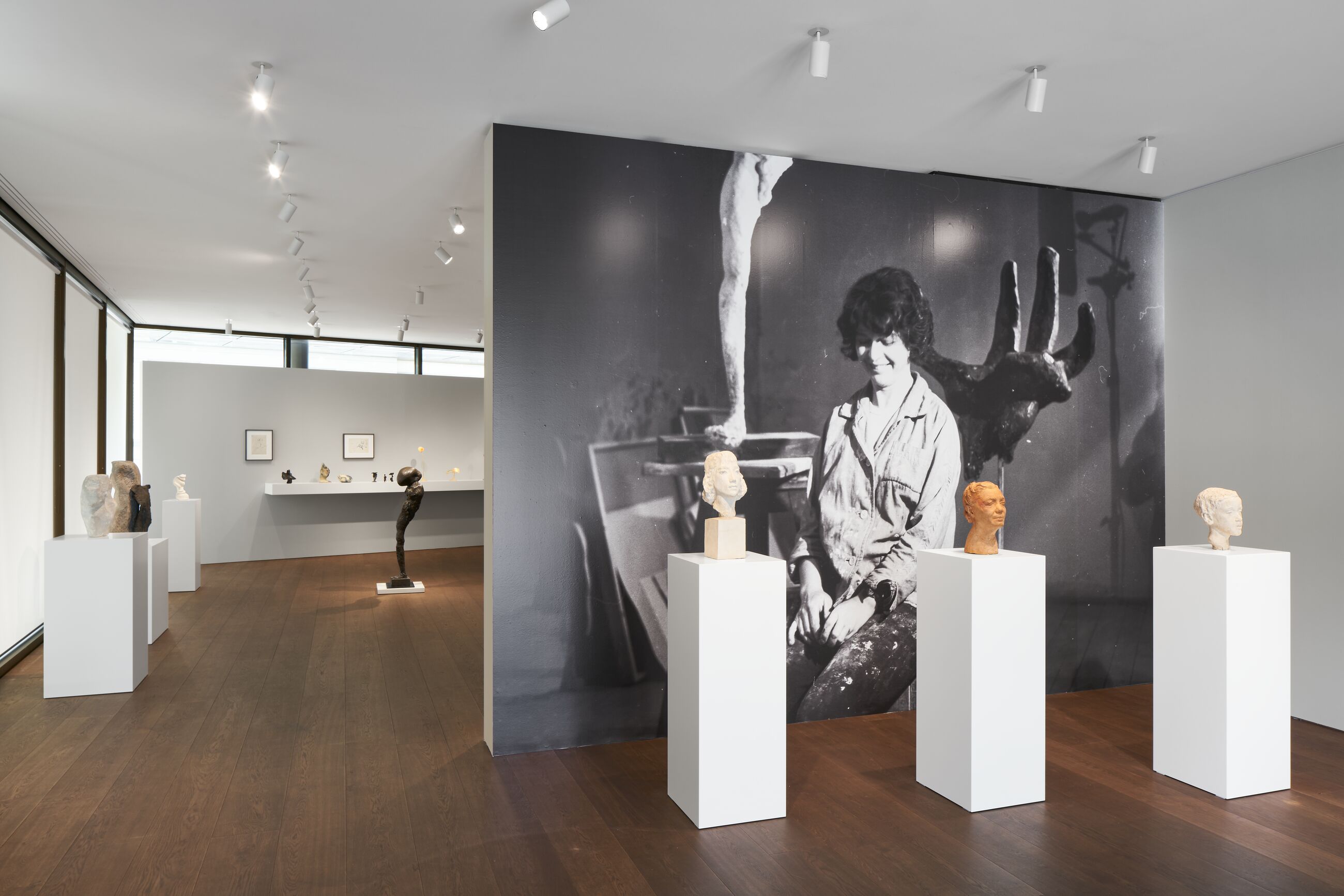
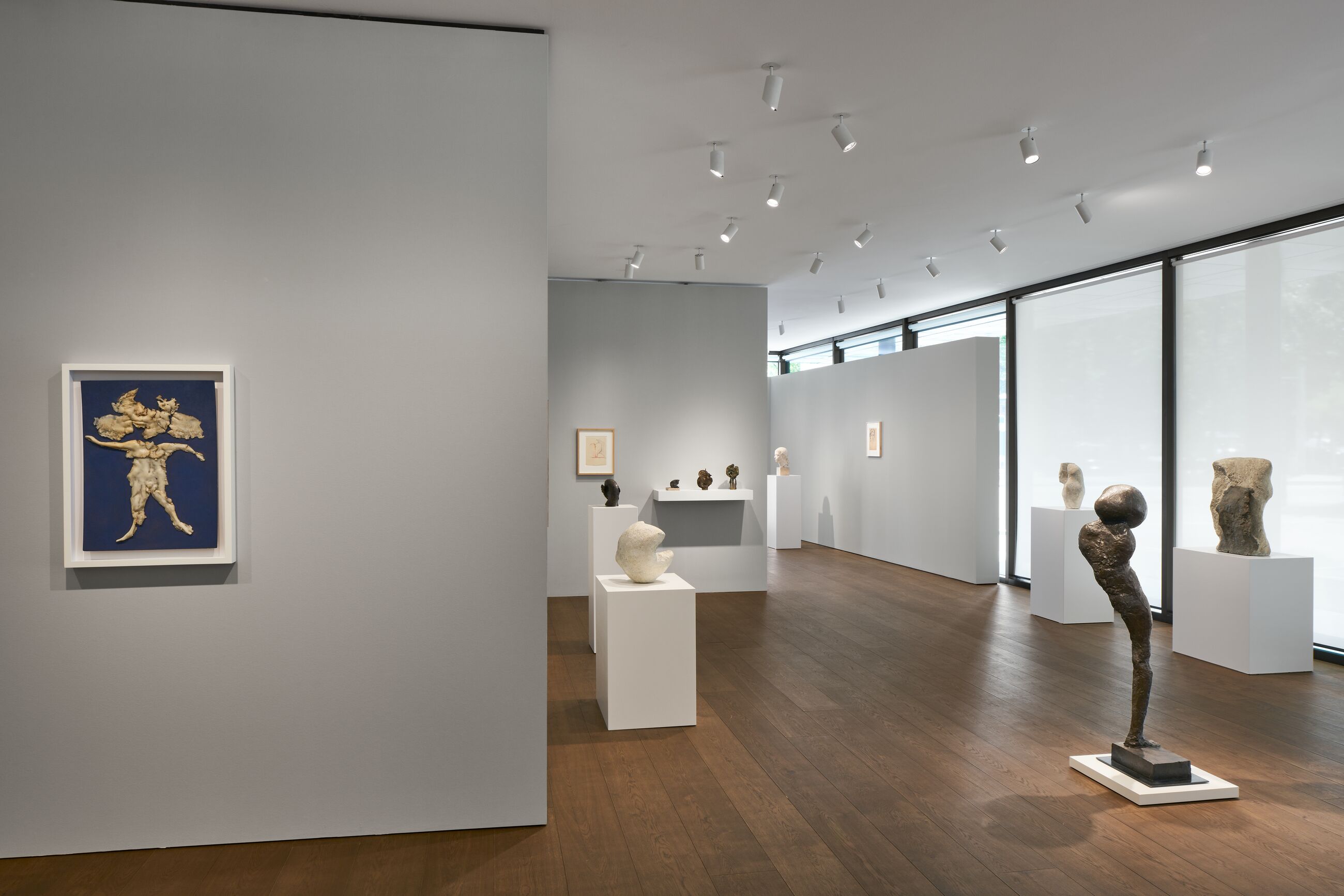
For Zurich Art Weekend 2026, our gallery on Bahnhofstrasse celebrates the centenary of the Polish artist Alina Szapocznikow’s birth with an autobiographical exhibition.
Opening alongside Galerie Loevenbruck’s exhibition in Paris, ‘Alina Szapocznikow. Autobiography in Fragments’ is a celebration across two cities, foregrounding the artist’s explosively inventive but brief career, which spanned from the mid 1940s until the early 1970s.
These two complementary exhibitions will together feature a work from each year that Szapocznikow was active to reveal the full expressive force of the artist’s practice, which reimagined sculpture as an intimate register of lived experience. Born in Poland to a Jewish family in 1926, Alina Szapocznikow survived internment in concentration camps during the Holocaust as a teenager. Immediately after the Second World War, she moved first to Prague (1945) and then to Paris, studying sculpture at the École des Beaux Arts (1947).
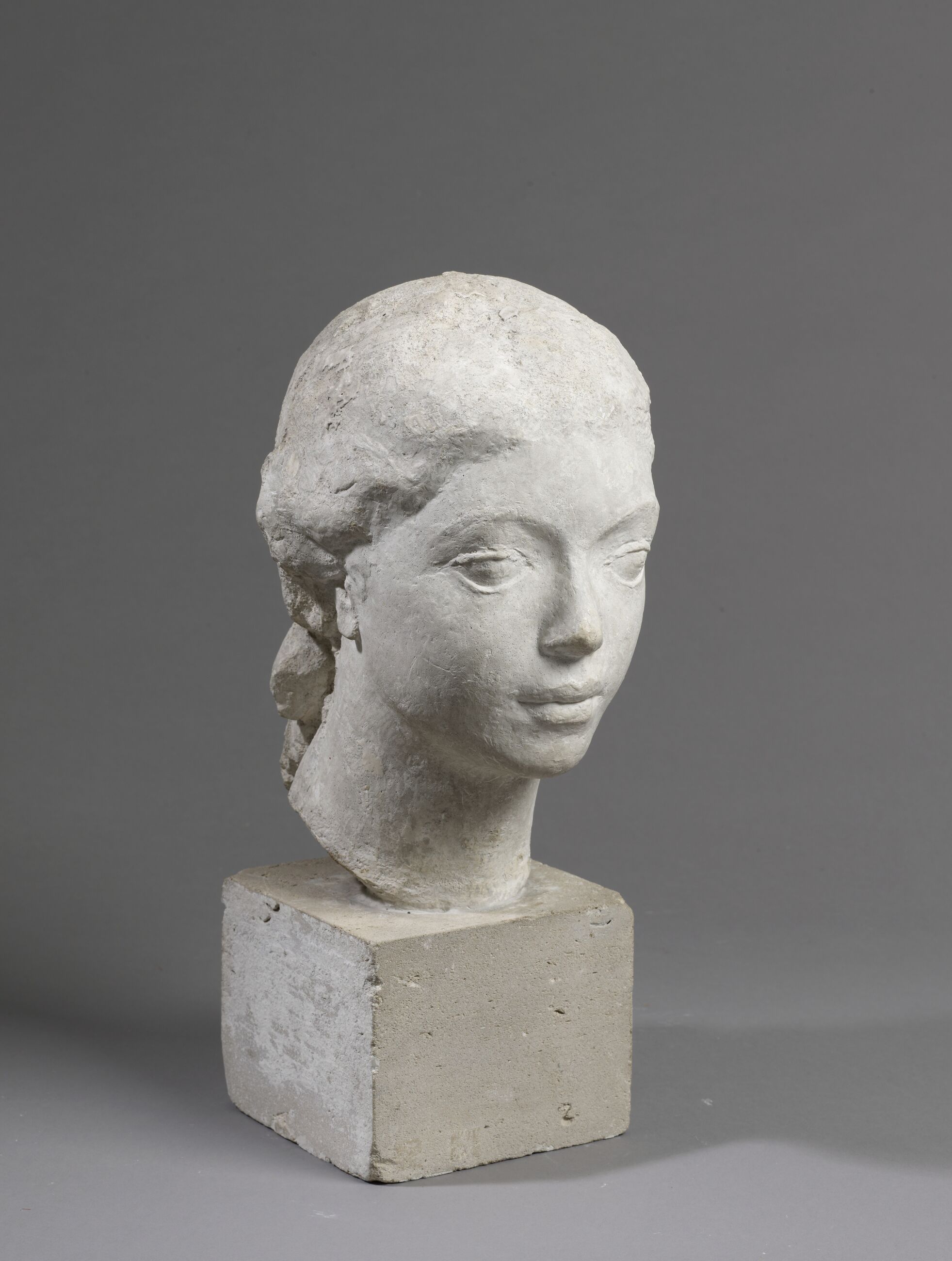
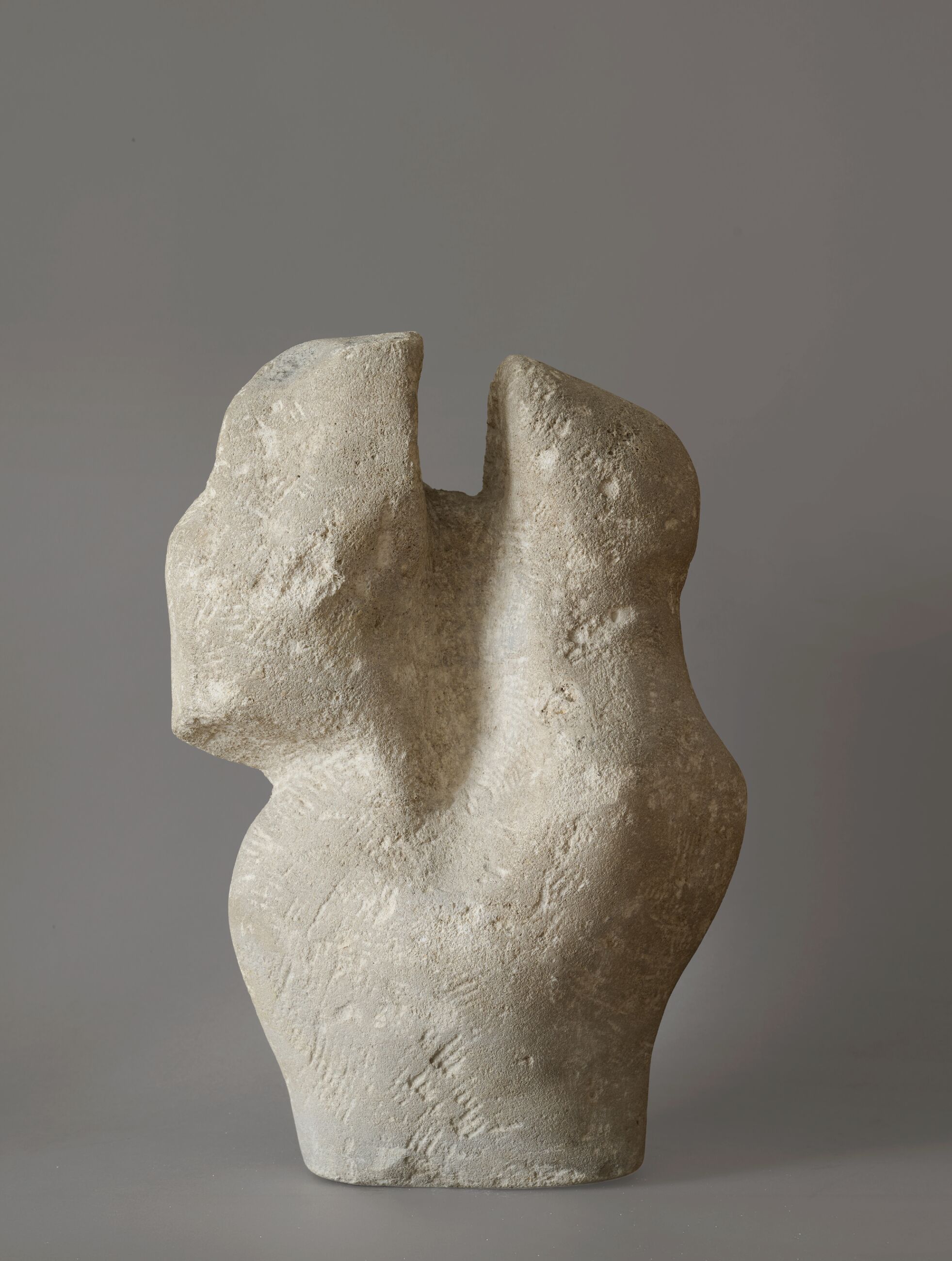
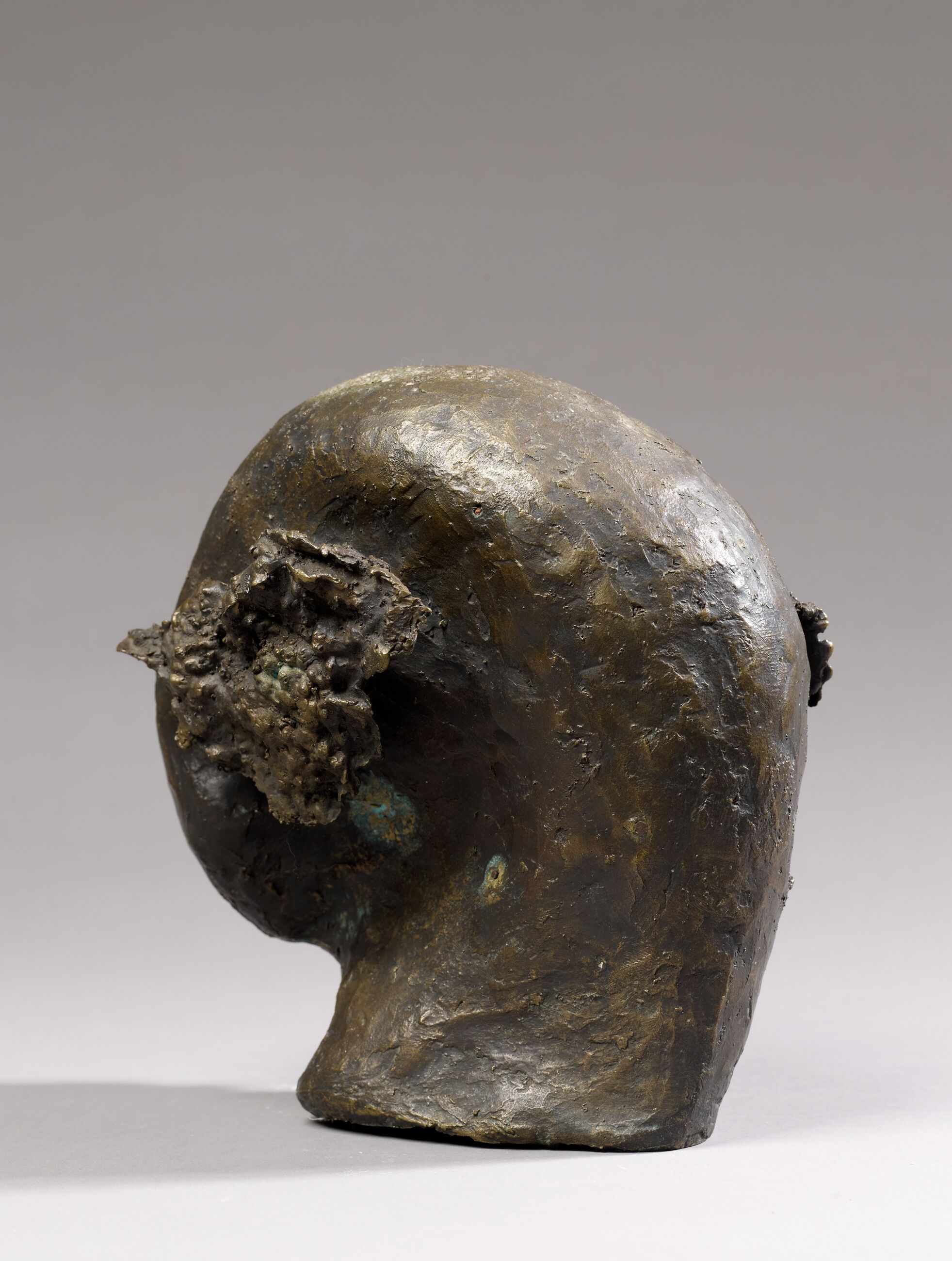
‘I am convinced that of all the manifestations of the ephemeral, the human body is the most fragile, the only source of all joy, of all pain and of all truth.’ —Alina Szapocznikow
Installation Views
1 / 2
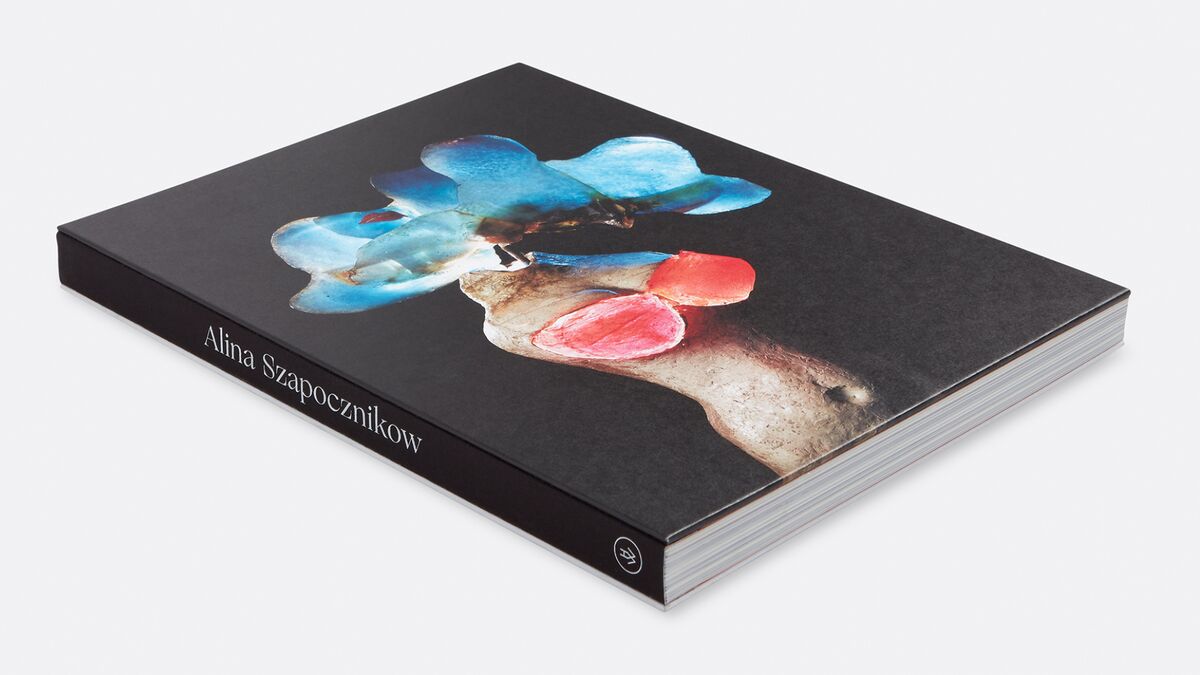
To Exalt the Ephemeral:
Alina Szapocznikow, 1962 – 1972
Tracing a body of work by Alina Szapocznikow from 1962 to 1972, this book by Hauser & Wirth Publishers considers pivotal turning points in the Polish artist’s life and career. Beautifully packaged, this title eveals the full expressive potential of Szapocznikow’s pioneering work through the material innovations she made during the last decade of her life.
Related Content
About the Artist
Alina Szapocznikow
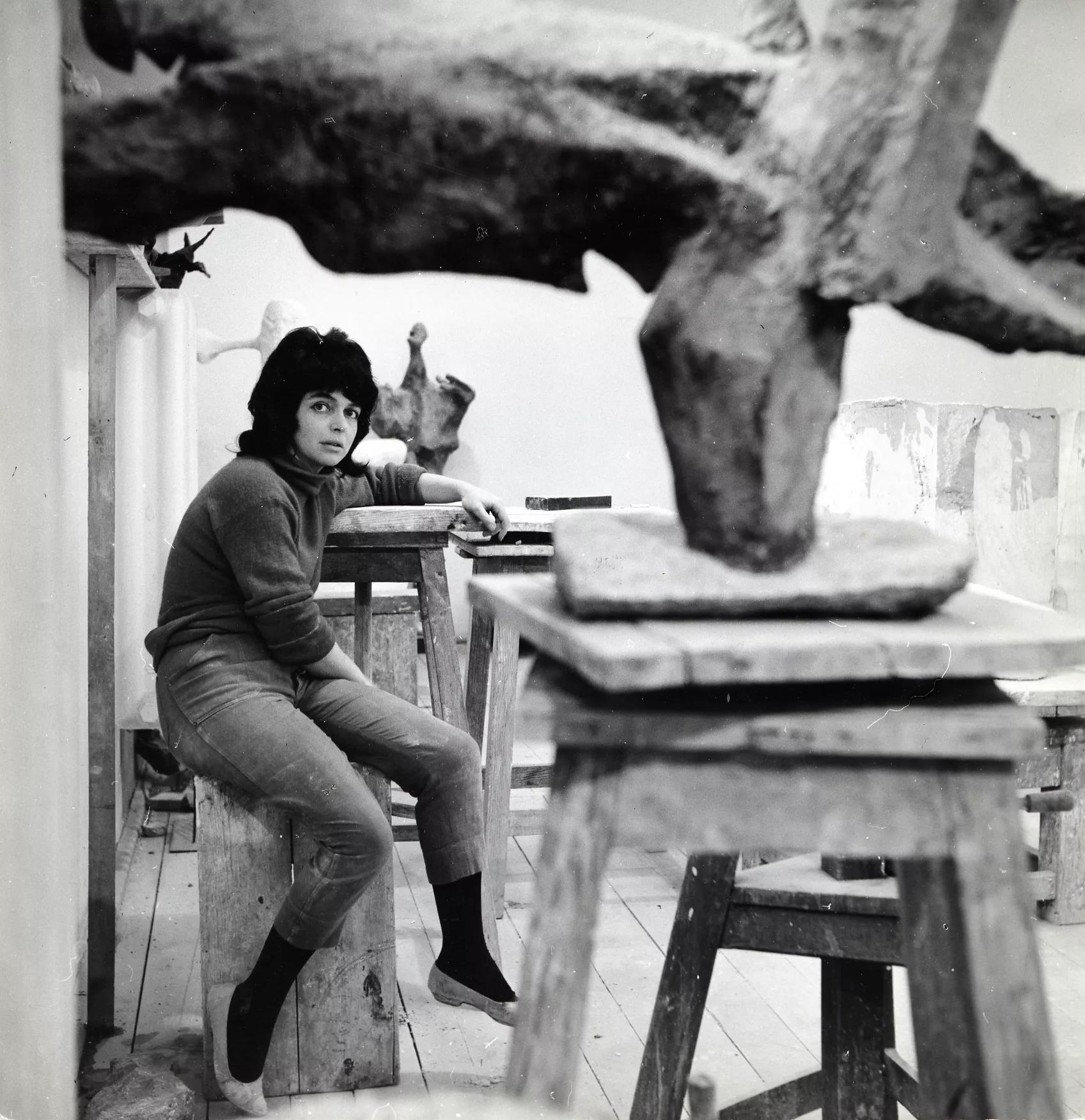
Born in Poland to a Jewish family in 1926, Alina Szapocznikow survived internment in concentration camps during the Holocaust as a teenager. Immediately after the war, she moved first to Prague and then to Paris, studying sculpture at the École des Beaux Arts. In 1951, suffering from tuberculosis, she was forced to return to Poland, where she expanded her practice. When the Polish government loosened controls over creative freedom following Stalin’s death in 1952, Szapocznikow moved into figurative abstraction and then a pioneering form of representation. By the 1960s, she was radically re-conceptualizing sculpture as an intimate record not only of her memory, but also of her own body.
In 1962, Szapocznikow experienced a breakthrough when she began to cast her own body in plaster. Her first work with this approach, ‘Noga (Leg)’, 1962 depicts the artist’s right leg—a very public statement on the human corpus as vehicle of pleasure, liberation, illness, death, and decomposition. She spoke of this turn in her development: ‘Haunted by the increasingly academic nature of abstract art, and at the same time, partly out of my spirit of contradiction and partly perhaps out of some artistic exhibitionism, I made a cast of my own leg and an assemblage of casts of my face… Fortunately we believe that in art everything has been already, so nothing has been yet.’
Szapocznikow was diagnosed with breast cancer in 1969, a turn of events that shaped her later sculptural and photographic efforts. In a series of sculptures titled ‘Tumors,’ made of resin, gauze, crumpled newspapers, and photographs, the artist gave form to the anxiety and existential challenges of illness. Szapocznikow’s final works express her pointed desire to engage with something deeper and ineffable, physical and psychological, the symptoms of bodily experiences and the traces of what we leave behind. She wrote, ‘Despite everything, I persist in trying to fix in resin the traces of our body: I am convinced that of all the manifestations of the ephemeral, the human body is the most vulnerable, the only source of all joy, all suffering, and all truth.’
Current Exhibitions



1 / 12