

Three Questions for… Samora Pinderhughes
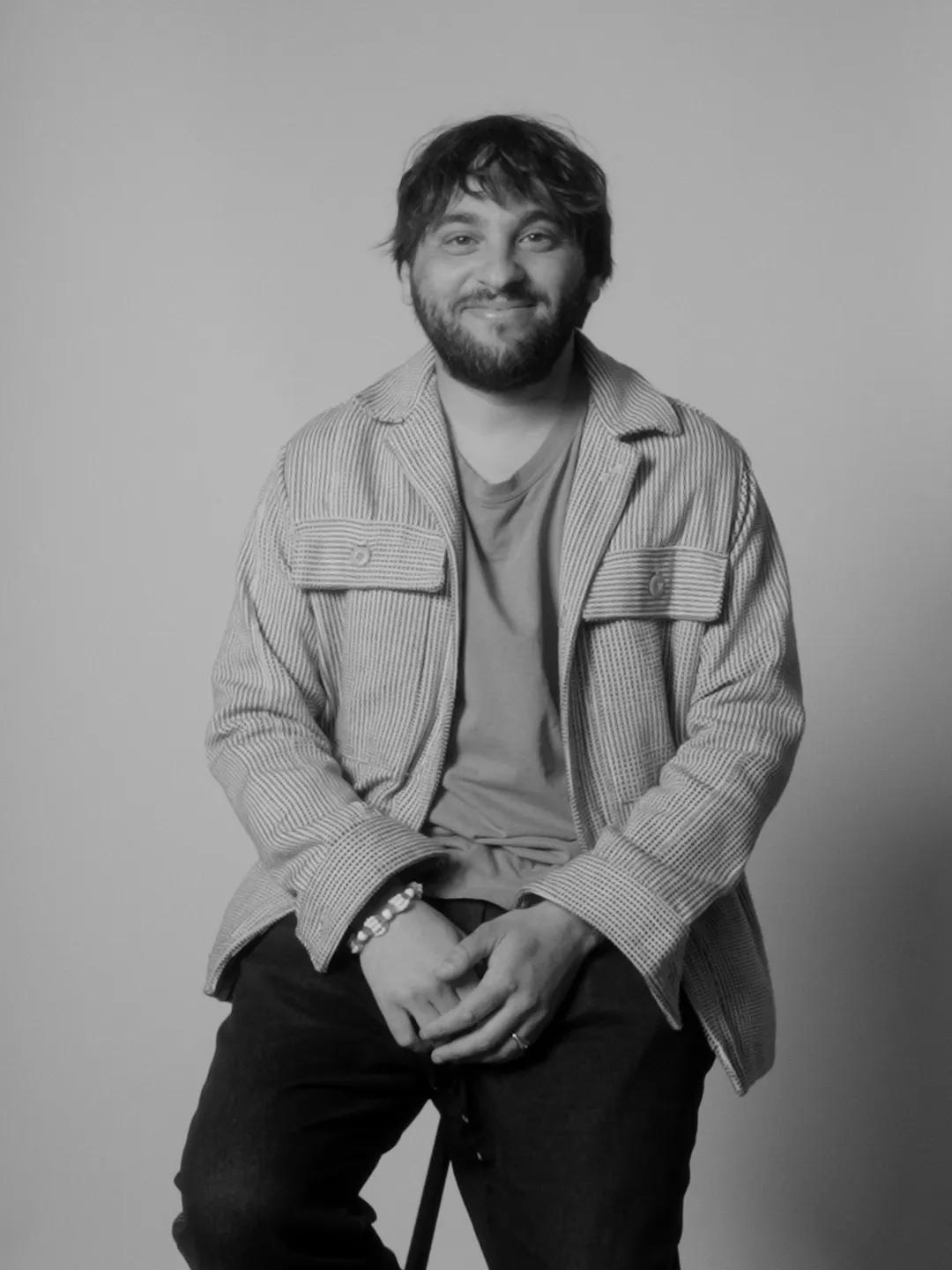
In the latest installment of Three Questions for—in which we cross-examine some of our favorite cultural figures—we met with multidisciplinary artist, composer and filmmaker Samora Pinderhughes. Working across music, performance, film and social practice, Pinderhughes creates deeply personal works that explore grief, healing and structural violence through vulnerability, collaboration and storytelling.
What object would you smuggle home from a museum?
If I could take home any object or piece of art that's in a museum, I would probably choose Pepón Osorio's piece entitled Badge of Honor. That piece has inspired me so much. It consists of two rooms built out from a conversation, a set of interviews between a father who's incarcerated and his son. It's probably the most moving piece of artwork I've ever seen, and it has deeply influenced my own work creating art to combat the carceral system.
What character in literature do you relate most to?
I think there are two characters in literature that I probably relate to most. One is Ocean Vuong himself in his book On Earth We're Briefly Gorgeous. That's a book that really connects with me in terms of his grappling with the realities of grief, the grieving process and living a life as an artist while growing up and growing older. The other character would probably be the protagonist in Ralph Ellison's Invisible Man.
What is the best bit of advice you've ever received?
The best bit of advice I've ever received was from my mentor, Anna Deavere Smith, who told me, "The best things take a lot of time." I think when you're early in your career as an artist and you have these big ideas, you desperately want them to happen very quickly. But anything that's made with detail, care, craft and intention has to take a lot of time. So that was the best advice I've ever received.
–
Samora Pinderhughes is a composer, pianist, vocalist, filmmaker and multidisciplinary artist whose work spans music, performance, film, installation and social practice. Through The Healing Project—a community arts initiative developed with people directly affected by incarceration and structural violence—he explores grief, healing and community through collaborative forms of storytelling. Pinderhughes was the 2025 MoMA Adobe Creative Resident where he presented the exhibition and performance series Call and Response. He was the first-ever Art for Justice + Soros Justice Fellow and a recipient of Chamber Music America’s 2020 Visionary Award.