

Diary
The Radar: Anna Maria Maiolino
Maiolino’s guide to São Paulo, Brazil
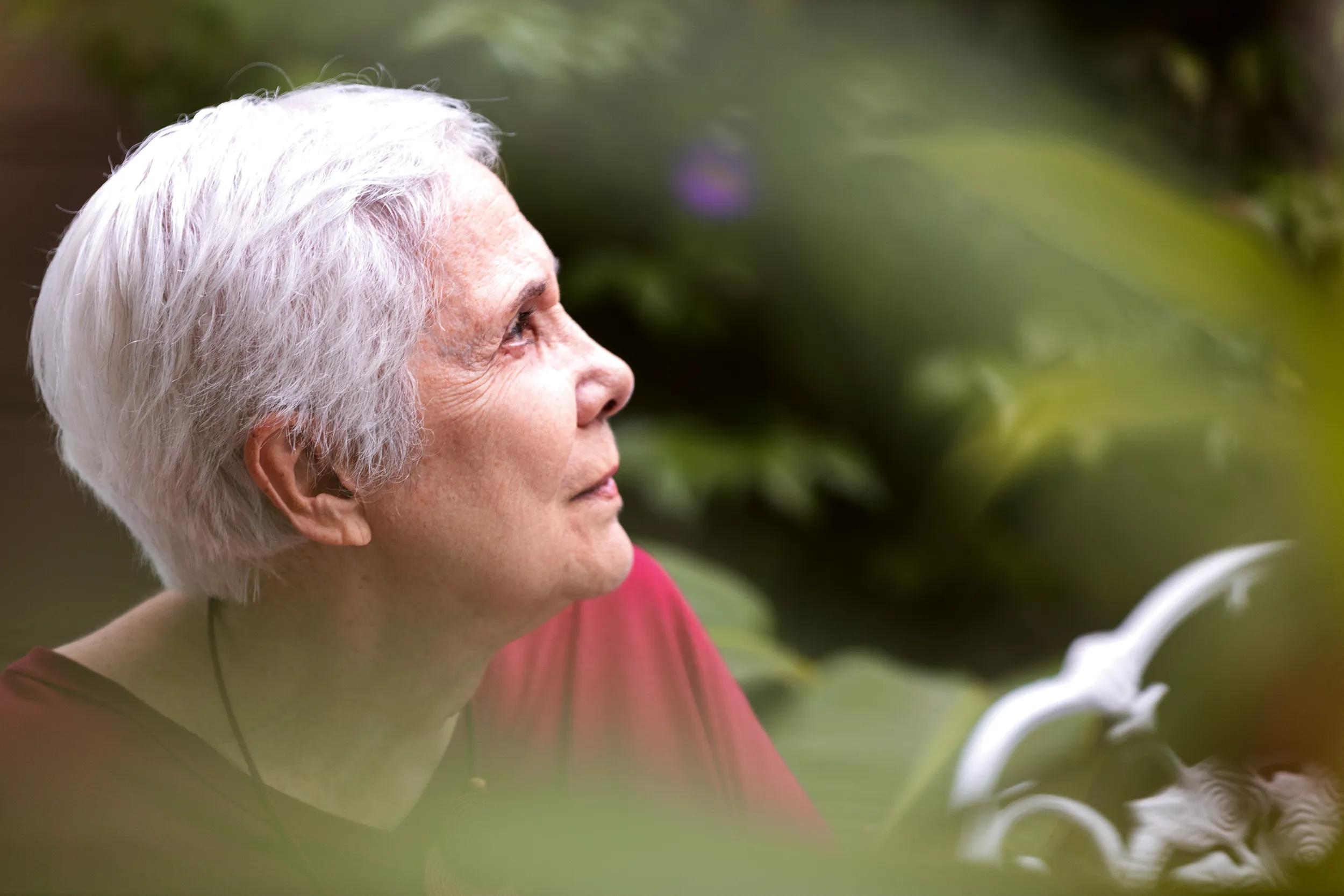
Anna Maria Maiolino. Photo: Everton Ballardin
In this edition of The Radar—Ursula’s uncommon cultural recommendations from our friends and colleagues around the world—the Italian-born artist Anna Maria Maiolino, who has lived in Brazil since 1960, takes us around São Paulo.
Mercadão Municipal de São Paulo
The Paulistano Municipal Market, affectionately called the Mercadão, stands as a symbol of the capital. Inaugurated in 1933 within a building designed by architect Ramos de Azevedo, it is renowned for its grand architecture and its exquisite stained glass windows by Conrado Sorgenicht Filho, which portray scenes of agricultural and pastoral life. Situated on Cantareira Street in the city’s historic center, the market is a quintessential landmark for tourism and gastronomy, gathering a vast array of regional goods—from exotic fruits and spices to the city’s legendary mortadella sandwich.
More than just a commercial hub, the Mercadão is a captivating environment that piques the senses; it is an icon of the diversity upon which São Paulo was built. This blend of cultures and traditions has forged a city that mirrors, through its daily rhythm and modernization, the rich plurality of Brazil’s own journey.
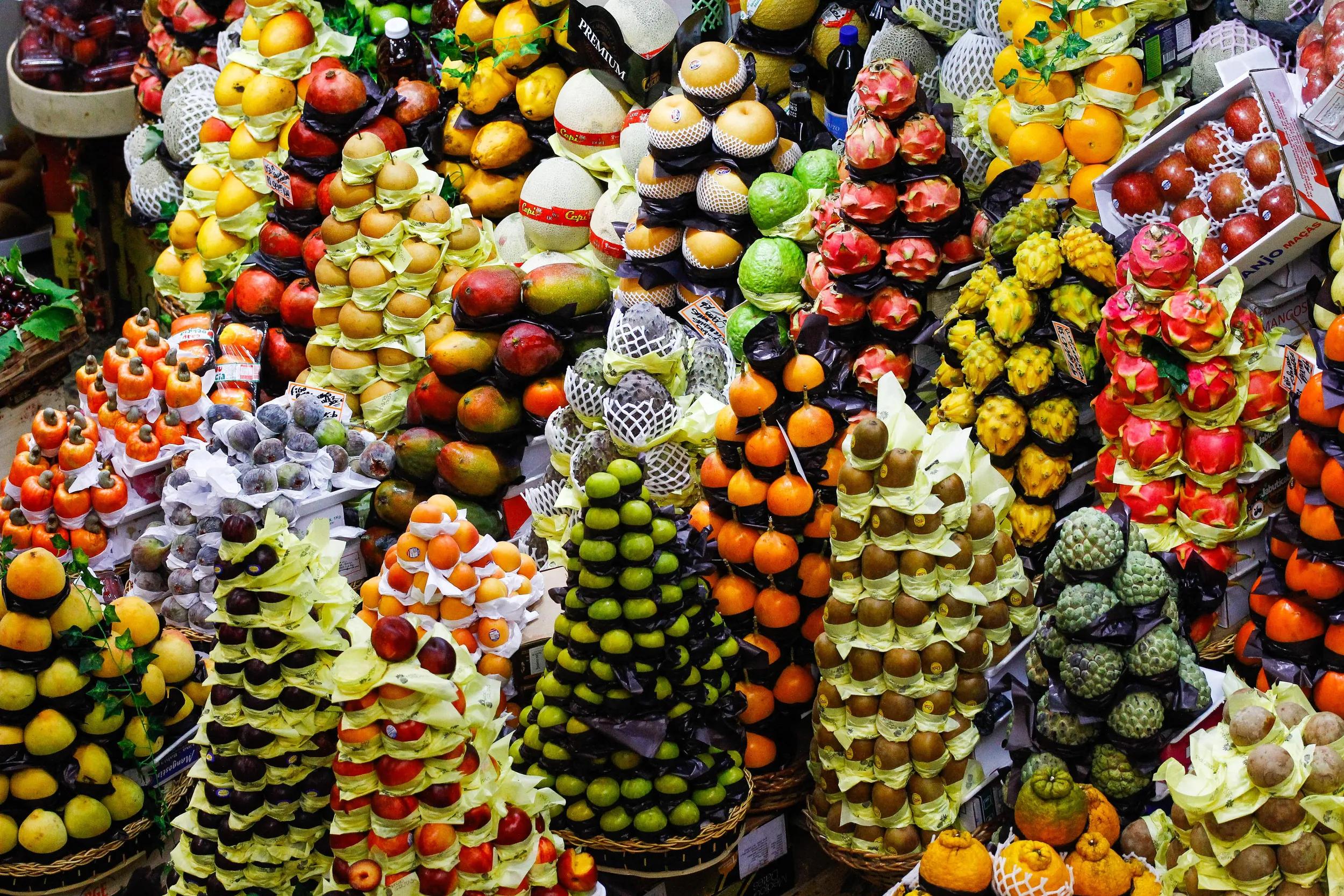
A fruit vendor at the Mercadão. Photo: Foto Arena LTDA / Alamy
Pivô
This nonprofit, independent art space has been a staple of the contemporary scene since 2012. It’s tucked away right inside the iconic Copan Building in downtown São Paulo—yes, the one designed by the legendary Oscar Niemeyer! Occupying the ground floor, Pivô has been a vibrant hub for exhibitions and artist residencies. A great example was the 2018 show “Imannam,” which brought together amazing works by Ana Linnemann, Laura Lima and myself.
Pivô’s heart is all about research, experimentation and artistic exchange, sparking deep conversations about art and society. The program welcomes both Brazilian and international artists and features plenty of cool opportunities for young people, like talks, workshops and debates.
It’s a place where creation happens in direct dialogue with the public and the city itself. And, excitingly, in 2023, Pivô expanded to Salvador! Set in a beautiful historic mansion, the new spot strengthens the space’s ties to northeast Brazil and reaffirms Pivô as a dynamic home for fresh ideas and artistic practices.
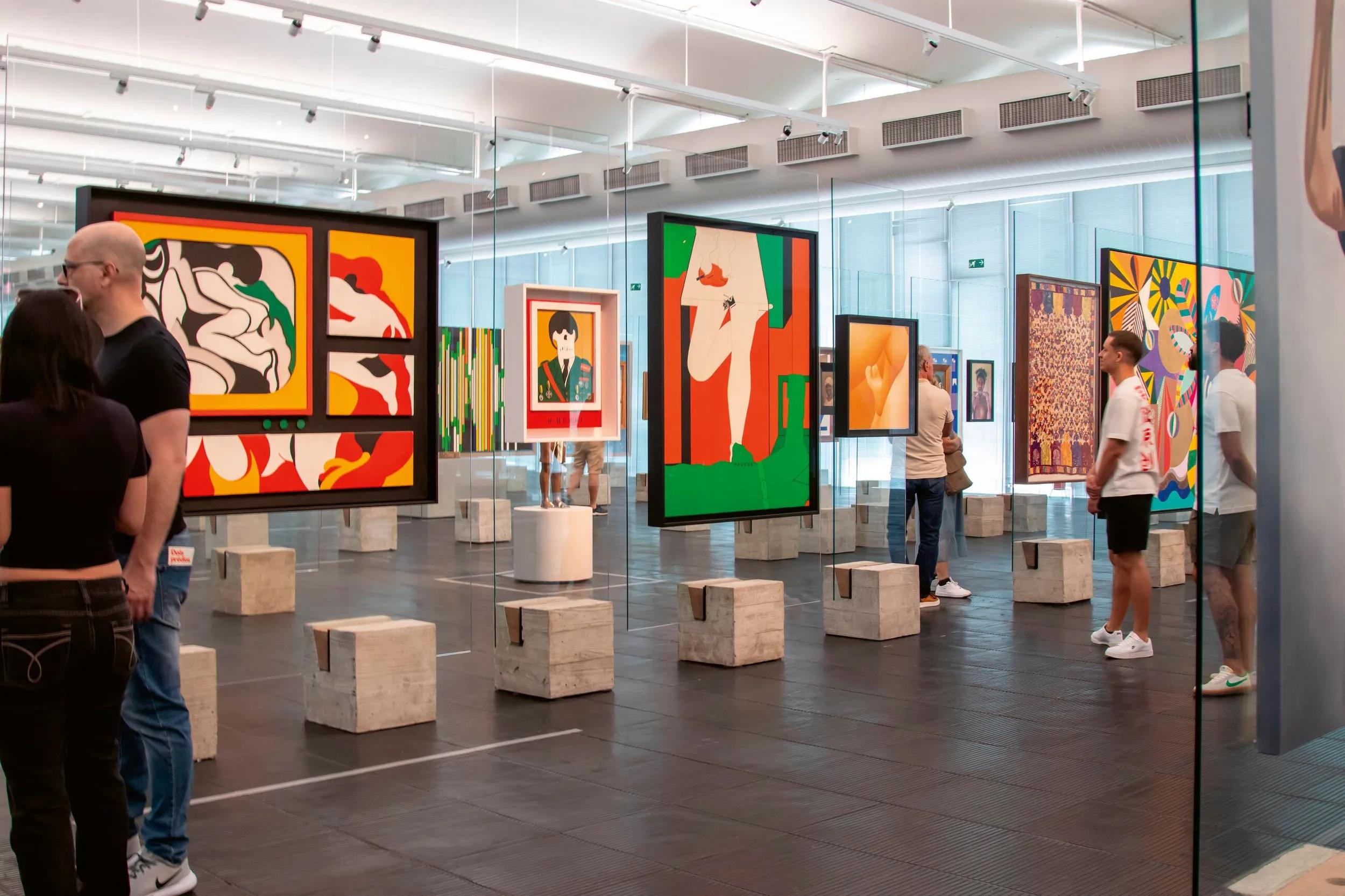
MASP’s interior galleries. Photo: Junior Pereira / Alamy
MASP
The São Paulo Museum of Art (MASP), located on Paulista Avenue, stands as one of the preeminent cultural hubs in Brazil and all Latin America. Founded in 1947 by Assis Chateaubriand as the country’s first modern and pluralistic museum, it initially operated on 7 de Abril Street before moving to its permanent headquarters in 1968. Designed by the renowned Italian architect Lina Bo Bardi, the building has become a landmark of Brazilian modern architecture, recognized worldwide for its monumental 74-meter free span supported by four red pillars—a design that creates a vast public plaza beneath the structure.
This open space has become a symbol of the city, serving as a venue for cultural manifestations, social events, and, more recently, art performances that reinforce the role of the museum as a place for artistic encounters and social gatherings. The building’s concrete-and-glass design was intended to integrate the museum into the urban fabric; the lightness provided by the free span has earned it the moniker of the “suspended museum.”
MASP houses an extensive collection of Western and Brazilian art and organizes temporary and long-term exhibitions—featuring Bo Bardi’s iconic crystal easels—alongside art research and a diverse program of lectures and workshops. These initiatives establish critical dialogues between the past and the present across various cultures and territories.
In 2025, the museum inaugurated the Pietro Maria Bardi Building, a new annex that expanded MASP’s exhibition capacity by 66 percent. That same year, the city of São Paulo granted the museum the use of the free span area for the next decade. This milestone, along with the inauguration of the new building, was celebrated with a performance of my work Ka (from my 1981 Entrevidas series), reaffirming the museum’s dynamic role in the contemporary art scene.
–
Anna Maria Maiolino is one of the most important artists working in Brazil today. Her deeply formative migration from postwar southern Italy to a politically unstable South America, as well as her linguistic passage from Italian to Portuguese, engendered an enduring fascination with identity.