
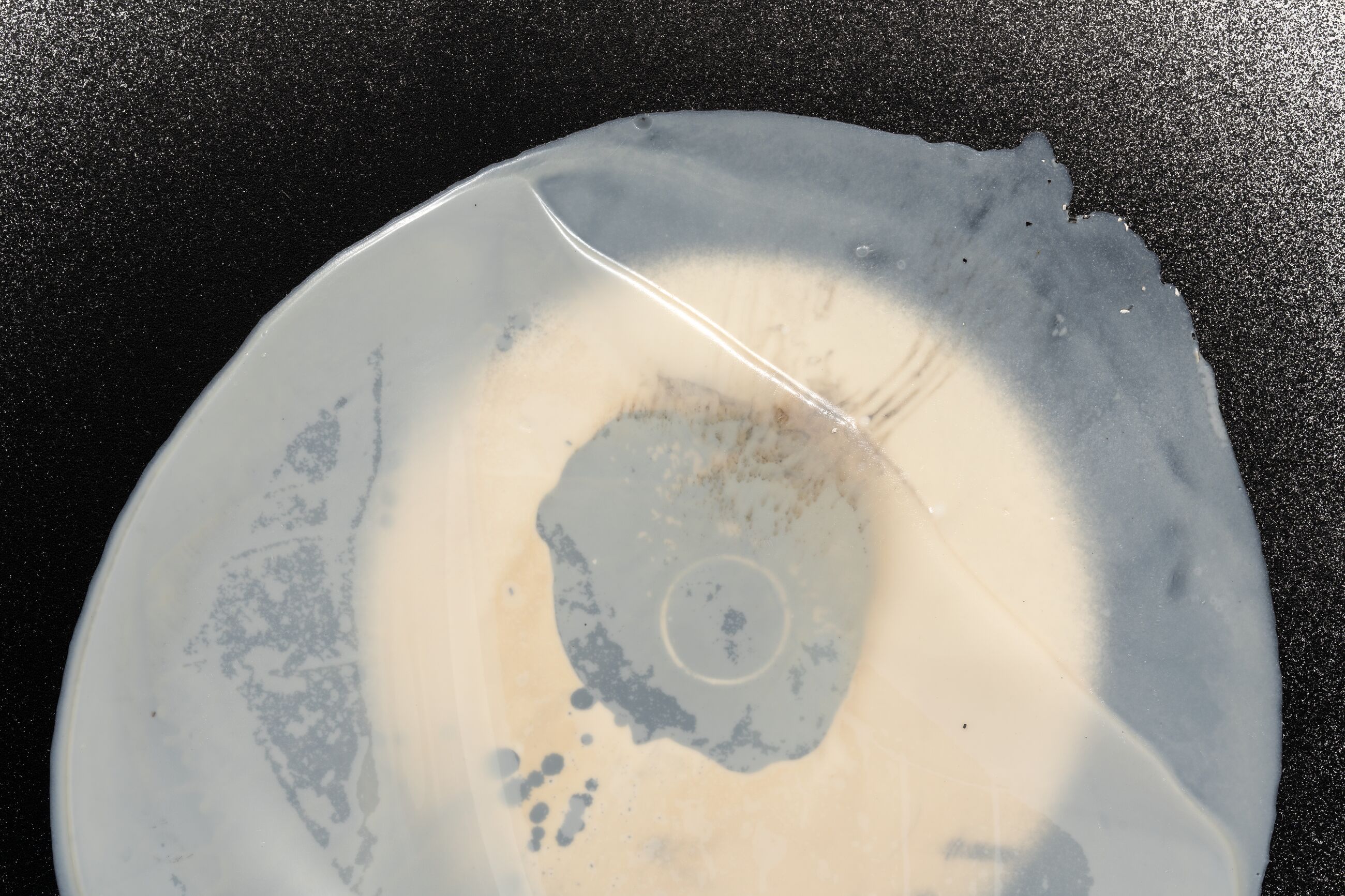
Takesada Matsutani
Shifting Boundaries
5 February – 18 April 2026
London
The Ōsaka-born artist Takesada Matsutani takes over our North Gallery for his first exhibition in London, UK in over a decade, coinciding with his 60th year of living and working in Paris, France. The artist’s diverse practice is concerned with the reshaping of matter, namely his signature materials of vinyl glue and graphite. This exhibition, organized with Olivier Renaud-Clement, ranges from the sensational sculpture ‘The Magic Box’ (1988) to brand-new works that epitomize his experimentation with glue.
The 60th anniversary of Matsutani’s time in Paris, France is concurrent with the 10th Prix Matsutani, an initiative from the SHŌEN endowment fund founded by Takesada Matsutani and his wife Kate Van Houten with the goal of supporting artists and their work. Additionally, Musée Cernuschi will commission a project with the artist in September 2026.
Running alongside Matsutani’s exhibition is a solo show on Tetsumi Kudo (1935 – 1990) in the South Gallery. Kudo was a key player of Tokyo’s anti-art movement as well as the nouveau realisme movement in France. Though the two artists were part of different movements, they are united by their relocation from Japan to Paris, France, in the 1960s, where they became acquainted with each other, and by their rejection of established modes of making.
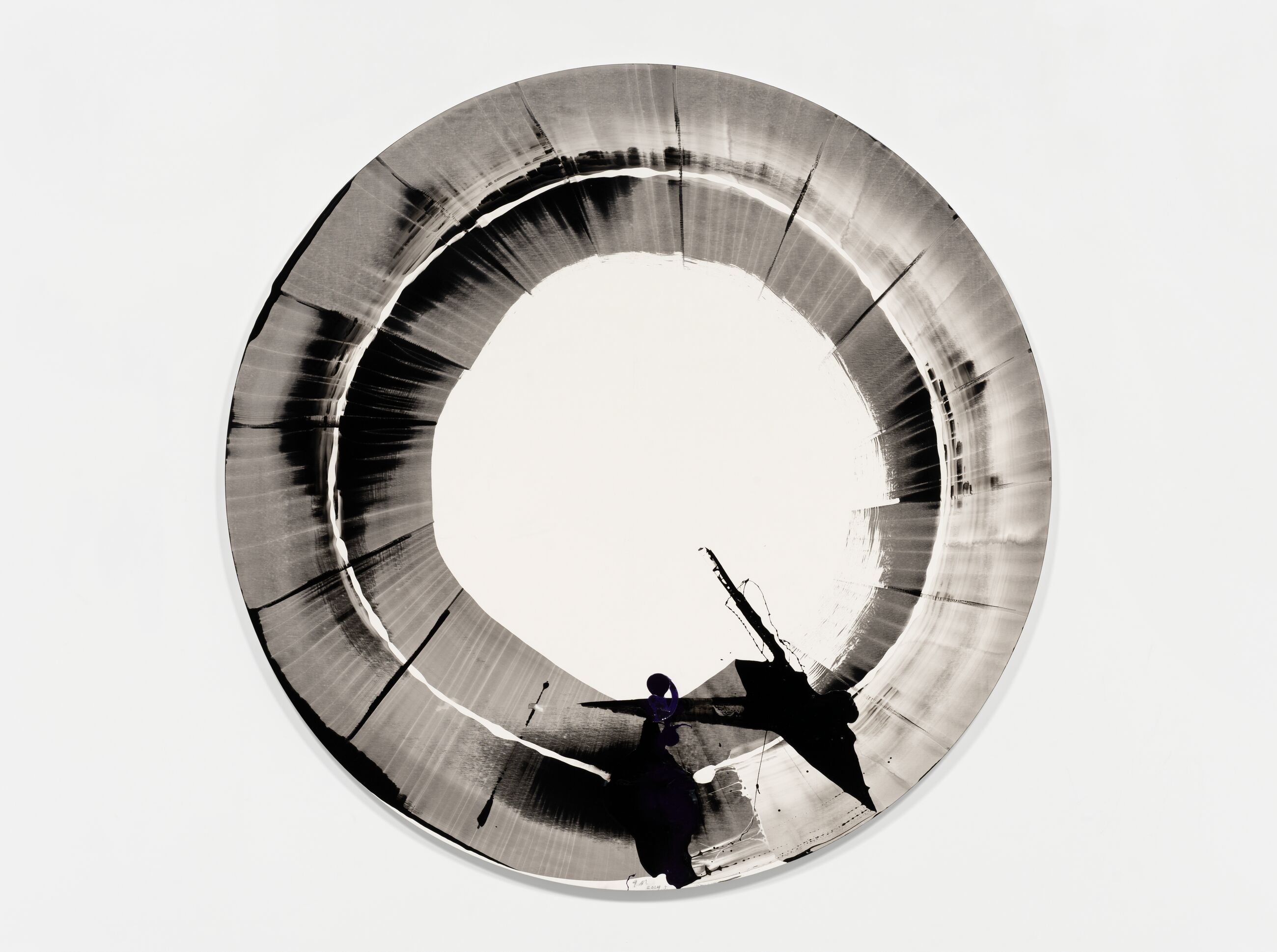
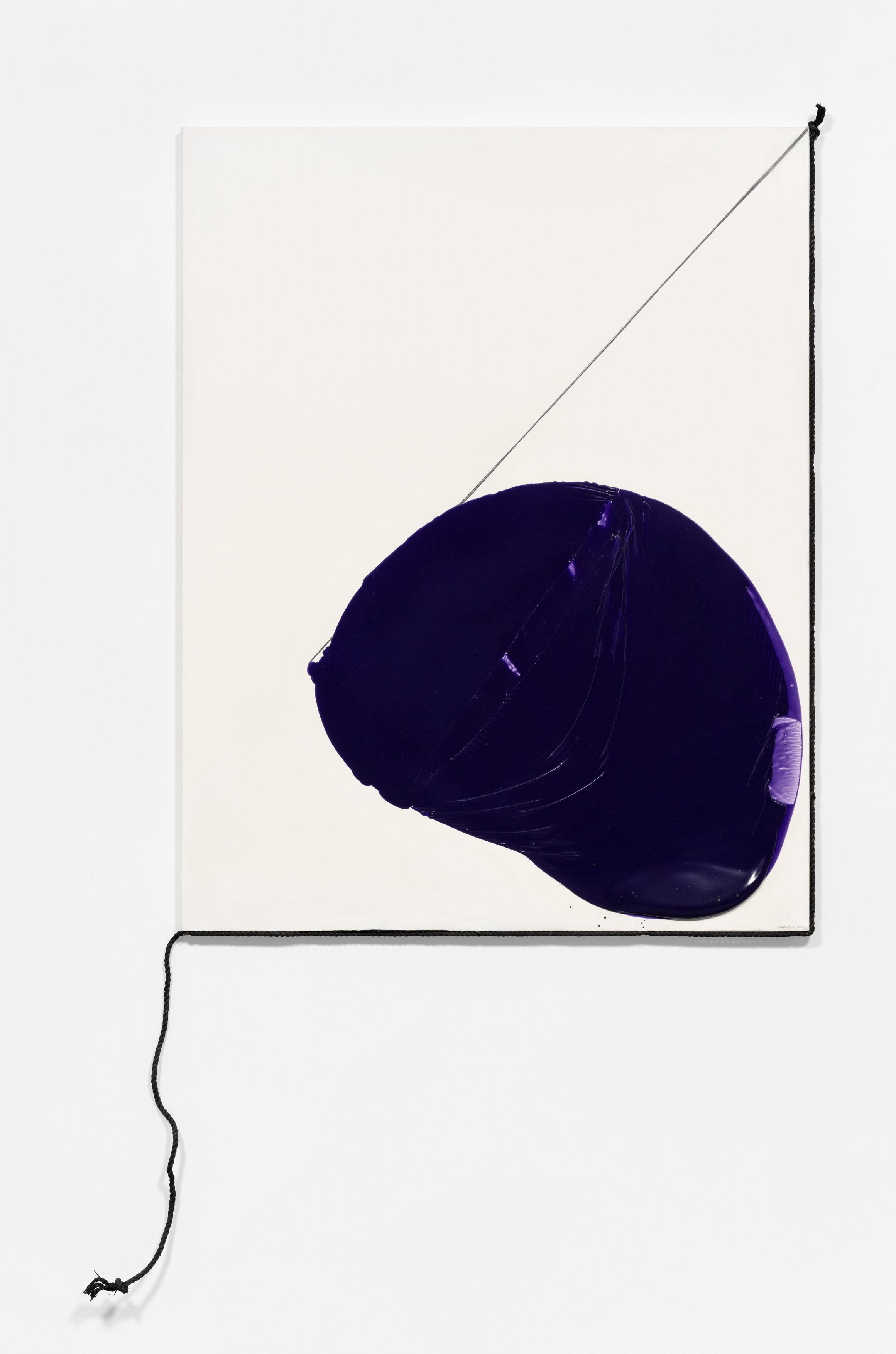
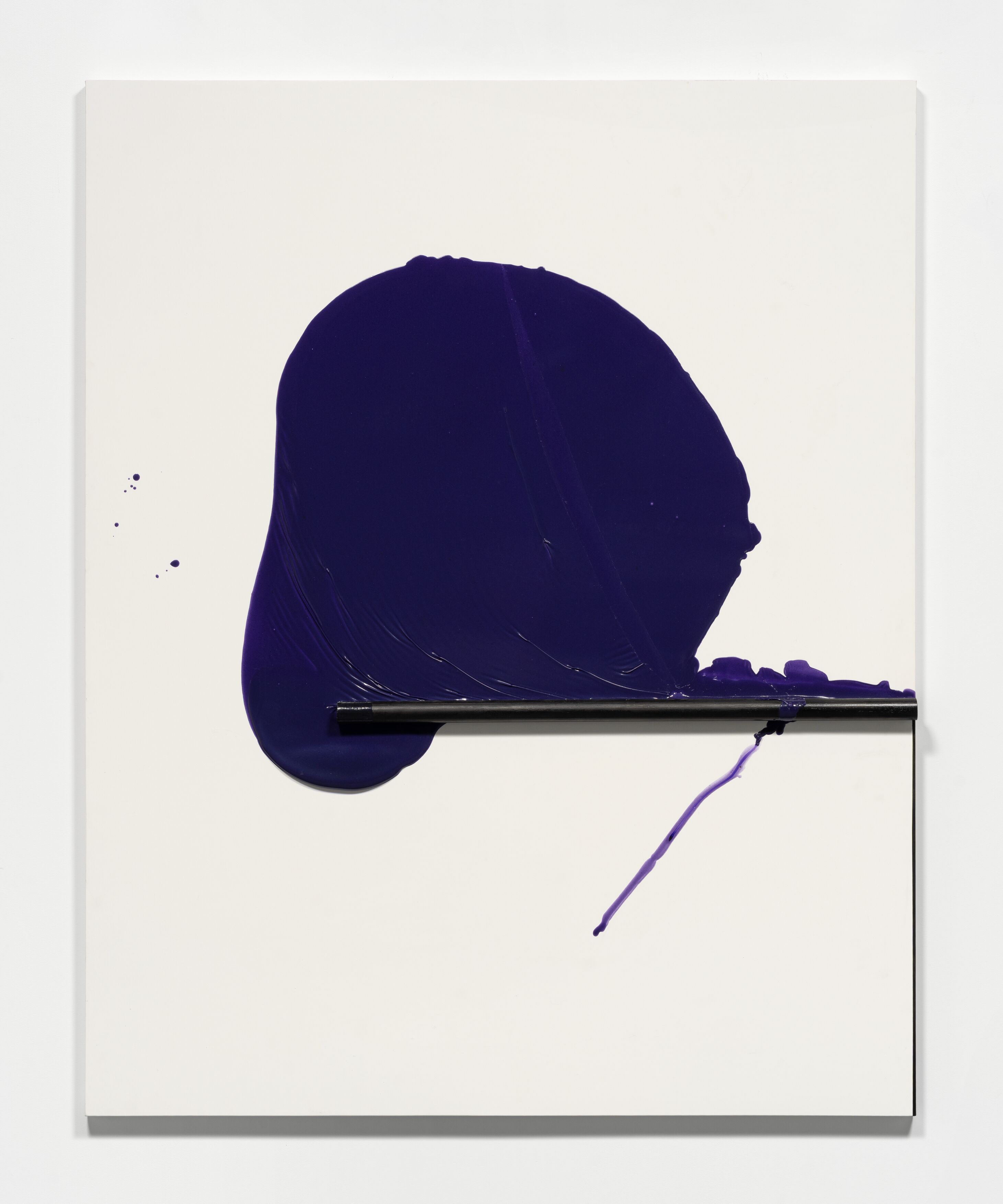
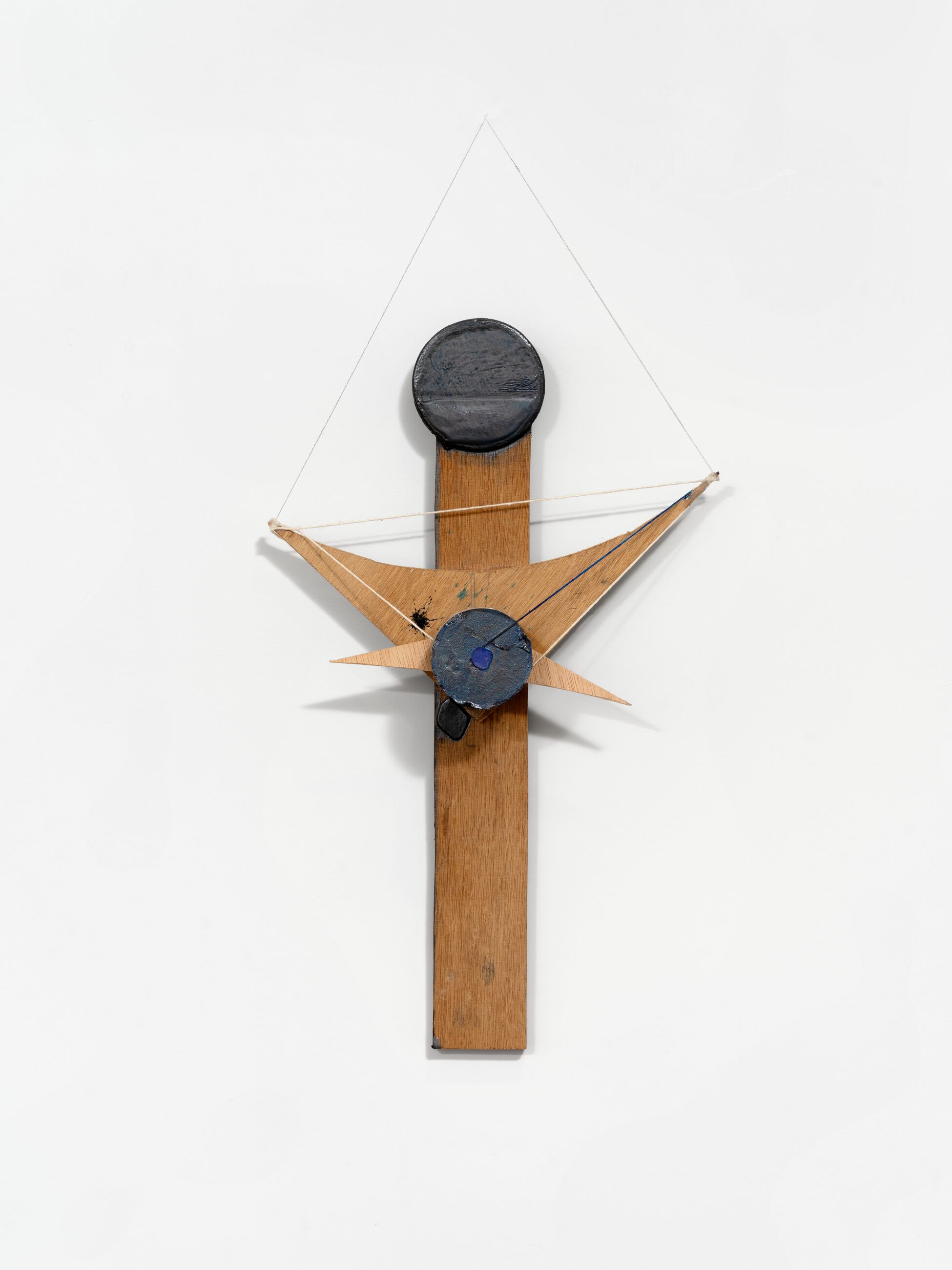
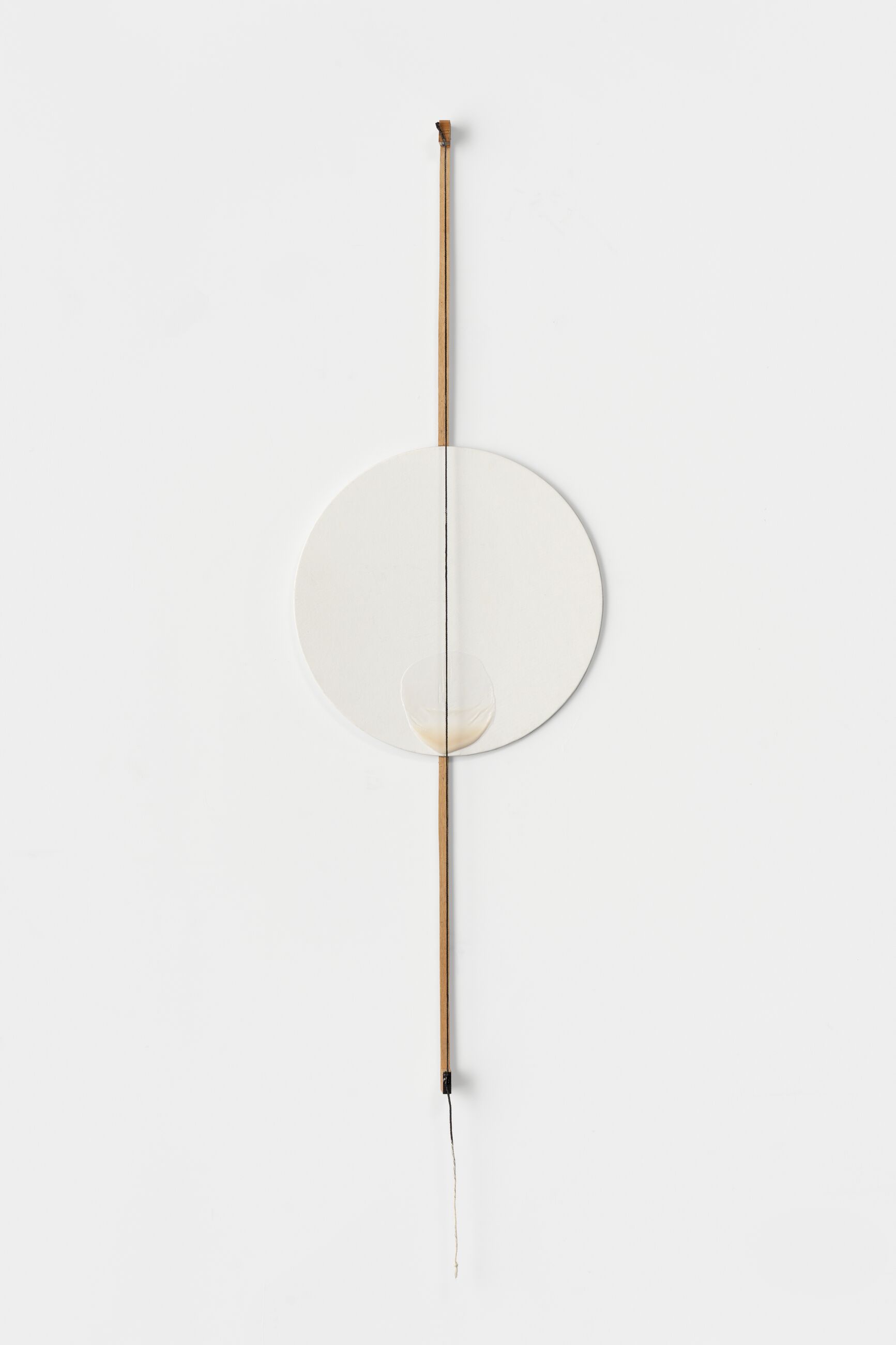
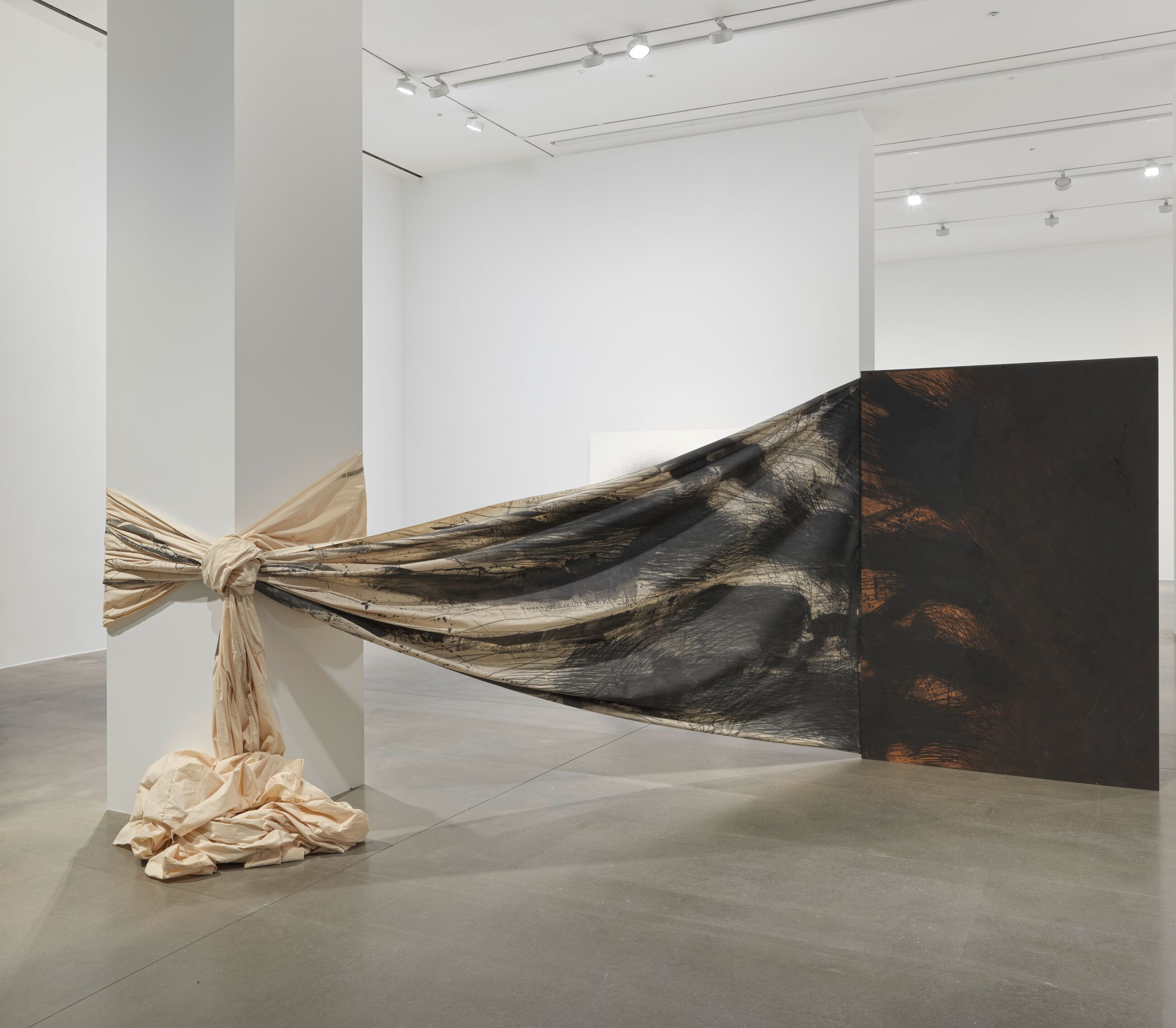
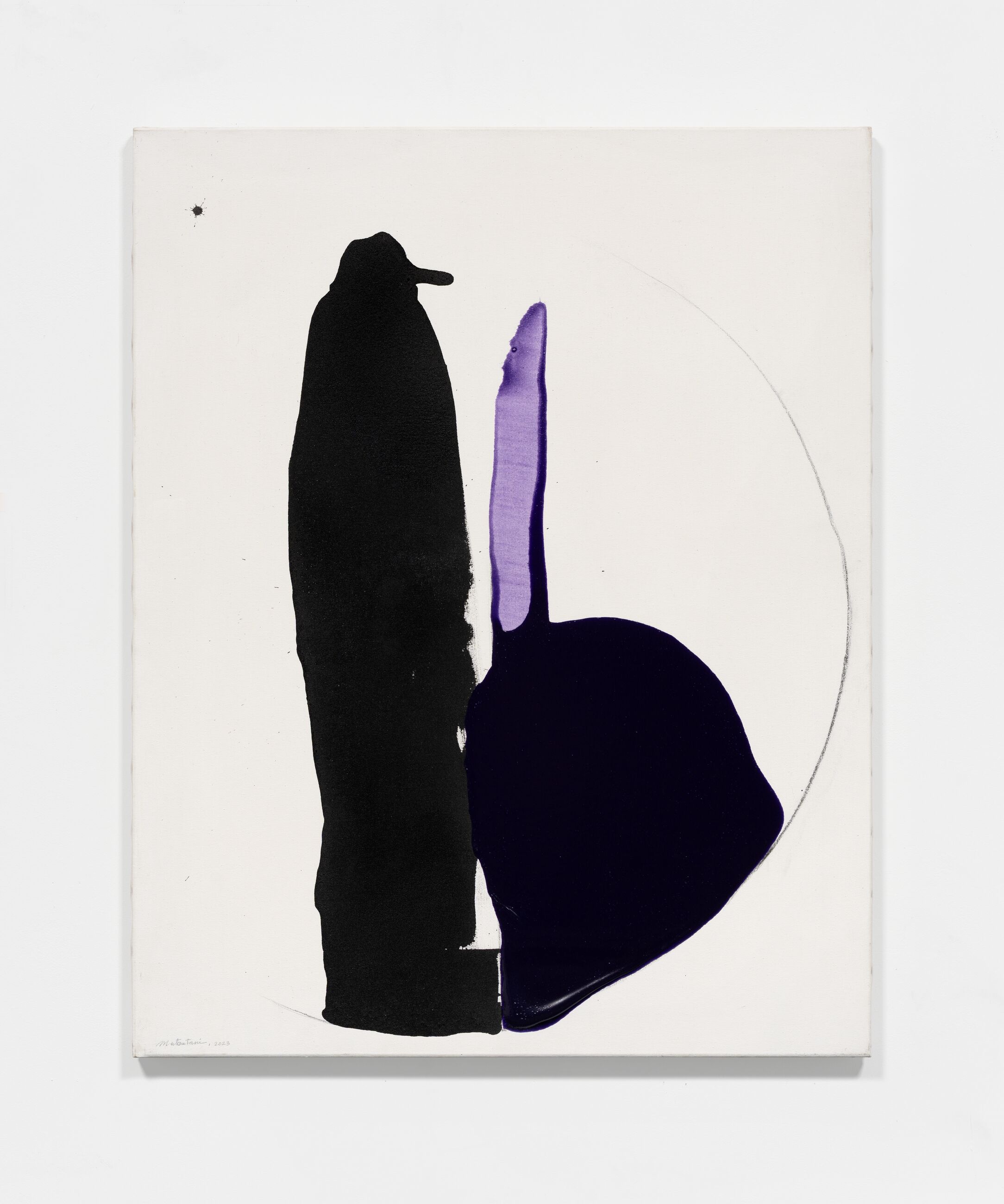
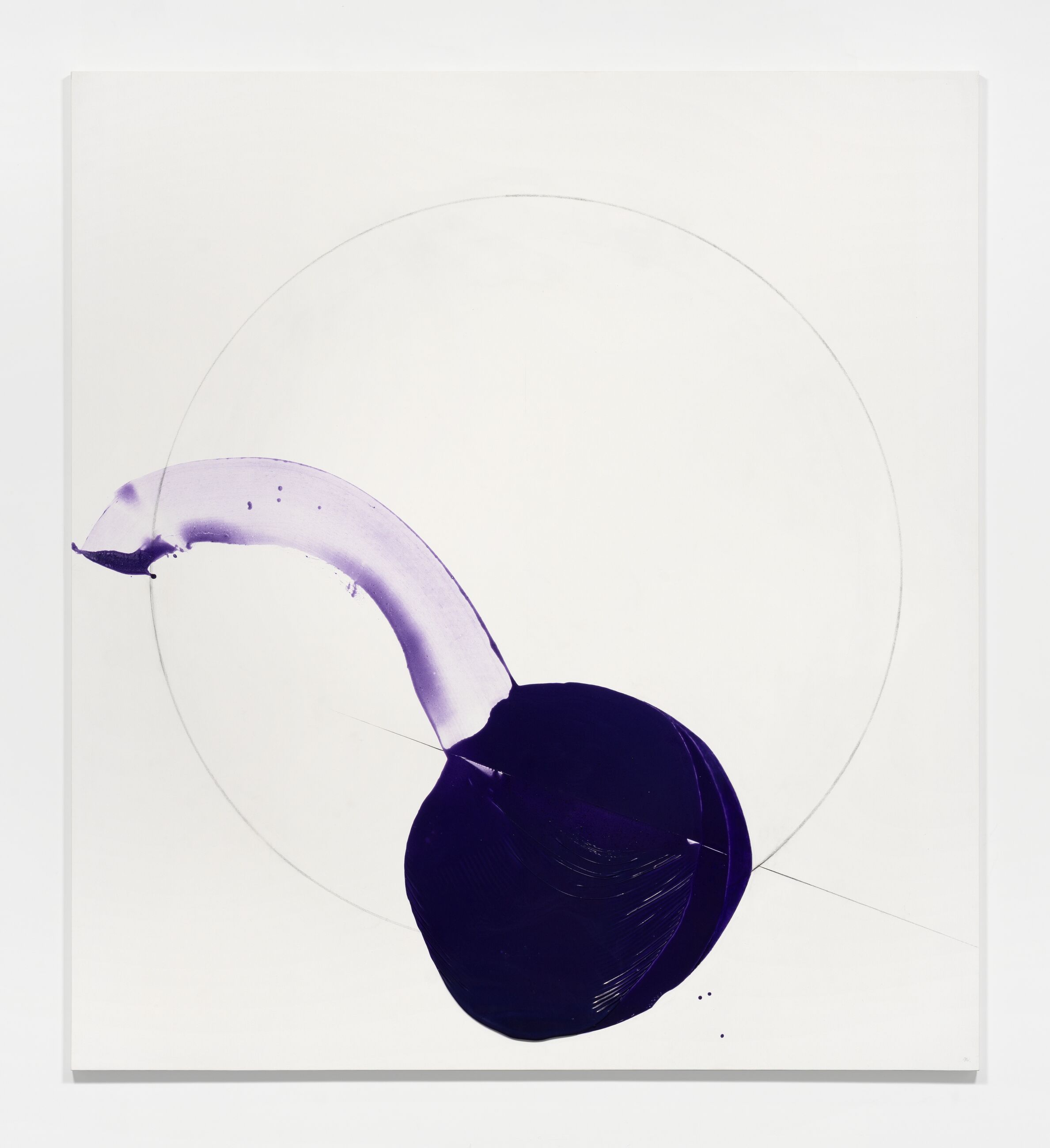
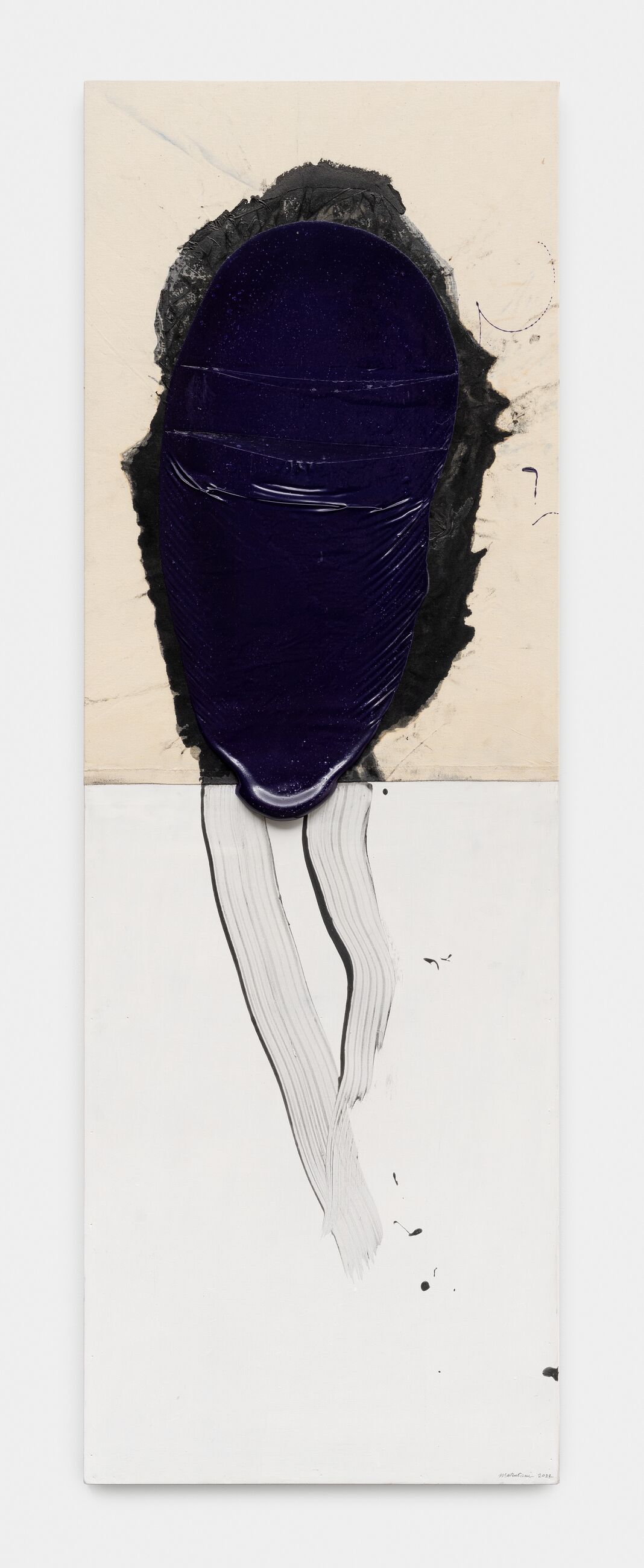
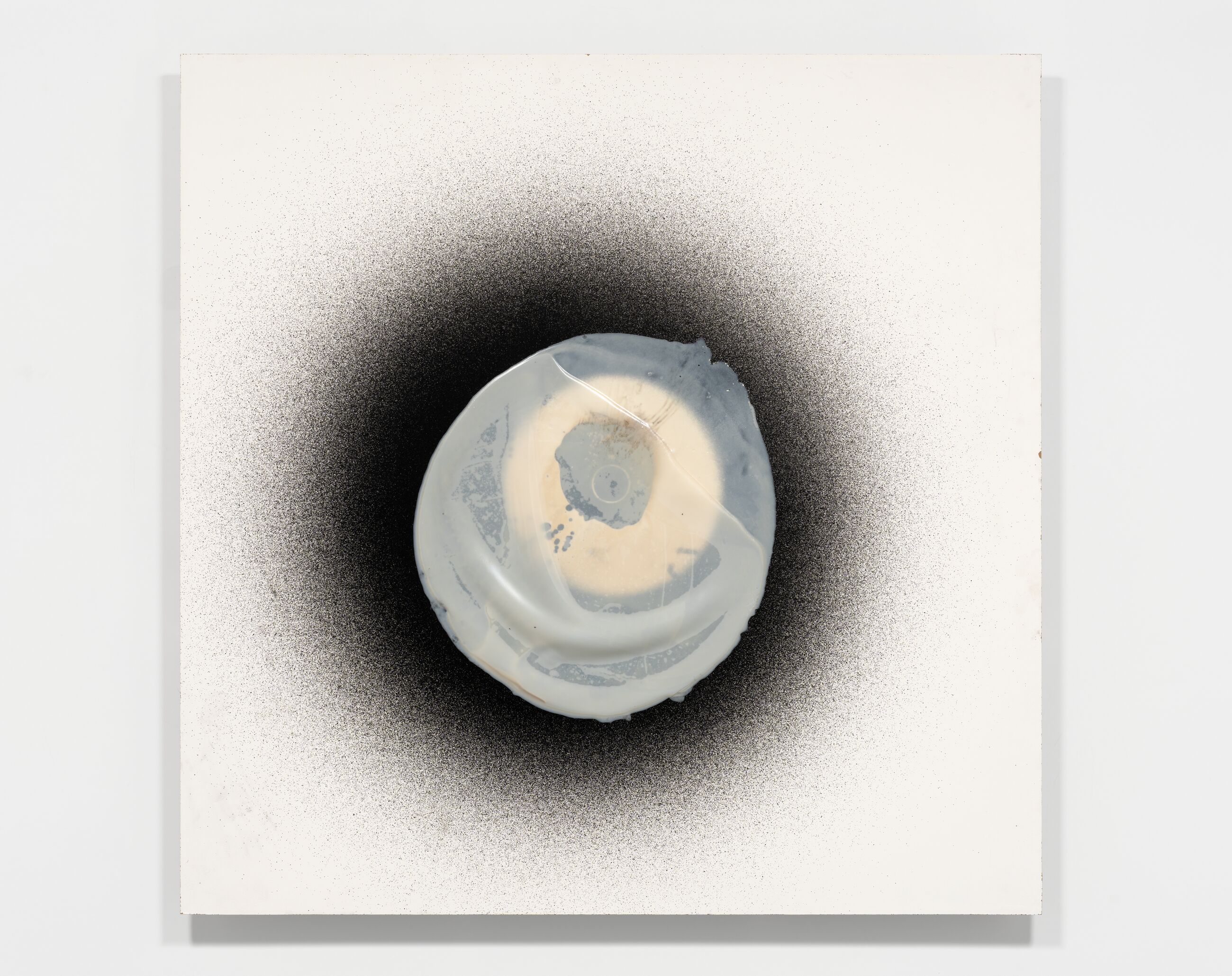
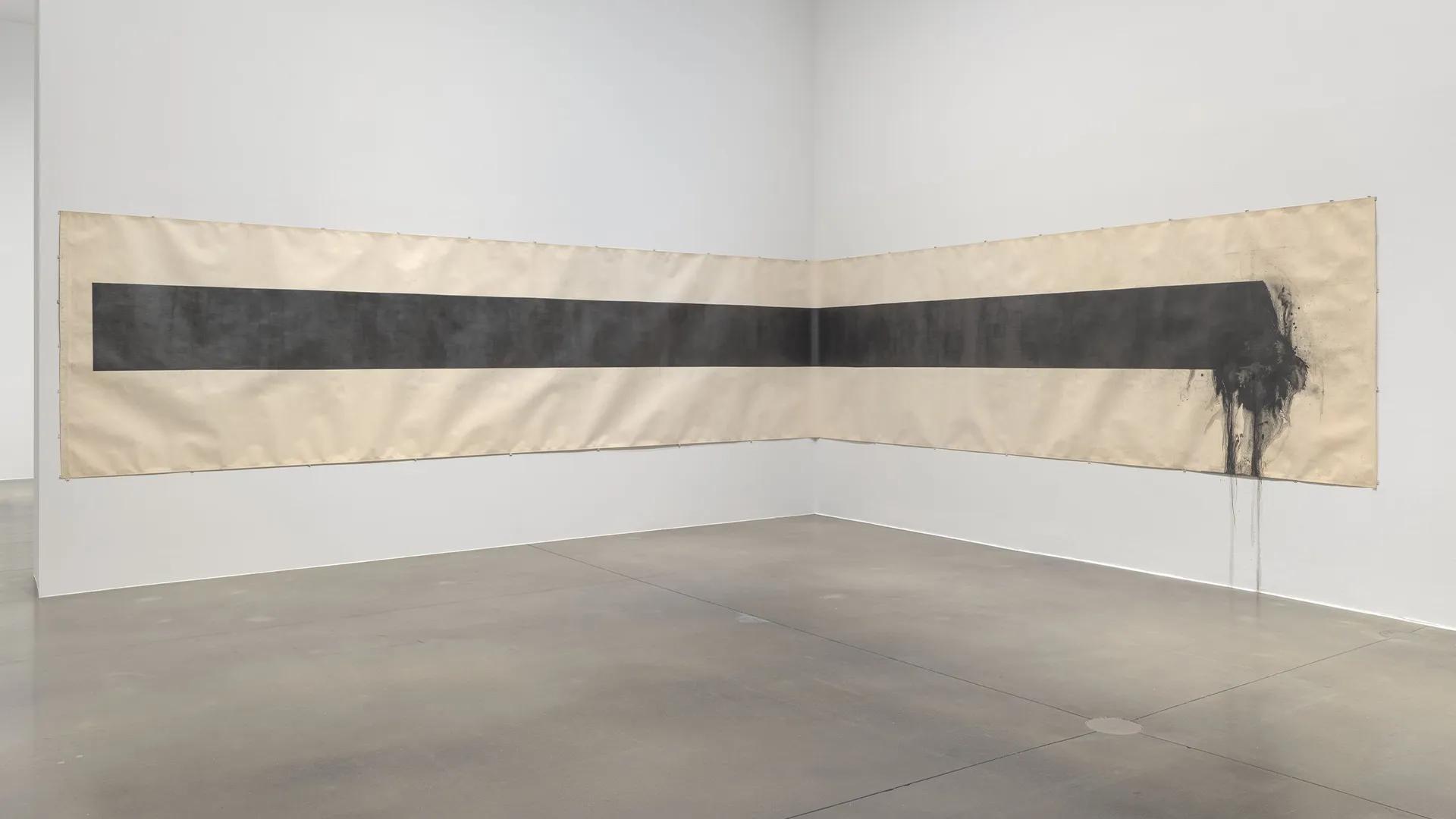
Installation Views
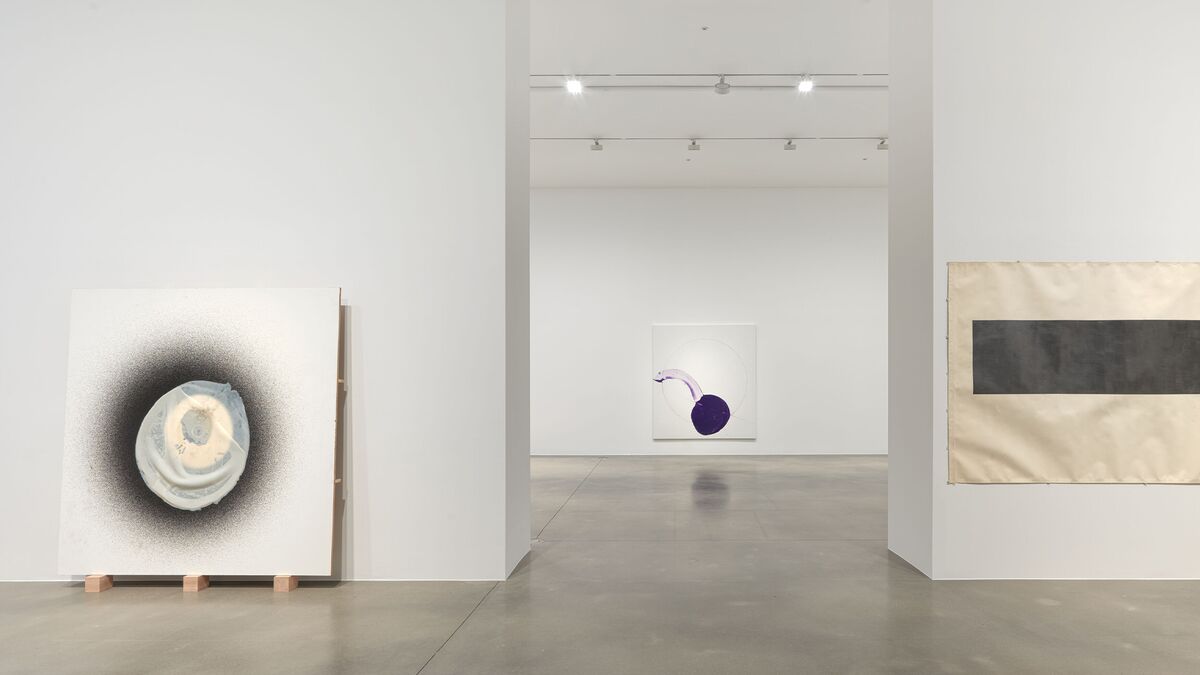
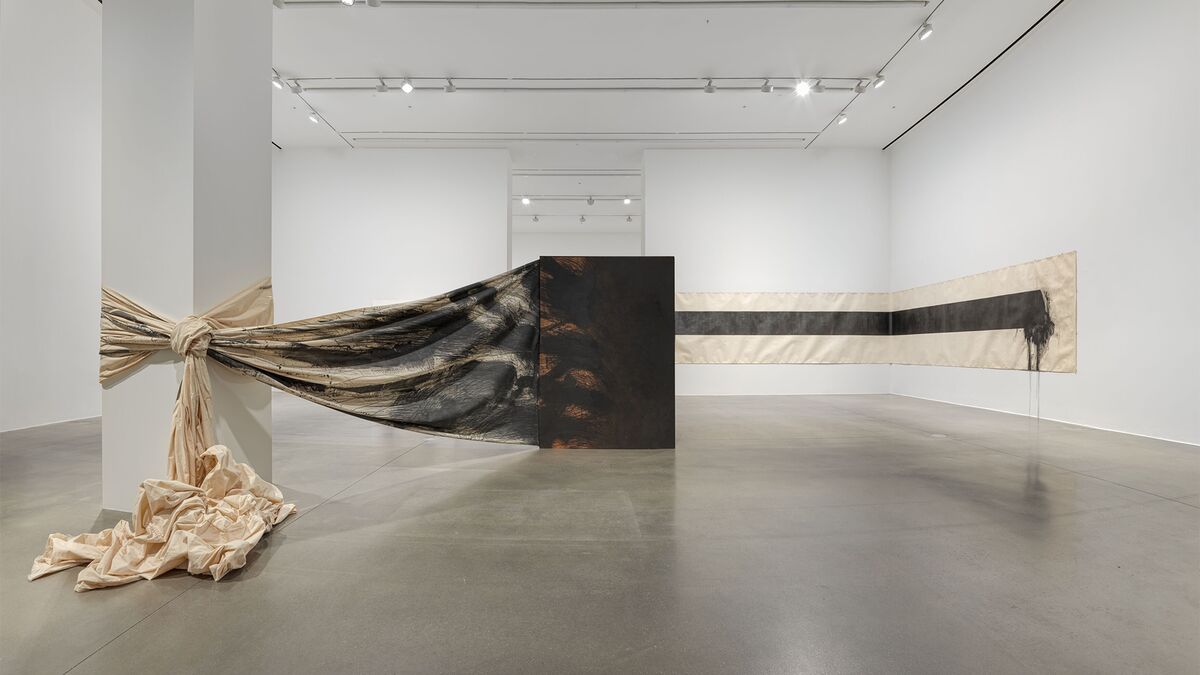
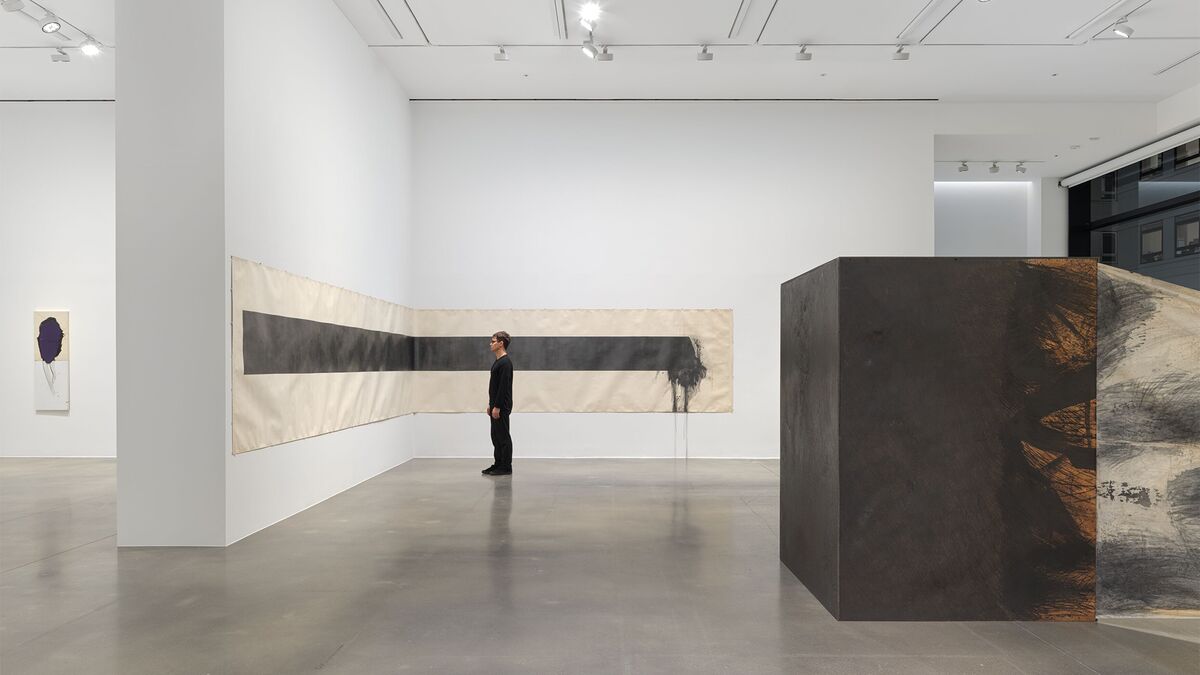
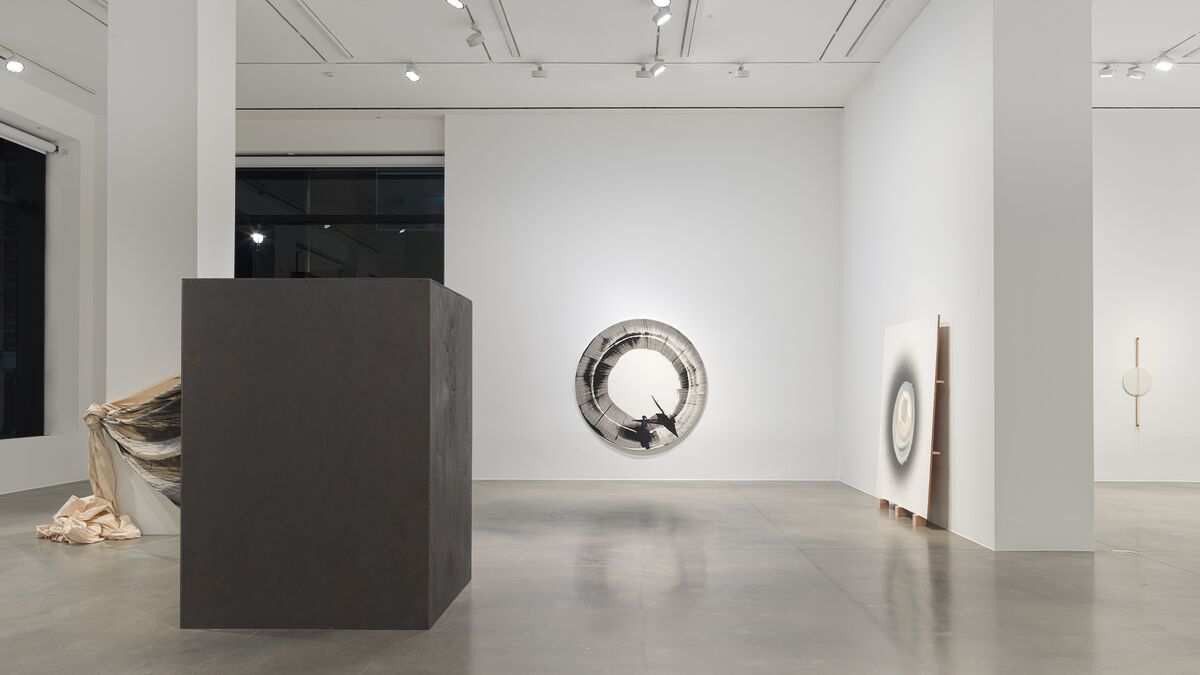
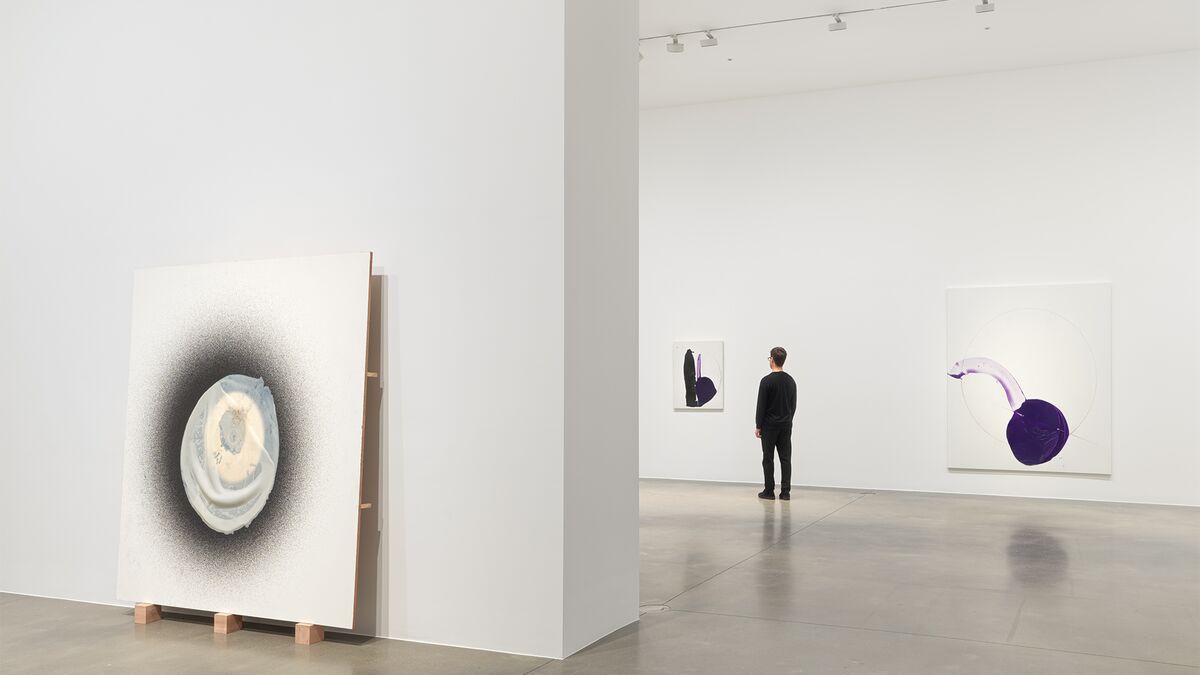
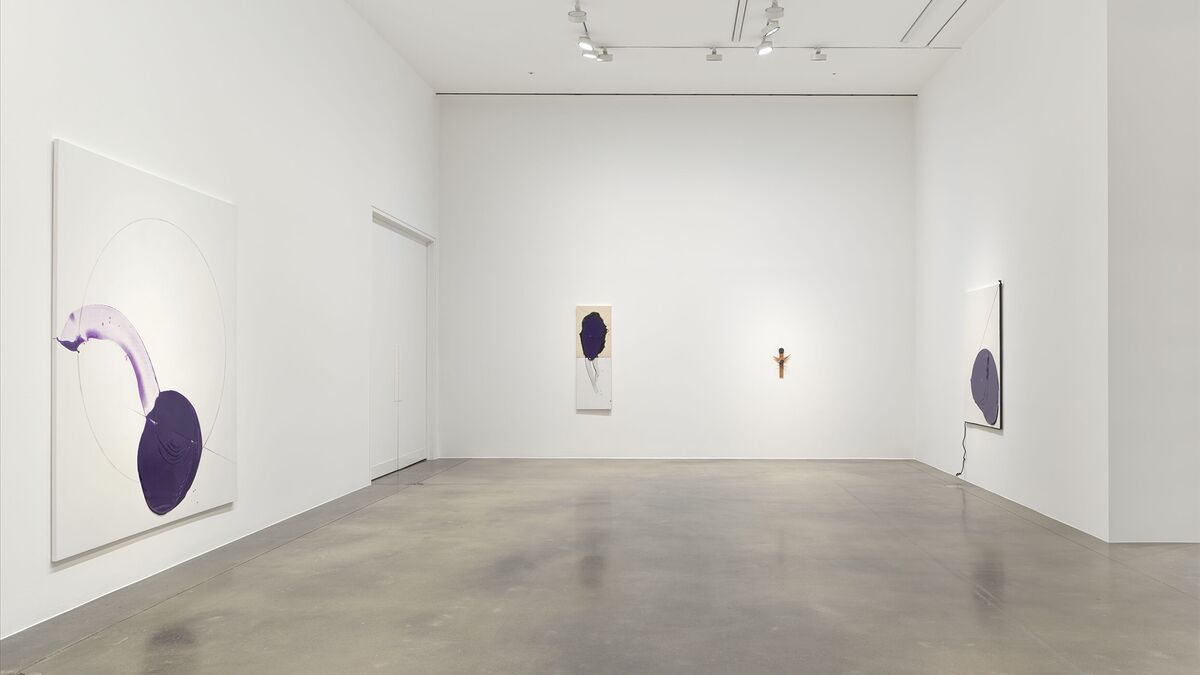
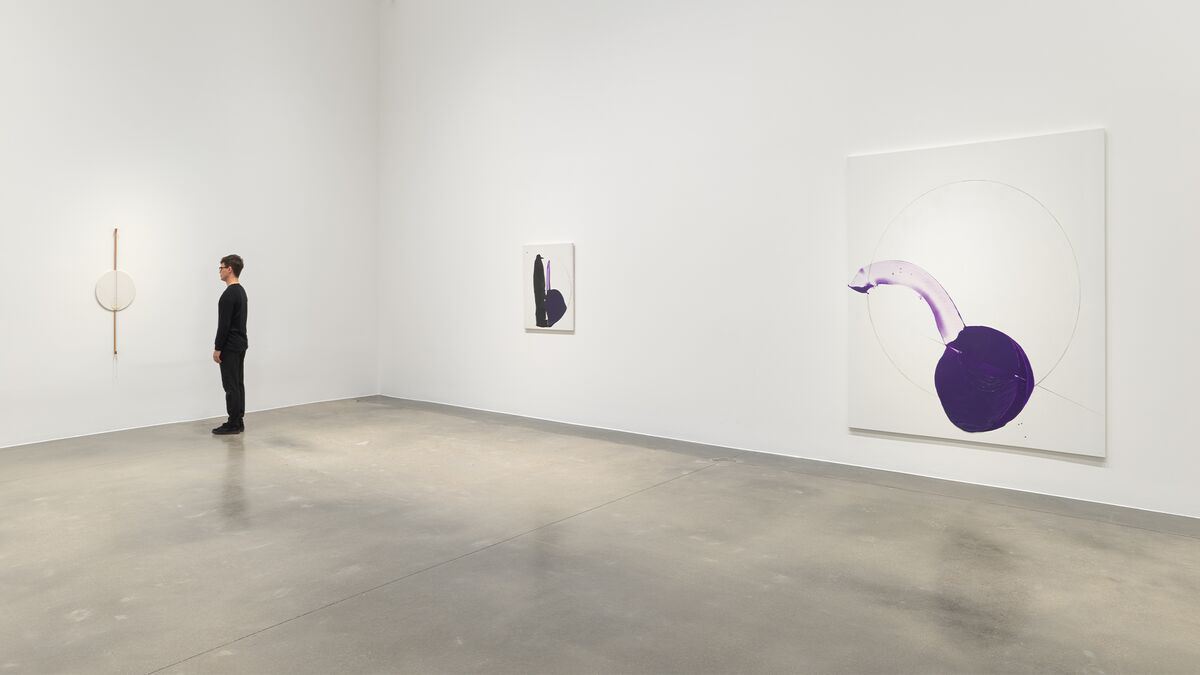
1 / 6
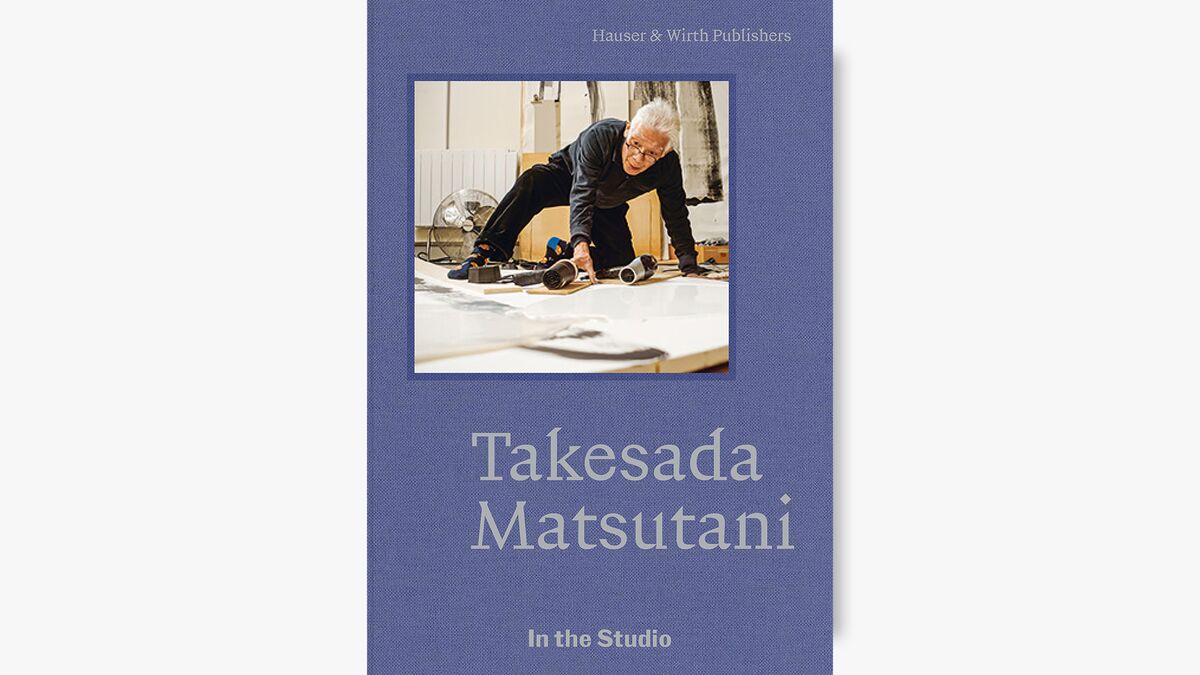
In The Studio: Takesada Matsutani
Hauser & Wirth Publishers will release the compact title ‘In The Studio: Takesada Matsutani’ on 30 April 2026, containing a text by independent curator Mika Yoshitake and newly unearthed archival images. This book is part of the imprint’s new ‘In The Studio’ series that focuses on major figures of 20th- or 21st-century art, offering an introduction to their influences, materials and techniques.
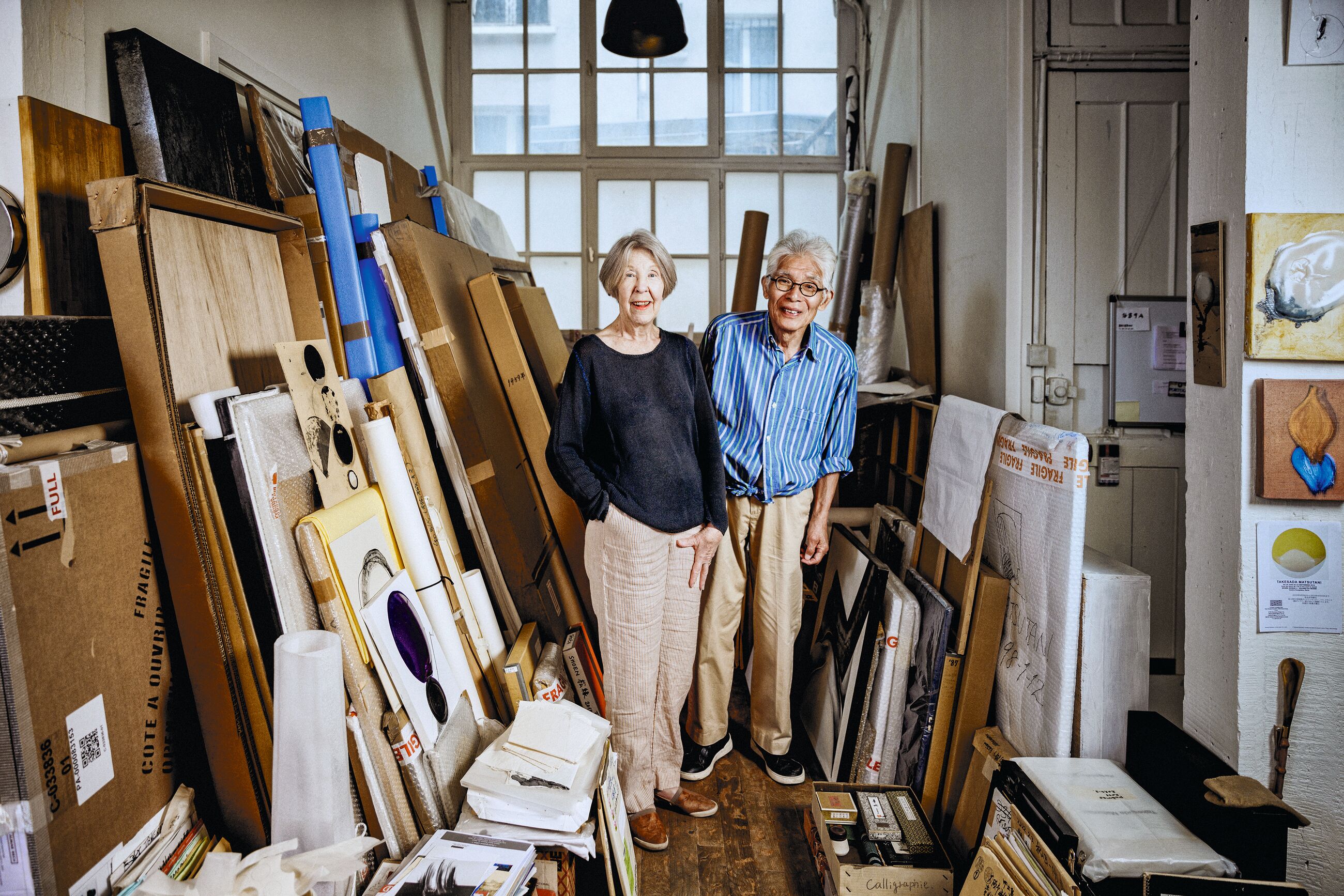
Kate Van Houten and Takesada Matsutani in his studio in Paris, France, 2023 © Takesada Matsutani. Photo: Laura Stevens
Ursula: A Life to Matter
In a 2023 conversation with Ursula magazine, Takesada Matsutani and Kate Van Houten recount their early days as artists in Paris, France with Désirée Moorhead-Hayter, Olivier Renaud-Clément and Anders Bergstrom.
Related Content
About the Artist
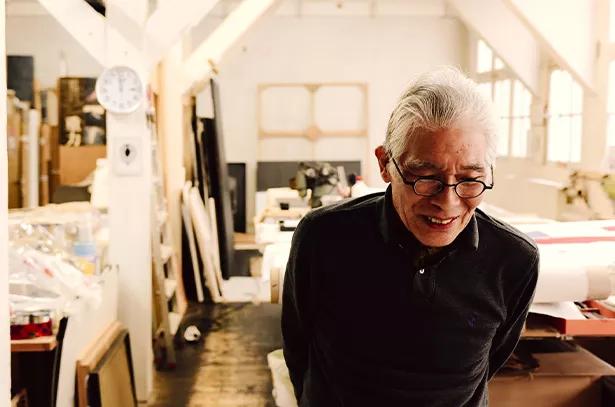
Takesada Matsutani
From the early 1960s until the 1970s Matsutani was a key member of the influential post war Japanese art collective, the Gutai Art Association. Over six decades Matsutani has developed a unique visual language of form and materials. As part of the Gutai group, Matsutani experimented with vinyl glue, using fans and his own breath to manipulate the substance, creating bulbous and sensuous forms reminiscent of human curves and features.
In 1966, Matsutani received a grant from the French government after winning first prize in the 1st Mainichi Art Competition and subsequently moved to Paris where he began working at Stanley William Hayter's renowned printmaking studio, Atelier 17. During the four years he worked at the studio, he learnt French, married and established his base in Paris. Working alongside Hayter opened Matsutani up to a new form of artistic experimentation and offered him a newfound confidence. Matsutani began to rethink his practice and a new elemental aesthetic language began to emerge that was both controlled and organic.
After the Gutai group disbanded in 1972, Matsutani eased into a radical yet consistent new body of work, informed by his experience at Atelier 17. Faithful to his Gutai roots, he strove to identify and convey the essential character of vinyl glue with graphite, that were to become his signature materials. Matsutani began creating vast expanses of metallic black graphite on mural-size sheets of paper built up with painstaking individual strokes. This ritualized manner presents a time-based record of his gestures, while reminiscent of his artistic beginnings in Japan, it has been translated into an artistic language that is uniquely his own.
Current Exhibitions


1 / 12