
‘Remixing Images’: Young Creatives Respond to Glenn Ligon
‘Remixing Images’: Young Creatives Respond to Glenn Ligon
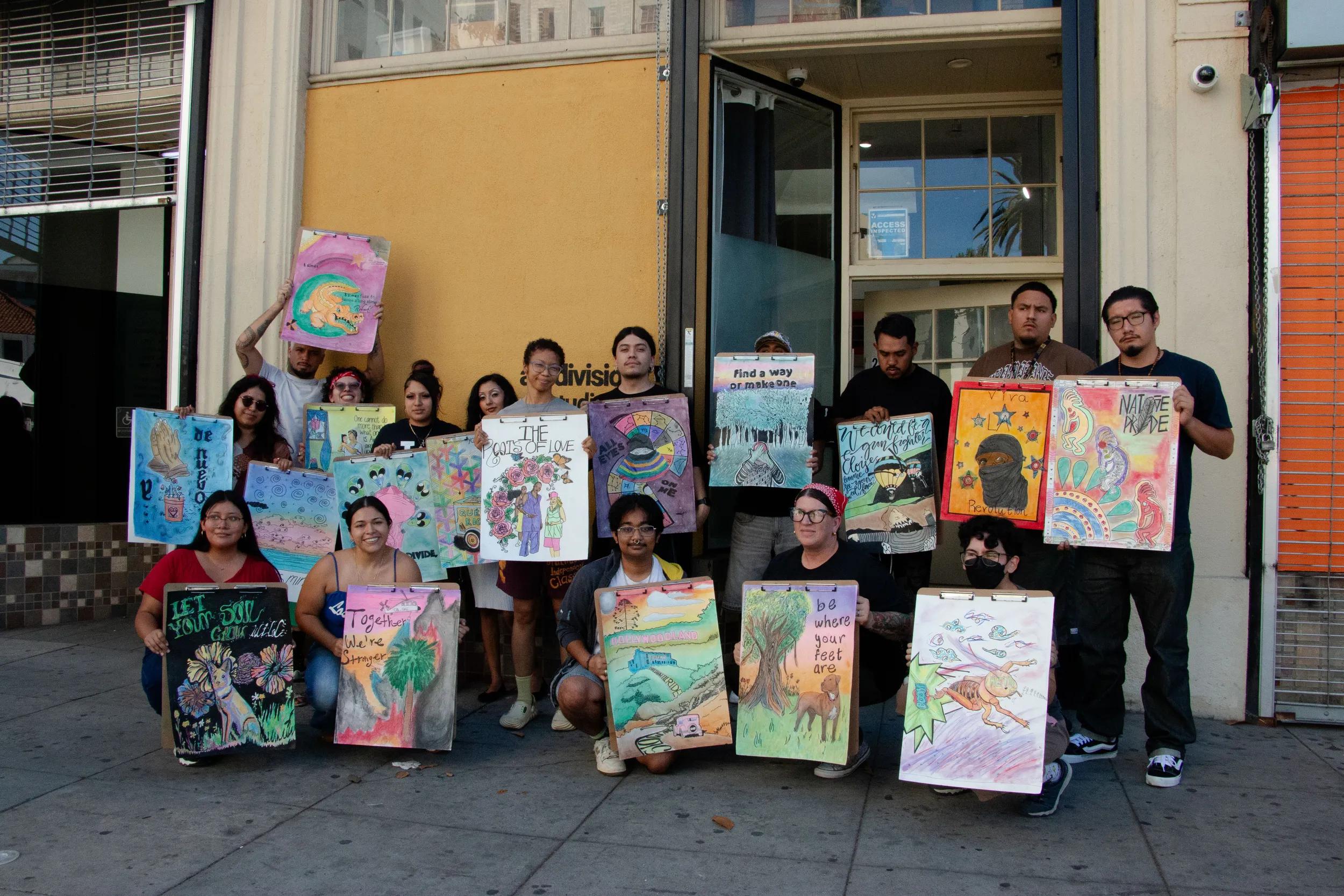
On the occasion of ‘Glenn Ligon. Sit So Your Back Isn’t Against The Door,’ on view at Hauser & Wirth Downtown Los Angeles, and as part of the gallery’s ongoing learning initiatives, the team partnered with local organizations on two projects that explored the source images and textual materials informing Ligon’s practice. The activities also built on works in the exhibition, in which Ligon incorporated imagery from Afrocentric coloring books of the 1960s and 1970s alongside children’s mark-making. Participants were invited to make a similar gesture: find an image or text, respond to it and then pass it on for another participant to incorporate into their own work.
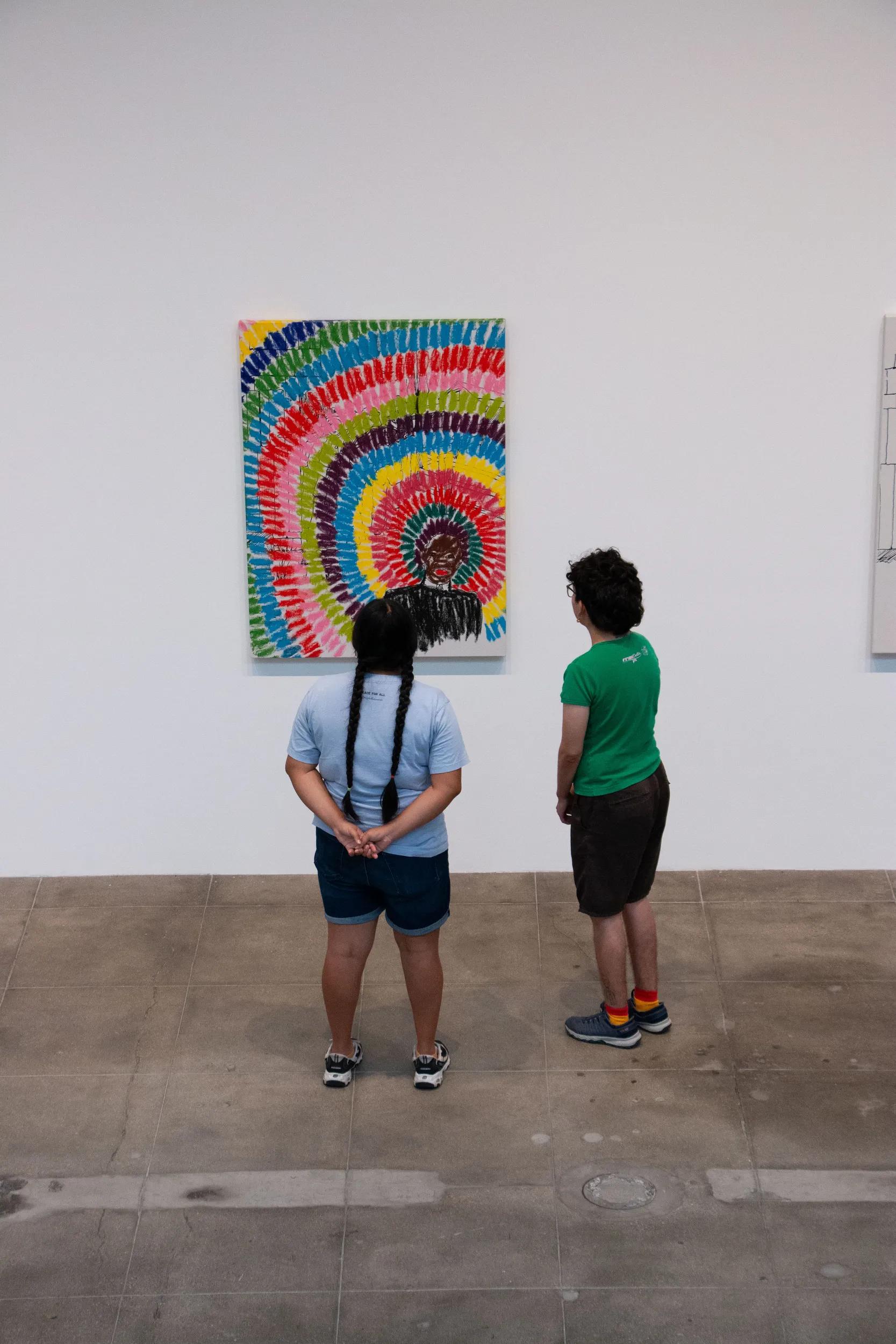
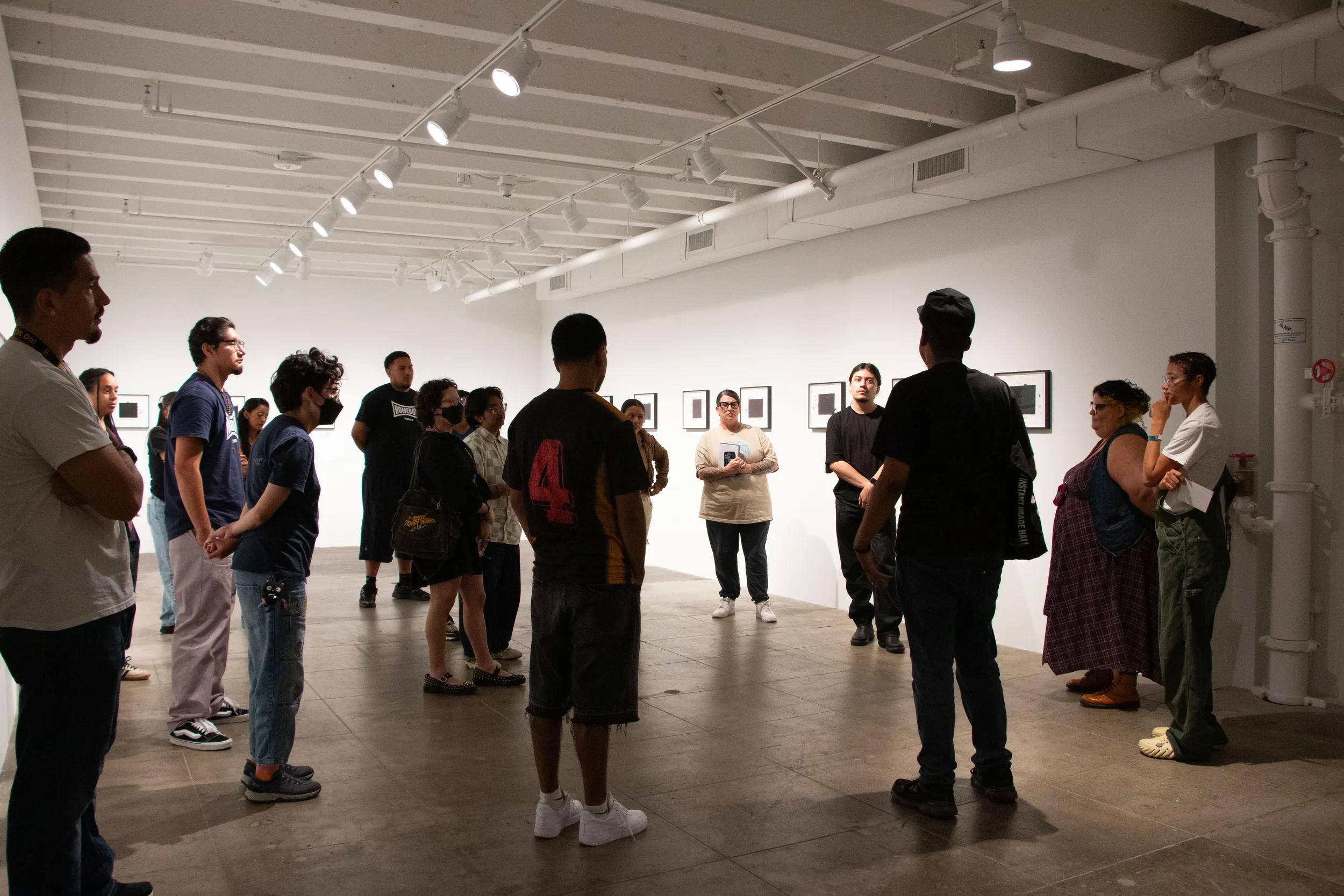
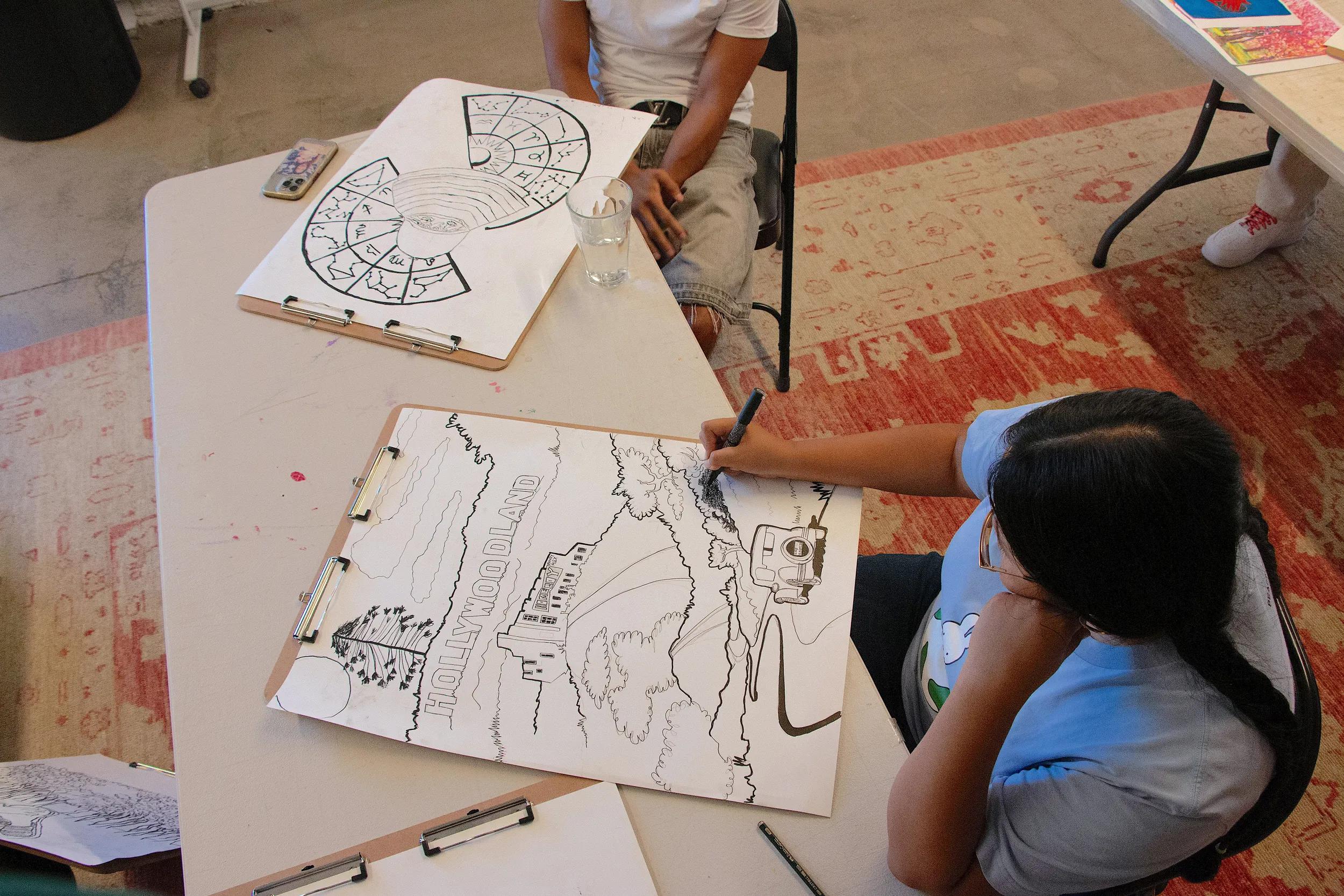
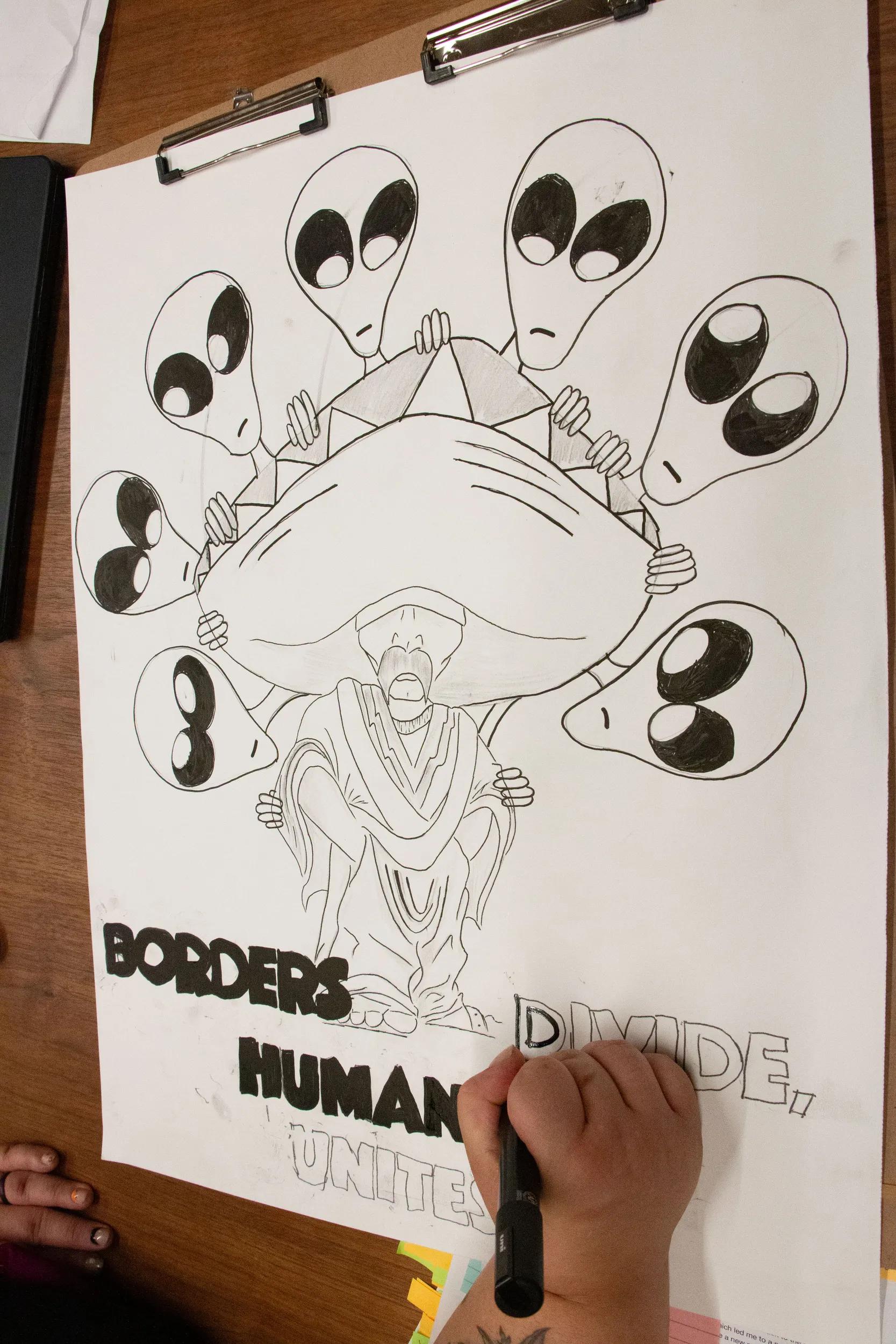
The first project brought together young creatives from community partners Art for Healing and Justice Network, Art Division and Homeboy Art Academy. These three Los Angeles-based nonprofit organizations empower young adults through trauma-informed arts education, creative mentorship and community-based healing. The workshop took the form of a visual ‘telephone’ exercise, in which each participant’s contribution became the starting point for the next. With every addition building on the last, the group ultimately arrived at a final design that none of them could have created alone.
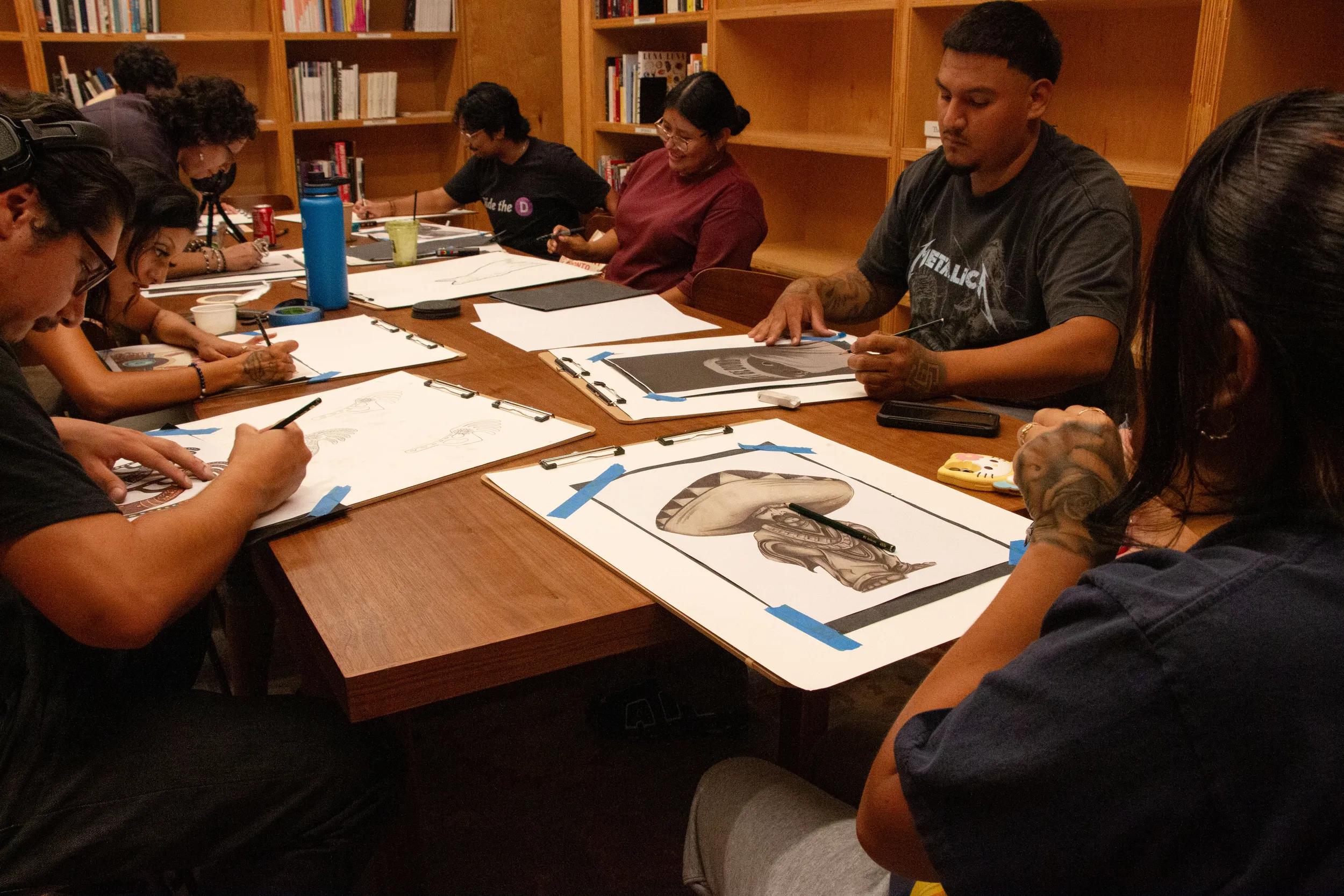
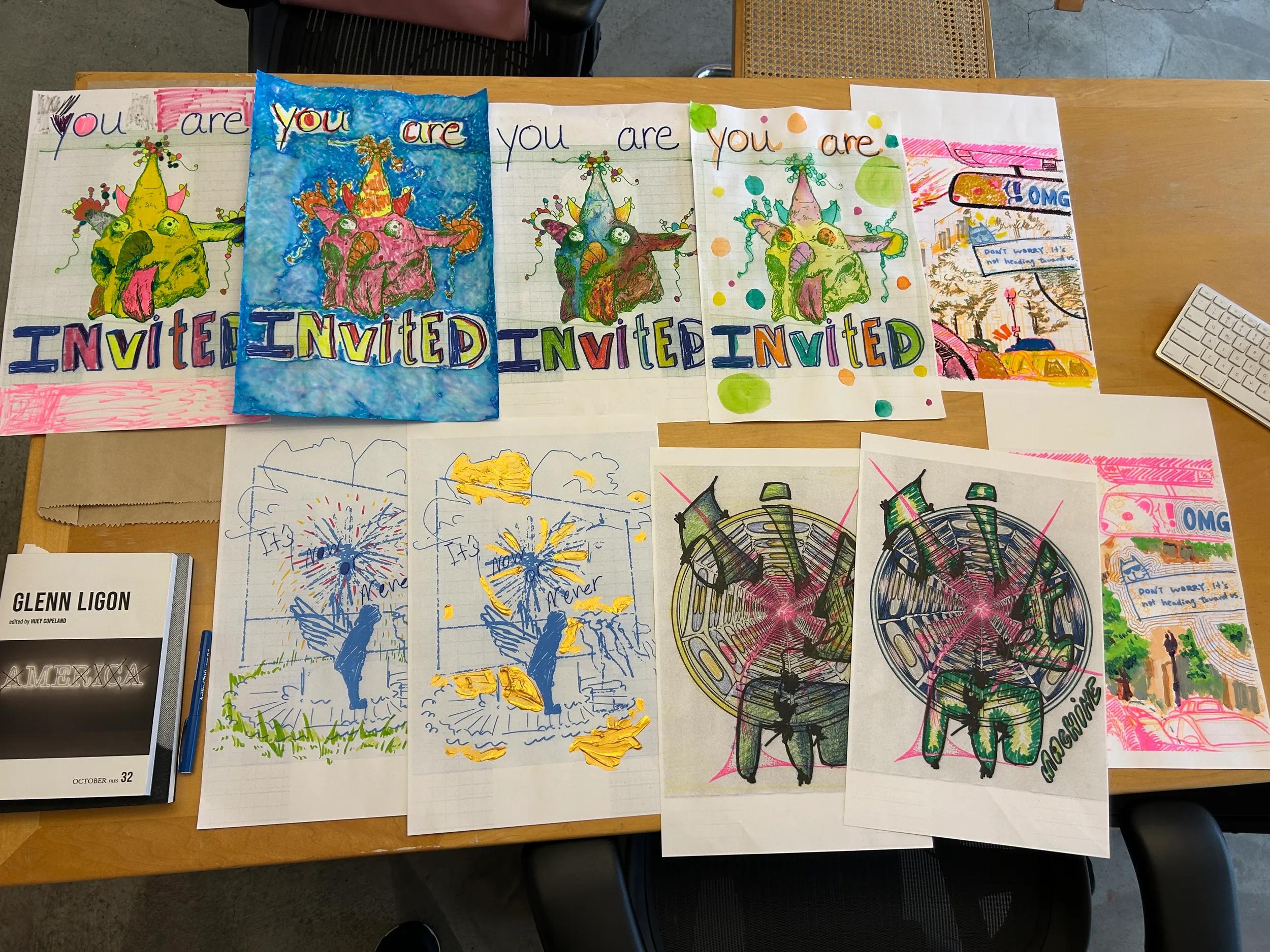
The second project brought the activity into a higher-education setting through a collaboration with the Graduate Print Press course at ArtCenter College of Design, led by professors Gabrielle Jennings and Elise Co. The course is a cross-departmental MFA collaboration that rethinks academic publishing by exploring urgent and progressive ways for students to share their work with the public. Working closely with the gallery, the professors integrated the activity into the curriculum, using the exhibition as a point of departure for discussions about how contemporary artists employ publications as both a tool for engagement and a mode of artistic production. As in Ligon’s exhibition, the students used coloring books as source material to create posters. They also worked with the university’s RISO printer, giving the resulting designs a physical and deliberately imperfect form. The layered quality of the RISO output echoed the activity itself: every print carries a trace of the person who made it and the person who added to it.
Learn more about our partners: ArtCenter, Art Division, Arts for Healing and Justice Network and Homeboy Art Academy
Related News


1 / 5