
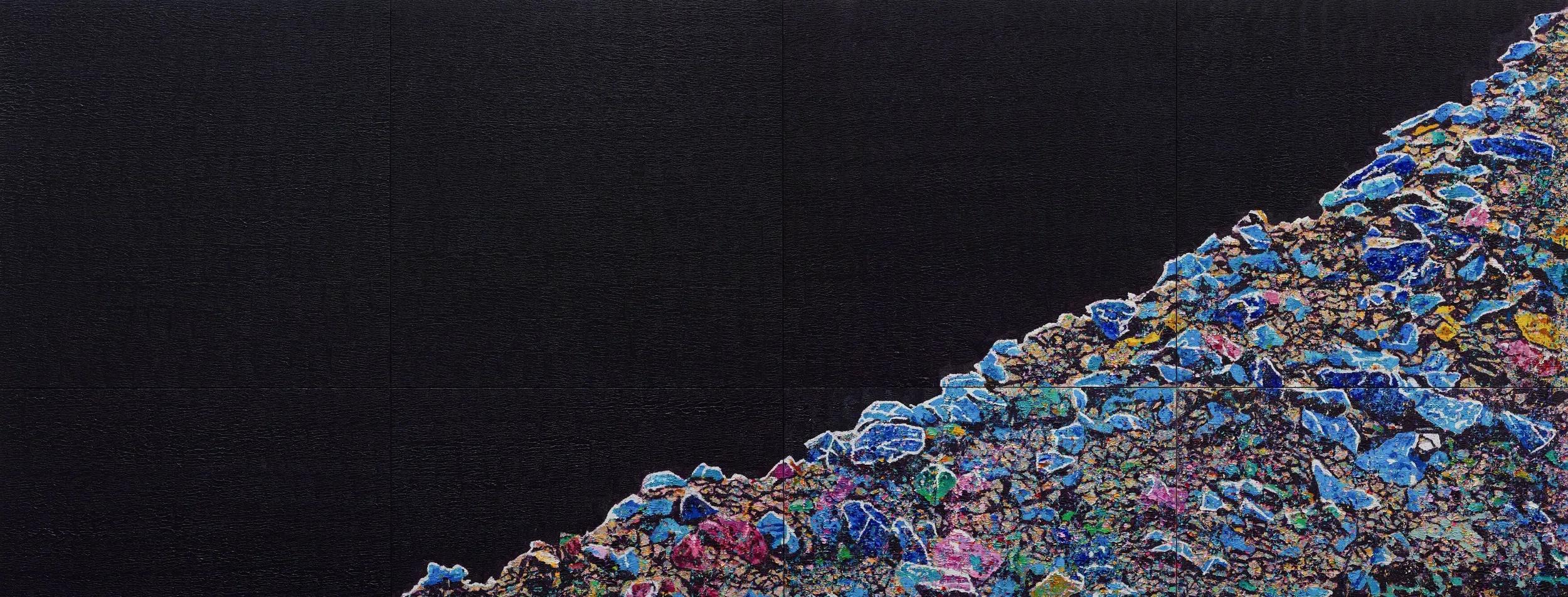
Zeng Fanzhi
5 November 2026 – 16 January 2027
New York, 22nd Street
Opening Reception
Thursday 5 November, 6 – 8pm
Dates
5 November 2026 – 16 January 2027
Materials
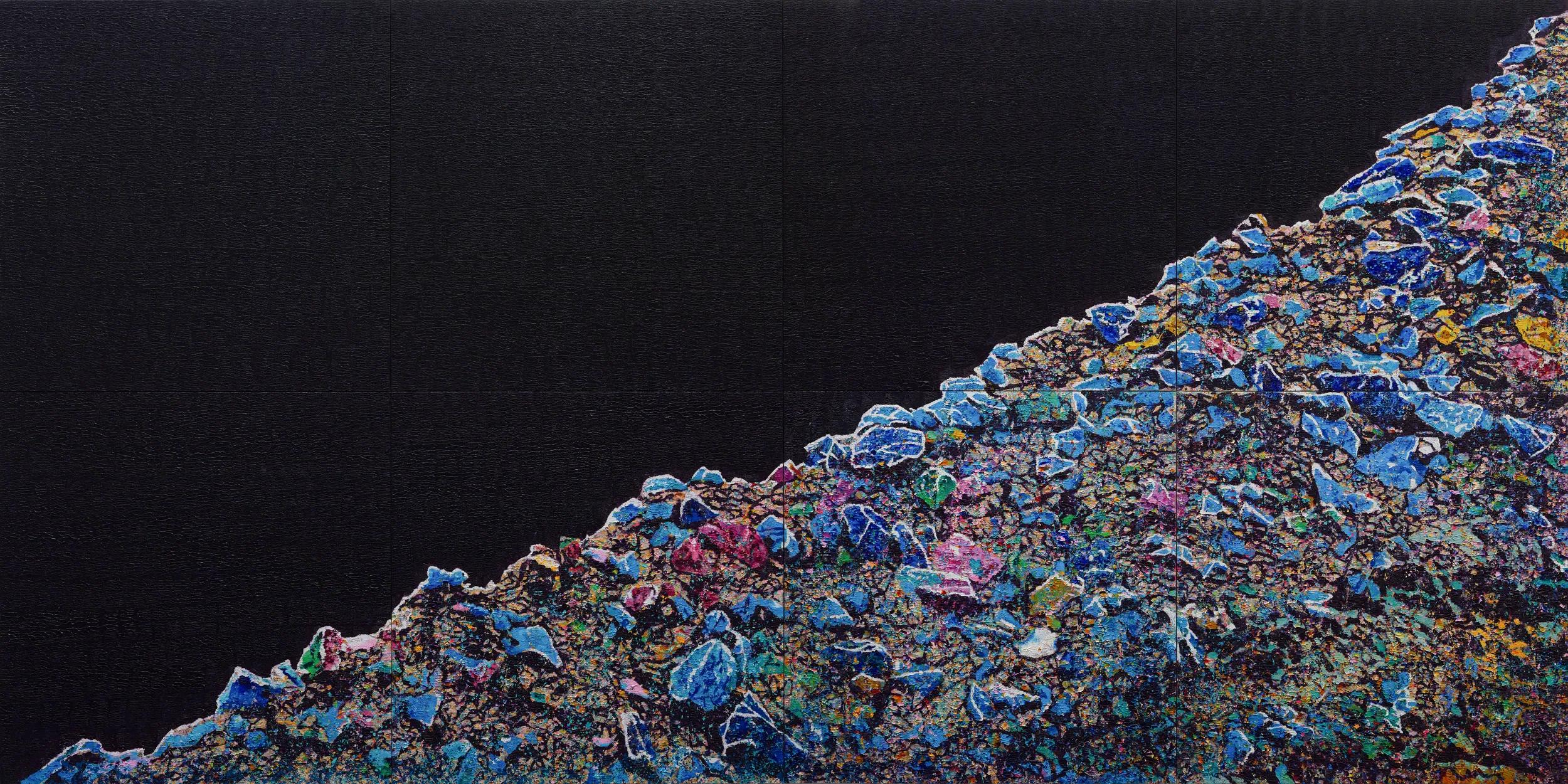
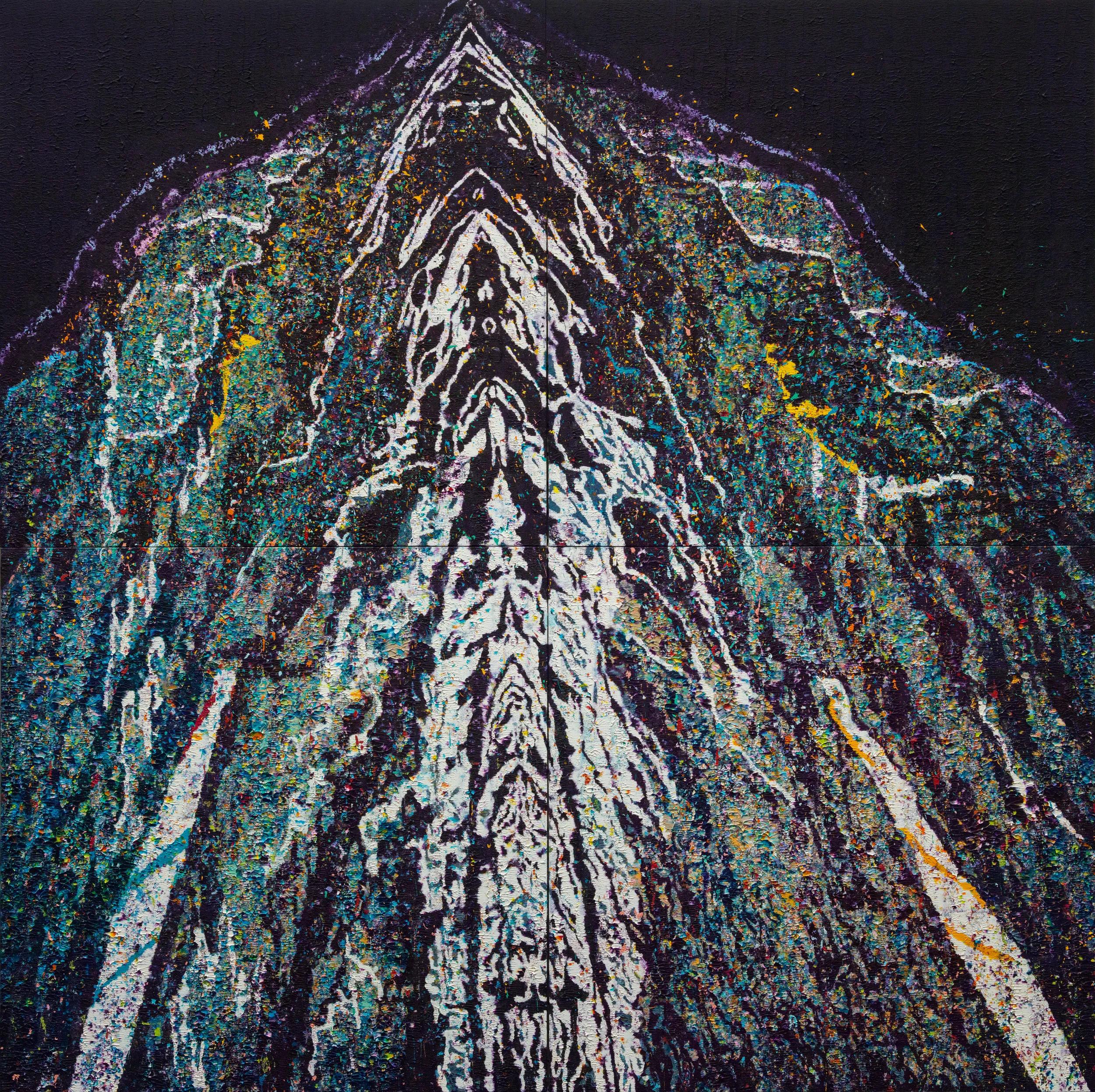
Press ReleaseFor his first New York City exhibition in over a decade, Zeng Fanzhi will present a new sculpture and a suite of resplendent new paintings that conjure imagined celestial landscapes and topographies. The works advance the celebrated Beijing-based artist’s ongoing investigation of color, perception and the material possibilities of paint. The exhibition introduces the latest chapter in Zeng’s practice, following on from his critically admired presentation ‘Zeng Fanzhi: Near and Far/Now and Then’ on view during the 2024 Venice Biennale, organized by the Los Angeles County Museum of Art (LACMA).
About the Artist
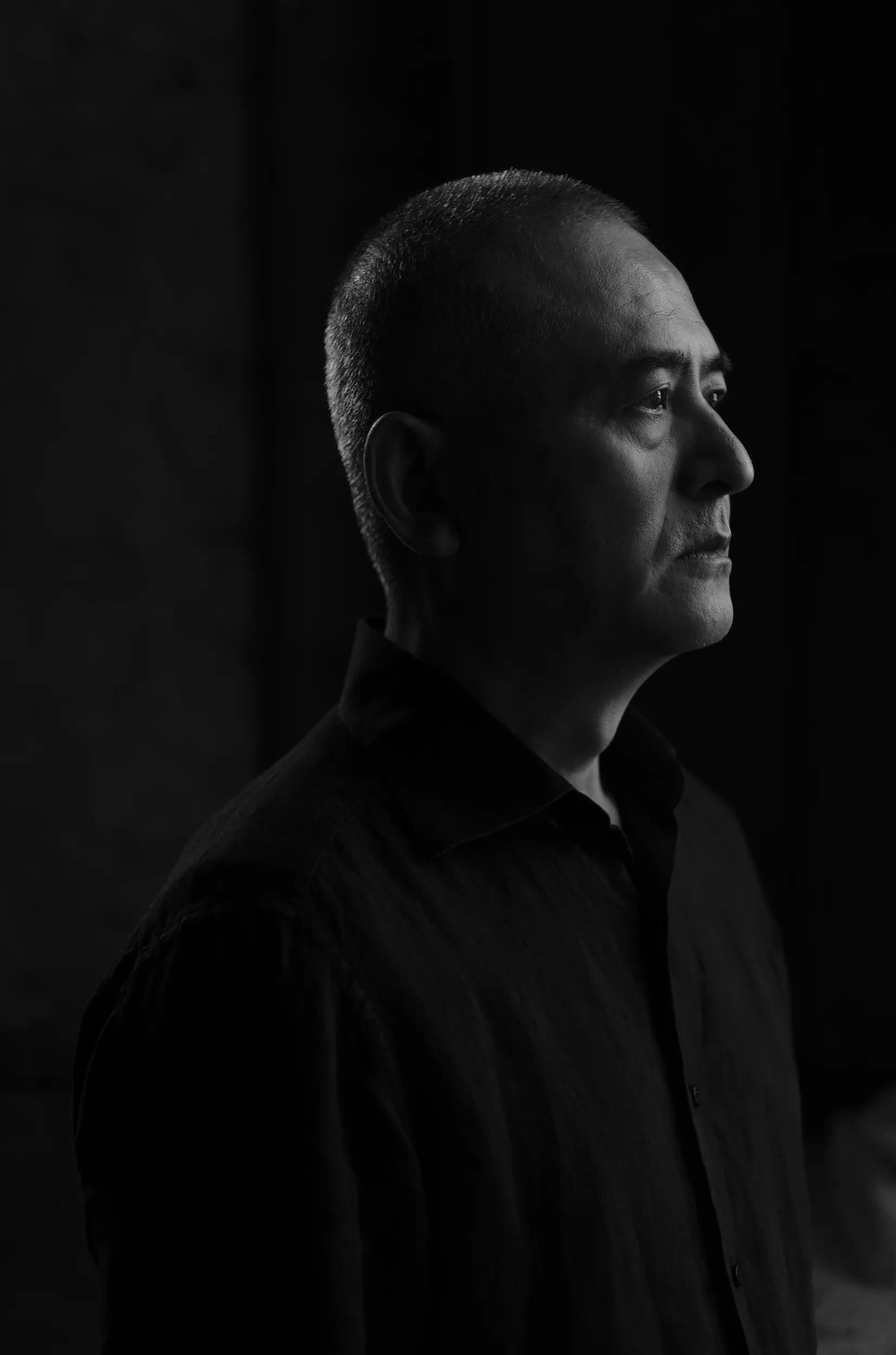
Zeng Fanzhi
Zeng Fanzhi was born in Wuhan, China, in 1964 and graduated from the Hubei Institute of Fine Arts in 1991. As a student, he demonstrated extraordinary talent and technical mastery, pursuing an independent path beyond the prevailing currents of Socialist Realism. Experimenting with abstraction and adopting an Expressionist approach to portraiture, he conveyed the psychological complexity, unease, and anxiety of his subjects with remarkable insight. Throughout his career, he has remained attentive to individual existence, the inner life, and the subtle stirrings of human emotion.
Alongside his artistic practice, Zeng has long studied the masters of earlier generations. During his student years, he was particularly drawn to Paul Cézanne, Francis Bacon, Willem de Kooning, Max Beckmann, and the German Expressionists. Cézanne, in particular, has remained a touchstone throughout his career. Through sustained study and repeated engagement, Zeng has developed an enduring dialogue with the artist, continually returning to his work for inspiration. While engaging with these influences, Zeng forged a distinctive artistic language of his own. At the age of twenty-eight, he created major early works such as the Hospital Triptychs (1991–92) and the Meat Series (1992–93). Highly expressive and already mature in style, these paintings established his reputation and are widely recognized in Chinese and international art publications.
Working amid China’s rapid modernization and urbanization, Zeng turned his attention to his contemporaries, reflecting shared social and psychological experiences. In the celebrated Mask Series (1994-2004), figures wear masks that cling closely to their faces, paradoxically revealing rather than concealing inner emotions. These works straddle realism and imagination to reveal a valuable autobiographical and introspective reflection on his times and a meticulous attention to technical detail, cumulated into a rich body of portraitures and unique imagery.
Over the past two decades, Zeng has deepened his engagement with classical Chinese painting philosophy, particularly art from the Northern Wei, Song, and Yuan dynasties, from the fourth to fourteenth centuries. At the same time, he has turned to the natural world, closely observing mountains, rivers, weathered trees, and unusual rock formations. These studies have informed an evolving artistic vocabulary grounded in both observation and imagination.
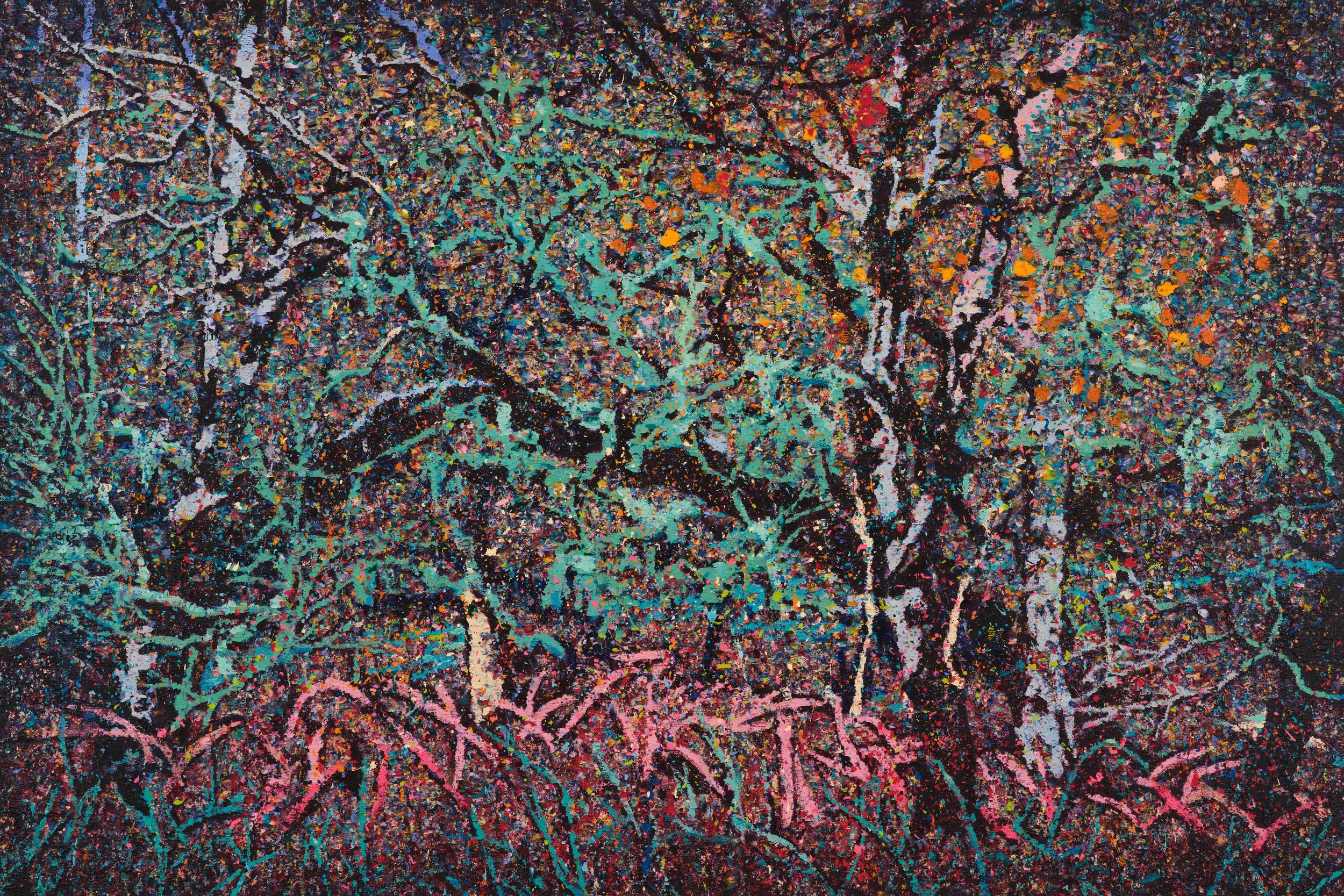
Informed by these new interests, Zeng reconsidered the relationship between abstraction and figuration, using each to deepen his understanding of the other. Since 2002, his Abstract Landscape Series has evolved through several phases characterized by gestural landscapes animated by the same dynamic energy found in his portraiture. Meticulous, calligraphic lines both reveal and obscure forms, creating a complex dialogue between nature, humanity, and the natural world.
Since 2019, Zeng’s abstract paintings have entered a new phase. Moving away from clusters of lines, he has embraced wet-on-wet and impasto techniques. Layers of brushwork create images that appear figurative from a distance but dissolve into painterly materiality at close range, evoking the effect of a digital pixelated image. Through this new pictorial language, he explores themes ranging from Christian, Buddhist, and Chinese literati iconography to imagined dimensions of time and space, prehistoric worlds, and other realms of existence.
Since 2009, Zeng has also developed an important body of works on handmade paper. Using ink, graphite, chalk, gold dust, and mineral pigments, he explores the interaction between materials and surface. Through careful observation and minimal intervention, he uncovers imagery latent within the paper itself. Existing between abstraction and figuration, these works evoke impermanence, transcendence, and transformation, while reflecting a balance of spontaneity and control.
Zeng Fanzhi has been the subject of major solo exhibitions at renowned institutions, including ‘Zeng Fanzhi: Near and Far / Now and Then’ at the Scuola Grande della Misericordia, Venice, Italy (2024, organized by LACMA); ‘Zeng Fanzhi: Old and New (Paintings 1988 – 2023)’ at Museum of Art Pudong, Shanghai, China (2023); ‘Zeng Fanzhi | Van Gogh’ at the Van Gogh Museum, Amsterdam, Netherlands (2017); Musée d’Art Moderne de la Ville de Paris, Paris, France (2013); Punta della Dogana, Venice, Italy (2013); and Rockbund Art Museum and Union Church, Shanghai, China (2010); The National Gallery for Foreign Art, Sofia, Bulgaria (2010) . His work is held in prominent public collections throughout the world, including Los Angeles County Museum of Art, Los Angeles CA; The Metropolitan Museum of Art, New York NY; San Francisco Museum of Modern Art, San Francisco CA; Musée d’Art Moderne de la Ville de Paris, France; Pinault Collection, Paris, France; and M+ (Sigg Collection), Hong Kong, China.
Current Exhibitions




1 / 11