
James Jarvaise
& Henry Taylor
Sometimes a straight line has to be crooked
12 June – 5 September 2026
Dates
12 June – 5 September
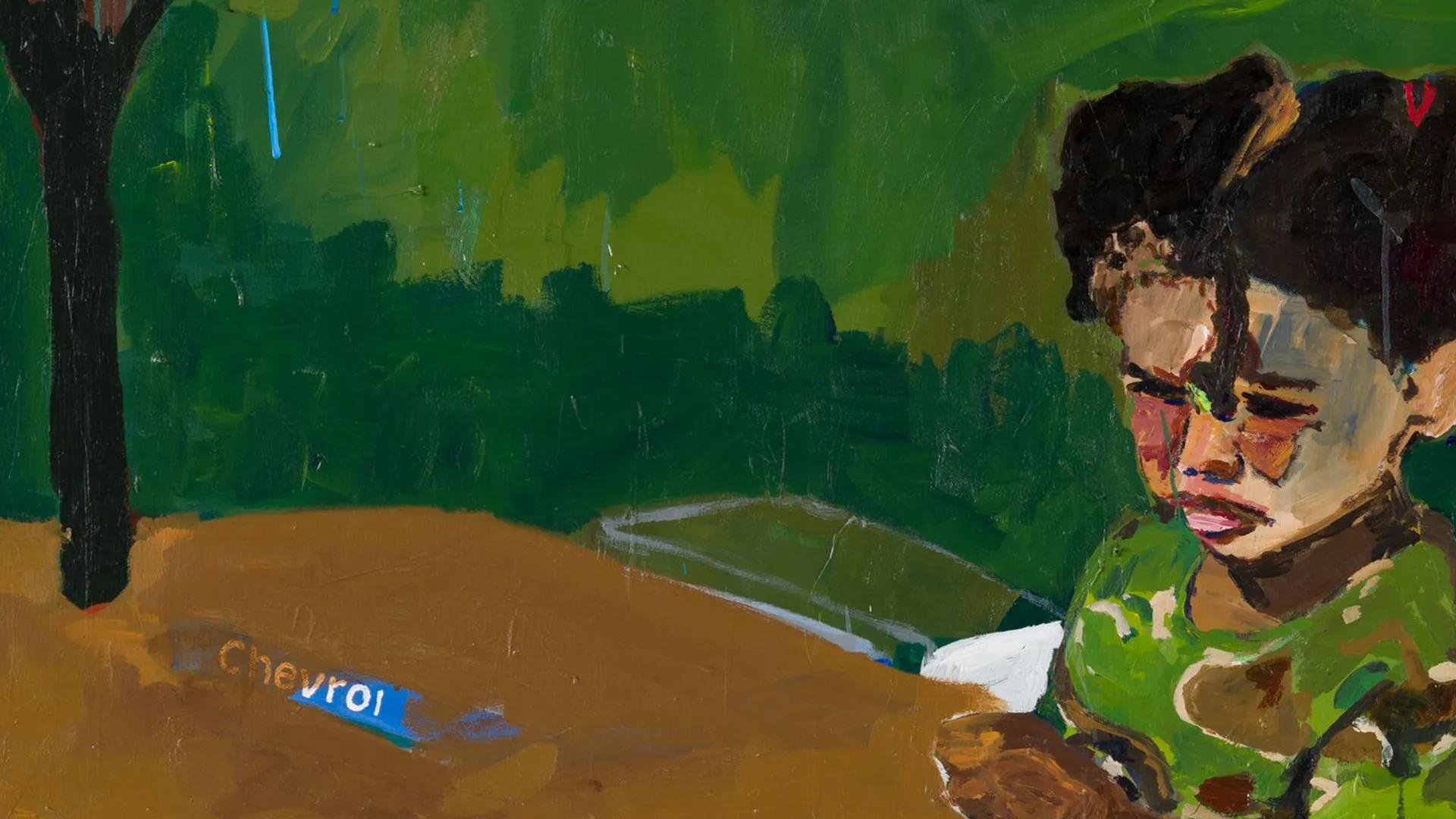
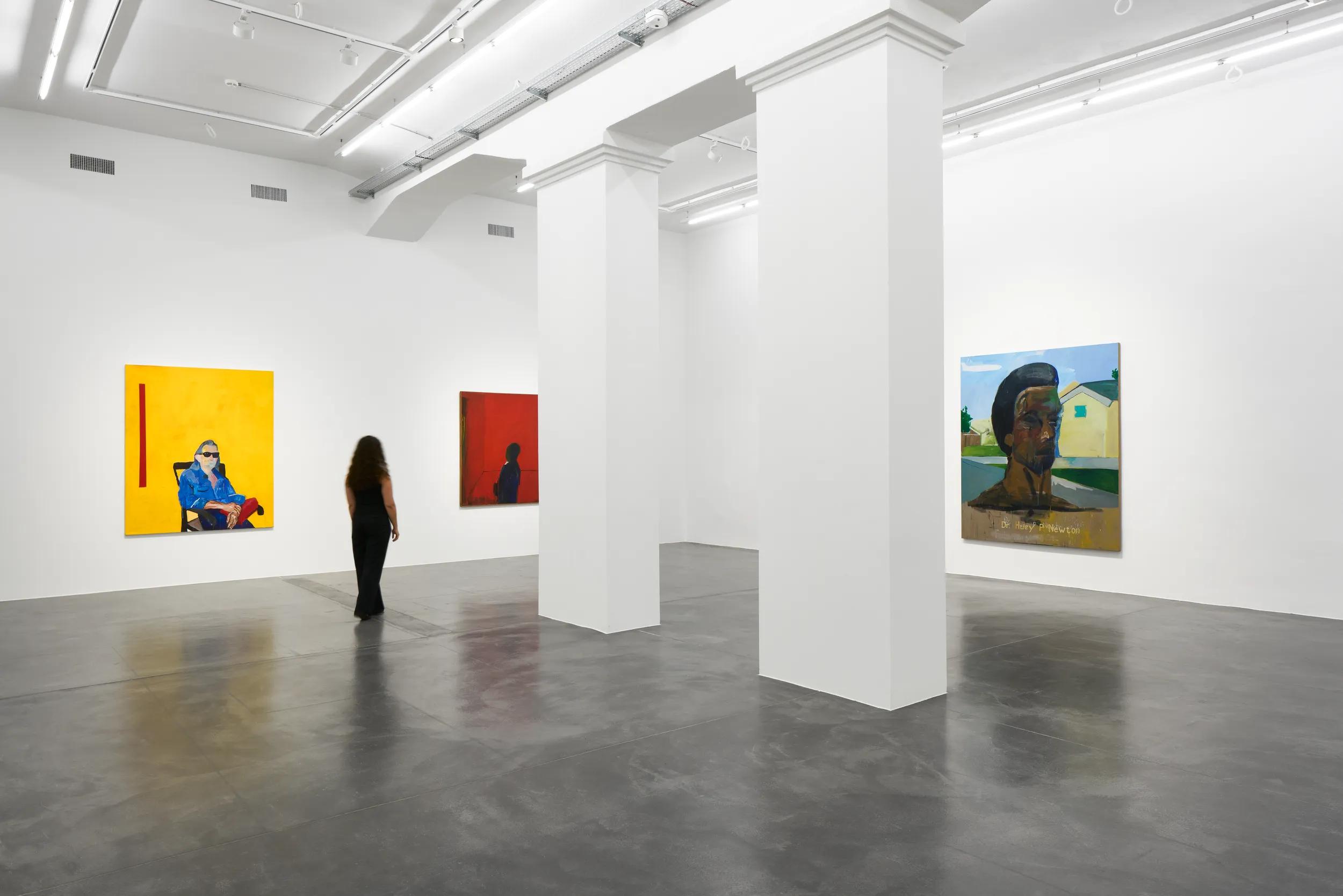
Opening during Zurich Art Weekend 2026, ‘Sometimes a straight line has to be crooked’ is the first European exhibition bringing together the work of Henry Taylor, one of today’s most celebrated artists, in dialogue with that of his teacher, California modernist James Jarvaise (1924 – 2015). It is significant that Taylor’s debut at Hauser & Wirth in Zurich takes place in dialogue with Jarvaise—the artist who saw something special in Taylor when he was a student in the 1980s. Concurrently on view, the Musée National Picasso-Paris is presenting the solo exhibition, ‘Henry Taylor. Where thoughts provoke,’ from 8 April – 6 September.
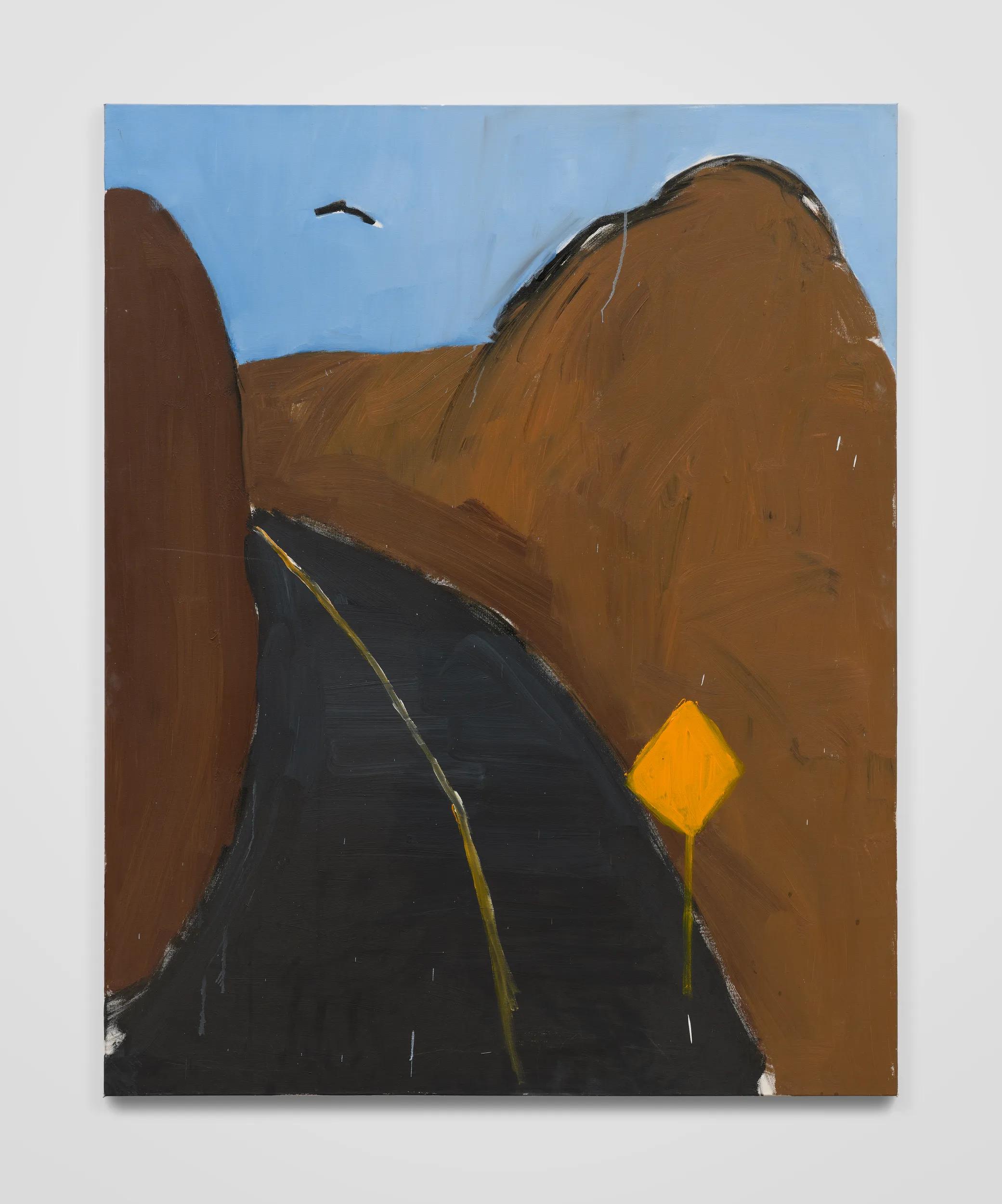
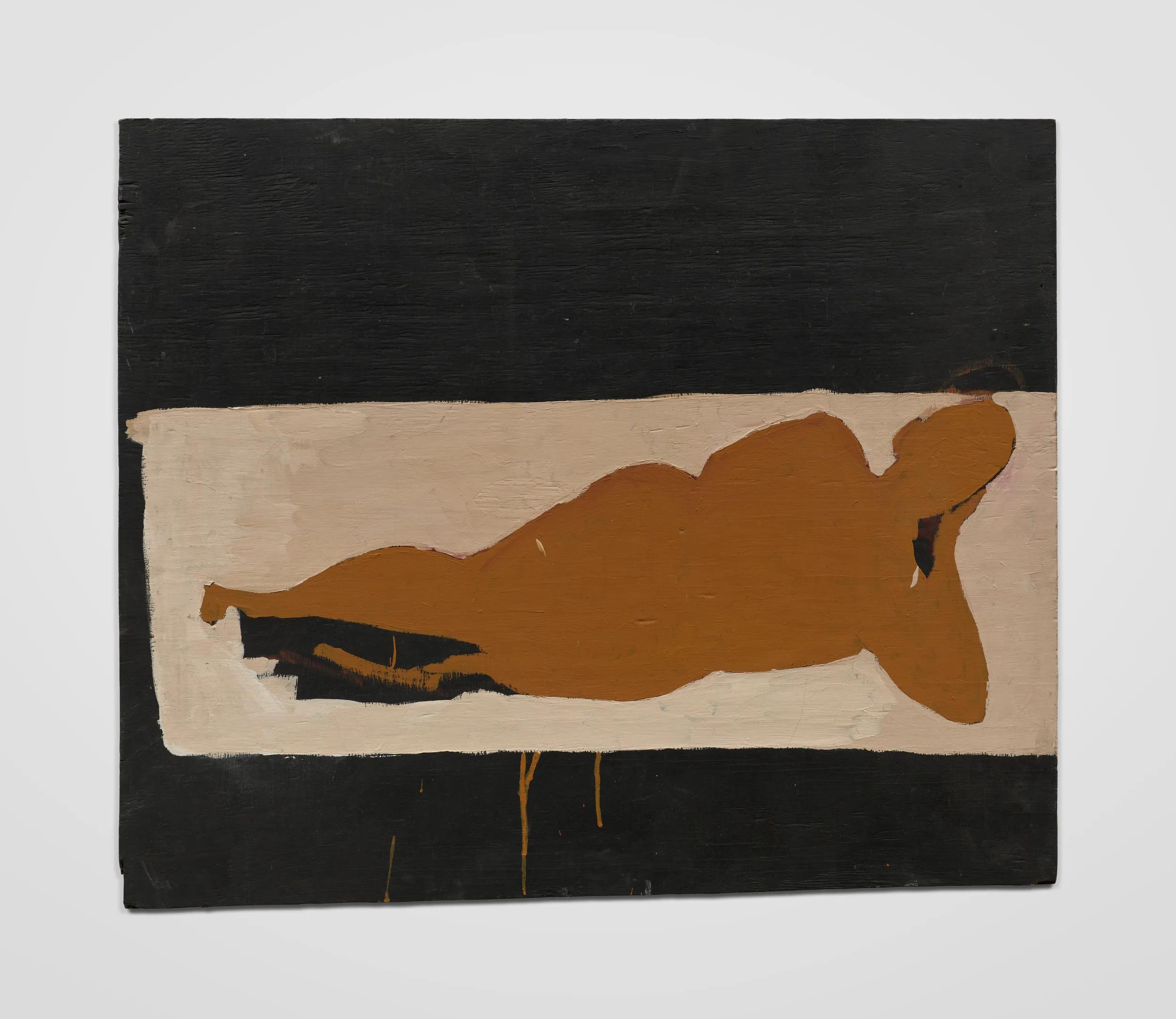
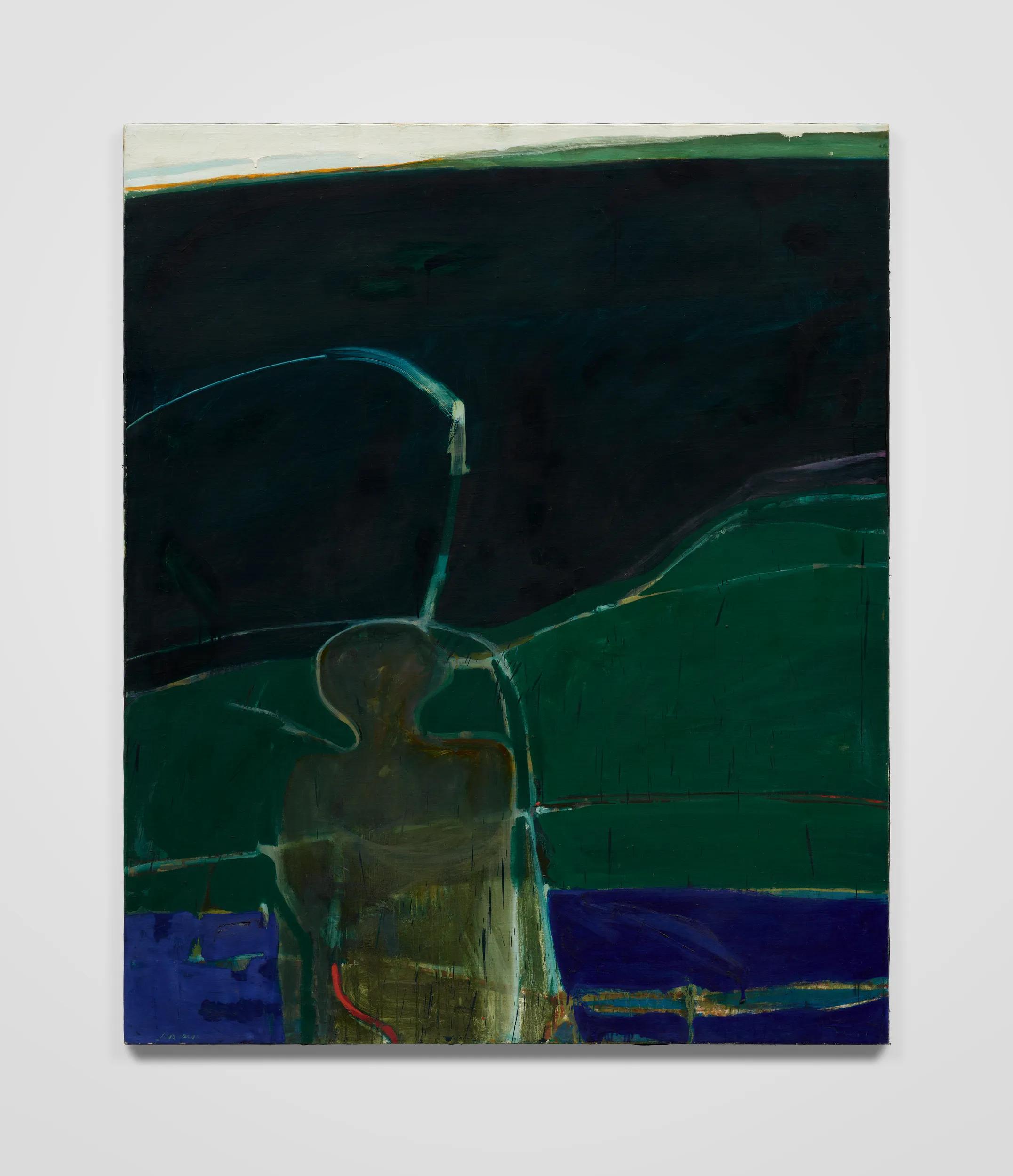
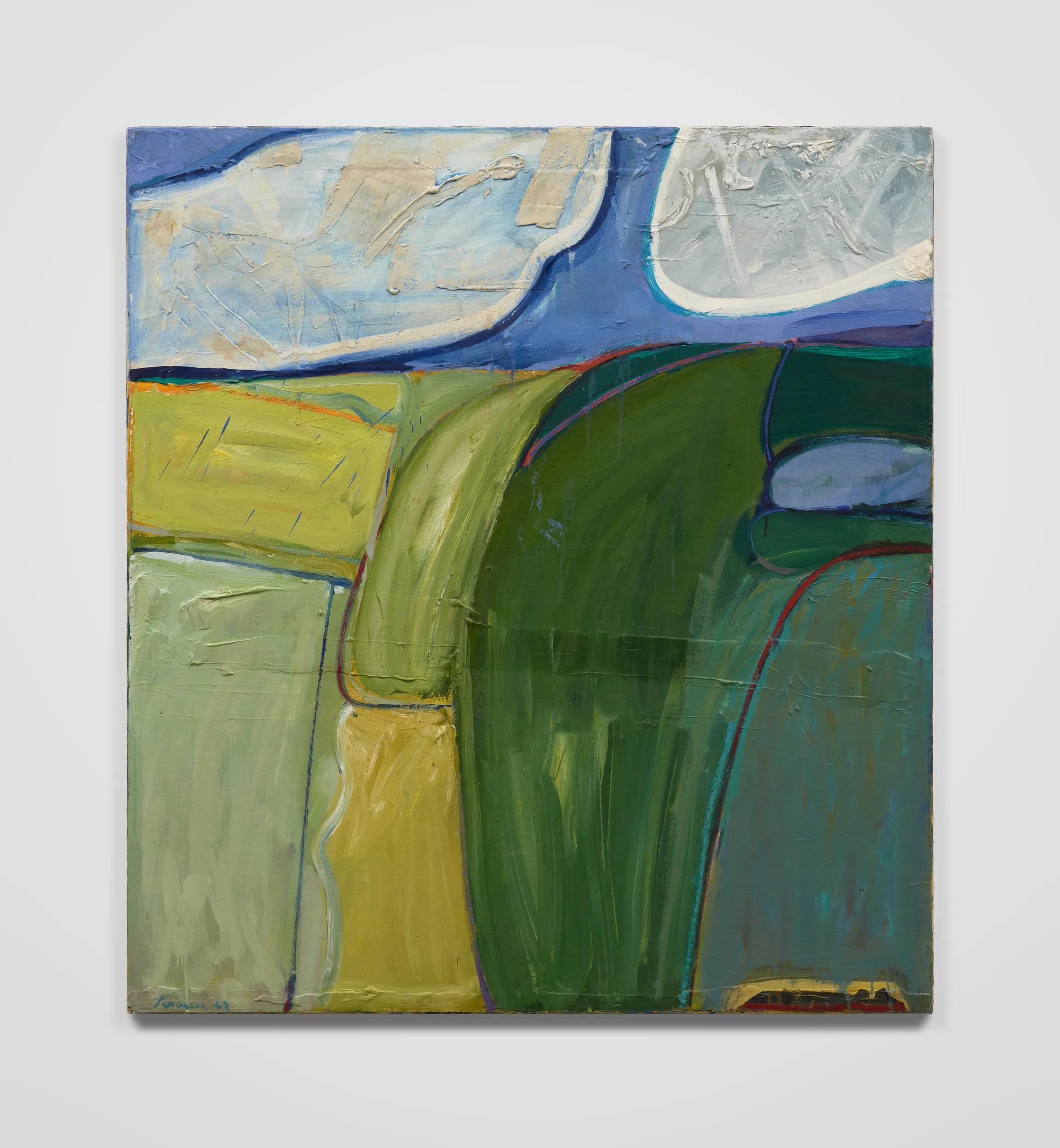
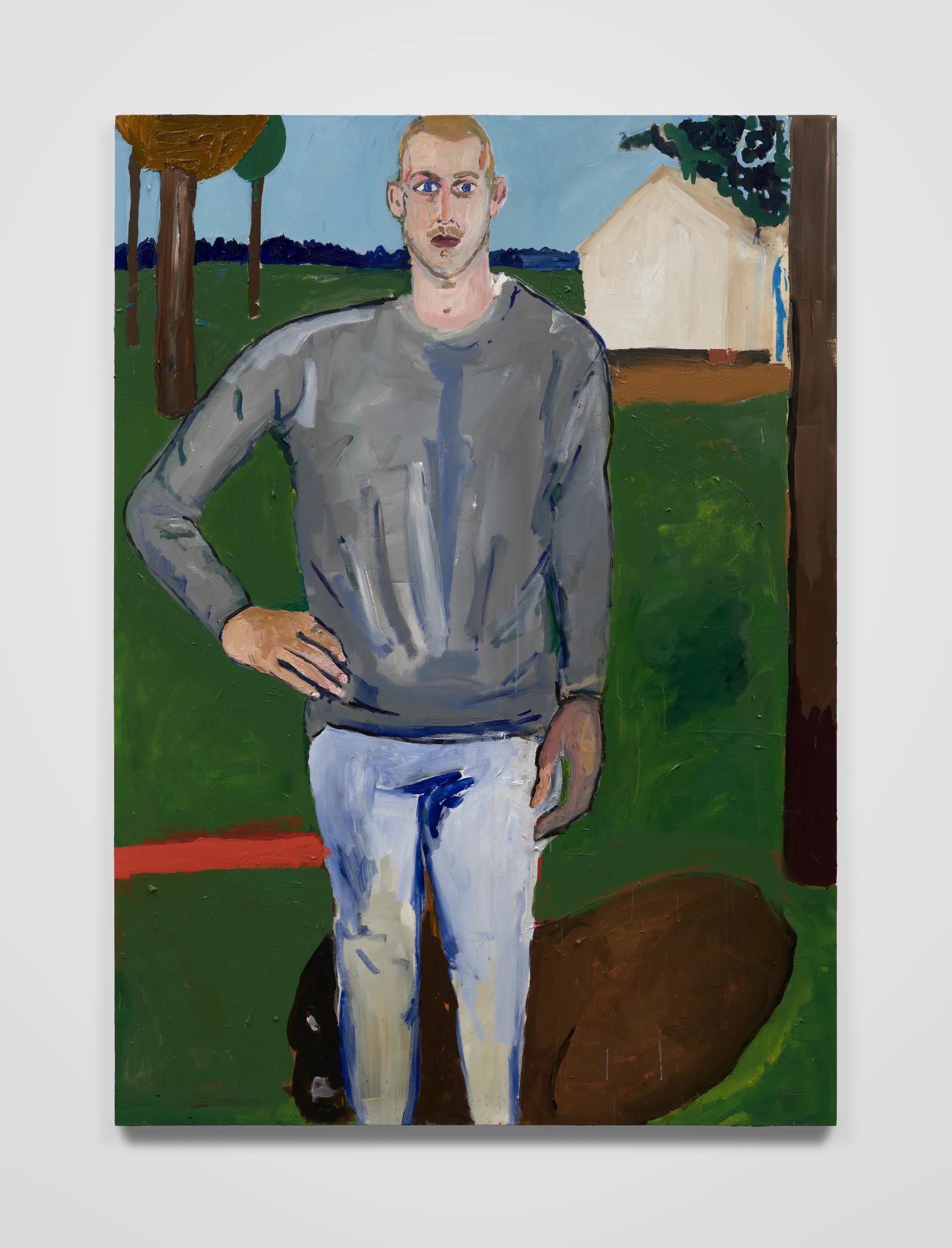
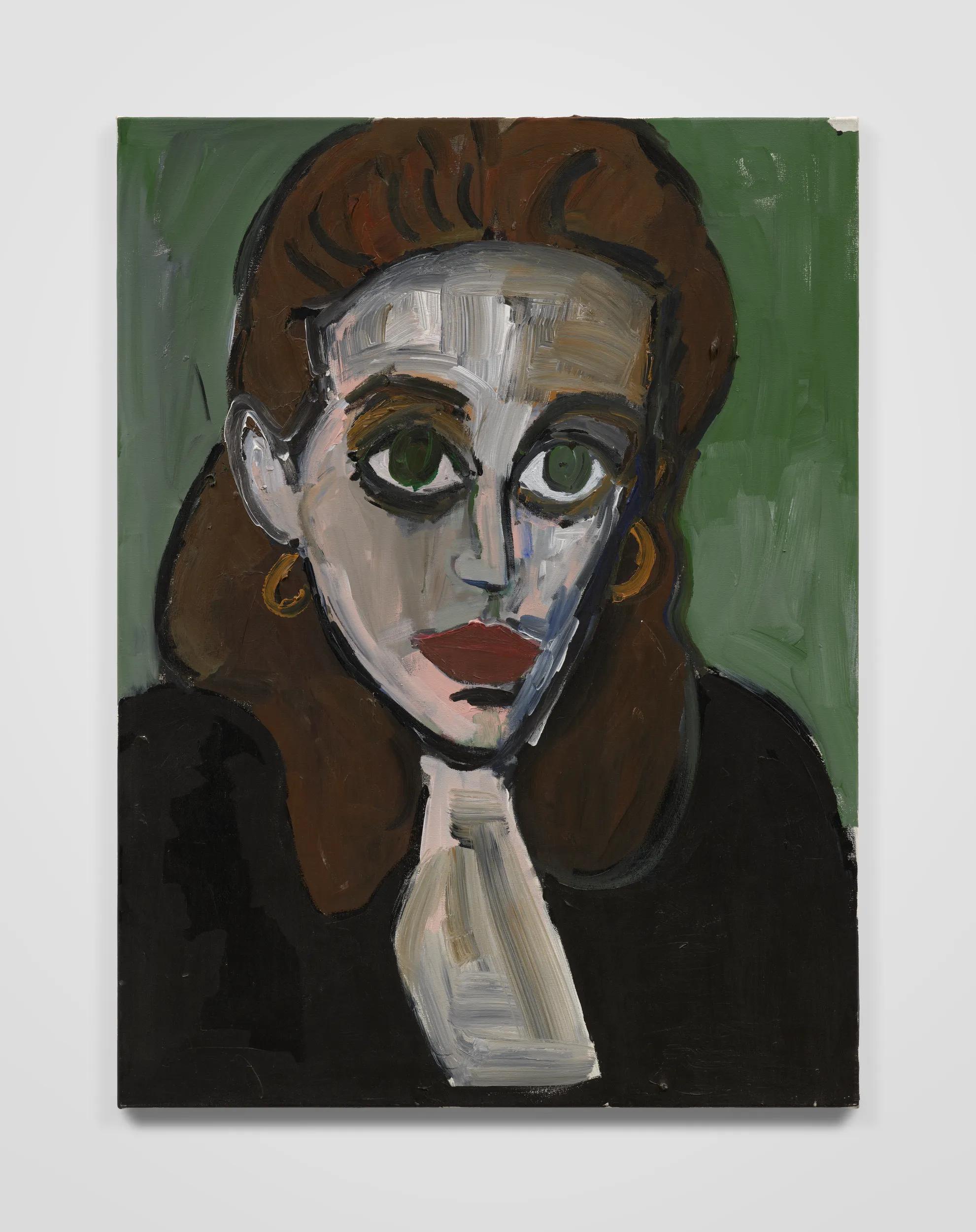
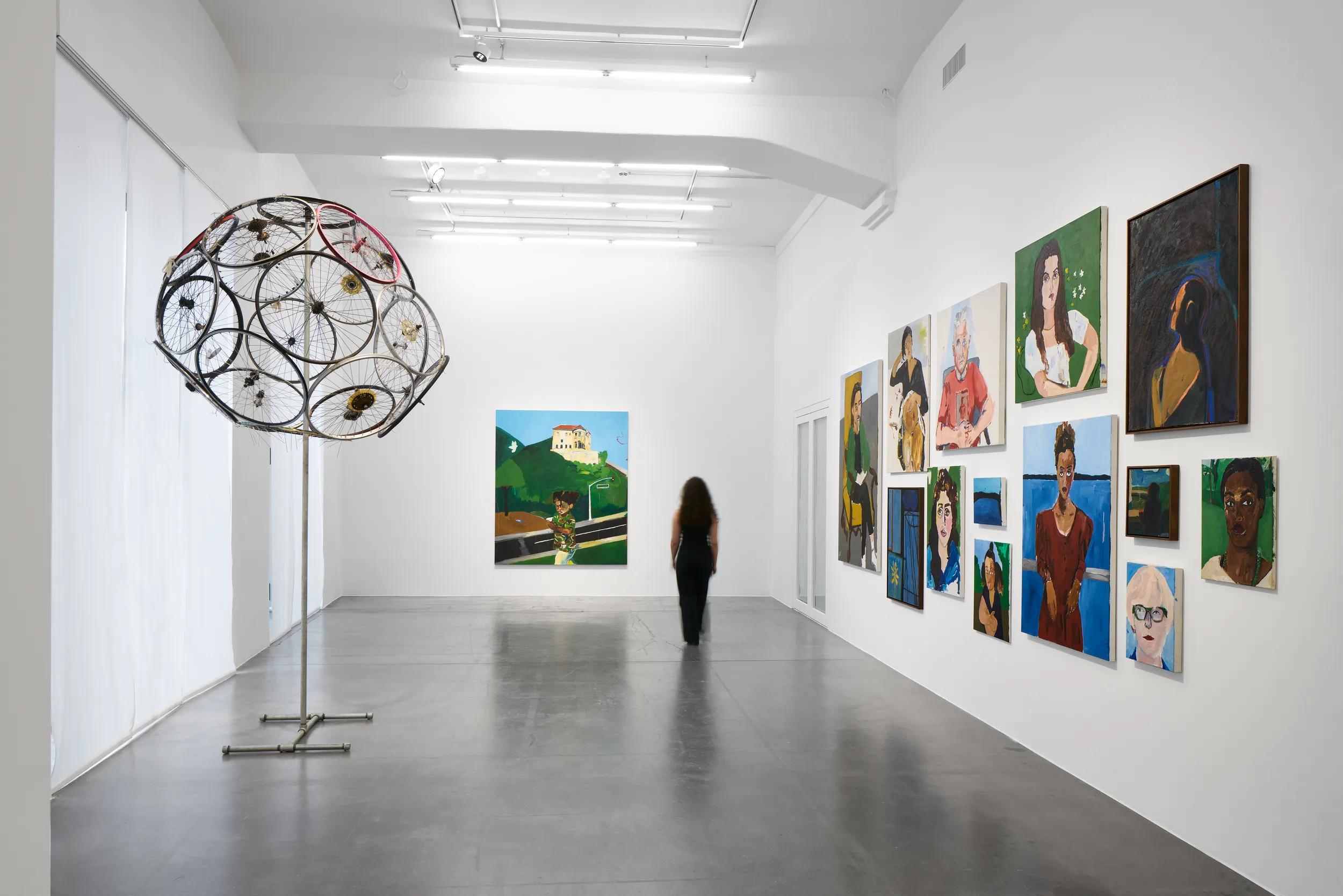
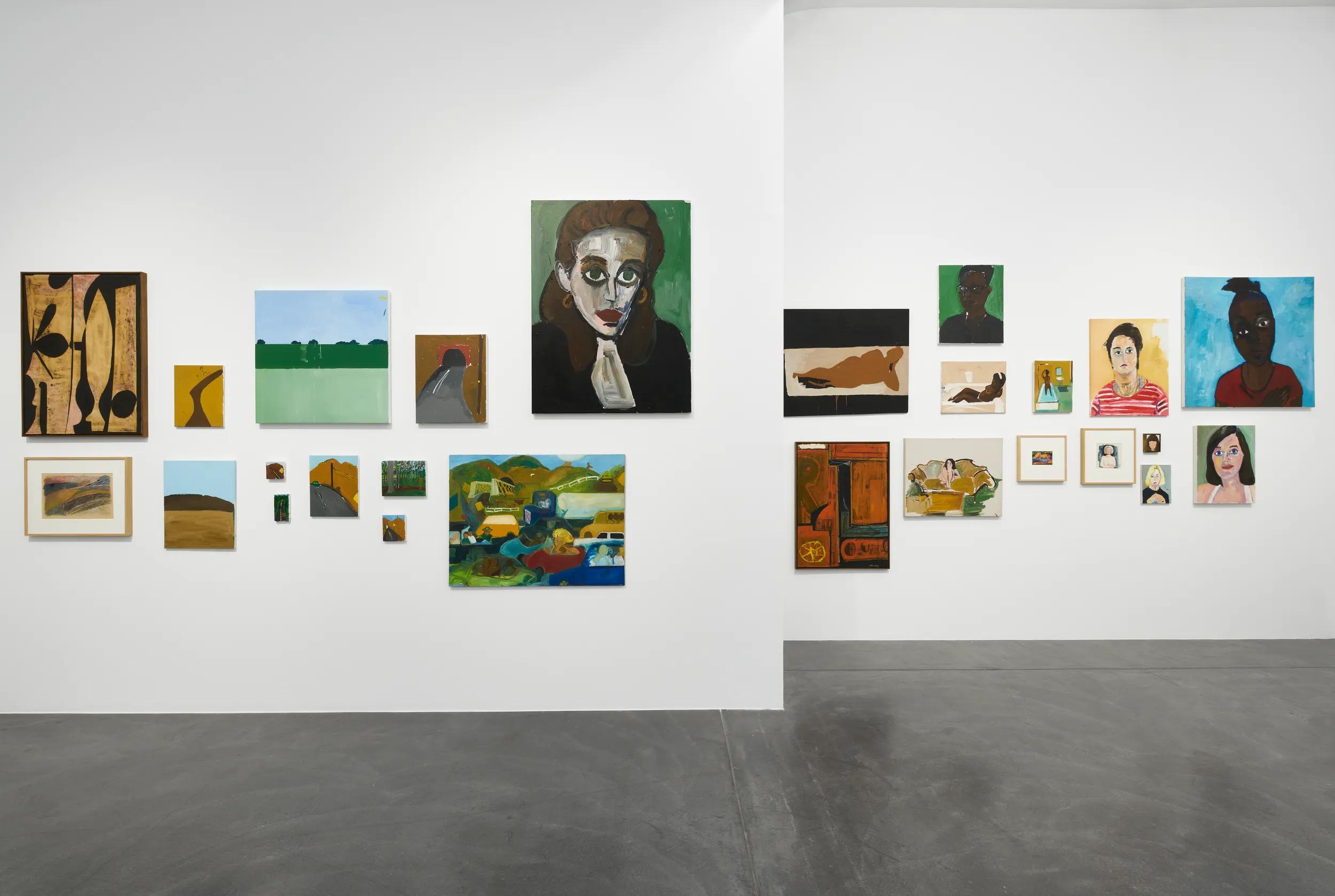
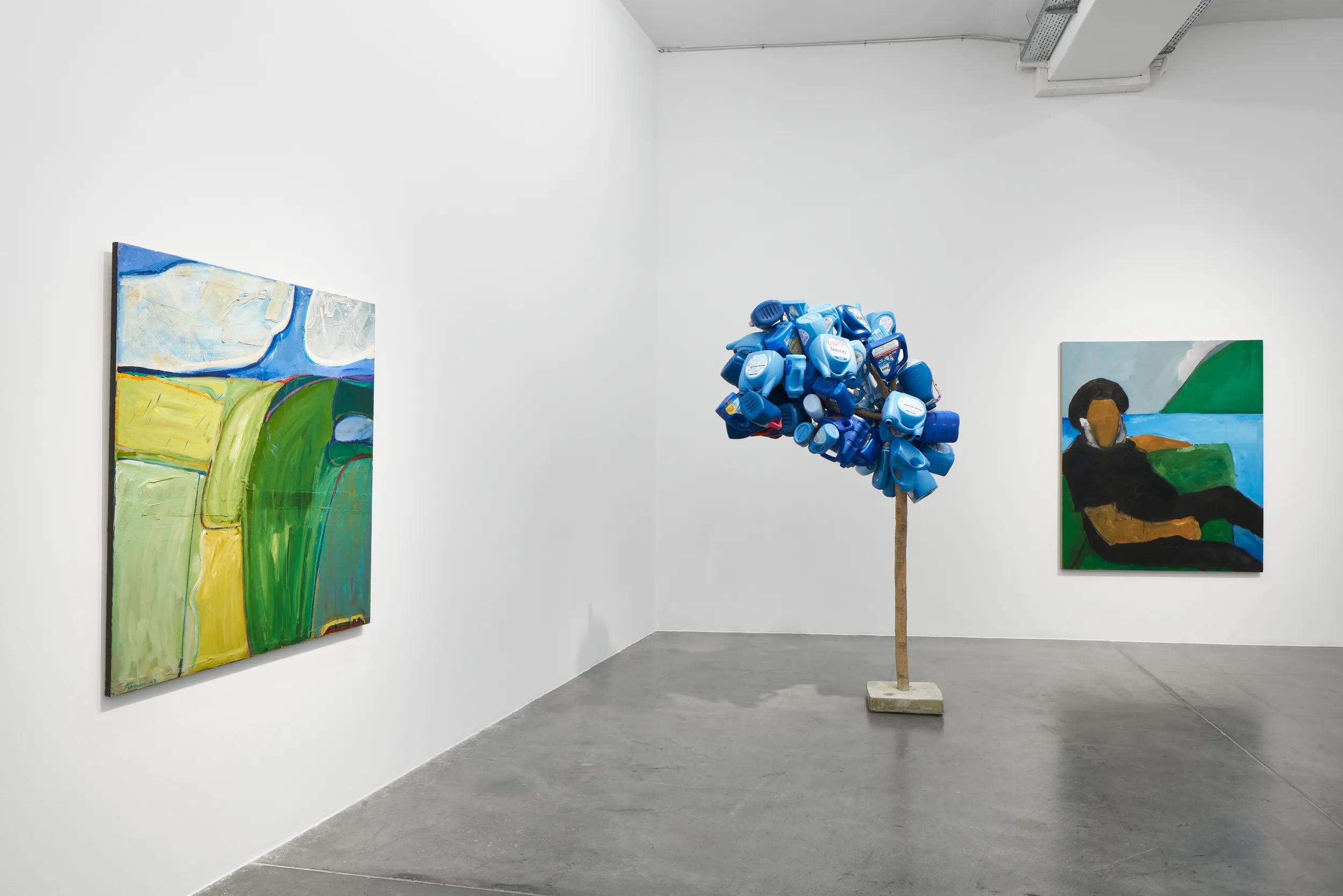
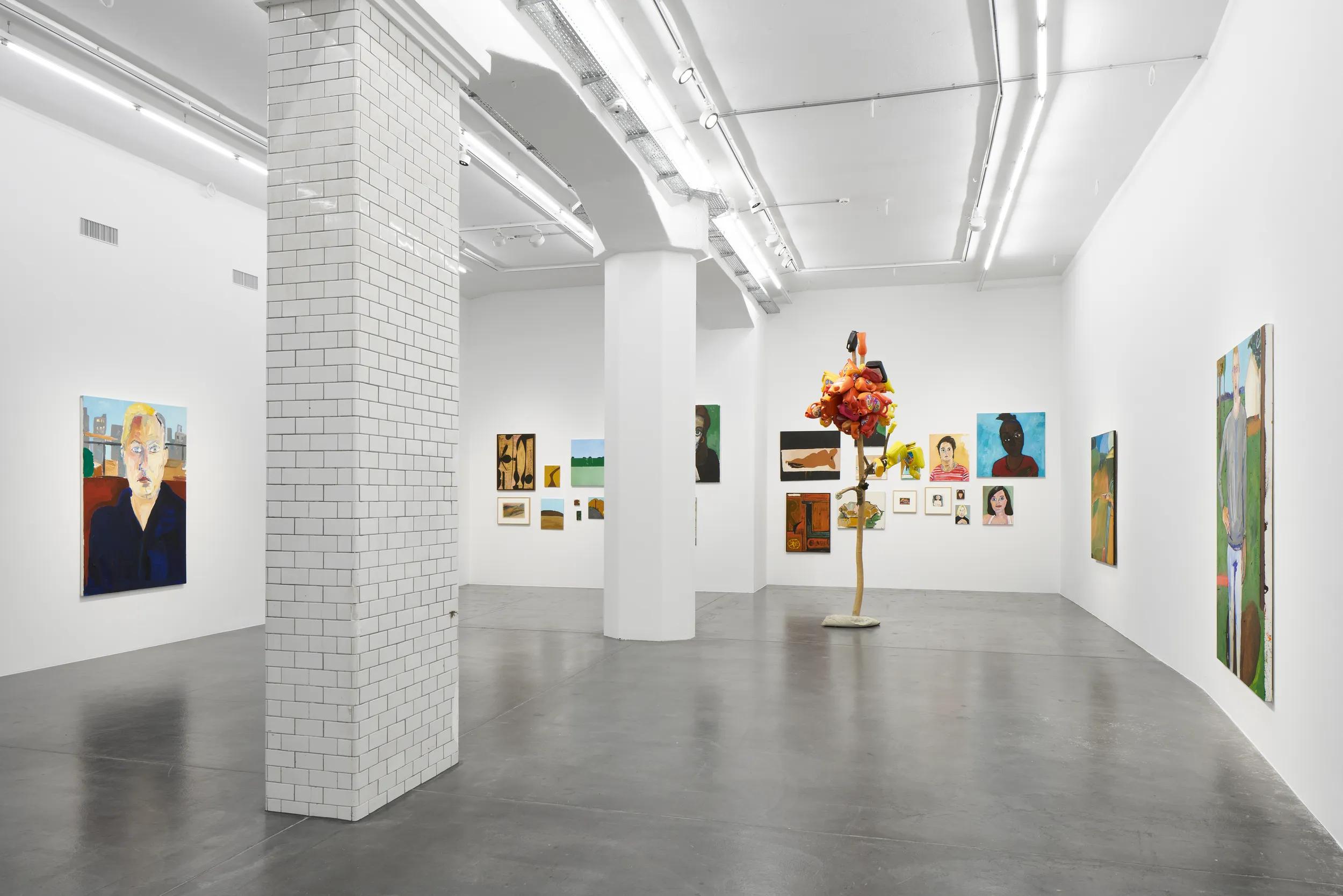
Travelling from Hauser & Wirth Los Angeles, the exhibition will feature over seven decades of works that explore the artists’ mutual interest in the figure and landscape. On view will be paintings and drawings from Jarvaise’s Hudson River School series, which was included in the famous 1959 exhibition ‘Sixteen Americans’ at The Museum of Modern Art, New York, in which Jay DeFeo, Jasper Johns, Robert Rauschenberg and Frank Stella also debuted as emerging artists. These historic works will be presented along with modernist collages from the 1950s and figurative paintings from the 1960s that were specifically chosen by Taylor. Encapsulating more than three decades, Taylor’s own work is represented by over 40 paintings to concentrate on portraits of friends, family and strangers, figure studies, neighborhood scenes and landscapes.
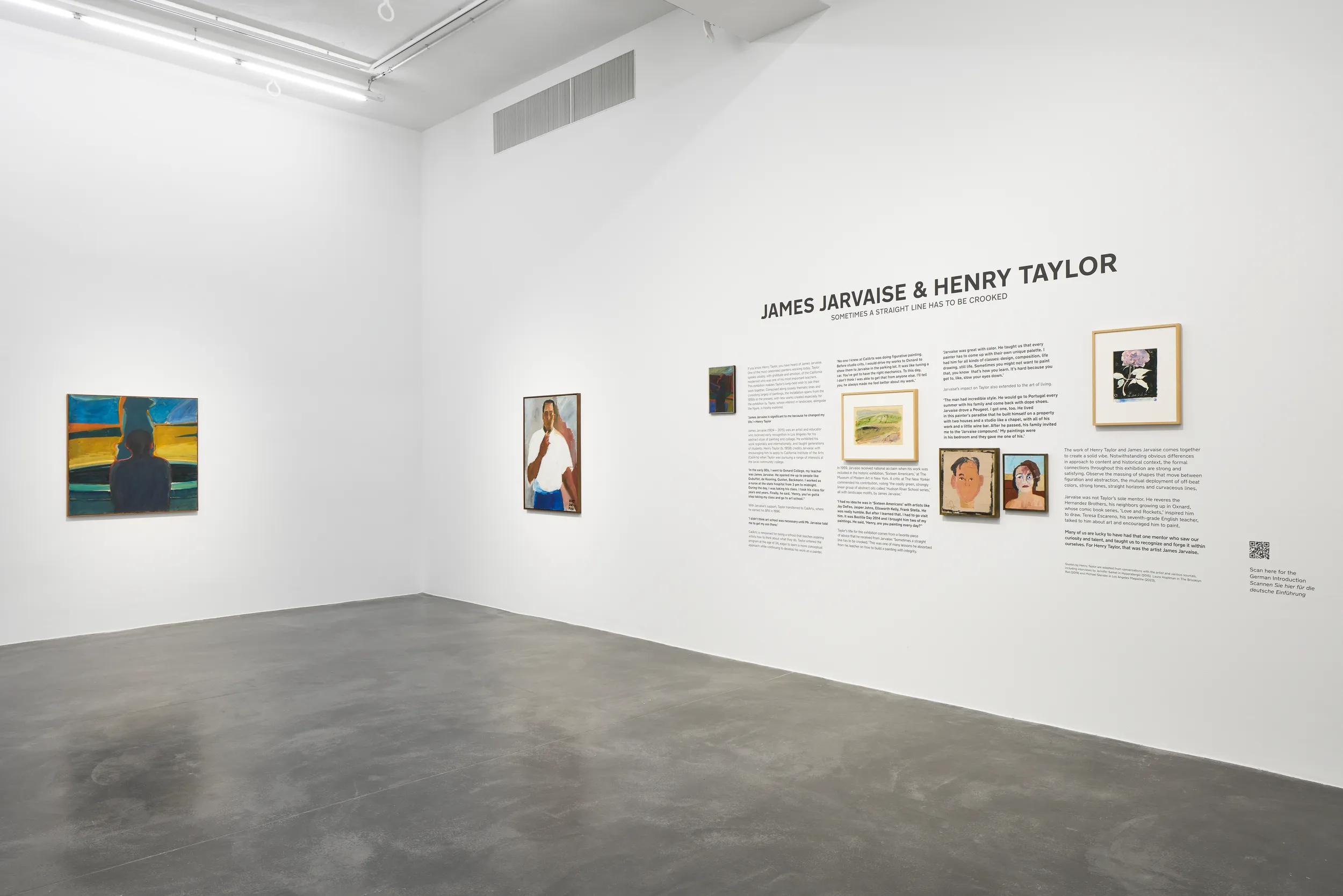
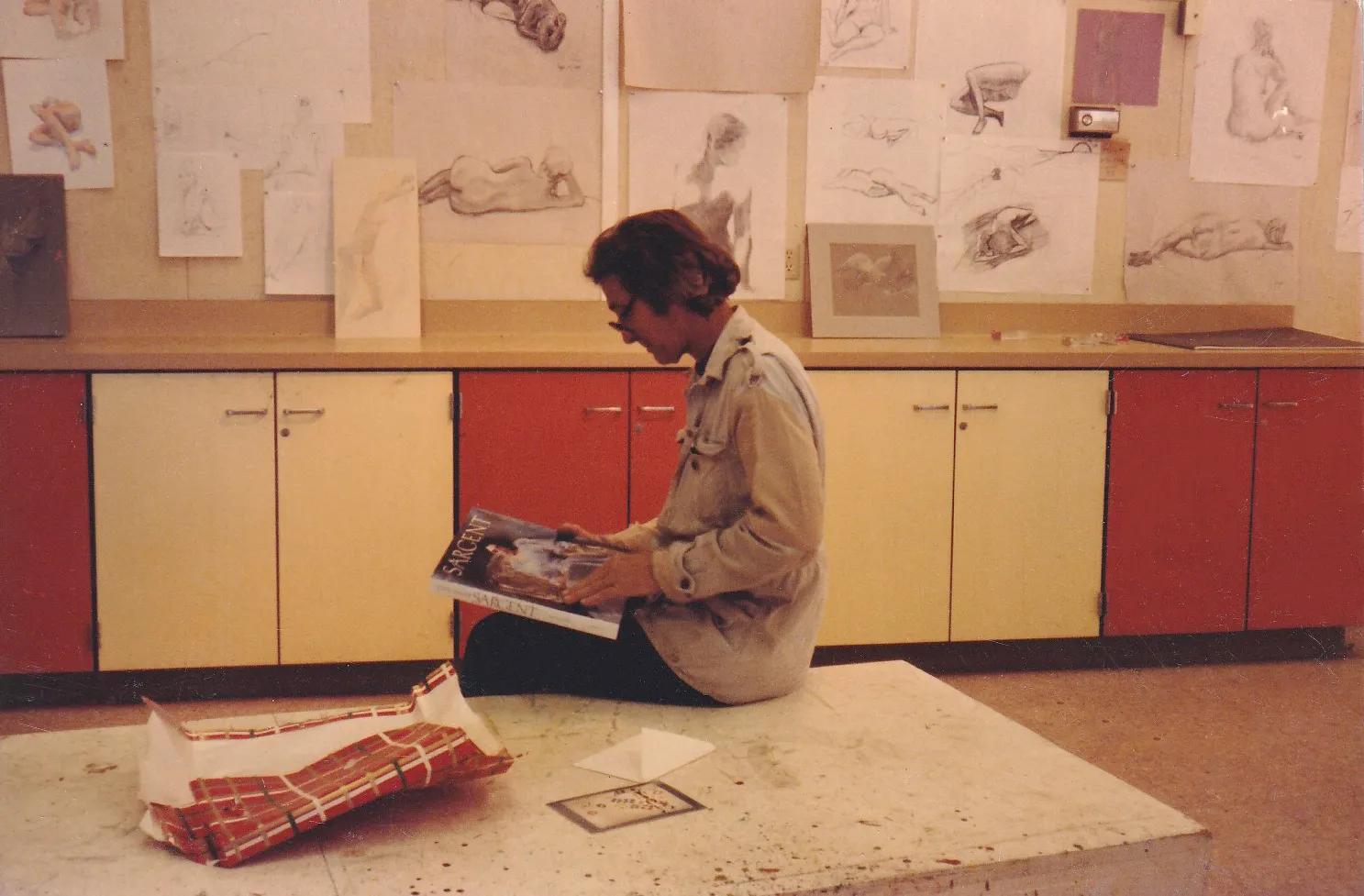
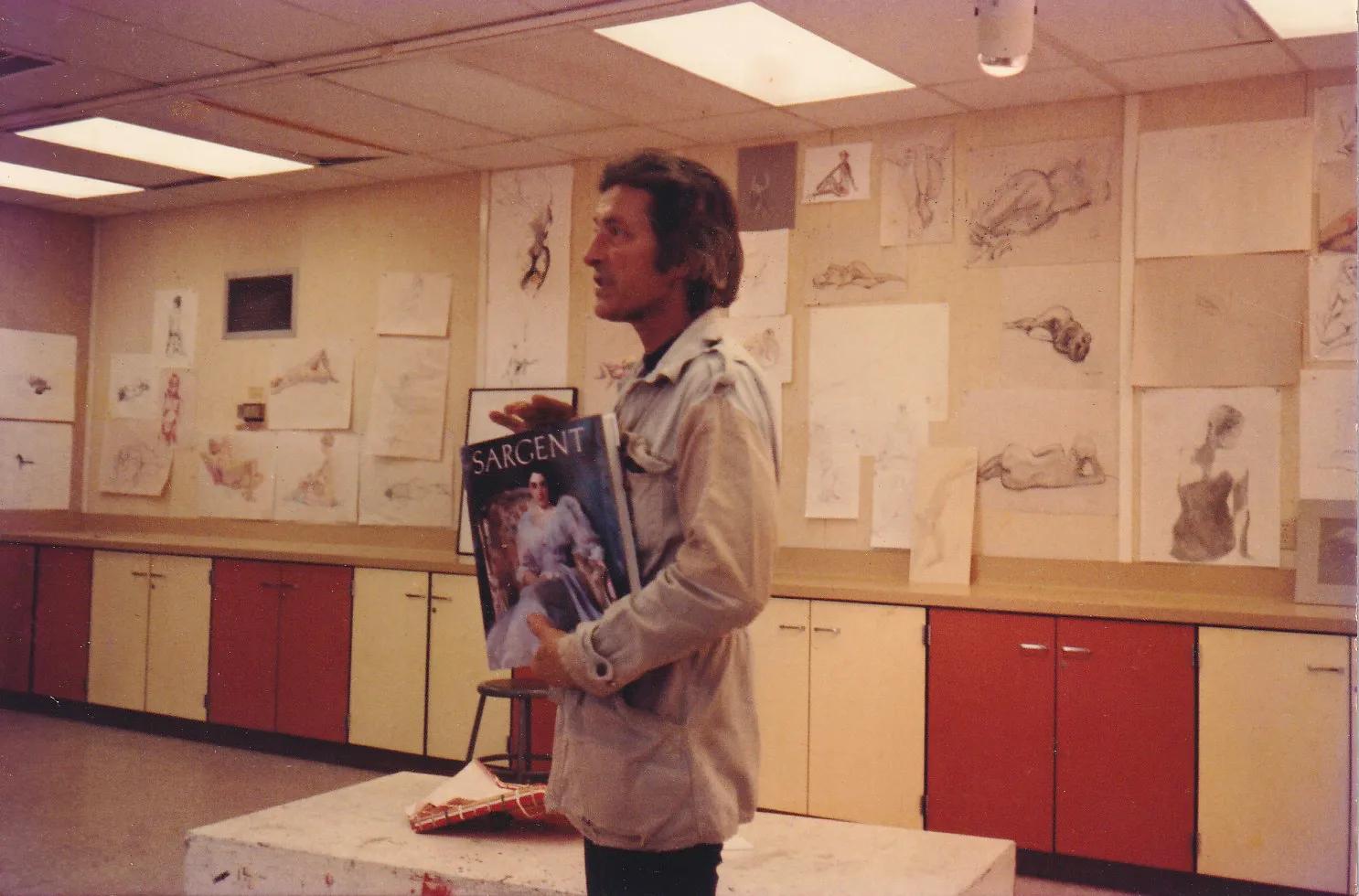
Henry Taylor credits James Jarvaise with having been the first to recognize his talents in the early 1980s. At the time, Taylor was supporting himself as a psychiatric technician at the Camarillo State Mental Hospital while pursuing a range of interests, including classes in journalism, cultural anthropology and set design at Oxnard College. There, he repeatedly enrolled in Jarvaise’s painting class, where he was introduced to the works of Max Beckmann, Jean Dubuffet, Philip Guston, Cy Twombly and other modernists who were entirely new to him. The title is taken from advice Jarvaise imparted to his student: the words of a vital teacher who offered Taylor many lessons on how to build a painting with integrity.
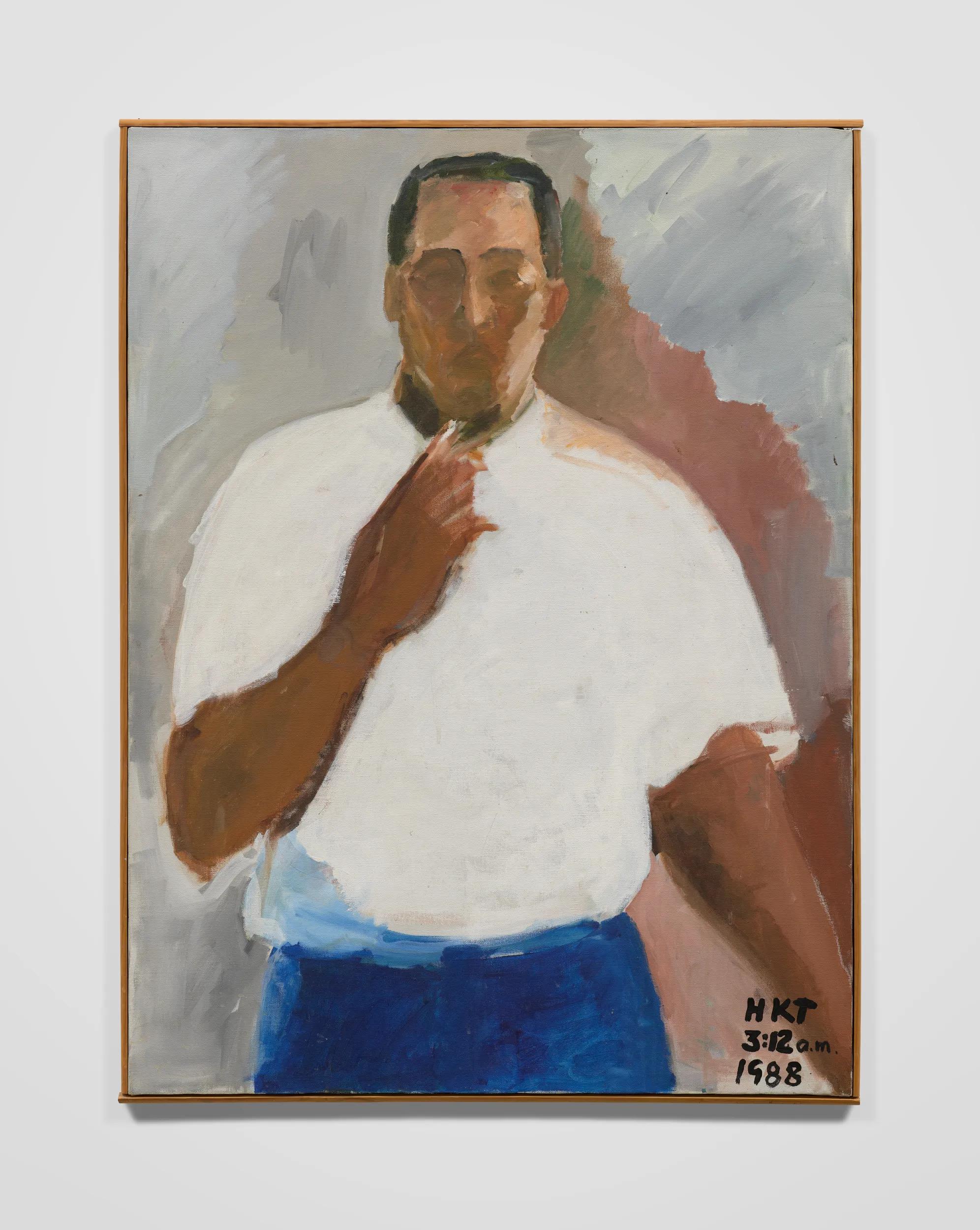
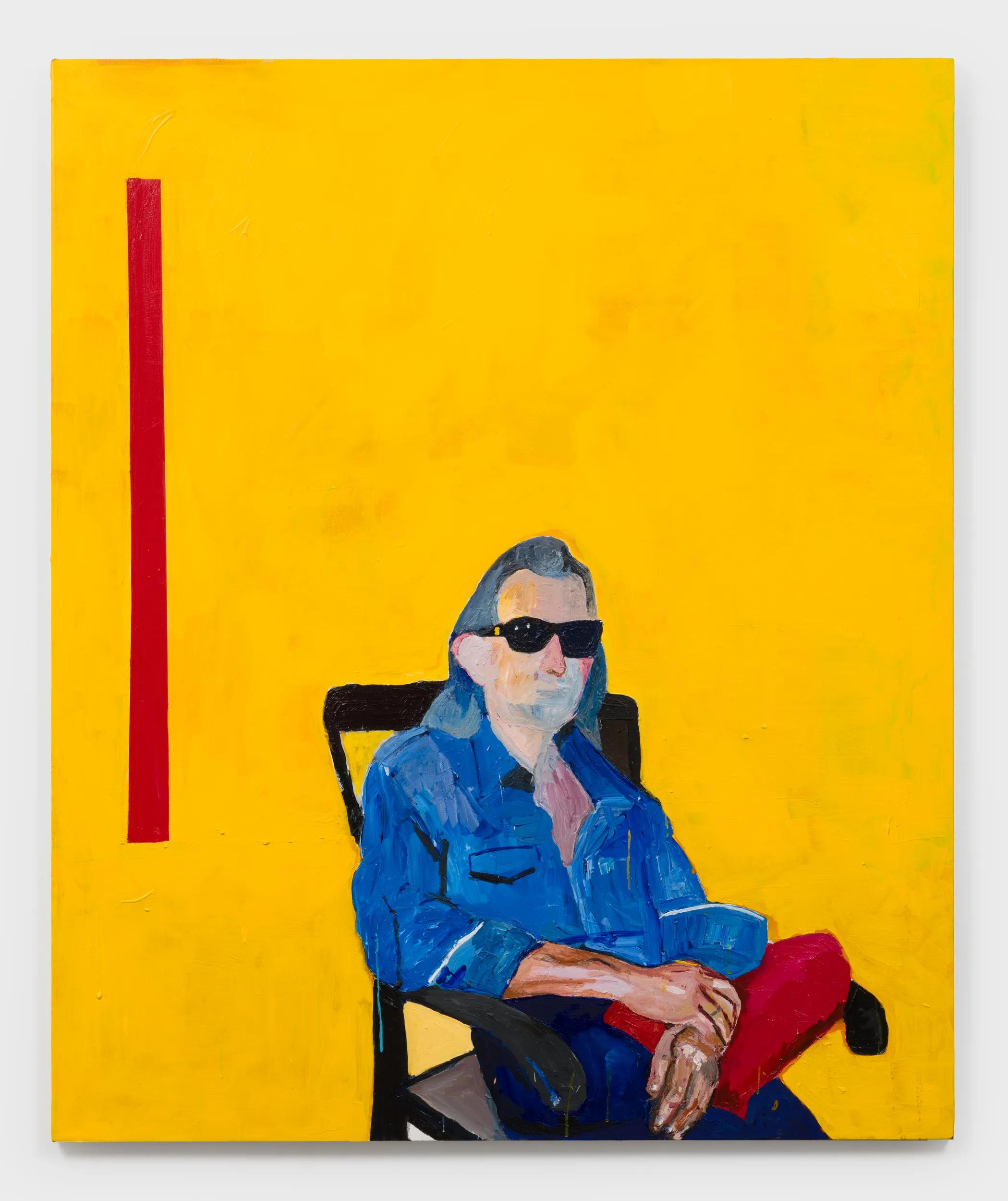
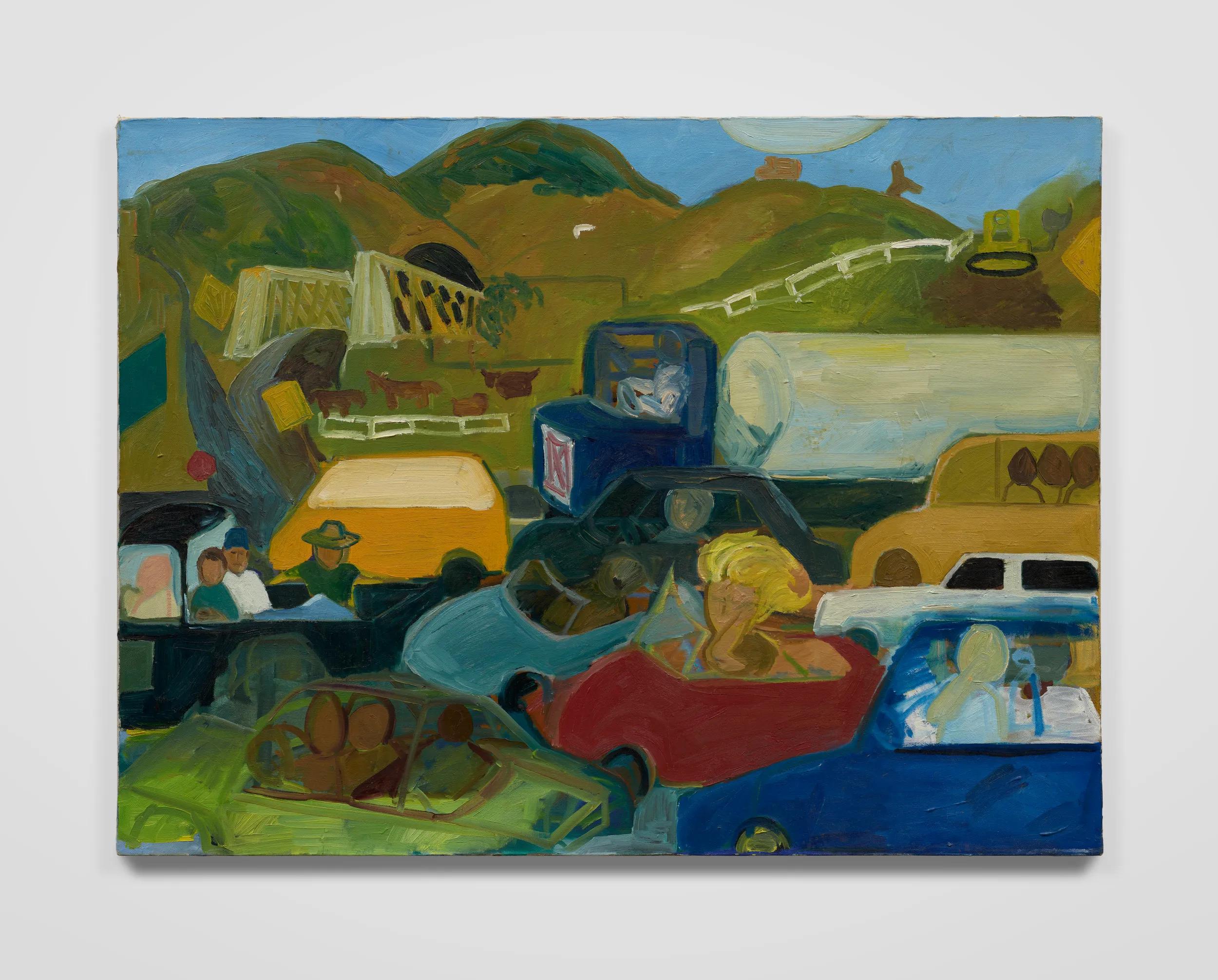
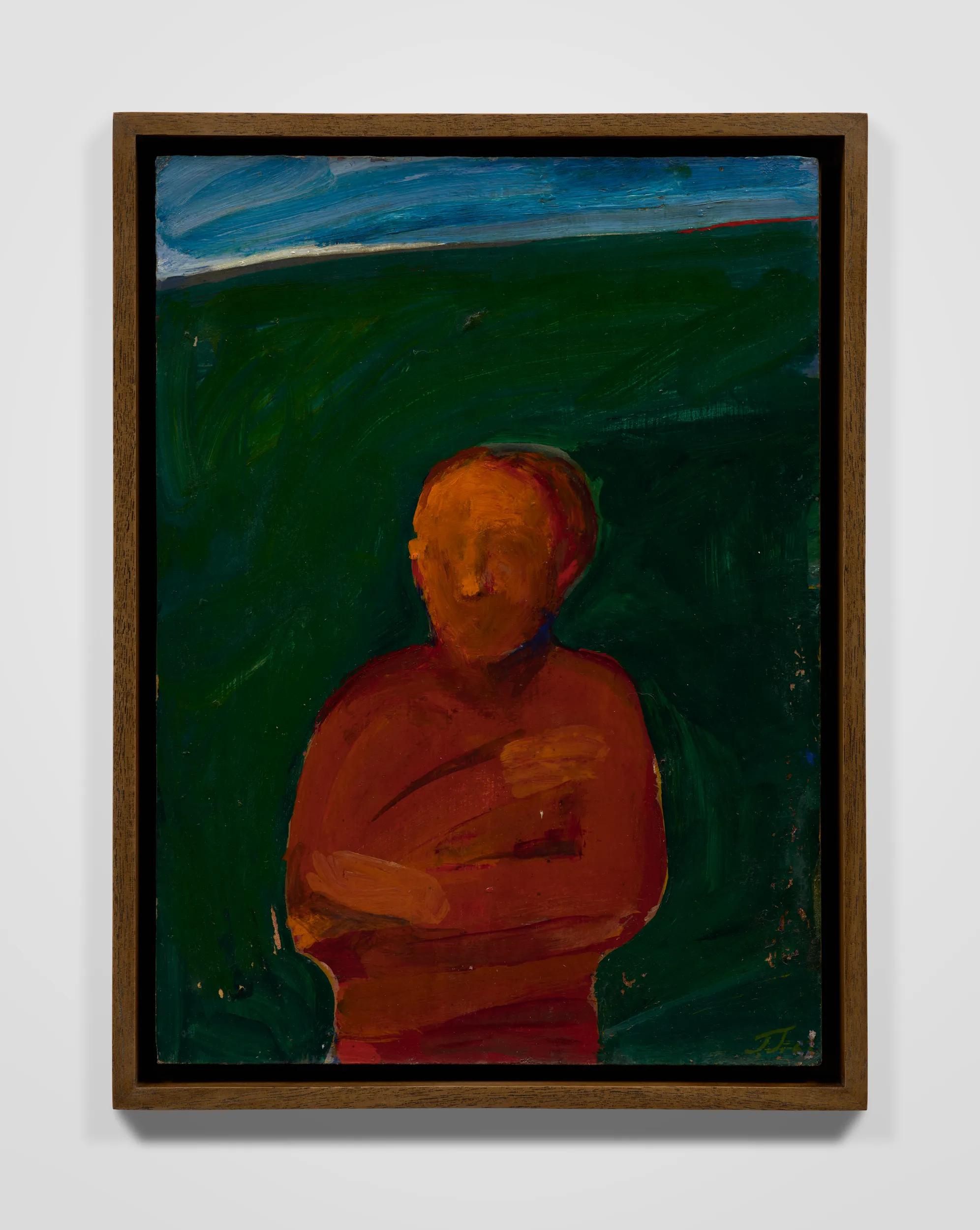
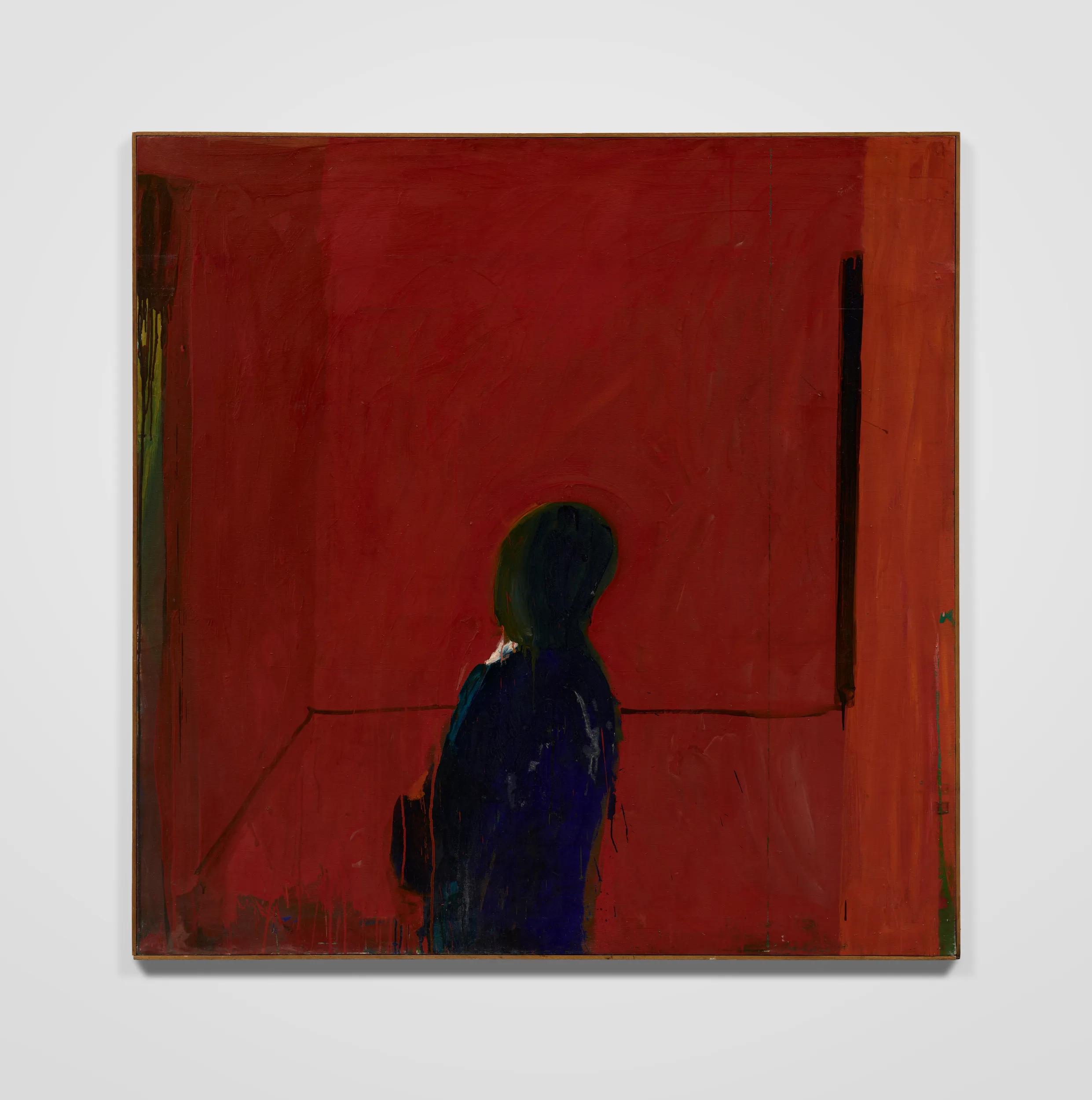
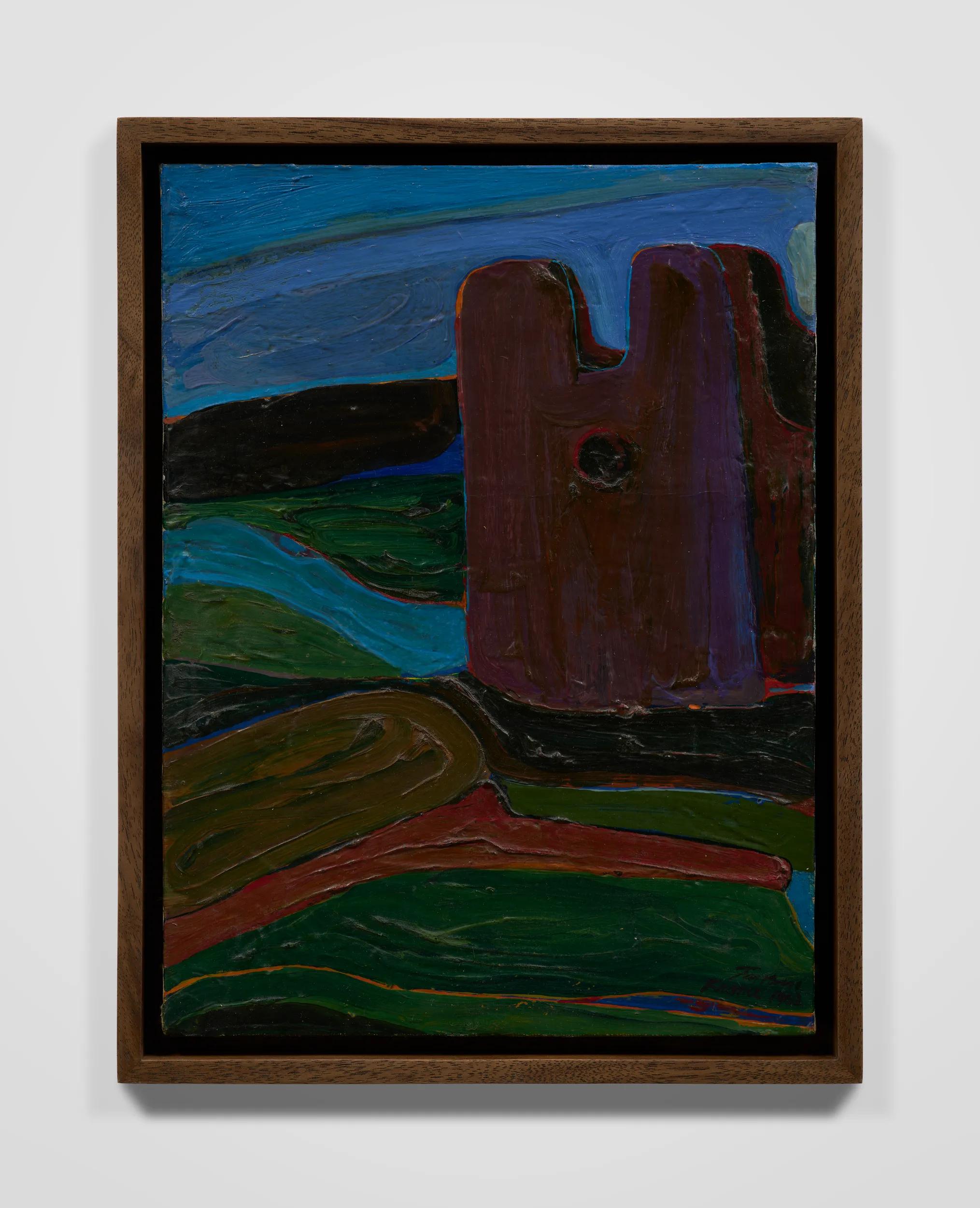
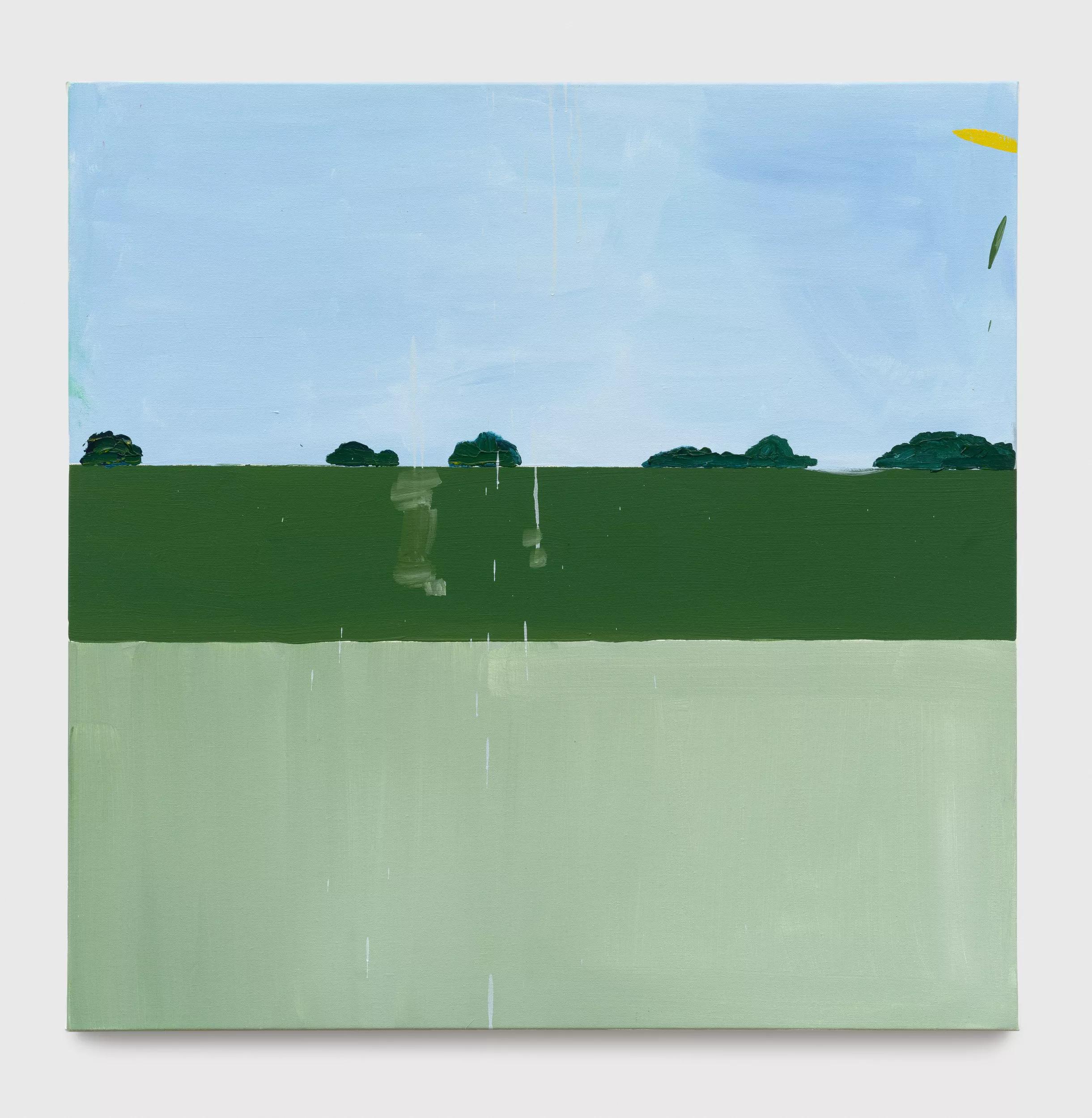
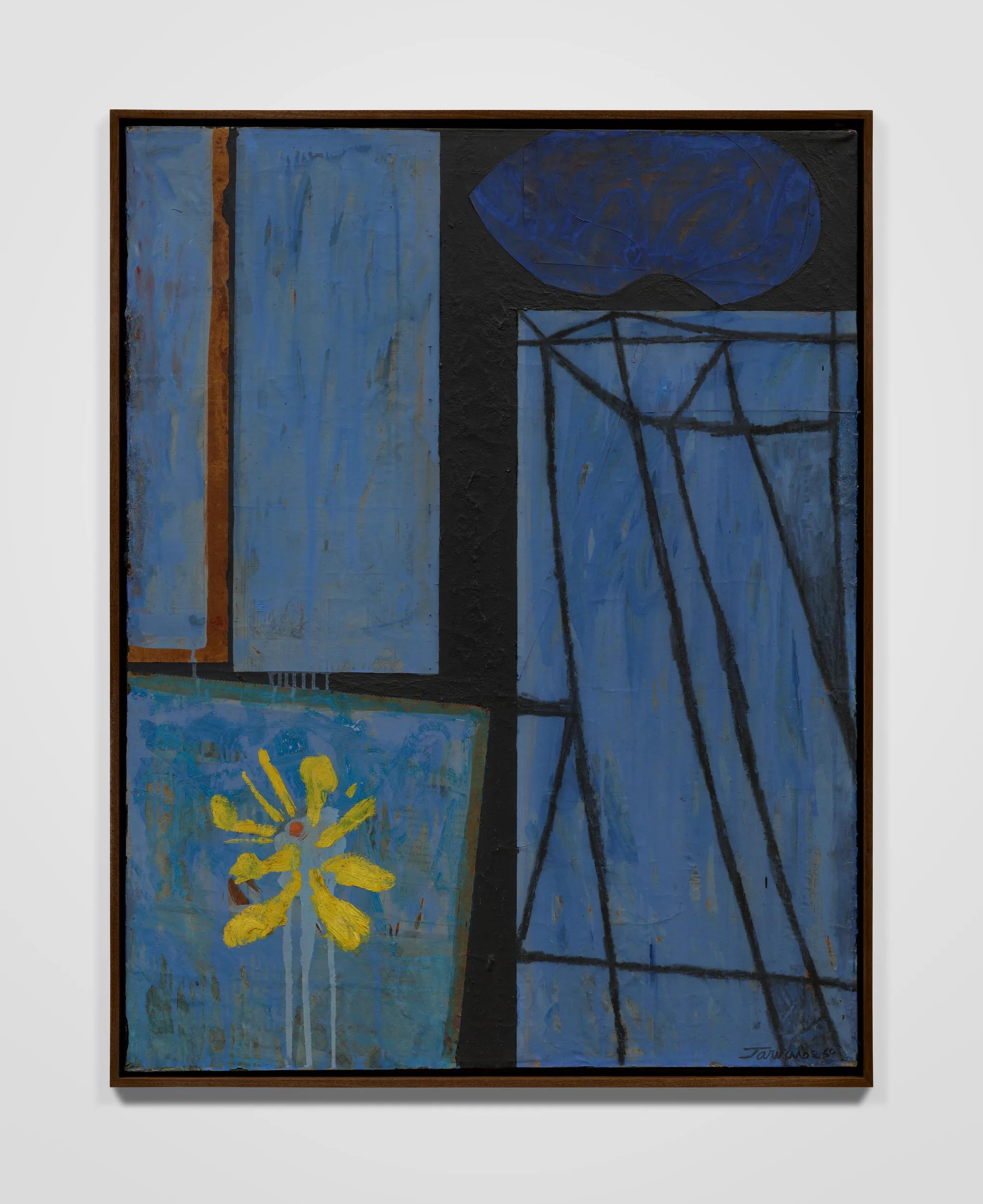
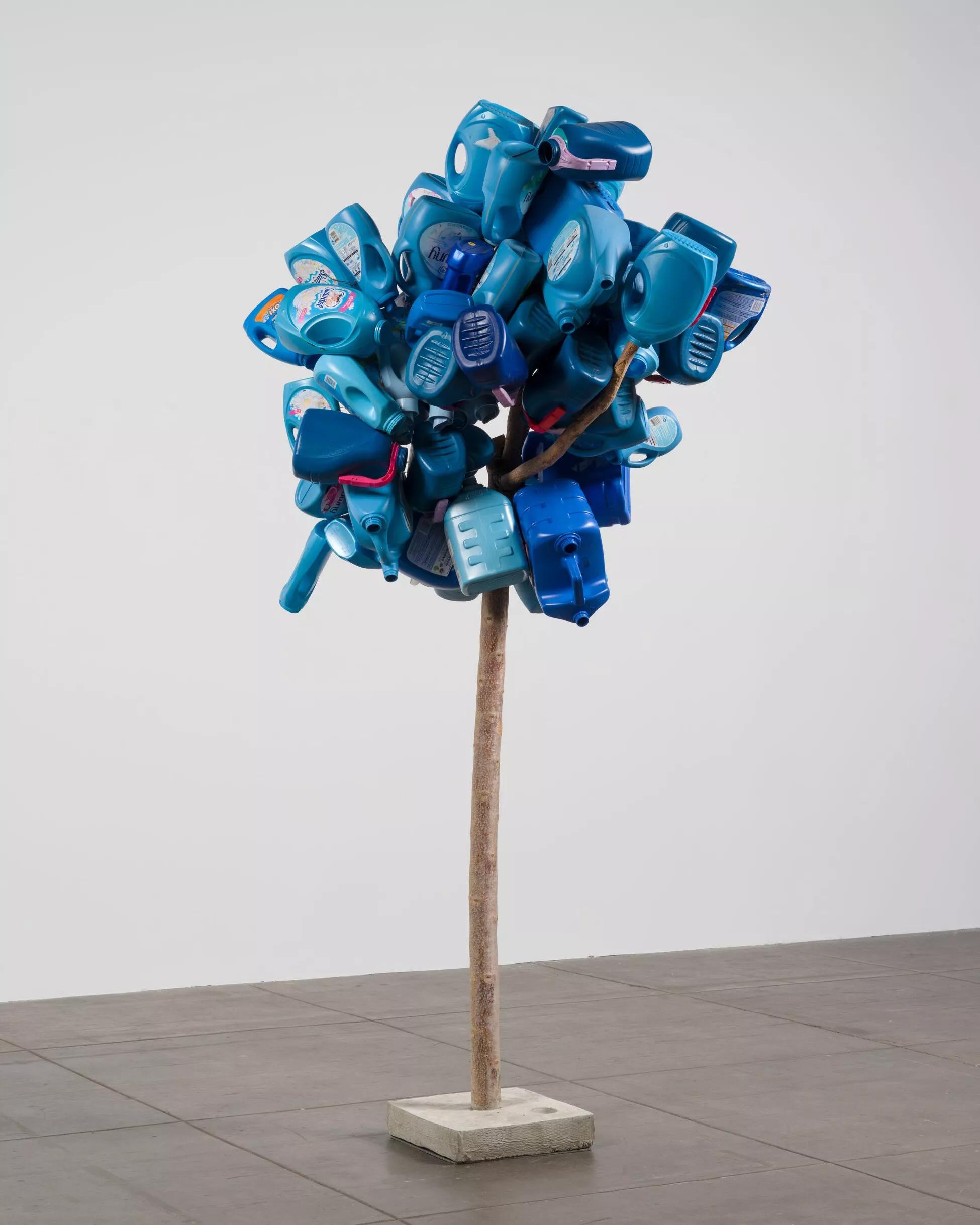
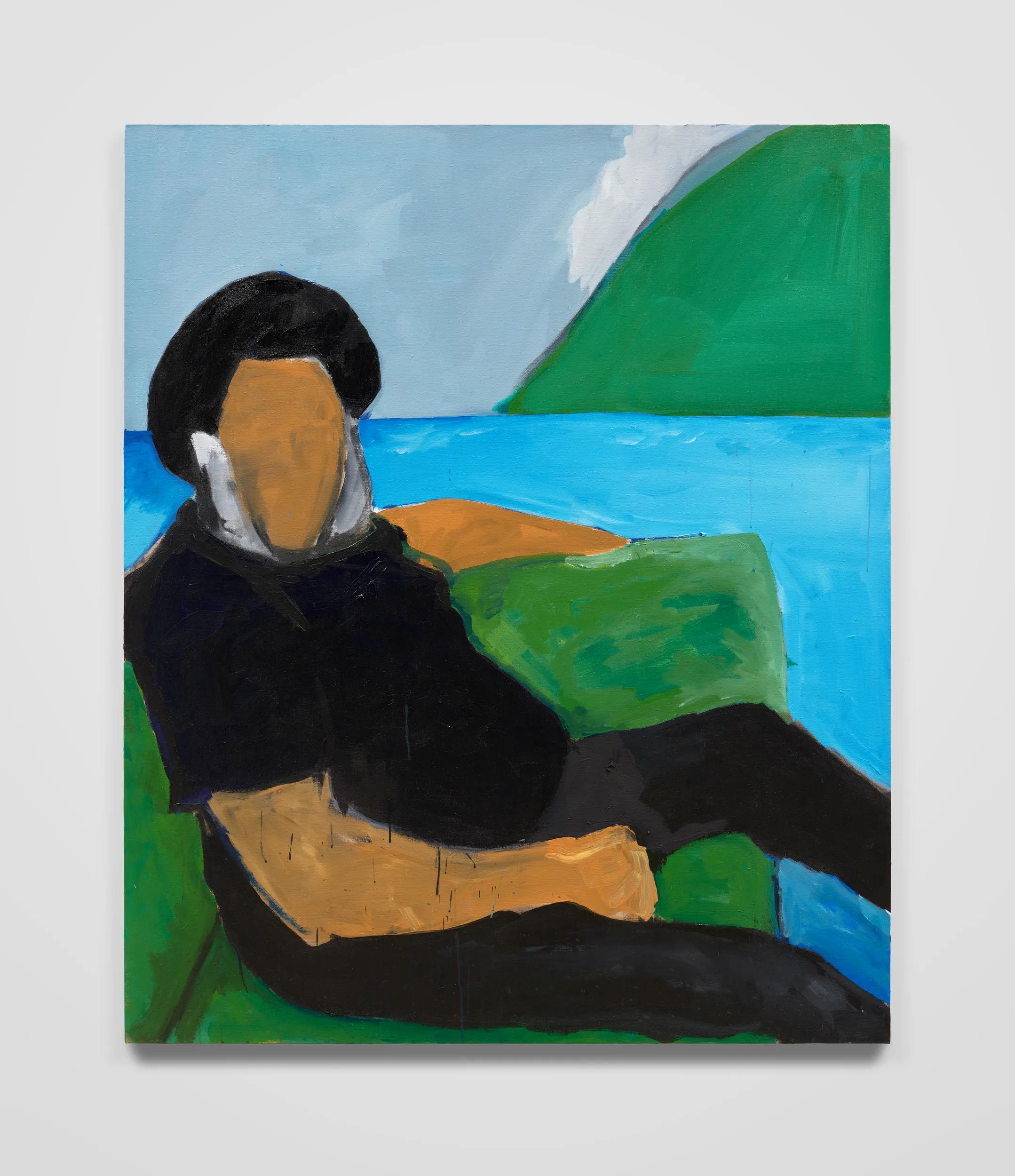
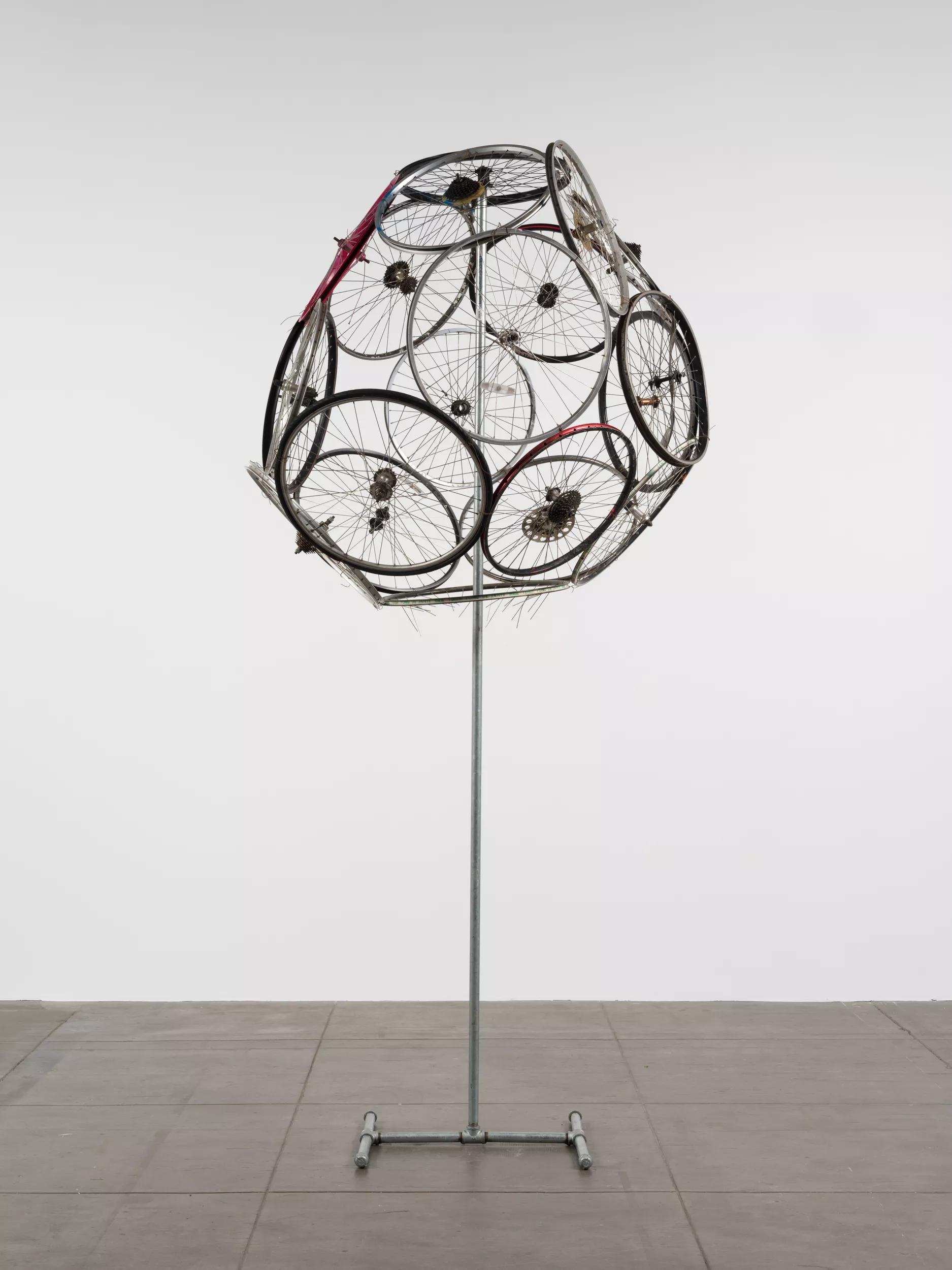
Installation Views
1 / 5

About James Jarvaise
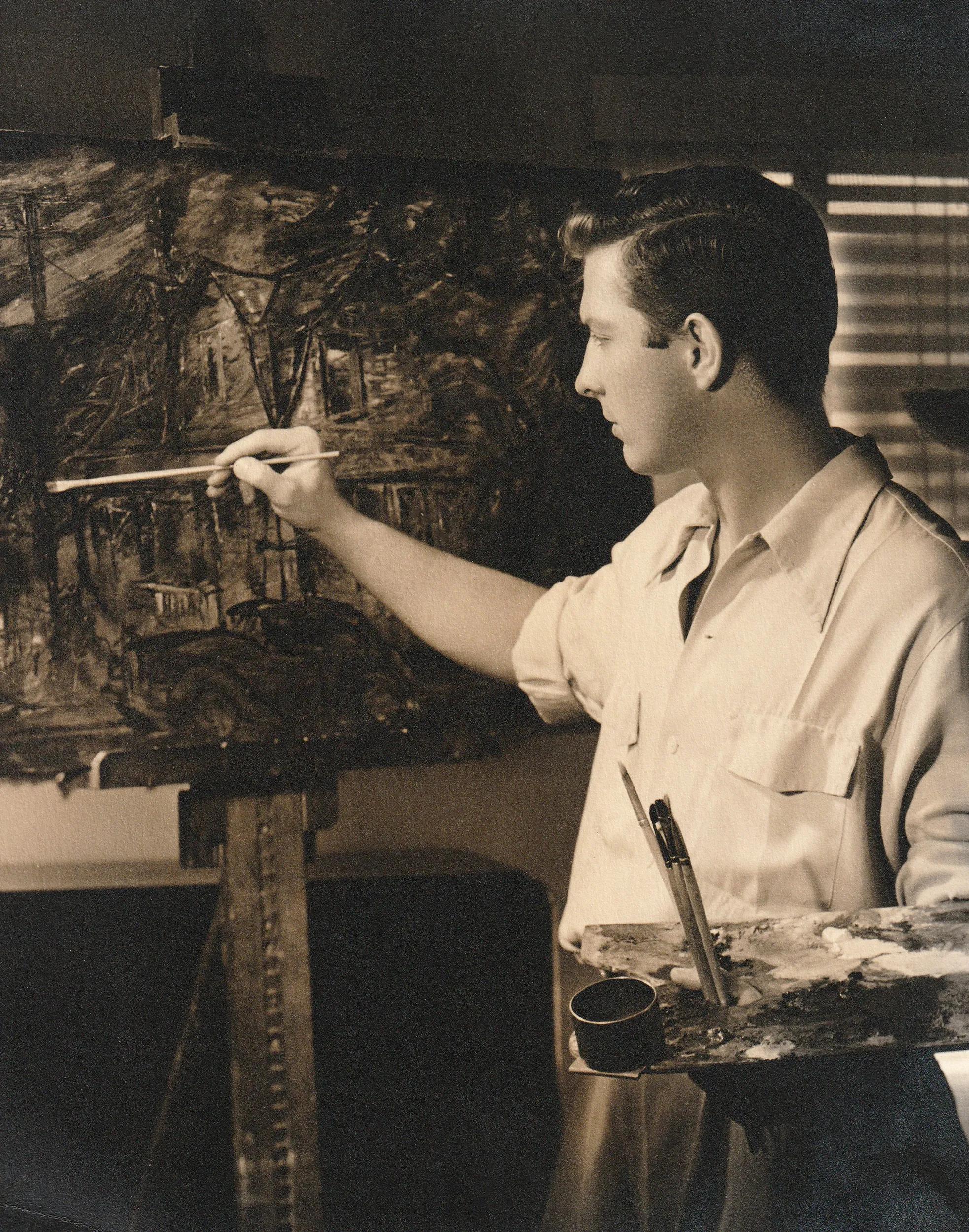
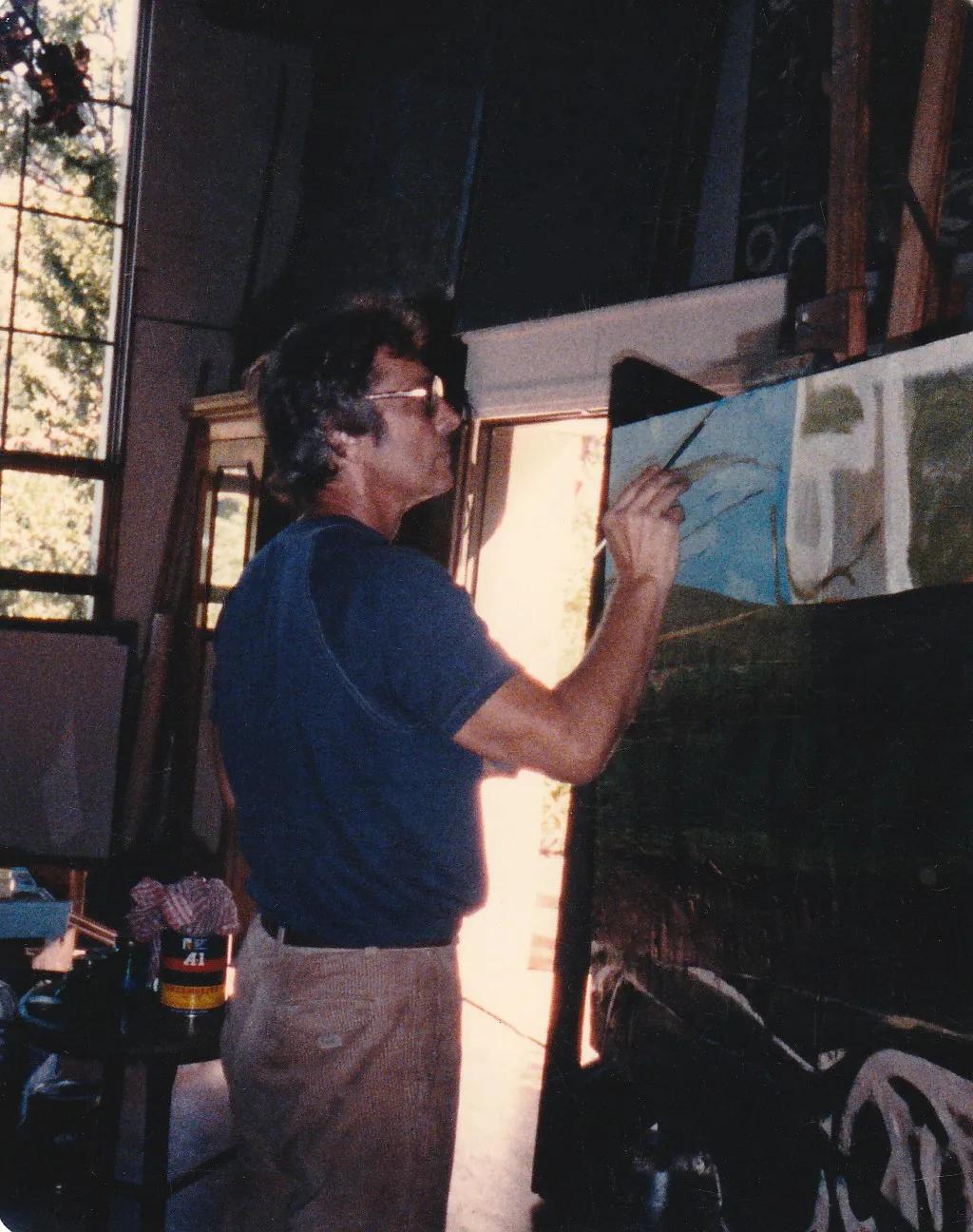
A California regionalist who taught generations of students in and around Los Angeles, James Jarvaise gained national acclaim when his work was included in the historic 1959 exhibition ‘Sixteen Americans’ at The Museum of Modern Art, New York. Over subsequent years, Jarvaise exhibited regularly at the Felix Landau gallery in Los Angeles and elsewhere before moving his family to Santa Barbara in 1969, where he dedicated his time to crafting an artist’s paradise and continued to work in peaceful privacy. In 2012, a survey of his work at Louis Stern gallery in Los Angeles was accompanied by a monograph. His work was collected by museums including the Albright Knox Gallery, Buffalo; Carnegie Museum of Art, Pittsburgh; Los Angeles County Museum of Art; The Museum of Modern Art, New York and the Smithsonian’s Hirshhorn Museum and Sculpture Garden.
About Henry Taylor
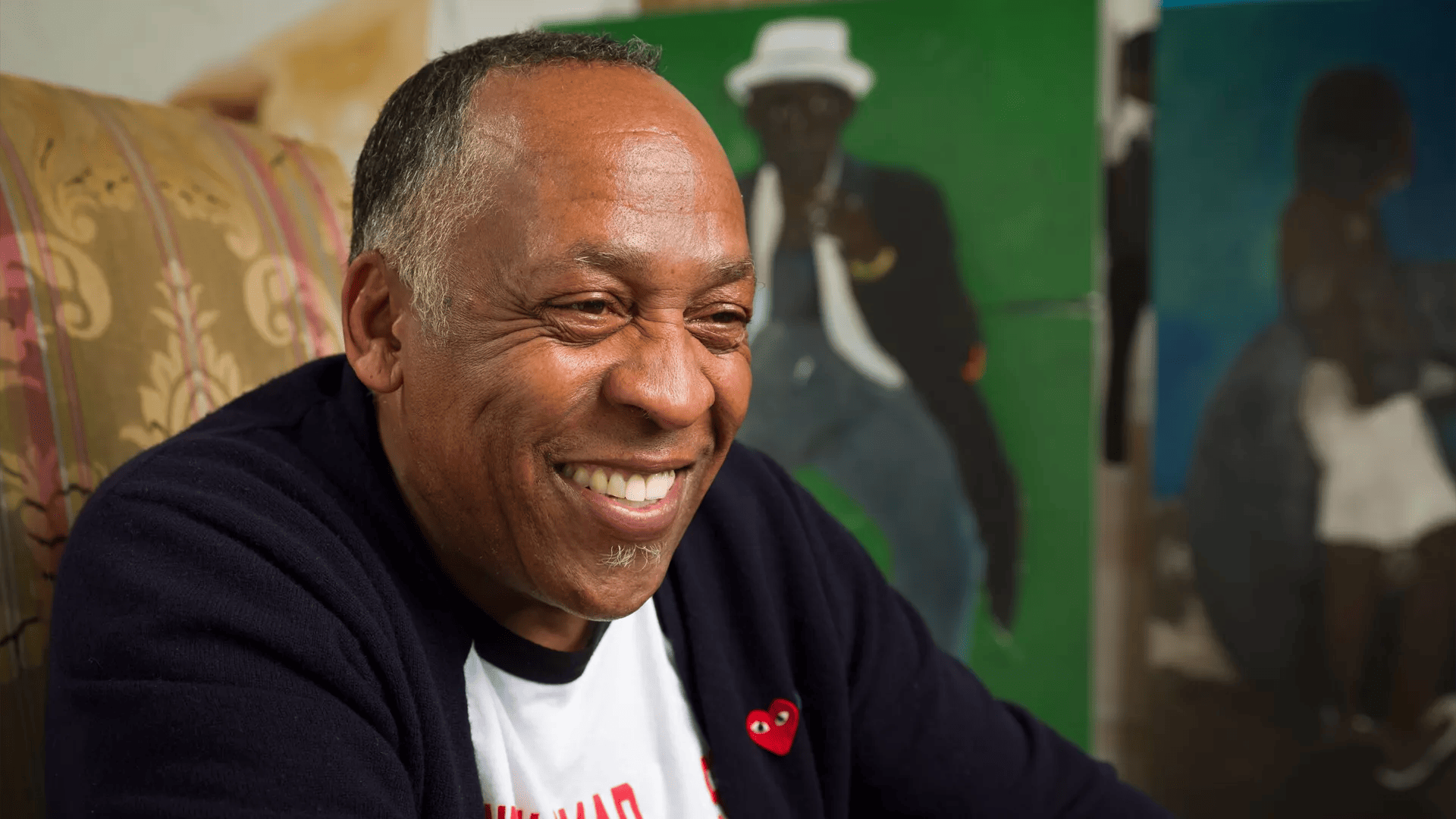
Henry Taylor’s imprint on the American cultural landscape comes from his disruption of tradition. While people figure prominently in Taylor’s work, he rejects the label of portraitist. Taylor’s chosen subjects are only one piece of the larger cultural narrative that they represent: his paintings reveal the forces at play, both individualistic and societal, that come to bear on his subject. The end result is not a mere idealized image, but a complete narrative of a person and his history. Taylor explains this pursuit of representational truth: ‘It’s…
Related Content
Current Exhibitions


1 / 5