
弗蘭克・鮑林
若水
2026年6月11日–8月29日
香港
Dates
11 June – 29 August 2026
「⋯⋯在我出生那天,凌晨五點我睜開眼,看見了西半球、河流,還有上方的天空。那景象烙印在了我的肉體中,必須釋放出來,才能自由,才能表達。」 ——弗蘭克・鮑林
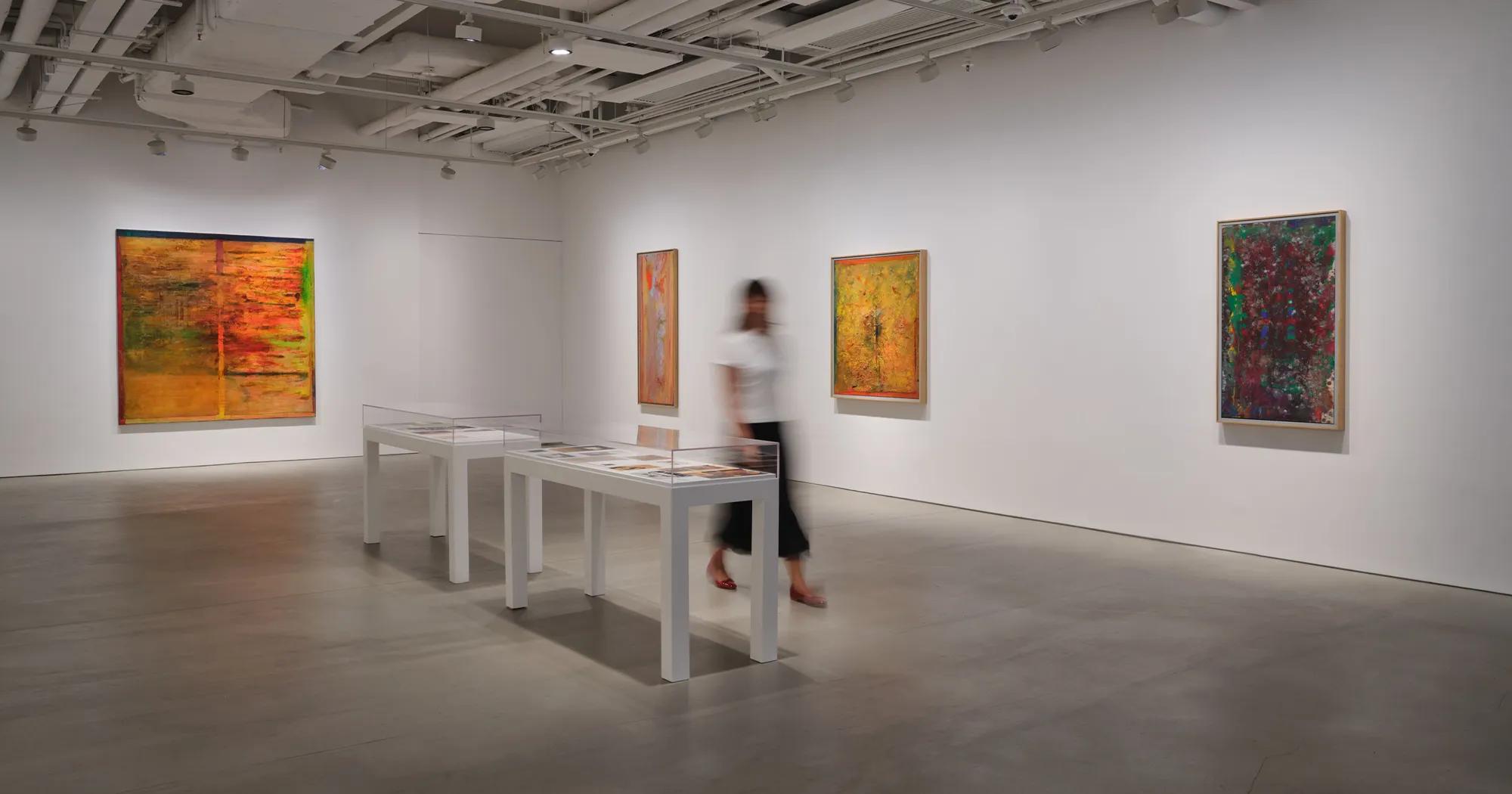
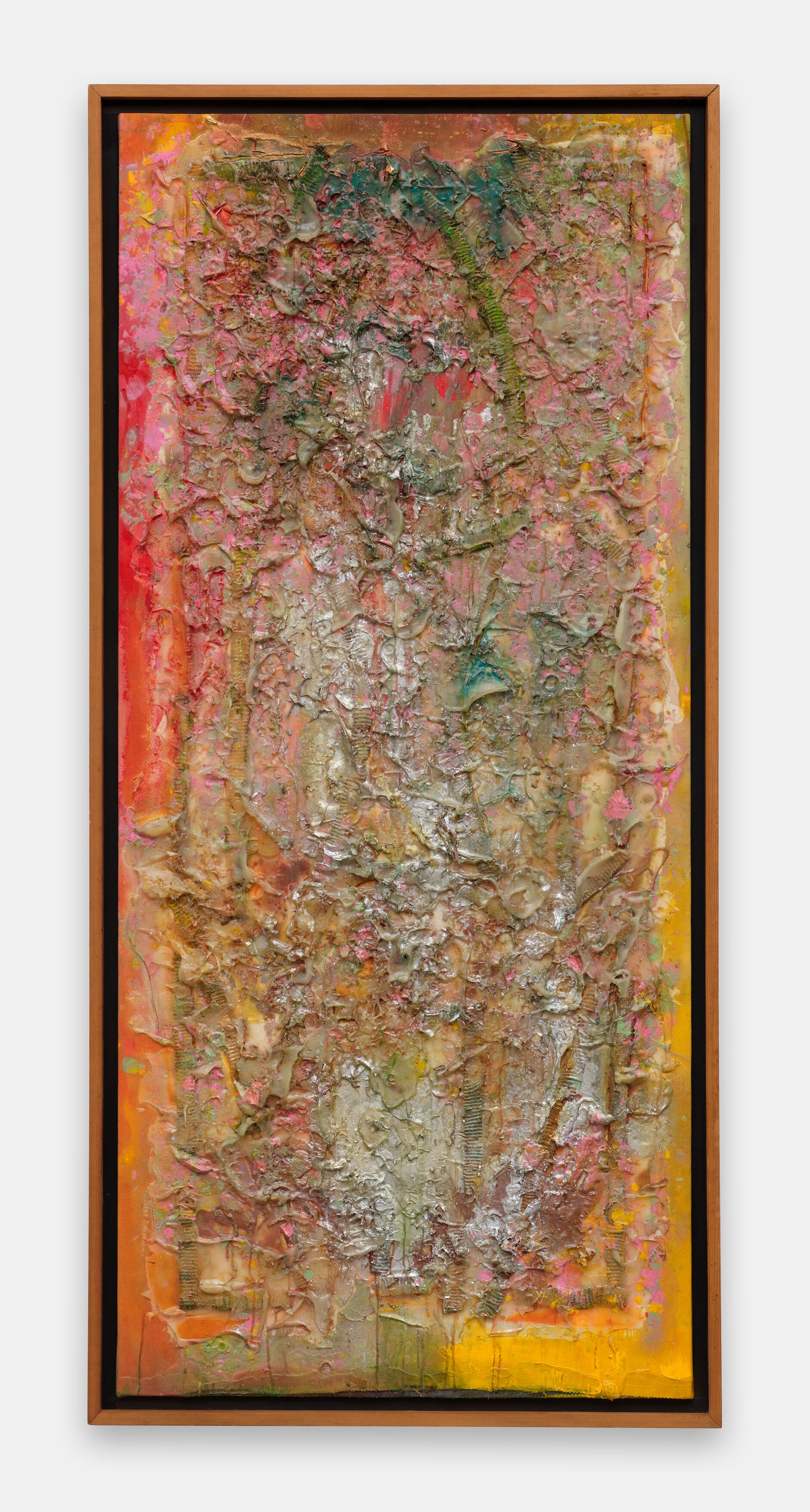
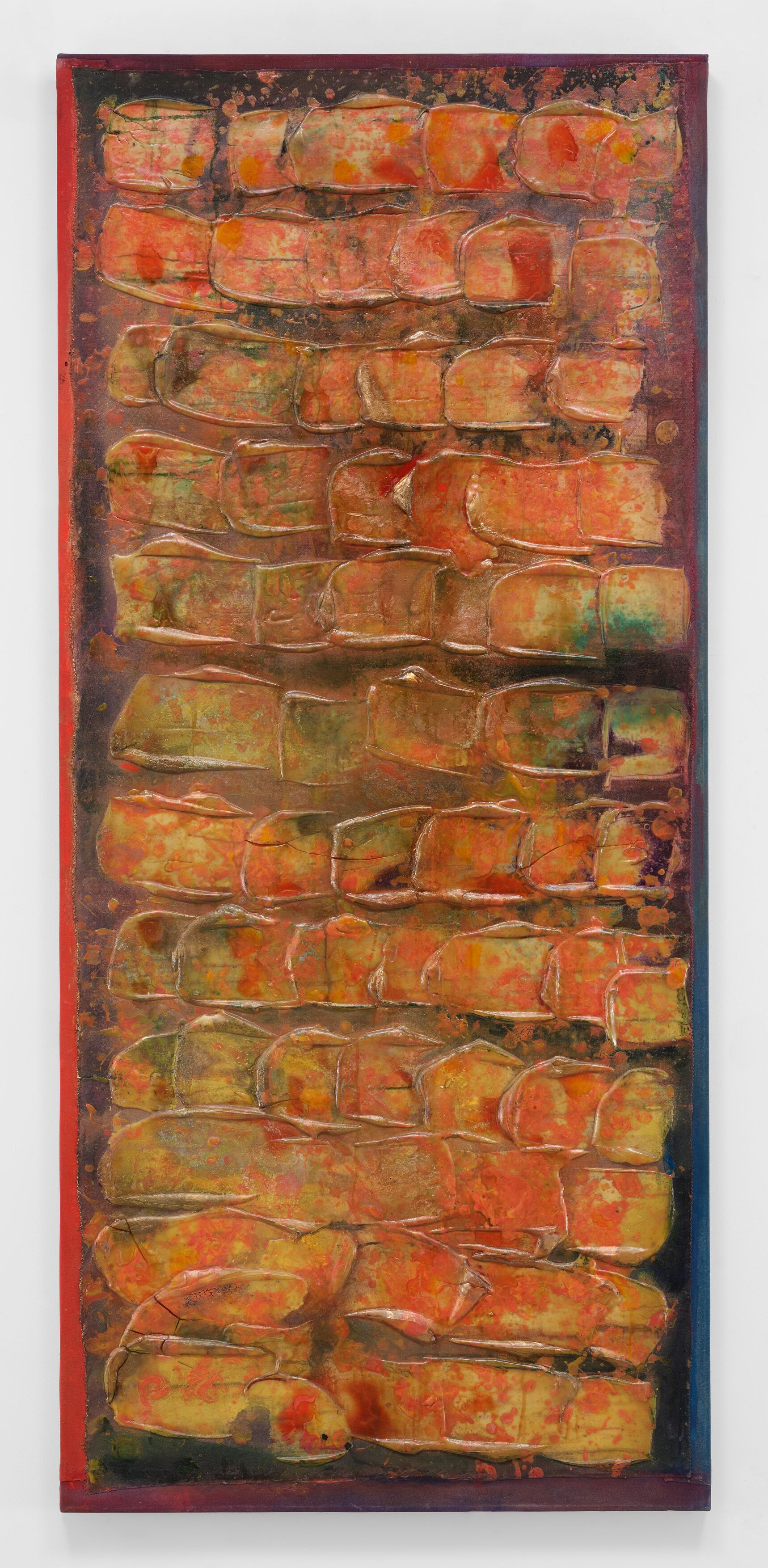
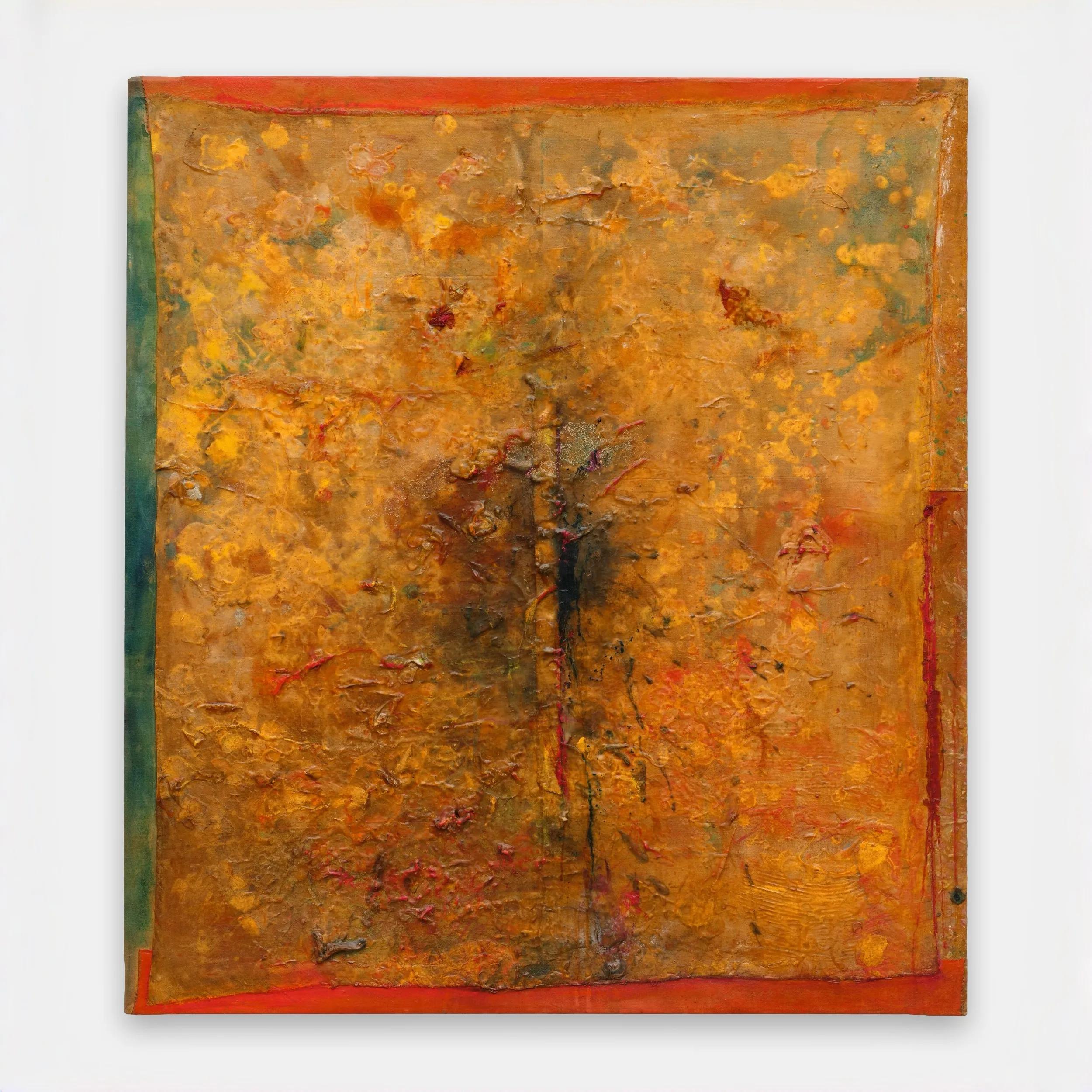
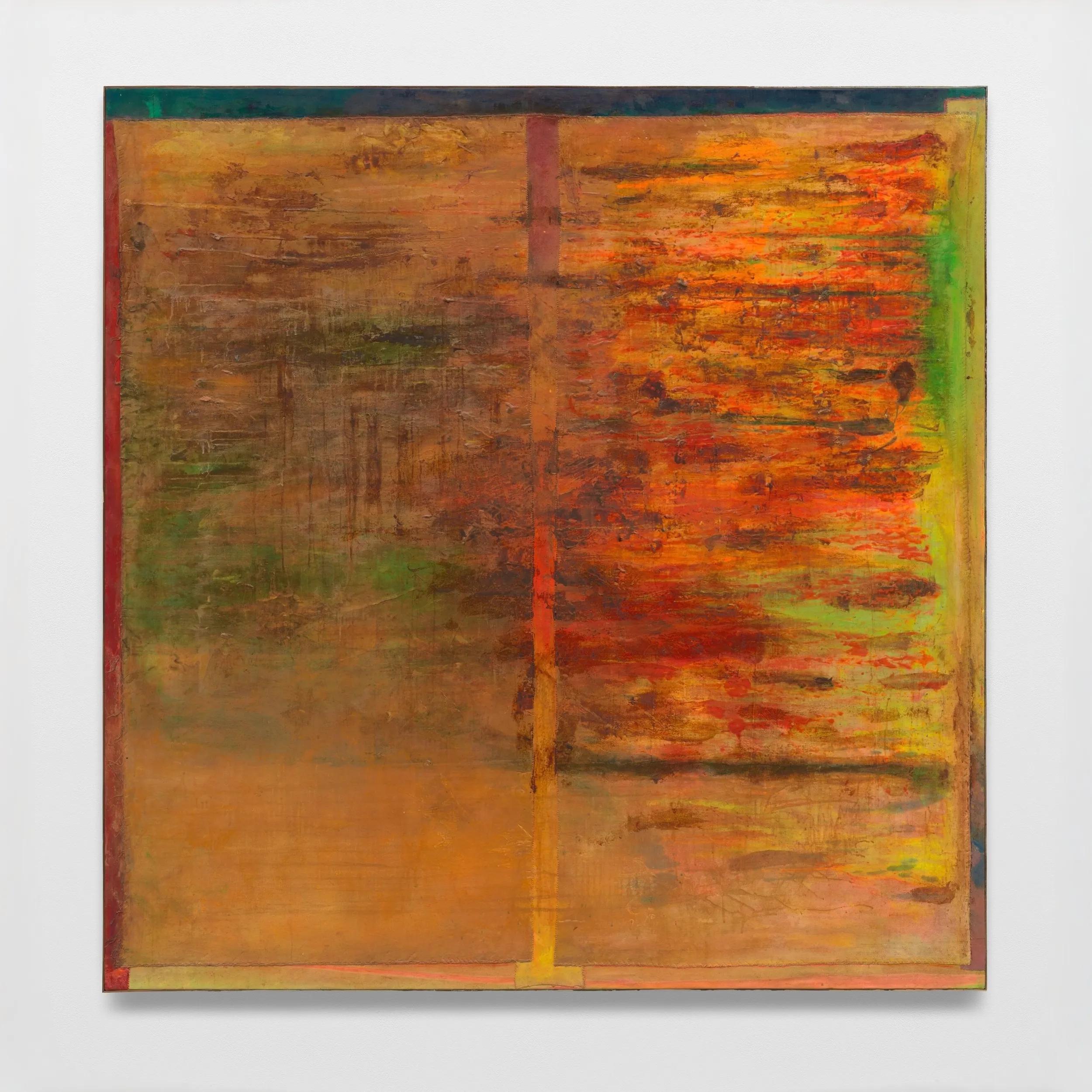
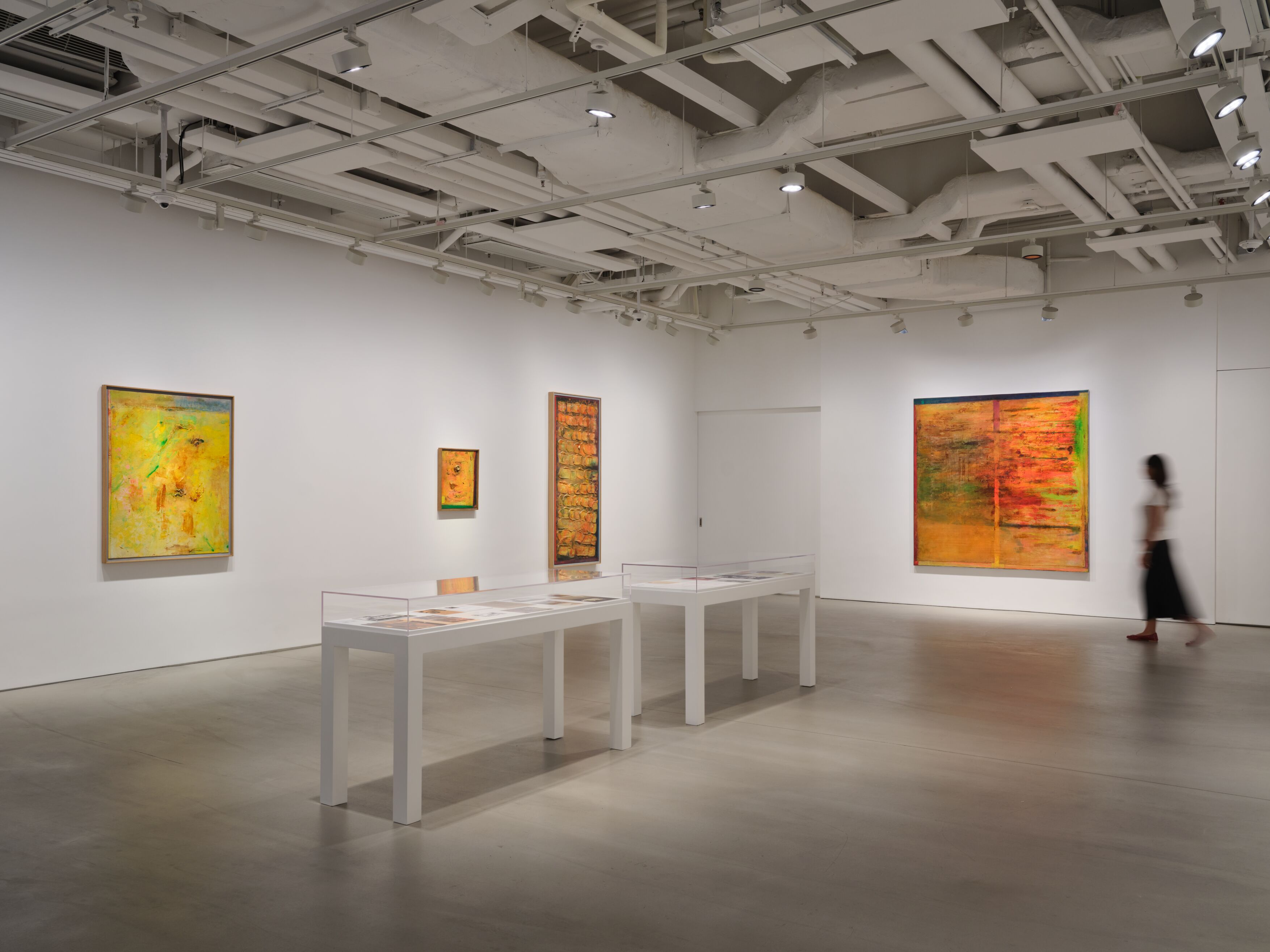
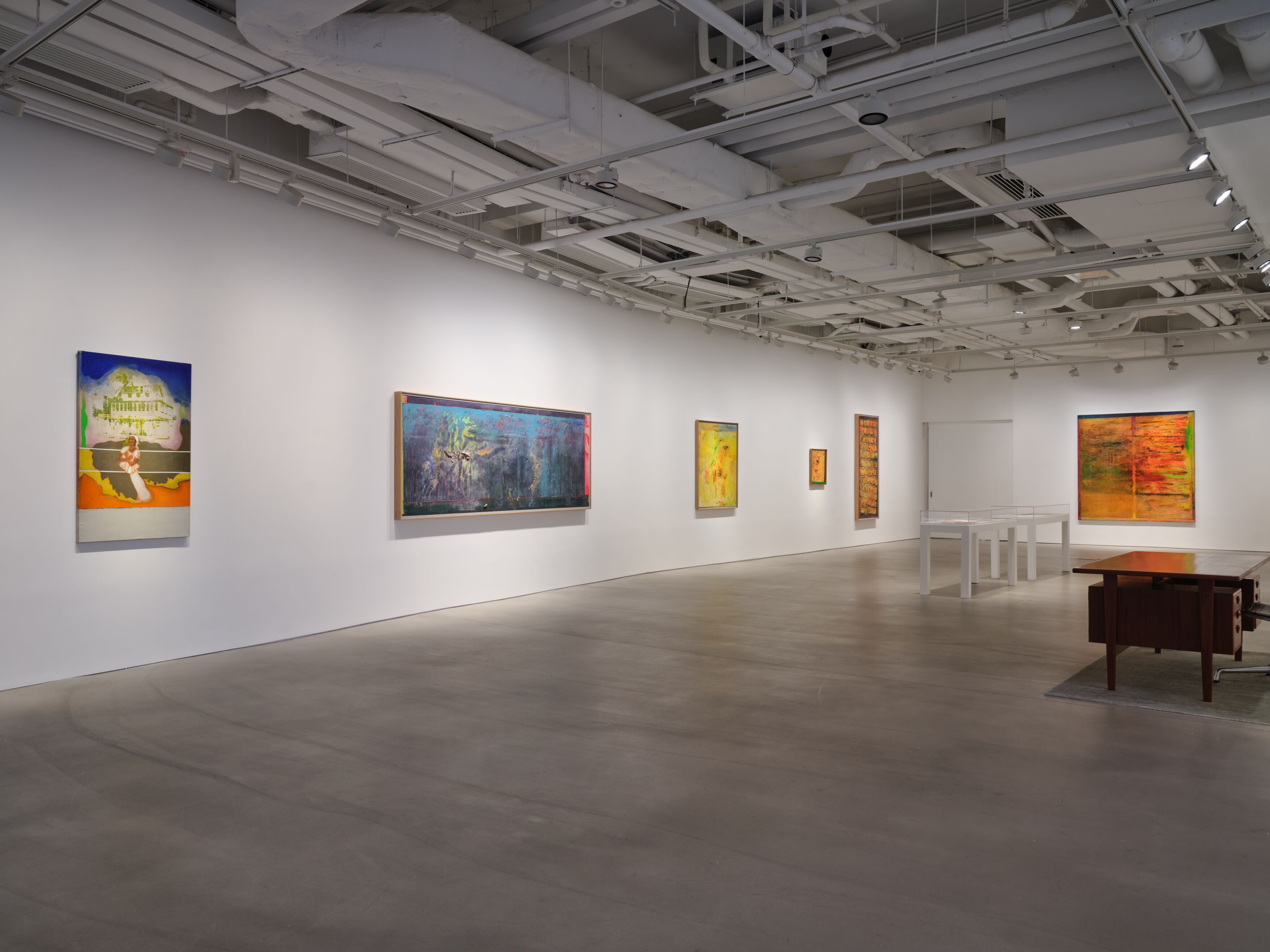
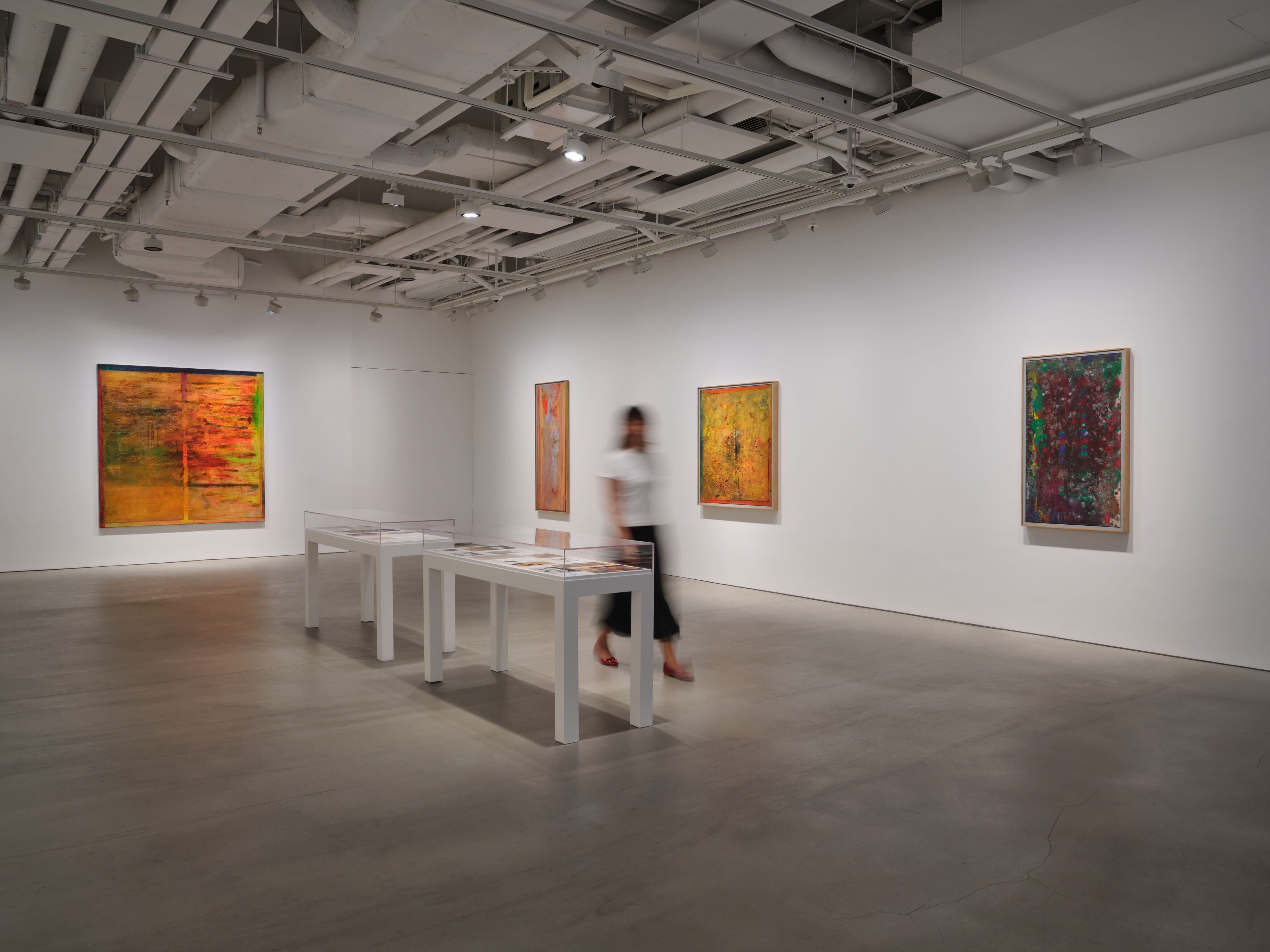
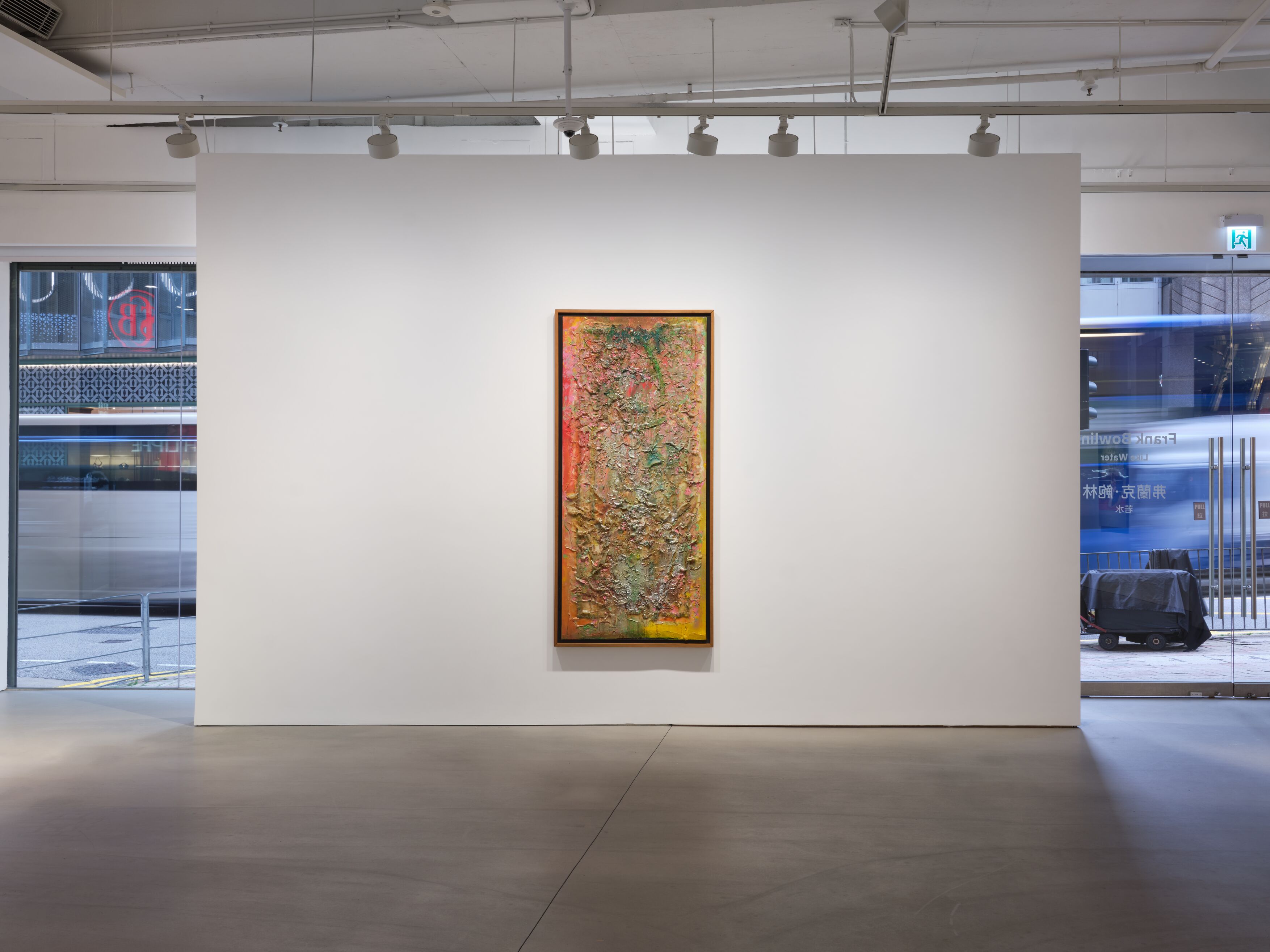
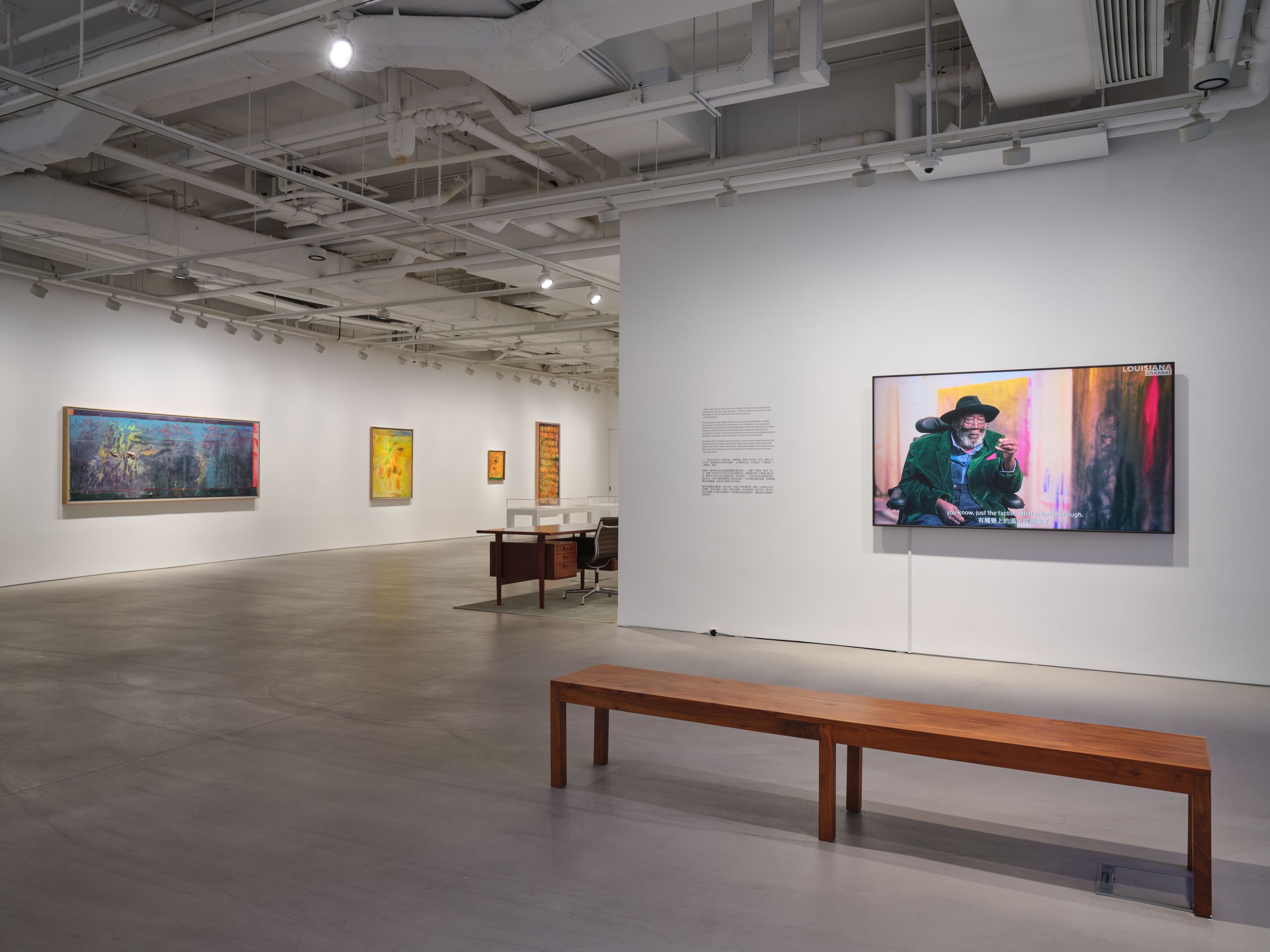
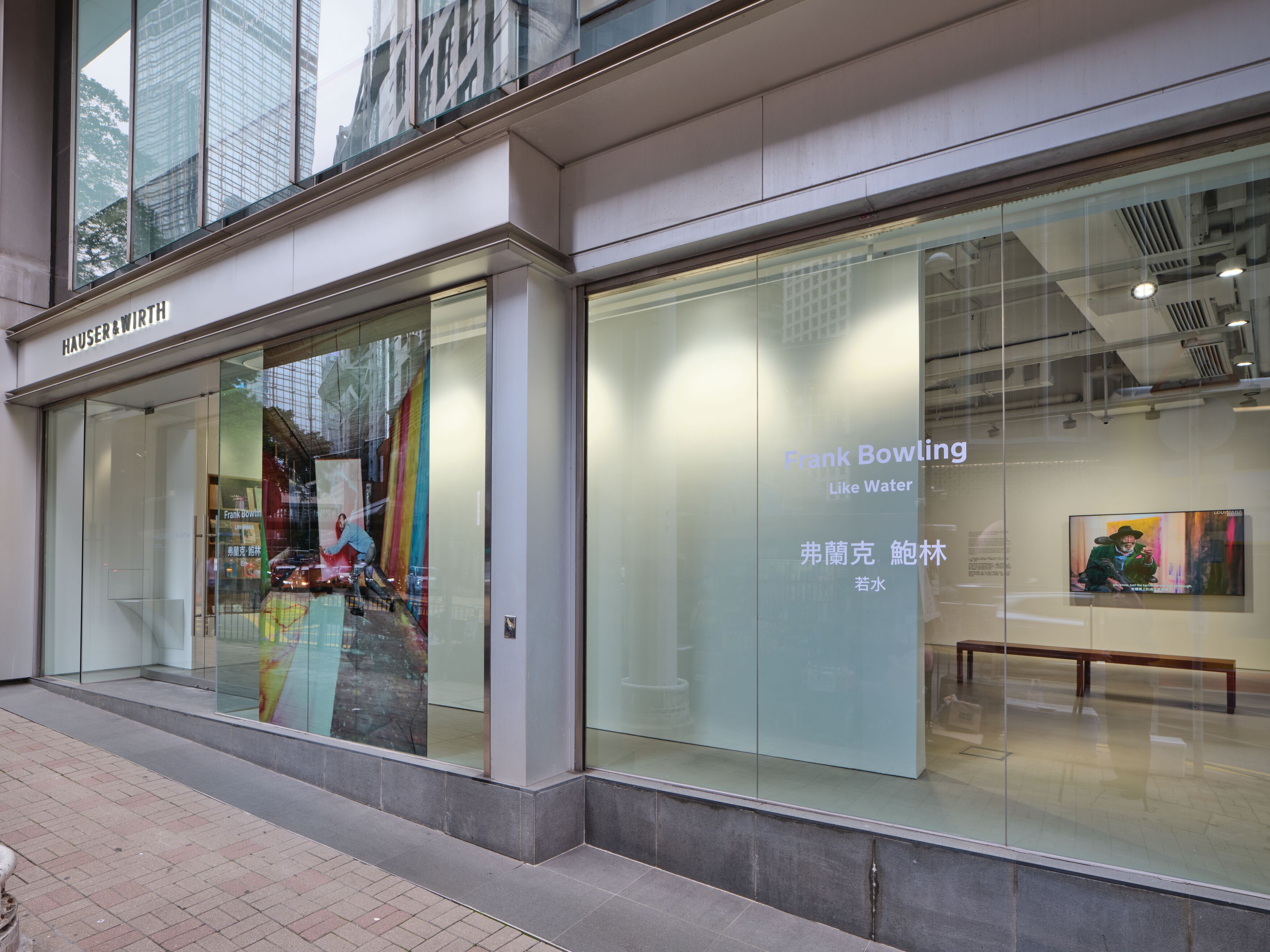
「弗蘭克·鮑林:若水」(Frank Bowling. Like Water)是藝術家在東亞的首場個展,匯集自1960年代至2020年的精選作品,展現他對繪畫質感的精湛掌控。弗蘭克·鮑林爵士(OBE RA)被公認為英國最重要的在世藝術家之一。六十余年來,鮑林不懈追求其藝術實踐,大膽拓展顏料的潛能與特性。現年92歲的鮑林仍每天在他位於南倫敦的工作室中持續創作。
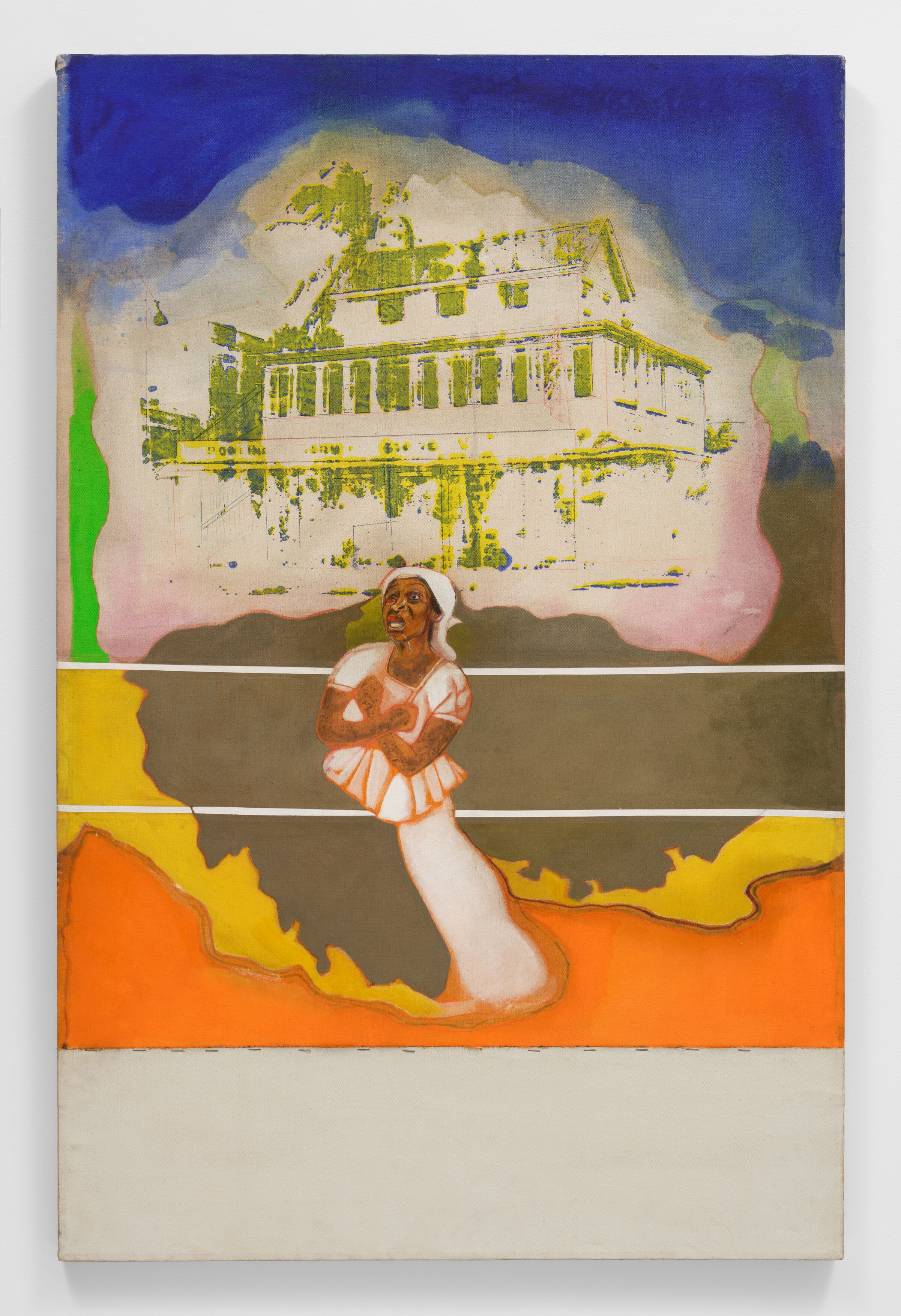
弗蘭克·鮑林1934年出生於英屬圭亞那(現圭亞那),1953年來到倫敦,並於1962年畢業於皇家藝術學院(Royal College of Art),榮獲繪畫銀獎。到1960年代初期,他憑藉融合具象、象徵與抽象元素的風格,被公認為倫敦藝壇的一股原創力量。《無題(母親的房子)》(Untitled [Mother’s House],1966)即爲鮑林對家園關係的成長記憶及其對色彩、形狀與結構興趣的有力見證。作品中母親的房子如幻影的印痕承載著深刻的情感共鳴,而藍、綠、紅等大地色調則喚起了那片塑造他成長的圭亞那風景。
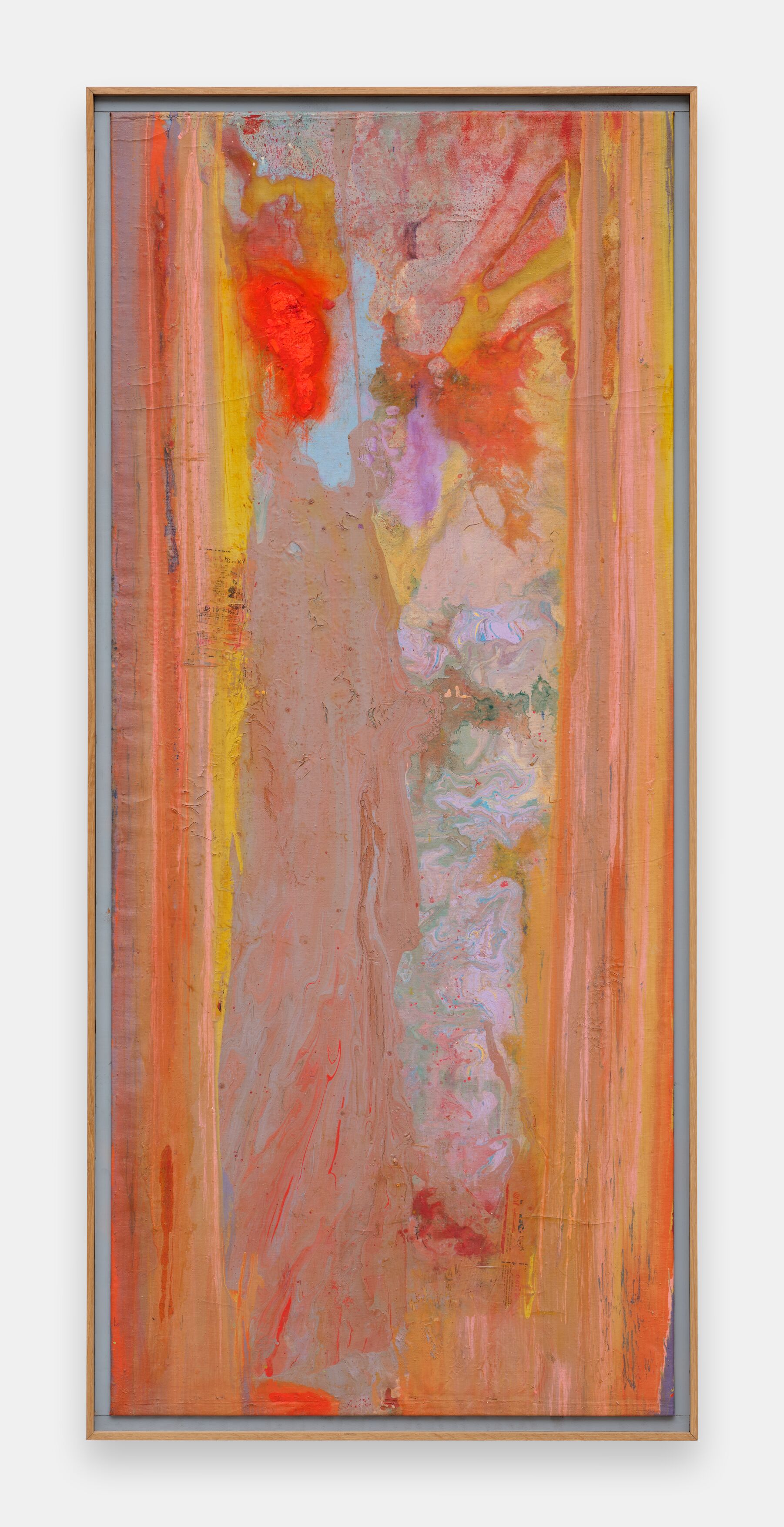
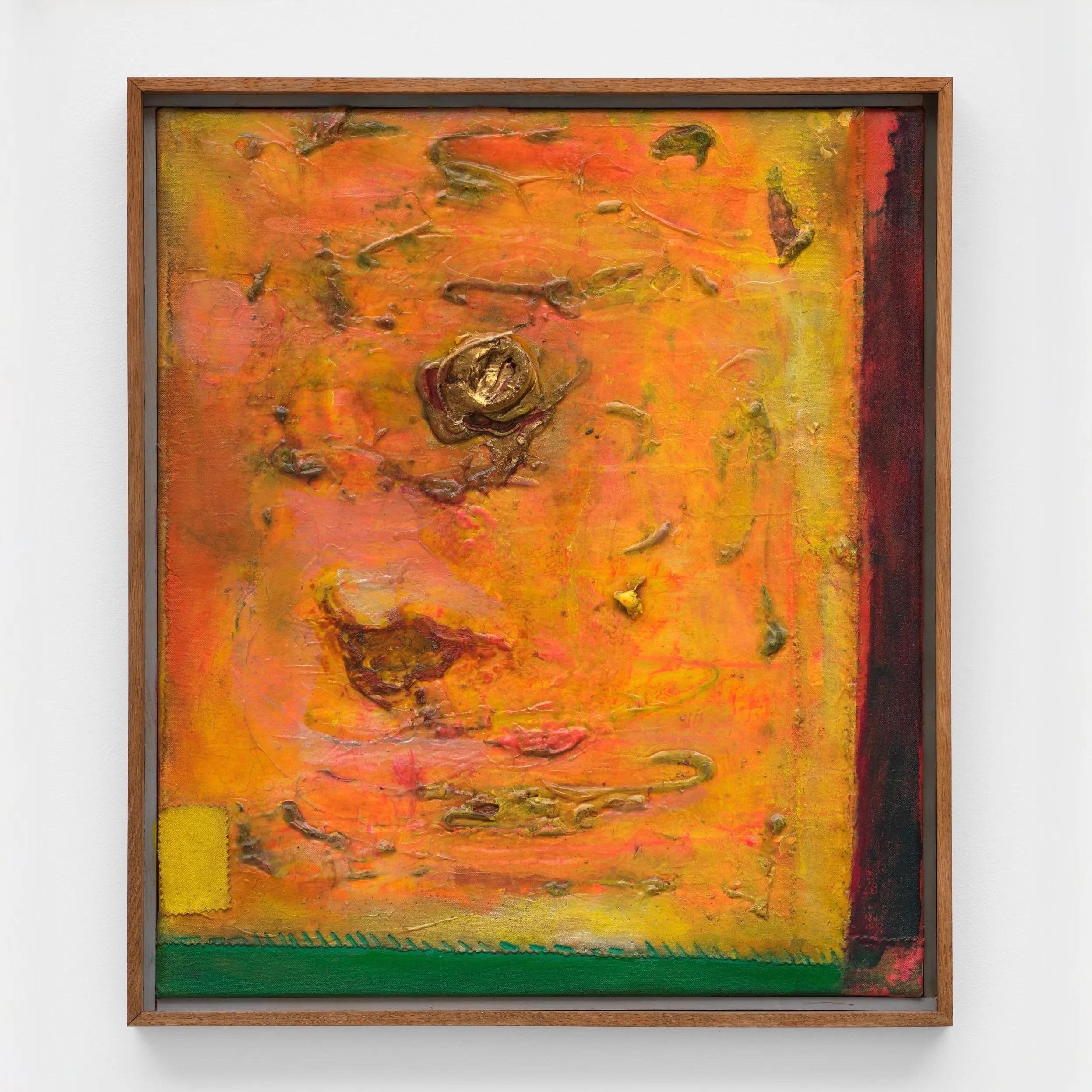
Rose
2007
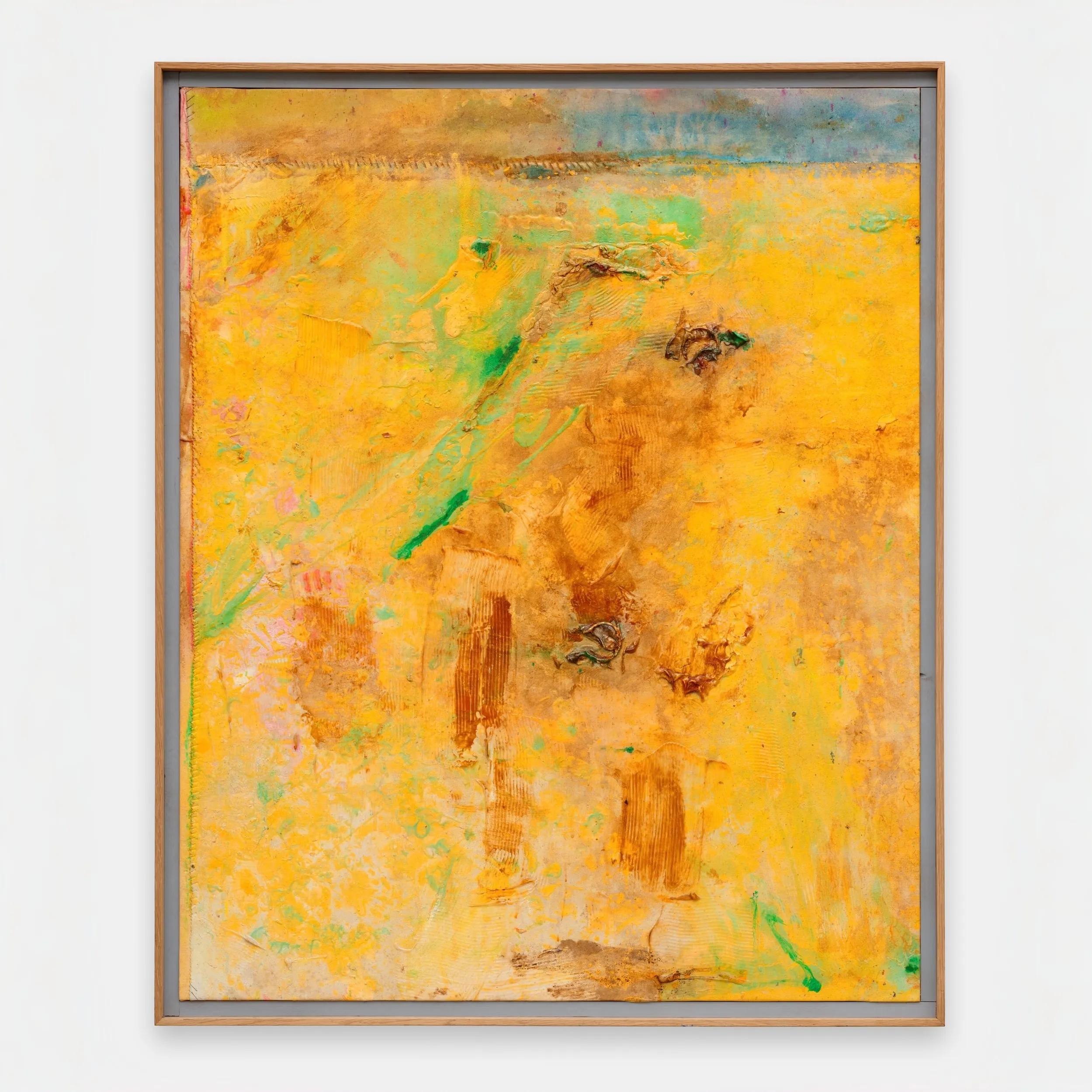
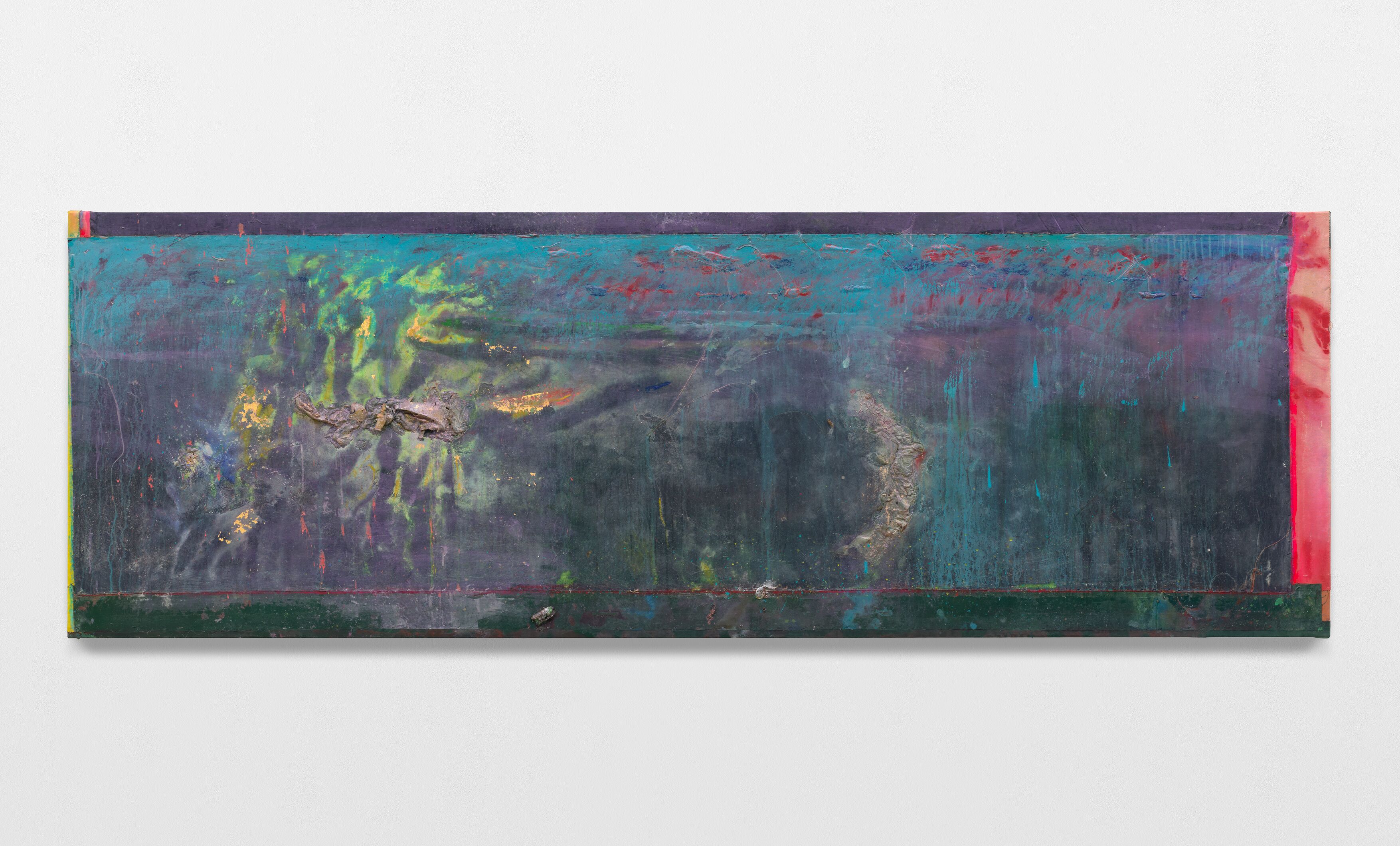
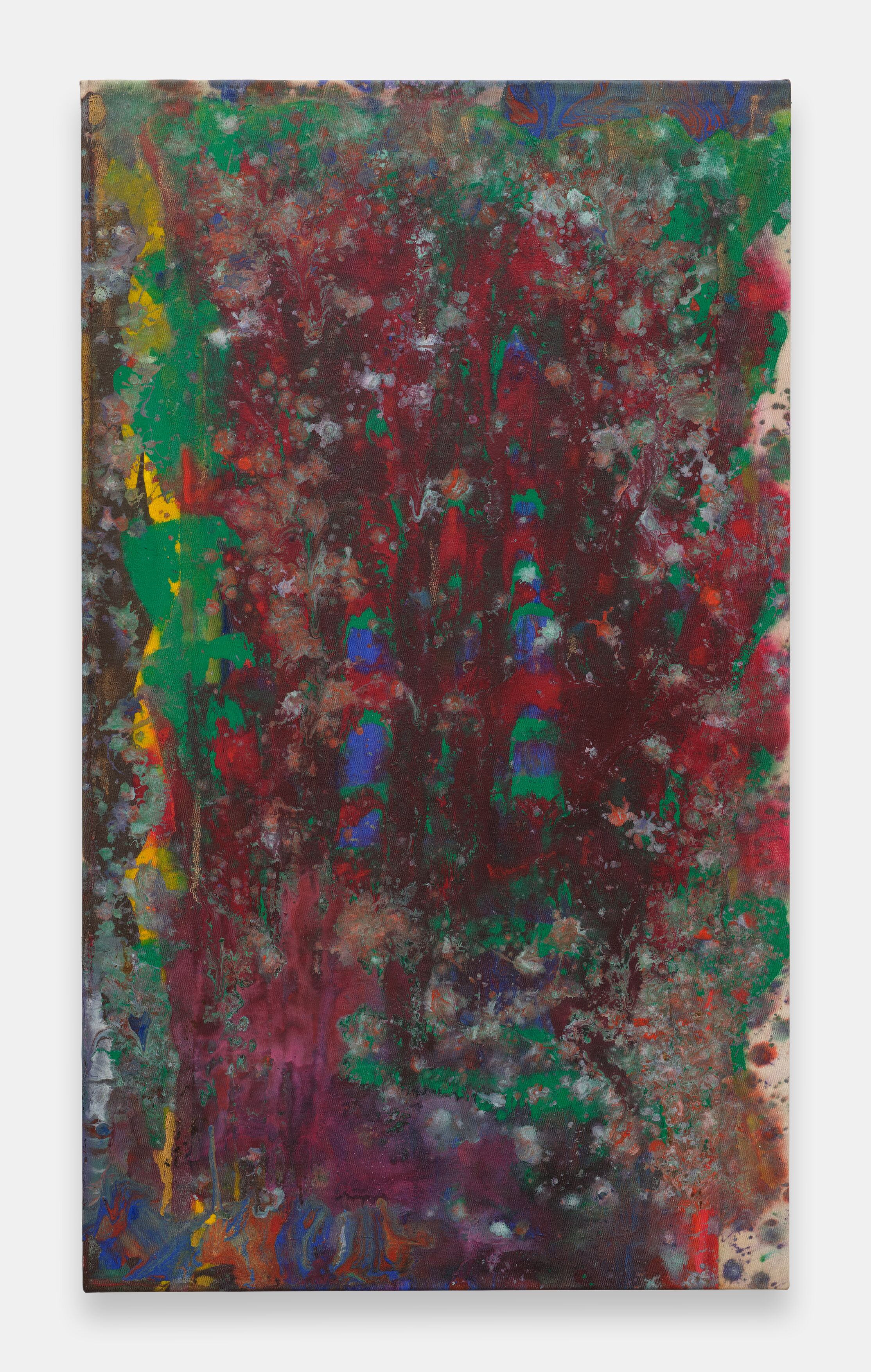
There Be Dragons
2020
Installation Views
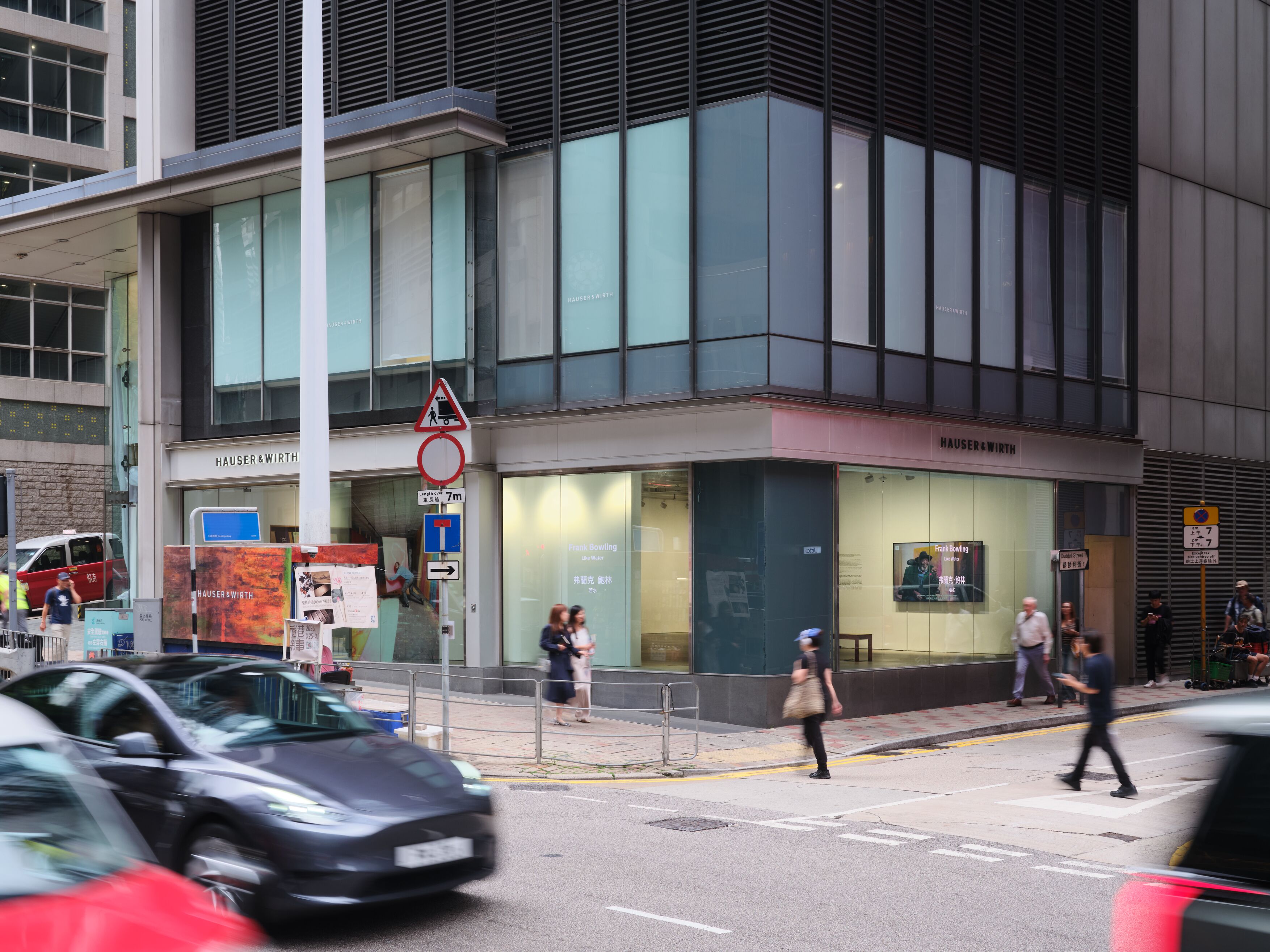
1 / 6
Related Content
關於藝術家
Frank Bowling
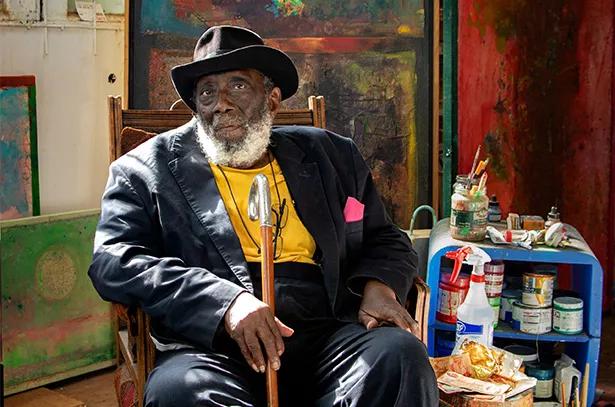
For over six decades, Frank Bowling has rigorously pursued a practice which boldly expands the possibilities and properties of paint. Ambitious in scale and scope, his dynamic engagement with the materiality of his chosen medium, and its evolution in the broad sweep of art history, has resulted in paintings of unparalleled originality and power. Bowling has been hailed as one of the foremost British artists of his generation. Born in British Guiana (now Guyana) in 1934, he arrived in London in 1953, graduating from the Royal College of Art with the silver medal for painting in 1962. By the early 1960s, he was recognized as an assured force in London’s art scene. During this period, his highly individual language of painting, which emerged from expressionistic figuration and pop art, encompassed autobiographical elements and the artist’s socio-political concerns.
Bowling went on to divide his time between the art scenes in London and New York, maintaining studios in both cities. This transatlantic orientation was to see his early engagement with expressive figuration and pop art shift to an immersion in abstraction which continues in his practice today. Visible in his work are the legacies of both the English landscape tradition and American abstraction from which Bowling honed a distinctive vocabulary, combining figurative, abstract and symbolic elements. As Bowling has explained, ‘I was always very conscious of scratching out and of new interpretations replacing the old; updating traditions.’
A major reorientation in Bowling’s practice came in 1966 when he relocated from London to New York, at a time when the artistic scene was divided along lines of formalism and politics. In New York, Bowling pushed his work in new directions. He met Jasper Johns and engaged in a dialogue with his contemporaries, such as Jack Whitten, Mel Edwards, Al Loving, and Daniel Johnson. In 1969, Bowling organized, curated, and wrote the catalogue essay for ‘5+1’, a notable exhibition at the State University of New York, Stony Brook, and Princeton University showcasing the work of five African American abstract artists as well as his own recent paintings. He expressed frustration at the critical invisibility of Black artists and the narrow parameters by which his art and that of his peers was being assessed. Through his writings, as a contributing editor of Arts Magazine (1969-1972), he resisted what he saw as the reductive categorization of ‘Black Art’ as purely political in subject matter, staking a claim for abstraction.
By 1971, Bowling’s visionary approach to painting fused abstraction with personal memories. Concerns of color, surface and process gained in prominence resulting in his iconic series of ‘Map Paintings’, which include the stenciled landmasses of South America, Africa and Australia and were exhibited that same year at the Whitney Museum of American Art in New York. Over the years, the points of reference in his work reflect Bowling’s interest in a wide scope of art history, from Constable and Turner, to Barnett Newman and Mark Rothko. From 1973 to 1978, Bowling experimented with ideas of chance and ‘controlled accidents’, pouring paint from a two-meter height to create his visually arresting ‘Poured Paintings’, an expansion from color field painting.
Bowling returned to London in 1975 but continued to spend significant periods in New York. His sculptural paintings of the 1980s include embedded objects (newsprint, plastic and foam) and thickly textured canvases, and have been described as evoking landscape, riverbeds, and geological strata. In 1986, he exhibited a group of major new paintings at the Serpentine Gallery in London, curated by Ronald Alley, then Keeper of Modern Art at the Tate Gallery. Bowling shares Turner’s and Constable’s preoccupation with light, which is never more evident than in his expansive ‘Great Thames’ series of paintings of the late 1980s.
Today, Bowling’s mastery of the painted medium and explorations of light, color, and geometry incorporate the use of ammonia and multilayered washes. His restless reinvention of the painted plane endures in his current bodies of work which continue to break new ground through his use of thick impasto textures, acrylic gels, collage, stitched canvas, and metallic and pearlescent pigments. Bowling works every day in his South London studio, accompanied by his wife, Rachel, other family members and friends, forever driven by his fascination with exploring the vast and radiant possibilities of paint.
Bowling’s work has been exhibited extensively which has cemented his place in the post-war canon of contemporary and modern art. A turning point in Bowling’s career came in 2003 when his ‘Map Paintings’, which had been in storage and unseen since the early 1970s, were the centerpiece of the exhibition ‘Faultlines: Contemporary African Art and Shifting Landscapes’, at the 50th Venice Biennale. His work drew much attention and paved the way for him becoming a Royal Academician in 2005. Bowling was awarded the OBE for Services to Art in 2008 and a knighthood in the Queen’s birthday honors in 2020. His work is represented in over fifty collections worldwide and has been exhibited in numerous group and solo exhibitions, including the 2017–19 touring exhibition ‘Mappa Mundi’, the hugely successful retrospective at Tate Britain in 2019 and the major exhibition 'Frank Bowling: Americas’ which toured from MFA Boston to SFMOMA in 2022 - 23. Bowling is the subject of a BBC documentary, ‘Frank Bowling’s Abstract World,’ which coincided with the opening of the Tate retrospective. In 2022, he was awarded the Wolfgang Hahn Prize which honors exceptional contemporary artists.
Current Exhibitions


1 / 10