
Dates
12 June – 5 September
For Zurich Art Weekend 2026, US artist Avery Singer presents new paintings and a site-specific architectural intervention transforming the upstairs Zurich gallery into a space reminiscent of a casino—a charged environment shaped by surveillance.
Incorporating AI-based tools into her painting process for the first time, ‘War_overlays’ examines how media and accelerating technologies shape our consciousness, destabilizing the boundaries between perception and reality. Following on from Singer’s body of work reconciling with her personal memories of 9/11, the new paintings reflect on the artist’s experience growing up amid televised conflict in the early 2000s, using distorted, AI-influenced imagery to evoke the mediated violence of the era.
Influenced by Jean Baudrillard’s writings on the Gulf War, the exhibition considers how conflict in the West is primarily experienced as a media spectacle, constructed and construed through images rather than direct encounters. This dissonance is heightened by the seemingly disparate nature of the casino setting, complete with long red curtains, tiled carpet and staged CCTV cameras, and the unsettling content of Singer’s paintings.
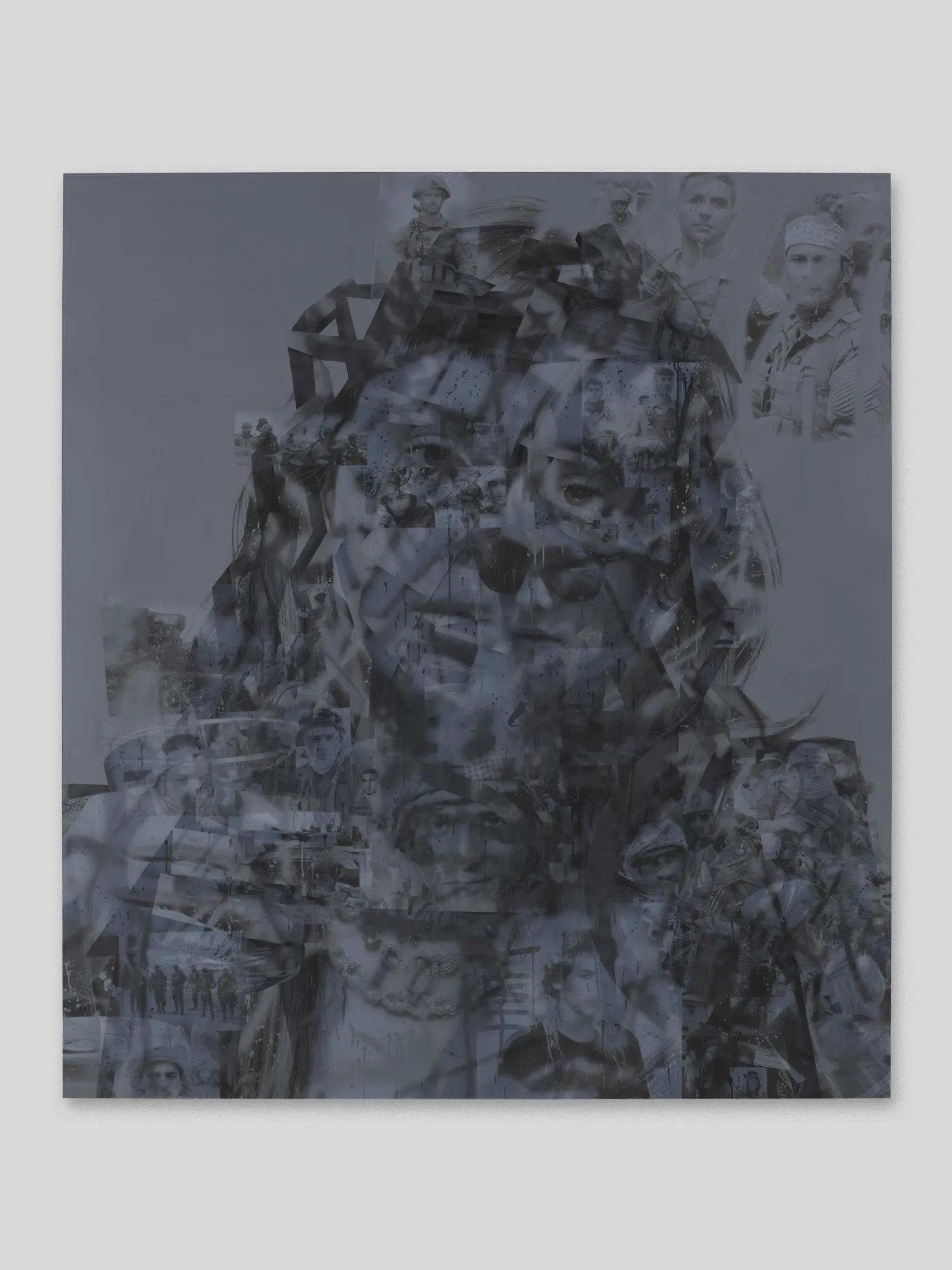
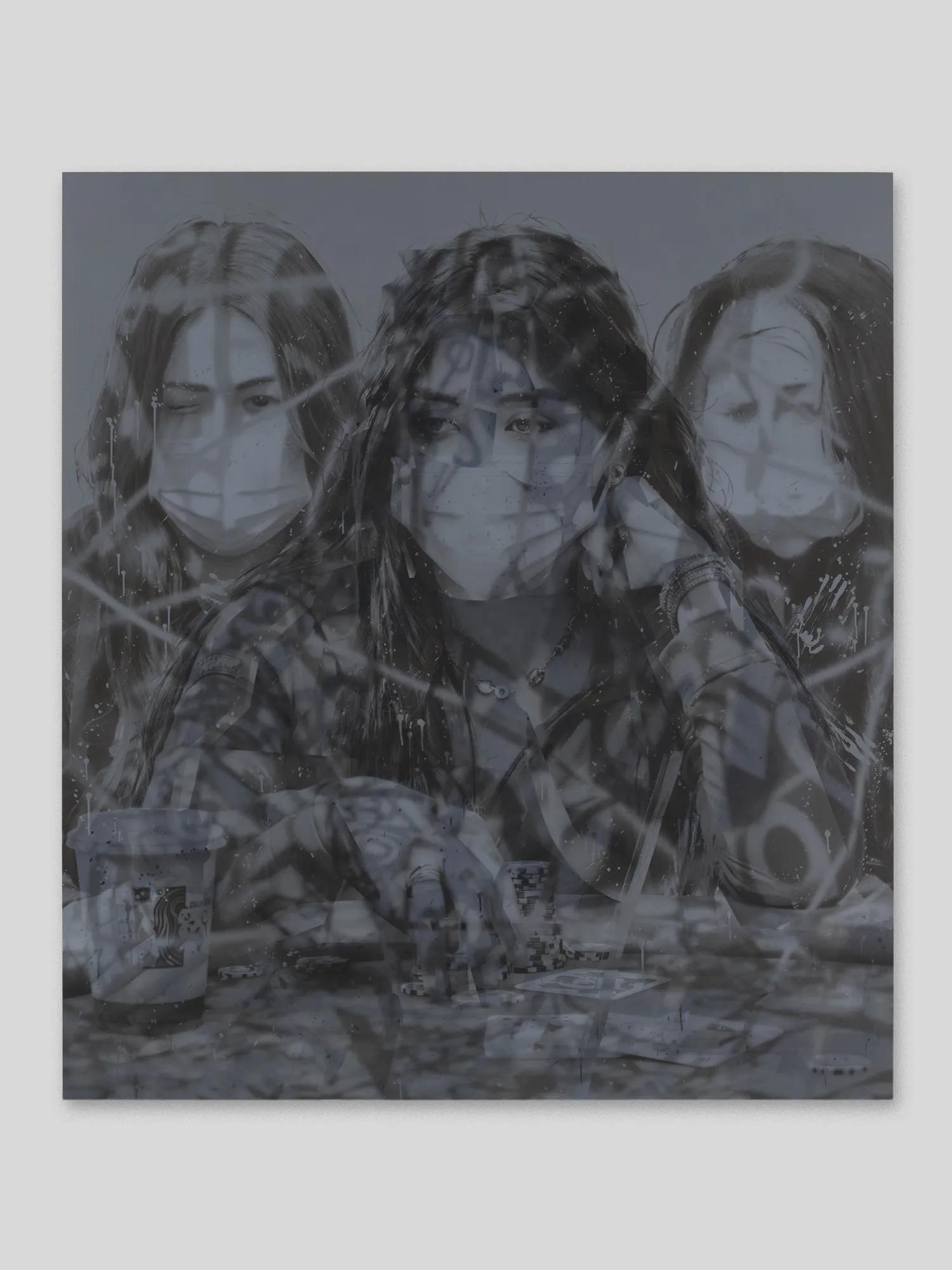
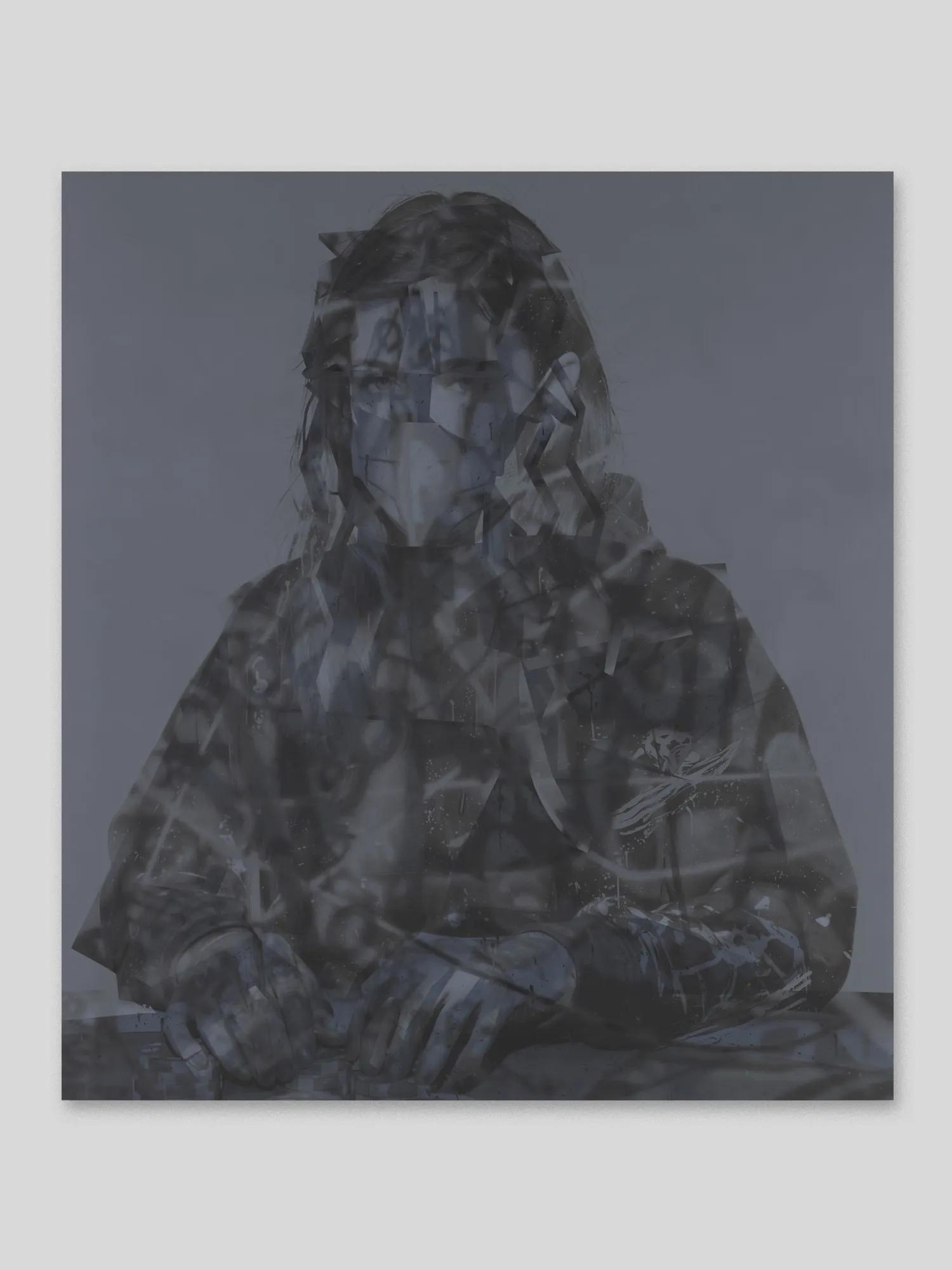
‘I started watching professional poker tournaments and learned about a poker player named Cate Hall. I paid attention to the techniques she used. She would study the pulse rate on the opponent’s neck to understand their emotional response to their hand. I don’t know if that’s a common technique, but it felt like being an artist. There are all these secret little things that we’re paying attention to on this global stage. I got really interested in thinking of the players as a kind of metaphor for artists. Poker is a solitary sport; you play for yourself alone. The players are exposed and scrutinized and surveilled. They are mediating risk and risk-taking behavior, which is what I think artists do, too. That’s the fun and also the freedom of being an artist.’
Avery Singer
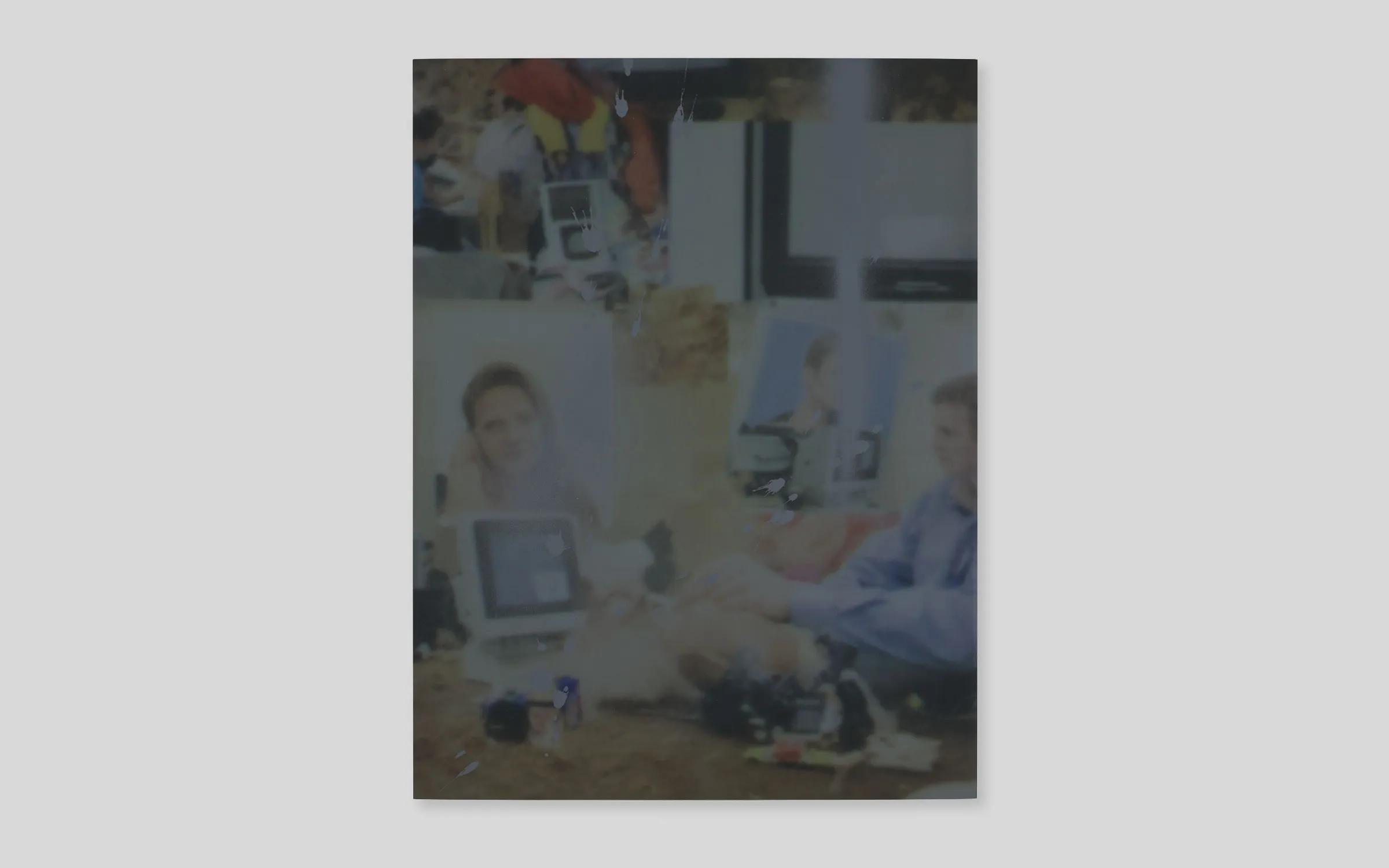
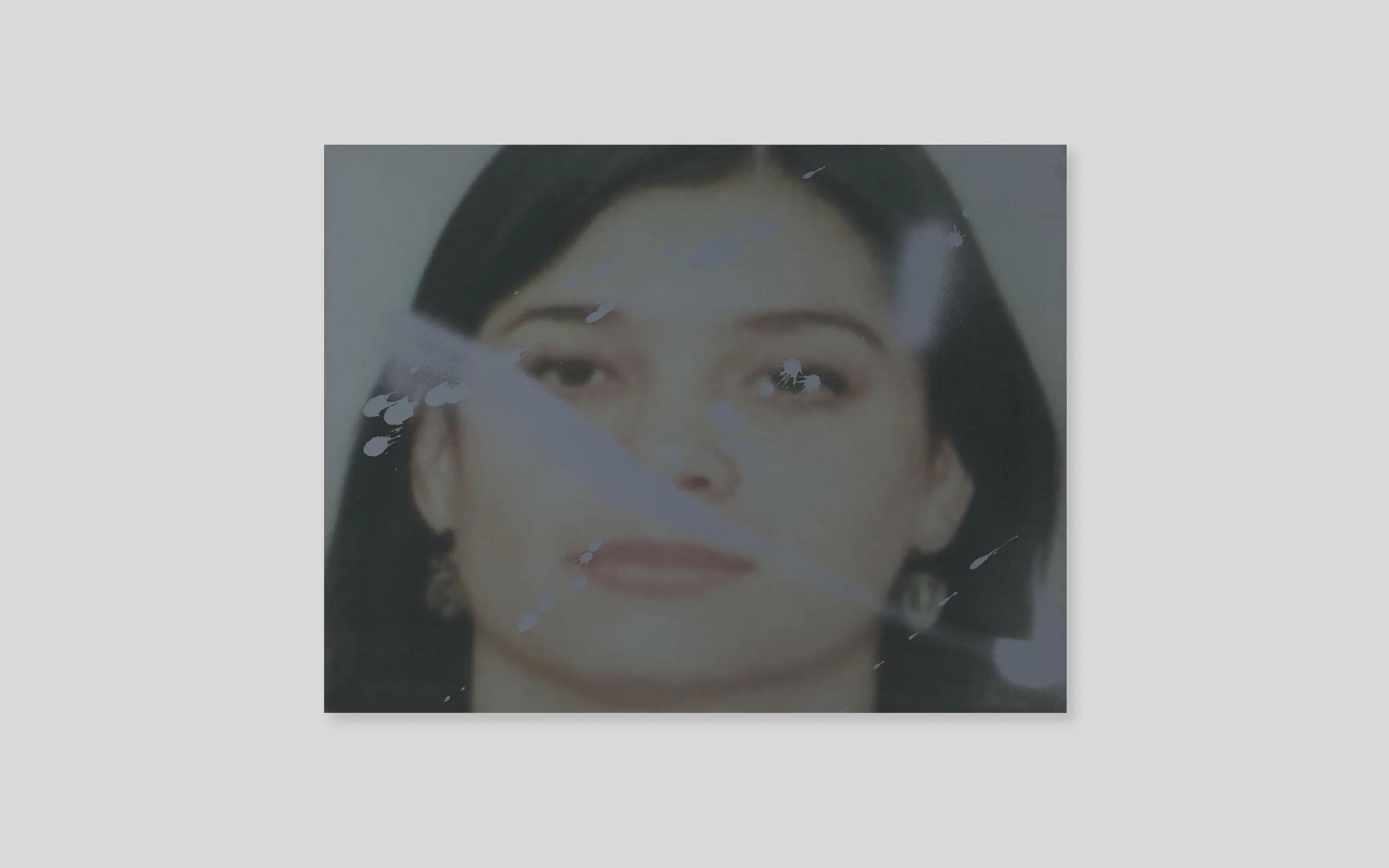
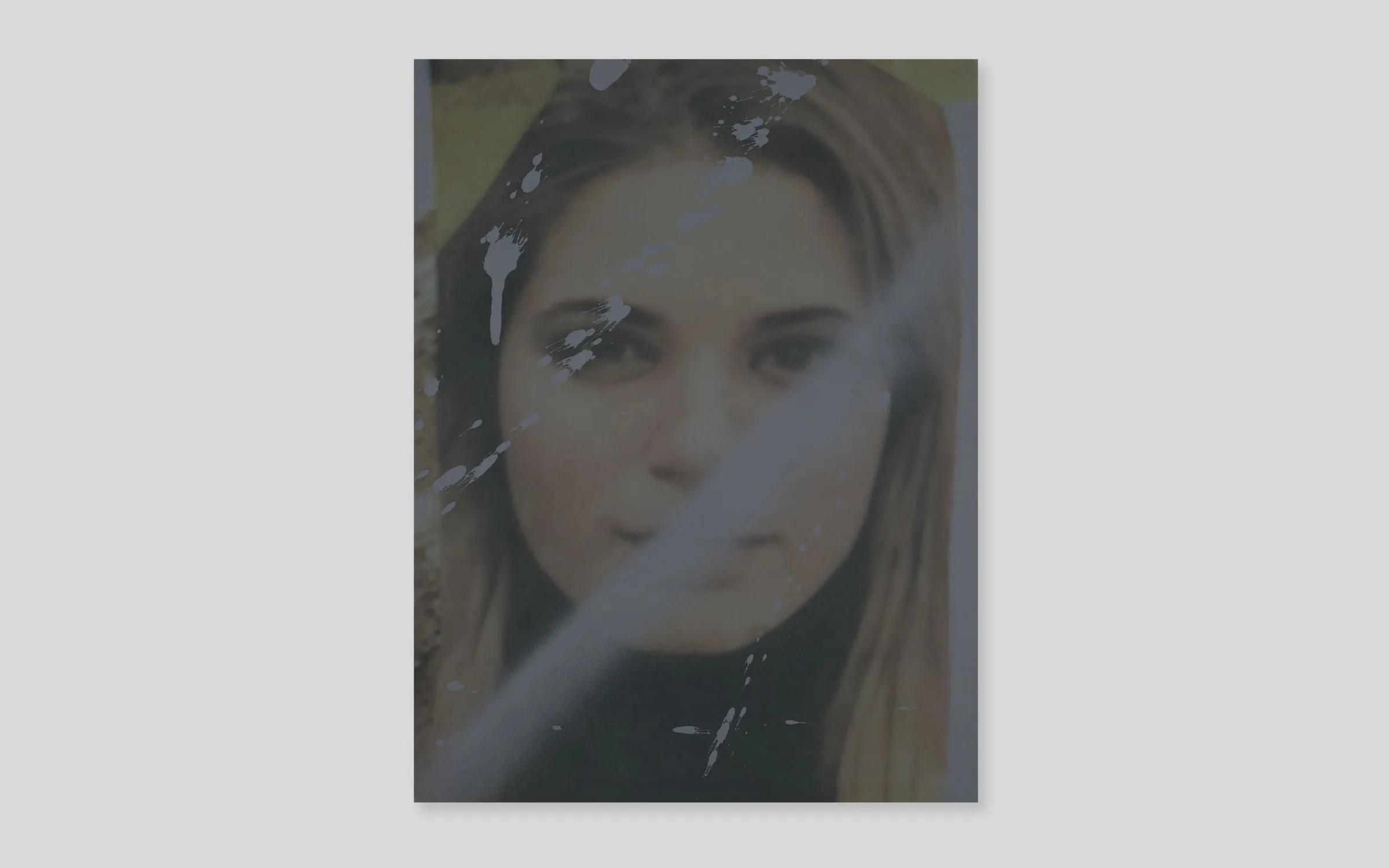
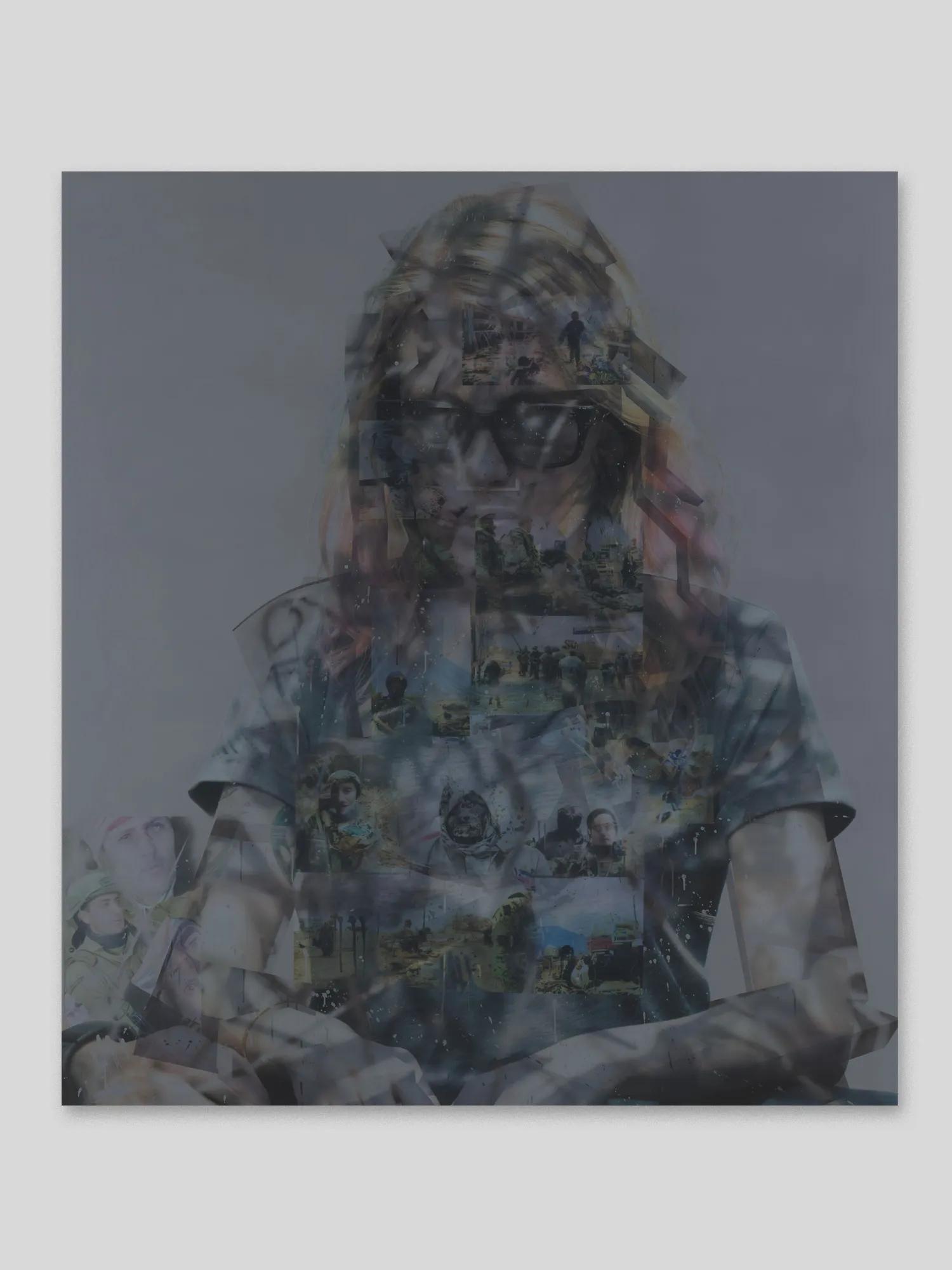
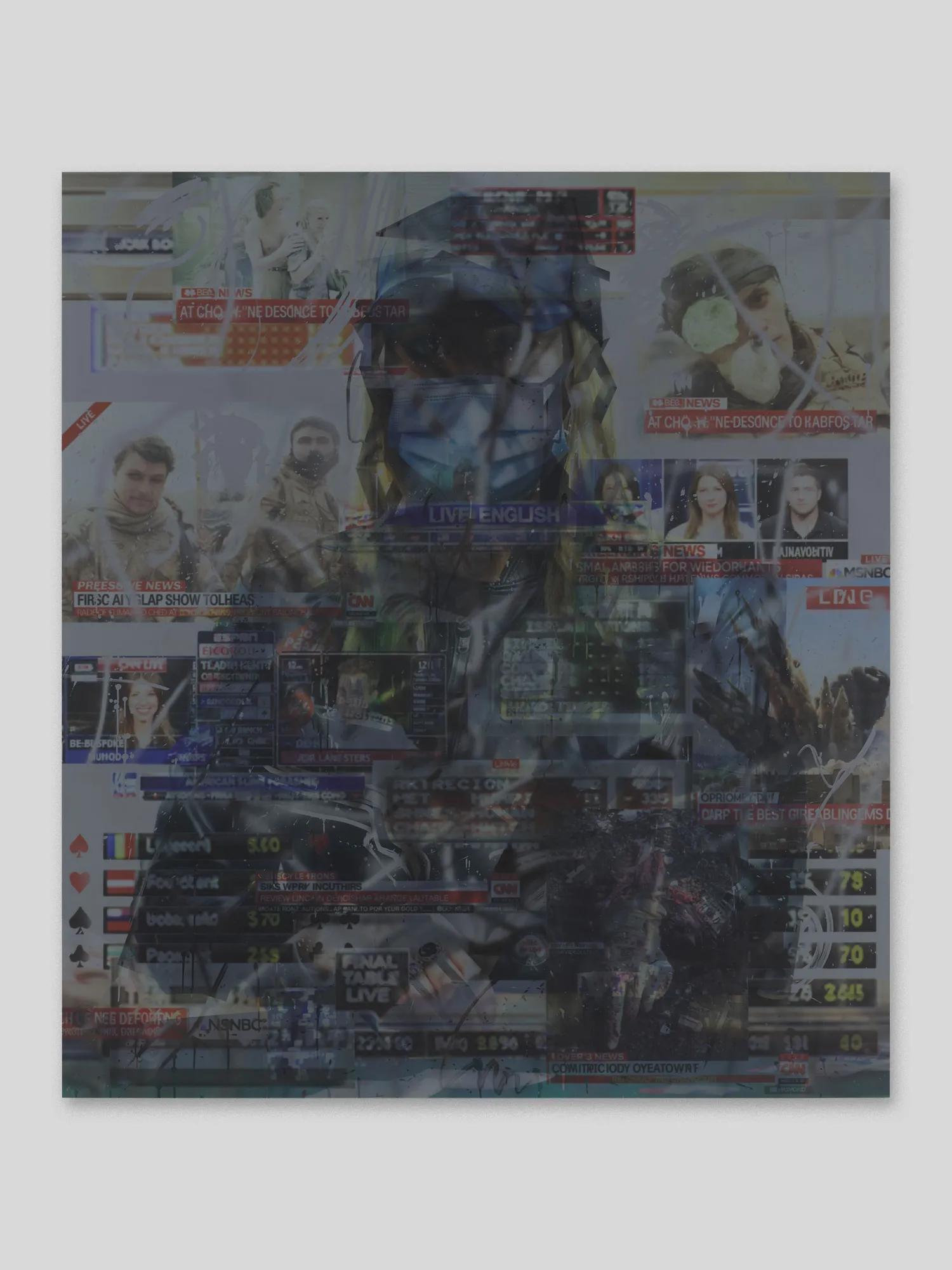
‘I worked with AI to generate visual material that I could incorporate into the paintings. These paintings layer AI imagery on top of hand-painted, digitally inspired material. In between each layer of paint is liquid rubber that I’ve applied very sloppily by hand, to signal that this is a painting—not a printout or a digitally produced object. I paint representationally, so I was searching for a subject that was a good metaphor, a metaphor I could identify with, and I found one in the poker players. I thought the paintings might give off an “uncanny valley” feeling—that eerie emotion generated when something looks almost human. I think that’s what I was going for with it. I thought it would be interesting if the viewers could look at the paintings and recognize an AI system that was malfunctioning. Maybe there’s poetry to be found in the breakdown of this highly developed technology.’
Avery Singer
Installation Views
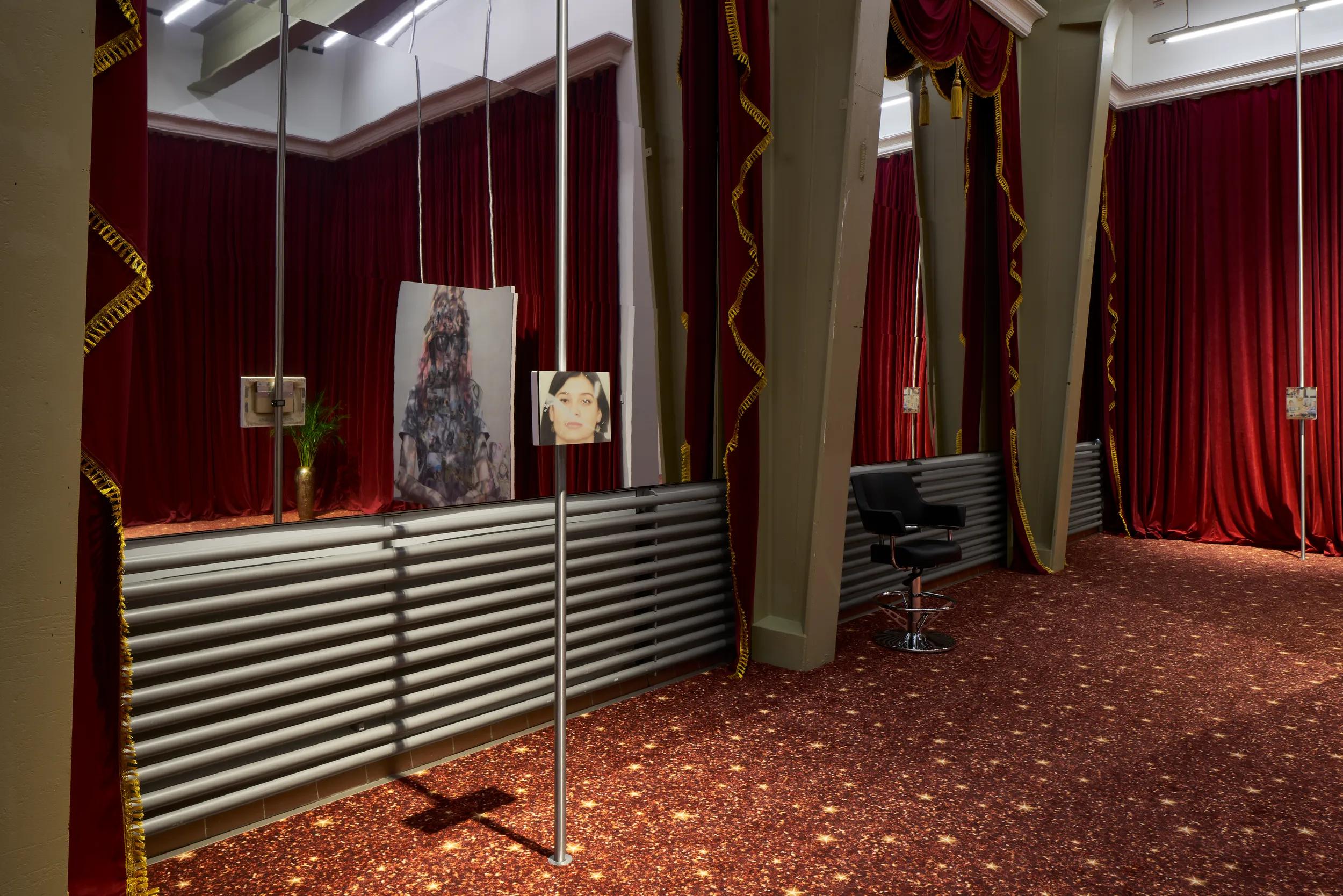
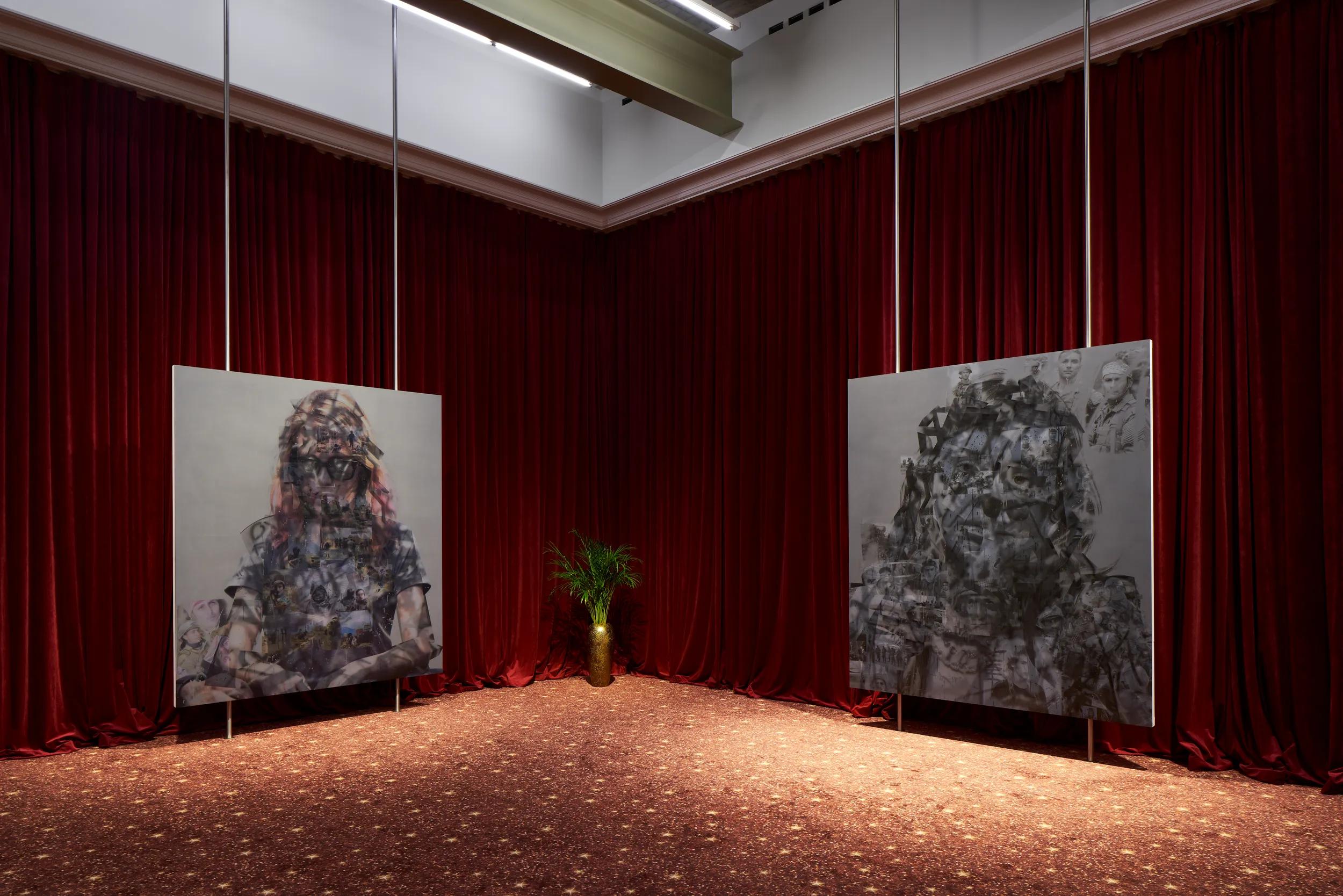
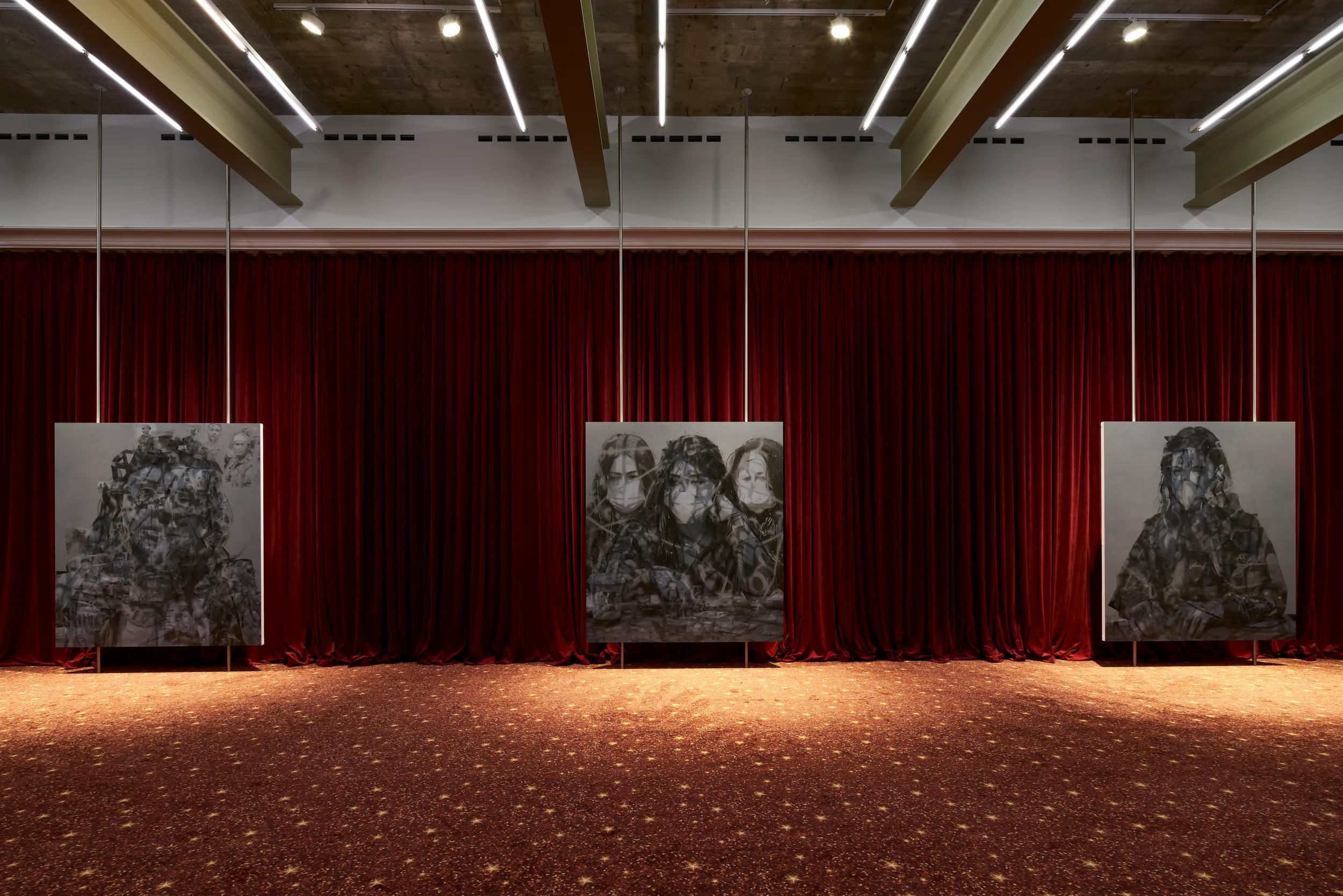
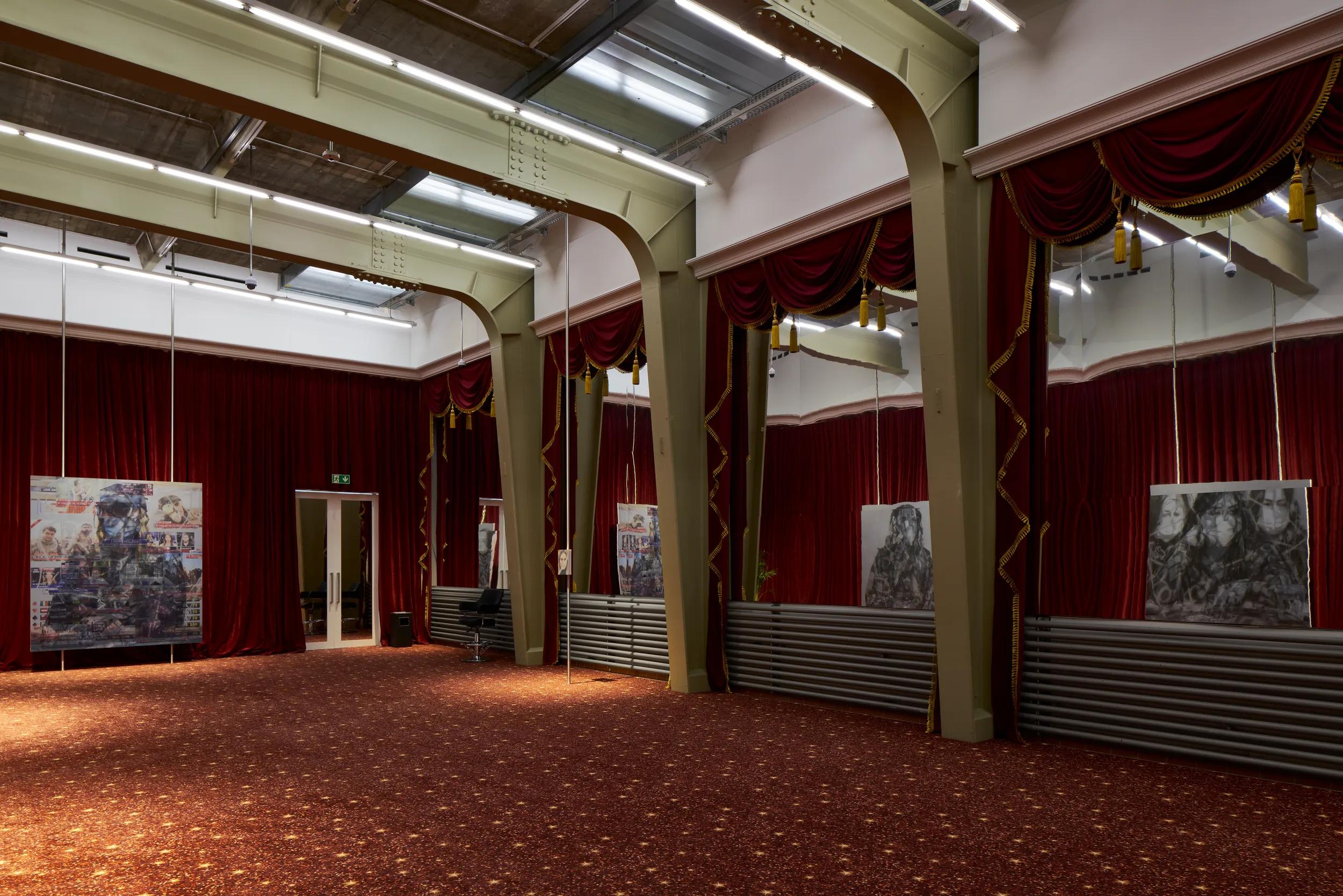
1 / 3
Ursula: Conversations
Avery Singer in conversation with Dieter Buchhart.
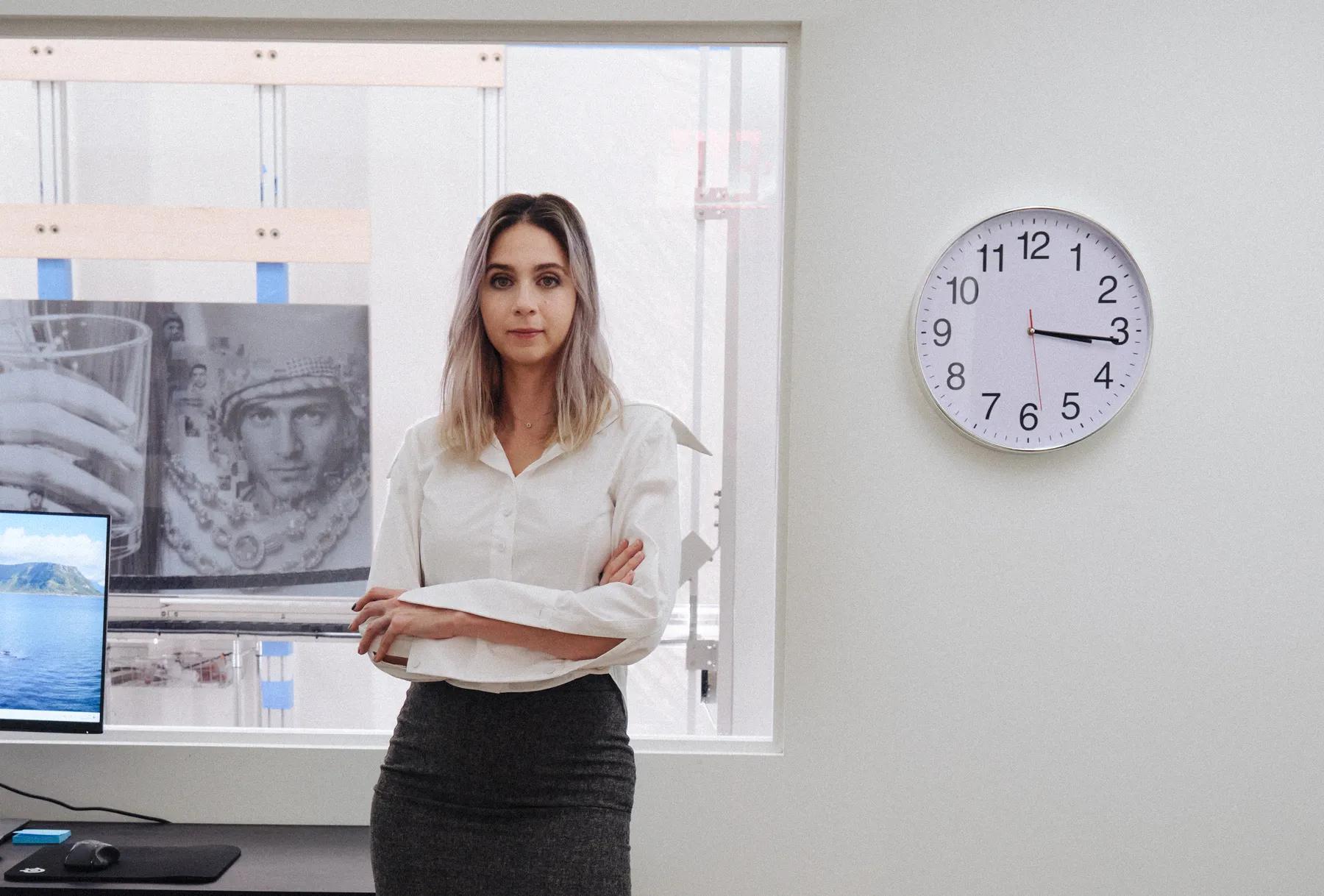
Photo: Avery Singer in her Brooklyn studio, 2026. Photo: Christian DeFonte
Avery Singer
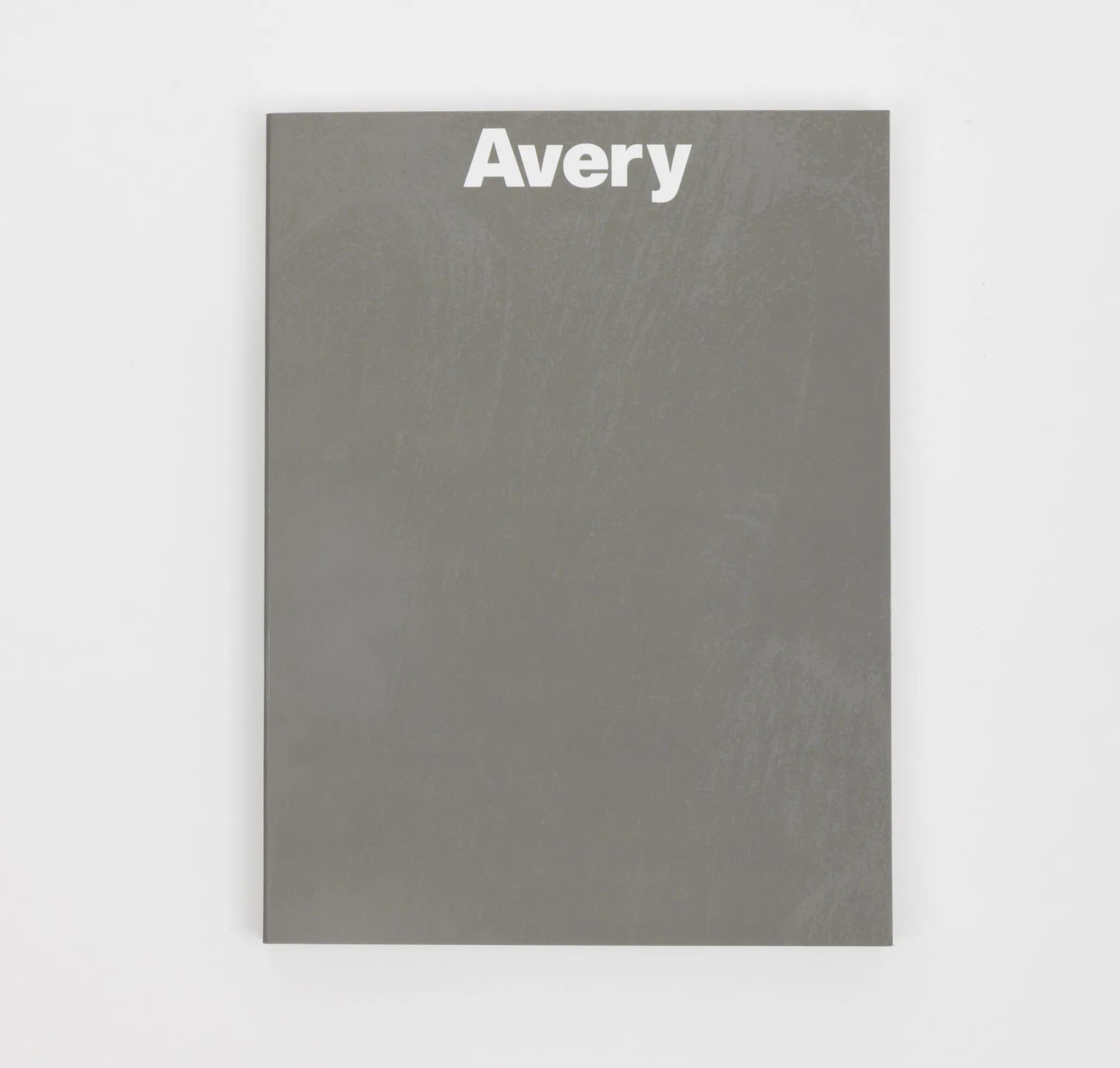
Published on the occasion of Avery Singer’s 2025 solo exhibition ‘run_it_back.exeˇ’ at the Serralves Museum in Porto, this book presents a retrospective of Singer's work, bringing together a selection of pieces from various exhibitions held between 2014 and 2025, a conversation between the artist and curator, critic and art historian Hans Ulrich Obrist, and another between Singer and artist and filmmaker Gabriel Abrantes. The publication is prefaced by Philippe Vergne, Director of the Serralves Museum, and includes an essay by Inês Grosso, curator of the exhibition.
Design: Studio Thomas Spallek, Photo: Ricardo Sousa Nunes.
Related Content
About the Artist
Avery Singer
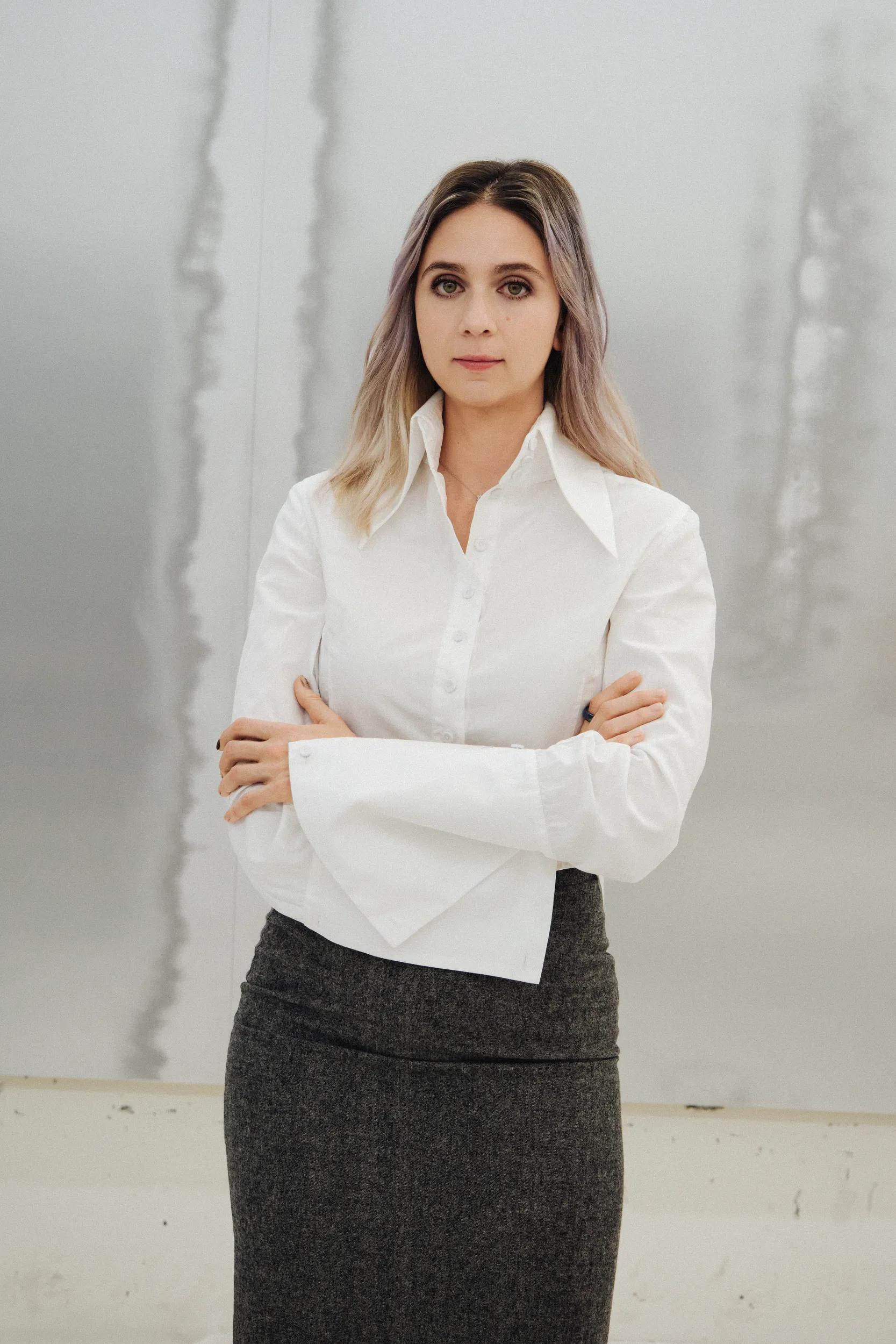
Born in 1987 in New York, Avery Singer has emerged as a powerful contemporary voice whose work explores the possibilities in the convergence of painting and technology. Her highly distinctive oeuvre incorporates both autobiographical and fictional narratives, reflecting upon the art world today and the wider sweep of art history that she has inherited as a painter. Singer’s pioneering techniques are deployed to question the ways in which images and their distribution in our contemporary world, are increasingly informed by new media and technologies.
Singer has developed a highly original visual vocabulary that evokes established traditions of archival documentation and a preferred iconography that references the familiar art historical notions of the artist, the muse and the ironies suggested by these tropes. At the same time, her dexterous process is highly technologically advanced, yielding completed works characterized by atmospheric spaces conjuring the digital realm. Singer’s nuanced use of industrial automation and three-dimensional computer modeling, such as SketchUp, Blender and DAZ 3D, underpins a complex process of layering. She projects imagery onto large-scale canvases and builds the compositions through airbrushed acrylic paint. The resulting paintings contrast clarity with ambiguity, past with future and geometric precision with intuitively generated forms.
Avery Singer’s work gained immediate critical recognition via important solo exhibitions at respected international institutions, including Kunsthalle Zürich (2014), the Hammer Museum, Los Angeles (2015), Foundazione Sandretto re Rebaudengo, Turin (2015), the StedelijkMuseum, Amsterdam (2016), Secession, Vienna (2016), the Kölnischer Kunstverein, Cologne (2017) and the Museum Ludwig, Cologne (2019). The artist has participated in the 6th Glasgow International Festival of Art, Glasgow, Scotland (2014), the 13th Biennale de Lyon, Lyon, France (2015), ‘2015 Triennial: Surround Audience,’ New Museum, New York (2015) and further acclaim followed Singer’s selection by Ralph Rugoff for the 58th International Art Exhibition of the Venice Biennale in 2019. The solo exhibition ‘Avery Singer: Unity Bachelor’ opened at ICA Miami in 2023. Most recently, ‘run_it_back.exeˇ’ opened at the Museu de Arte Contemporâneade Serralves, Porto in 2025.
Singer’s work is held in public collections such as Guggenheim Museum, New York; Hammer Museum, Los Angeles; The Metropolitan Museum of Art, New York; Museum Ludwig, Cologne, Germany; The Museum of Modern Art, New York; Neue Nationalgalerie, Berlin; Stedelijk Museum, Amsterdam; Tate, London; and Whitney Museum of American Art, New York, among many others.
Current Exhibitions


1 / 10