
Dates
11 July – 29 August 2026
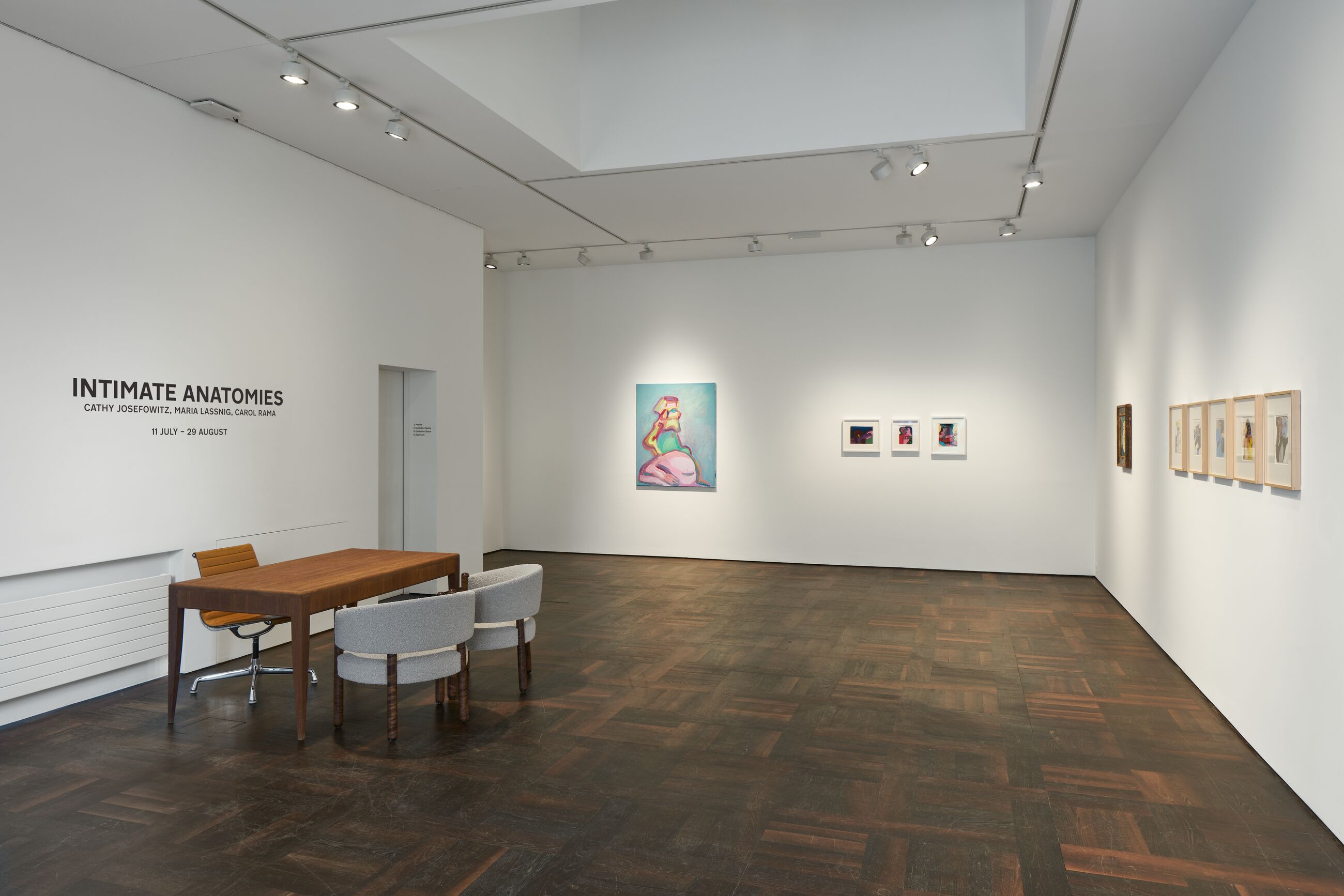
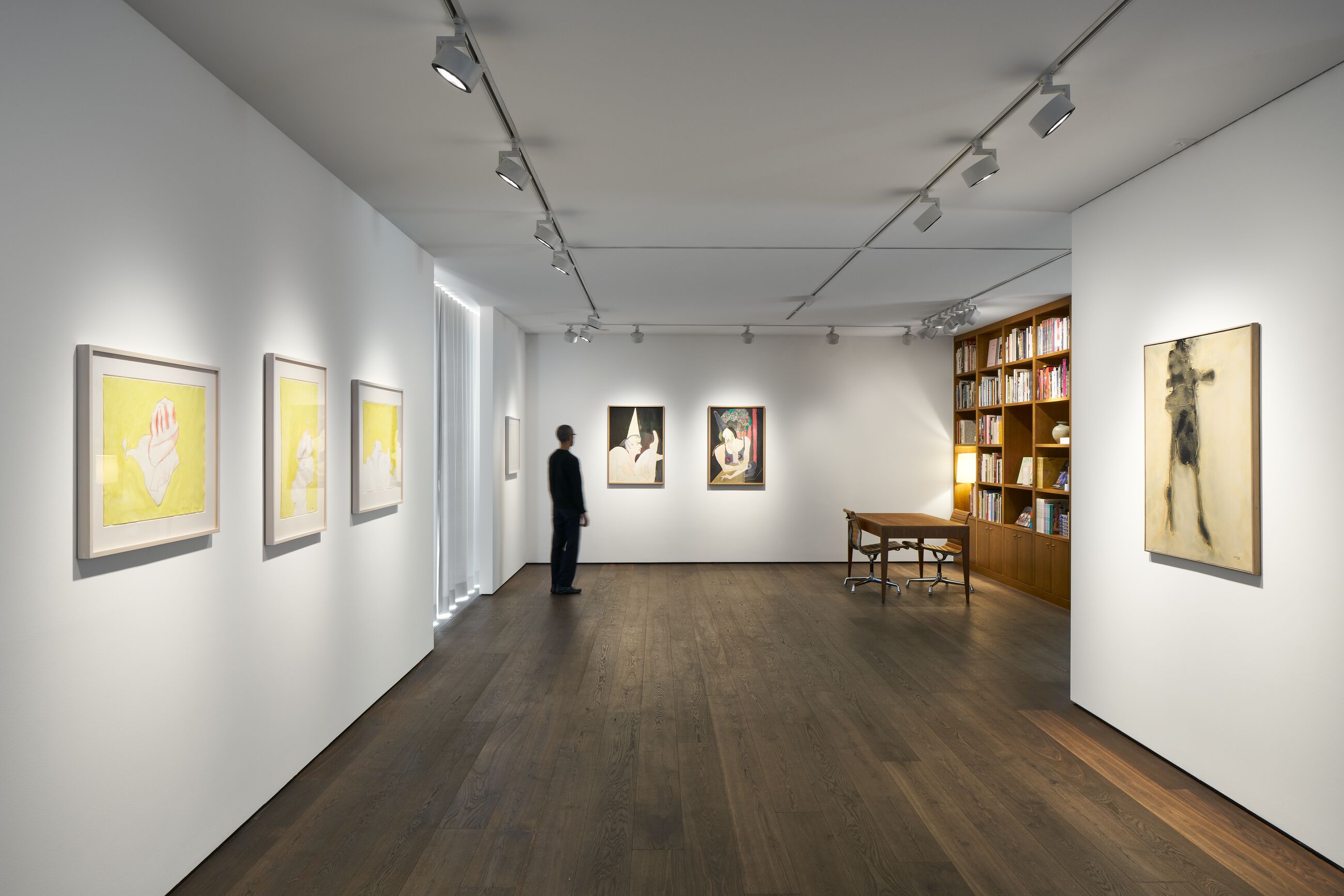
This summer at our St. Moritz gallery, ‘Intimate Anatomies’ brings together the work of Cathy Josefowitz, Maria Lassnig and Carol Rama, three trailblazing women artists whose practices challenged traditional notions of portraiture by depicting the female body as a site of lived, individual experience.
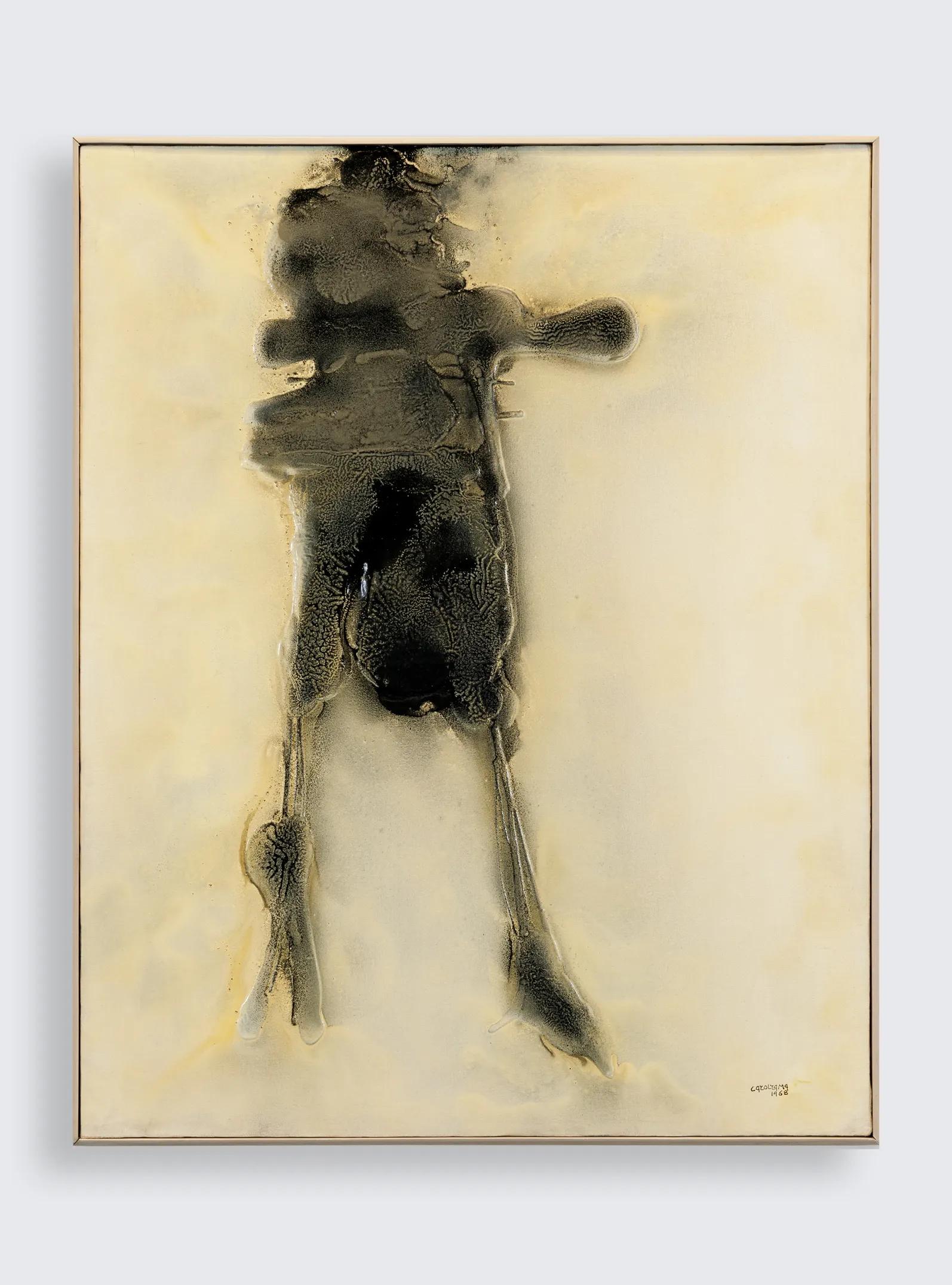
‘Intimate Anatomies’ for the first time unites paintings and works on paper by Lassnig and Josefowitz with works by Rama, who incorporated everyday materials such as spray paint and glue into her work. Distinct in their approaches yet connected by a shared resistance to convention, the artists explore the body through movement, amorphous form, sexuality and colour. Through these boundary-pushing depictions of the human form and psyche, the exhibition highlights each artist’s relationship to her own body while also considering the body’s connection to society, architectural space and nature.
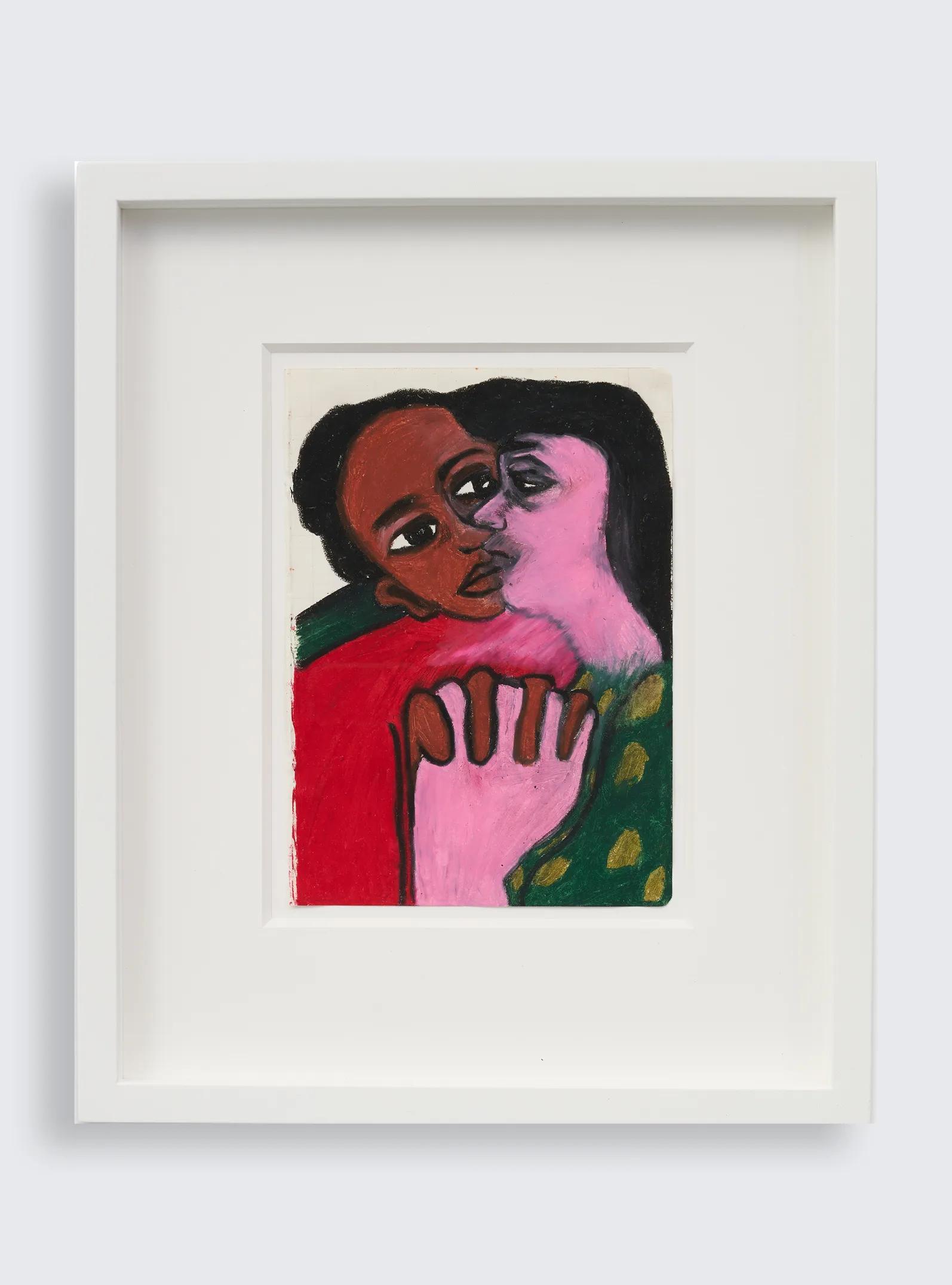
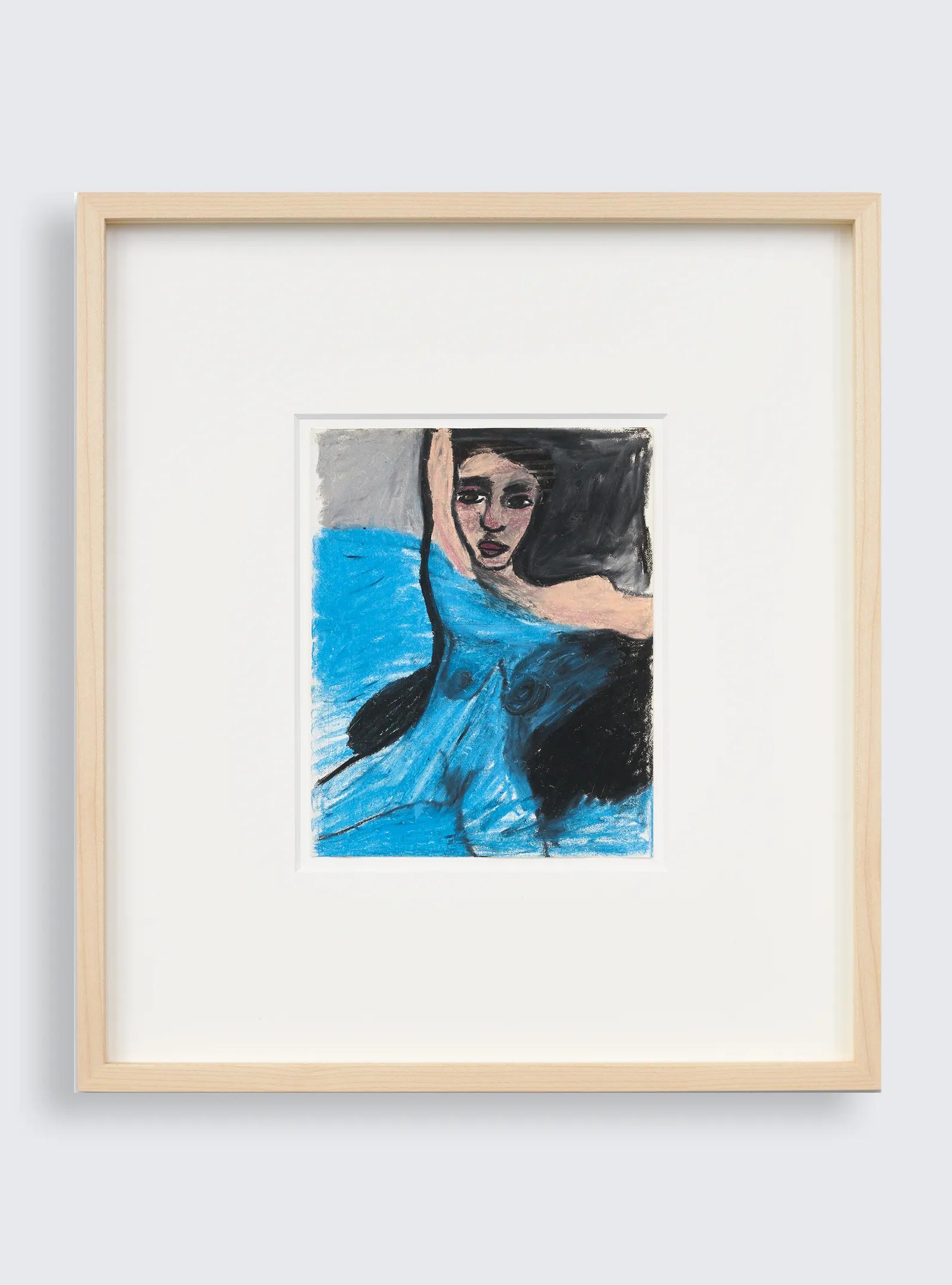
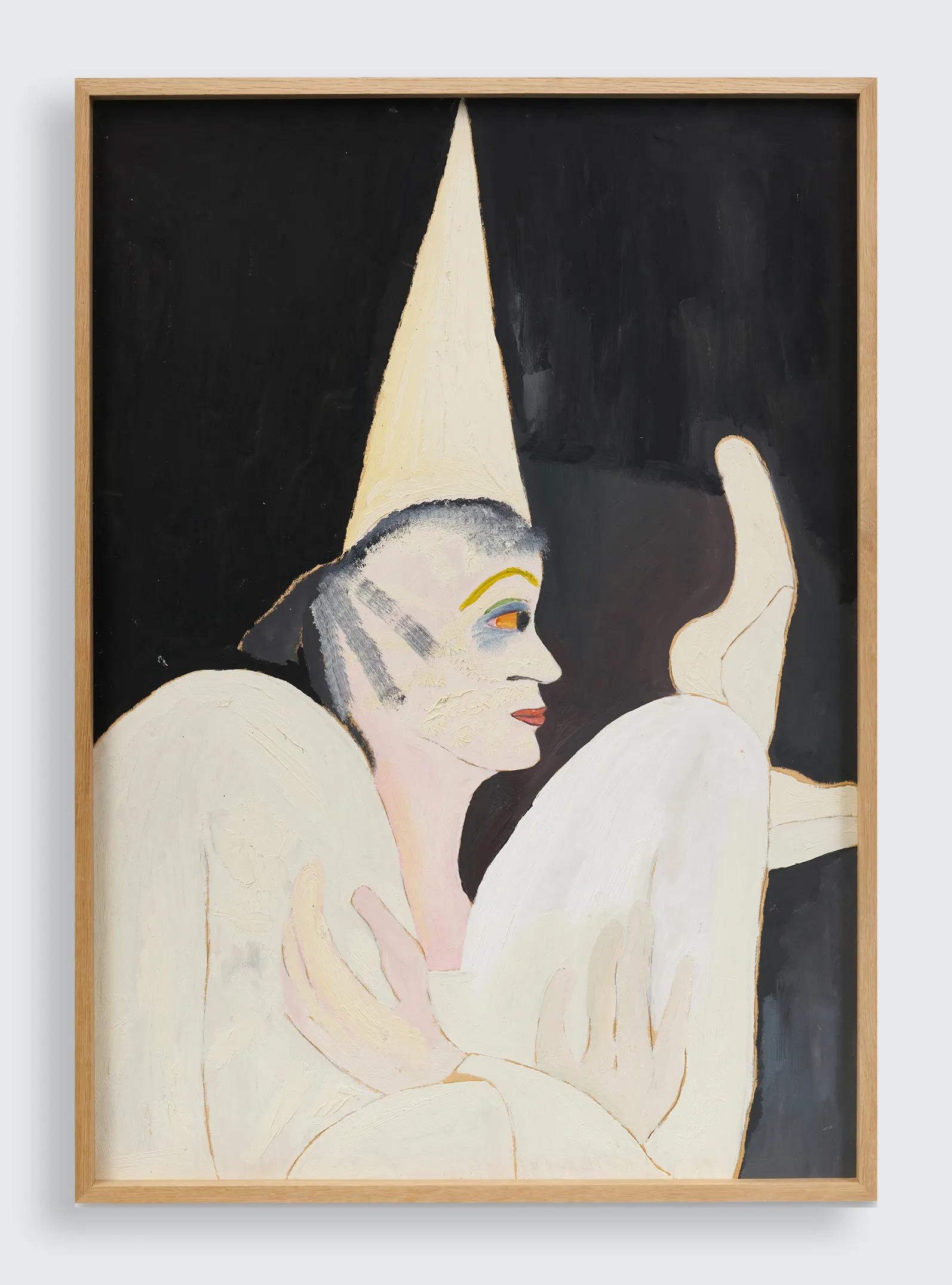
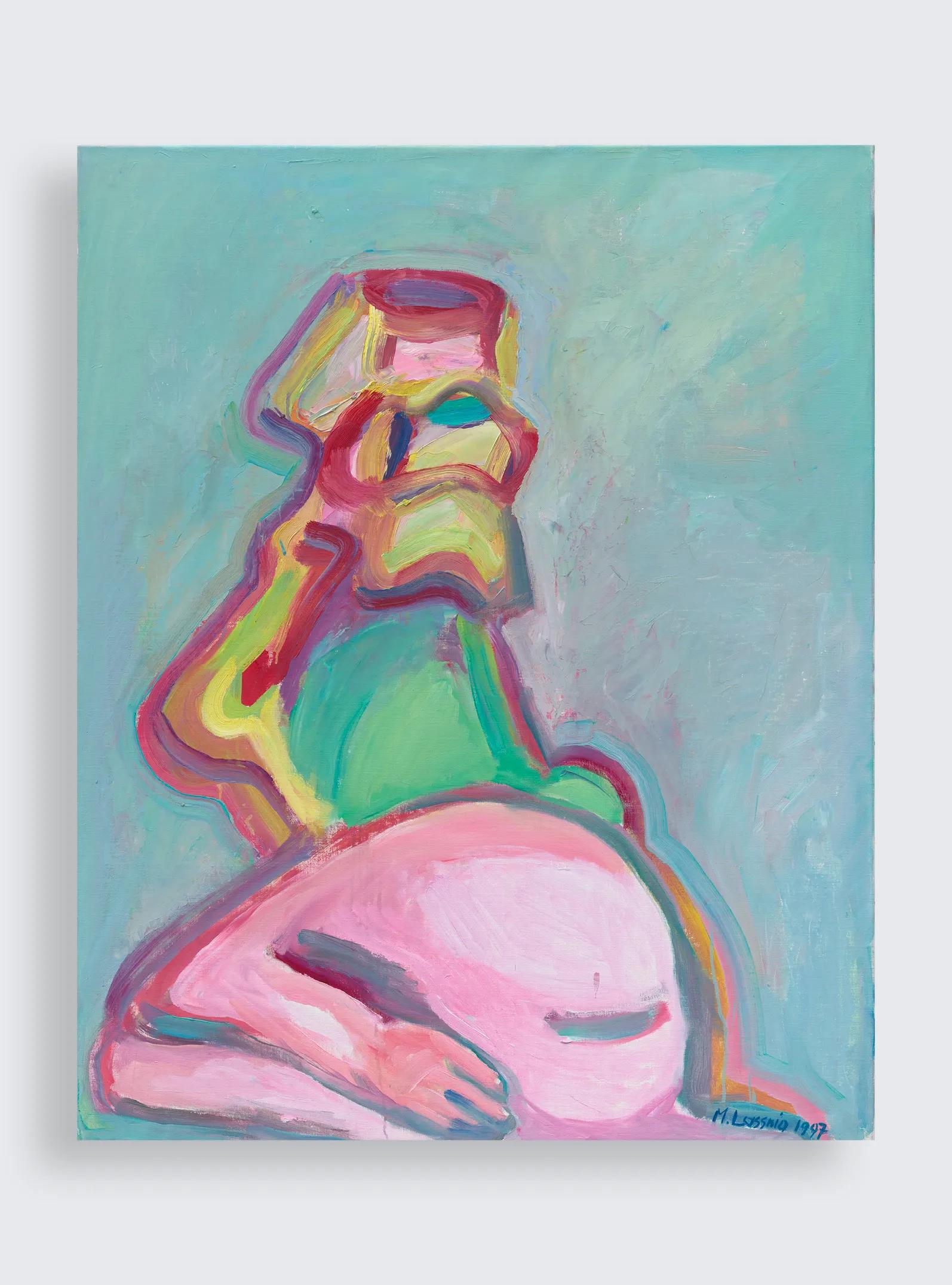
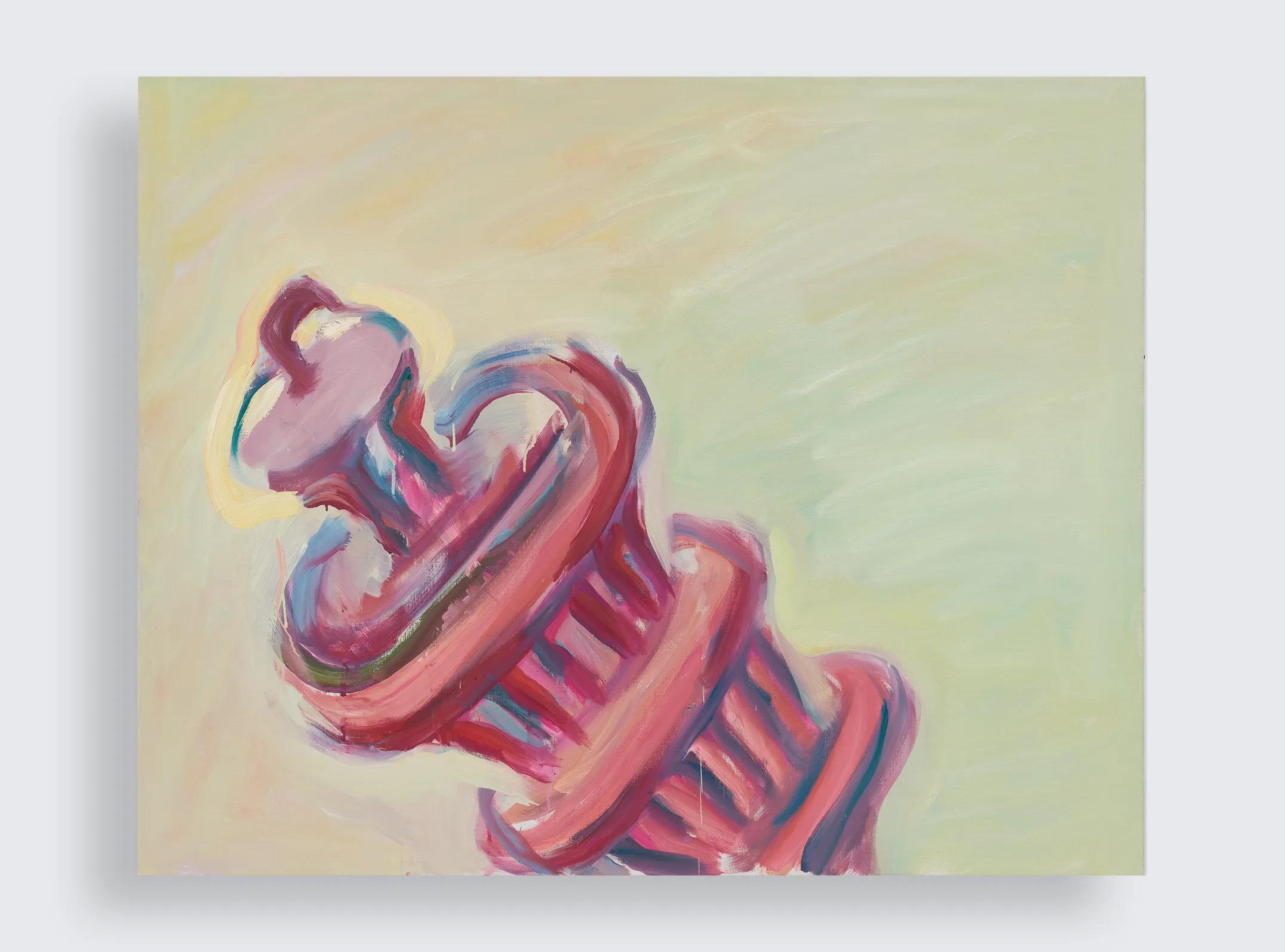
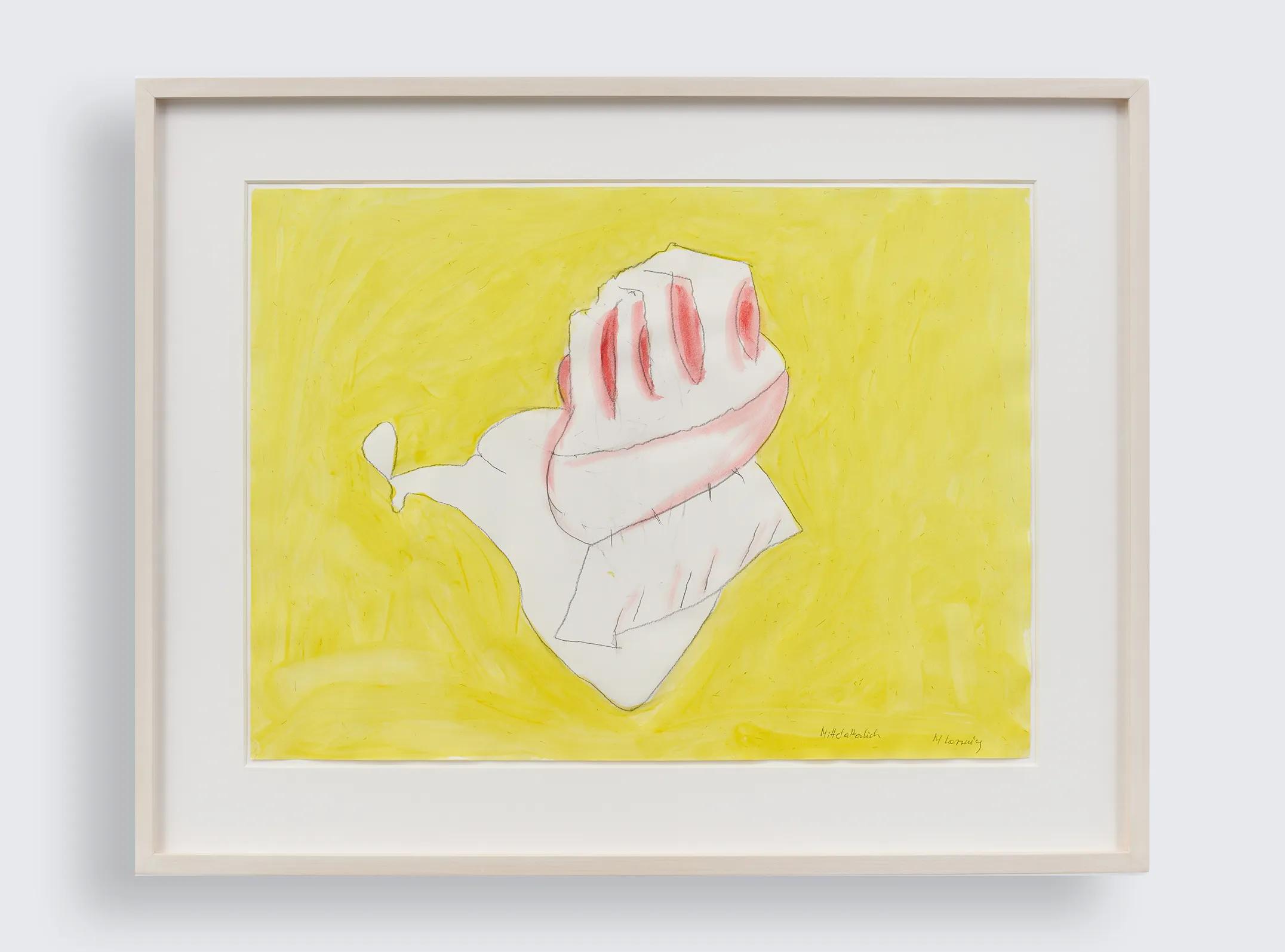
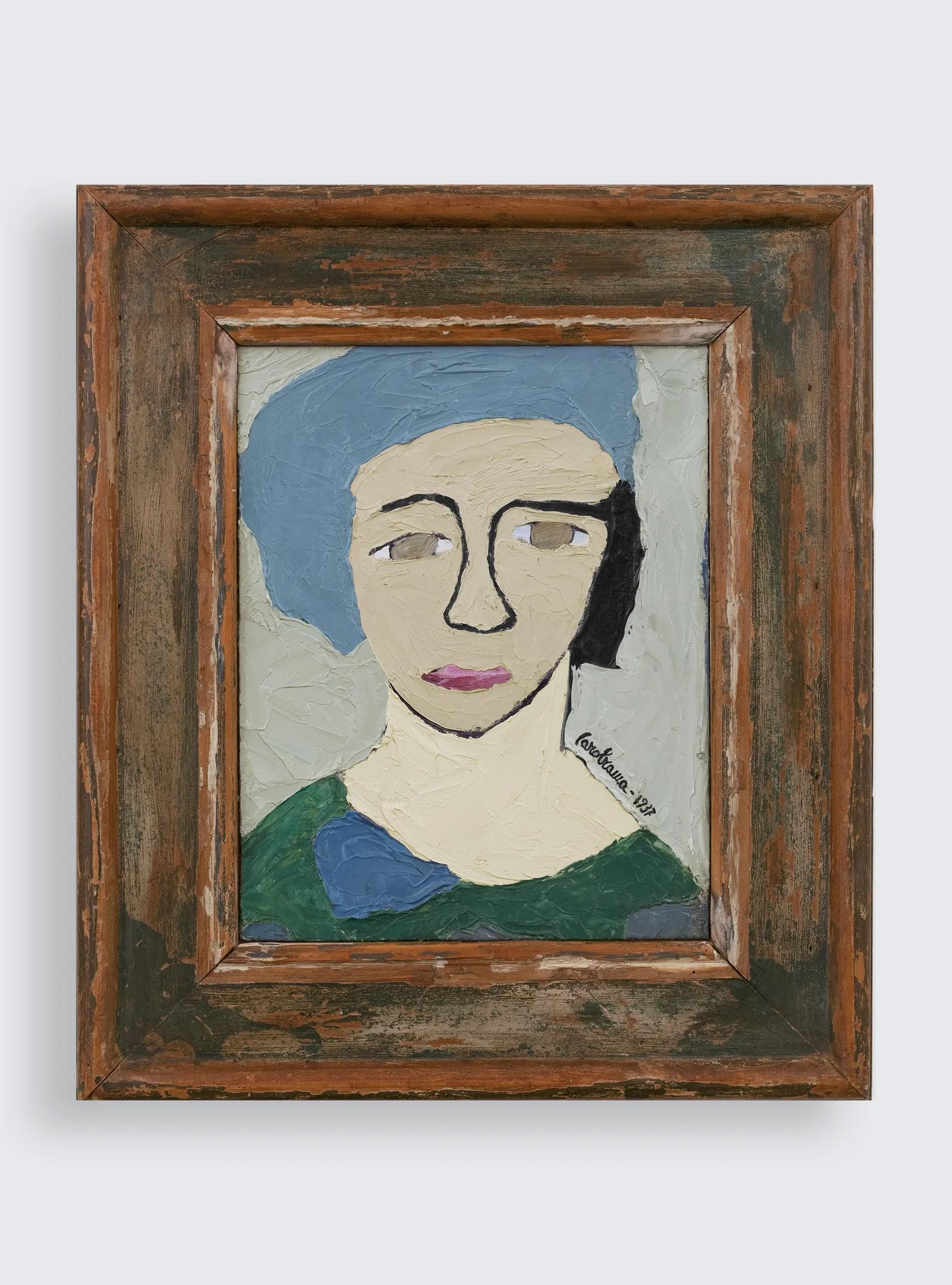
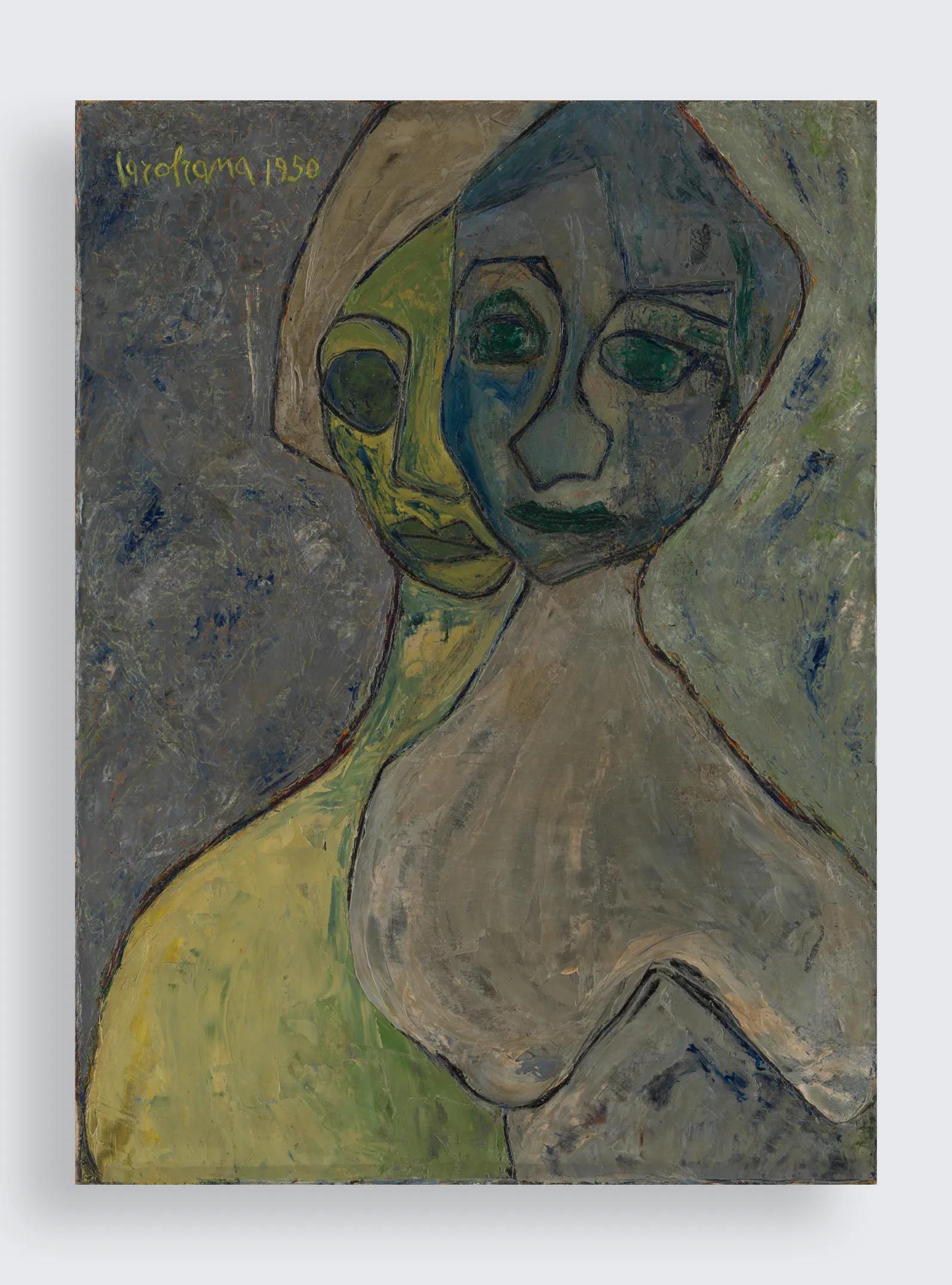
Installation Views
1 / 2
Related Content
About the Artists
Cathy Josefowitz
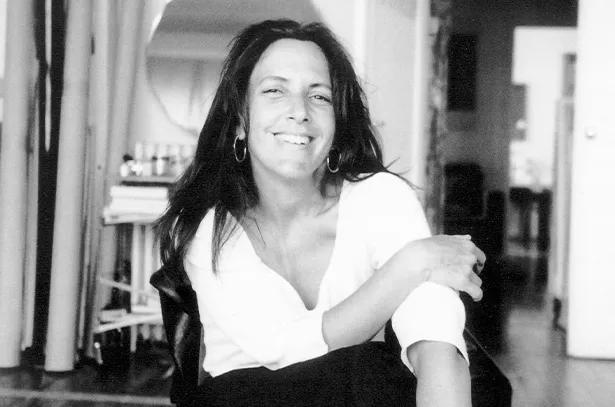
Prolific, prescient and powerfully original yet under-recognized in her lifetime, Josefowitz (1956 – 2014) produced a diverse body of work that ingeniously transcends hierarchies of medium and genre. Over the course of four decades, this New York-born, Swiss-raised artist created an oeuvre of remarkable ambition, spanning drawing and painting, theater and dance, as she developed a deeply personal visual syntax in her quest to represent the body as an expressive vehicle of individual experience. Josefowitz’s practice reconciled the visual arts and performance, leaving an exceptional legacy as substantial in scale as it is intimate and potent in its impact.
Born in New York in 1956, Cathy Josefowitz spent her childhood and adolescence in Geneva, Switzerland, from the age of two and a half. Manifesting the inherent gifts of a musical conductor father and artist mother, she taught herself to draw at the age of four in a moment she would later describe as ‘finding her voice.’
Josefowitz’s lifelong fascination with bodily experience was sparked in part by her study of stage design at the Théâtre National de Strasbourg in 1972. Driven by a relentless need for self-expression, she continued her exploration of the corporeal in works on paper that articulated the different configurations a human body can take as a form of both resilience and liberation. She frequently drew in notebooks, depicting her dreams and inner world, while also developing her practice on canvas. Her art quickly revealed a unique awareness of and sensitivity to the physical forms of the self and of those marginalized and made vulnerable by society.
In 1973, while studying at the École Nationale Supérieure des Beaux-Arts in Paris, Josefowitz made large figurative paintings on kraft paper and cardboard that channeled the influence of major artistic movements of the 20th Century, including fauvism, expressionism and Der Blaue Reiter. Likewise influenced by such female artists as Louise Bourgeois, Josefowitz soon came to focus specifically upon women’s bodies, extending this intensive exploration in the late 1970s into her research in Boston into primal theater—an approach based on improvisation and the search for raw, subconscious emotions—as well as a brief period of training as a midwife in New York. In both primal theater and maternity, Josefowitz saw an unidealized primal and primordial reality, and applied her ideas and research to her paintings and burgeoning choreographic practice.
Josefowitz continued to study dance at the renowned Dartington College of Arts in Devon, England from 1979 to 1983, where she met and learned from the masters of contemporary dance, Steve Paxton—co-founder with Trisha Brown of the Judson Dance Theater in New York and the inventor of the contact improvisation dance technique—and Mary Fulkerson, one of the founders of the anatomical release technique. At this time, Josefowitz also became involved in political activism, taking part in a number of demonstrations, marches and conferences supporting both the feminist movement and the gay and lesbian liberation movement, often creating posters to promote these events. She was notably part of the Greenham Common Women’s Peace Camps, protesting the local storage of cruise missiles in Berkshire, England, and co-founded with Mara de Wit a women-only post-punk band called Lining Time, which became well-known among the activist circuits in South West England. Mirroring the increase in her engagement in political activism and feminism, Josefowitz’s art intensified its representation of female sensation and feeling.
While at Dartington, and during the years after she graduated, Josefowitz began more intensively seeking ways to dismantle the conventional hierarchy that separated performance and painting, and to reconcile these two mediums in a unified practice. This effort is typified by one of her first choreographic pieces, ‘Woodstock’ (1983), in which she playfully used dance and movement to animate her childhood memories of her grandparents’ house—and the accepting and loving community she encountered there—in Upstate New York.
Captivated by the immediacy of performance, Josefowitz extended this organic exploration of the human form into her drawings and paintings as well; she regularly sketched on tablecloths, napkins, receipts, invoices and postcards, while continuing to work in her notebooks, amassing a travelogue of the cities she visited. During this period in the late 1980s, she painted on kraft paper that she rolled onto the wall of her studio, which allowed her to modify the size of her paintings as she worked.
As the 1990s arrived, the intersection of Josefowitz’s performative and pictorial practices was achieving its greatest definition, while the figurative realm she had spent her career portraying in two dimensions gave way to increasing abstraction. A series of paintings based on her 1989 choreographic work ‘For Ever Young’ marked the beginning of a gradual disappearance of the body from Josefowitz’s oeuvre. This series, made in tribute following the tragic death of a friend and colleague, prominently features an empty chair, emblematic of the way in which the artist’s imagery would become more abstract, geometric and monochromatic in the ensuing decades.
As Josefowitz became increasingly engaged in the physicality of creation, pursuing her mission to collapse boundaries between performance and visual mark-making, she also began her painting sessions with a dance. Large-scale paintings from this period were no longer created on the wall of the artist’s studio, but on her floor, where Josefowitz moved, reached and swayed over the surface of her canvas in a highly calculated attempt to capture in oil paint the ephemeral action.
Following a diagnosis of breast cancer in 2007, Josefowitz’s work acquired an intensifying air of spirituality. She initiated a series of abstract kamasutra paintings in 2010, depicting couples set against airy and limitless monochrome backgrounds, which was followed by a series of musings and meditations on existence in the form of large-format paintings inspired by skies and landscapes, as well as her own emotional states, that she pursued until the day she died on 28 June 2014, in Geneva.
Image: Cathy Josefowitz, Untitled, 1974 c., Oil on cardboard, 97.7 x 68 cm / 38 1/2 x 26 3/4 in © Estate of Cathy Josefowitz
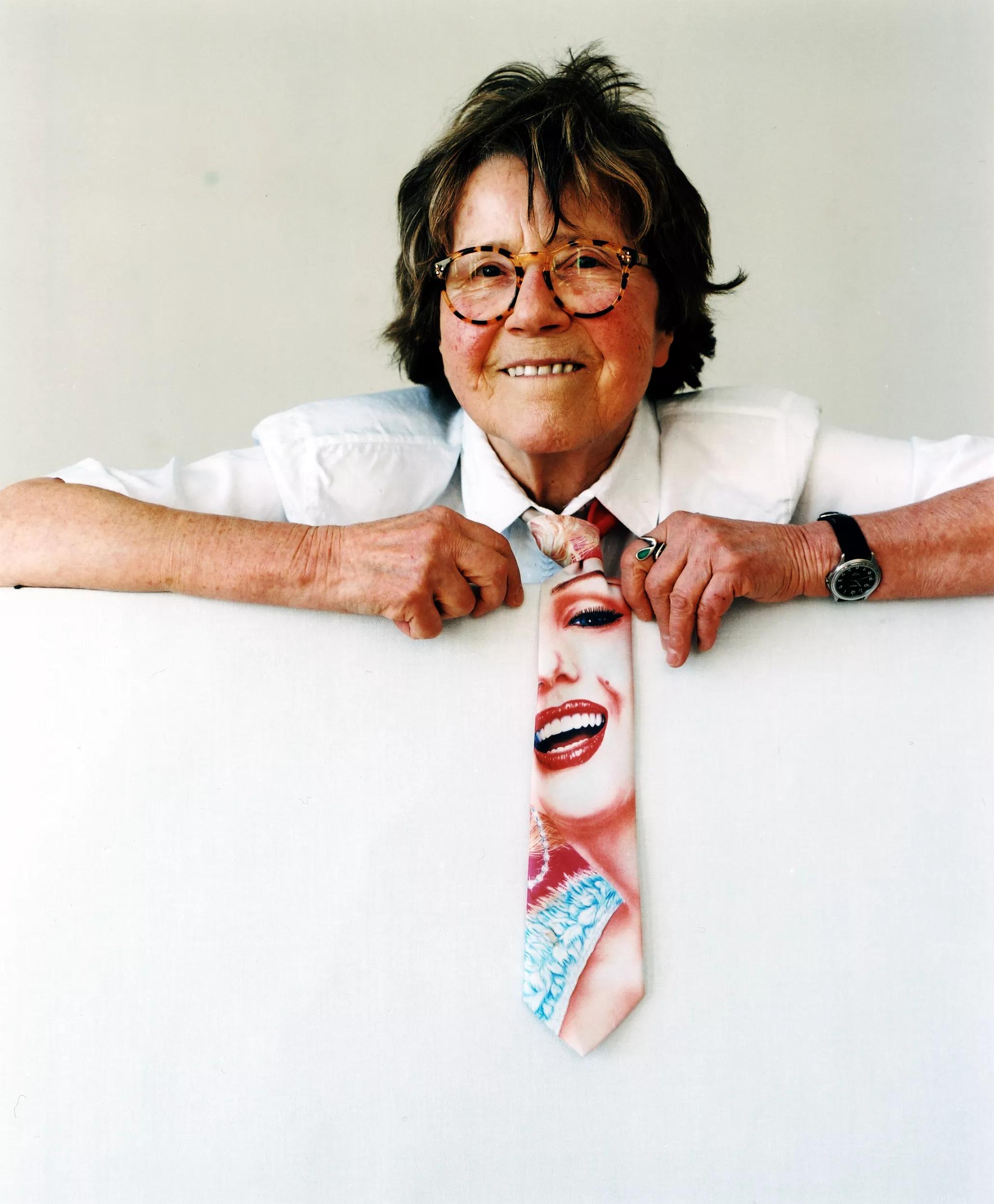
Maria Lassnig
Born in Carinthia in Southern Austria in 1919, Maria Lassnig’s (1919 – 2014) work is based on the observation of the physical presence of the body and what she termed ‘body awareness’, or ‘Körpergefühl’ in German. She studied at the Academy of Fine Arts in Vienna in the midst of the Second World War. Then, in post-war Europe, she quickly moved away from the state-approved academic realism in which she was trained, looking to Austria’s own avant-garde past, such as the coloration of Oskar Kokoschka and Egon Schiele’s expressionist treatment of figuration.
Her early years were marked by experiences with various ‘isms’, including artistic currents in surrealism and automatism from the late 1940s, followed by ‘art informel’ and post-cubism in the 1950s. After moving to Paris in 1960, an innovative figuration, expressive and painterly, was beginning to emerge. In the next few years, she developed narrative paintings with one or more figures, at times borrowing from technoid forms of science fiction set in absurdly caricatured scenes. Animal-like, monstrous self-portraits emerged alongside this group of works.
In 1968, Lassnig moved to New York where her artistic work once again switched direction—she turned to external realism and painted portraits, nudes and still lifes, at times combining these with her ‘body awareness’ self-portraits. Many of her paintings, drawings and watercolors were devoted to recording her physiological states through a direct and unflinching style. Utilizing contrasting colors such as greens, pinks and blues, as well as strong body shapes to give her paintings a powerful, even drastic impact, Lassnig looked to herself, a female artist in a predominantly male world, as her primary subject.
Of her artistic process, Lassnig has said: ‘I step in front of the canvas naked, as it were. I have no set purpose, plan, model or photography. I let things happen. But I do have a starting-point, which has come from my realization that the only true reality are my feelings, played out within the confines of my body. They are physiological sensations: a feeling of pressure when I sit or lie down, feelings of tension and senses of spatial extent. These things are quite hard to depict.’ Her famed portraits and self-portraits are often treated with a playful irony, even in her depictions of the aging body and psychological turmoil.
In 1980, Lassnig was awarded a professorship—with a focus on painting and animation film—at the University of Applied Arts in Vienna. As a result, her self-portraits repeatedly explored issues of overload and enforced estrangement. She then began dealing more extensively with mythological contents, with nature and ‘rural life,’ and continued her exploration of figure-ground tensions. From the late 1990s, Lassnig turned to the great existential themes with her so-called Drastic Pictures, such as the relationship between the sexes and generations, unchosen lifestyles, as well as oppression, destruction, impermanence, and death.
Portrait: Maria Lassnig in her studio, Vienna, 2007 © Monopol/Elfie Semotan 2007
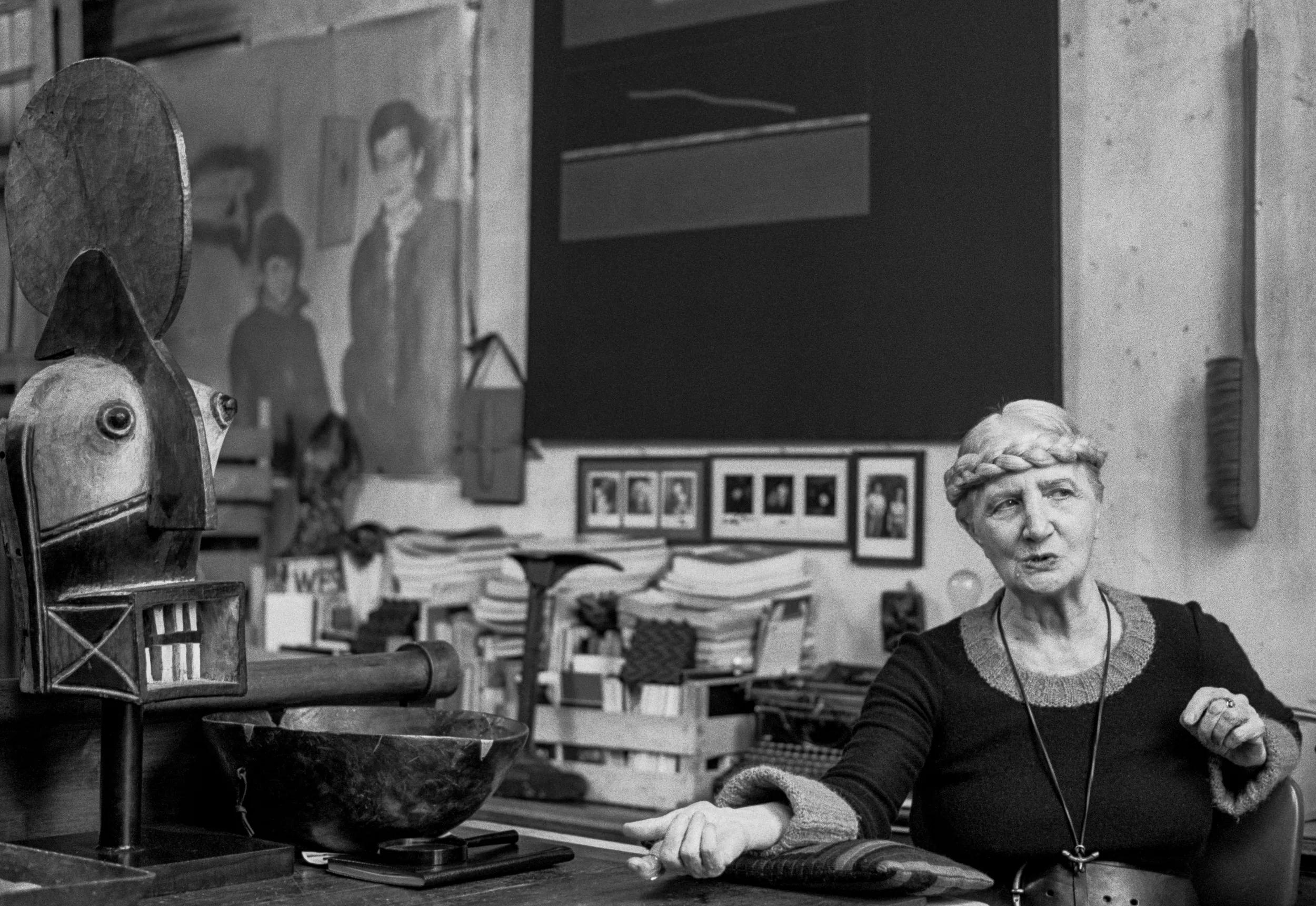
Carol Rama
Over more than seven decades, Carol Rama (b. 1918, Turin; d. 2015) developed a radical body of work that addressed connections between desire, sacrifice, eroticism and repression. Today, Rama is considered one of the most original and individualistic artists to emerge from the 20th Century. By constructing a visual cosmos where transgression leads to liberation, Rama countered assumptions about sexuality and representation, offering a retort to the societal conventions and the prevailing far-right political ideologies that defined the fascist-dominated Italy of her youth. She set neither boundaries nor hierarchies between painting, drawing, sculpture and printmaking, pulling all of these mediums into her image universe. ‘My self-assurance exists only across from a sheet of paper that needs to be filled in,’ Rama once declared. ‘Work is the only way to drive off my fears. My rebellion consists of painting.’
Carol Rama was born in April 1918 in Turin, Italy, the youngest of three children, to parents Marta (née Pugliaro) and Amabile Rama, an automobile and bicycle entrepreneur. Initially prosperous, Amabile’s business is recalled in Rama’s art through references to factory life, its materials and components. From the late 1920s, an abrupt reversal of fortune and the subsequent demise of the family business led to Rama’s mother being admitted to a psychiatric hospital from December 1932 to April 1933, followed by Amabile’s death in 1942, likely by suicide. Rama’s observations during visits to her mother at the institution exerted a pivotal and liberating impact on the teenage artist, materializing through the psychosexual themes in her work. She later explained how these experiences replaced the formal training and classes she skipped at the art academy: ‘I felt comfortable in that surrounding. Because it’s there I began to have manners and upbringing without either cultural preparation or etiquette.’
The highly corporeal figurative watercolors that Rama created during the 1930s and 1940s, known as her ‘coarse drawings,’ formed the earliest chapter of her aesthetic emancipation. She conjured garlanded nudes whose limbless bodies, orifices, sharpened tongues and serpent phalluses are depicted within a world of restraints and orthopedic equipment, with such medical equipment frequently appearing as framing devices. The narratives of her Appassionata series and the squatting form of ‘Marta’ (1940) are as lascivious and defiant as they are grotesque and abject. These early works proved provocative enough to elicit censorship when, to Rama’s dismay, her 1945 debut exhibition at Opera pia Cucina Malati Poveri was shut down by police before it could open to the public due to the ‘obscenity’ of its contents.
In the first of several significant aesthetic shifts during the course of her long career, Rama’s attention turned towards abstraction in the 1950s, with participation in Turin’s Concrete Art Movement and her pursuit of ‘a certain order’ and a self-imposed ‘limit to the excesses of freedom.’ As the decade progressed, Rama’s experimentation with new materials and intuitive ordering of fragmented forms were superseded by increasingly expressive painterly surfaces.
In the 1960s and 70s, Rama’s interest in found materials deepened. She developed an intellectual kinship with the Gruppo 63 poet Eduardo Sanguineti, one of the many writers, artists, architects and other members of the Italian avant-garde art milieu of which Rama was a part. Sanguineti applied the term ‘Bricolage’ for works in which Rama forged an uncanny union between splattered paint resembling bodily secretions and artificial eyes, animal claws, teeth, electrical fuses and batteries. These elements are interspersed with obsessive notations and nonsensical equations in defiance of the rational and ordered systems of atomic warfare, which the artist viewed as ‘the ultimate lunacy.’
The early 1970s saw Rama’s visceral materiality combine with the autobiographical iconography of her father’s factory through collages and assemblages dangling with bicycle inner tubes like flaccid phalluses or intestines. Rama was drawn to this kind of found matter because, as she explained, ‘it gives you the idea it’s been used.’ Here, Rama’s work aligned with the spirit of the Arte Povera movement, although she was never a member of that group first identified by Germano Celant in 1969.
The irrepressible figuration of Rama’s early watercolors finally gained international recognition in 1980 when curator Lea Vergine included them in her ambitious thematic exhibition ‘L’altra metà dell’avanguardia: 1910-1940 (The Other Half of the Avant Garde: 1910-1940),’ a survey that brought together works by over 100 women artists. Encouraged by the reception to her art in this show, Rama reprised the distinctive iconography she had developed in her youth, returning with renewed vigor to the body and her visual vocabulary of sharpened tongues, clusters of cocks and prosthetic limbs, rendering new mythical narratives featuring nude figures and animals. She layered such imagery over found technical drawings and architectural diagrams, which provided a structure to react to and push against.
This return to figuration and Rama’s lifelong embrace of the disordered mind as an expression of freedom collide in the final phase of her work, which lasted until her death in 2015 at the age of 97. Rama had become fascinated with the mad cow disease outbreak of the late 1990s and embraced it as the wellspring for a form of self-portraiture. She applied motifs of fractured body parts and udder-like fetish elements in leather to the surface of her work, declaring, ‘I believe there is no freedom without derangement. But then we are all pretty deranged.’
During the late 1990s, Rama’a work finally attracted interest among a new generation of artists, curators and critics. Rama’s art has since galvanized ever-expanding attention and avid scholarship. She was awarded the Golden Lion for Lifetime Achievement at the Venice Biennale in 2003 and major solo exhibitions of her work have been presented at the Stedelijk Museum, Amsterdam (1998); MACBA, Barcelona (2014); Musée d’Art Moderne de Paris, Paris (2015); New Museum, New York City (2017); and Schirn Kunsthalle, Frankfurt (2024), among others.
Selected prominent museum collections which have holdings of Rama’s work include The Art Institute of Chicago, Chicago IL; Centre Pompidou, Paris, France; Collezione Intesa Sanpaolo, Milano, Italy; Galleria d’Arte Moderna, Bologna, Italy; GAM - Galleria Civica d’Arte Moderna e Contemporanea, Turin, Italy; MACBA, Museu d’Art Contemporani de Barcelona, Barcelona, Spain; MAM, Musée d’Art Moderne de Paris, Paris, France; MART, Rovereto, Italy; MEF Museo Ettore Fico, Turin, Italy; MoMA, The Museum of Modern Art, New York NY; Museo del Novecento, Milan, Italy; Sammlung Goetz, Munich, Germany; Stedelijk Museum, Amsterdam, Netherlands; Tate, London, UK; and Uffizi, Florence, Italy.
Current Exhibitions


1 / 11