
Introducing Palazzo Forcella De Seta in Palermo, Sicily
Photos: Giovanni Costagliola / Archifotografia
Introducing Palazzo Forcella De Seta in Palermo, Sicily
Monday 19 January
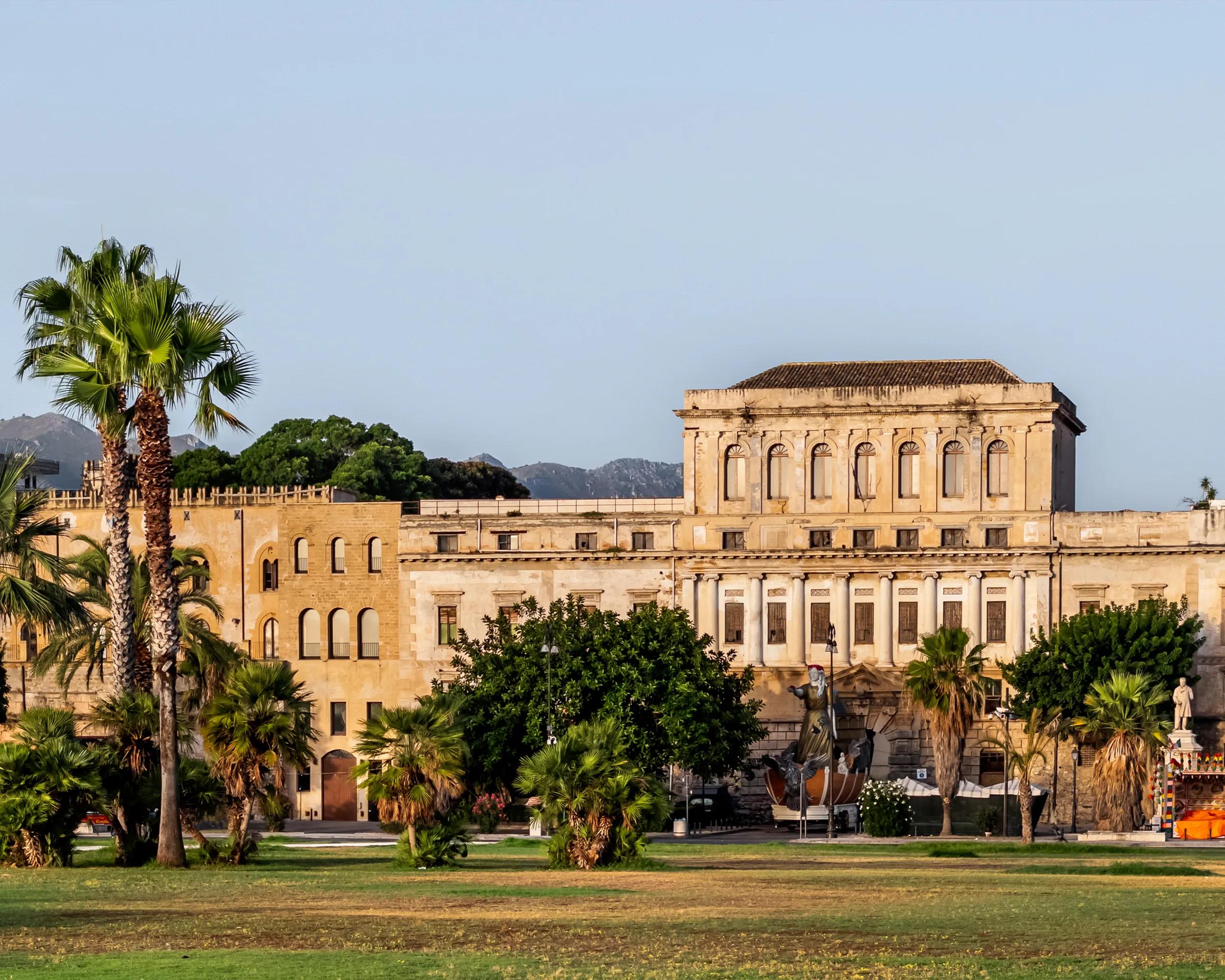
For centuries, Palazzo Forcella De Seta in Palermo has borne witness to the rich pageant of Sicilian history, embodying the interplay of cultures that have shaped the Mediterranean island. Acquired by Hauser & Wirth in early 2026, this extraordinary site will undergo thoughtful conservation aimed at restoring its architectural integrity to create a new cultural destination that is open to all and honors its legacy.
A landmark of the Kalsa quarter of Palermo, overlooking the Tyrrhenian Sea, the Palazzo is an architectural synthesis of Arab-Norman and Gothic influences. It was originally erected in the 18th century, with integral 16th century elements that include the Porta dei Greci. The site has evolved through the ages, with each iteration reflecting the diverse cultural dialogues that permeate Sicily.
‘It is an honor and a privilege to embark on the restoration of Palazzo Forcella De Seta, a site of extraordinary significance and beauty, and to be given this opportunity to create a new arts destination in a place revered worldwide for its centuries-long embrace of cultural exchange.’—Iwan Wirth
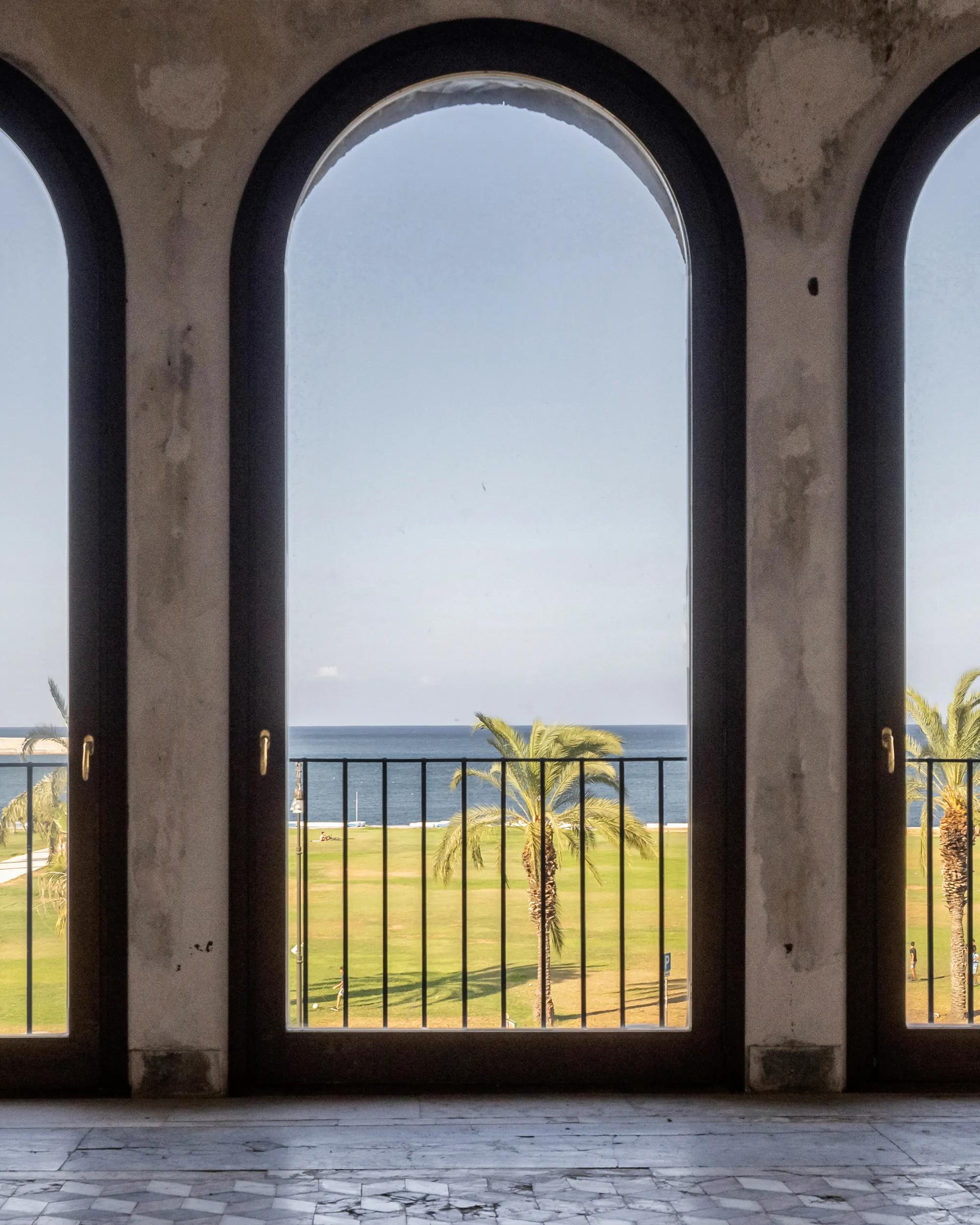
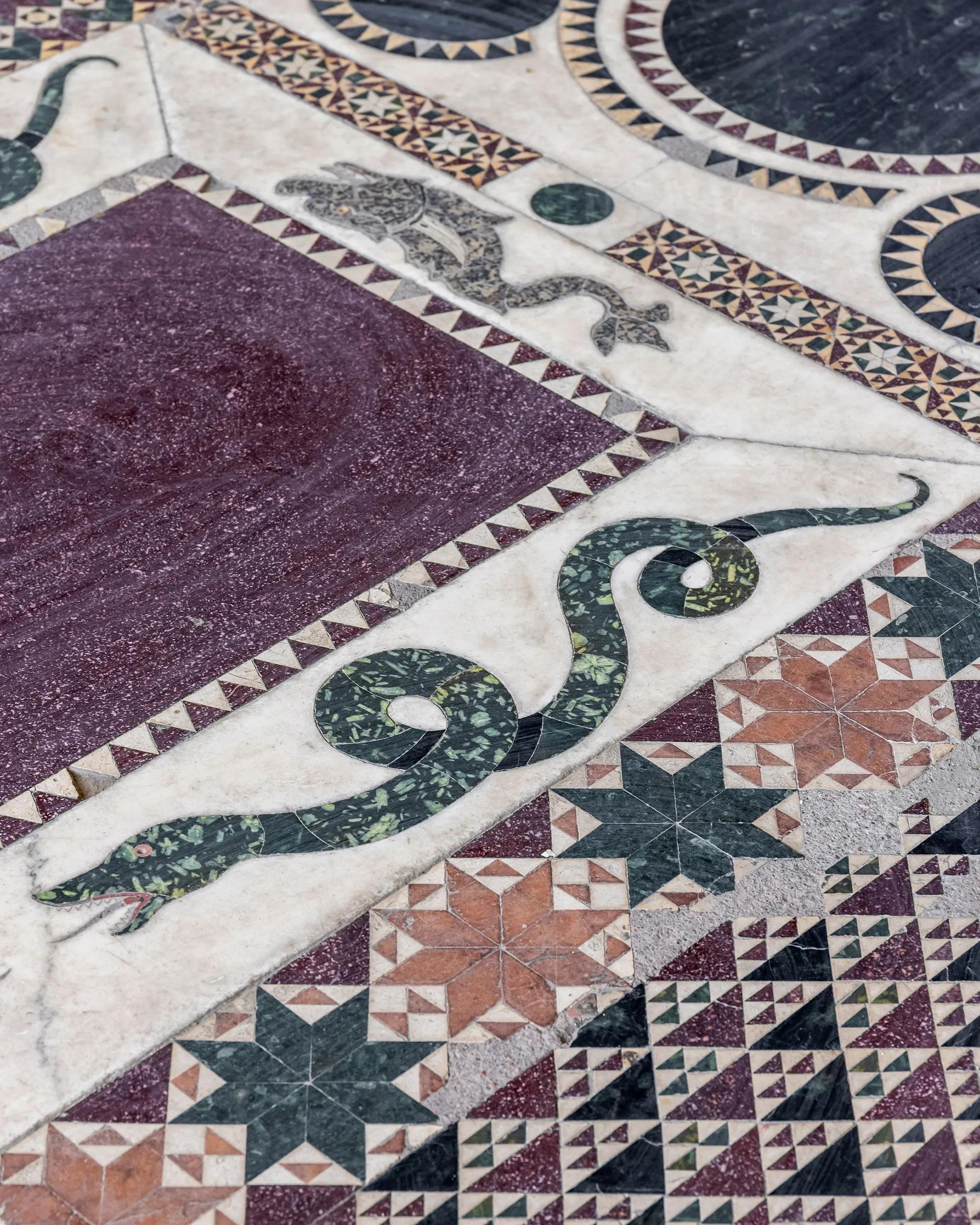
Constructed atop the remnants of the ‘casina a mare’ of the Bonanno family, the Palazzo found new life in 1833 when it came under the stewardship of Enrico Forcella, Marquis of Villalonga. Under his direction, visionary architects Nicola Puglia and Emmanuele Palazzotto embarked on a neoclassical redesign, creating the central structure and features seen today. Its many distinctive attributes—intricate mosaics, vibrant stucco frescoes, neo-Gothic arched windows, and a courtyard garden—speak to the confluence of cultures and styles that defines Palermo's architecture. Throughout its storied past, the Palazzo has served as a private residence and a venue for cultural events, including the Manifesta biennale in 2018.
‘It is an honor and a privilege to embark on the restoration of Palazzo Forcella De Seta, a site of extraordinary significance and beauty, and to be given this opportunity to create a new arts destination in a place revered worldwide for its centuries-long embrace of cultural exchange,’ said Iwan Wirth, President of Hauser & Wirth. ‘We are grateful to the Palazzo’s previous owners, ANCE, for their stewardship of this remarkable site and look forward to taking it into its next chapter, developing a platform for artists’ voices and nurturing conversations with the community that resonate within this historic context.’
Related News


1 / 5