
Francis Picabia
21 May – 1 August 2026
London
Francis Picabia (1879 – 1953) is one of the most influential and essential artists of the 20th Century. His career and worldview were marked by ceaseless experimentation and his oeuvre demonstrated a rapid progression through various artistic movements, which included Impressionism, Fauvism, Dadaism and Cubism.
Seeking to shed light across every area of Picabia’s practice, a wide-ranging exhibition on the artist will be presented in London this spring, organized in collaboration with the Comité Picabia. Covering five decades of his career, this overview of Picabia’s different eras ranges from his early landscapes, Dada works and Transparencies through to his radical nudes, realist works made during World War II and the textured abstract paintings created in his final years. Highlighting his fluid shift between figurative art and abstraction, the exhibition affirms Picabia’s reputation as one of art history’s most ingenious shape shifter.
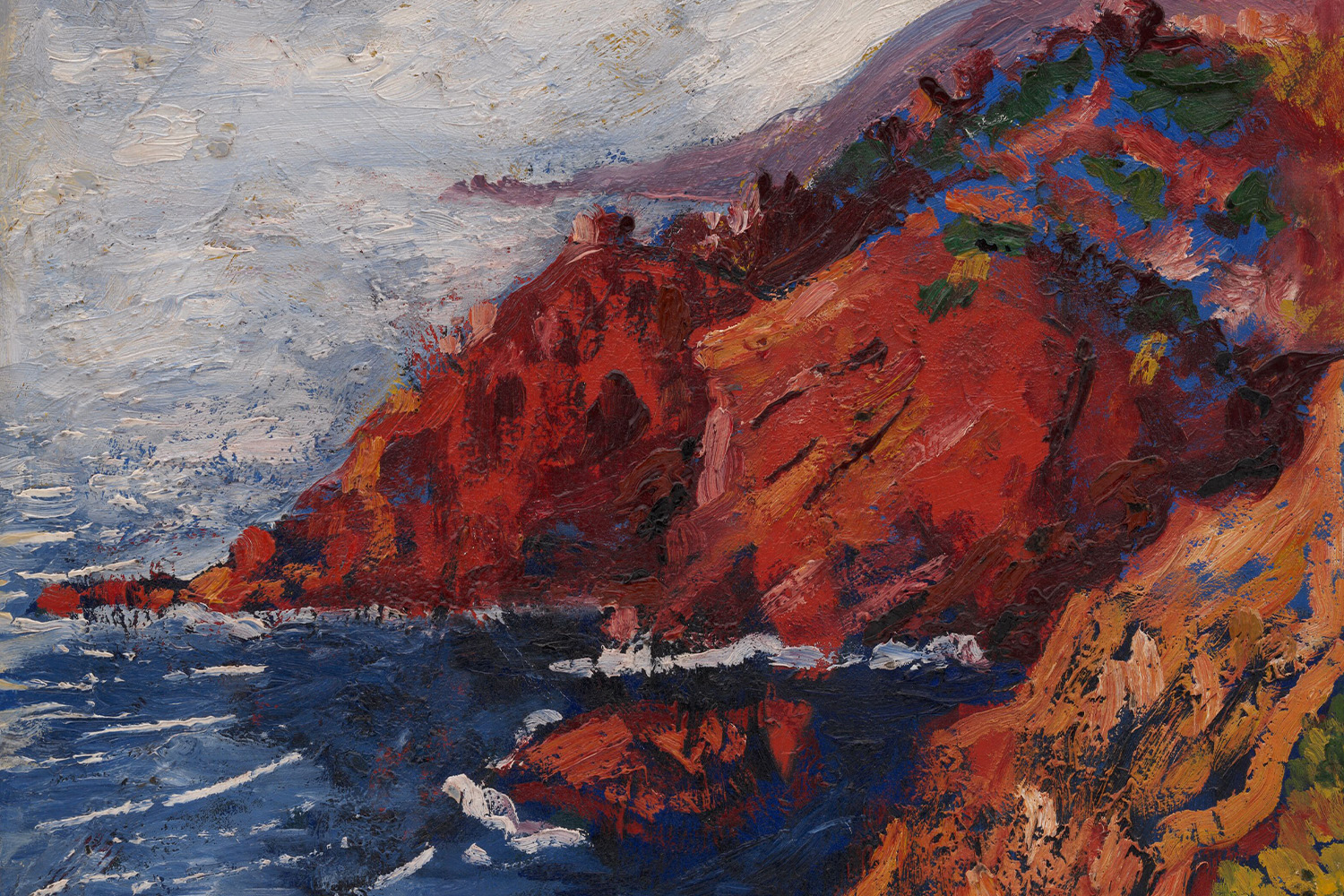
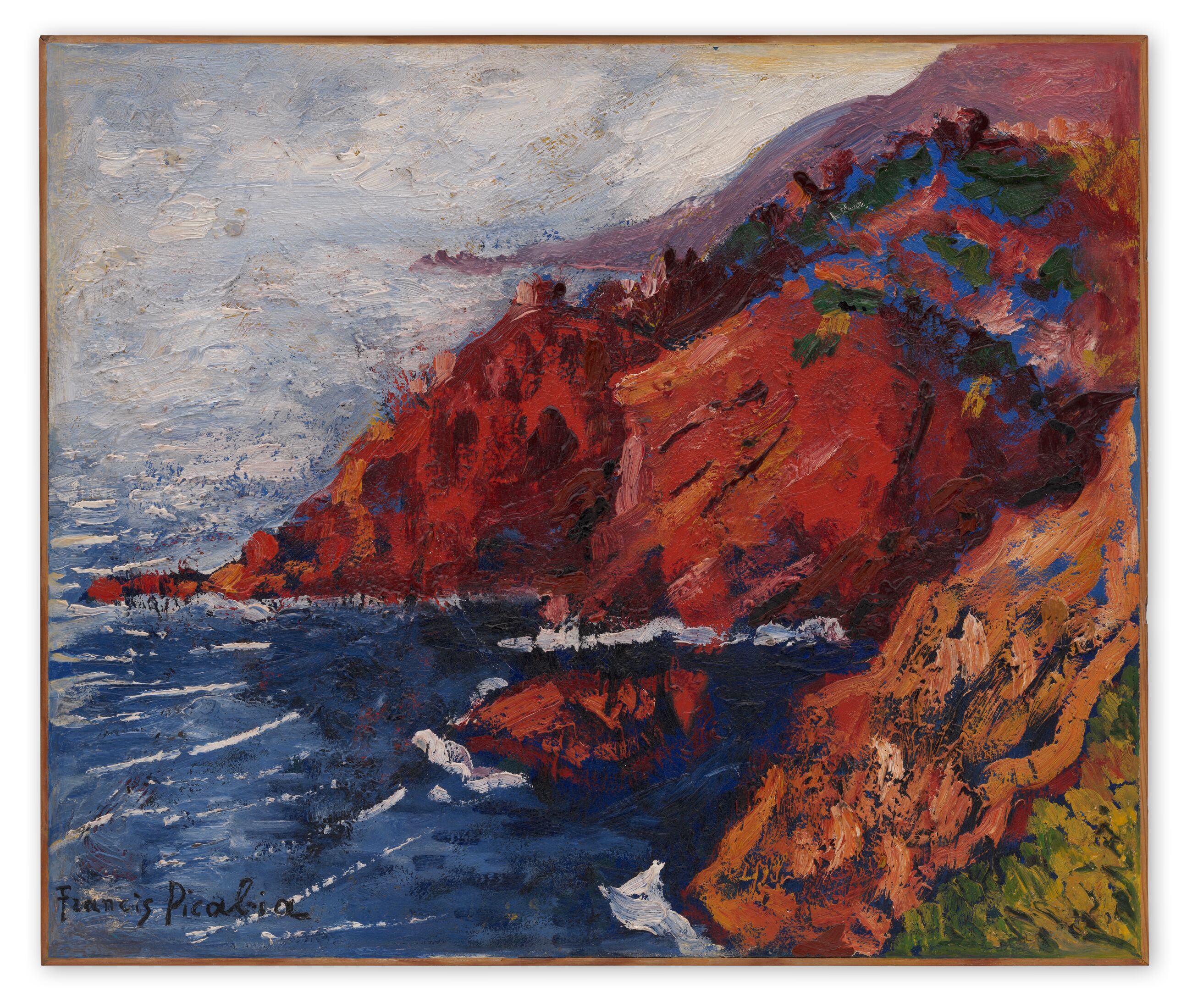
Image: Francis Picabia, Les Rochers Rouges (The Red Rocks) (detail), c. 1942 – 1943
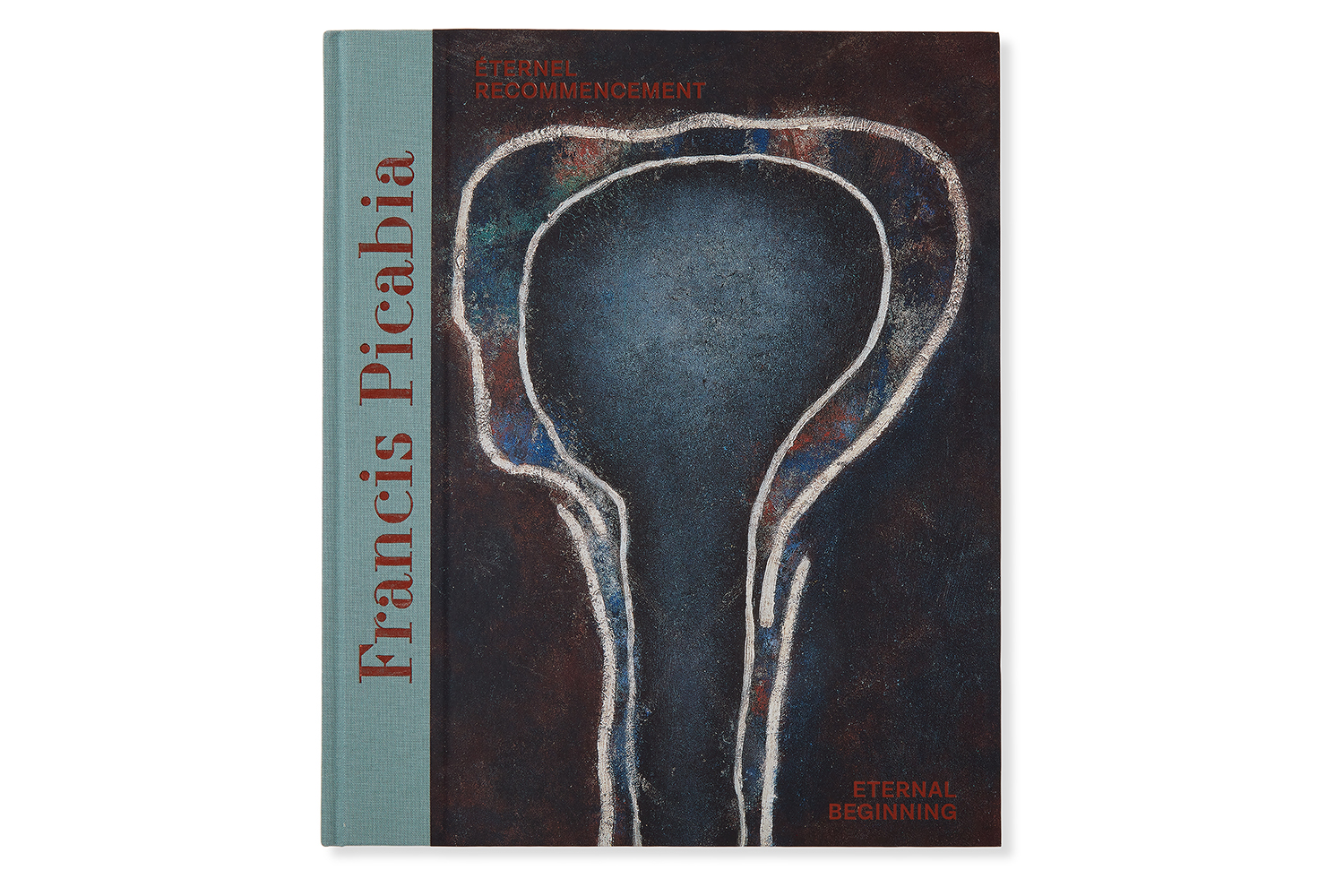
Francis Picabia: Éternel recommencement / Eternal Beginning
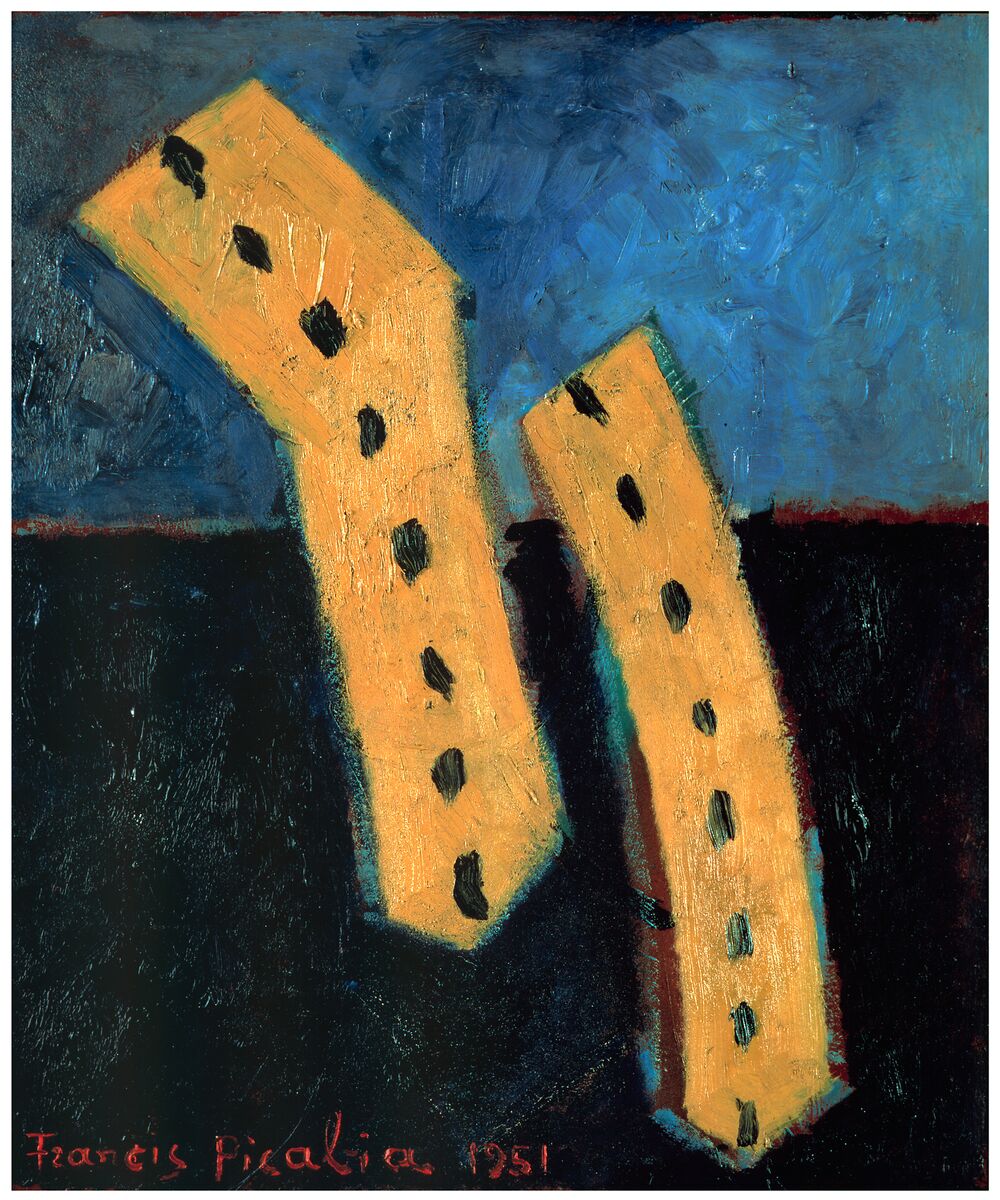
Prefaced by Beverley Calté, president of the Comité Picabia, this Hauser & Wirth Publishers book delves into Francis Picabia’s practice between the years 1945 to 1952—an incredibly rich period during which the artist created paintings unlike anything he had produced before, working alongside the growing art informel movement in Paris, France.
Essays by art historians Arnauld Pierre and Candace Clements shed new light on the hidden signs and symbols buried in his abstractions, the new painting techniques he employed and the mysterious and fantastical reappearance of the ‘dot’ in his work.
About the Artist
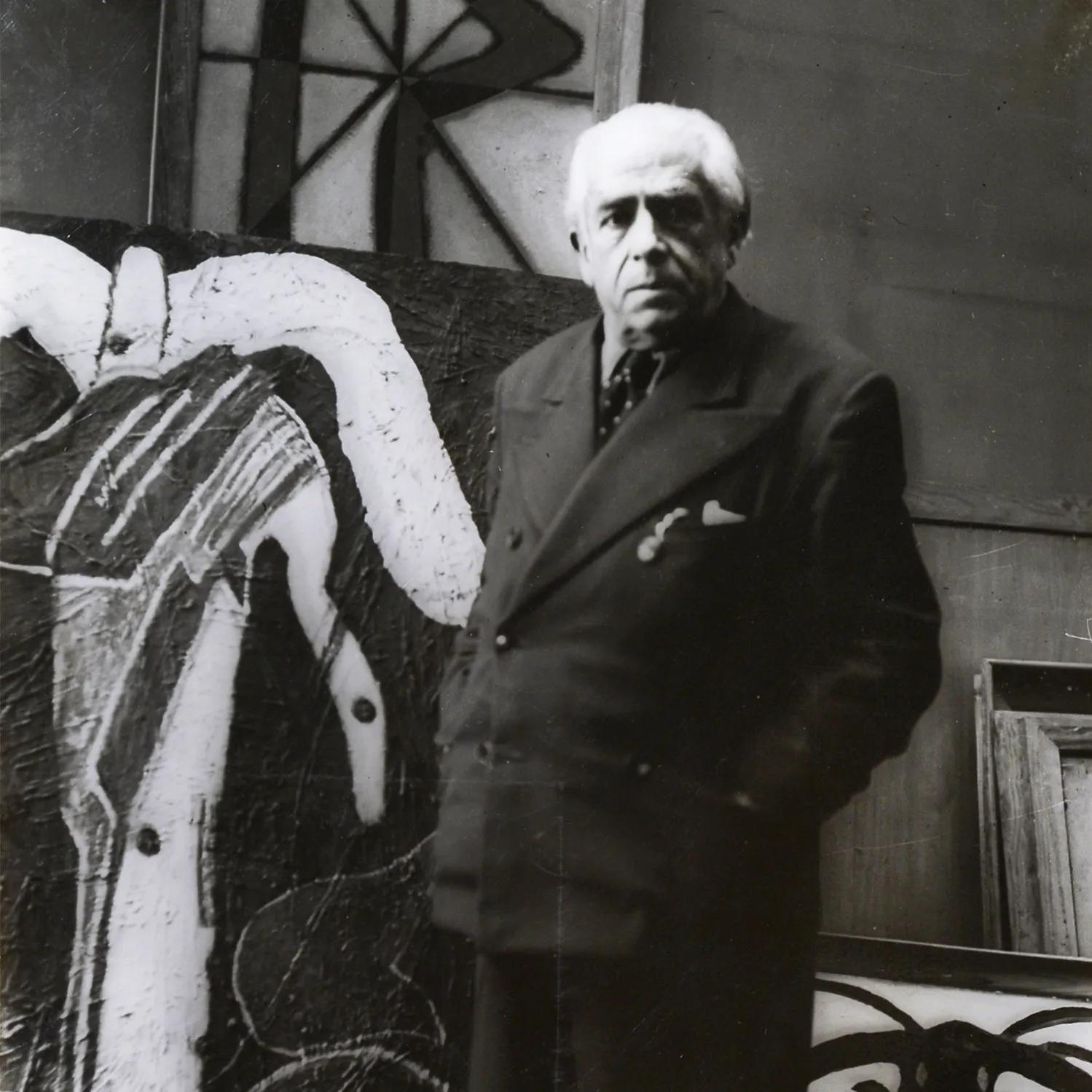
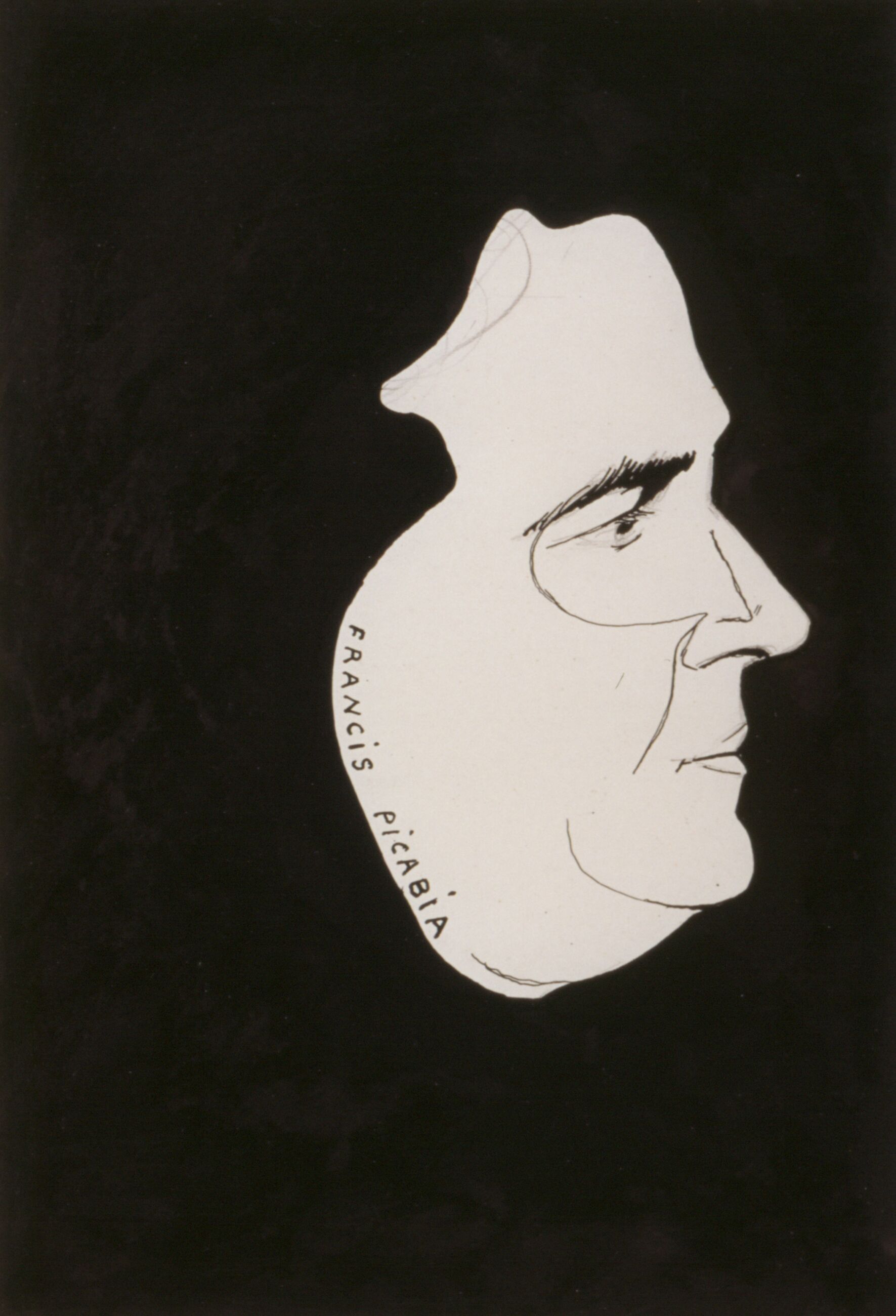
Francis Picabia
Francis Picabia was born François Martinez Picabia in Paris, to a Spanish father and a French mother. After initially painting in an impressionist manner, elements of fauvism and neo-impressionism as well as cubism and other forms of abstraction began to appear in his painting in 1908, by 1912 he had evolved a personal amalgam of cubism and fauvism. In 1915—which marked the beginning of Picabia’s machinist or mechanomorphic period—he and Marcel Duchamp, among others, instigated and participated in dada manifestations in New York. For the next few years, Picabia remained involved with the dadists in Zurich and Paris, but finally denounced dada in 1921 for no longer being ‘new.’ The following year, he returned to figurative art, but resumed painting in an abstract style by the end of World War II.
Current Exhibitions


1 / 12