
To Form a More Perfect Union
12 November – 19 December 2020
New York, 69th Street
Artists included in ‘To Form a More Perfect Union’ are Rita Ackermann, Louise Bourgeois, George Condo, Marlene Dumas, Charles Gaines, Robert Gober, Philip Guston, David Hammons, Jenny Holzer, Roni Horn, Rashid Johnson, Mike Kelley, Takesada Matsutani, Paul McCarthy, Marisa Merz, Carol Rama, and Lorna Simpson.
Explore the exhibition
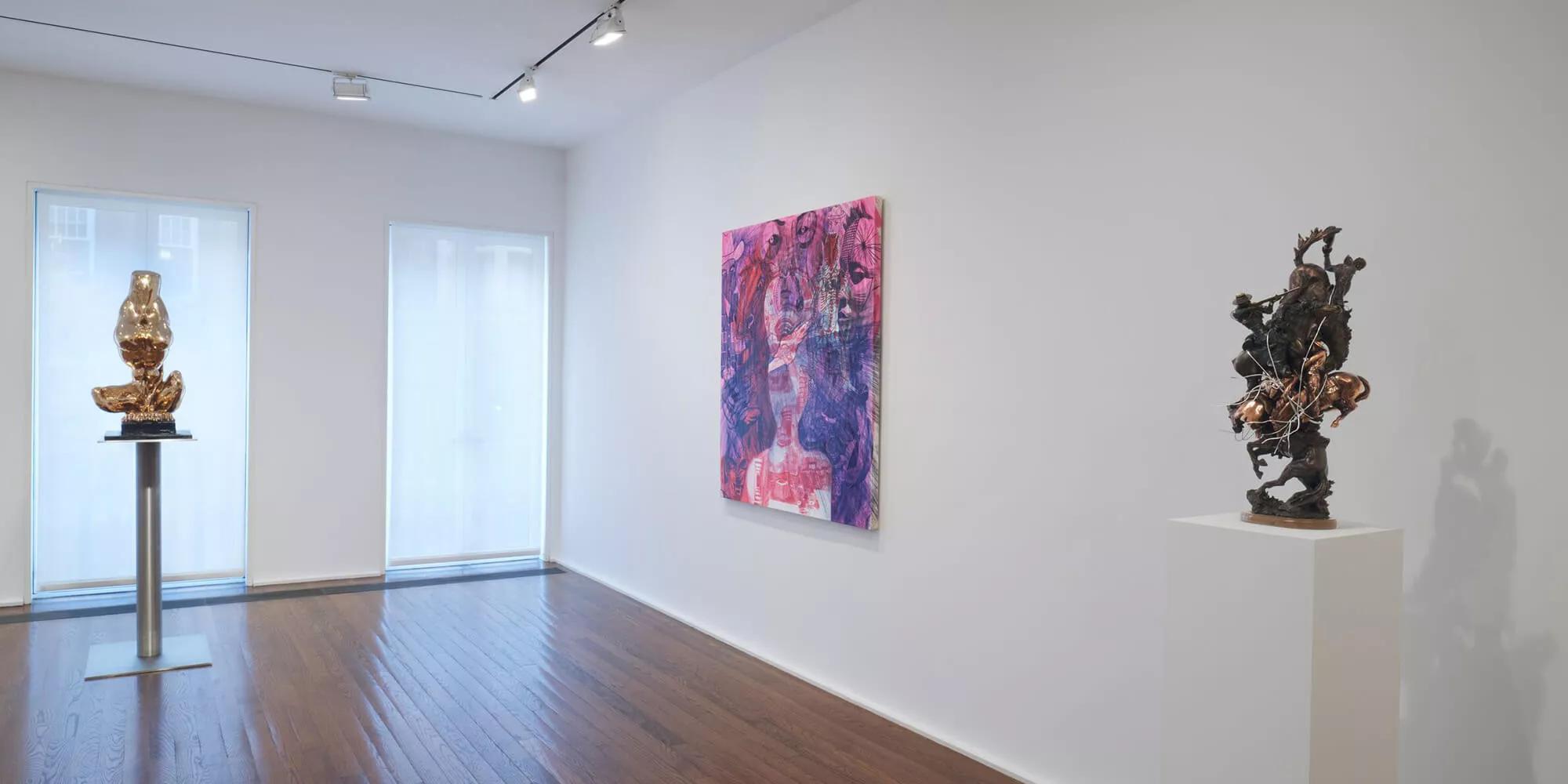
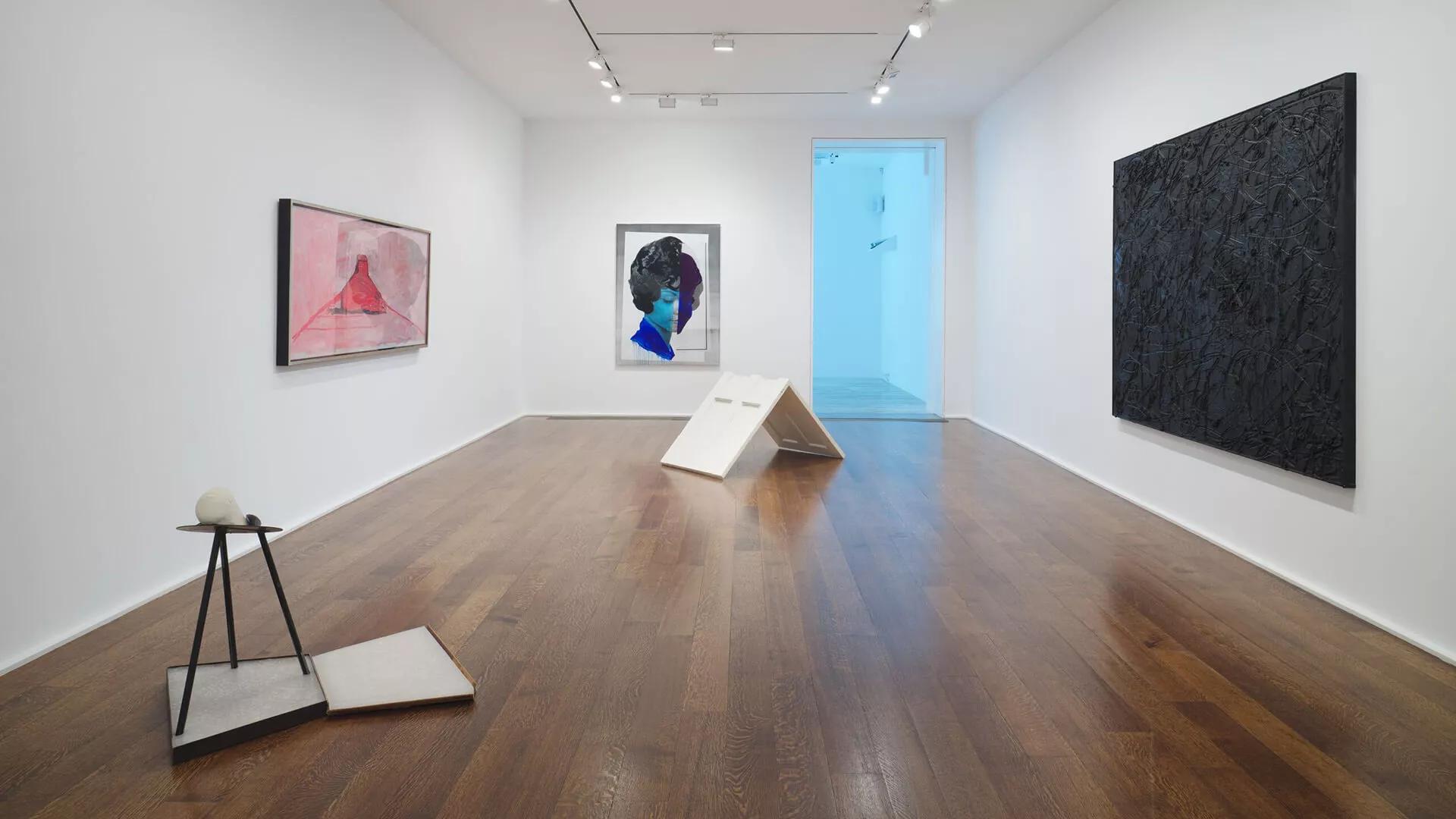
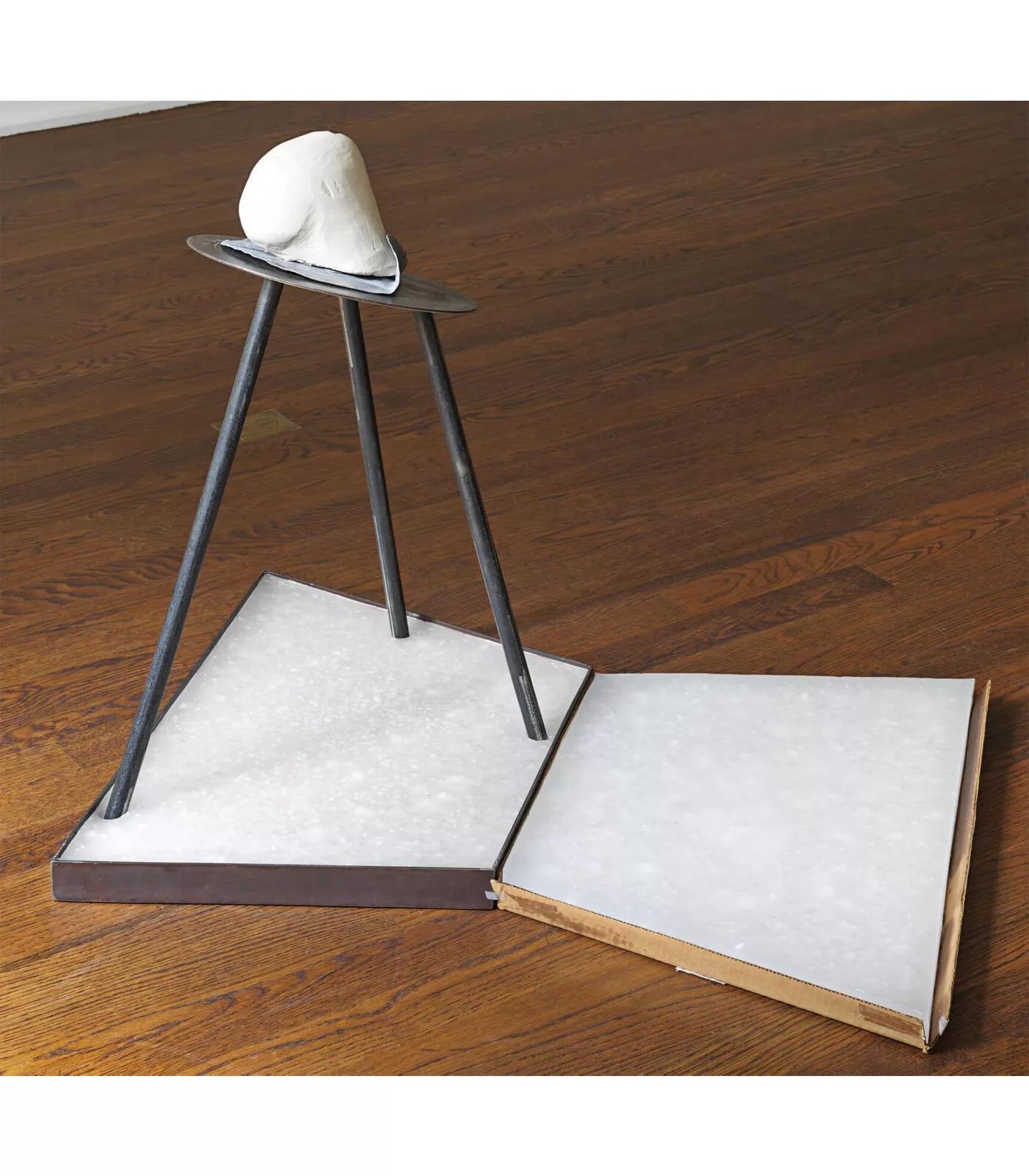
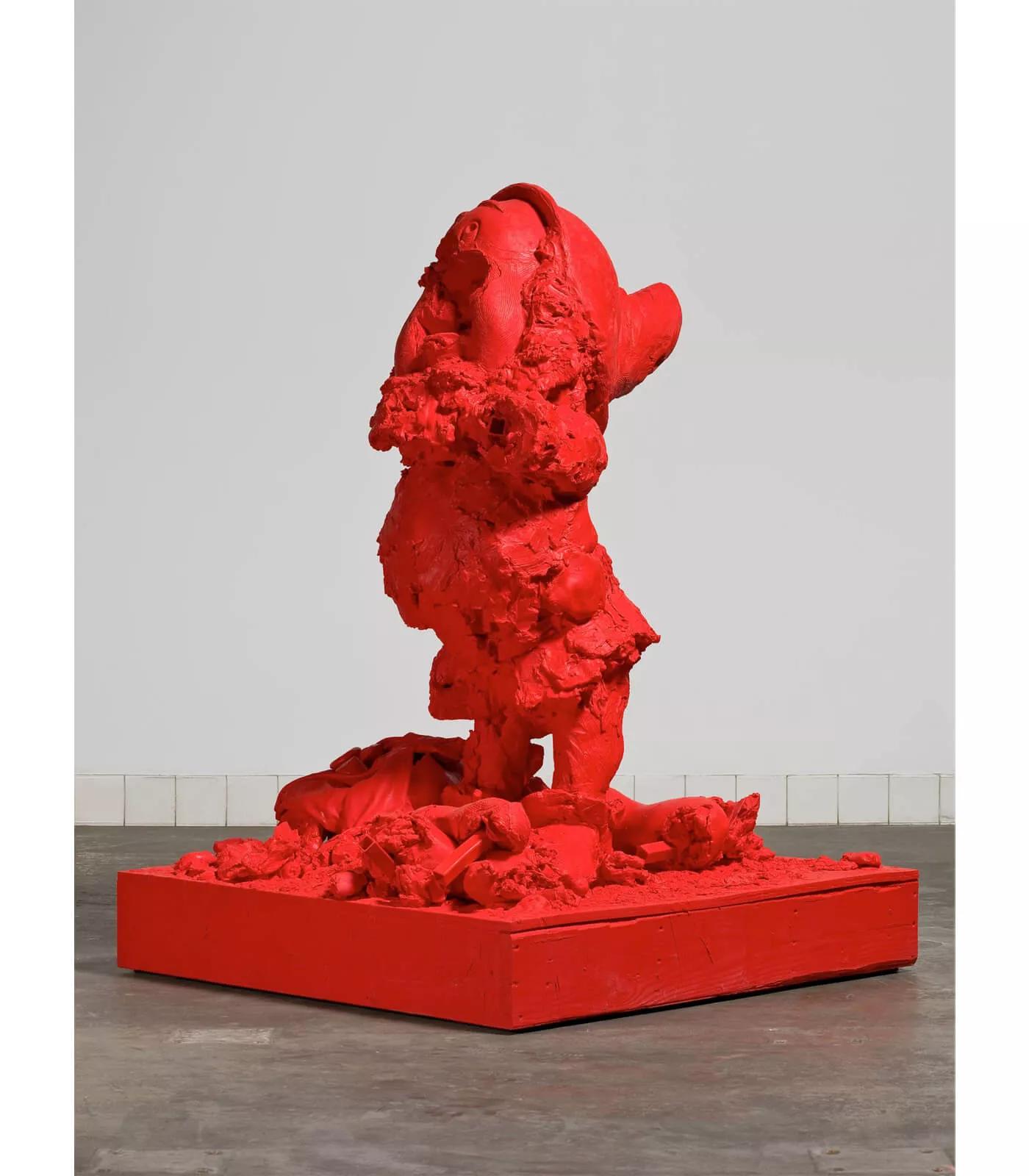
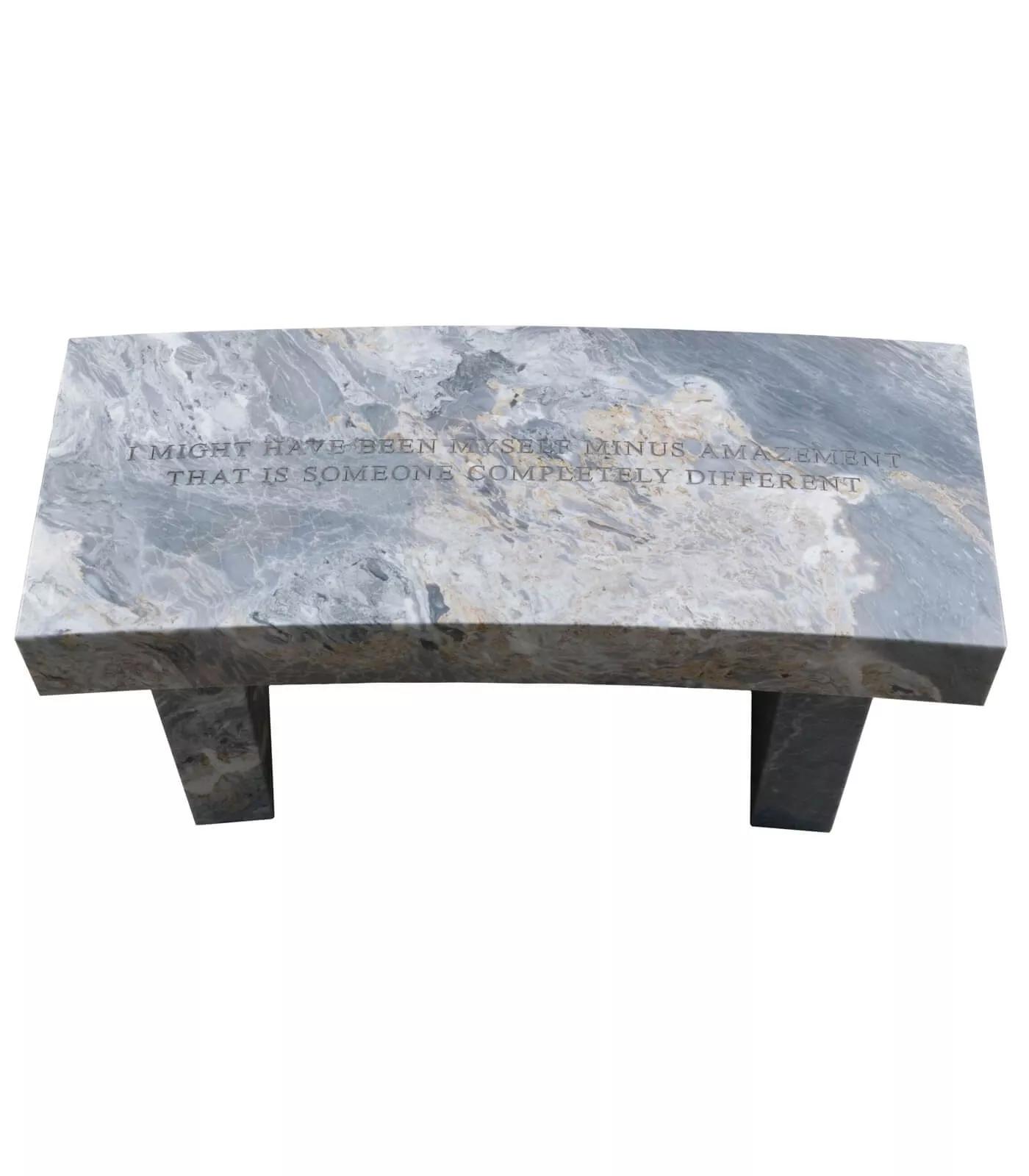
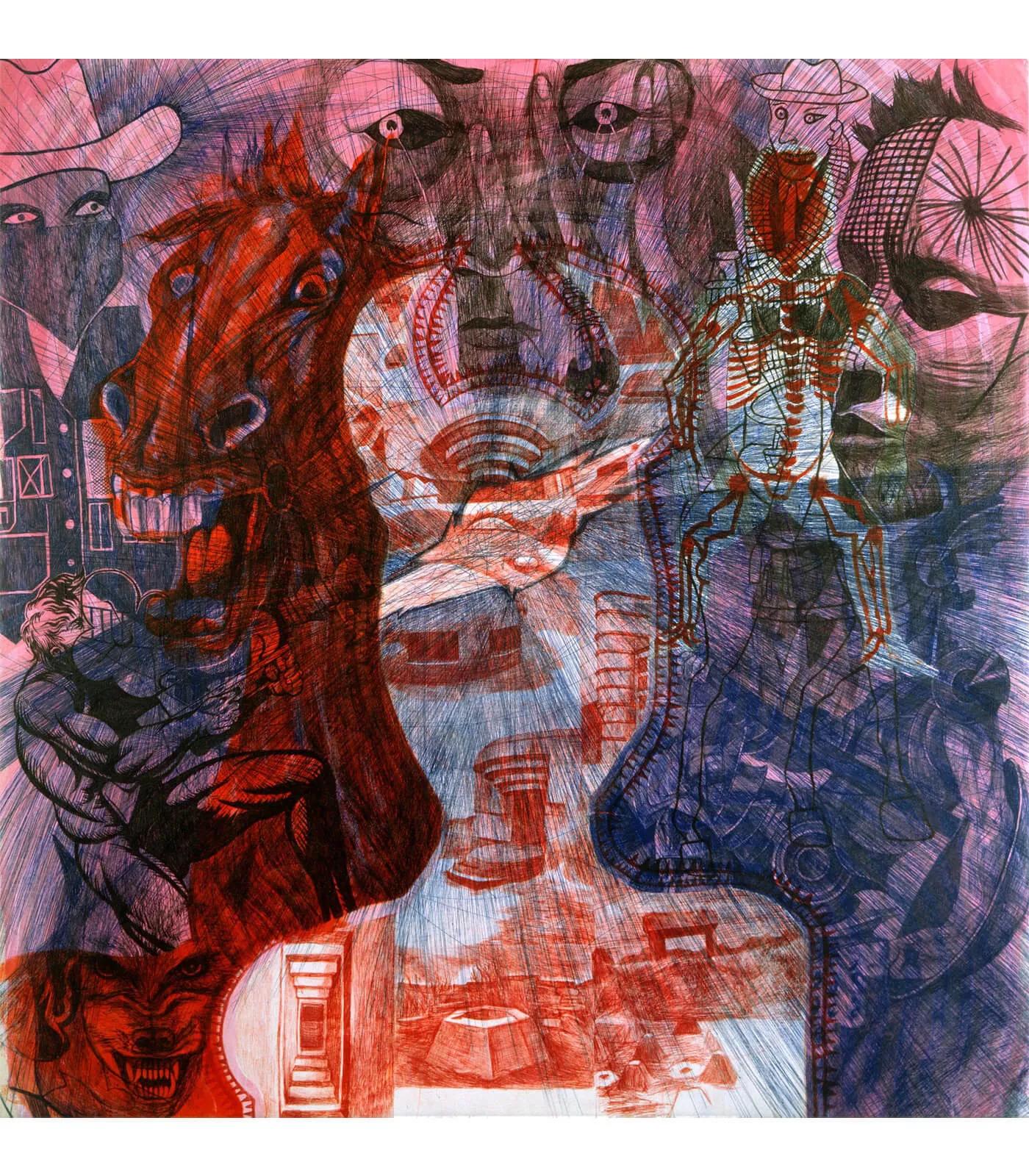
Beginning 12 November, Hauser & Wirth will debut ‘To Form a More Perfect Union,’ a special presentation juxtaposing significant works of postwar modern and contemporary art to explore unexpected affinities and suggest fresh art historical narratives revealed by the context of our troubled times.
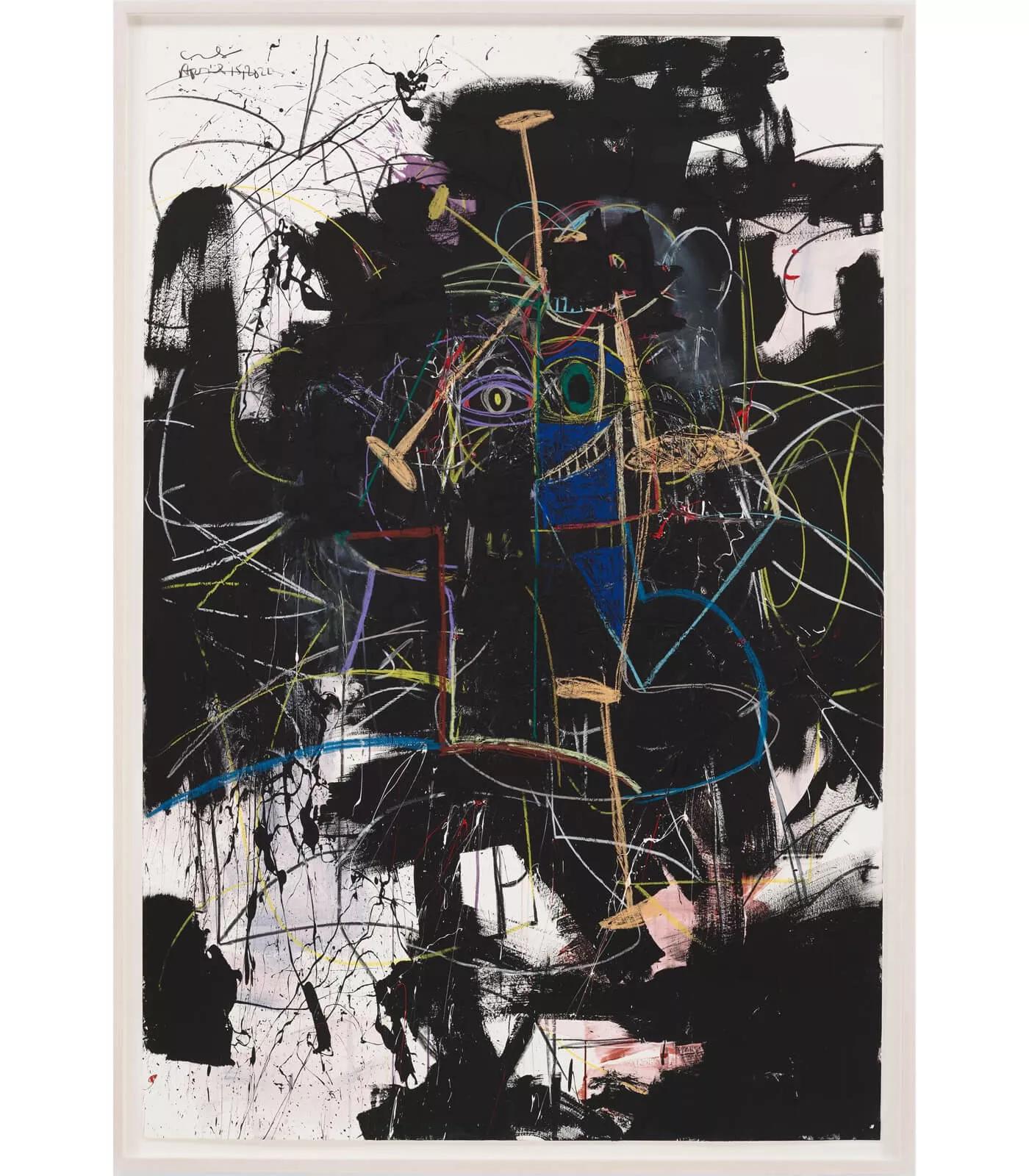
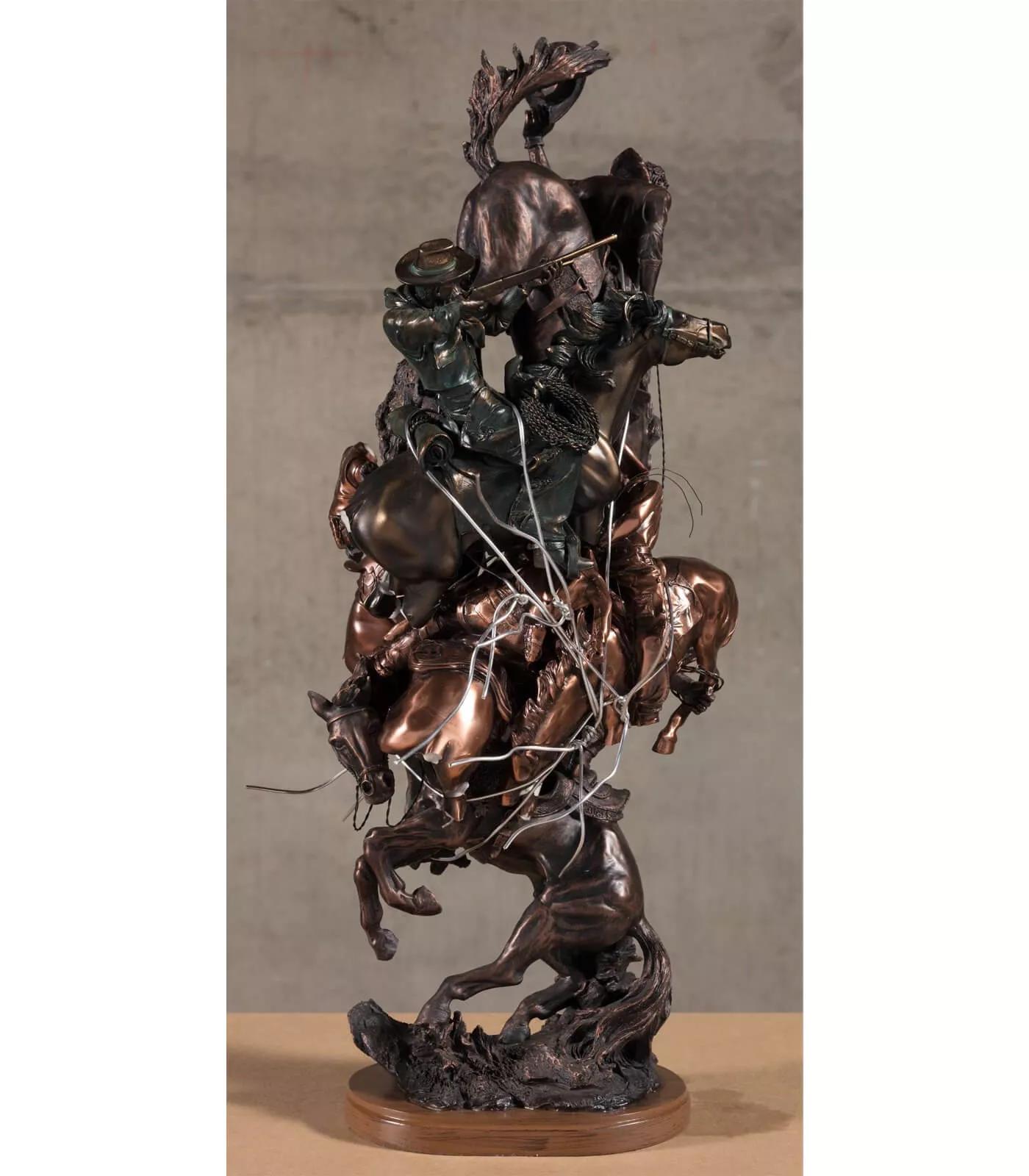
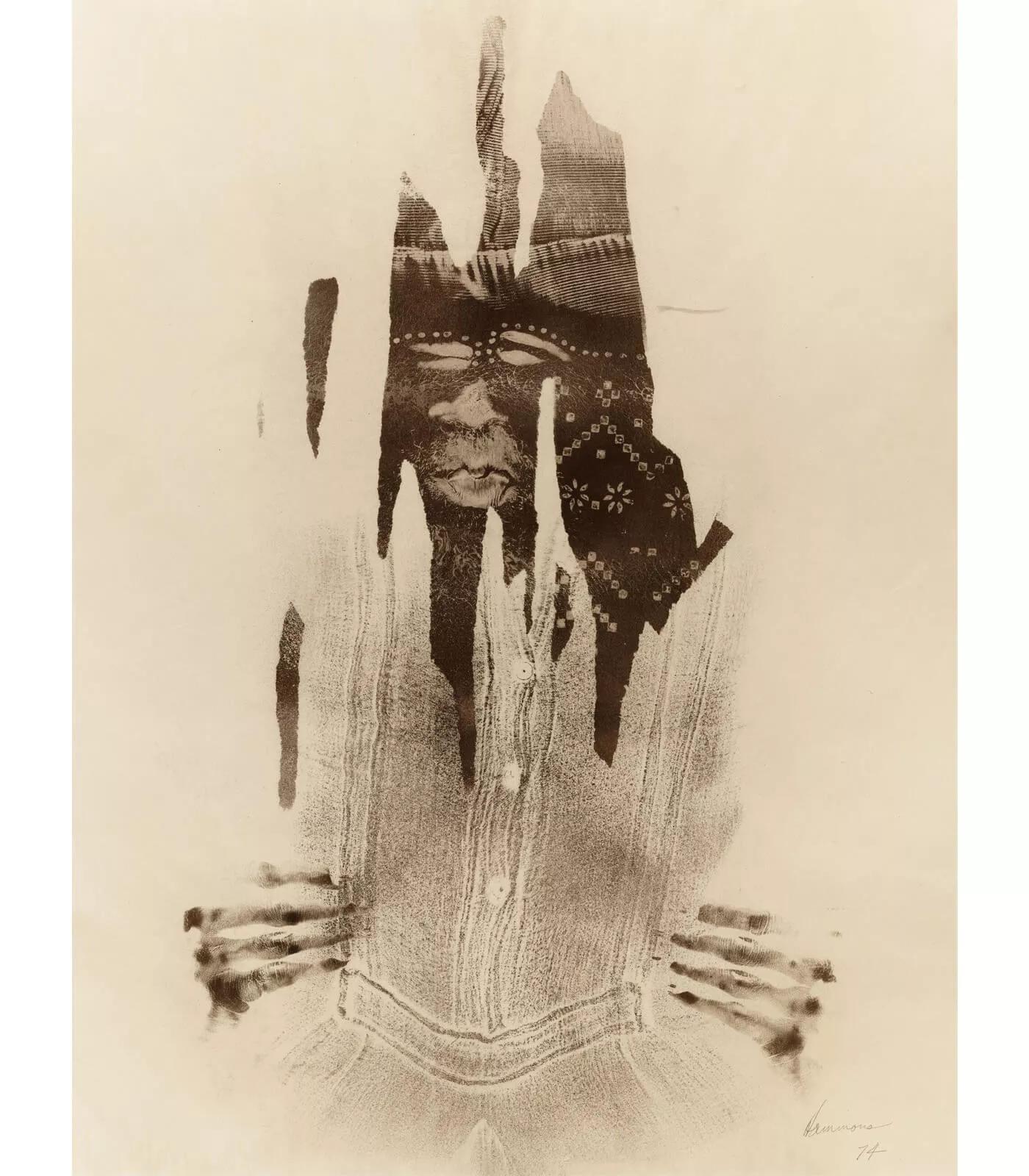
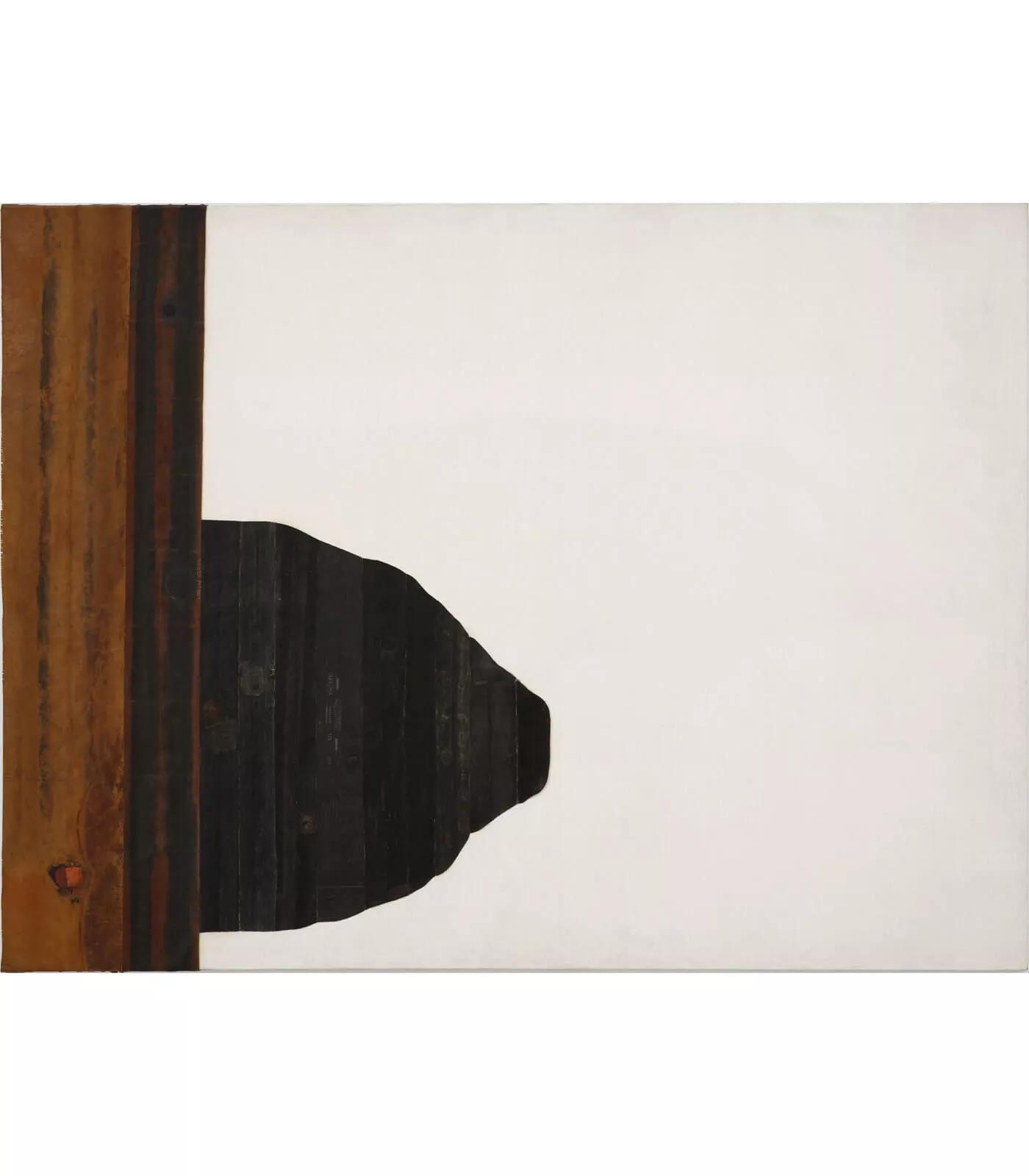
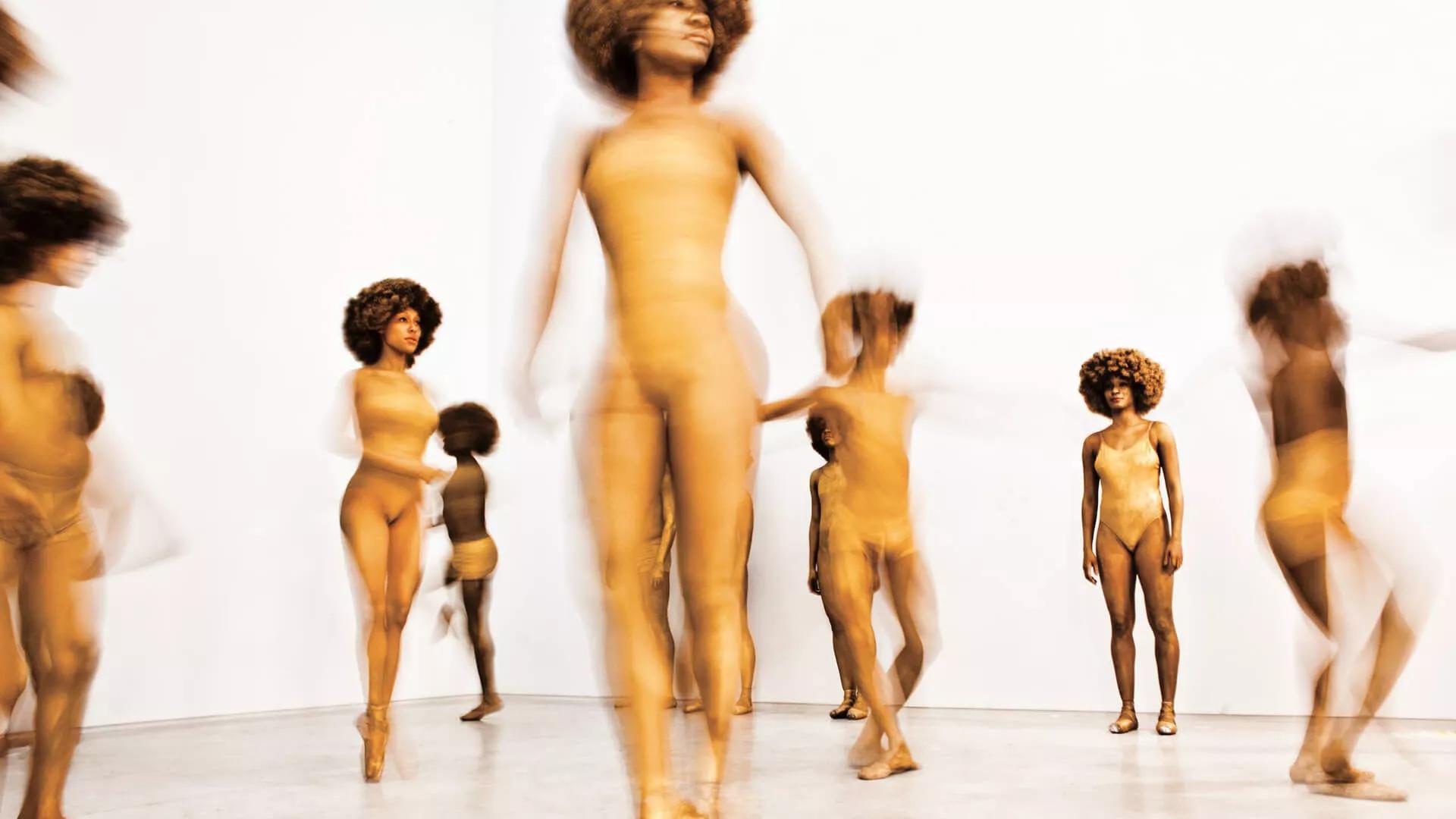
Organized by Koji Inoue, International Senior Director for Post-war and Contemporary Art, ‘To Form a More Perfect Union’ responds to the collective experience of intense fracturing and dislocation that have characterized this year of 2020 — the social distancing that has separated us physically, the social justice movement that has laid bare deep ravines of separation in our society.
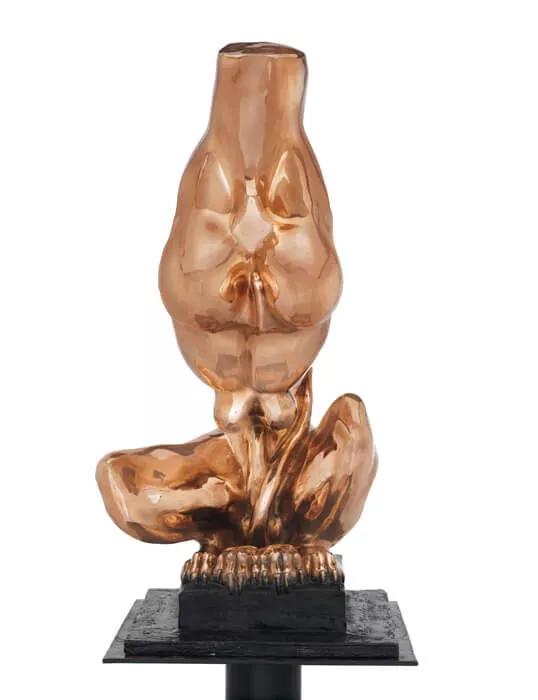
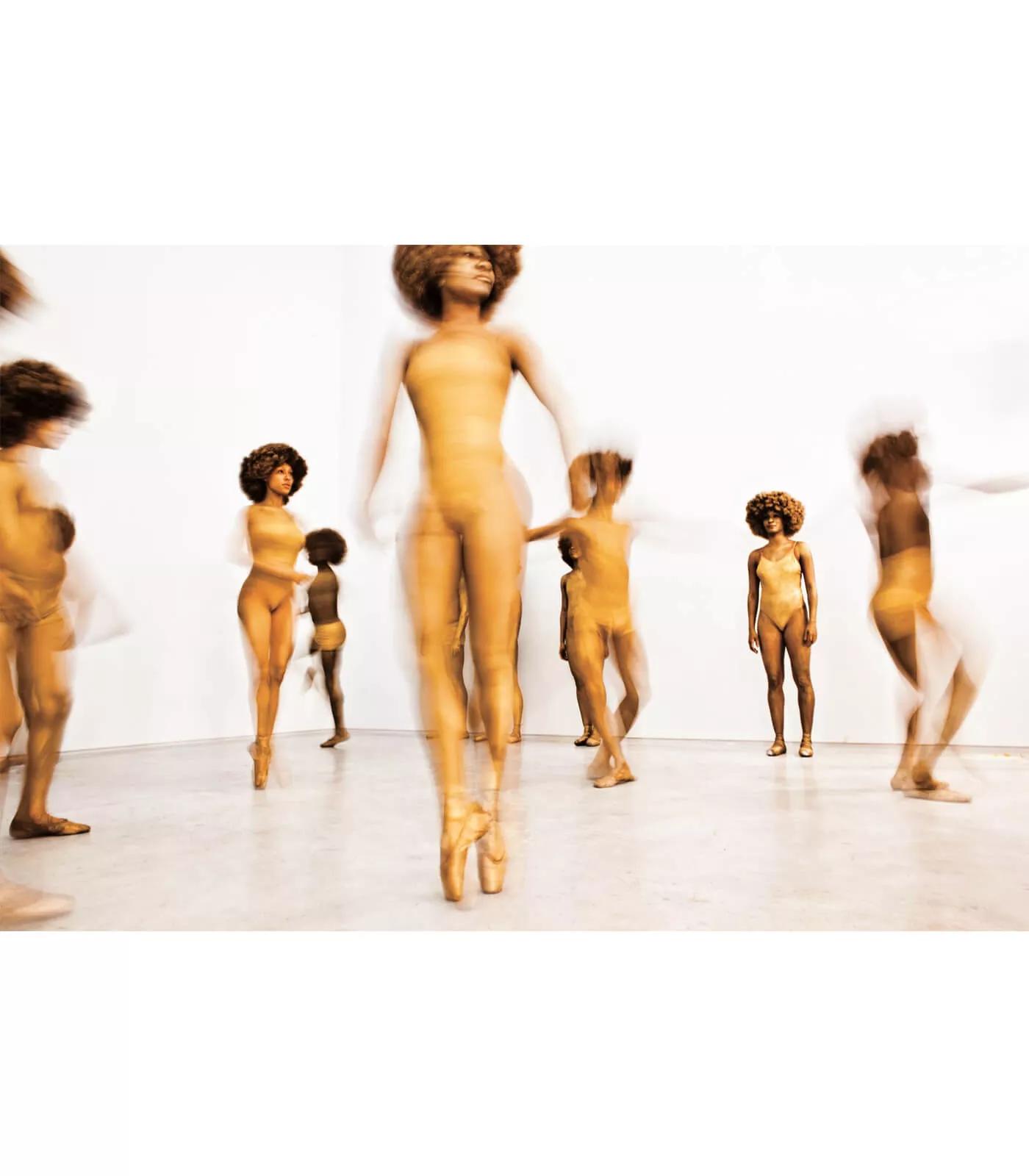
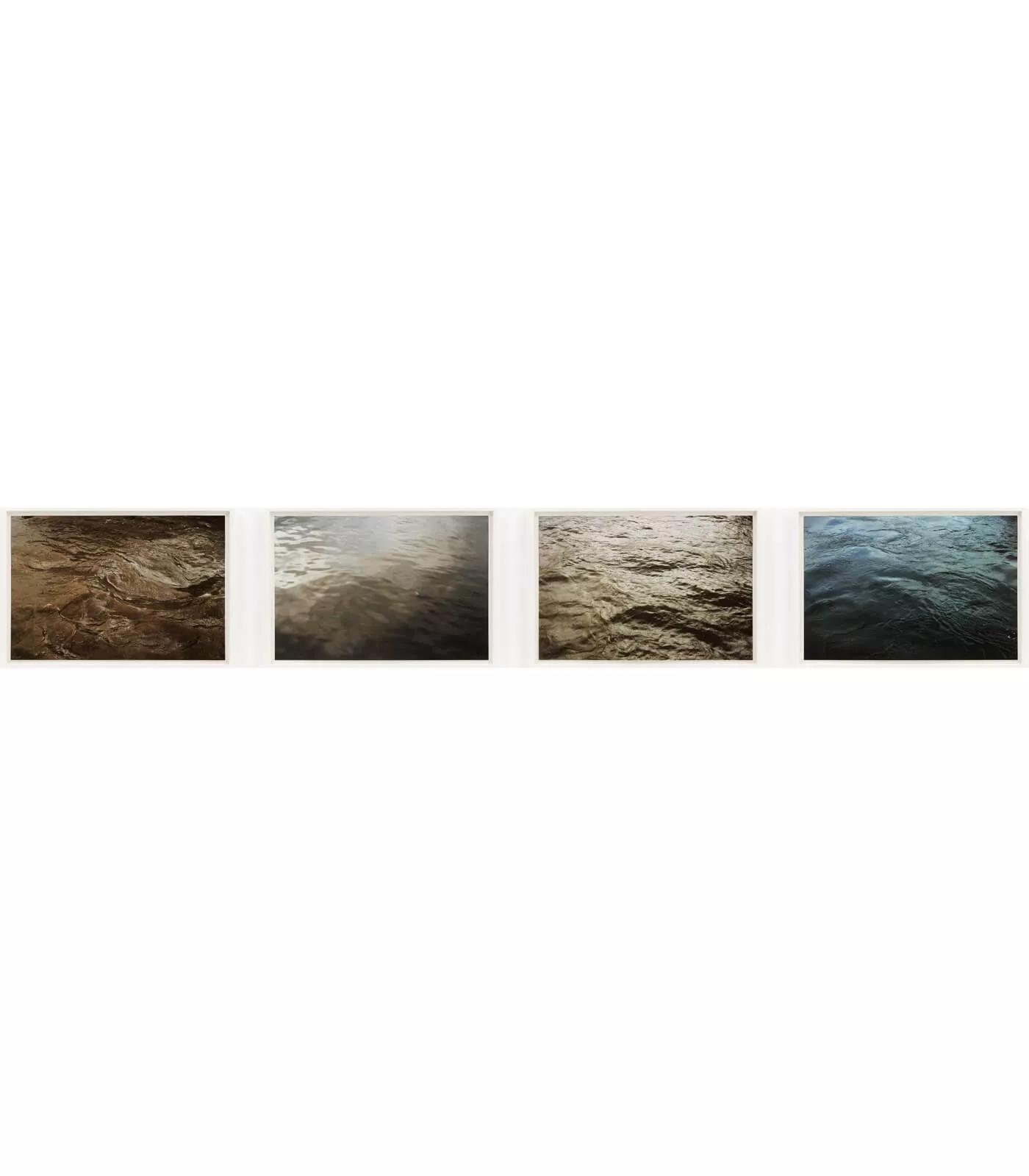
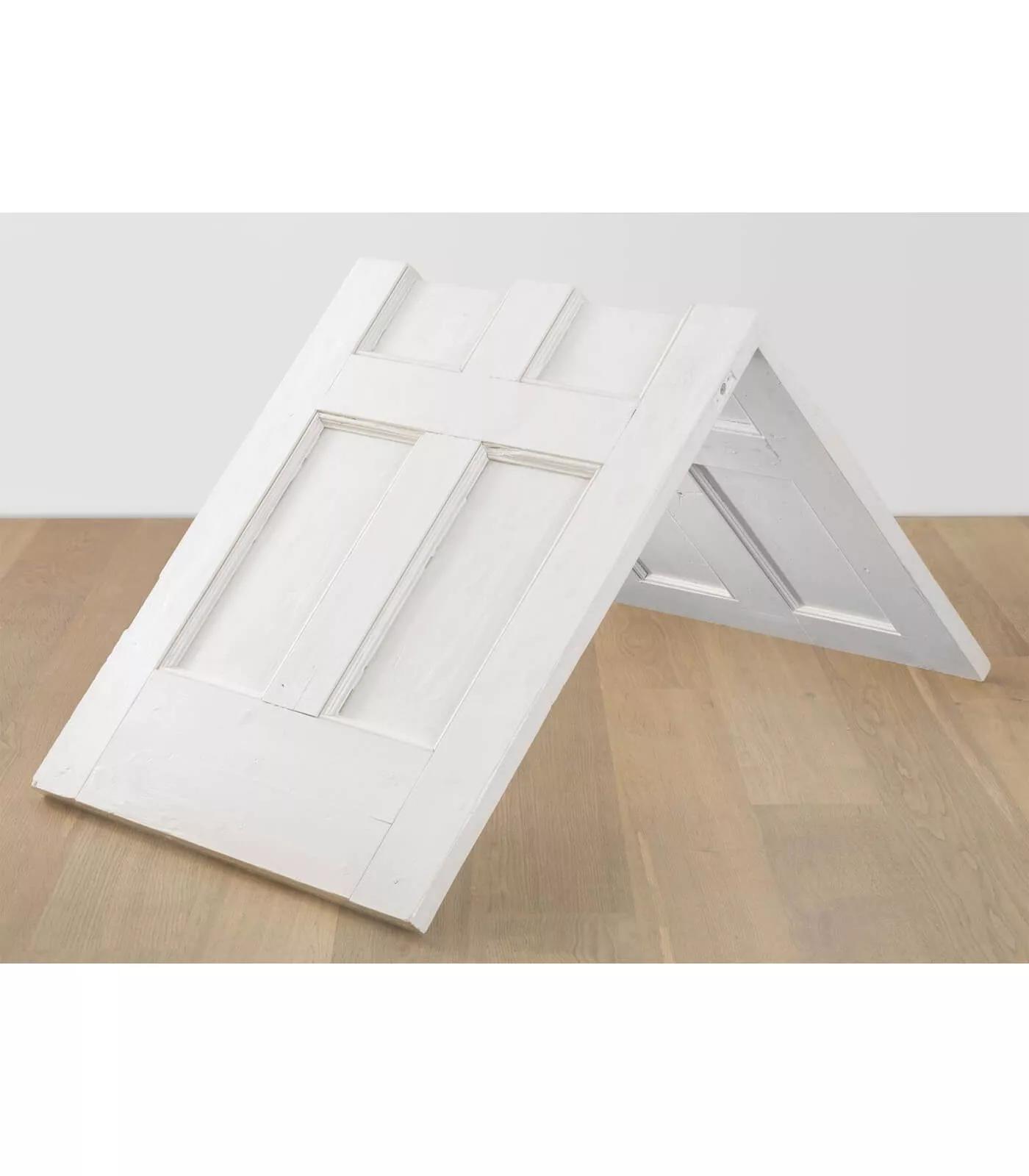
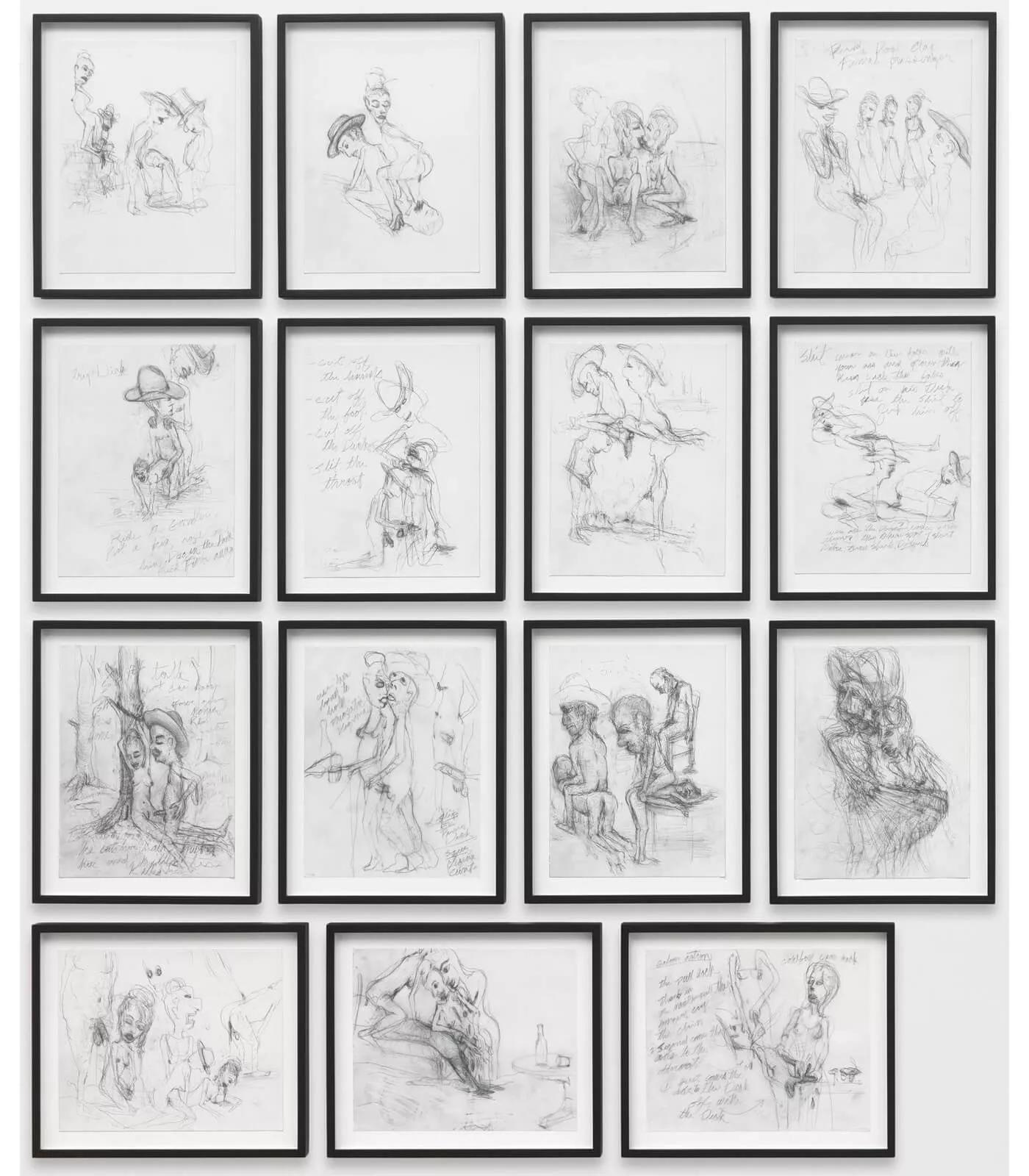
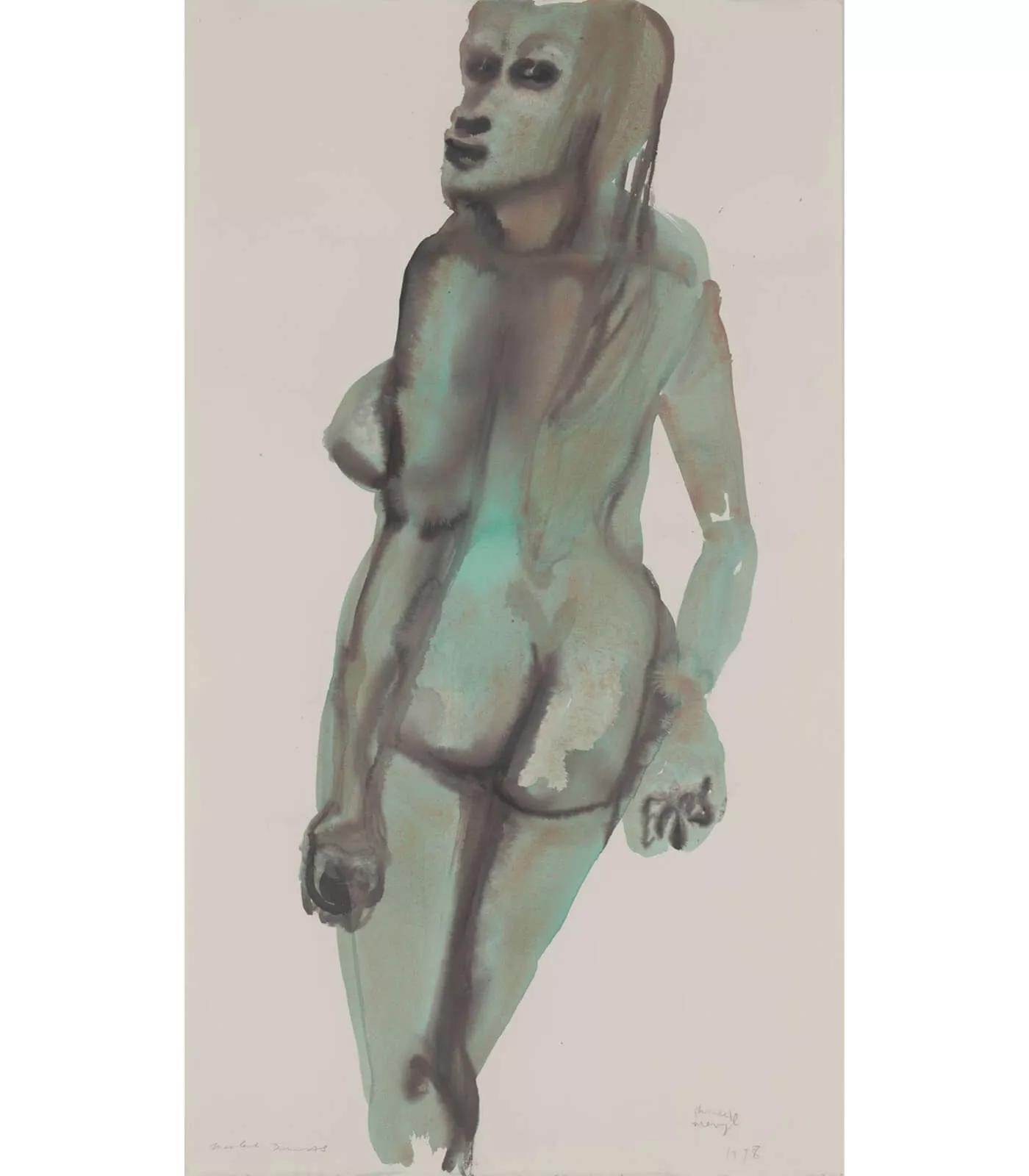
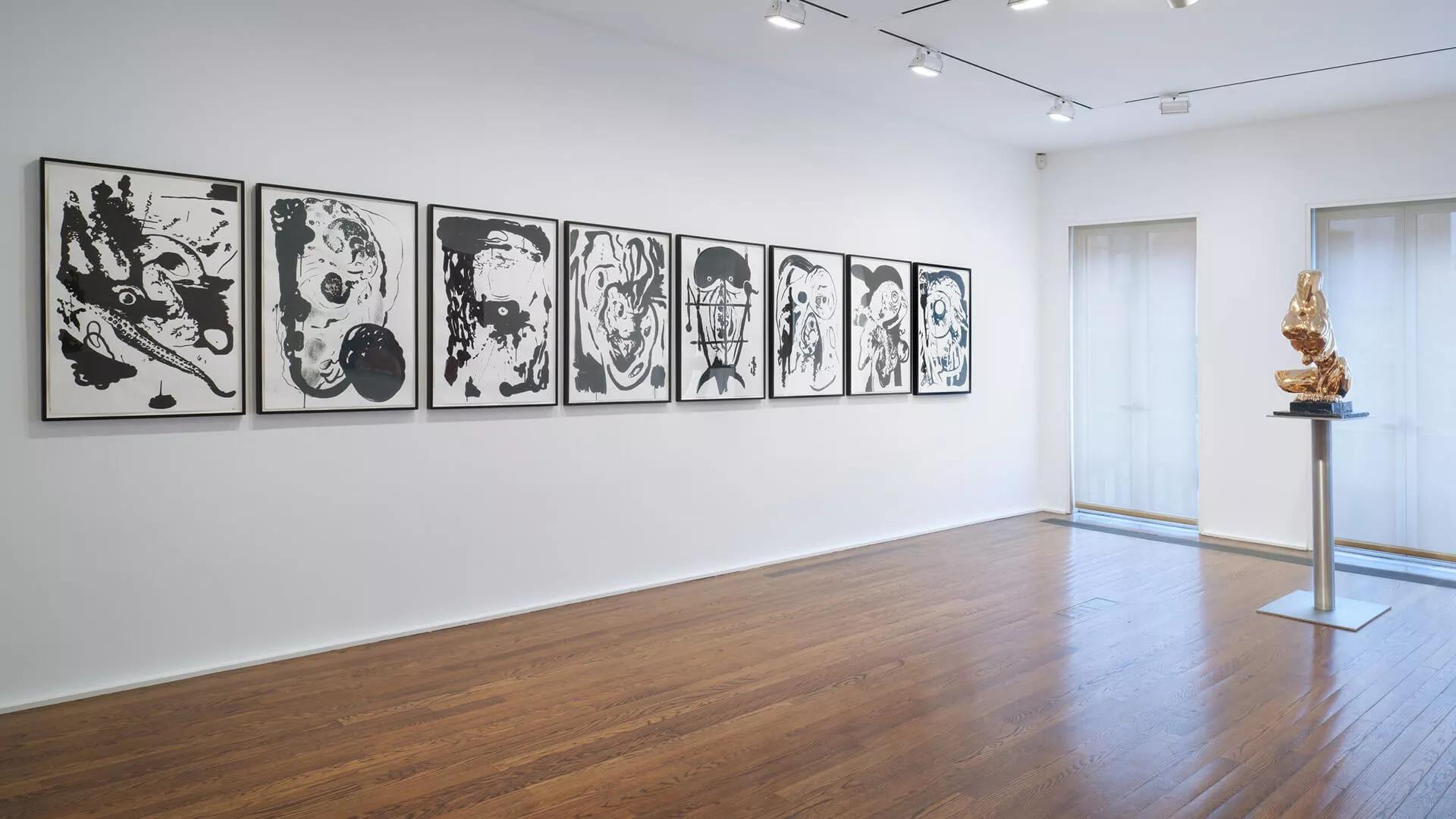
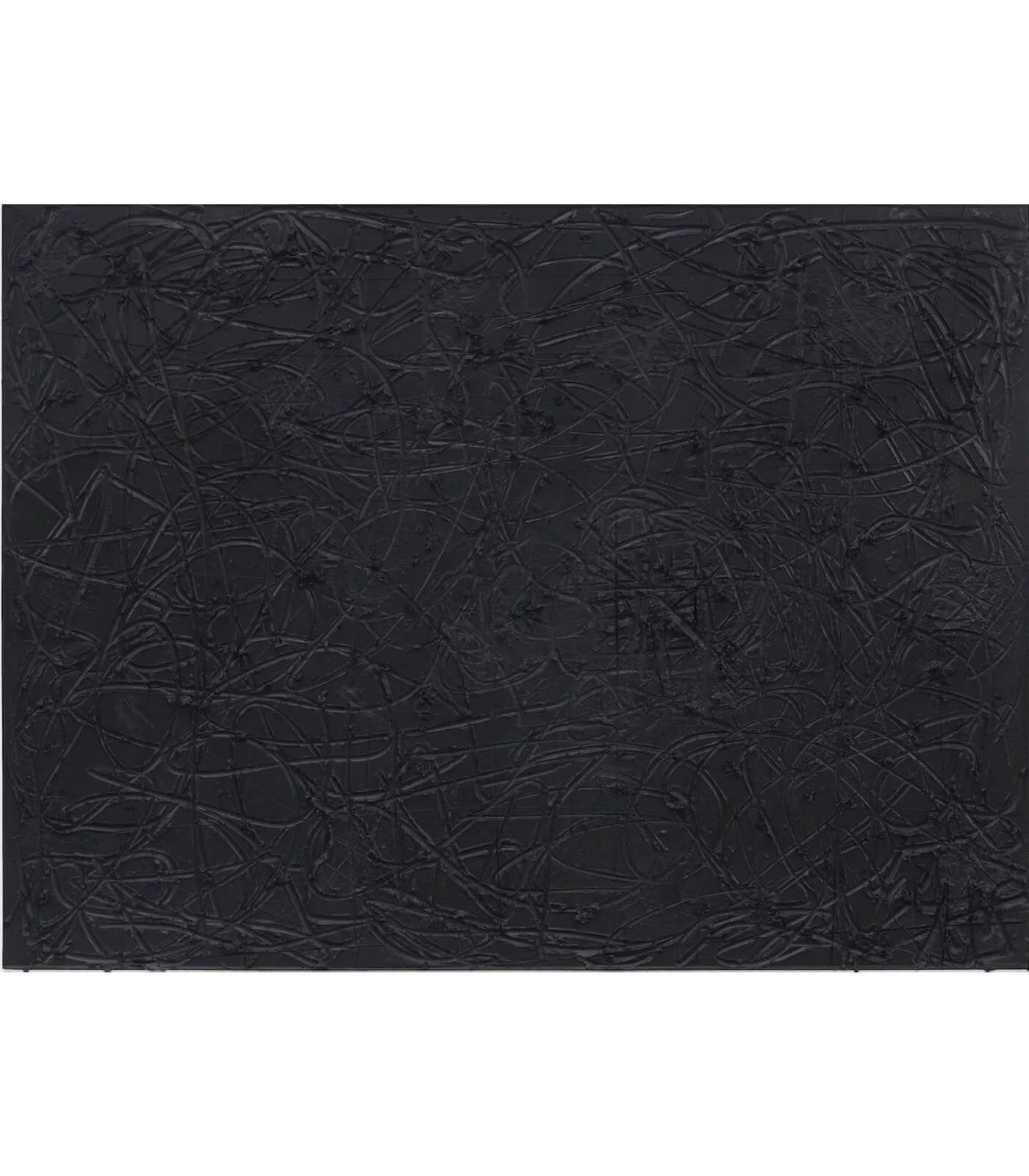
On view are paintings, works on paper, sculpture, and video installation made by 17 artists over the past fifty years. By long predating our current time of trauma, these objects suggest that the search for integration of the corporeal and the emotional is fundamental and universal, and that the struggle for a resolved sense of connection to one another is an ongoing effort without end.
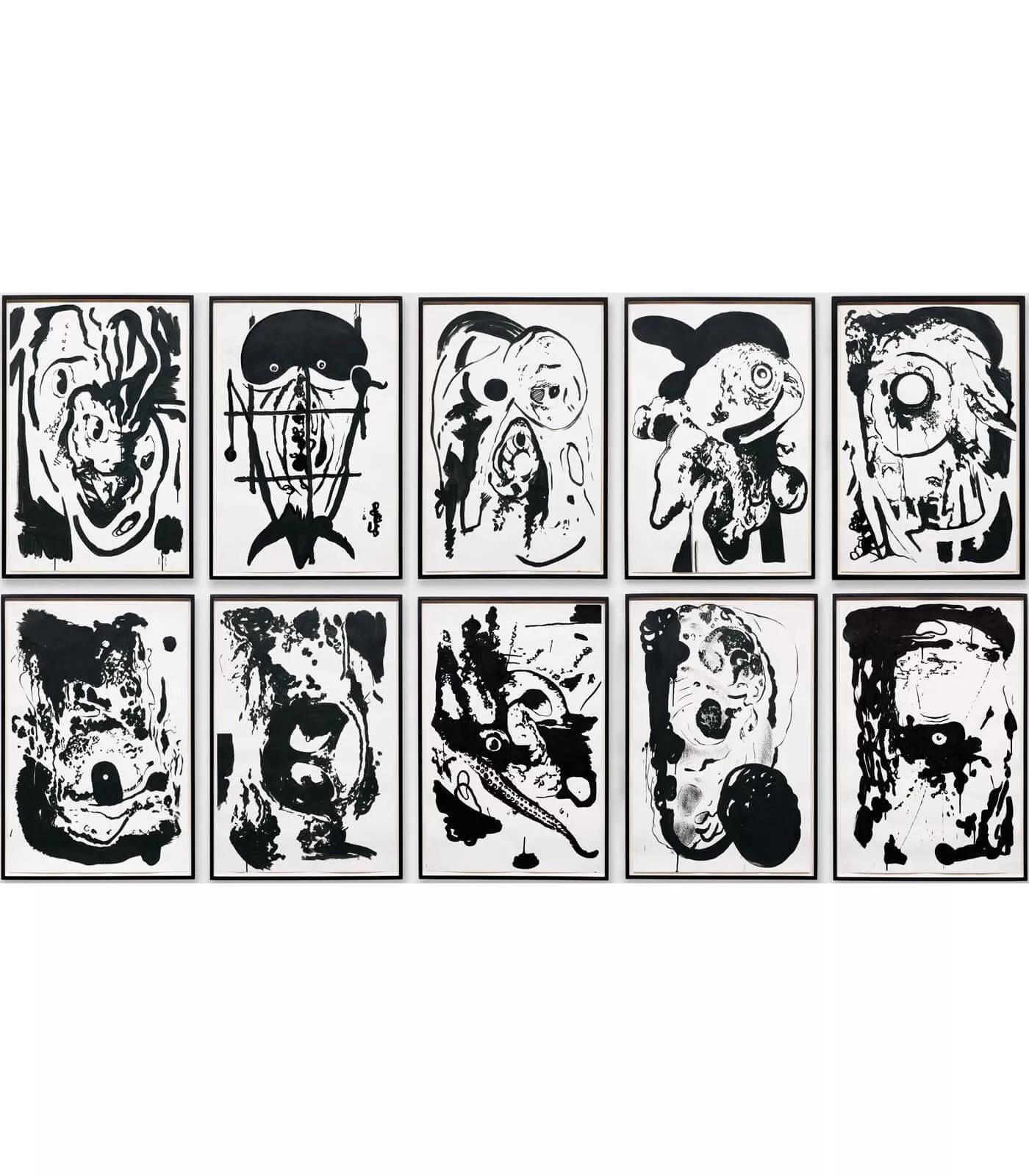
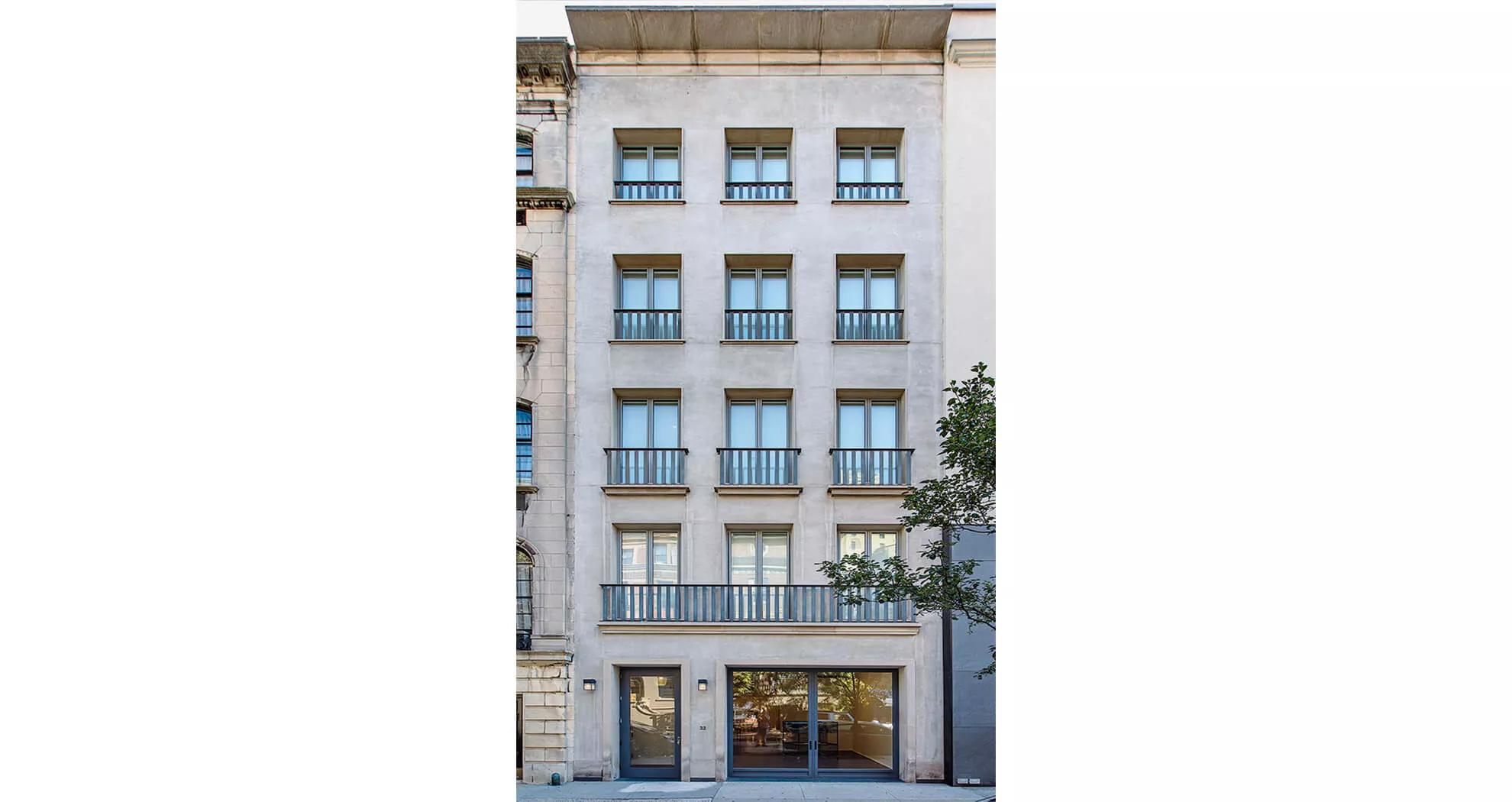
On view in New York
‘To Form a More Perfect Union’ is open for timed viewing appointments. To book a timed viewing appointment, please make a reservation here. Viewing appointments will be released on a weekly basis. Please review viewing guidelines prior to your visit.
About the Artists
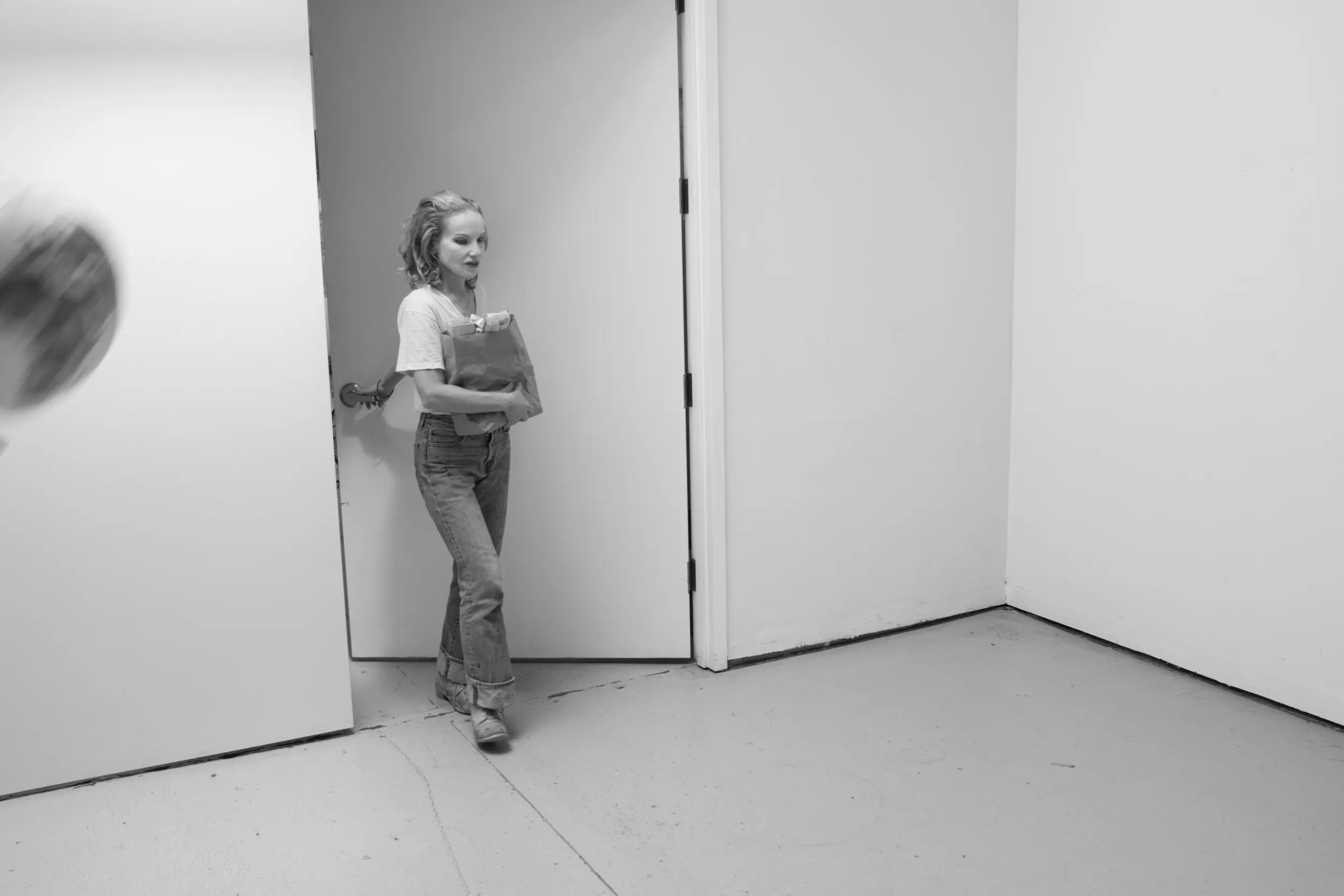
Rita Ackermann
Rita Ackermann (b. 1968, Budapest, Hungary) moved from Hungary to New York in 1992, where a formative body of work positioned her within the cultural zeitgeist of the city. At the outset of her early career, a breakthrough series of paintings—composed of bold contour lines and semi-transparent bodies—anticipated aesthetic and technological shifts that have proven remarkably timeless.
Though Ackermann’s works may be recursive, they are anchored by improvisation, disruption, and formal negation—the protein of her aesthetic. These elements were shaped in part by her engagement with cinema, particularly the films of Jean-Luc Godard and the theories of Paul Virilio, who viewed perception as structured by montage and fragmentation.
Ackermann’s paintings continue to bear the imprint of visual phenomena—not only in their subject, but in their structure. Images operate cryptically, fractured and charged with interior volatility. Their continual appearance and disappearance suggest that suspension, rather than development, is central to her method. The upshot has been a sustained visual practice that subtly confronts the tensions of the present.
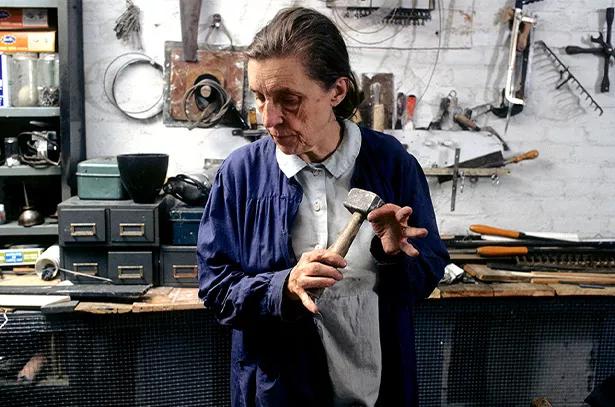
Louise Bourgeois
Born in France in 1911, and working in America from 1938 until her death in 2010, Louise Bourgeois is recognized as one of the most important and influential artists of our time. For over seven decades, Bourgeois’s creative process was fueled by an introspective reality, often rooted in cathartic re-visitations of early childhood trauma and frank examinations of female sexuality. Articulated by recurrent motifs (including body parts, houses and spiders), personal symbolism and psychological release, the conceptual and stylistic complexity of Bourgeois’s oeuvre—employing a variety of genres, media and materials—plays upon the powers of association, memory, fantasy, and fear.
Bourgeois’s work is inextricably entwined with her life and experiences: fathoming the depths of emotion and psychology across two- and three-dimensional planes of expression. ‘Art,’ as she once remarked in an interview, ‘is the experience, the re-experience of a trauma.’ Arising from distinct and highly individualized processes of conceptualization, Bourgeois's multiplicity of forms and materials enact a perpetual play: at once embedding and conjuring emotions, only to dispel and disperse their psychological grasp. Employing motifs, dramatic colors, dense skeins of thread, and vast variety of media, Bourgeois's distinctive symbolic code enmeshes the complexities of the human experience and individual introspection.
Rather than pursuing formalist concerns for their own sake, Bourgeois endeavored to find the most appropriate means of expressing her ideas and emotions, combining a wide range of materials—variously, fabric, plaster, latex, marble and bronze—with an endless repertoire of found objects. Although her oeuvre traverses the realms of painting, drawing, printmaking, and performance, Bourgeois remains best known for her work in sculpture.
Bourgeois’s early works include her distinct 'Personages' from the late 1940s and early 1950s; a series of free-standing sculptures which reference the human figure and various urban structures, including skyscrapers. The ‘Personages’ served as physical surrogates for the friends and family Bourgeois had left behind in France, while also highlighting an interest in architecture dating back to her childhood. Her installation of these sculptures as clustered ‘environments’ in 1949 and 1950 foreshadowed the immersive encounters of installation art twenty years before the genre’s rise to prominence.
Bourgeois’s work was included in the seminal exhibition ‘Eccentric Abstraction,’ curated by Lucy Lippard for New York's Fischbach Gallery in 1966. Major breakthroughs on the international scene followed with The Museum of Modern Art in New York's 1982 retrospective of her work; Bourgeois's participation in Documenta IX in 1992; and her representation of the United States at the 45th Venice Biennale in 1993.
In 2001, Bourgeois was the first artist commissioned to fill the Tate Modern’s cavernous Turbine Hall. The Tate Modern’s 2007 retrospective of her works, which subsequently traveled to the Centre Pompidou in Paris; The Guggenheim Museum in New York; The Museum of Contemporary Art in Los Angeles; and The Hirshhorn Museum & Sculpture Garden in Washington D.C., cemented her legacy as a foremost grande dame of late Modernism.
Header image: Louise Bourgeois, ARCHED FIGURE, 1993 © The Easton Foundation/VAGA, NY, Photo: Christopher Burke
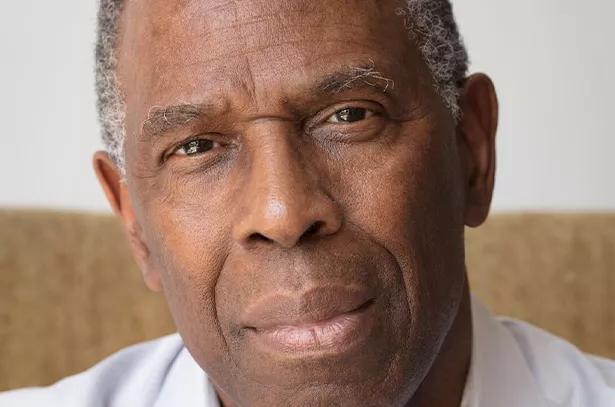
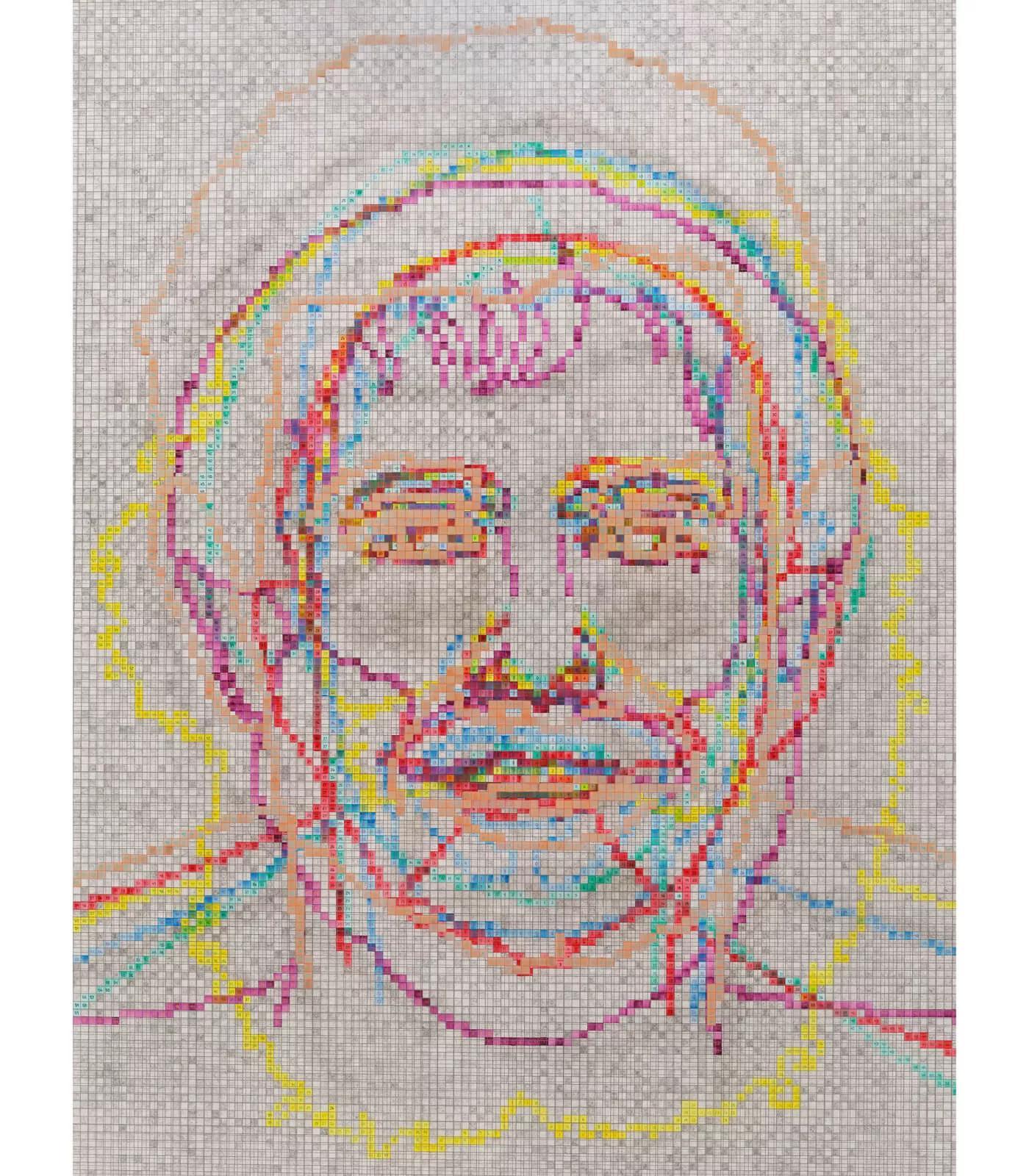
Charles Gaines
Figura clave en el ámbito del arte conceptual, el conjunto de obra de Charles Gaines trabaja con fórmulas y sistemas que interrogan las relaciones entre los ámbitos objetivo y subjetivo. Mediante un enfoque generativo para crear series de obras en diversos medios, Gaines ha construido un puente entre los primeros artistas conceptuales de las décadas de 1960 y 1970 y las generaciones posteriores que hoy llevan los límites del conceptualismo más allá.
Nacido en 1944 en Charleston, Carolina del Sur, Gaines comenzó su carrera como pintor, obteniendo el M.F.A. en la School of Art and Design del Rochester Institute of Technology en 1967. Durante la década de 1970, su obra experimentó un giro drástico en respuesta a lo que él mismo más tarde llamaría ‘el despertar’. Esta revelación se materializó en la serie ‘Regression’ (1973 – 1974), en la que exploró el uso de sistemas matemáticos y numéricos para crear marcas suaves numeradas con tinta sobre una cuadrícula, con cada dibujo construido a partir de los cálculos del anterior. Este enfoque metódico marcaría el recorrido del artista durante las décadas siguientes.
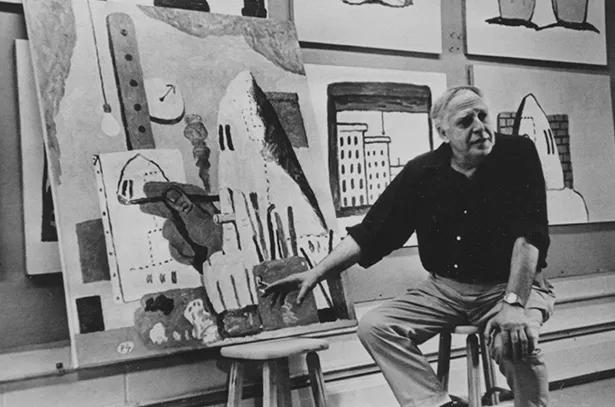
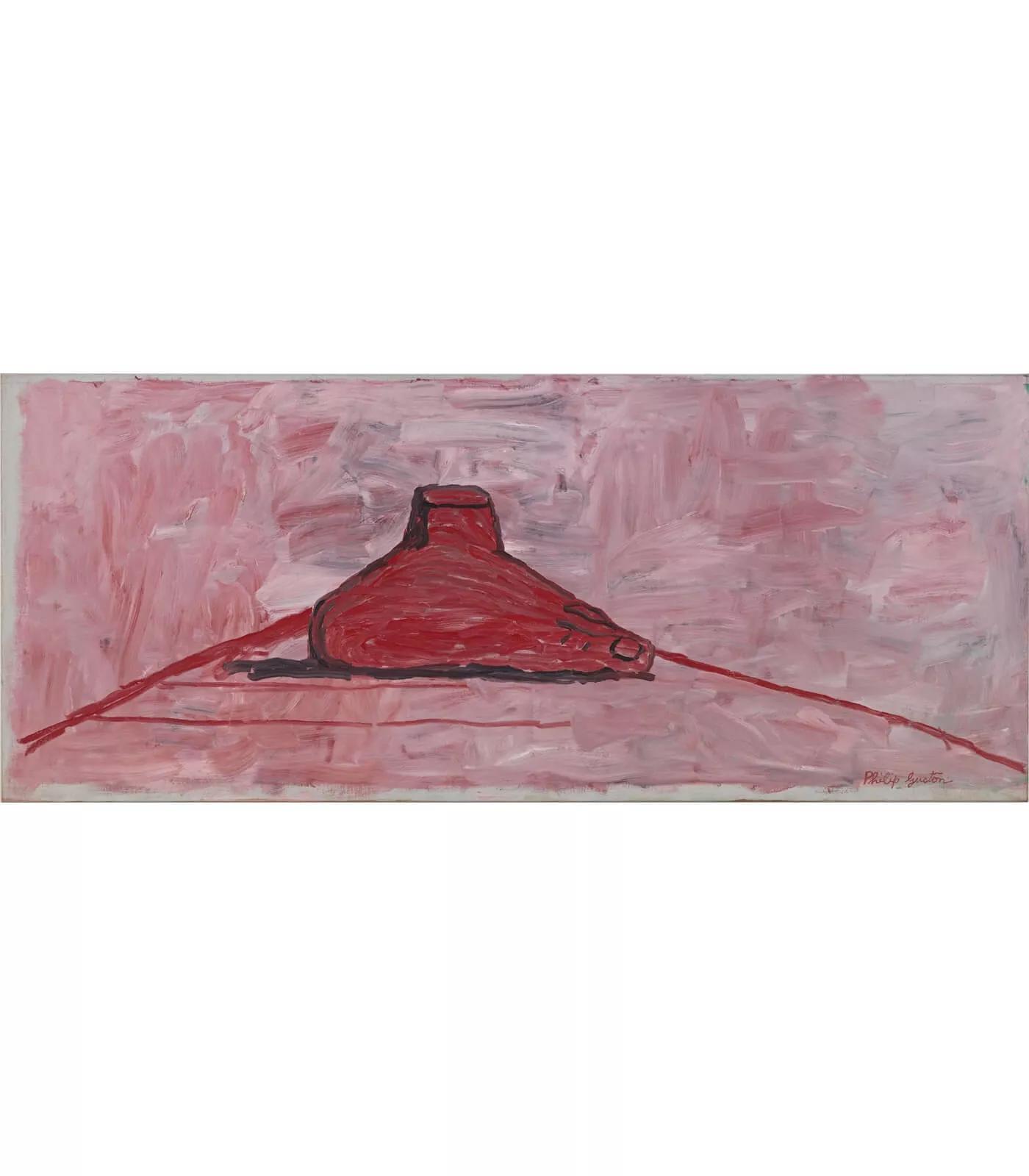
Philip Guston
Philip Guston (1913 – 1980) is one of the great luminaries of twentieth-century art. His commitment to producing work from genuine emotion and lived experience ensures its enduring impact. Guston’s legendary career spanned a half century, from 1930 to 1980. His paintings—particularly the liberated and instinctual forms of his late work—continue to exert a powerful influence on younger generations of contemporary painters. For an in-depth overview of his career, click here.
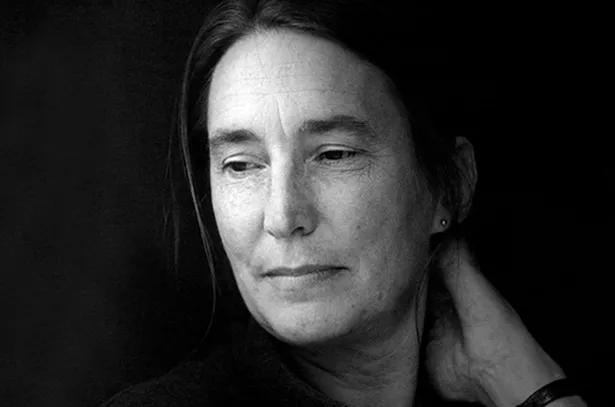
Jenny Holzer
Jenny Holzer is an American conceptual and installation artist whose work deploys text in public spaces across an array of media, including electronic signs, carved stone, paintings, billboards, and printed materials. Holzer’s oeuvre provokes public debate and illuminates social and political justice. Celebrated for her inimitable use of language and projects in the public sphere, Holzer creates a powerful tension between the realms of feeling and knowledge, with a practice that encompasses both individual and collective experiences of power and violence, vulnerability and tenderness.
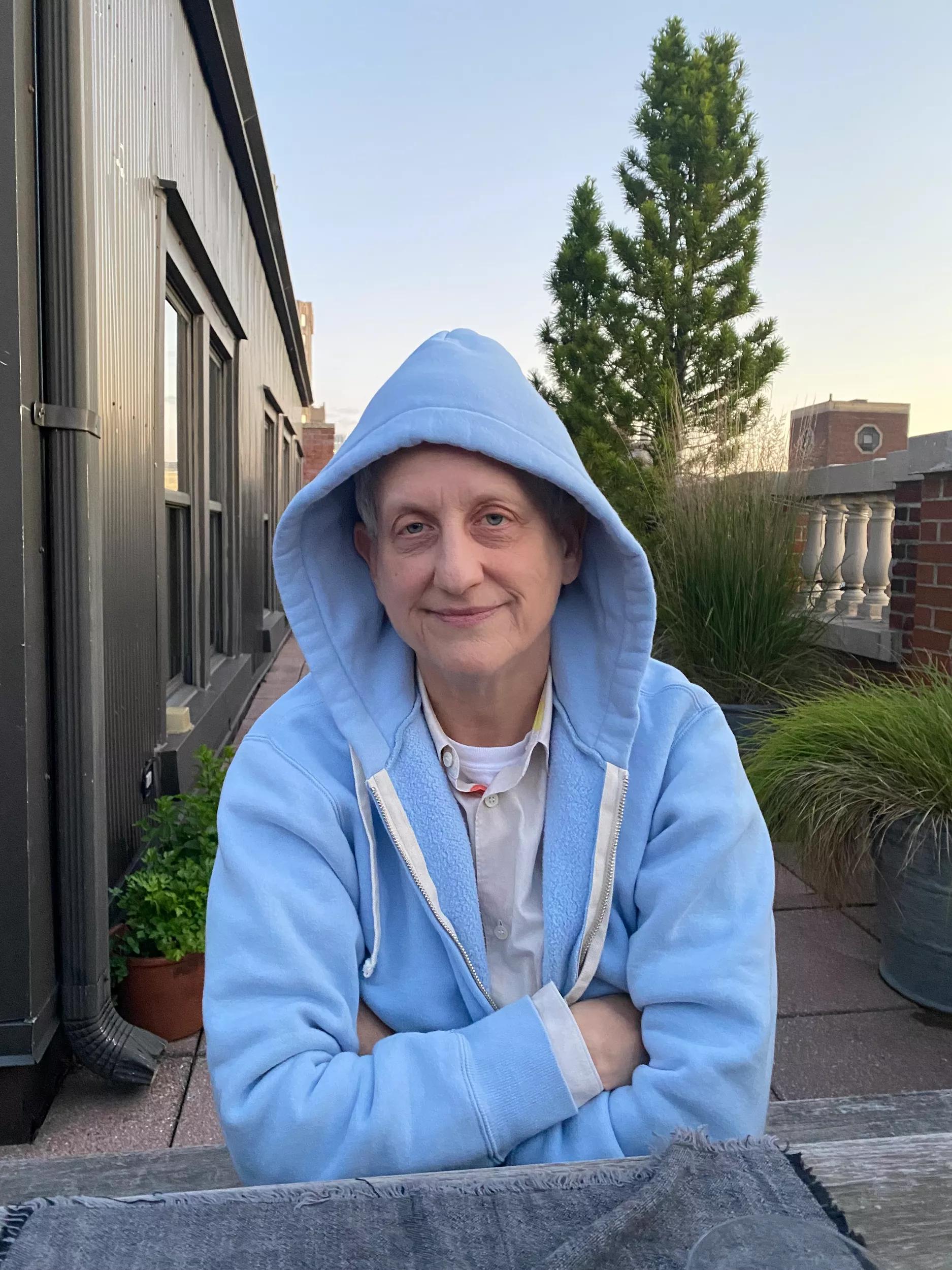
Roni Horn
La obra de Roni Horn se caracteriza por la incertidumbre y la imposibilidad de concluirla. En toda su obra es importante su interés por la naturaleza mutable de la identidad, el significado y la percepción, así como la noción de duplicidad, cuestiones que siguen impulsando la práctica de Horn.
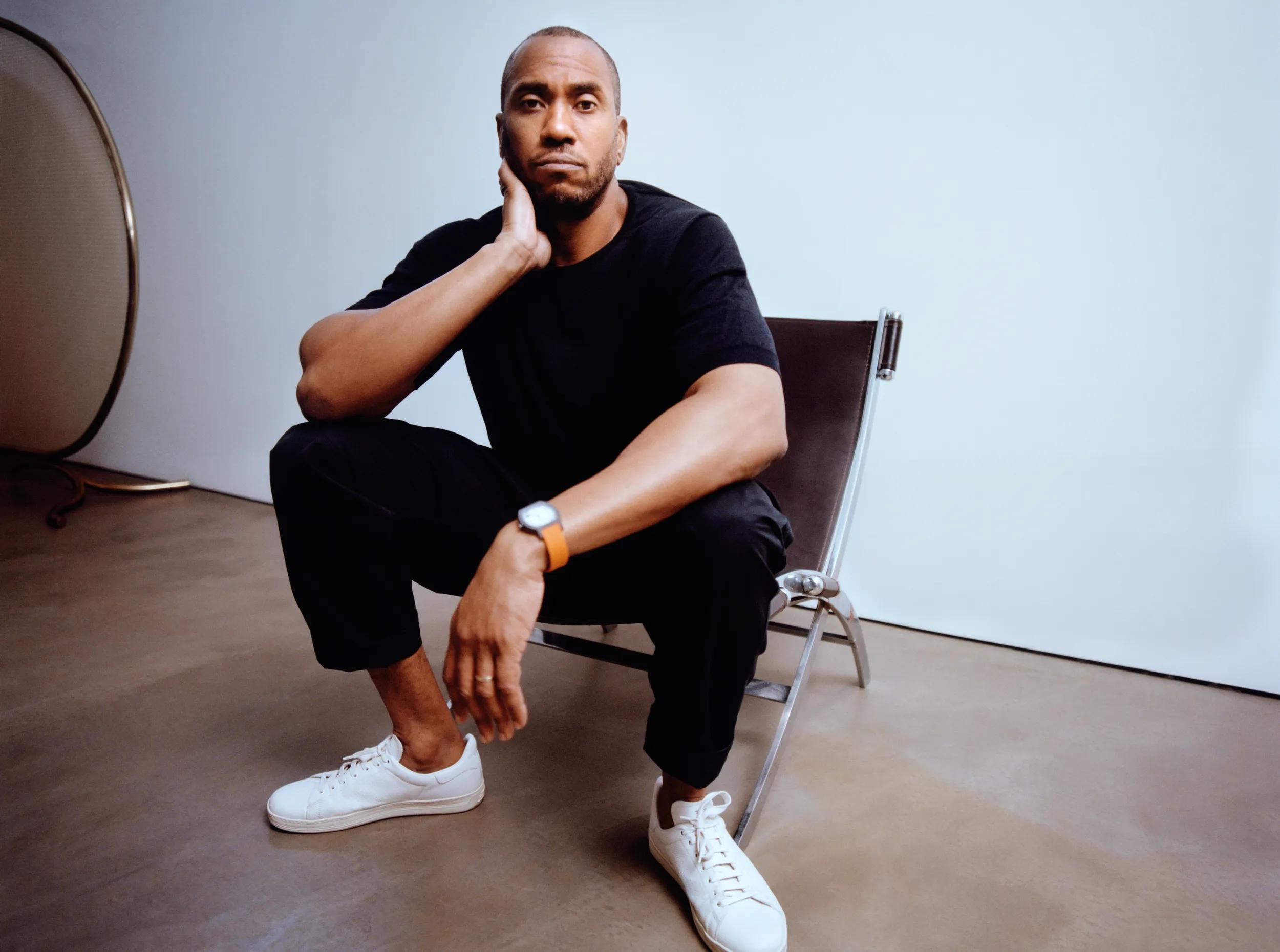
Rashid Johnson
Nacido en 1977 en Chicago, Rashid Johnson es una de las figuras más influyentes del arte contemporáneo estadounidense. Valiéndose de un amplio abanico de medios, aborda en su obra temas relacionados con la historia del arte y la historia crítica, las identidades culturales individuales y compartidas, narrativas personales, literatura, filosofía y lo matérico. Formado en el departamento de fotografía del Art Institute of Chicago, Johnson diversificó poco después su práctica recurriendo también a otros soportes, como la escultura, la pintura, el dibujo, el cine o la
instalación. El resultado es una compleja producción multidisciplinar. La obra de Johnson se caracteriza por su inserción narrativa de una serie de objetos y materiales cotidianos conscientemente elegidos, que en ocasiones guardan relación con su infancia y con frecuencia aluden a aspectos colectivos de la historia intelectual y la identidad cultural de la comunidad afroamericana.
Mike Kelley
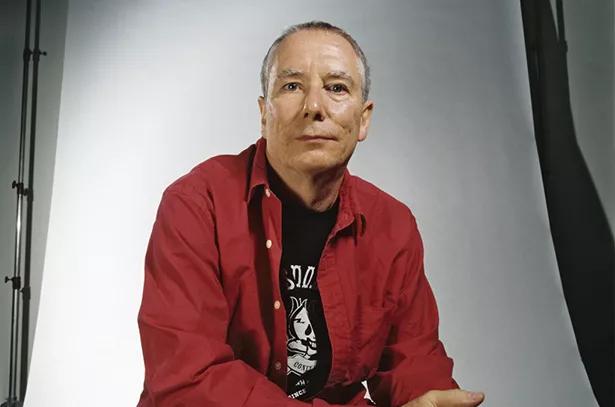
Mike Kelley is widely considered one of the most influential artists of our time. Originally from a suburb outside of Detroit, Kelley attended the University of Michigan, Ann Arbor, before moving to Southern California in 1976 to study at California Institute of the Arts from which he received an MFA in 1978. The city of Los Angeles became his adopted home and the site of his prolific art practice. In much of his work, Kelley drew from a wide spectrum of high and low culture, and was known to scour flea markets for America’s cast-offs and leftovers. Mining the banal objects of everyday life, Kelley elevated these materials to question and dismantle Western conceptions of contemporary art and culture.
Starting out in the late 1970s, Kelley became known for performance and installation based works; he came to prominence in the 1980s with a series of sculptures composed of common craft materials and stuffed animals. His work later widened in scope and physical scale, exemplified by ‘Educational Complex’ (1995), the ‘Kandors’ series (1999 – 2011), ‘Extracurricular Activity Projective Reconstruction’ series (2000 – 2011), and the posthumously completed public work ‘Mobile Homestead’ (2006 – 2013). These projects invoked a vast range of media and forms, illustrating the artist's versatility and underscored a number of Kelley's recurrent themes, such as repressed memory, sexuality, adolescence, class, and Americana, which were central to his artistic praxis. Throughout his career, Kelley also worked on curatorial projects, collaborated with many artists and musicians, and produced a formidable body of critical and creative writing.
Takesada Matsutani
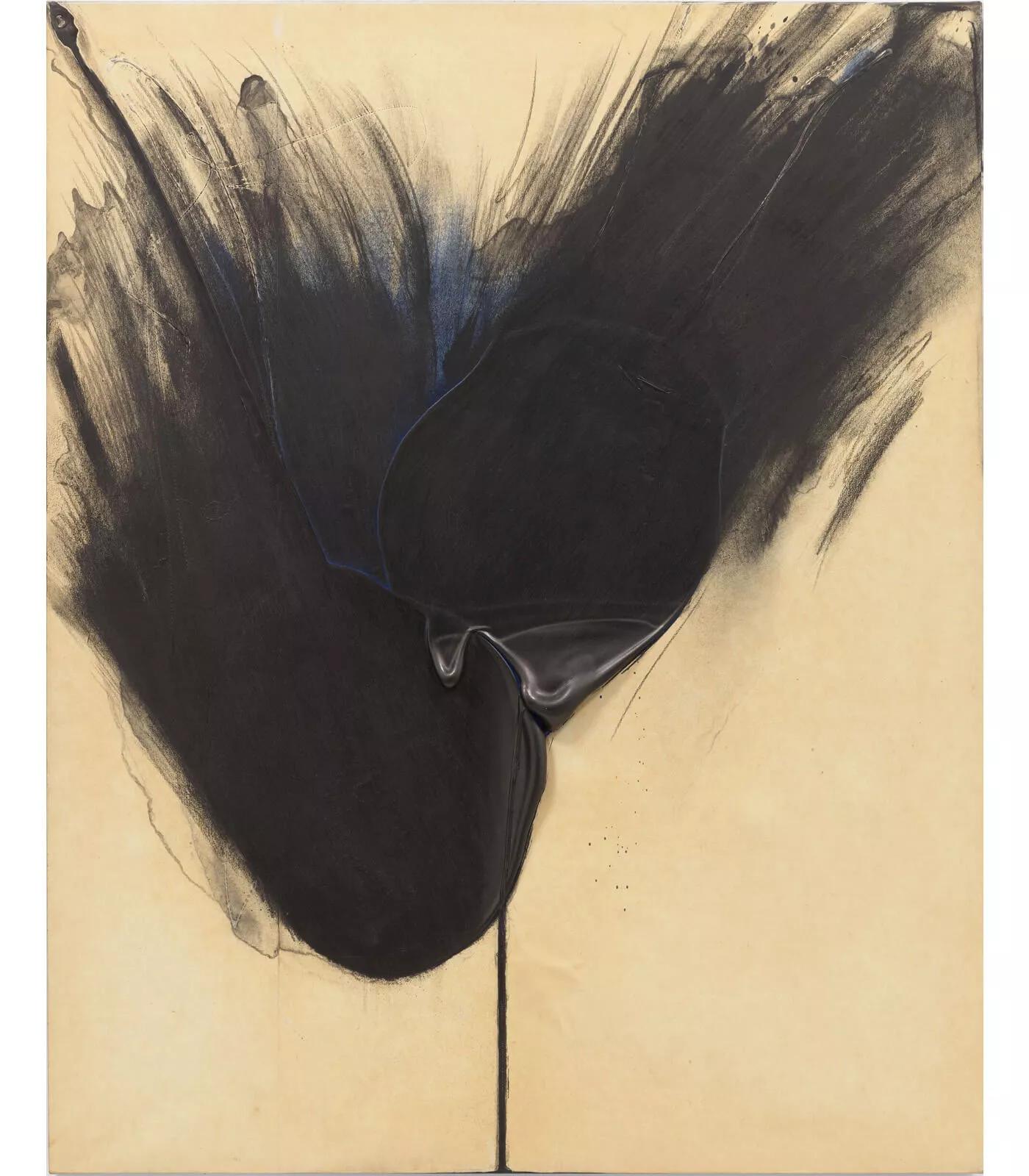
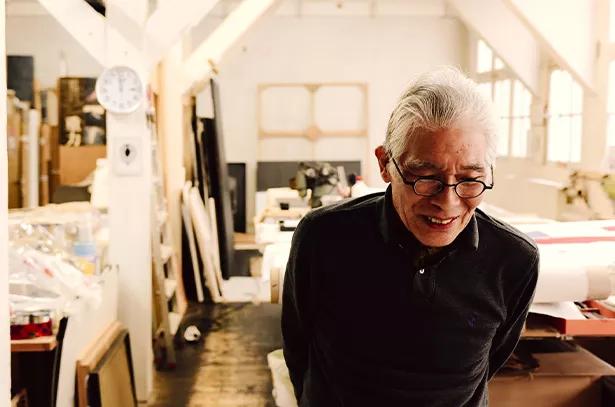
From the early 1960s until the 1970s Matsutani was a key member of the influential post war Japanese art collective, the Gutai Art Association. Over six decades Matsutani has developed a unique visual language of form and materials. As part of the Gutai group, Matsutani experimented with vinyl glue, using fans and his own breath to manipulate the substance, creating bulbous and sensuous forms reminiscent of human curves and features.
In 1966, Matsutani received a grant from the French government after winning first prize in the 1st Mainichi Art Competition and subsequently moved to Paris where he began working at Stanley William Hayter's renowned printmaking studio, Atelier 17. During the four years he worked at the studio, he learnt French, married and established his base in Paris. Working alongside Hayter opened Matsutani up to a new form of artistic experimentation and offered him a newfound confidence. Matsutani began to rethink his practice and a new elemental aesthetic language began to emerge that was both controlled and organic.
After the Gutai group disbanded in 1972, Matsutani eased into a radical yet consistent new body of work, informed by his experience at Atelier 17. Faithful to his Gutai roots, he strove to identify and convey the essential character of vinyl glue with graphite, that were to become his signature materials. Matsutani began creating vast expanses of metallic black graphite on mural-size sheets of paper built up with painstaking individual strokes. This ritualized manner presents a time-based record of his gestures, while reminiscent of his artistic beginnings in Japan, it has been translated into an artistic language that is uniquely his own.
PAUL McCARTHY
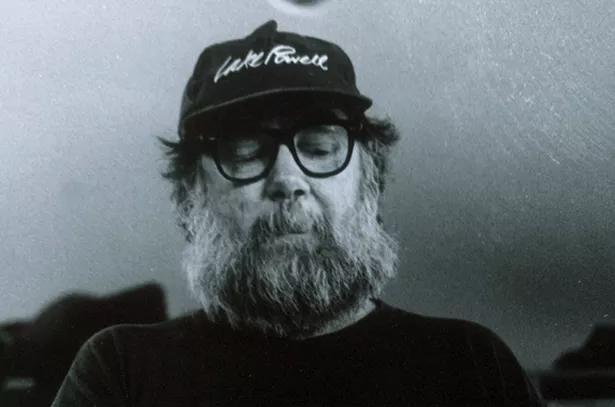
Paul McCarthy is widely considered to be one of the most influential and groundbreaking contemporary American artists. Born in 1945, and raised in Salt Lake City, Utah, he first established a multi-faceted artistic practice, which sought to break the limitations of painting by using unorthodox materials such as bodily fluids and food. He has since become known for visceral, often hauntingly humorous work in a variety of mediums—from performance, photography, film and video, to sculpture, drawing and painting.
During the 1990s, he extended his practice into installations and stand-alone sculptural figures, utilizing a range of materials such as fiberglass, silicone, animatronics and inflatable vinyl. Playing on popular illusions and cultural myths, fantasy and reality collide in a delirious yet poignant exploration of the subconscious, in works that simultaneously challenge the viewer’s phenomenological expectations.
Whether absent or present, the human figure has been a constant in his work, either through the artist‘s own performances or the array of characters he creates to mix high and low culture, and provoke an analysis of our fundamental beliefs. These playfully oversized characters and objects critique the worlds from which they are drawn: Hollywood, politics, philosophy, science, art, literature, and television. McCarthy’s work, thus, locates the traumas lurking behind the stage set of the American Dream and identifies their counterparts in the art historical canon.
McCarthy earned a BFA in painting from the San Francisco Art Institute in 1969, and an MFA in multimedia, film and art from USC in 1973. For 18 years, he taught performance, video, installation, and art history in the New Genres Department at UCLA, where he influenced future generations of west coast artists and he has exhibited extensively worldwide. McCarthy’s work comprises collaborations with artist-friends such as Mike Kelley and Jason Rhoades, as well as his son Damon McCarthy.
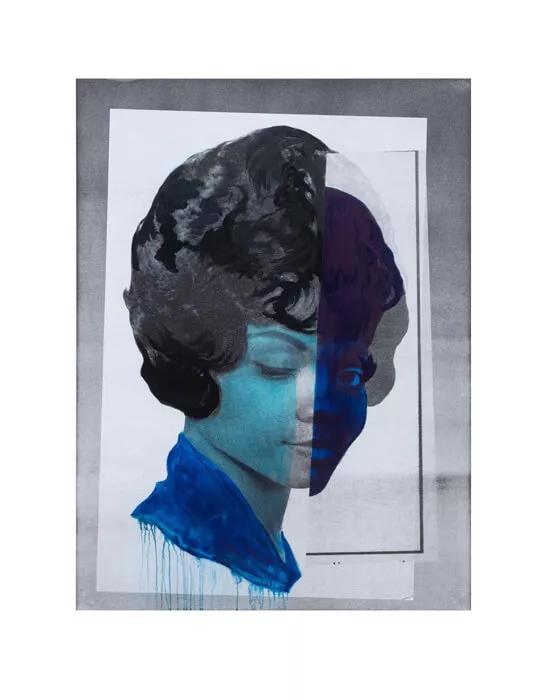
Lorna Simpson
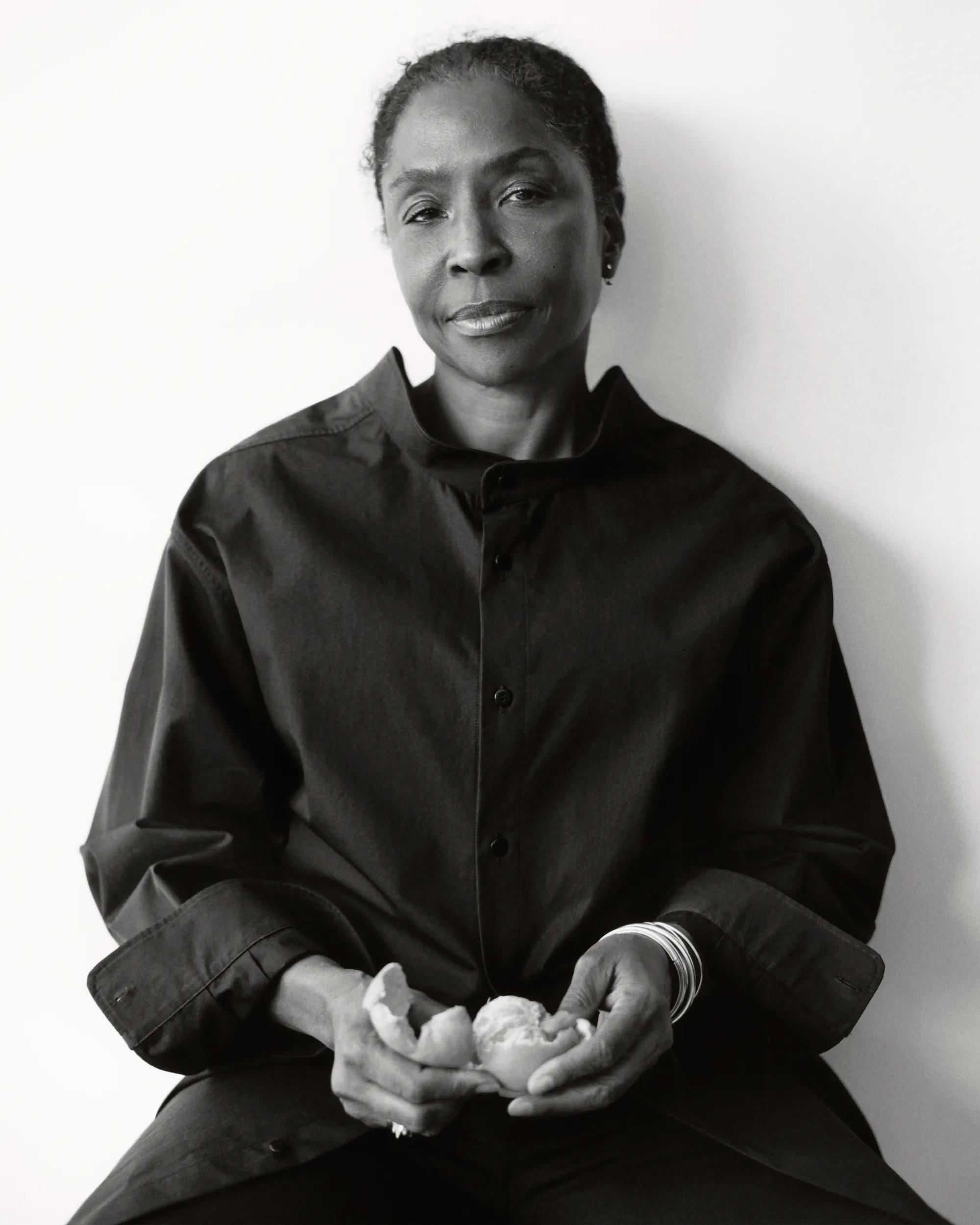
Born in Brooklyn, Lorna Simpson came to prominence in the 1990s with her pioneering approach to conceptual photography. Simpson’s early work—particularly her striking juxtapositions of text and staged images—raised questions about the nature of representation, identity, gender, race and history that continue to drive the artist’s expanding and multi-disciplinary practice today. She deftly explores the medium’s umbilical relation to memory and history, both central themes within her work.
Studying on the West Coast in the mid-1980s, Simpson was part of a generation of artists who utilized conceptual approaches to undermine the credibility and apparent neutrality of language and images. Her most iconic works from this period depict African-American figures as seen only from behind or in fragments. Photographed in a neutral studio space, the figures are tied neither to a specific place nor time. Drawing upon a long-standing interest in poetry and literature, the artist accompanies these images with her own fragmented text, which is at times infused with the suggestion of violence or trauma. The incredibly powerful works entangle viewers into an equivocal web of meaning, with what is unseen and left unsaid as important as that which the artist does disclose. Seemingly straightforward, these works are in fact near-enigmas, as complex as the subject matter they take on.
Over the past 30 years, Simpson has continued to probe these questions while expanding her practice to encompass various media including film and video, painting, drawing and sculpture. Her recent works incorporate appropriated imagery from vintage Jet and Ebony magazines, found photo booth images, and discarded Associated Press photos of natural elements—particularly ice, a motif that appears in her sculptural work in the form of glistening ‘ice’ blocks made of glass. The new work continues to immerse viewers in layers of bewitching paradoxes, threading dichotomies of figuration and abstraction, past and present, destruction and creation, and male and female. Layered and multivalent, Simpson’s practice deploys metaphor, metonymy, and formal prowess to offer a potent response to American life today.
Inquire about available works
‘To Form a More Perfect Union‘ is on view now through 19 December 2020 at Hauser & Wirth New York 69th Street.
Current Exhibitions



1 / 12