
Art of Nature
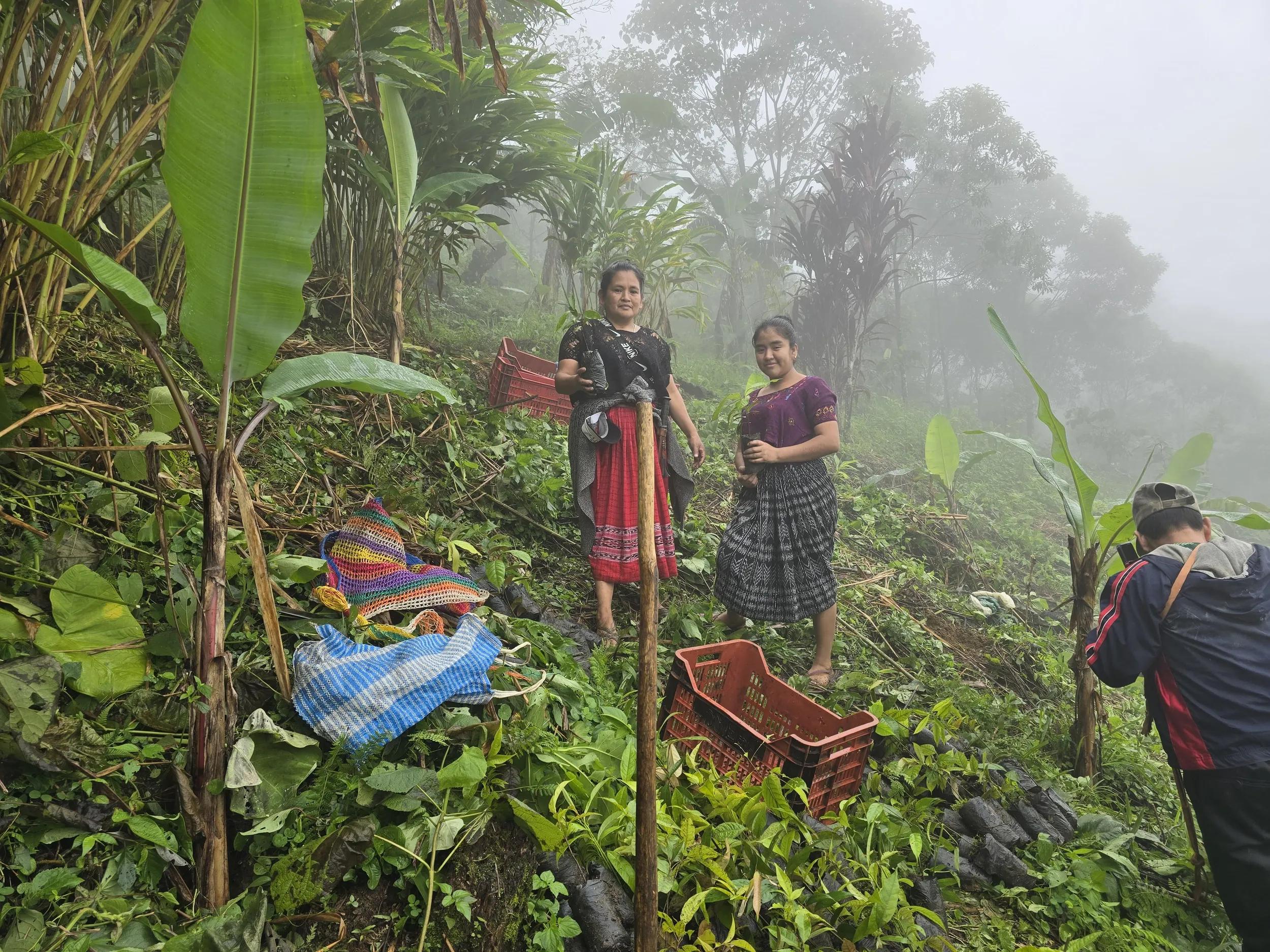
Reforestation at Chicaman community. June, 2025. Photo: Alex Yat, FUNDAECO
Art of Nature
Marking Earth Day, we reflect on what it means to collaborate across communities, cultures and disciplines in service of the planet. In Guatemala’s Northern Highlands, Indigenous leaders, conservation partners and artists are working together to safeguard one of the last cloud forests in Central America. Since 2020, Hauser & Wirth has partnered with local community leaders and non-profits’ Fundaeco, Re:wild, and Art into Acres to permanently protect approximately 5,000 acres of this threatened ecosystem. The effort weaves together local health, Indigenous stewardship, and community well-being, reflecting the belief that people and nature thrive together.
Images in this article are stills taken by Camille Henrot during her 2023 expedition to the forest, which have since formed part of her major new film, ‘In the Veins.’ This conversation explores aspects of this partnership interweaving thoughts from Cliodhna Murphy, Global Head of Environmental Sustainability at Hauser & Wirth; Ingrid Arias, Project Lead at Fundaeco, a Guatemalan nature conservation organization; Marco Cerezo, founder and Executive Director of Fundaeco; and Haley Mellin, founder of Art into Acres, an initiative that mobilizes the arts community to permanently protect critical ecosystems.
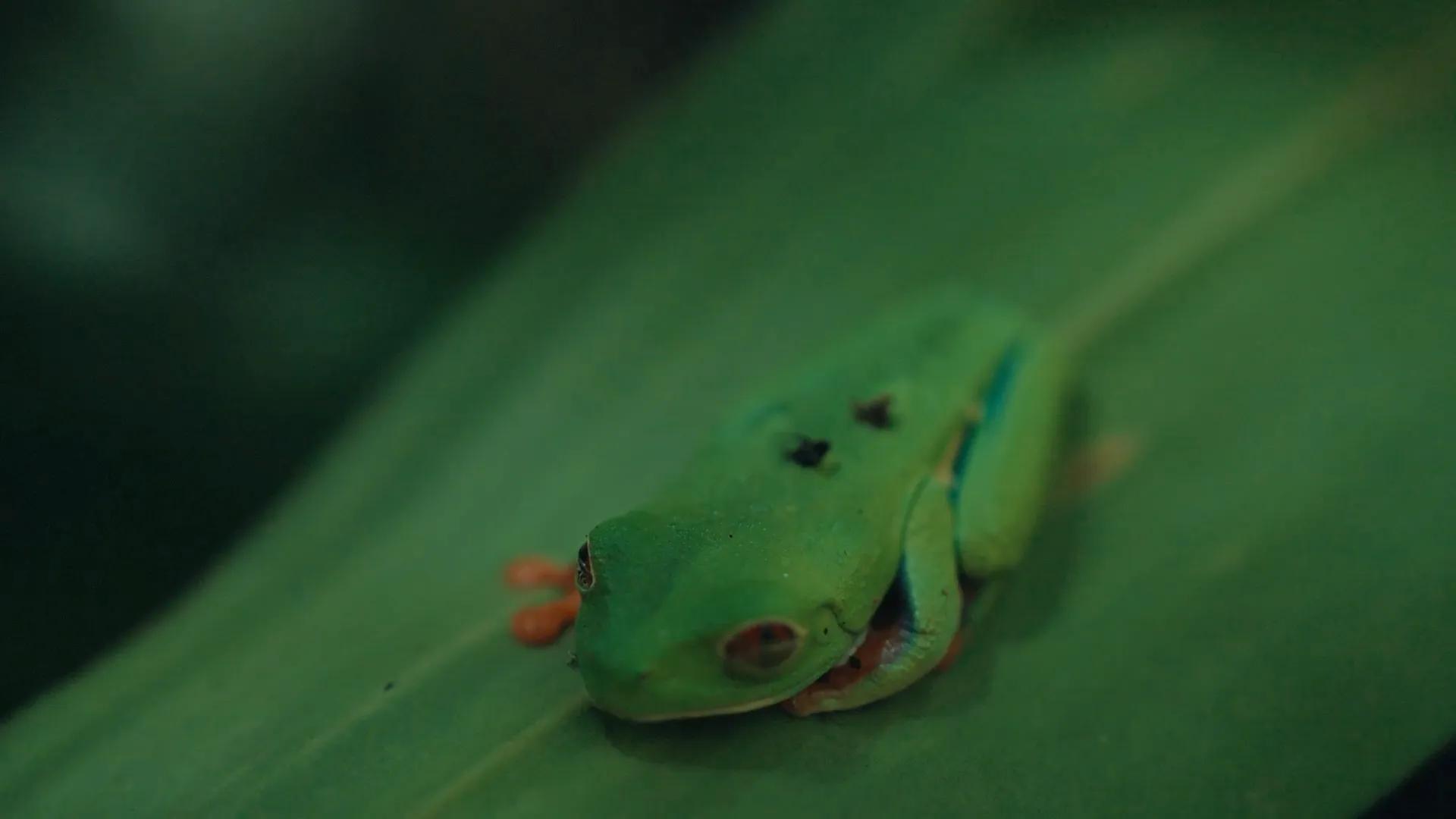
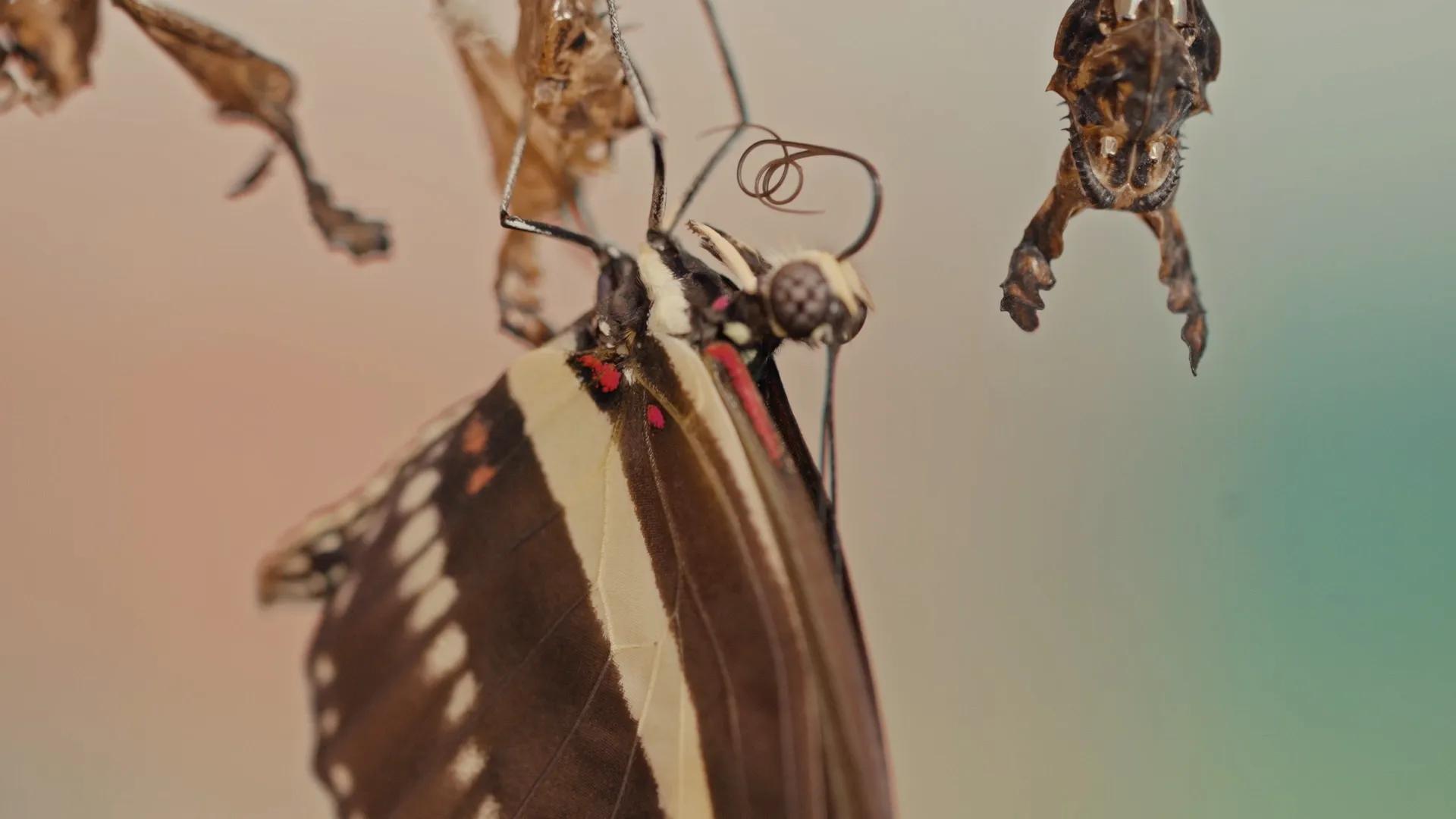
Camille Henrot, stills from ‘In the Veins’ (2026) © ADAGP Camille Henrot. Courtesy of the artist, Hauser & Wirth and Mennour
‘This forest represents a critical opportunity: a place of remarkable biodiversity, home to vulnerable communities, and a clear gap where support was urgently needed. Working with communities is central to our approach. They live on the land, they own the forest, and they must be the first to protect it.’—Ingrid Arias, Fundaeco
Cliodhna Murphy: Since 2020, Hauser & Wirth has supported the permanent protection of approximately 5,000 acres of cloud forest in Guatemala’s Northern Highlands, in partnership with local communities and the land conservation non-profits’ Re:wild and Fundaeco. This has been a project we have engaged with Art into Acres. Marco and Ingrid, in your local work on the protection of this forest, I would like to hear about what the support has meant, the challenges and opportunities ahead, and how you see the relationship between galleries, artists, and this land conservation work?
Marco Cerezo: This partnership is quite unique: a gallery, artists, communities and a conservation organization working together to permanently protect a cloud forest. Guatemala’s Northern Highlands have an extraordinary level of endemism, including trees, insects, and amphibians found nowhere else on Earth. This is one of the last true biodiversity refuges. Support from artists, and Hauser & Wirth has made this conservation effort possible. Funding establishes nature reserves, supports environmental education and reforestation, and engages rural women and girls, because conservation in Latin America cannot succeed without empowering women.
Ingrid Arias: There are many community aspects to protecting wilderness. For example, we established a women’s clinic—the first in the region—which now provides health services to hundreds of women who would otherwise have no access to care. The clinic was established in a community that had previously refused collaboration with outside partners. Through the sustained, trust-building efforts of our local teammate, an Indigenous woman from the community, they opened their doors, signed a conservation planning agreement, and requested the clinic. I am particularly proud of this outcome.
MC: Another high point of these efforts is a partnership with Rigoberta Menchú Tum, Guatemala’s Indigenous Nobel Peace Prize laureate, who comes from a community within Seramaj. She was born at the edge of this forest and continues to call it home. Together with her Foundation, we permanently protected her ancestral family lands. Her voice and presence carry great weight among Indigenous Peoples, and her involvement has strengthened both the impact and the message: that conservation is done with Indigenous communities, not simply for them.
‘This collaboration shows the profound impact the visual arts community can have when creativity, care, and conservation come together to protect our shared planet.”—Cliodhna Murphy, Hauser & Wirth
CM: To paint a picture of the landscape here, can you share some information about cloud forests, and why they are called ‘water forests?’
IA: Cloud forests are high-altitude tropical forests shrouded in mist. They are the planet’s wettest forests receiving an inch or two of rain per day. They are among the most biodiverse, and most threatened, ecosystems on Earth, and act as critical water resources and carbon sinks. Today, less than 1% of the world’s cloud forests remain healthy and intact. This forest here, in the Northern Highlands of Guatemala, is the last large cloud forest in Northern Central America left to protect.
Haley Mellin: For a National Protected Area designation to be granted, the land must be owned by people with protection as their primary interest. To address this, an Indigenous-led civil association called Asoamay was formed to hold title to these parcels and help secure this National designation. This is an innovative approach, one created for the protection of this forest. It represents the voices and communities present, and supports a plurality of historic presences. Meanwhile, as this work is slow, and takes careful planning, threats exist.
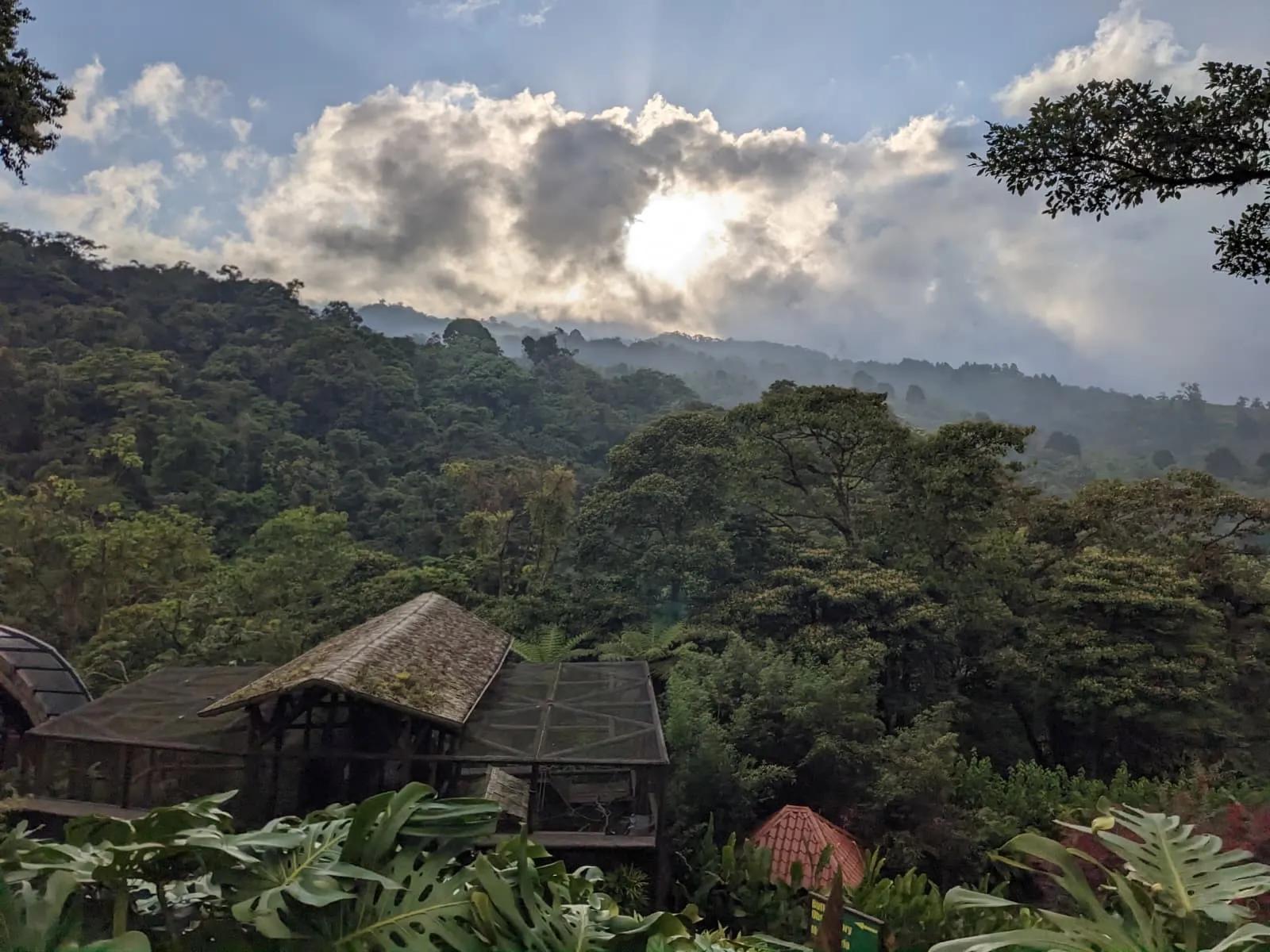
During the production of ‘In the Veins’ (2026). Photo: Jesse Sperling, Director of Photography
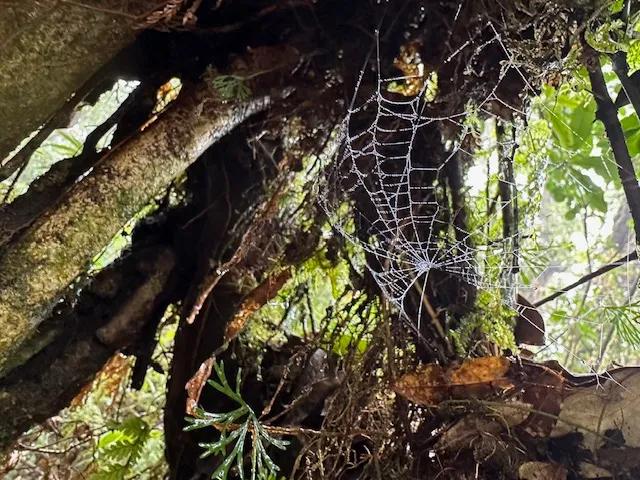
During the production of ‘In the Veins’ (2026). Photo: Camille Henrot
‘This partnership is quite unique: a gallery, artists, communities and a conservation organization working together to permanently protect a cloud forest. Guatemala’s Northern Highlands have an extraordinary level of endemism, including trees, insects, and amphibians found nowhere else on Earth.’—Marco Cerezo, Fundaeco
CM: I would love for our audience to understand the specific threats facing this forest. How is your organization addressing these challenges on the ground?
MC: In Guatemala, the primary drivers of deforestation are cattle ranching, industrial agriculture, and oil palm plantations. In the Northern Highlands, many communities are caught in a vicious cycle: poverty drives slash-and-burn practices that destroy the forest, forest loss degrades the soil, and declining soil productivity deepens poverty. By establishing nature reserves, providing technical assistance for sustainable agriculture, and offering health services and alternative income opportunities, we are helping communities break that cycle.
HM: What first drew you to this work and what do you see as the ongoing challenges?
IA: I was first drawn to this work through a presentation on the region’s biodiversity in 2016. When I visited the forest, I was truly amazed. As a biologist and birder, I found the species richness extraordinary. What struck me just as strongly was that this was a landscape deeply scarred by Guatemala’s civil war and largely forgotten by government institutions. No NGOs were working there, and communities had little access to basic services such as health care, electricity, or education. Working with communities is central. They live on the land, they own the forest, and they protect it. Government agencies are still not sufficiently present or resourced to deliver consistent services to these communities, which is why NGOs play an important role as a bridge, a facilitator, and a catalyst.
CM: Haley, why is the arts community particularly well-placed to support this kind of conservation work?
HM: Artists are attuned to the natural world; many draw from it, are moved by it, and feel a responsibility toward it. Artist Camille Henrot traveled to the forest in 2023, after supporting the protection with the donation of a watercolor painting with support from Art into Acres. She didn’t arrive as an observer. She immersed herself, and expanded into the details of the cloud forest, including its insect life. Her new film, ‘In the Veins,’ carries the life of that place inside it. This kind of witness is powerful. Art can make people feel the importance of the wilderness in a way that data alone cannot.
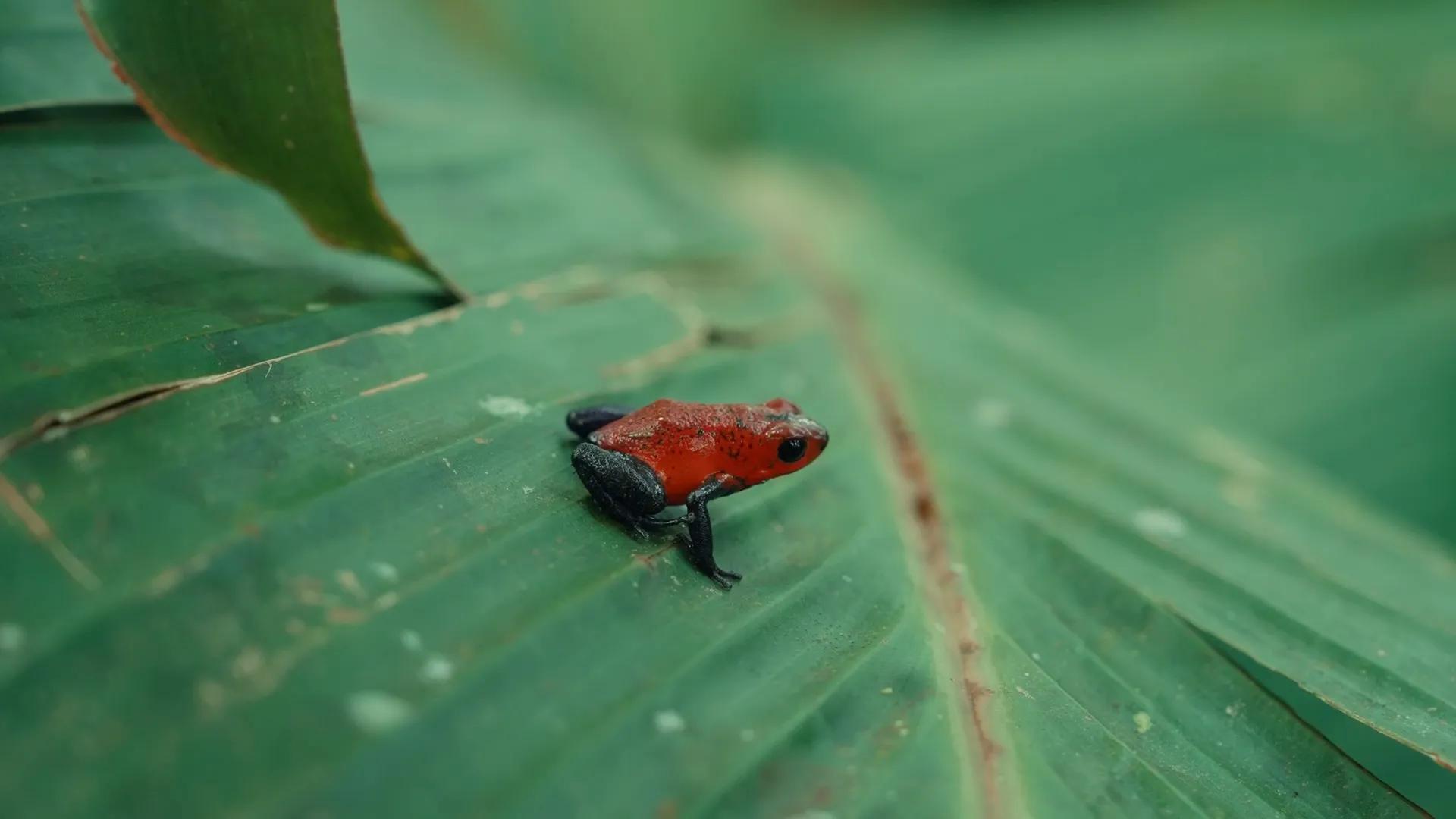
Camille Henrot, still from ‘In the Veins’ (2026) © ADAGP Camille Henrot. Courtesy of the artist, Hauser & Wirth and Mennour
‘Art can make people feel the importance of the wilderness in a way that data alone cannot.’—Haley Mellin, Art into Acres
CM: How do you see this approach taking shape in other regions?
MC: In partnership with local communities and Indigenous leaders, we have now protected roughly 65% of this cloud forest, with a goal of reaching 90 to 95%. Beyond the protection itself, this project is supporting the creation of new collaborative protection approaches, wherein many hands and voices learn together over time. Through our Protected Summits program, we are integrating this wisdom in other high-altitude mountain ranges across Guatemala’s northwestern highlands. We are advocating before Congress for a new category of protected area—community-led, Indigenous-managed areas—which could be replicated across Latin America.
IA: These mountain summits are critical watersheds and are largely managed by Indigenous communities. This community-led approach is directly transferable to other mountain sites, where it can simultaneously strengthen Indigenous stewardship and protect the clean water resources on which the country depends.
HM: When a community is supported from within—its social structures, its women and children, its local economy—nature benefits too. One thing this conversation has made clear: community well-being, human health, and the health of the natural world are deeply connected.
CM: Thank you Ingrid, Marco and Haley. This collaboration illustrates the effect of creativity, care, and conservation coming together to protect our shared planet.
–
Learn more about Sustainability at Hauser & Wirth.
Learn more about Camille Henrot’s new film, ‘In the Veins.’
For Earth Day 2026, the gallery has partnered with María Berrío on a special fundraising edition created in collaboration with renowned printshop Harlan & Weaver. The edition’s proceeds will directly support the work of non-profit organizations Art into Acres, Art Switch and Artists Commit encouraging sector-wide action on climate. Learn more.
Related News



1 / 5