
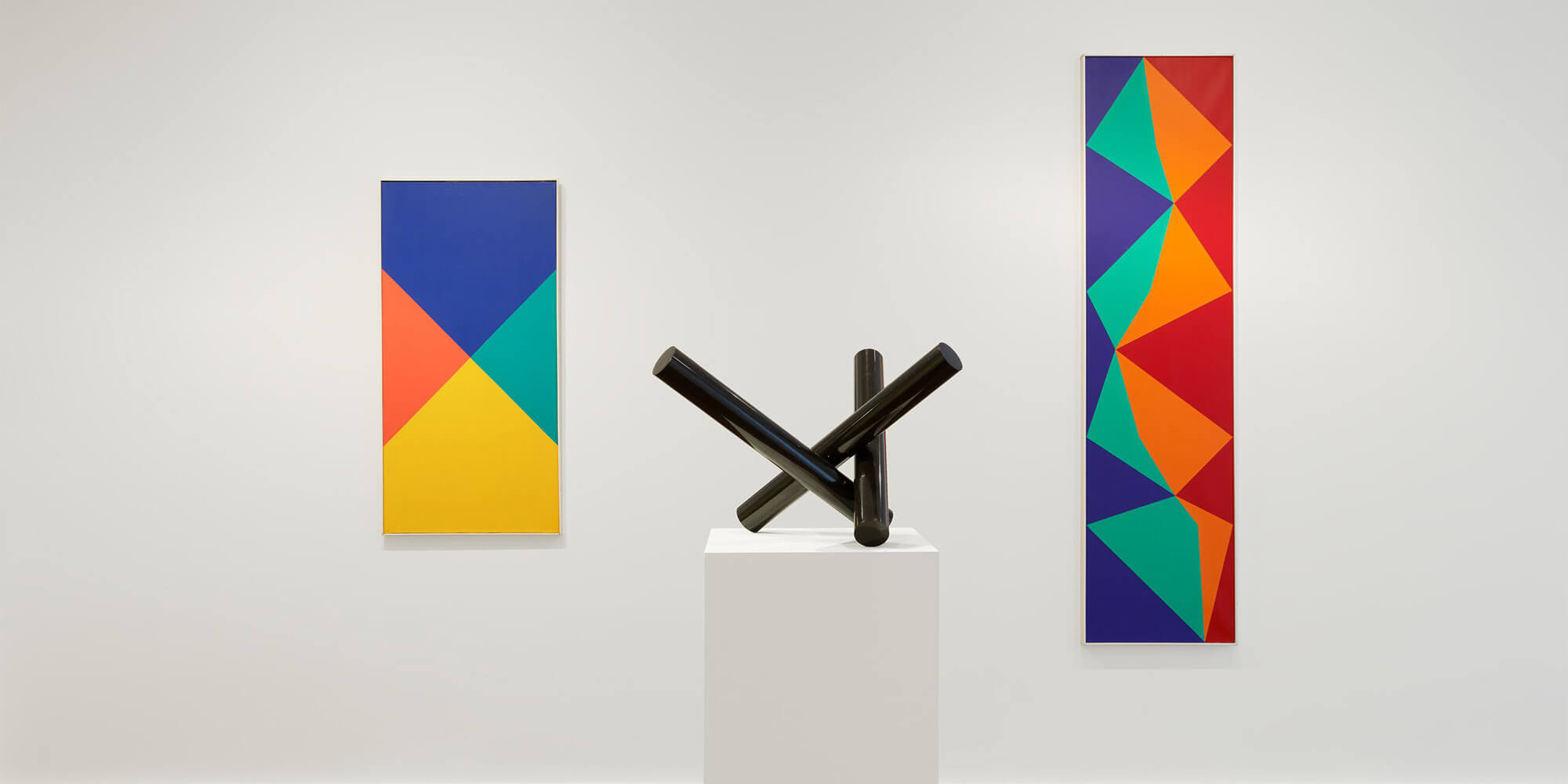
max bill & georges vantongerloo
crossover
27 January – 26 March 2022
New York, 69th Street
The lifelong friendship and extended written correspondence between Swiss artist Max Bill and Belgian-born artist Georges Vantongerloo united their independent artistic and intellectual endeavors and helped to push the boundaries of their work into new aesthetic realms.
Explore the exhibition
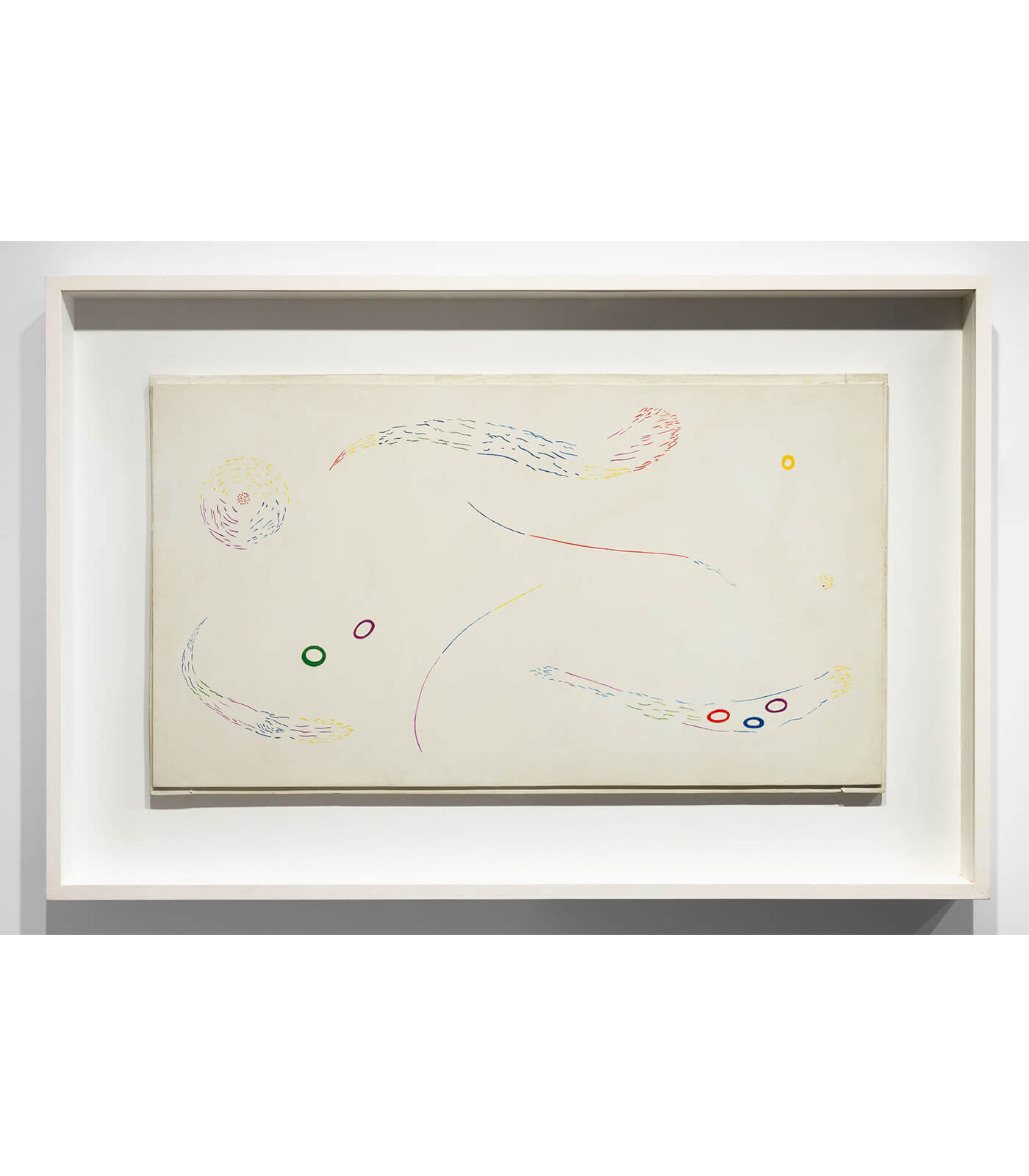
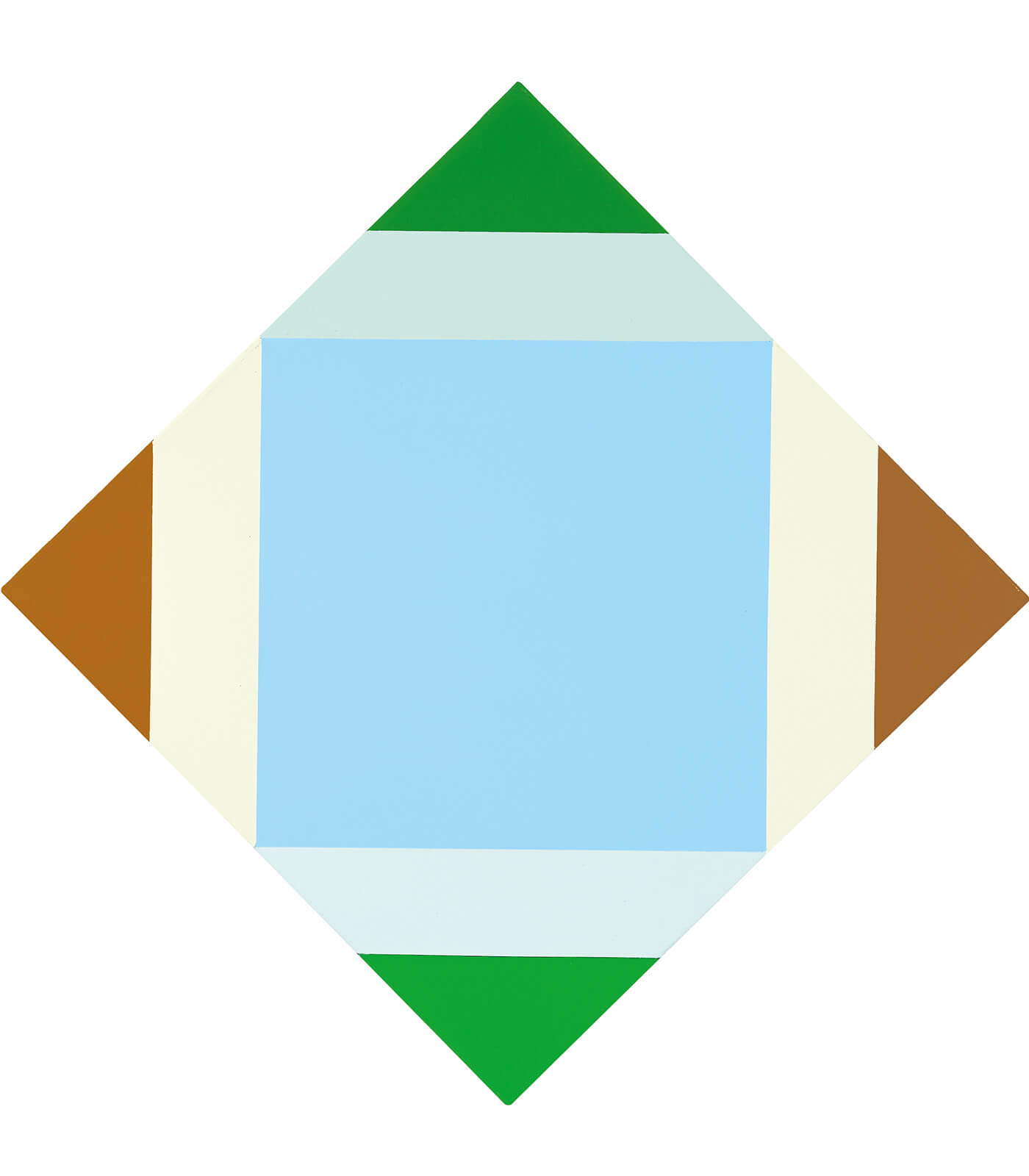
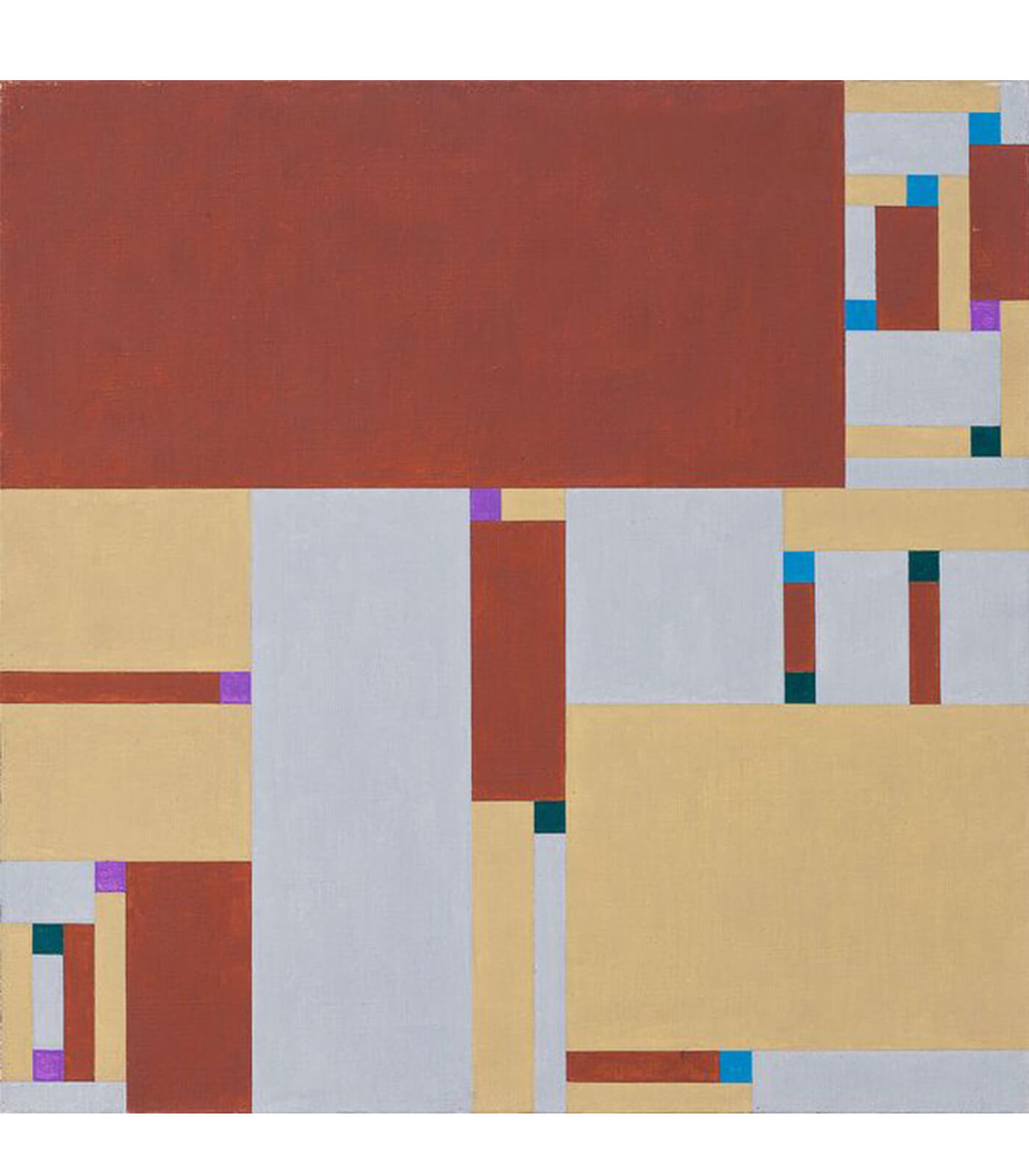
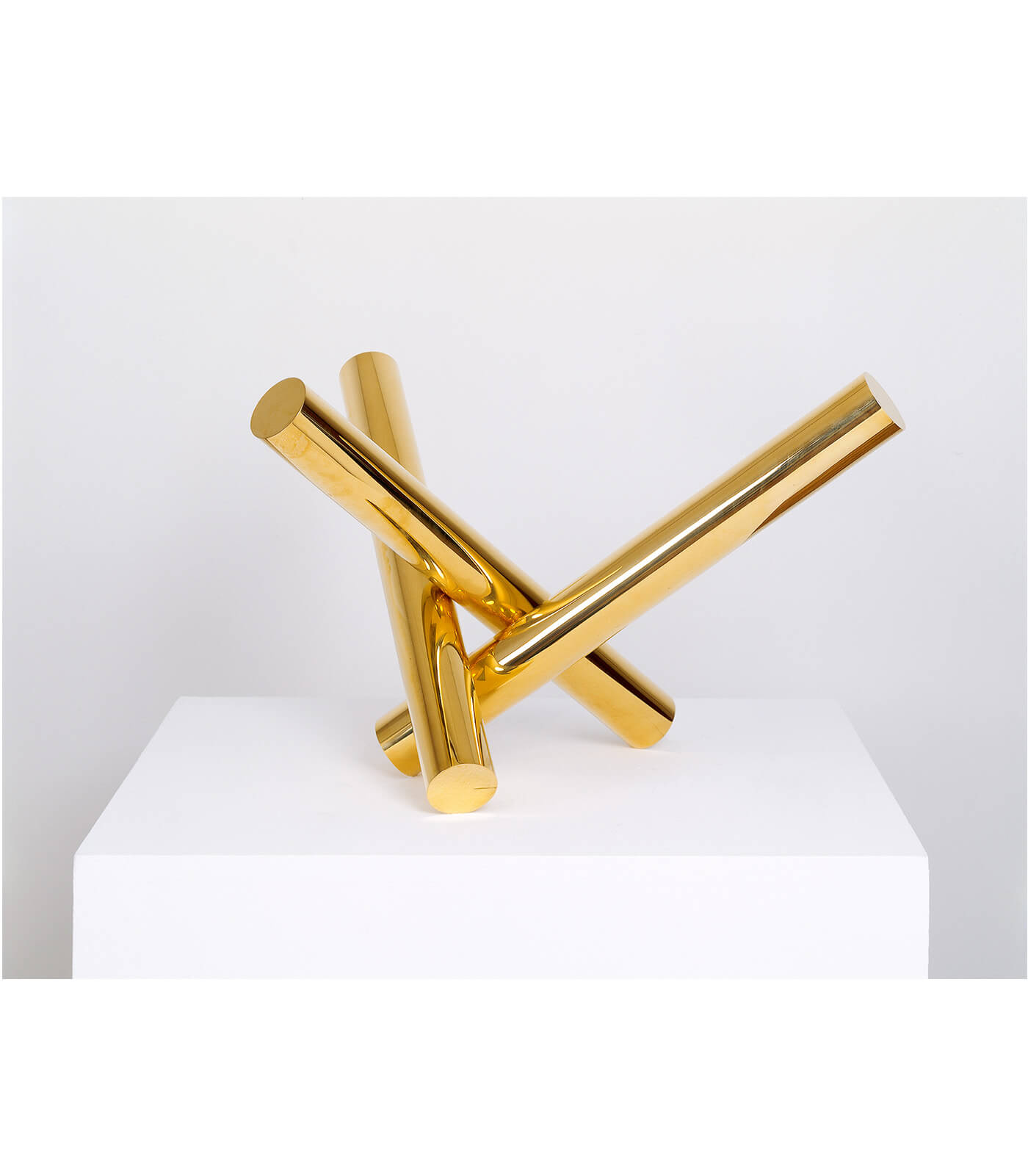
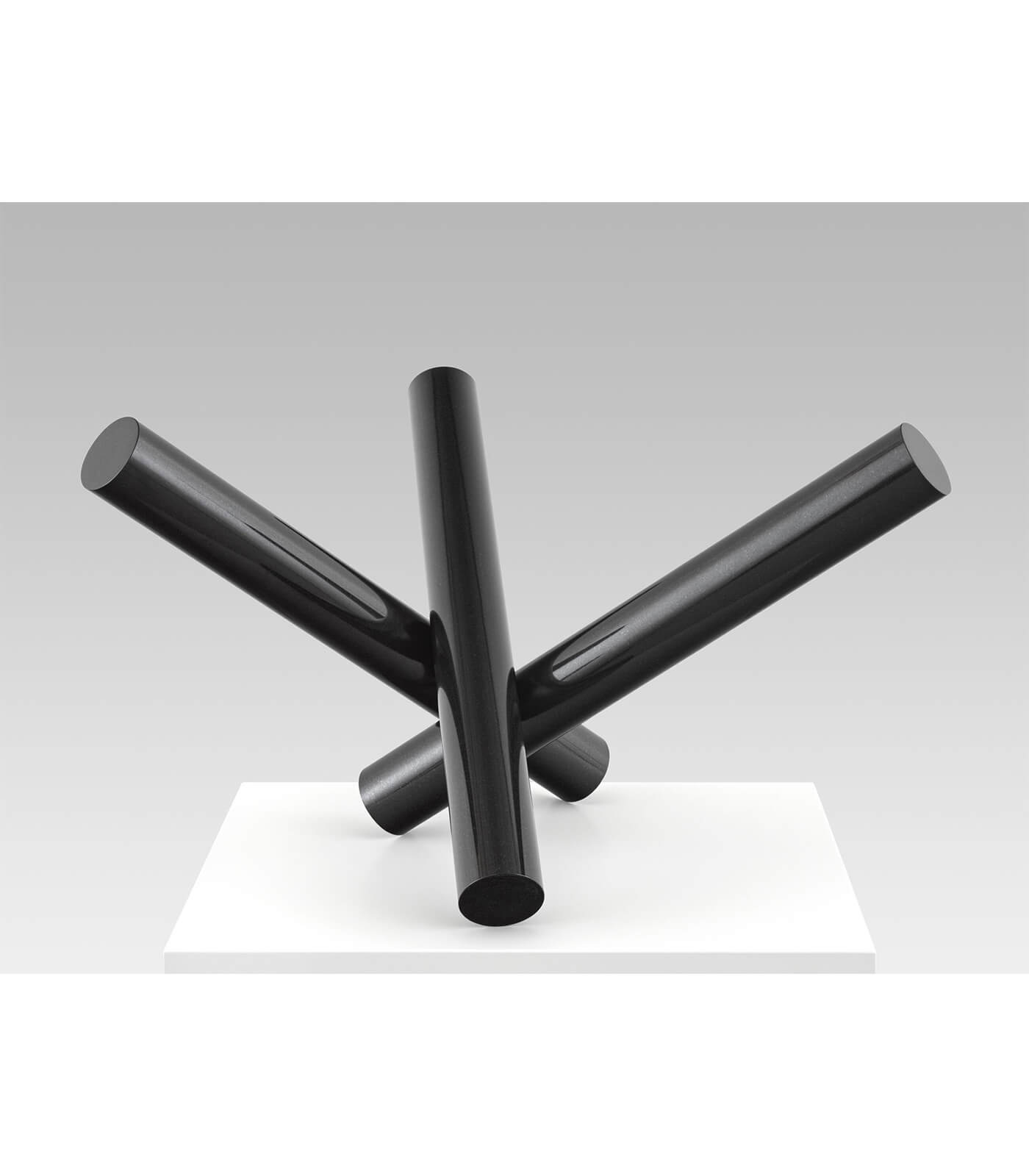
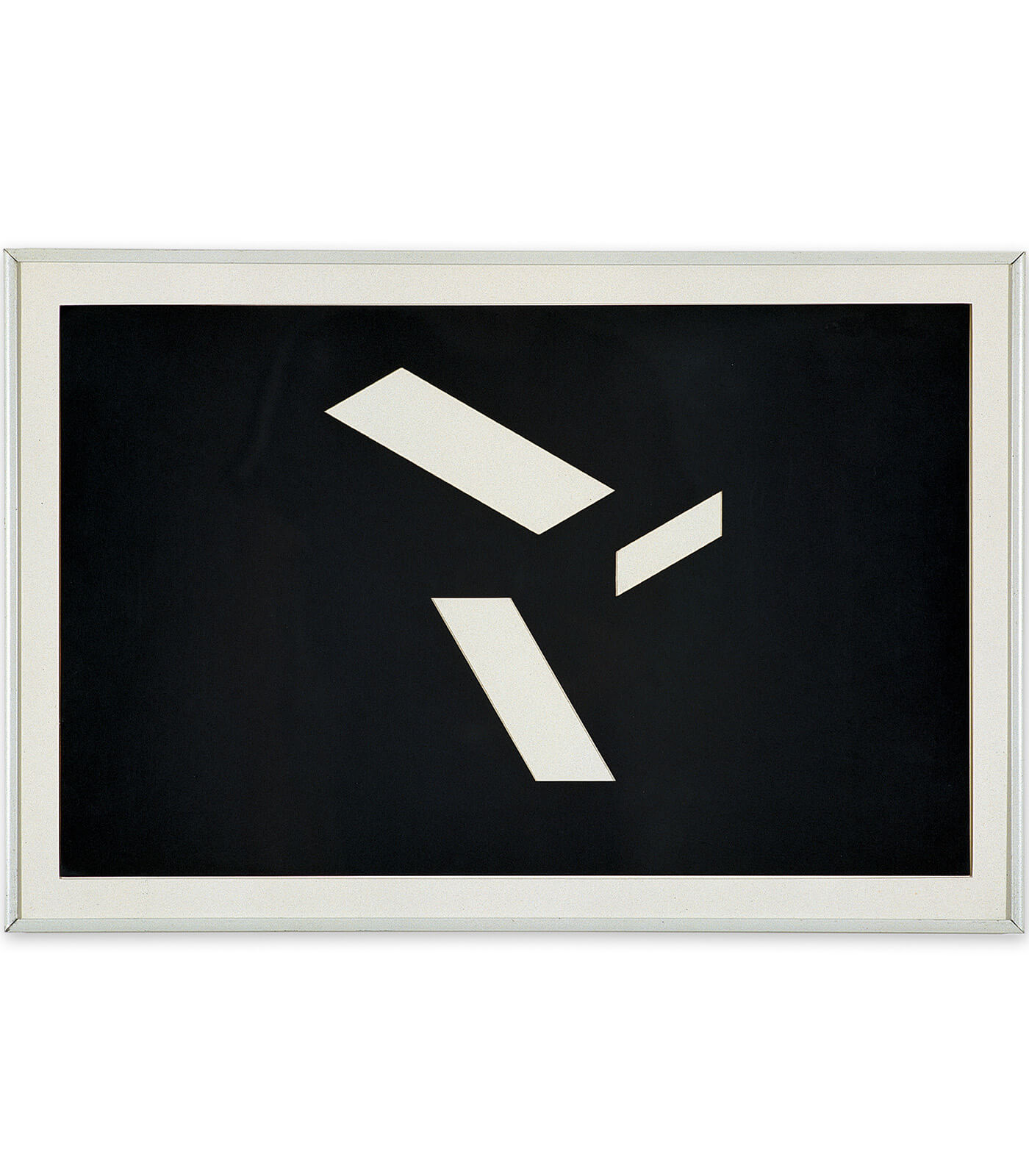
‘crossover’ highlights the lasting achievements of Bill and Vantongerloo through an in-depth selection of paintings and sculptures, some of which are being shown in the United States for the first time since their major American traveling retrospectives in 1974-1975 and 1980-1981, respectively.
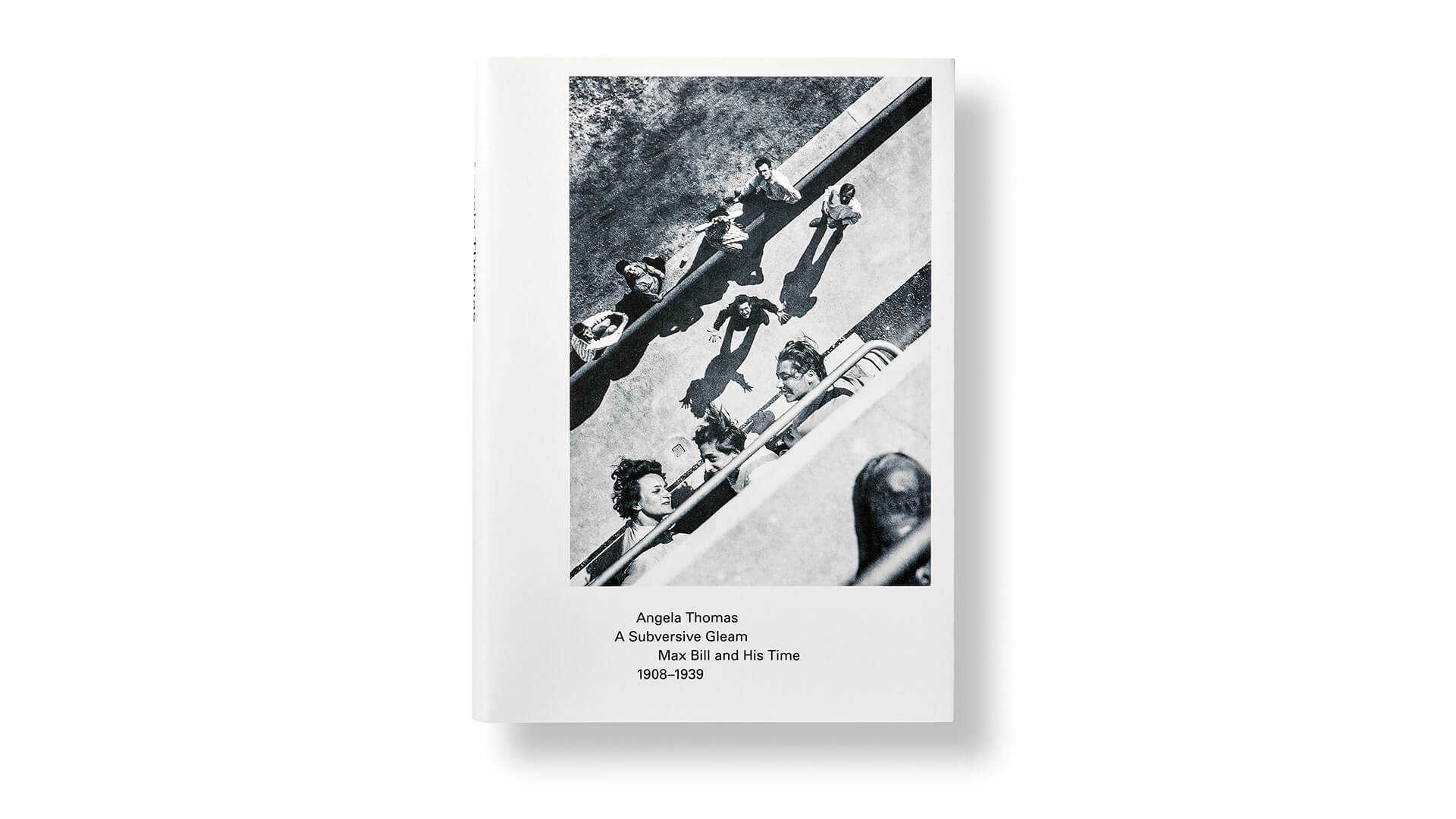
A Subversive Gleam: Max Bill and His Time. 1908–1939
Dr. Angela Thomas, art historian and widow of the artist, retraces Max Bill’s biography, meticulously dissecting the artist’s journey through his exchanges with his family, teachers, and peers–and their individual respective life trajectories.
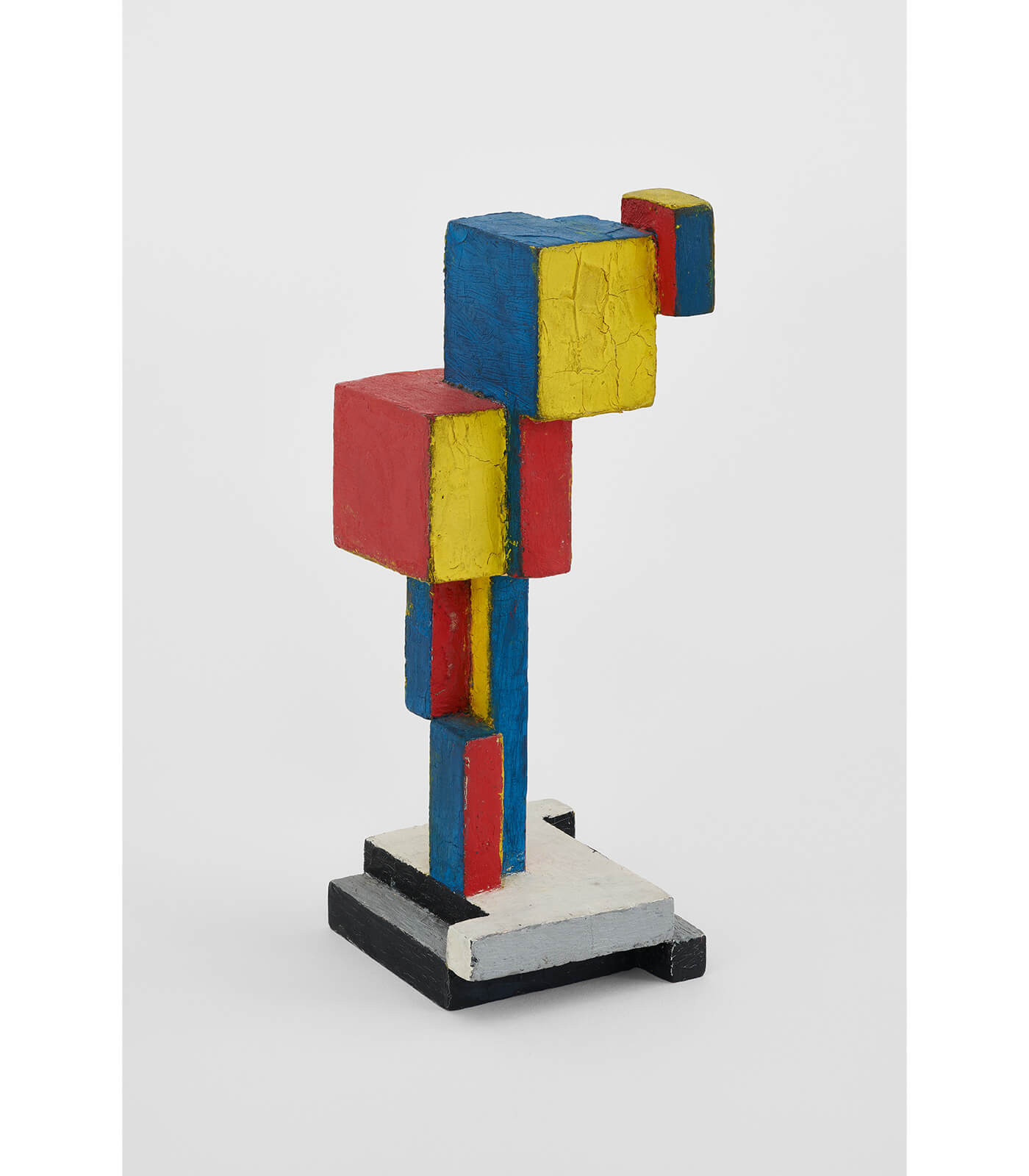
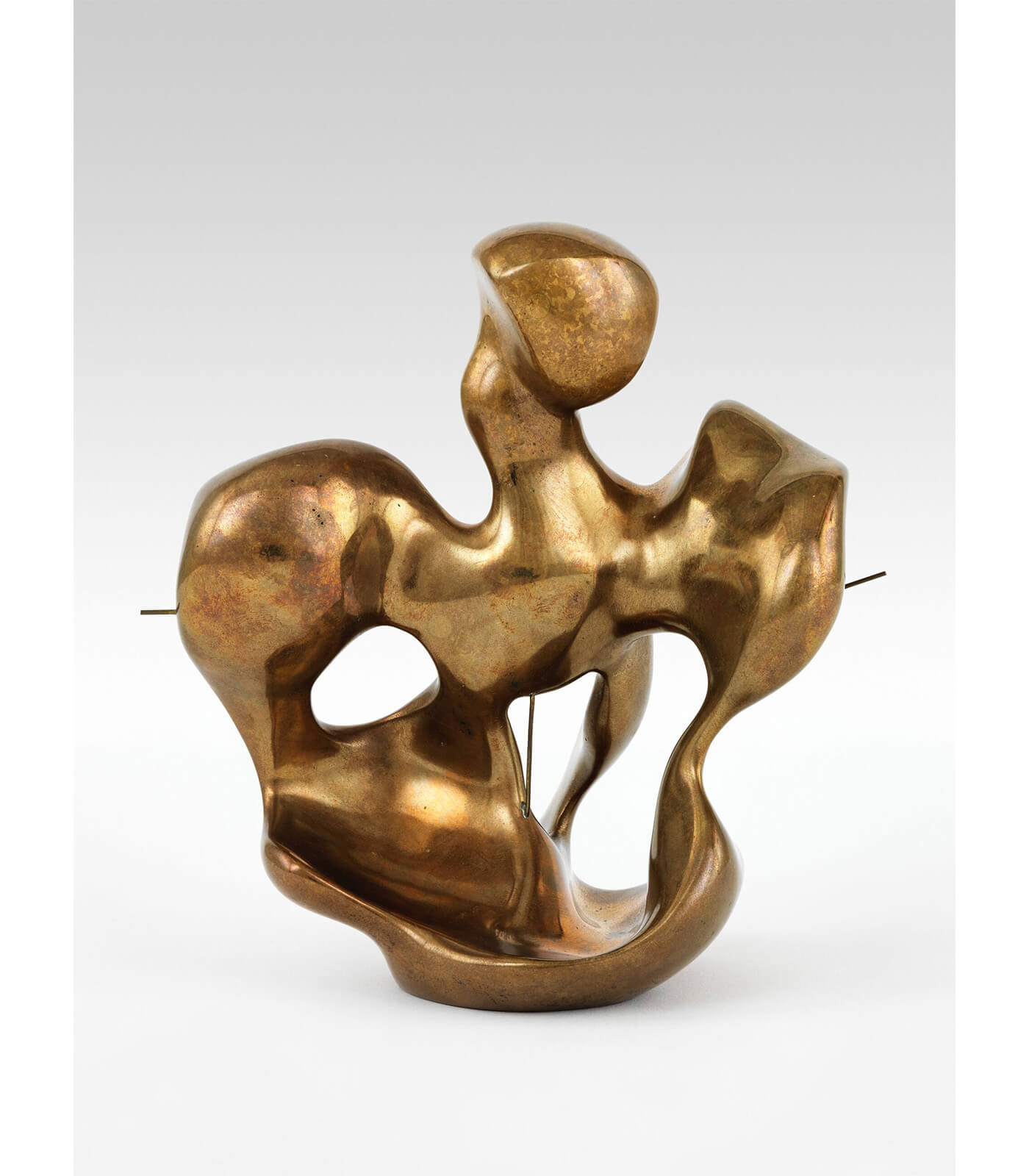
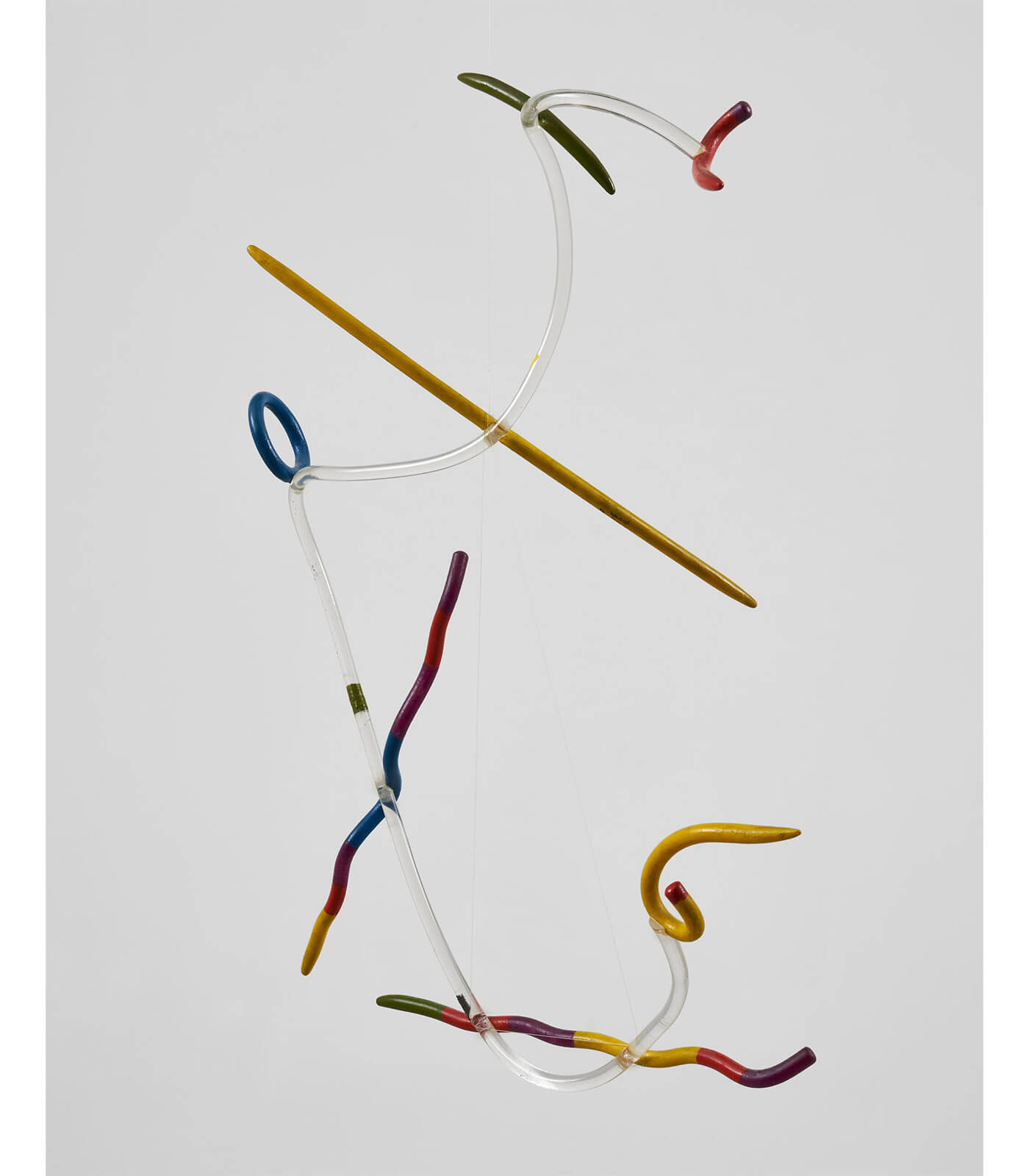
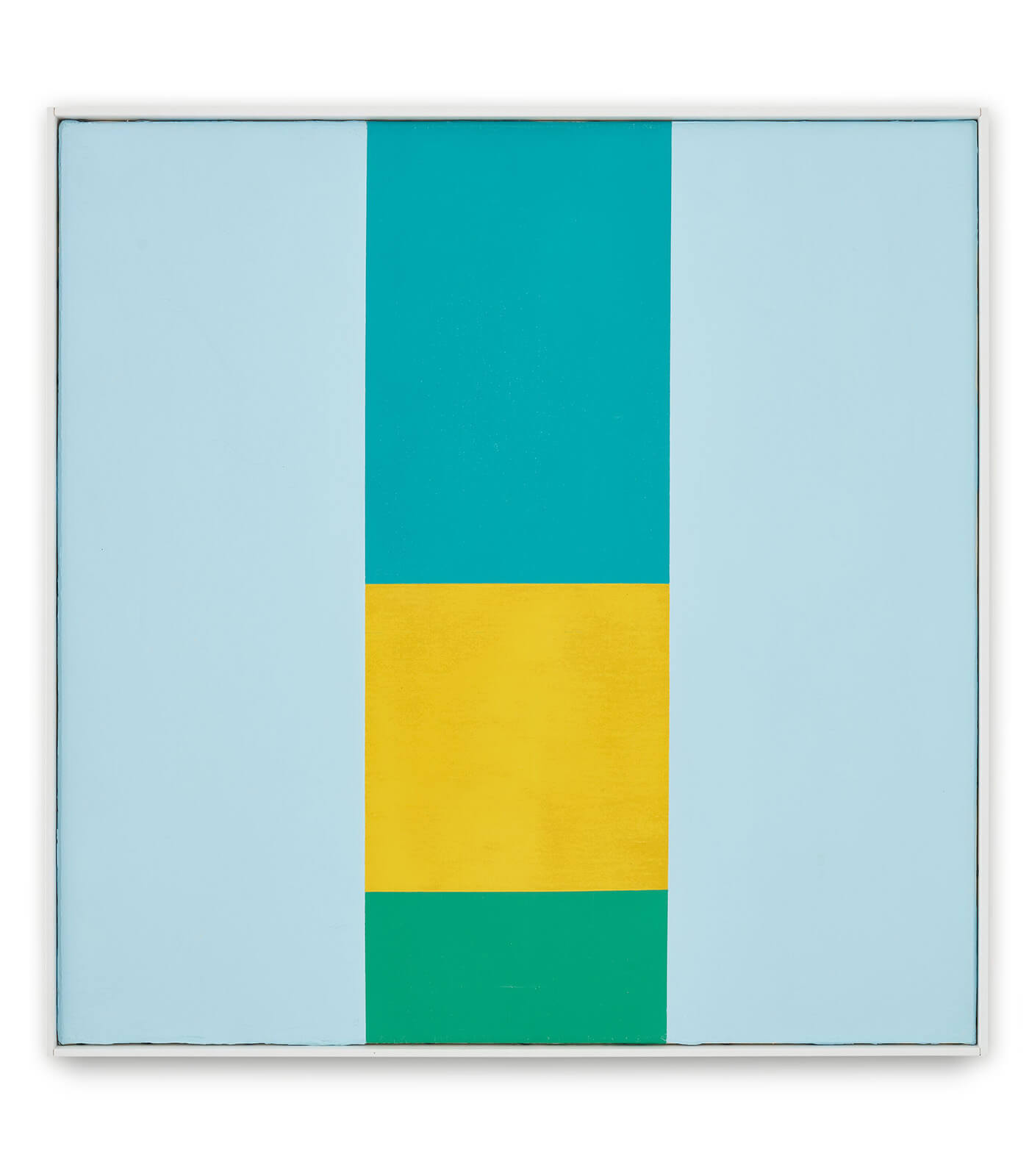
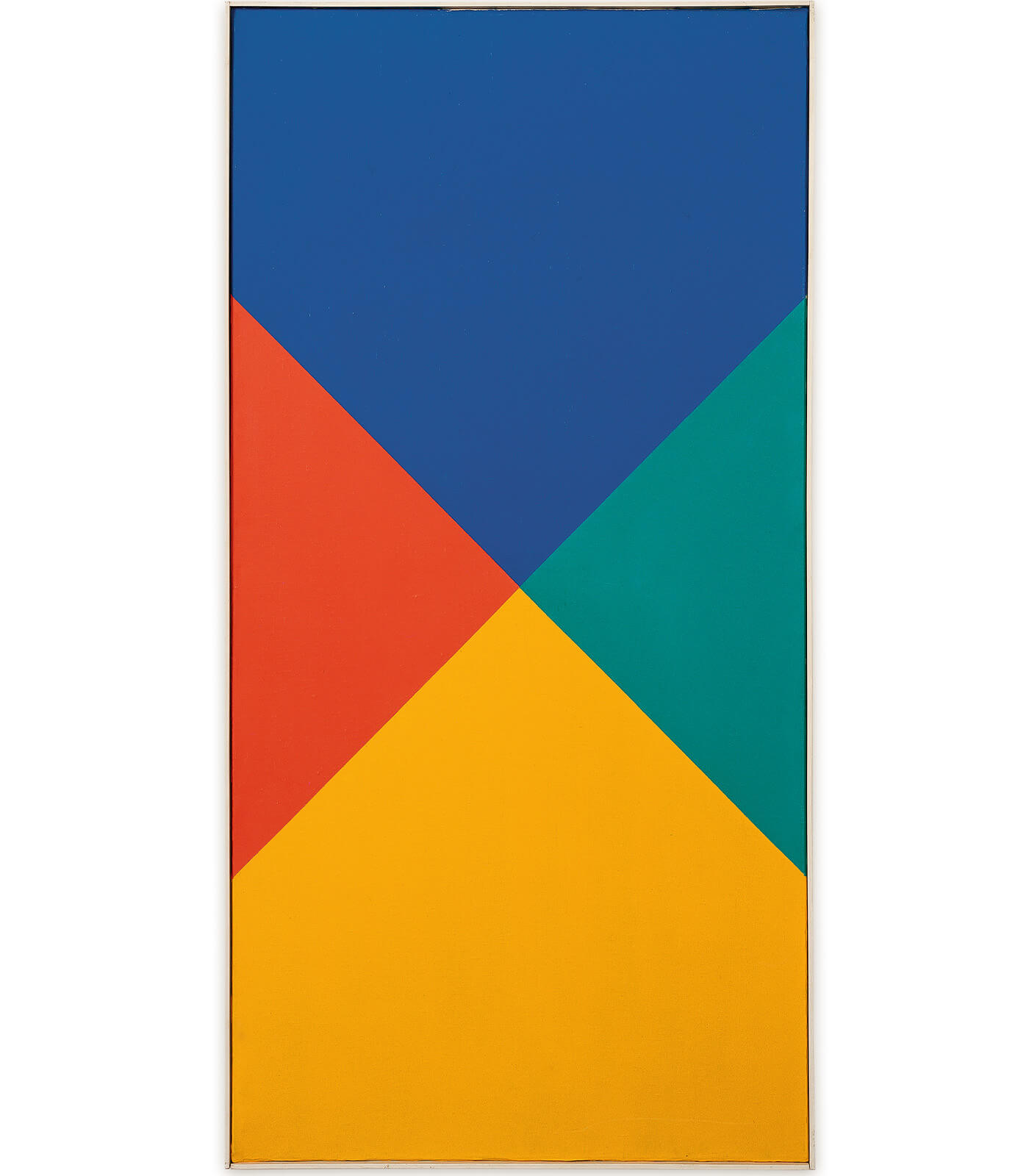
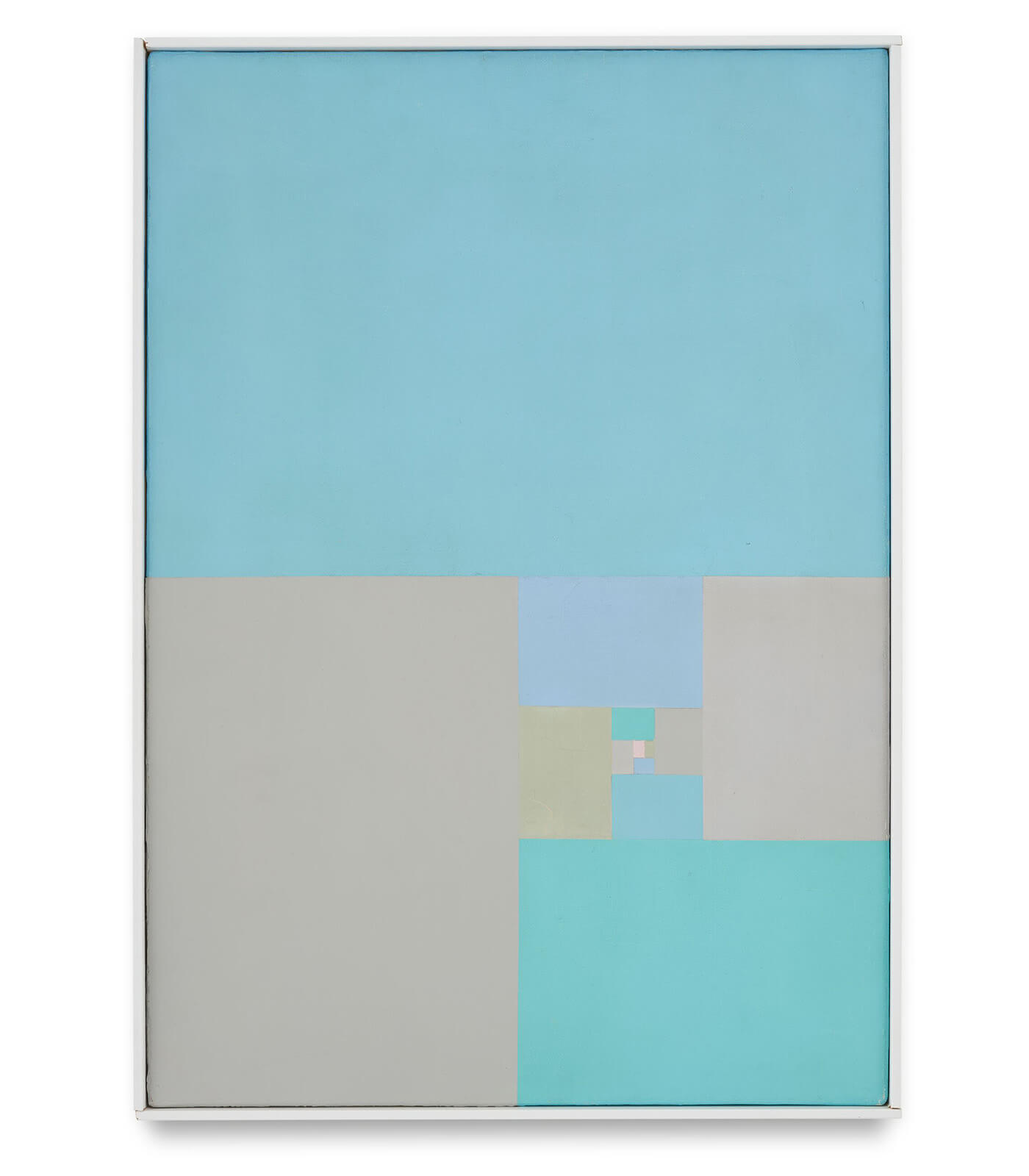
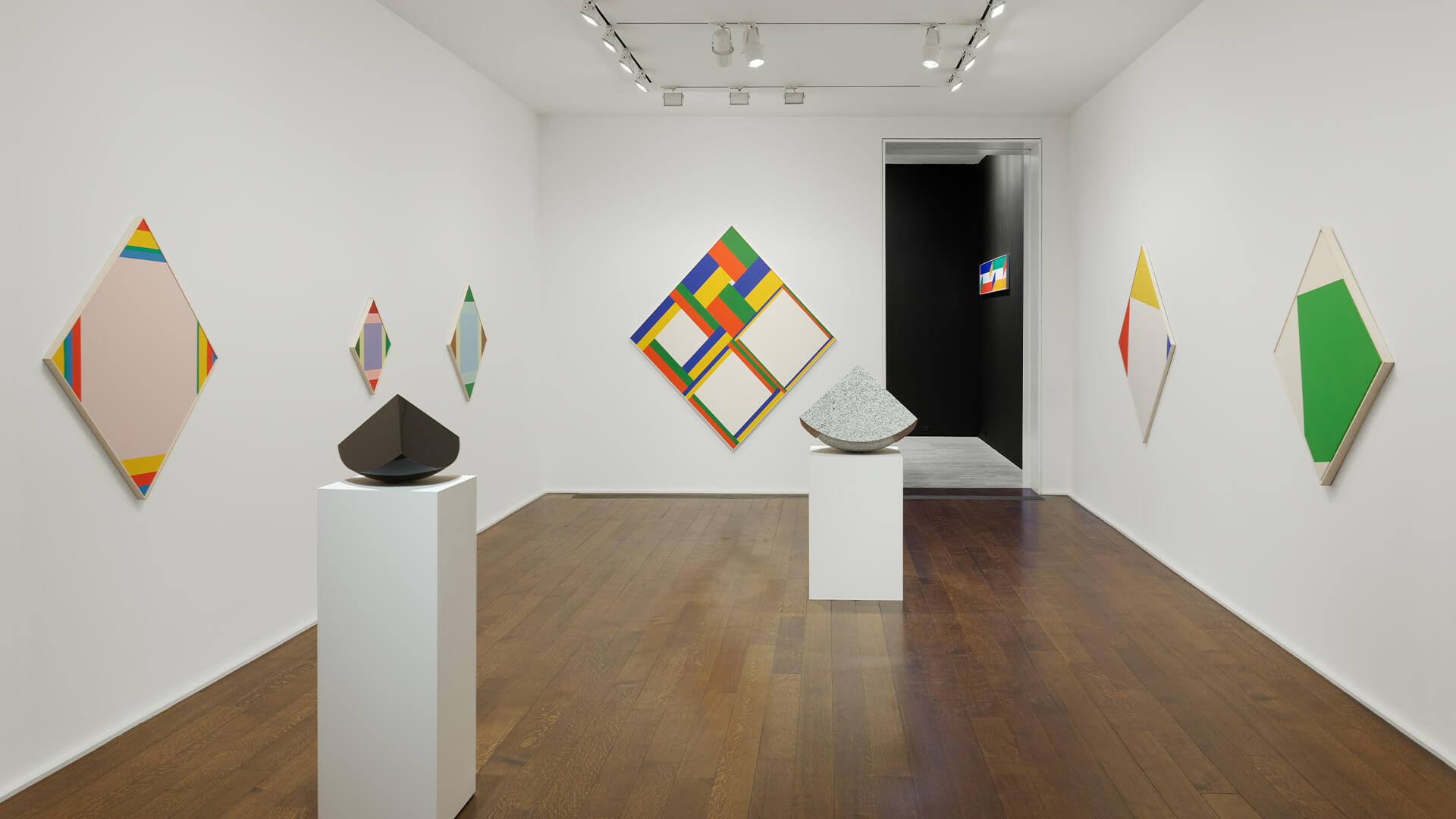
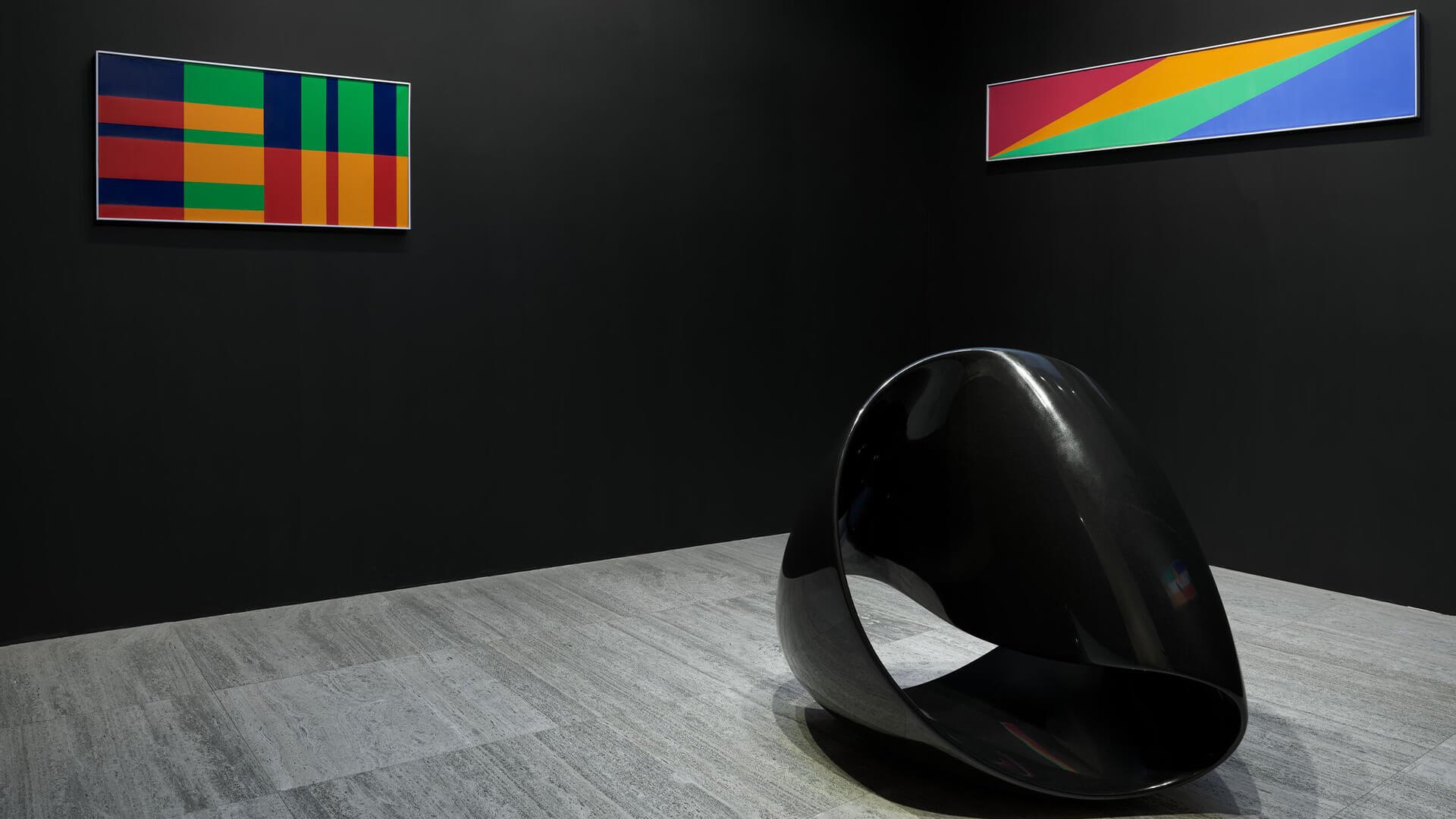
Curated by Dr. Angela Thomas Schmid, President of the max bill georges vantongerloo foundation, the exhibition reveals how the progress of their extraordinary and constantly evolving creative exchange mirrors the artistic breakthroughs that defined the 20th century, particularly in the field of concrete art – which would echo throughout Latin America, in particular Argentina and Brazil, and support the development of many forward-thinking artists including Lidy Prati and her husband Tomás Maldonado, Almir Mavignier, Mary Vieira, Lygia Pape, Lygia Clark and Hélio Oiticica.
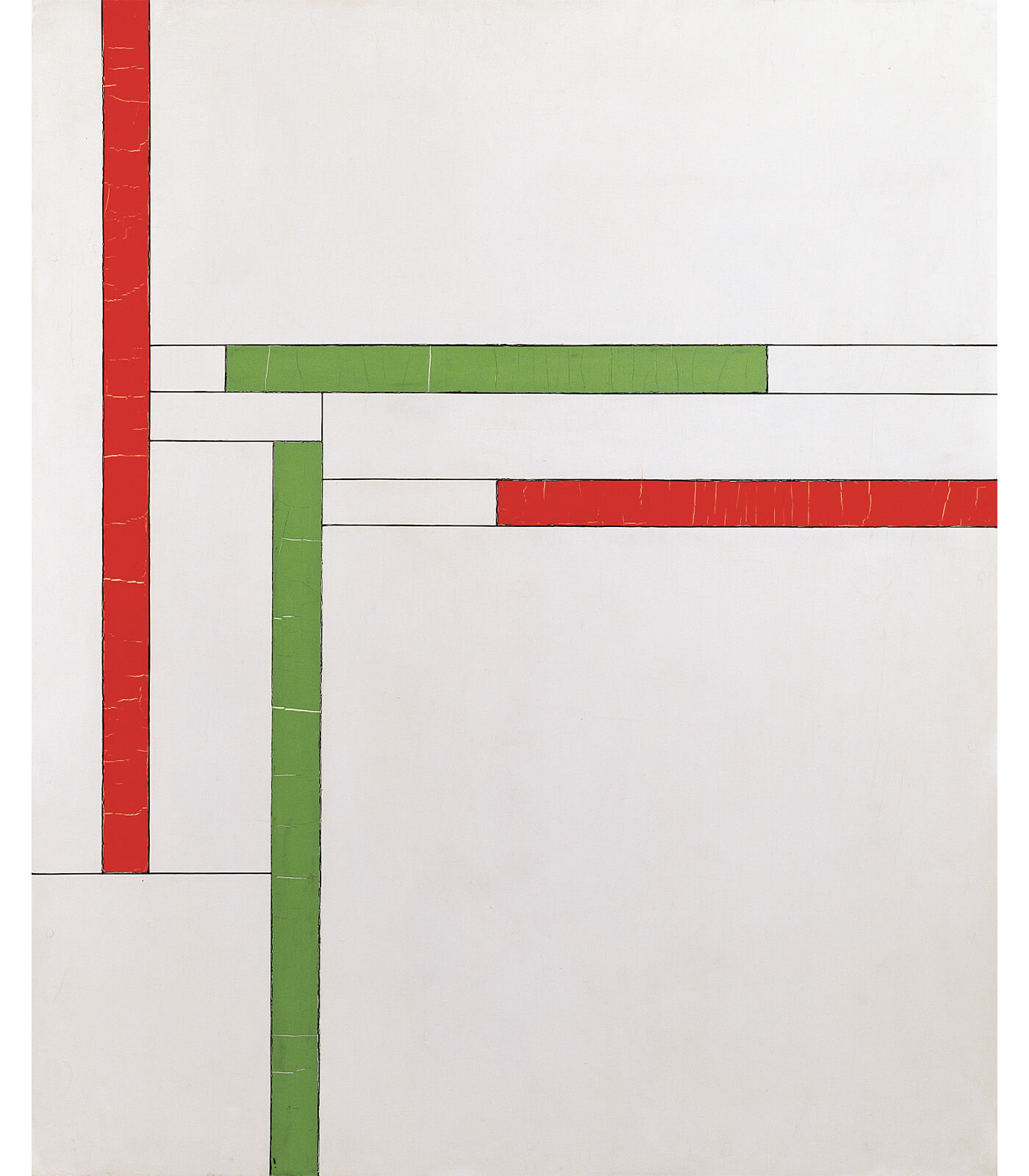
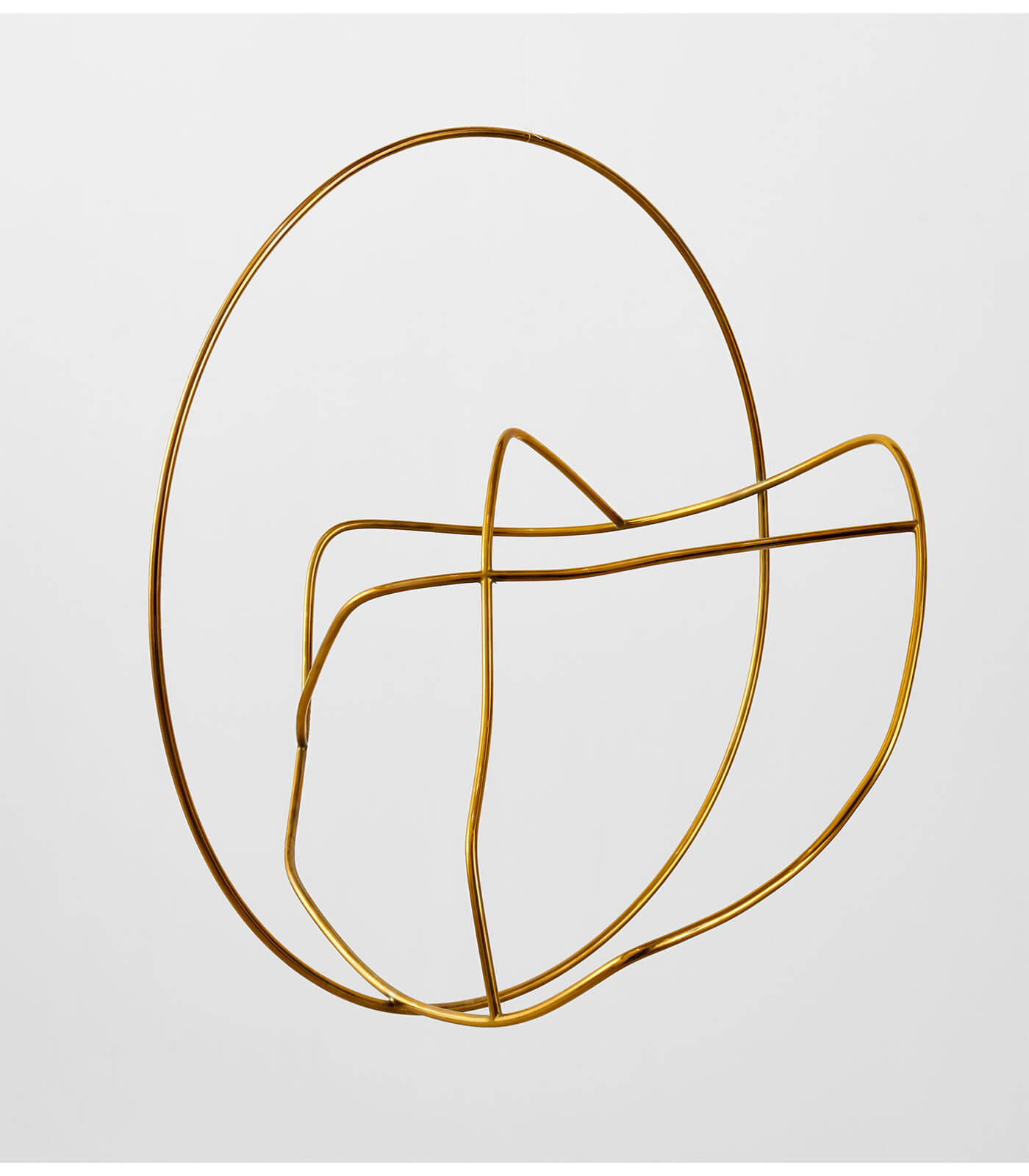
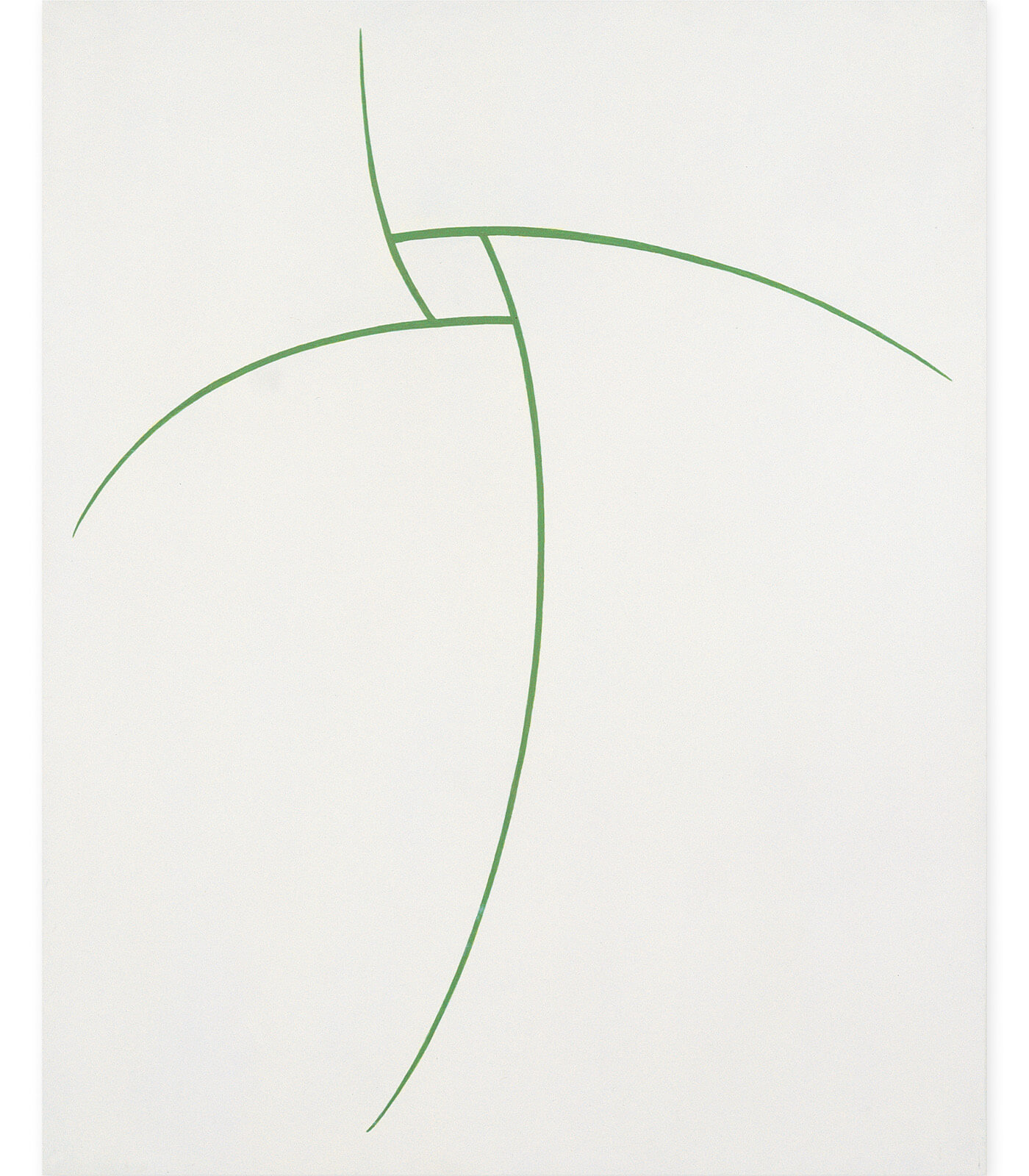
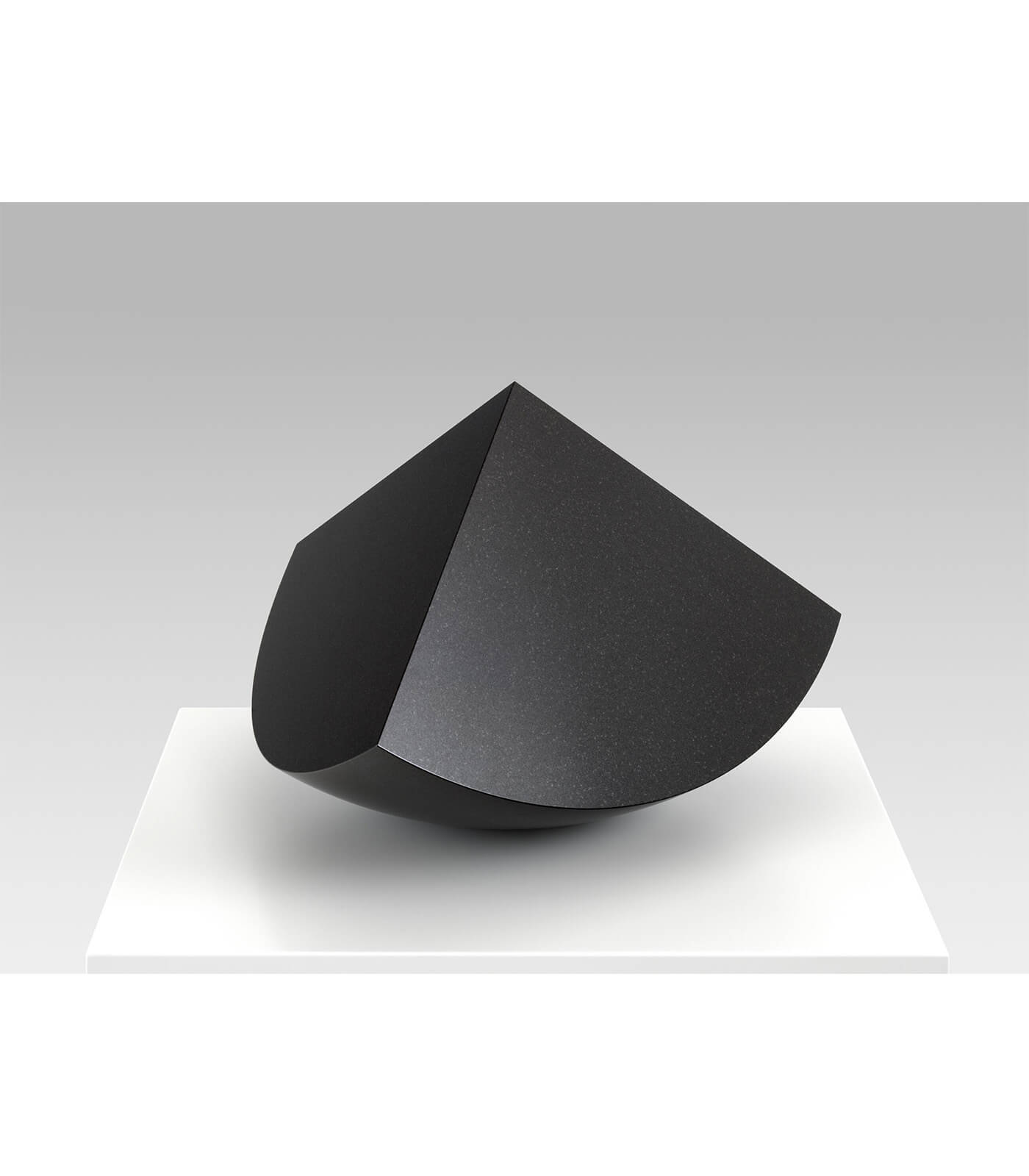
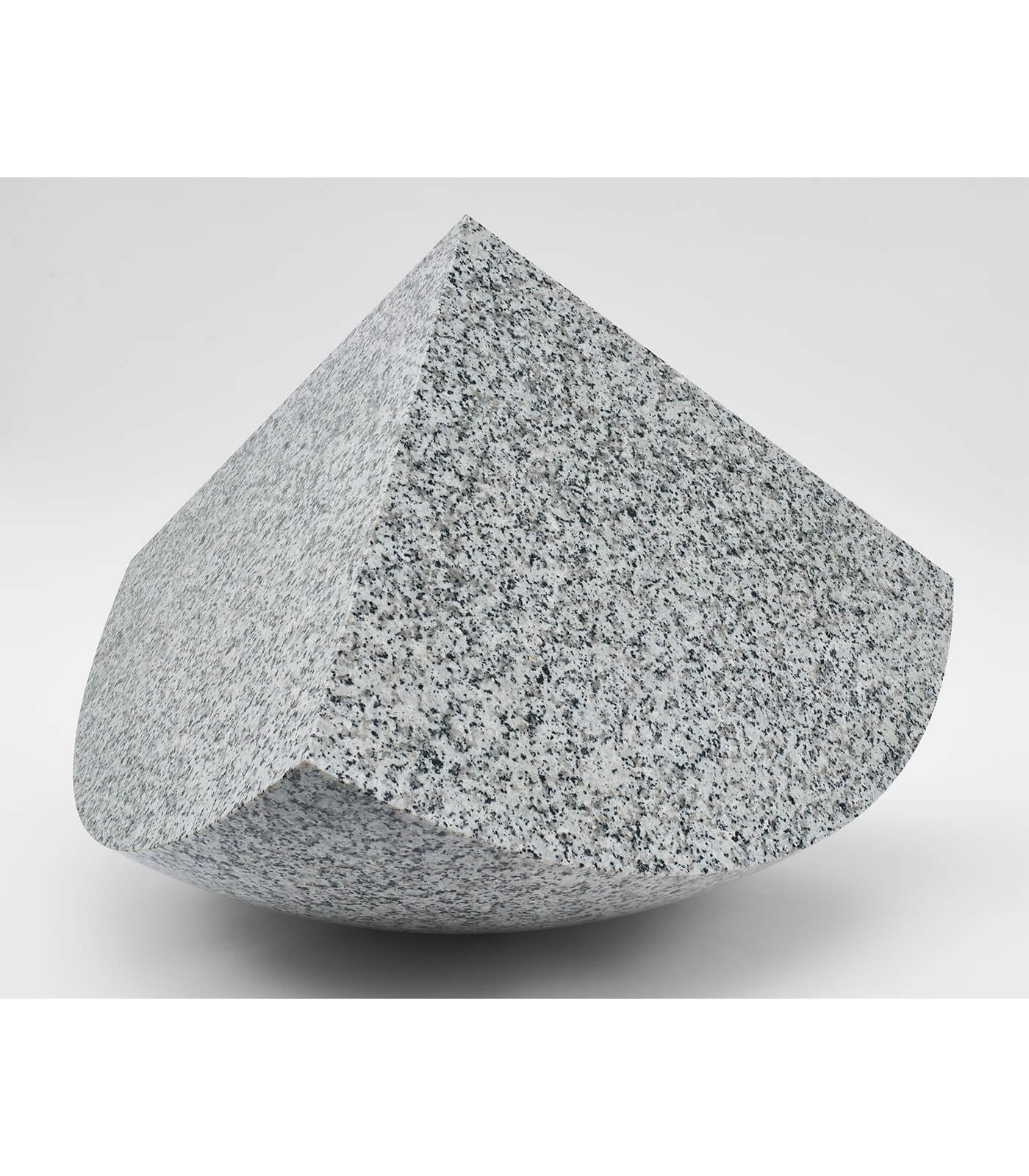
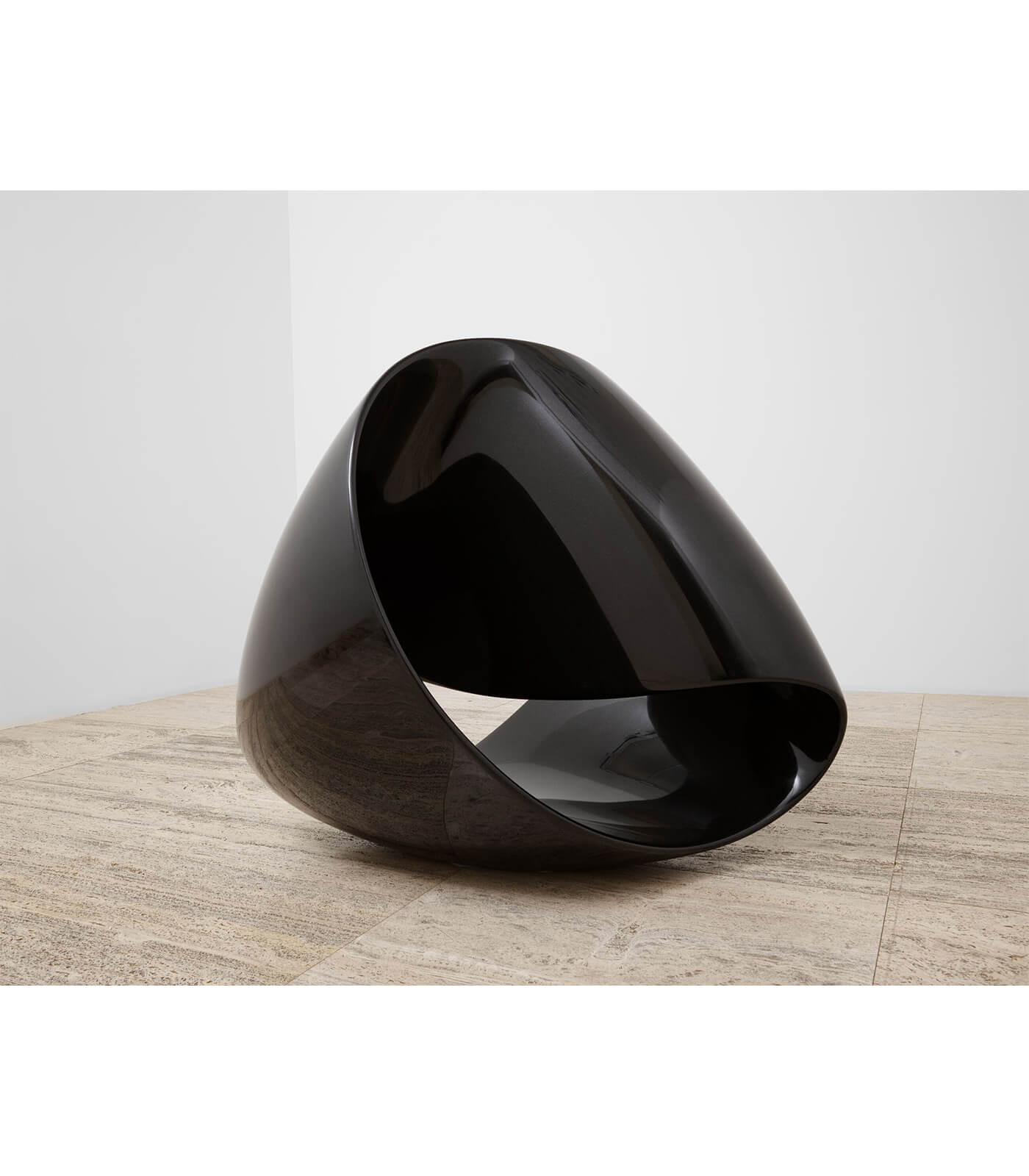
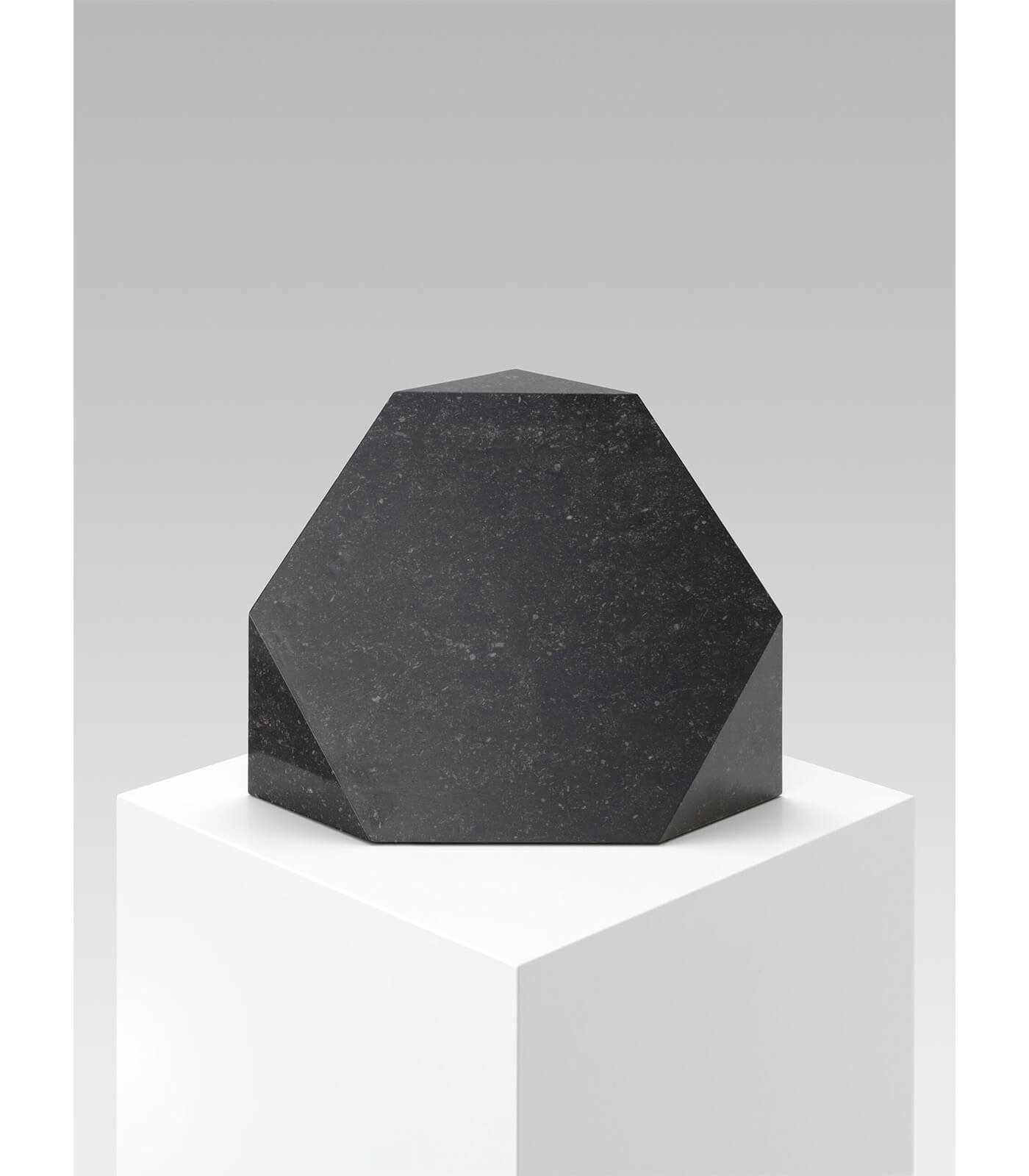
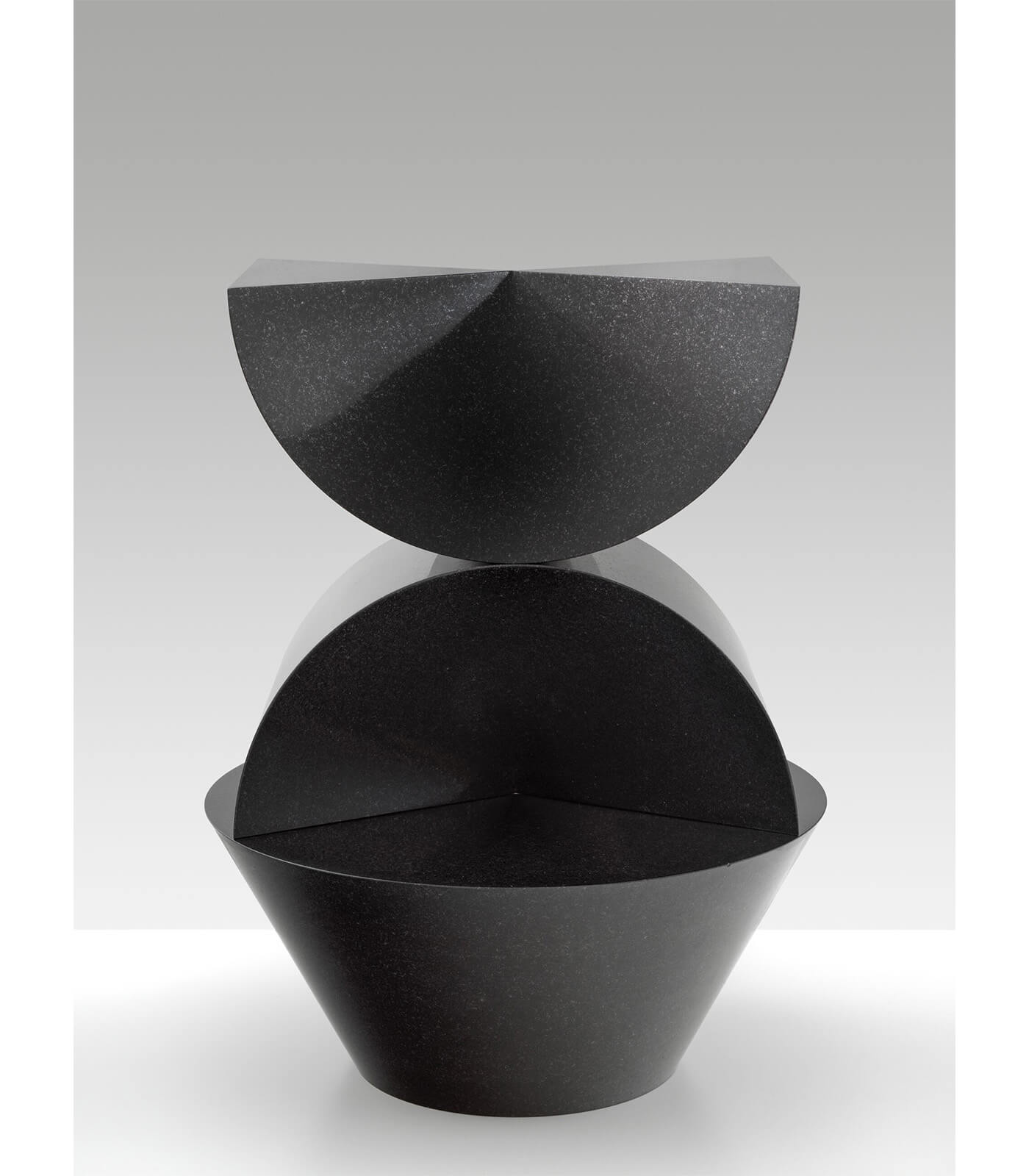
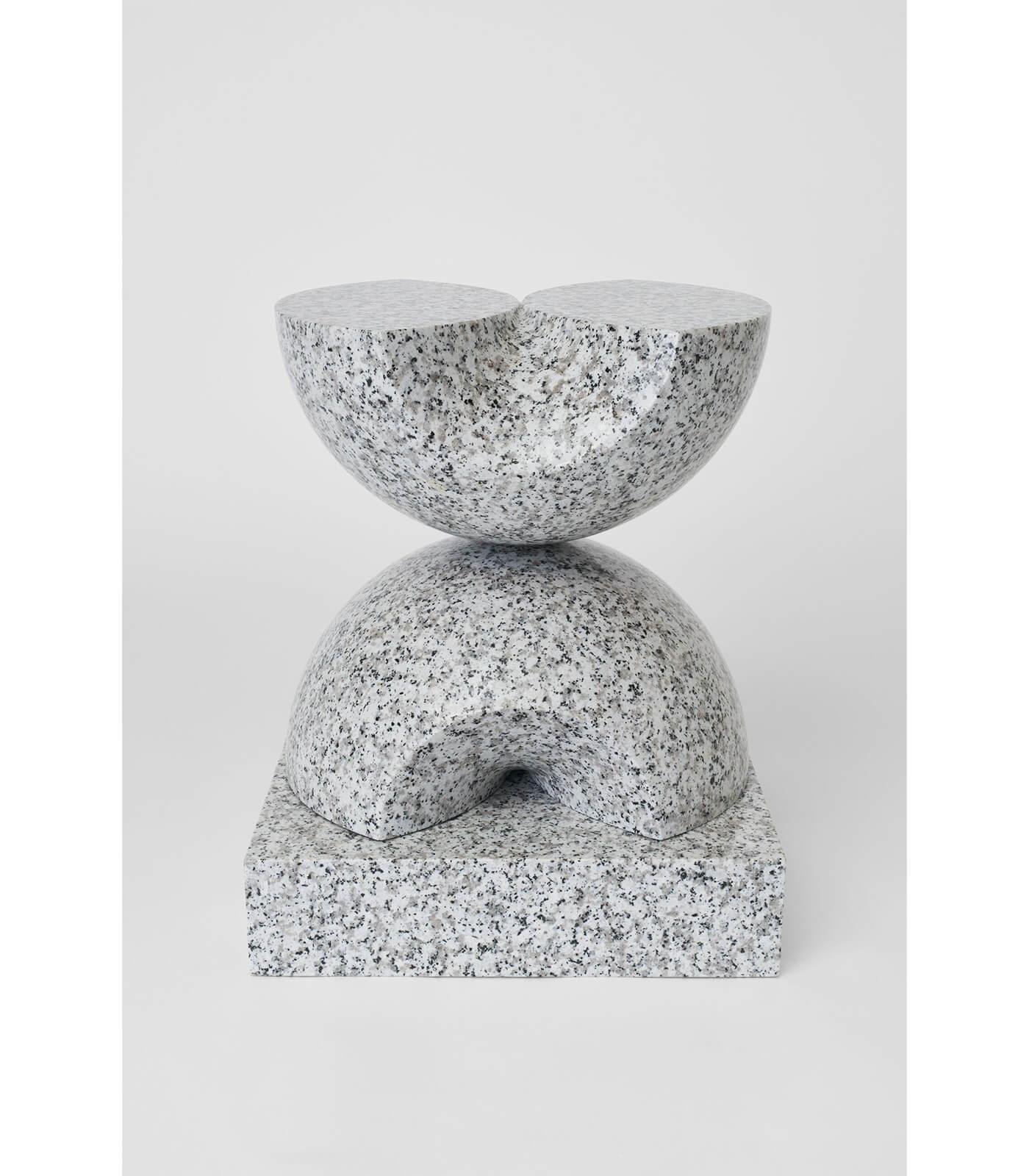
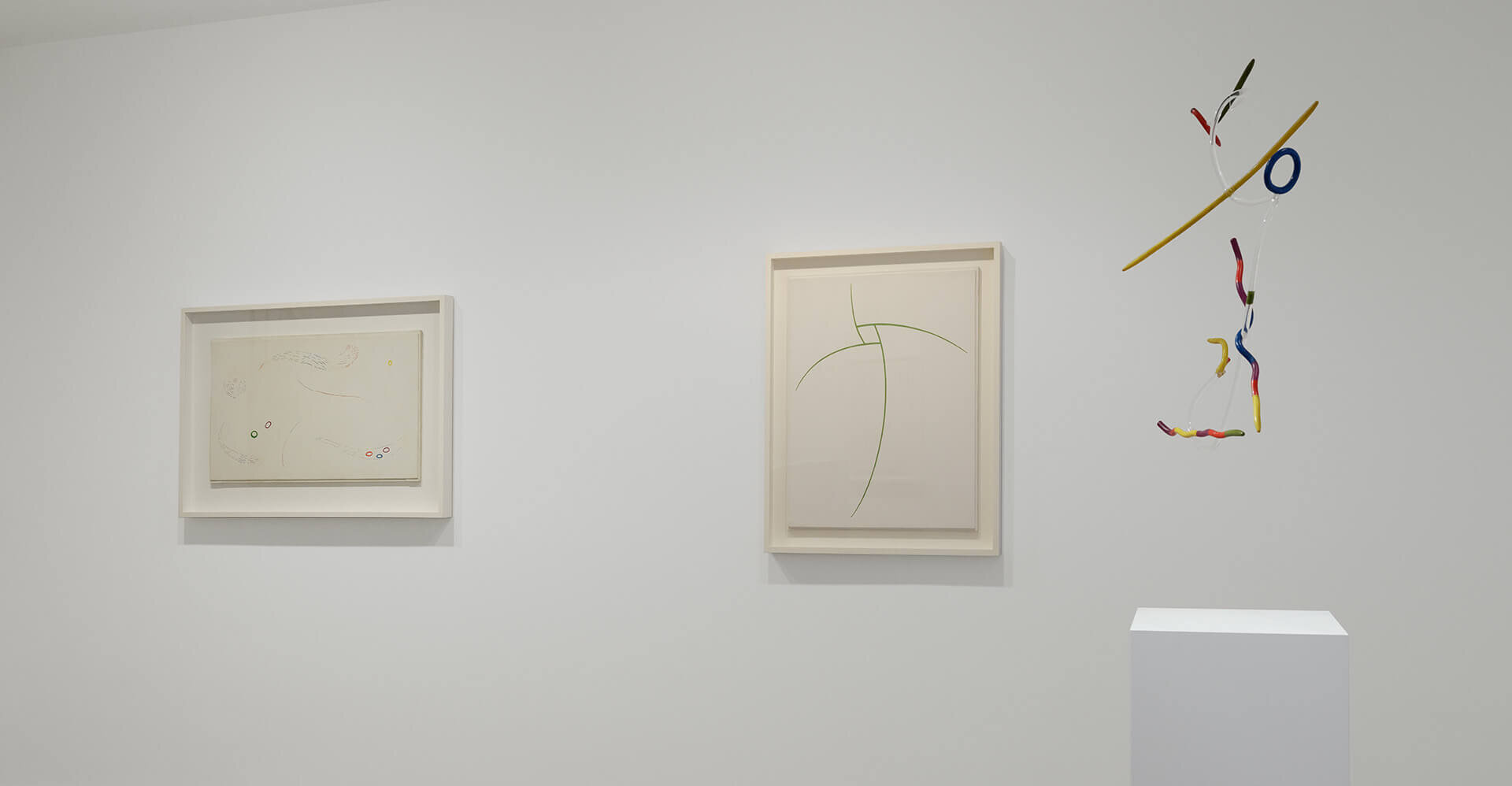
The exhibition’s title not only refers to the artists’ relationship with each other, but also to the prolific and numerous connections and exchanges they had within the American art scene, and their lasting impact on art movements like minimalism.
max bill – the master's vision
This documentary feature film was made by Erich Schmid in 2008 as a tribute to Max Bill on the occasion of the centenary of his birth. Max Bill studied at the Bauhaus in Dessau and was a precursor of concrete art, which served as a blueprint for his investigations in other creative fields such as architecture, typography, and design.
This film is available to view on the third floor of the exhibition at Hauser & Wirth NY 69th street.
Exhibition Guide
Explore the exhibition in greater depth with the essay “Crossover Culture” written by Dr. Angela Thomas, President of the max bill georges vantongerloo foundation, investigating Max Bill’s and Georges Vantongerloo’s connections to the American art scene. This richly illustrated essay spans from the early 1930s to the early 1990s and also includes rare archival images.
On view in New York
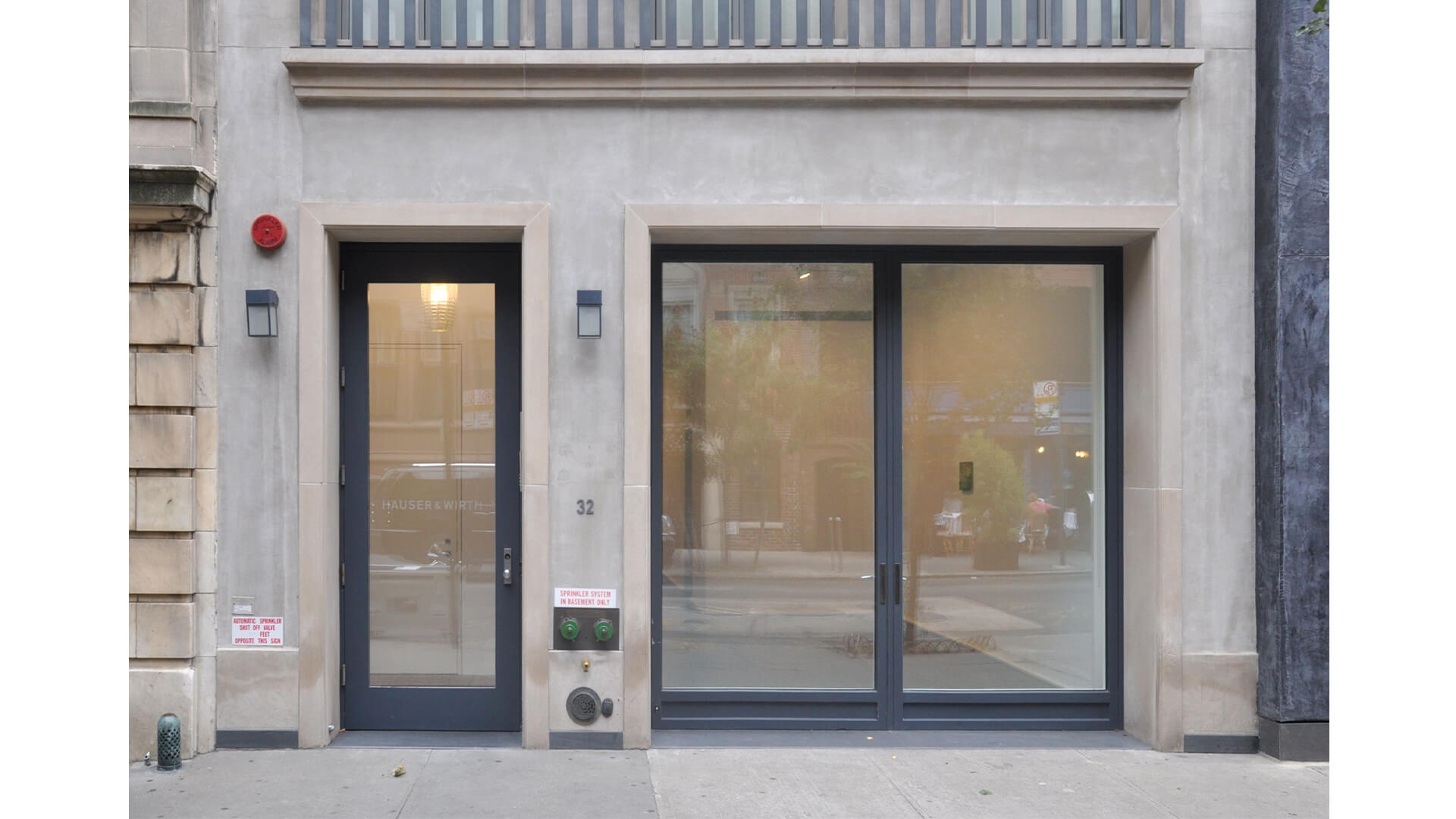
‘max bill & georges vantongerloo. crossover’ is on view now through 26 Mar 2022 at Hauser & Wirth New York, 69th street.
All images: © 2022 ProLitteris, Zurich / Artist Rights Society (ARS), New York
About the Artists
Max Bill
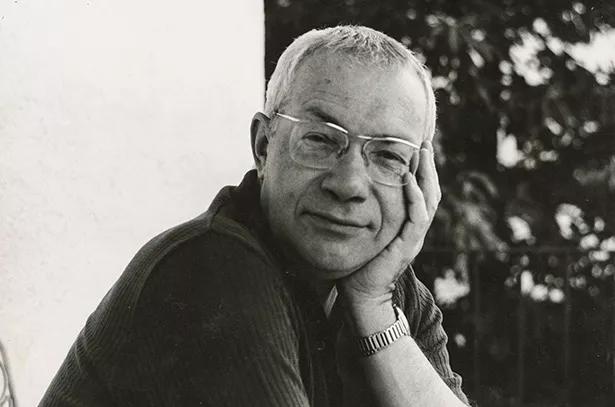
Max Bill was a great Swiss polymath: an artist, architect, industrial designer, graphic designer, and teacher. He attended the Bauhaus where he was taught by Josef Albers, László Moholy-Nagy, Paul Klee, Wassily Kandinsky and Oskar Schlemmer. Bill remained closely associated with the Bauhaus school and was a key figure in developing and propagating its principles, especially through his professorship at the Kunstgewerbeschule Zürich and as a founder of the Ulm School of Design. Through his pursuit of a new visual language that could be understood by the senses alone, Bill defined the conventions of Swiss design for decades to come. His influence spread even as far as South America, where he was a catalyst for the Concrete Art movement.
Bill was born in Winterthur, Switzerland in 1908. Originally studying as a silversmith’s apprentice, he became fascinated with modern architecture upon encountering Le Corbusier’s L’Esprit Nouveau at the Paris Exposition des Arts Décoratifs in 1925. After finding Bauhaus materials in a bookshop in Zurich, Bill applied and was accepted to the Bauhaus school in Dessau, studying under the guidance of such teachers as Wassily Kandinsky and Paul Klee from 1927 to 1928. The tenets of the Bauhaus, including a modern, scientific approach to colour and Constructivist form, would inform his interdisciplinary work in art, architecture, and design for the rest of Bill’s life.
After leaving the Bauhaus, Bill moved to Zurich and began experimenting with and expanding the margins of Constructivism. He would eventually popularize the term Concrete Art (first coined by Theo van Doesburg) to further define his fascination with mathematical and geometric foundations utilized in the creation of objects—whether sculptures, paintings, or functional objects—that he considered the physical manifestations of rationalism. Bill never disregarded the social implications of the work he made; against the backdrop of Nazi Germany and World War II, Bill insisted, ‘if you design something for the public, you must assume social responsibility.’ Bill was a key member in a number of artist groups, including the Allianz group in Zurich and Abstraction-Création in Paris.
Bill executed many public sculptures in Europe and his work was exhibited extensively in galleries and museums during his lifetime, including a retrospective at the Kunsthaus Zürich in 1968 – 69. His first exhibition in the United States was presented at the Staempfli Gallery in New York City in 1963; U.S. solo exhibitions were presented at the Albright-Knox Art Gallery in Buffalo and the Los Angeles County Museum of Art in 1974. In 1993, he received the Praemium Imperiale for sculpture.
Bill is credited with having been helped to inspire Brazil’s the Concrete Art movement with his 1951 retrospective at the São Paulo Museum of Modern Art.
The Max Bill Georges Vantongerloo Stiftung was established by Bill’s widow, the independent curator and scholar Dr. Angela Thomas Schmid, to represent the part of these two artists’ estates entrusted to her care. Despite maintaining entirely distinct artistic practices, artists Max Bill and Georges Vantongerloo were bound together in their desire to forge new developments in the field of twentieth-century abstraction, and by their lifelong friendship. Their close relationship and an extended personal written correspondence—which unfolded over the course of more than three decades—united their independent artistic and intellectual endeavours, and helped each to push the boundaries of his work to the fullest. The progress of this extraordinary creative exchange mirrors the artistic and philosophical breakthroughs that defined the last century.
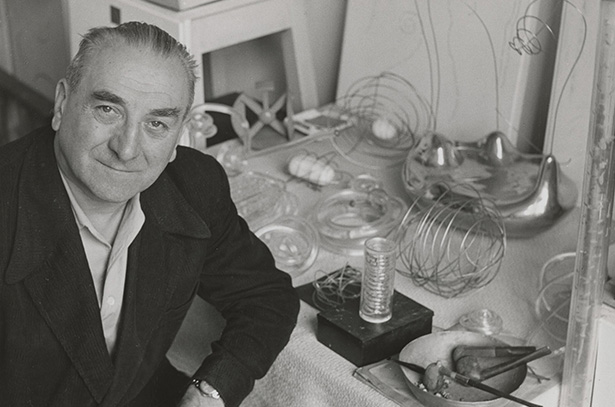
Georges Vantongerloo
Georges Vantongerloo, born in Antwerp, Belgium, was a sculptor, painter, architect, designer and theorist, and a member of De Stijl. While living in Holland and working on architectural designs during the years of World War I, Vantongerloo became part of the circle of Piet Mondrian, Bart van der Leck, and Theo van Doesburg, who founded the magazine ‘De Stijl’ in 1917. In 1924 Vantongerloo published his pamphlet ‘L’Art et son avenir’ and in 1931 joined the Abstraction-Création group, which counted among its members Piet Mondrian, Barbara Hepworth, Robert and Sonia Delaunay, Hans Arp and Sophie Taeuber-Arp, Wassily Kandinsky, Josef Alberts, László Moholy-Nagy and Max Bill. From the end of the 1930s onward, Vantongerloo distanced himself from the straight line in favour of the curved line, producing influential work characterized by greater lyrical compositions and plays of transparency, color, and light.
Georges Vantongerloo was born in Antwerp, Belgium in 1886. A member of the association Abstraction-Création, he studied at the Académie Royale des Beaux-Arts and Brussels until the first World War. One of the 900,000 refugees who fled Belgium in 1914, Vantongerloo produced early figurative paintings and sculptures in Holland, but faced personal and political turmoil during these early years. This turbulent period of Vantongerloo’s life in exile would leave a lasting impression on his life and work.
In 1918, Vantongerloo became a co-signor of the De Stijl manifesto and a contributor to the movement’s publication De Stijl, along with a principal group of artists including Theo van Doesburg, Piet Mondrian, and Vilmos Huszár. In the following years, Vantongerloo would come to define his practice through the use of mathematical equations, science, and ethics. He theorized an equation, ‘volume + void = space,’ and began experimenting with abstract linear and geometric works which gave form to his series of works Construction in a Sphere. As his practice developed through the 1920s, Vantongerloo became more invested in scientific-like methods and research; he gave mathematical titles to his works, employed Cartesian analytical geometry, and used parabolic and hyperbolic functions to invent complex shapes and forms, realized in a multifaceted oeuvre of paintings, sculptures, and architectural designs.
After moving to Paris from Menton, France, Vantongerloo joined Abstraction-Création in 1931; he served as vice-president of the artists’ association until 1937, organizing frequent exhibitions and producing annual booklets with contributions from an international group of artists. His models of bridges and a proposed airport were exhibited at the Musée des Arts Décoratifs in Paris in 1930. In 1936 he participated in the exhibition Cubism and Abstract Art at the Museum of Modern Art in New York. His first solo show was held at the Galerie de Berri in Paris in 1943, in an act of resistance to Nazi occupation.
The Max Bill Georges Vantongerloo Stiftung was established by Bill’s widow, the independent curator and scholar Dr. Angela Thomas Schmid, to represent the part of these two artists’ estates entrusted to her care. Despite maintaining entirely distinct artistic practices, artists Max Bill and Georges Vantongerloo were bound together in their desire to forge new developments in the field of twentieth-century abstraction, and by their lifelong friendship. Their close relationship and an extended personal written correspondence—which unfolded over the course of more than three decades—united their independent artistic and intellectual endeavours, and helped each to push the boundaries of his work to the fullest. The progress of this extraordinary creative exchange mirrors the artistic and philosophical breakthroughs that defined the last century.
Inquire about available works
‘max bill & georges vantongerloo. crossover’ is on view now through 26 March 2022 at Hauser & Wirth New York, 69th street.
Current Exhibitions


1 / 12