

Arshile Gorky
Horizon West
21 February – 25 April 2026
West Hollywood
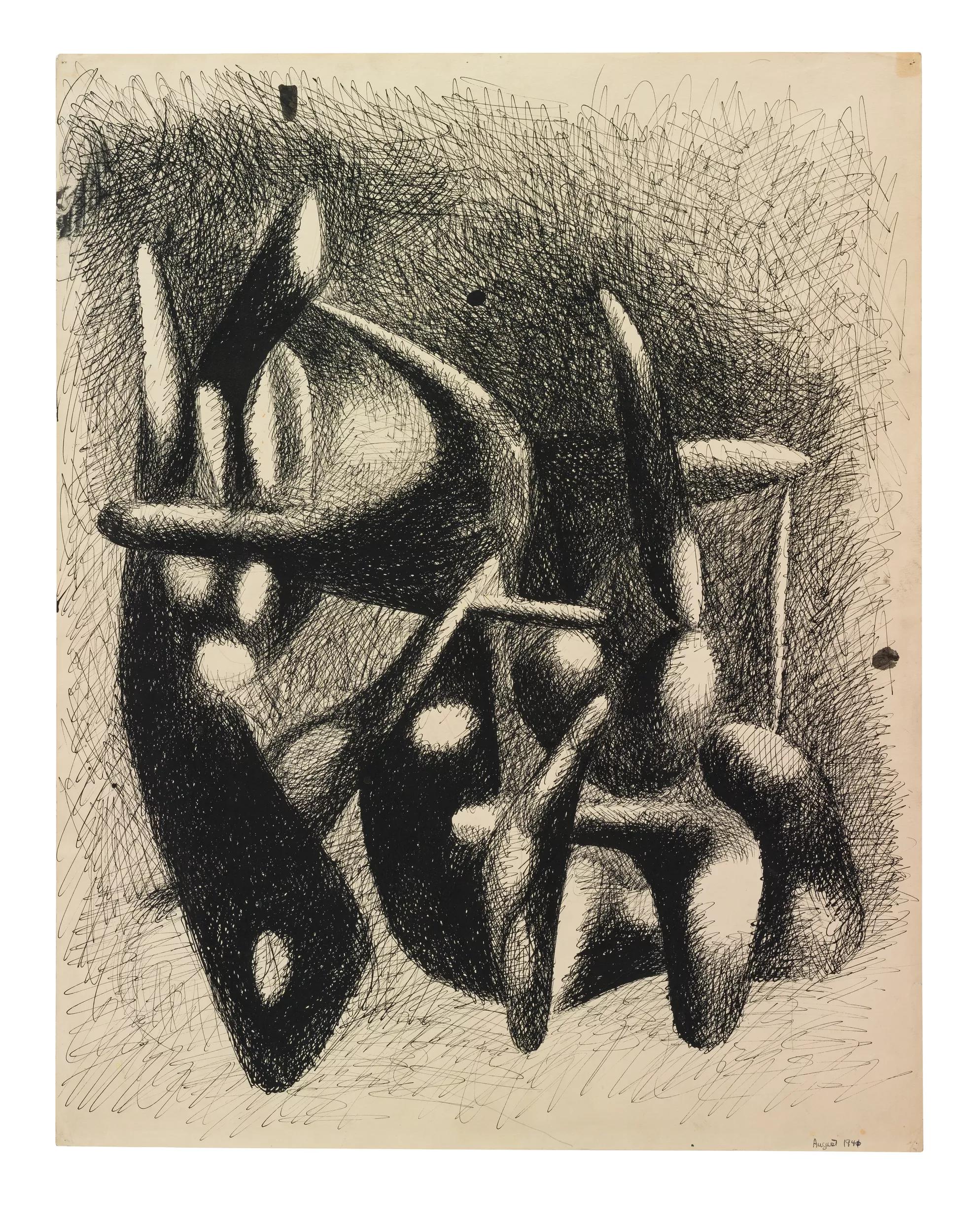
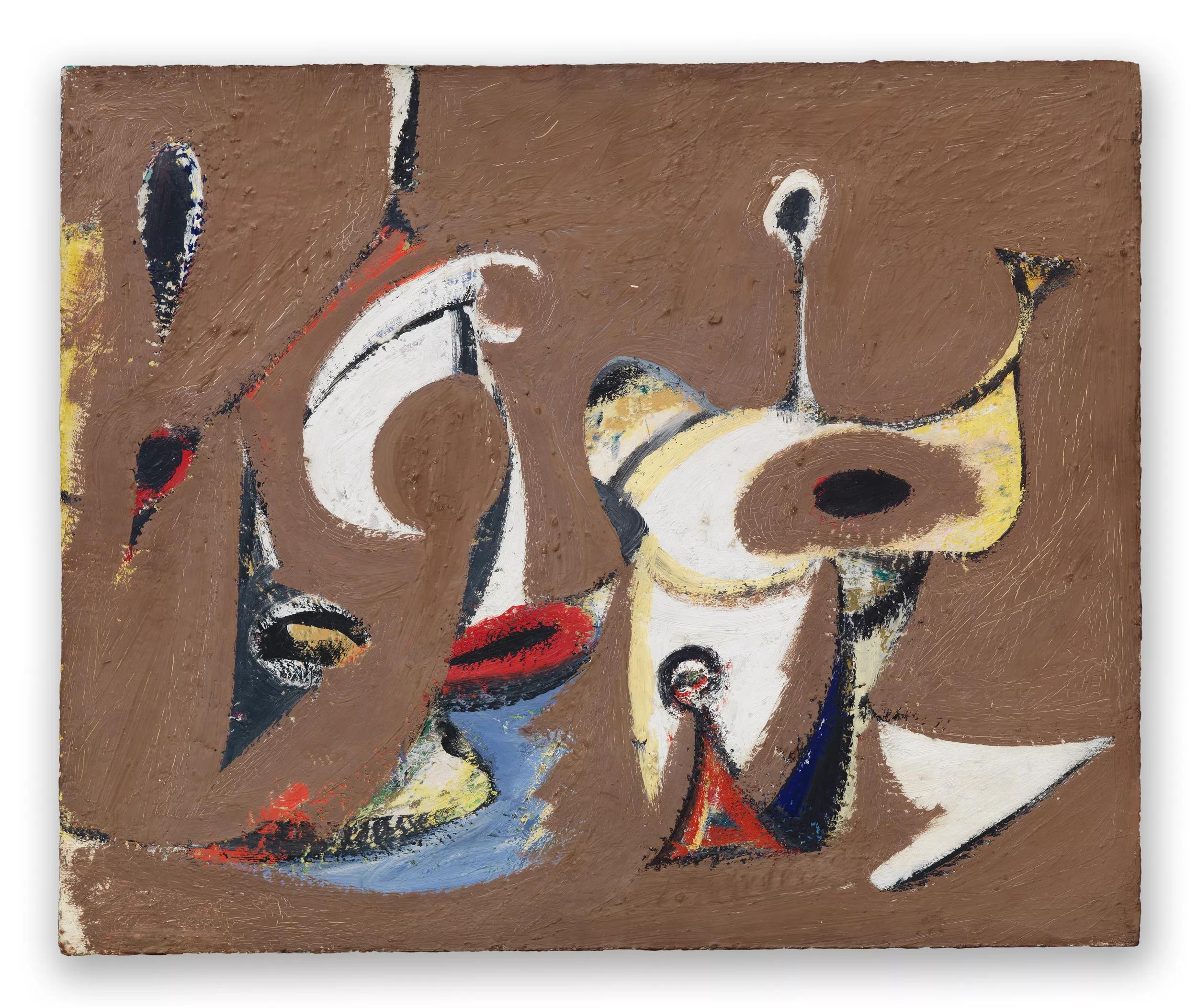
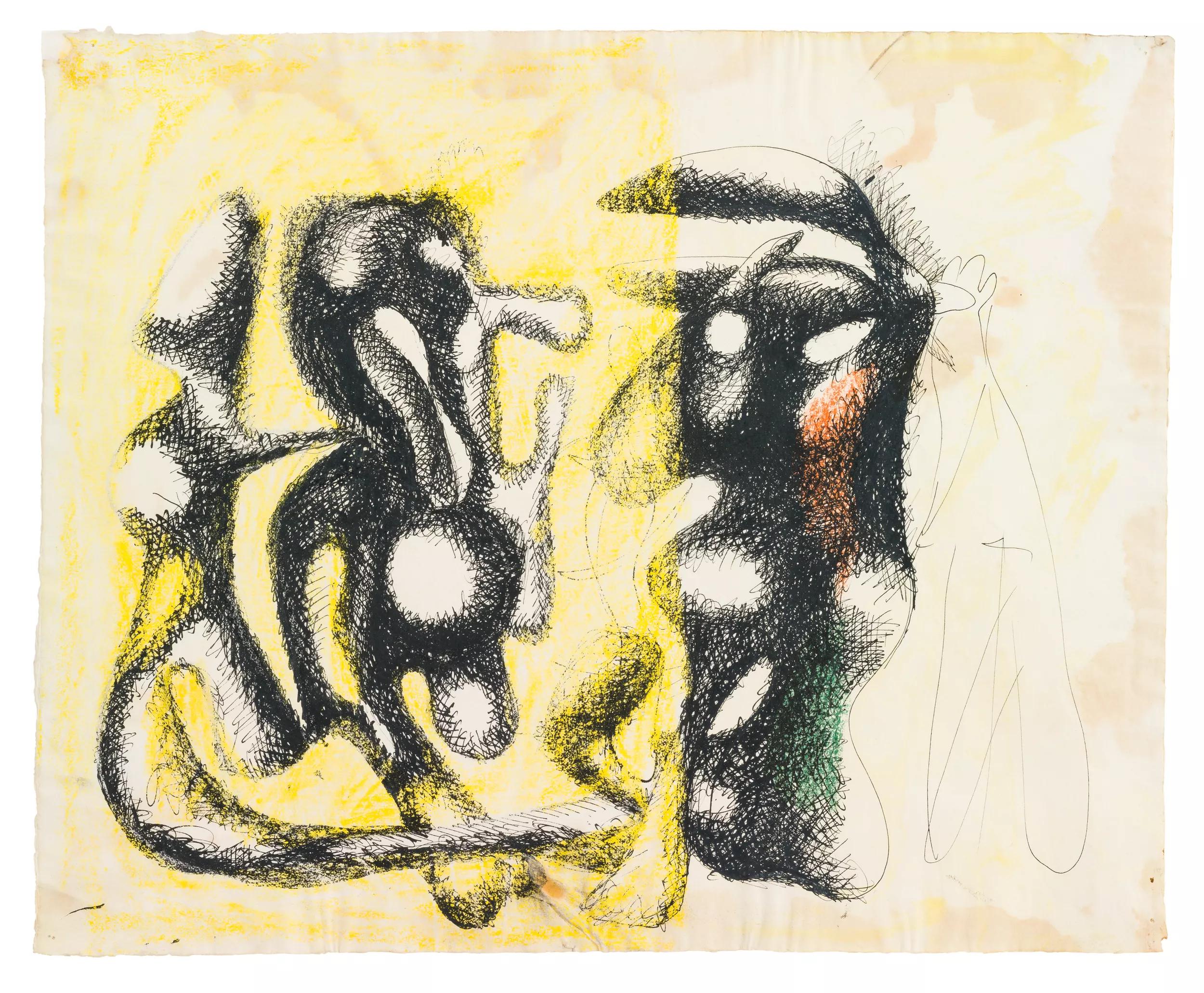
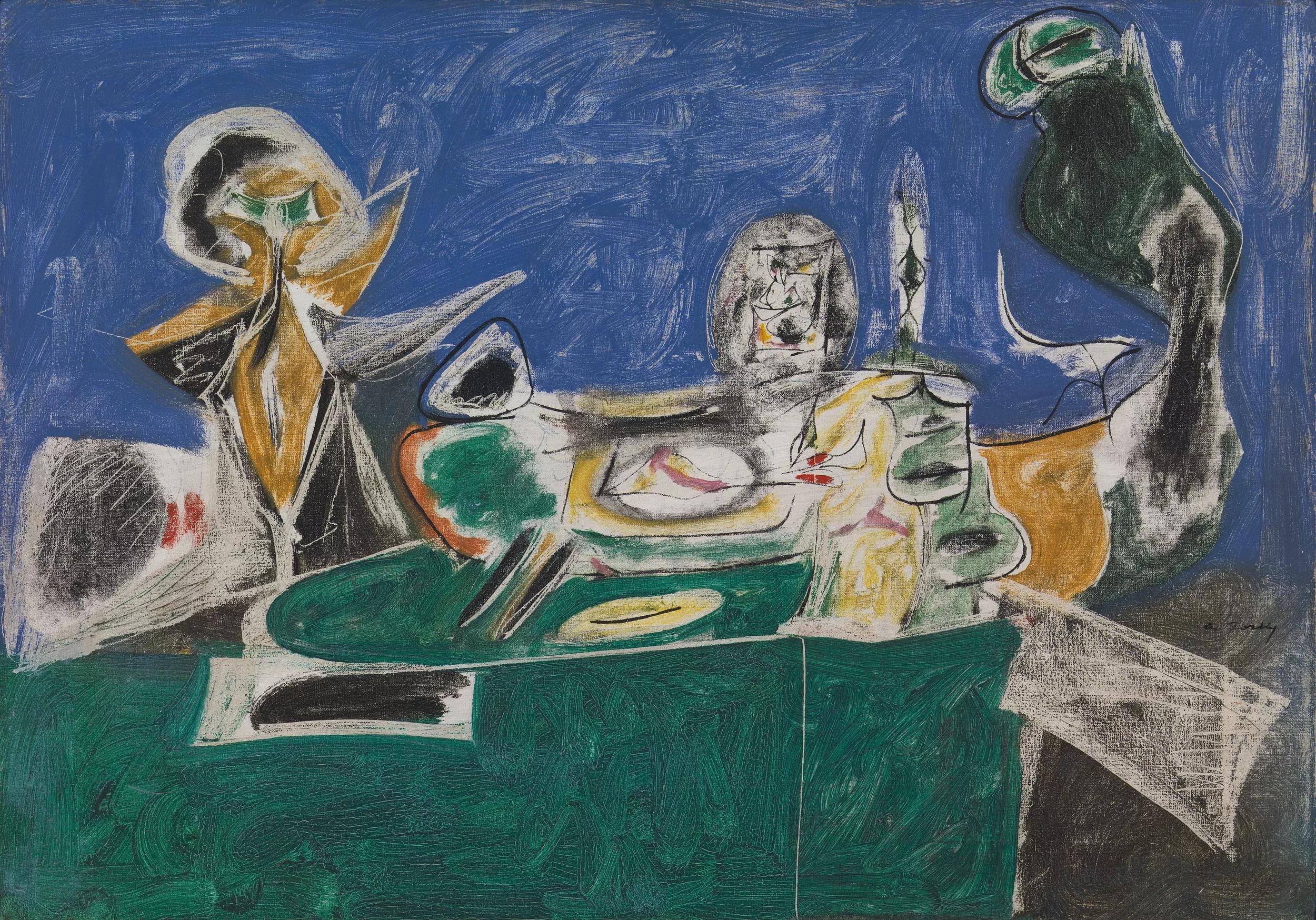
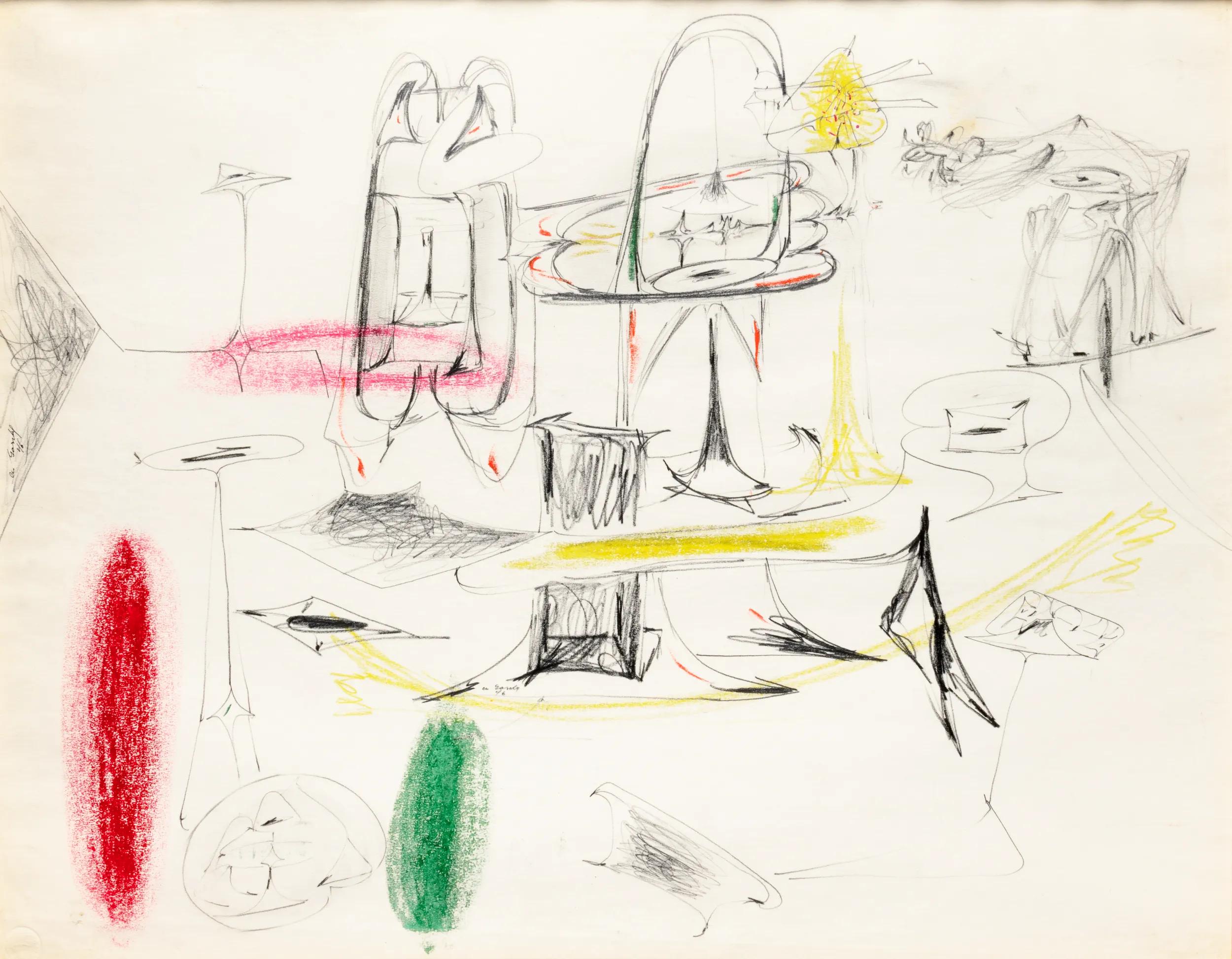
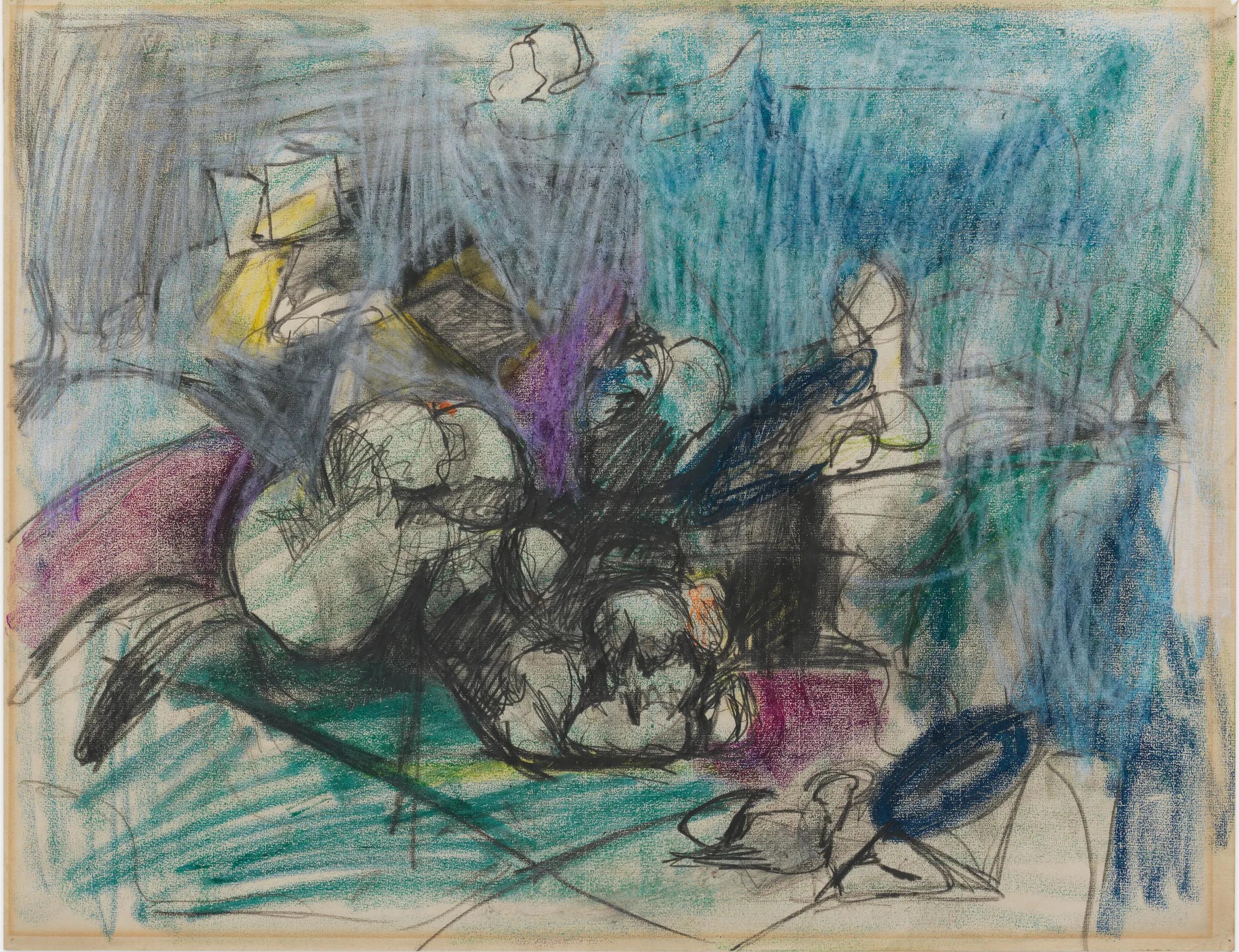
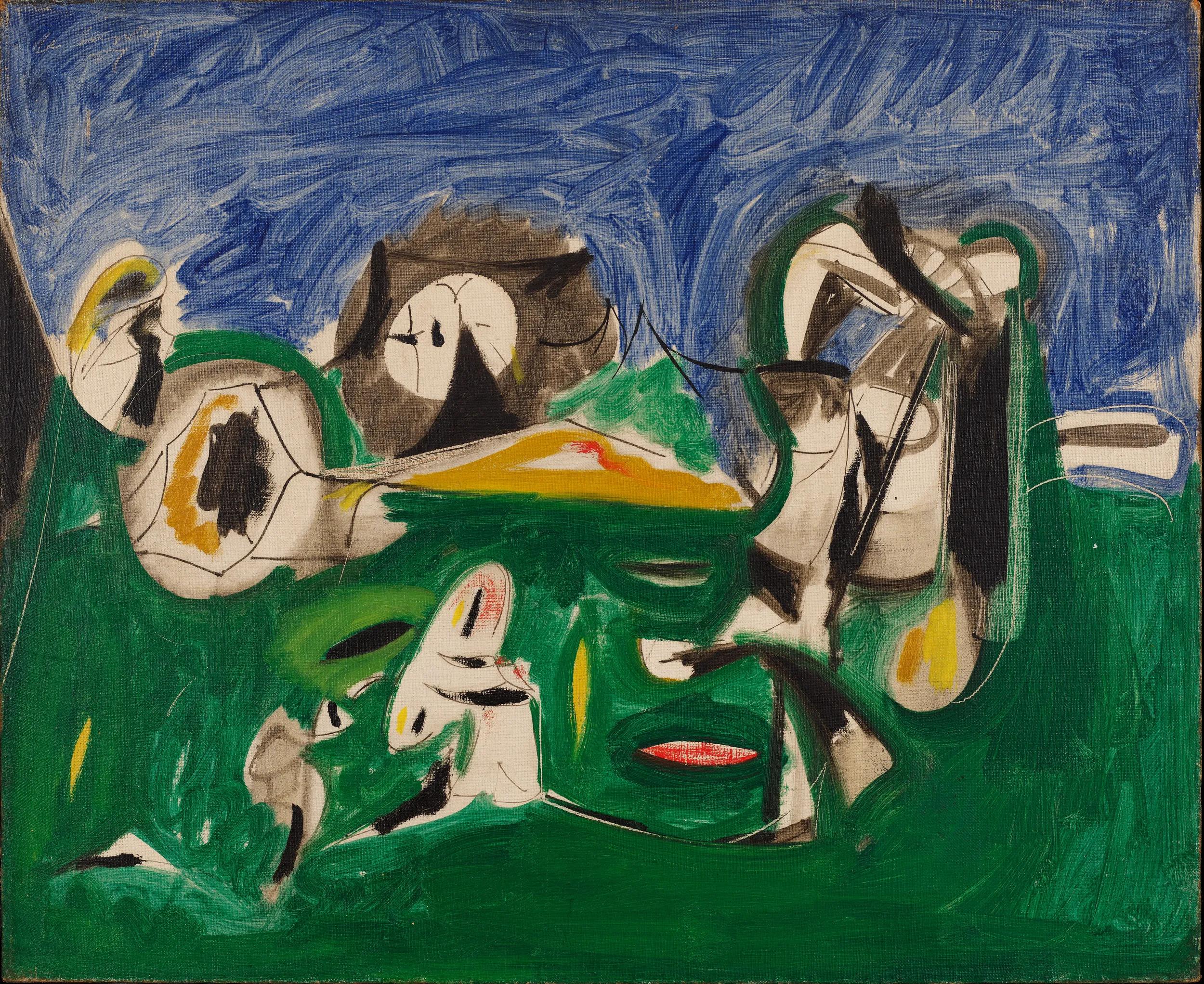
In the summer of 1941, Arshile Gorky, his soon-to-be wife Agnes ‘Mougouch’ Magruder and Isamu Noguchi packed into Noguchi’s brand-new Ford station wagon and set out for Los Angeles from New York City. Their two-week road trip marked Gorky’s first visit to California and his first extended time away from the East Coast since arriving in America as an Armenian refugee in 1920. Focused on the transformative impact of this journey, ‘Horizon West’ will present a selection of Gorky’s landscapes from before, during and after the transcontinental trip, tracing the development of his incomparable approach to the genre.
Presented in our West Hollywood location, the exhibition will feature never-before-exhibited works alongside paintings from the artist’s first solo museum show in August 1941 at the San Francisco Museum of Art (later SFMOMA), offering visitors a rare opportunity to study at close range the evolution of Gorky’s landscapes in response to his first-hand experience of America’s terrain.
Gorky helped drive the shift toward abstraction in 20th-century American art, serving as a crucial bridge between the dreamlike imagery of surrealism and the later development of abstract expressionism. Synthesizing the legacies of art history and engaging the innovations of such contemporaries as Pablo Picasso, Joan Miró and Willem de Kooning, he developed a wholly original visual vocabulary. The 1940s marked a period of intensified creativity for Gorky, sparked by his journey through the American West—an experience that prompted him to dramatically change his thinking and subject matter, particularly his intimate encounters with revelatory details: Mougouch recounted that when the trio arrived at the Grand Canyon, Gorky and Noguchi turned their backs on the immense vista, declaring it ‘too big to be interesting.’ Yet at a nearby Hopi reservation, Gorky was enthralled by handmade adobe ovens that reminded him of the clay stoves from his childhood in the Armenian Highlands. ‘We drove up to Big Sur,’ she recalled, ‘It was all so beautiful, but he wasn’t stunned—he only liked things he could get close to; he liked hills he could walk over.’
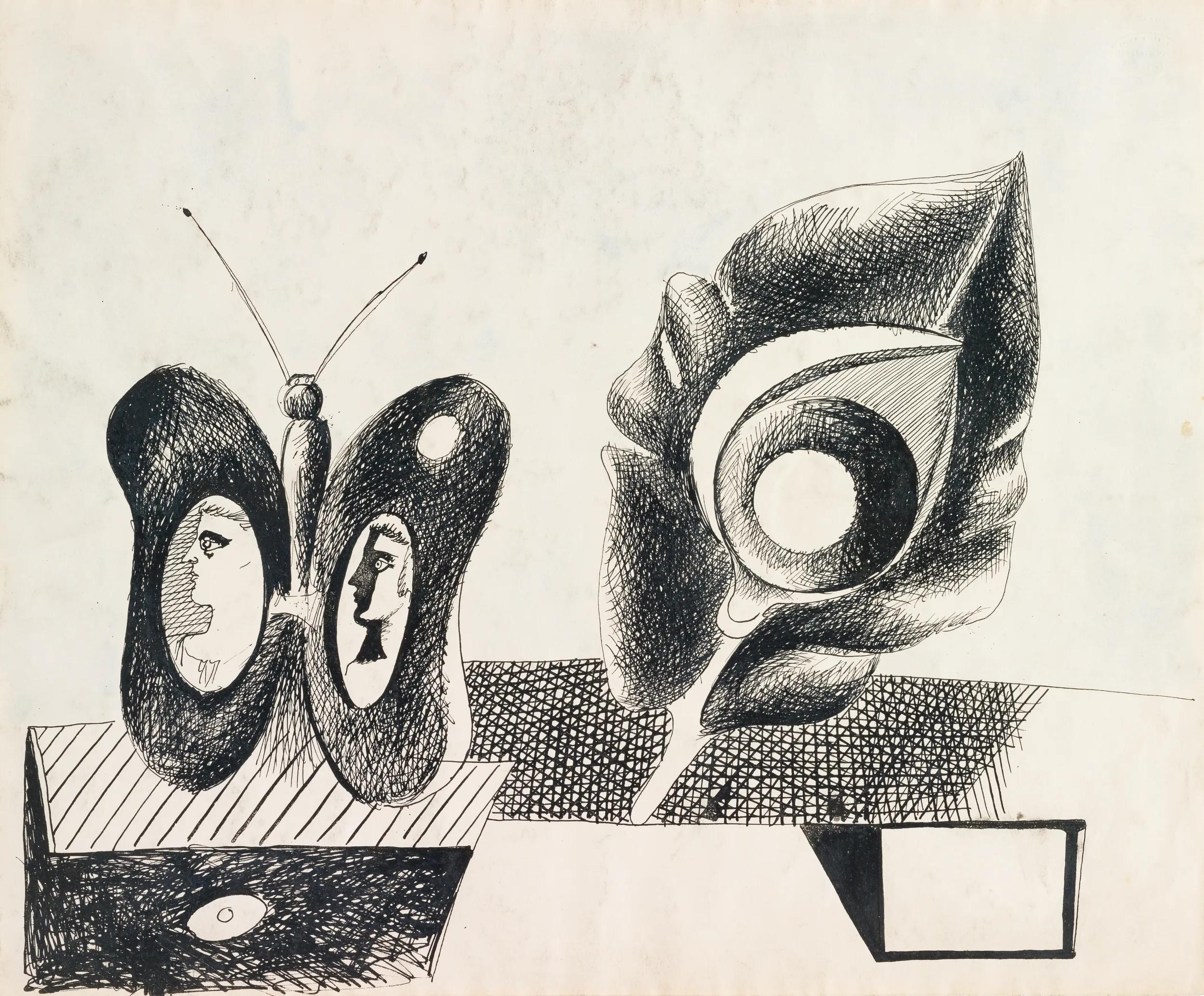
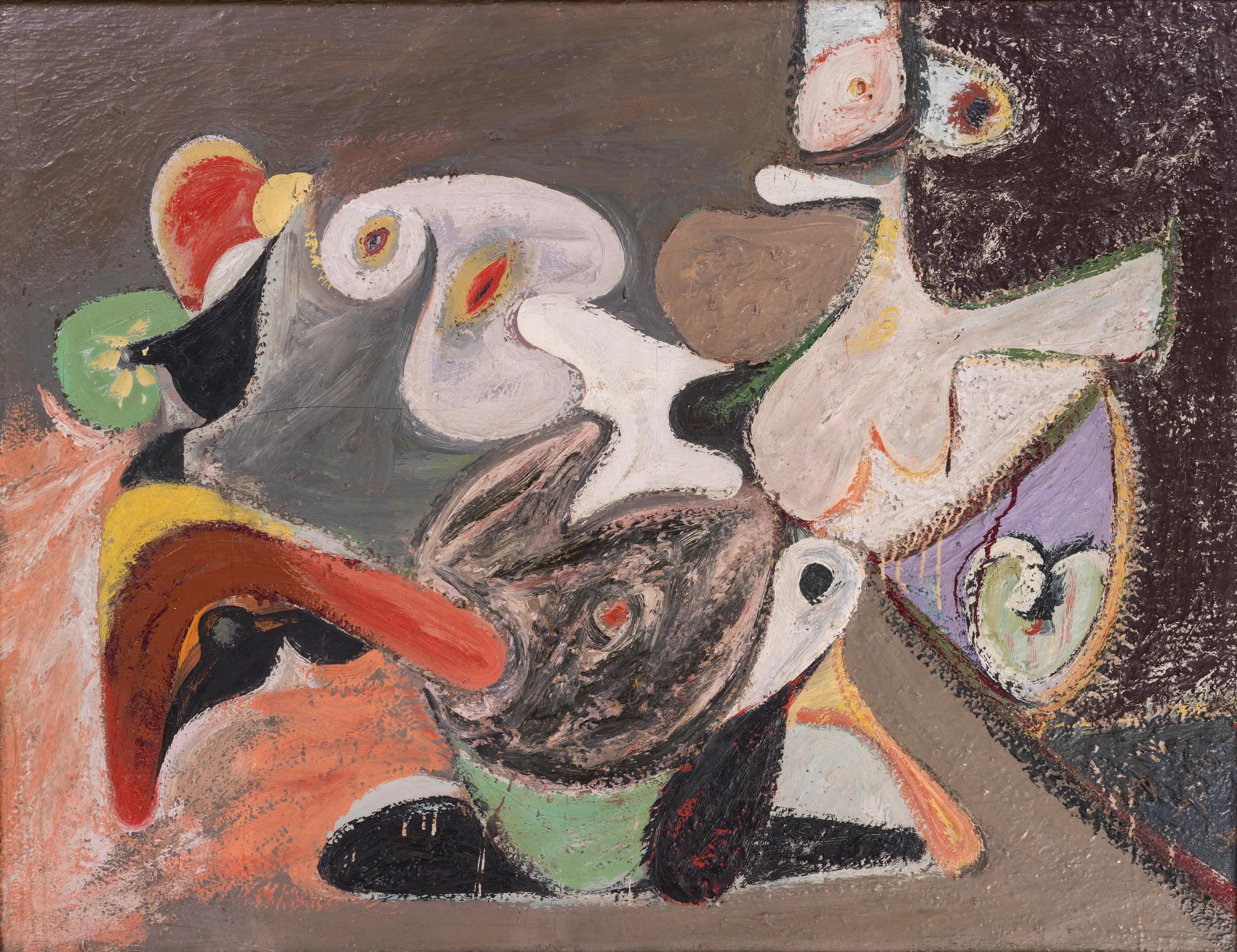
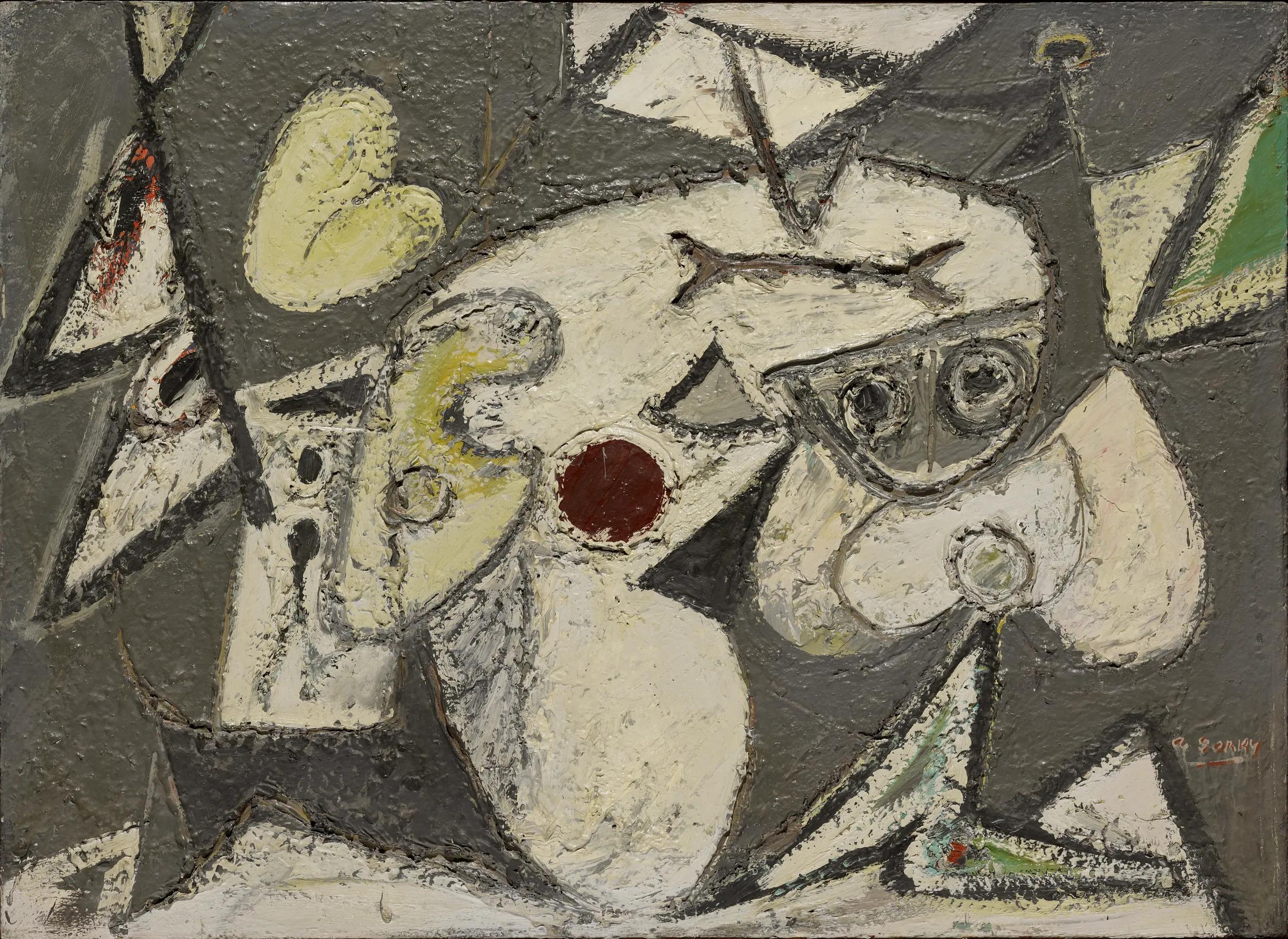
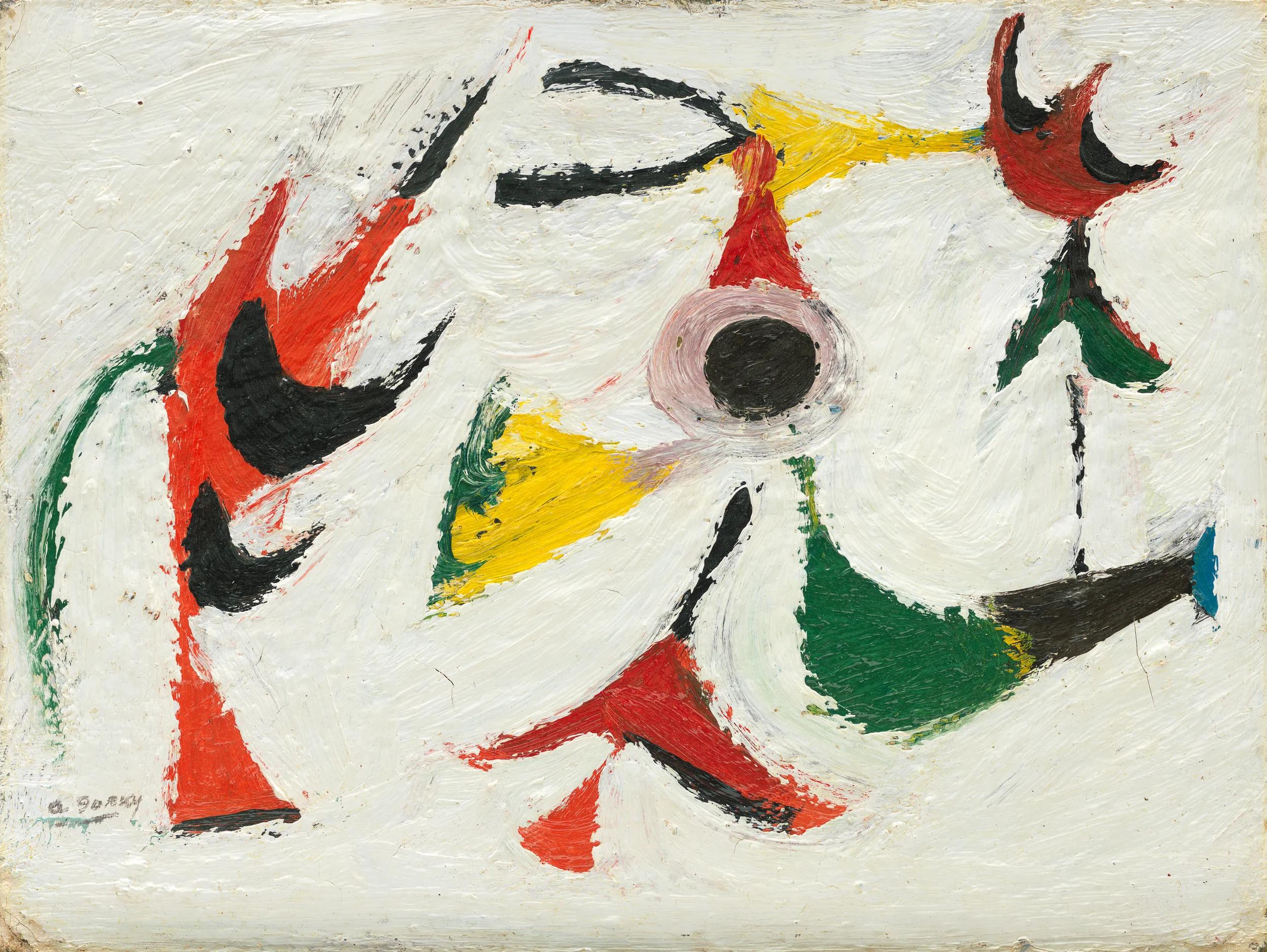
Tracking Down Guiltless Doves
1938 - 1939 c.
Untitled (Mojave)
1941-1942
Opening Night Screening & Talk: ‘Arshile Gorky. Horizon West’
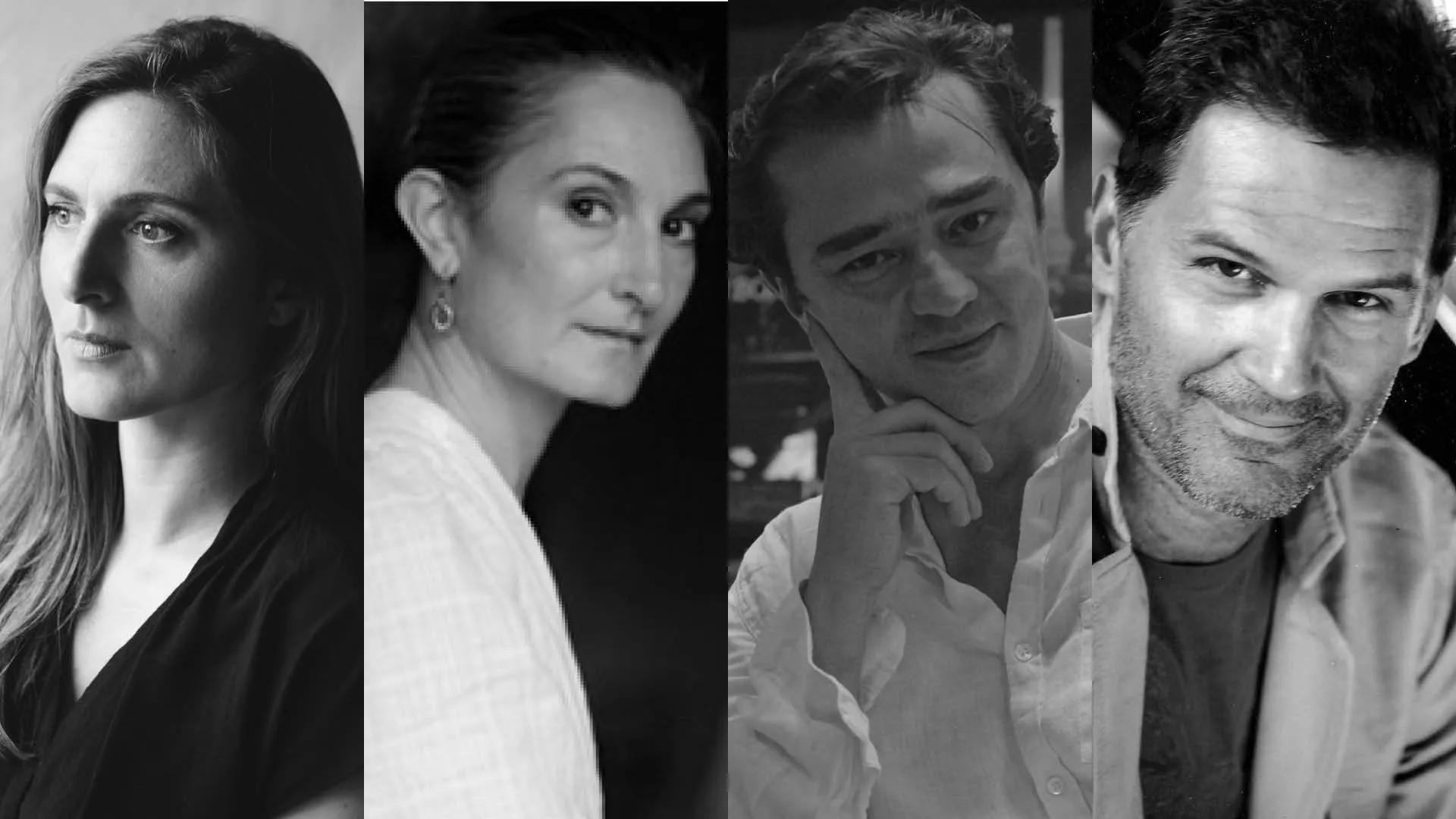
Join us on Wednesday 25 February at 6 pm for a seated screening of the new short film, ‘Horizon West,’ directed by the artist's granddaughter Cosima Spender, and a talk with:
Saskia Spender, President of Arshile Gorky Foundation
Cosima Spender, Director of ‘Horizon West’
Valerio Bonelli, editor of ‘Horizon West’
D.W. Moffett, Chair of SCAD and producer, actor and writer
The run time for ‘Horizon West’ is 23 minutes. Following the screening and talk, join us for the opening reception at 7 pm.
Installation Views
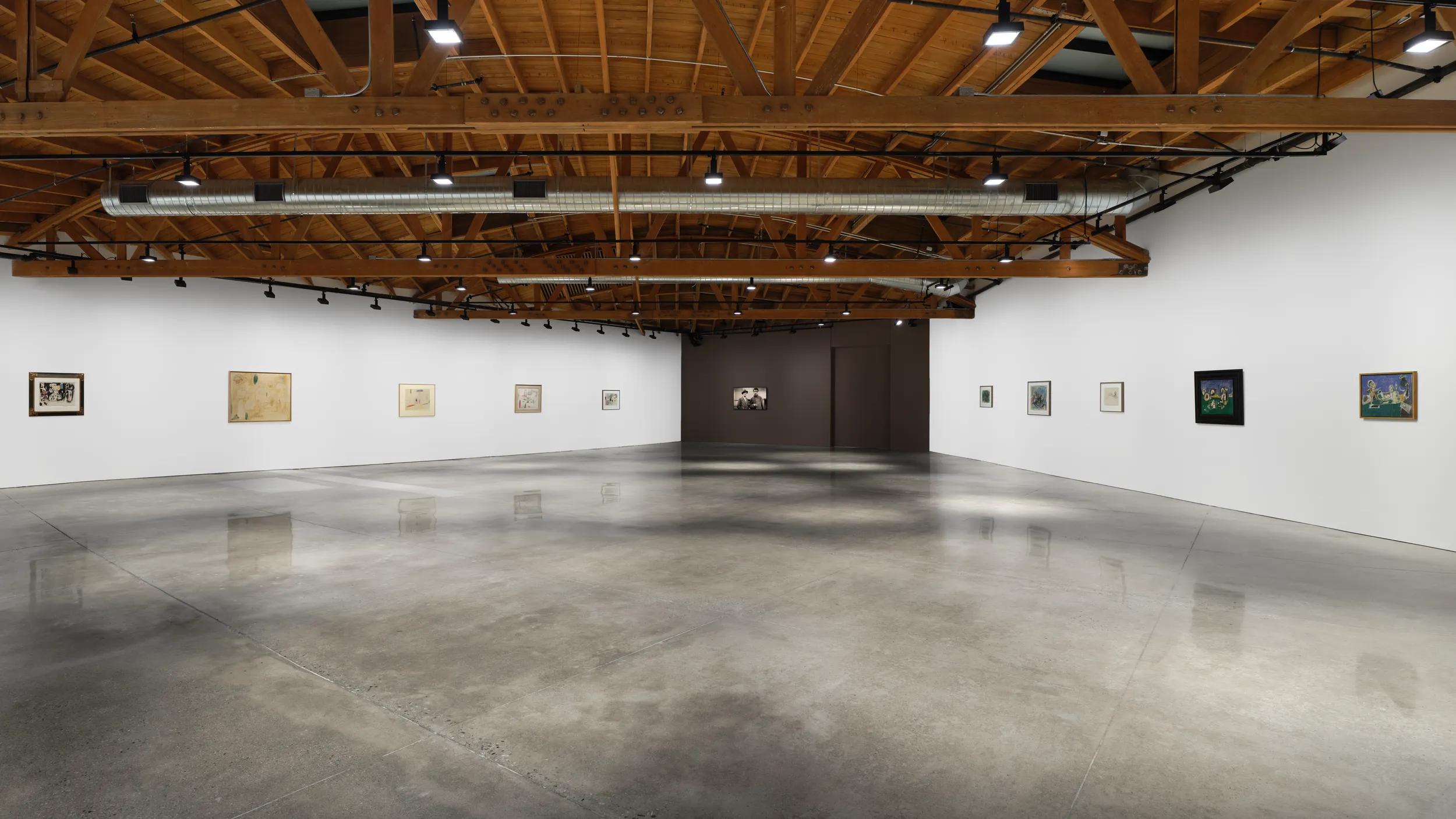
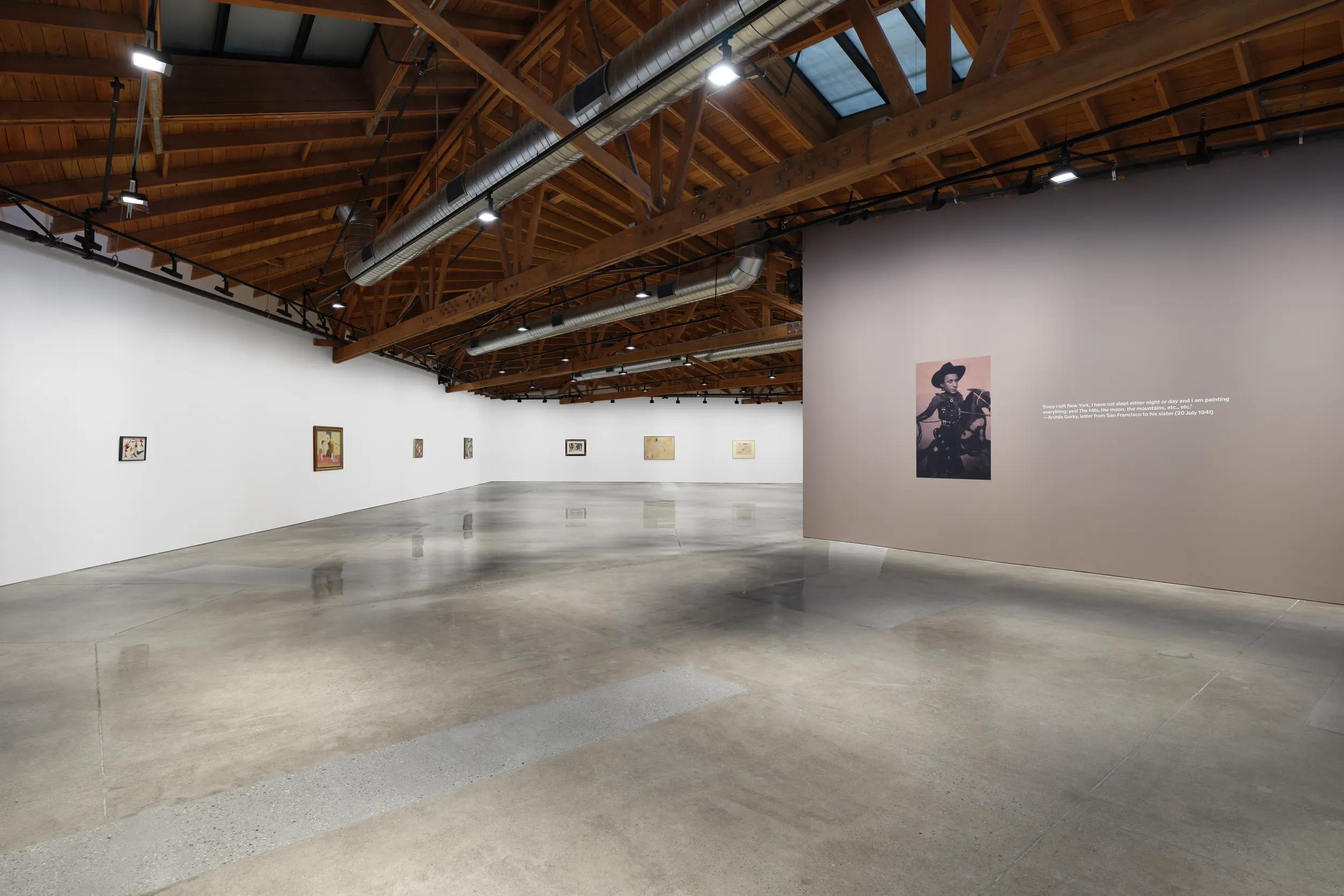
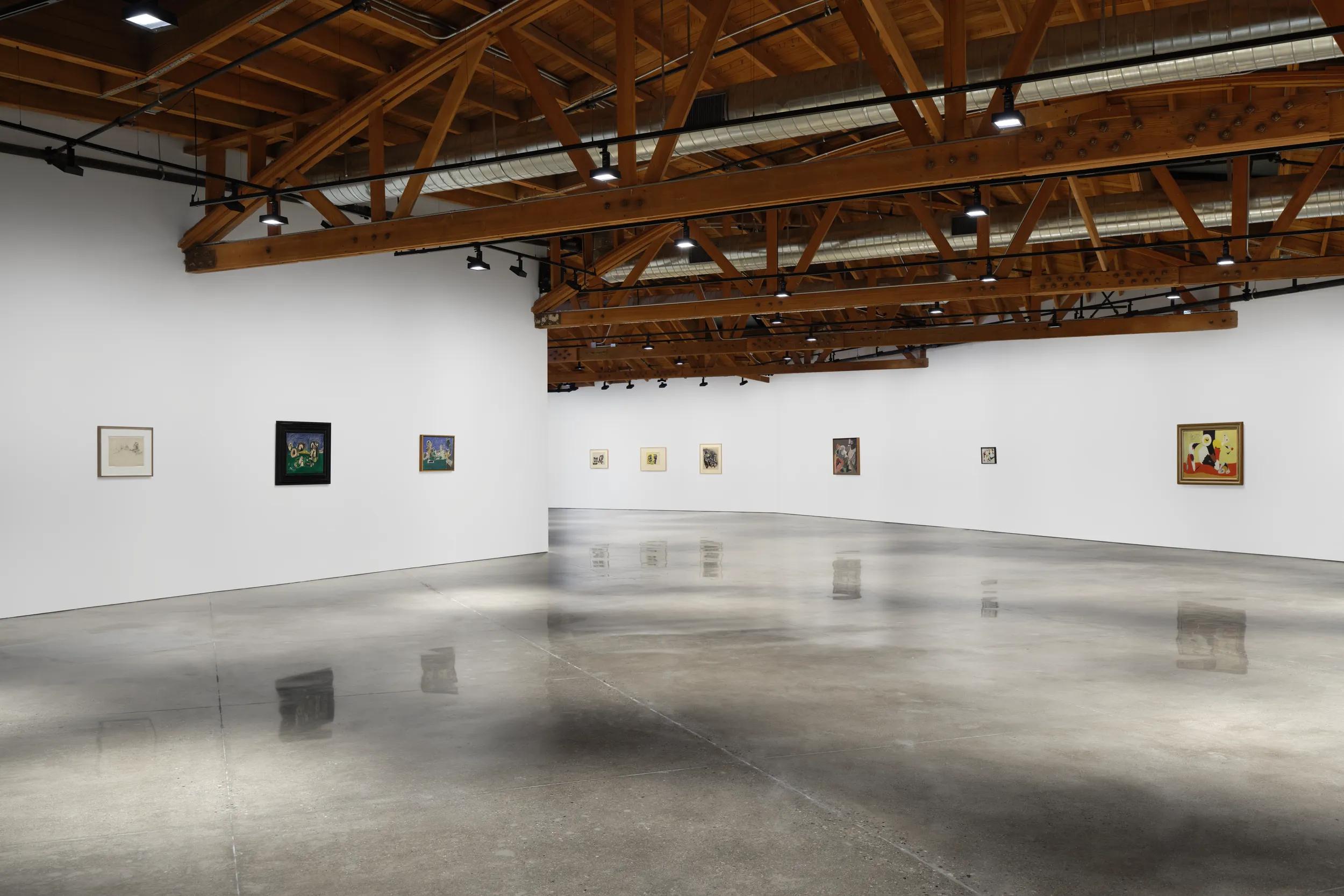
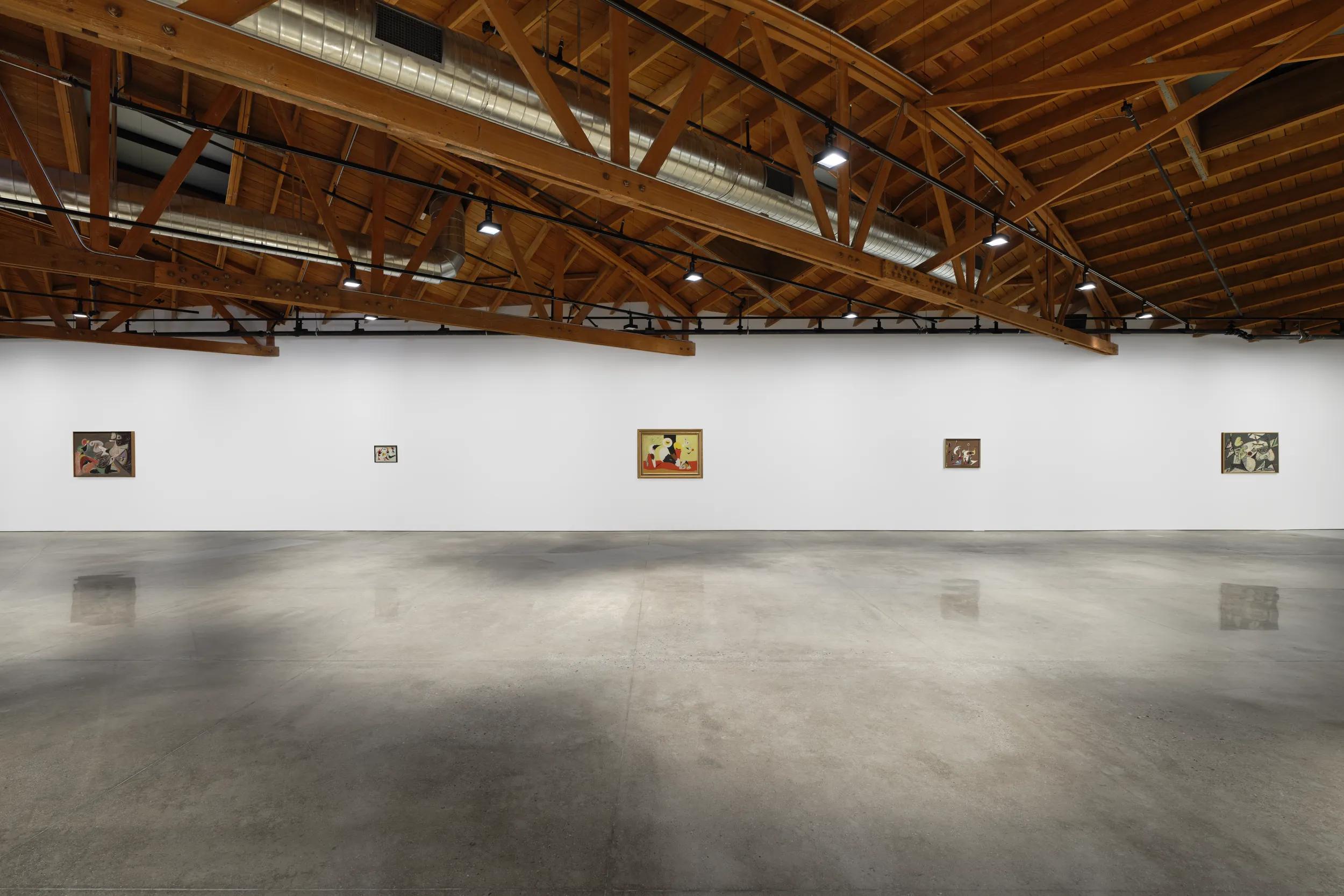
1 / 3
Related Content
About the Artist

Arshile Gorky
Arshile Gorky was born an ethnic Armenian in Khorkom, Van, Ottoman Empire (present-day Türkiye) in c. 1904. Fleeing the genocide that claimed the life of his mother, he immigrated to the United States as a teenage refugee in 1920. After four years with relatives in Massachusetts, Gorky moved to New York and changed his name in honor of the celebrated Russian poet. Refusing all categories, whether artistic or political, as necessarily reductive, Gorky forsook assimilation in favor of celebrating his otherness, becoming a central figure of the cultural milieu of a city on the brink of Modernism.
After a decade of working in New York, where he achieved a prominent position as a leading artist, Gorky initiated a series of studies and paintings observed from nature while on holiday in Connecticut first, and then over two summers at a farm in Virginia. Frequently returning to fragmentary and idealized elements of his early life, Gorky incorporated memories from his childhood as well as his adult fears and desires, among the reality of his surroundings.
Current Exhibitions


1 / 11