

Diary
The Radar: Stefan Brüggemann
The artist’s guide to Mexico City
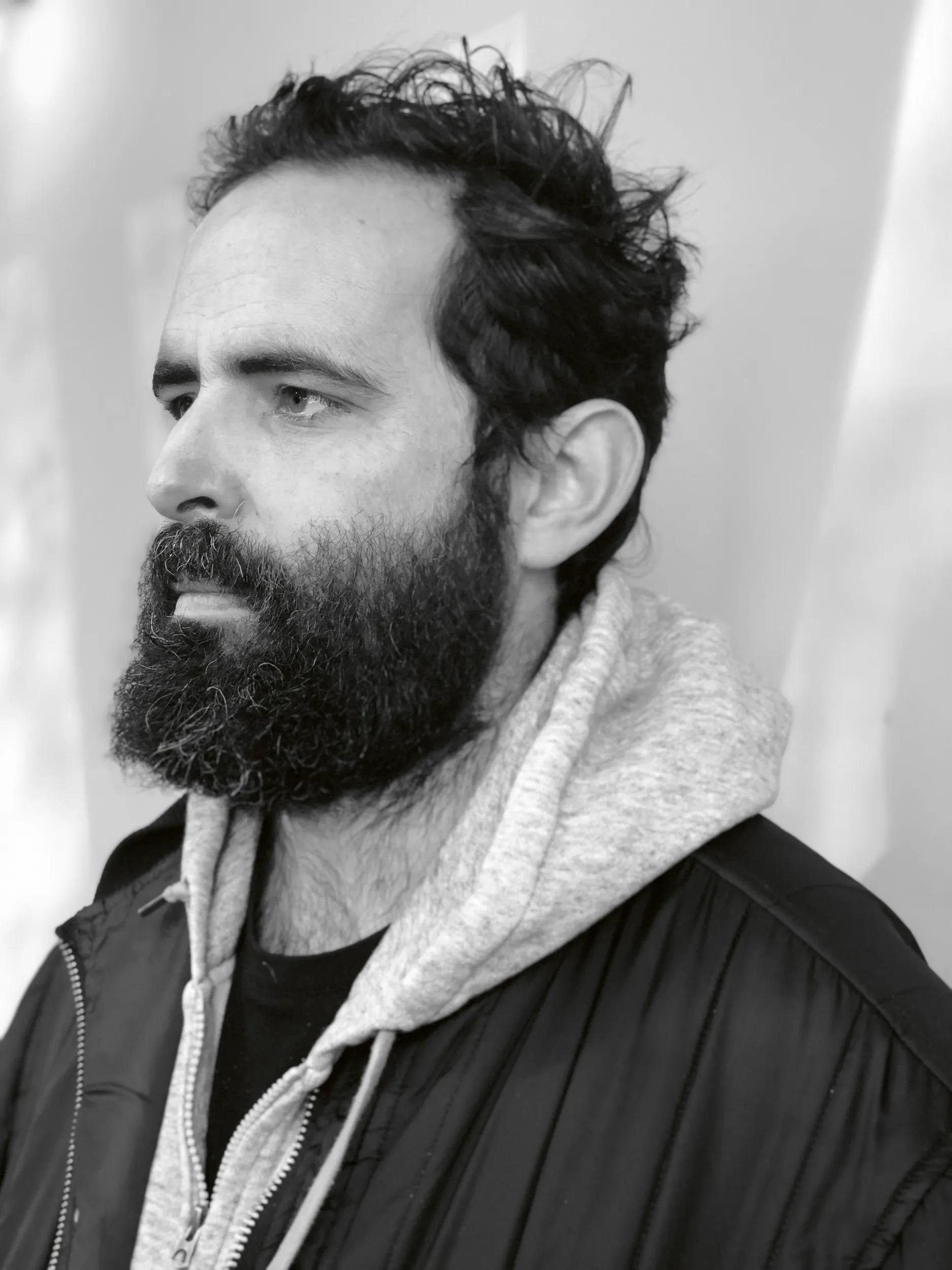
Stefan Brüggemann. Photo: Fabiola Quiroz
In this edition of The Radar—Ursula’s uncommon cultural recommendations from our friends and colleagues around the world—the artist Stefan Brüggemann, who was born in Mexico City and lives and works there, as well as in London and Ibiza, Spain—takes us around the Mexican capital, focusing on the culturally vibrant neighborhood of San Miguel Chapultepec, where he has had a studio for the past two years.
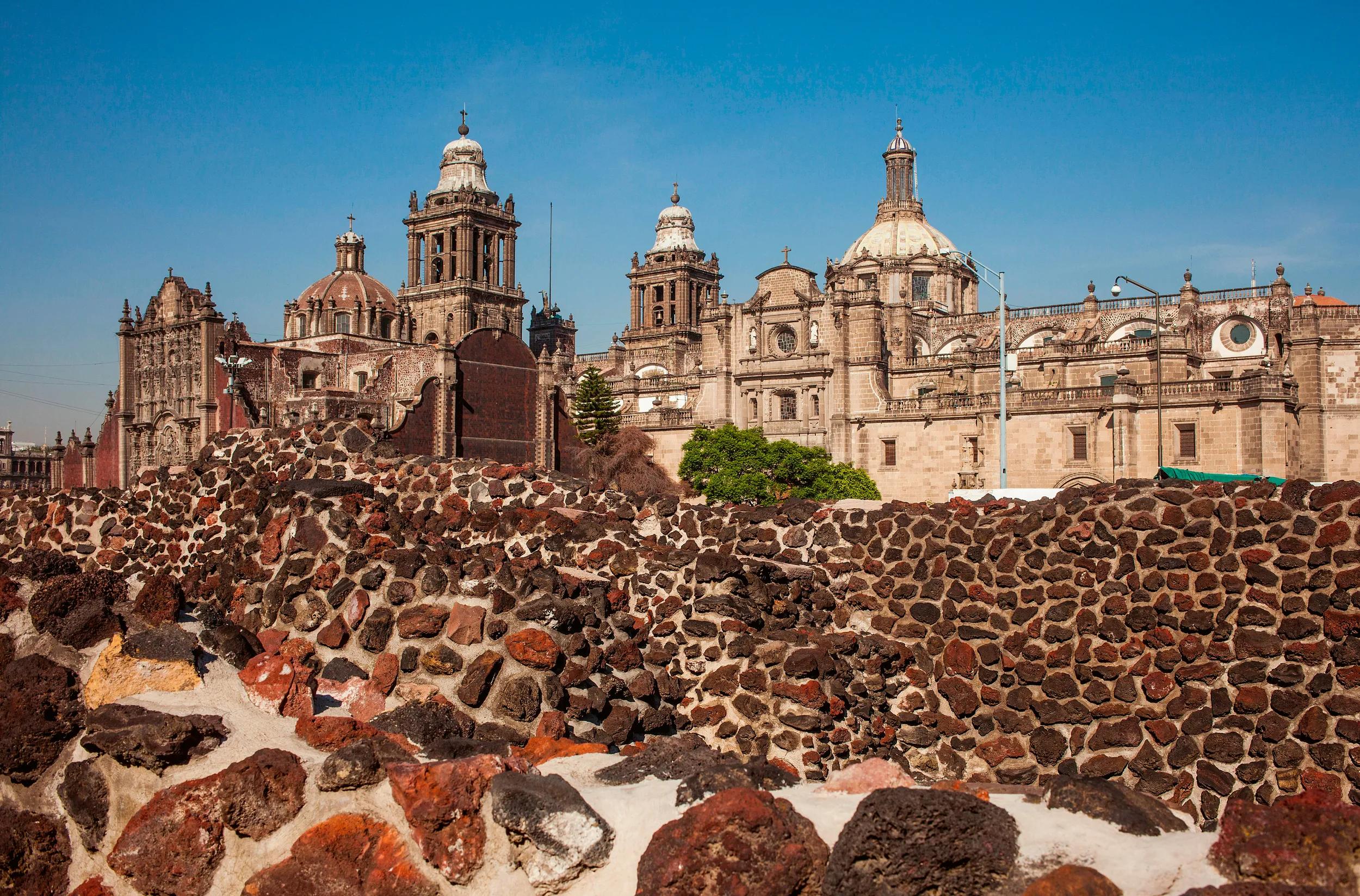
Ruins near the Mexico City Metropolitan Cathedral. Photo: Lucas Vallecillos / Alamy
The Mexico City Metropolitan Cathedral
This is, of course, not at all an off-the-beaten-path place to recommend to someone visiting my city. It’s one of our top tourist spots. But the cathedral, which is one of the oldest in Latin America, has a special meaning for me because my mother, an archaeologist, worked there doing excavations in the 1980s and I spent a lot of my childhood at the site, watching the digging. It was the first time I saw human bones and skulls, and it made me realize that Mexico City is sitting on top of so many layers of past cities, just below the surface.
Galería de Arte Mexicano
This gallery, where I’ve shown my work, has been open for almost a century. It was founded by two women, Carolina and Inés Amor, and was the first gallery in the city to exhibit so many of the major Mexican artists of the 20th century—the muralists Diego Rivera, José Clemente Orozco and David Alfaro Siqueiros; Rufino Tamayo; Frida Kahlo; Miguel Covarrubias, Miguel Condé and Wolfgang Paalen, among so many others. It’s a living monument to the history of Mexican art. The building where it is now was also the first work of the great architect Andrés Casillas de Alba, who is in his nineties and still working today.
Comal Oculto. Photo courtesy Stefan Brüggemann
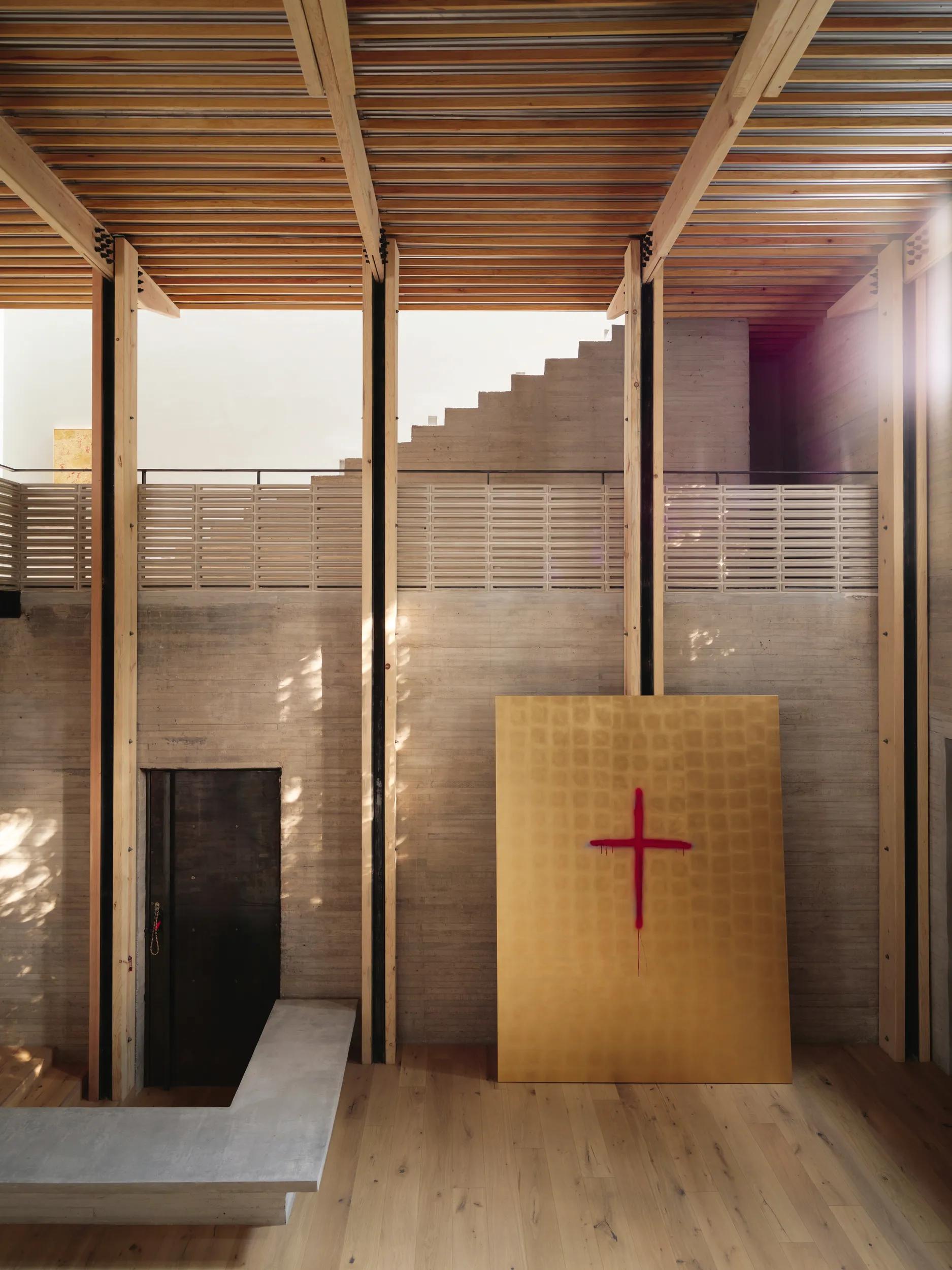
Interior of Stefan Brüggemann’s studio, designed by the architect José Juan Rivera Río. Photo: Fernando Marroquín
Comal Oculto
I love this place. It’s relatively new and just a block from my studio. It was recently renovated and expanded but at first it was just a butcher’s shop with a little place for cooking next door to it. It was so small that the only place to sit, a communal table of about a dozen chairs, was out in the driveway. The food is truly amazing—they do a lot of really unexpected combinations of traditional flavors and ingredients. They don’t take reservations, and since they got a Michelin star it’s been a bit of a madhouse. But they know me, and so I’ve always been able to go by and get takeout.
My Studio
Okay, I’m cheating a bit here because you can’t really visit this, except from the street, or you can come inside if I know you. But I’m really proud of this place, which I commissioned and the architect José Juan Rivera Río, my friend, designed. He and his firm were included in the 2021 Venice Biennale of Architecture. He’s very good at revisiting Modernism and taking existing structures and intervening, re-imagining them. My concept of the studio is like a chapel. For me, it’s a very private place. I don’t have assistants or employees. It’s just me. It’s like my home and my studio all in one. I really believe that work has to be very intimate, to be part of yourself, and so I’m very particular about where I work. This one was once a private house, long abandoned, with a garden in the back, and we essentially started by destroying and rebuilding it from the inside and then from the outside, making something serene, focusing on concrete, timber and steel. It’s a special place for me.
–
His practice spanning—and sometimes combining—sculpture, video, painting and drawing, Stefan Brüggemann creates text-based conceptual installations rich with acerbic social critique and a post-pop aesthetic. Born in Mexico City and working between Mexico, London and Ibiza, the artist ironically conflates Conceptualism and Minimalism.